
Aphaenogaster depilis
- Sci. Name
- Aphaenogaster depilis
- Tribe
- Stenammini
- Subfamily
- Myrmicinae
- Author
- Santschi, 1911
- Distribution
- Found in 2 countries
Introduction
Aphaenogaster depilis is a Mediterranean ant native to Algeria and Tunisia . They belong to the testaceopilosa species group and live at roughly 35°N latitude in extratropical Palearctic conditions, meaning they experience distinct seasonal changes including cooler winters . You will find them in agricultural orchards and forested areas such as Djurdjura National Park , where they nest in soil or under stones. What sets this species apart is their scavenging behavior. Unlike many ants that only hunt live prey, Aphaenogaster depilis feeds on carcasses. Researchers documented them on wild boar, Barbary partridge, and rat corpses in Algeria, acting as omnivorous necrophages that help break down dead animals . This makes them unusual among captive ants, as they will accept decaying protein sources in addition to standard ant foods.
Quick Summary
- Difficulty: Expert
- Origin & Habitat: Algeria and Tunisia [1][2], found in agricultural orchards [3] and forest ecosystems including Djurdjura National Park [4]
- Colony Type: Unconfirmed, typical Aphaenogaster species are single-queen, but this has not been documented for depilis
- Size & Growth:
- Queen: size data unavailable, inferred from Aphaenogaster genus (~7-10 mm)
- Worker: size data unavailable, inferred from Aphaenogaster genus (~3-5 mm)
- Colony: Unknown, no specific data exists
- Growth: Unknown, likely moderate based on genus patterns
- Development: Unknown (No development studies exist for this species. Based on related Aphaenogaster species, expect roughly 6-10 weeks at 25°C, but this is unconfirmed.)
- Antkeeping:
- Temperature: Keep at 20-25°C during active season, being extratropical at latitude 34.82° [2], they likely require seasonal cooling in winter
- Humidity: Moderate humidity matching Mediterranean forest floors, keep nest substrate damp but not waterlogged with good ventilation
- Diapause: Likely required, being an extratropical Palearctic species [2], provide a winter rest period with temperatures dropping to 10-15°C for several months
- Nesting: Soil or stone nests in nature, use naturalistic setups with clay or plaster, or test tubes for founding
- Behavior: Omnivorous scavengers documented feeding on animal carcasses [4], likely forage during spring and summer based on collection dates
- Common Issues: lack of specific care data means most husbandry is experimental and success is uncertain, Mediterranean species may suffer if kept at constant tropical temperatures without winter cooling period, scavenging behavior requires strict hygiene, remove uneaten protein quickly to prevent mold and bacterial growth, unknown founding type means you must observe the queen carefully to determine if she needs food during founding, this species is rarely kept in captivity, you are essentially pioneering their husbandry
Distribution and Natural History
Aphaenogaster depilis lives in the Maghreb region of North Africa, specifically Algeria and Tunisia [1]. The type specimen comes from Ouled-Messelem in Algeria [5]. You will find them at roughly 35°N latitude in extratropical conditions [2], meaning they experience seasonal temperature swings rather than constant tropical heat.
Their habitat ranges from cultivated agricultural orchards [3] to natural forest ecosystems. Researchers collected specimens in Djurdjura National Park and the Koléa region, showing they tolerate both wild and human-modified environments [4]. They appear active in spring (March) and summer (July-August) based on collection records [4], suggesting a seasonal activity pattern that likely includes winter dormancy.
Feeding and Diet
Unlike many ant species where you must offer only live prey, Aphaenogaster depilis readily scavenges. Studies in Algeria found them feeding on wild boar, Barbary partridge, and laboratory rat carcasses, making up roughly 0.5-1% of the insect fauna on these corpses [4]. This necrophagous behavior means they accept dead insects and meat in captivity.
In your setup, offer small pieces of dead insects, raw chicken, or fish in addition to standard sugar water. Because they eat carrion, hygiene becomes critical. Remove uneaten protein within 24 hours to prevent mold and bacterial contamination that could kill your colony. You can also offer live prey such as fruit flies or small crickets, but their willingness to take pre-killed food makes feeding easier once you establish the colony.
Temperature and Seasonal Care
As an extratropical species living at 34.82°N latitude [2], Aphaenogaster depilis experiences Mediterranean climate conditions. Keep your colony at roughly 20-25°C during the active season with a gentle heat gradient so ants can self-regulate.
Because they come from a region with distinct winters, you likely need to provide a diapause period. Starting in late autumn, gradually lower temperatures to 10-15°C for 2-3 months while maintaining moderate humidity. This winter rest period mimics their natural cycle and may be essential for long-term colony health and brood development. Watch for reduced activity as a sign they are ready for dormancy.
Captive Husbandry Challenges
Keeping Aphaenogaster depilis presents unique challenges because almost no specific captive care data exists. You are essentially pioneering their husbandry. Start with a standard test tube setup for founding, but check daily to determine if your queen is claustral (sealed in, living on fat reserves) or semi-claustral (needing food during founding). Most Aphaenogaster queens are claustral, but without confirmation for this species, observation is your only guide.
Use a naturalistic nest with soil or plaster once the colony grows, as they likely nest in ground substrates in nature. Provide excellent escape prevention, even if their exact size is unknown, Aphaenogaster workers are typically small enough to squeeze through tiny gaps. Because this species is rarely kept in captivity, document your observations carefully to help future keepers.
Frequently Asked Questions
Can I keep Aphaenogaster depilis in a test tube?
Yes, start with a standard test tube setup for founding. Use a water reservoir blocked with cotton and keep the tube in a dark, quiet place. Since their founding type is unconfirmed, check whether your queen forages or stays sealed in the chamber.
How long until first workers for Aphaenogaster depilis?
The egg-to-worker timeline is unknown for this species. Based on related Aphaenogaster species, expect roughly 6-10 weeks at 25°C, but this is purely an estimate. Monitor your queen and note that first workers (nanitics) often develop faster than subsequent brood.
Do Aphaenogaster depilis need hibernation?
Likely yes. Being from the Mediterranean region at 35°N latitude, they probably require a winter diapause. Lower temperatures to 10-15°C for 2-3 months during winter, maintaining humidity but reducing feeding.
What do Aphaenogaster depilis eat?
They are omnivorous scavengers that feed on dead animals. In captivity, offer sugar water constantly and protein sources such as dead insects, small pieces of raw meat, or live prey. Remove uneaten protein quickly to prevent mold.
How big do Aphaenogaster depilis colonies get?
Colony size is unknown. Based on other Aphaenogaster species, they may reach several hundred workers, but this is speculative. Growth rate is also unconfirmed.
Are Aphaenogaster depilis good for beginners?
No. This is an expert-level species due to the complete lack of specific care data. You must experiment to determine proper temperature, humidity, and founding behavior. Beginners should choose well-documented species like Lasius niger or Tetramorium immigrans.
Where do Aphaenogaster depilis come from?
They are native to North Africa, specifically Algeria and Tunisia, living in agricultural orchards and forested regions.
Can I keep multiple Aphaenogaster depilis queens together?
Not recommended. Combining unrelated queens has not been documented for this species. Most Aphaenogaster species are monogyne (single queen), and attempting to house multiple queens together will likely result in fighting and death.
Report an Issue
The current care sheet is based fully on literature. See inconsistencies, or something that's incorrect? Please , it will be resolved after review from an admin. Contributing to the blogs tab also helps providing information, to make us be able to further improve the caresheets. Thank you for your support!
References

This caresheet is licensed under CC BY-SA 4.0 .
Community Blogs
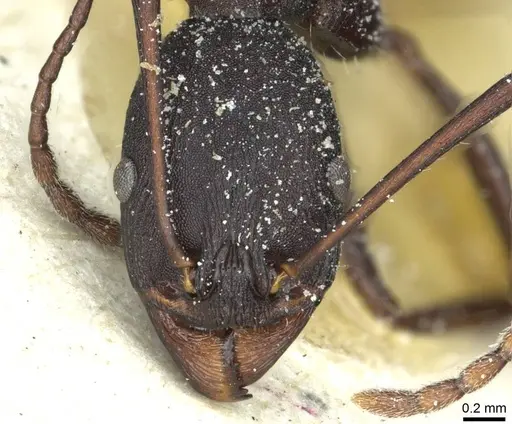
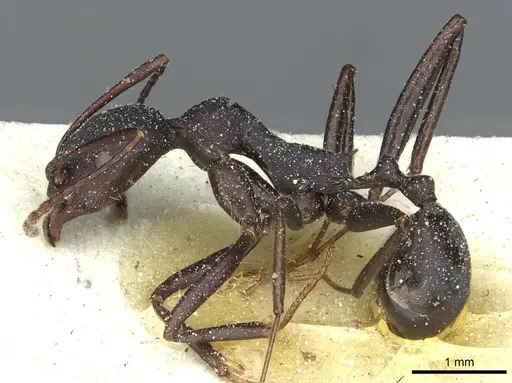
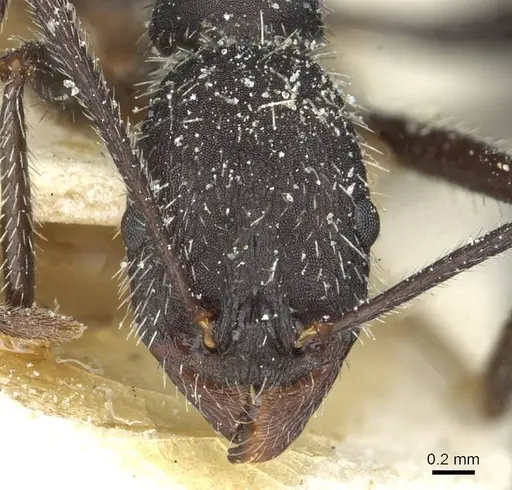
CASENT0913110
View on AntWeb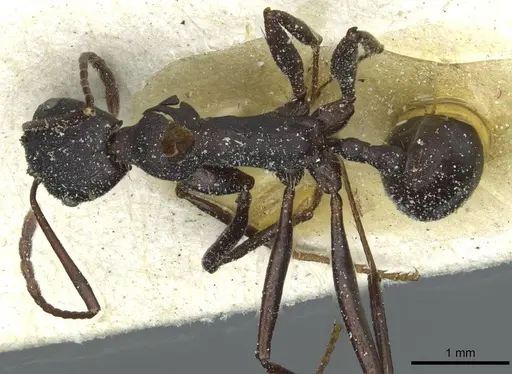
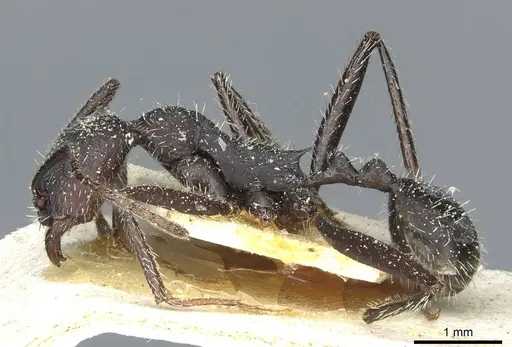
CASENT0913112
View on AntWeb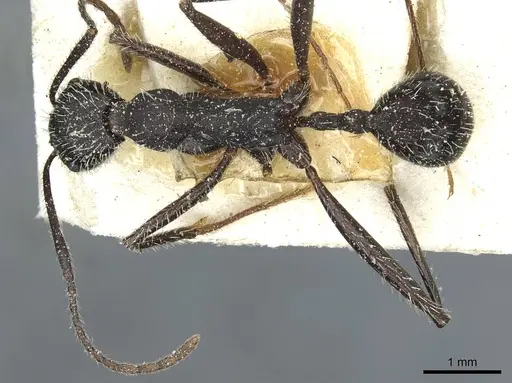
Literature
Loading distribution map...Loading products...