
Aphaenogaster curiosa
- Sci. Name
- Aphaenogaster curiosa
- Tribe
- Stenammini
- Subfamily
- Myrmicinae
- Author
- Santschi, 1933
- Distribution
- Found in 1 countries
Introduction
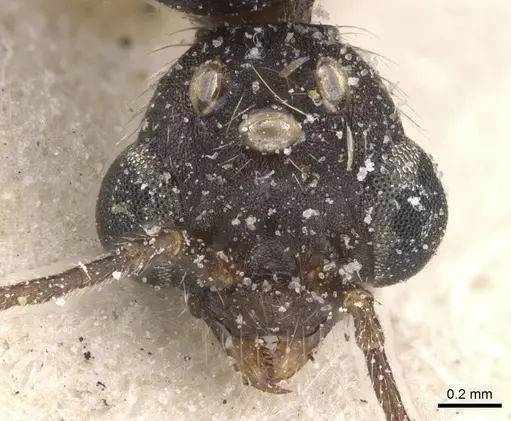
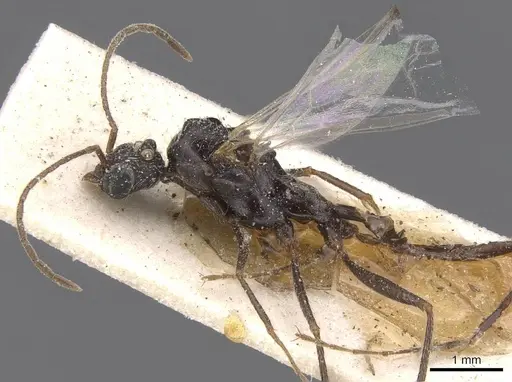
Aphaenogaster curiosa is a medium-sized ant endemic to the High Atlas mountains of Morocco . They inhabit mountain pastures and rocky slopes from the Marrakech region to the Tizi-n-Tichka pass, including areas around Demnate and Telouet . As a member of the testaceopilosa species group, they show the typical Aphaenogaster build with long legs and a narrow waist. This is a rare species in the ant trade, making it a specialized choice for experienced keepers willing to replicate their mountain habitat needs.
Quick Summary
- Difficulty: Medium
- Origin & Habitat: Endemic to the High Atlas mountains of Morocco, specifically mountain pastures and rocky areas between Marrakech and Tizi-n-Tichka, including Demnate and Telouet [1][2].
- Colony Type: Colony structure is unconfirmed for this species.
- Size & Growth:
- Queen: size data unavailable
- Worker: size data unavailable
- Colony: up to 2000 workers
- Growth: moderate
- Development: approximately 8-12 weeks at 25°C (development time varies with temperature)
- Antkeeping:
- Temperature: keep at 20-25°C during the active season. provide a cooling period to 10-15°C for 3-4 months in winter to simulate high altitude conditions [1].
- Humidity: moderate humidity, nest material should feel damp but not waterlogged. mountain pastures suggest they need more moisture than desert species.
- Diapause: yes, required due to their high atlas mountain origin with cold winters [1].
- Nesting: in nature they nest under stones and in soil. in captivity, use y-tong, plaster, or naturalistic setups with flat stones and deep substrate for tunneling.
- Behavior: likely docile and slow-moving with typical Aphaenogaster seed-collecting behavior. they are not known to be aggressive. workers are active foragers but not escape artists, standard mesh barriers are still needed.
- Common Issues: failure to provide winter cooling will cause the colony to decline or die off., overheating is a risk, these are mountain ants and need moderate temperatures., keeping conditions too dry may stress the colony given their mountain pasture habitat., rarity in the trade means colony replacement is difficult if the queen dies.
Nest Preferences and Setup
in their natural habitat in the high atlas mountains, Aphaenogaster curiosa nests under stones and in the soil of mountain pastures [1]. they prefer secure, enclosed spaces with some weight overhead. for captive care, a y-tong nest or plaster nest works well. provide a stone or flat piece of slate as a cover over part of the nest area. they need depth for tunneling, at least 5-10 cm of substrate. a naturalistic setup with a soil-sand mix and flat stones can also work well. ensure the nest has tight-fitting lids or fine mesh to prevent escapes.
Temperature and Seasonal Care
coming from the high atlas mountains at elevations around 2000-3000 meters, Aphaenogaster curiosa experiences significant seasonal temperature swings [1]. during the active season (spring through autumn), keep them at 20-25°C with a gentle heat gradient. they require a winter rest period (diapause) to thrive long-term. starting in late autumn, gradually cool the colony to 10-15°C for 3-4 months. you can achieve this in an unheated room, garage, or refrigerator set to wine-cellar temperatures. do not let them freeze. resume normal temperatures in early spring. without this cooling period, colonies often fail to produce brood or the queen may die prematurely.
Feeding and Diet
Aphaenogaster curiosa is a generalist omnivore. they collect seeds, hunt small insects, and tend aphids for honeydew. in captivity, offer a mix of seeds (millet, canary seed, chia), sugar water or honey water in a test tube setup, and small live prey like fruit flies, springtails, or tiny pieces of mealworm. remove uneaten protein within 24-48 hours to prevent mold. they are not specialized predators, so standard ant diets work well.
Colony Founding
specific founding behavior for Aphaenogaster curiosa has not been documented. based on typical Aphaenogaster patterns, queens likely practice claustral founding, the queen seals herself in a chamber and lives entirely on stored body fat until her first workers hatch. place a newly caught queen in a standard test tube setup with water reservoir and cotton plug, then leave her completely alone in the dark for several weeks. do not attempt to feed her during this period.
Growth and Development
colony growth is moderate compared to fast-growing species like Lasius or Formica. based on related temperate Aphaenogaster species, expect eggs to develop into workers in roughly 8-12 weeks at 25°C. the first workers (nanitics) may be smaller than subsequent generations. colonies probably reach a few hundred to a couple thousand workers at maturity. growth slows significantly during winter diapause when brood development pauses.
Frequently Asked Questions
Are Aphaenogaster curiosa good for beginners?
no, they are not ideal for beginners. they are endemic to morocco and rarely available in the ant trade. their requirement for a winter diapause period and specific mountain habitat conditions makes them better suited for keepers with some experience.
Do Aphaenogaster curiosa need hibernation?
yes, they need hibernation (diapause). as a high atlas mountain species, they experience cold winters in nature. cool them to 10-15°C for 3-4 months each winter.
Can I keep multiple Aphaenogaster curiosa queens together?
this is not recommended. most Aphaenogaster species are single-queen, and combining unrelated queens usually leads to fighting and death. there is no evidence that this species accepts multiple queens.
How long until Aphaenogaster curiosa get their first workers?
based on related temperate Aphaenogaster species, expect roughly 8-12 weeks from egg to first worker at 25°C. this may take longer at cooler temperatures.
What is the best nest type for Aphaenogaster curiosa?
y-tong nests, plaster nests, or naturalistic setups with soil and flat stones work well. they naturally nest under stones in mountain pastures, so provide some weight or cover over part of the nest area to make them feel secure.
Do Aphaenogaster curiosa ants sting?
like most Aphaenogaster, they possess a stinger but are not considered dangerous to humans. they are generally docile and unlikely to sting unless severely provoked.
What do Aphaenogaster curiosa eat?
they are generalist foragers. offer a mix of seeds (millet, chia, canary seed), sugar water or honey water, and small insects like fruit flies or springtails.
Report an Issue
The current care sheet is based fully on literature. See inconsistencies, or something that's incorrect? Please , it will be resolved after review from an admin. Contributing to the blogs tab also helps providing information, to make us be able to further improve the caresheets. Thank you for your support!
References

This caresheet is licensed under CC BY-SA 4.0 .
Community Blogs
CASENT0913109
View on AntWeb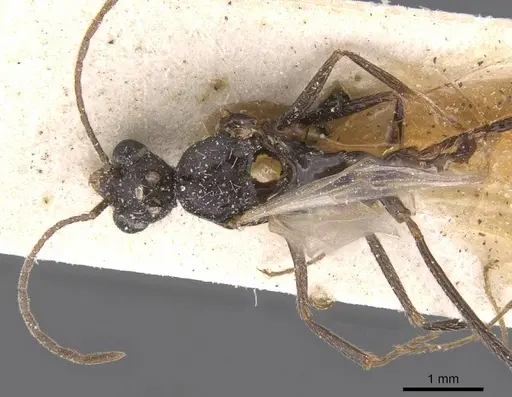
Literature
Loading distribution map...Loading products...