
Aphaenogaster crocea
- Sci. Name
- Aphaenogaster crocea
- Tribe
- Stenammini
- Subfamily
- Myrmicinae
- Author
- André, 1881
- Distribution
- Found in 2 countries
Introduction
Aphaenogaster crocea is a Mediterranean ant native to North Africa, found in Algeria, Morocco, and Tunisia . It belongs to the crocea species group - a recently recognized lineage within the genus that was previously confused with the subterranea group . These ants live in extratropical regions around 34°N latitude , experiencing classic Mediterranean climates with hot, dry summers and mild, wet winters. Recent taxonomic work has clarified that earlier records from Italian islands like Pantelleria and Lampedusa were actually misidentifications of Aphaenogaster strioloides . In the wild, they likely nest in soil or rotting wood, like other Aphaenogaster species, though specific nesting biology has not been documented. They represent one of two Maghrebian taxa in their group, most closely related to species found in Italy and Malta . For keepers, this means you need to replicate Mediterranean seasonal cycles, including a cooler winter rest period, and pay careful attention to identification if buying from European sources.
Quick Summary
- Difficulty: Medium
- Origin & Habitat: Mediterranean North Africa (Algeria, Morocco, Tunisia) [1][2][3], extratropical Palearctic region at approximately 34°N latitude [2]
- Colony Type: Unconfirmed, likely monogyne based on general Aphaenogaster patterns, but no literature confirms this directly
- Size & Growth:
- Queen: Size data unavailable, no measurements recorded in available literature
- Worker: Size data unavailable, no measurements recorded in available literature
- Colony: Unknown
- Growth: Unknown
- Development: Unknown, no development studies exist for this species (No direct data, progress must be observed firsthand)
- Antkeeping:
- Temperature: Maintain warm, stable conditions during the active season (roughly 22-26°C). Provide a winter cooling period at 10-15°C for 2-4 months, based on Mediterranean climate patterns. Exact preferences are not documented.
- Humidity: Moderate humidity, keep the nest substrate damp but not waterlogged, and include a slightly drier zone so the colony can self-regulate. Specific requirements are not documented.
- Diapause: Likely yes, based on the extratropical distribution at 34°N [2], a winter diapause is expected.
- Nesting: Soil or rotting wood nests are likely, as typical for Aphaenogaster. In captivity, use a naturalistic setup with mixed substrates, or a Y‑tong/plaster nest with moderate humidity.
- Behavior: Assumed to be similar to other Aphaenogaster: active, individual foragers, generally harmless. Workers are small (size data unavailable) and can squeeze through tiny gaps, so moderate escape risk. They may bite if handled but it's nothing serious.
- Common Issues: colonies may stall or decline without a proper winter dormancy period., risk of misidentification with Aphaenogaster subterranea or Aphaenogaster strioloides, always verify the source., small workers can escape through tiny gaps, secure all connections., lack of species‑specific data means keepers must rely on general Aphaenogaster advice and adjust care based on colony response., overfeeding can cause mold because growth is slow (if growth rate is slow in your colony).
Nest Preferences
Specific nesting sites have not been documented for Aphaenogaster crocea. Based on related Aphaenogaster species, they probably prefer damp, shaded spots under stones or in decaying logs, and likely nest in soil or rotting wood. For a captive colony, you can offer a naturalistic setup with a mix of soil and small pieces of rotting wood so they can excavate their own chambers. Alternatively, a Y‑tong (AAC) or plaster nest with moderate humidity works well, just make sure the chambers are not too large for their size. The substrate should never dry out completely. Provide a gradient: keep one side slightly damper than the other so the colony can move to its preferred humidity.
Temperature and Seasonal Care
Coming from Mediterranean North Africa at around 34°N latitude, these ants experience distinct seasons [2]. During the active season (spring through autumn), keep them warm and stable around 22-26°C. You can create a gentle heat gradient by placing a heating cable or mat on one side of the nest (positioned on top, not underneath, to avoid condensation). During winter, they likely need a cooling period (diapause) at 10-15°C for several months. Without this winter rest, colonies may fail to thrive or show reduced brood development the following year. Watch for reduced activity and brood piles as signs they are ready for hibernation. Do not let them freeze, a refrigerator or cool basement works well for the winter months.
Feeding and Diet
No dietary studies exist for Aphaenogaster crocea, but related Aphaenogaster species are opportunistic omnivores. They likely accept small live insects (fruit flies, springtails, tiny mealworm pieces) as well as dead insects if fresh. For carbohydrates, offer sugar water or honey water in a small feeding dish. Some Aphaenogaster collect and store seeds, so you can experiment with chia or millet seeds. Feed small amounts twice a week during the active season, removing uneaten food within 24 hours to prevent mold. Watch how your colony responds and adjust accordingly.
Colony Founding
Founding behavior is unconfirmed for this species. House a lone queen in a small, dark setup like a test tube with a water reservoir, and disturb her as little as possible for the first 6-10 weeks. If she is claustral (typical for many Aphaenogaster), she will not need food until the first workers hatch. If she is semi‑claustral (less likely but possible), she may need to forage. Without confirmation, watch her closely, if she seems restless or loses condition, she may need occasional small prey. In general, avoid feeding during the first month unless she appears desperate.
Identification and Similar Species
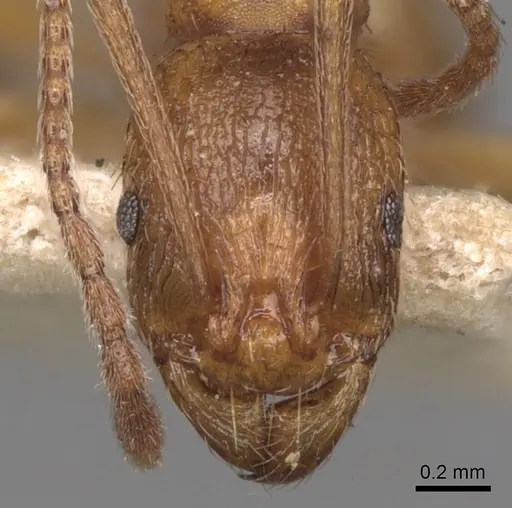
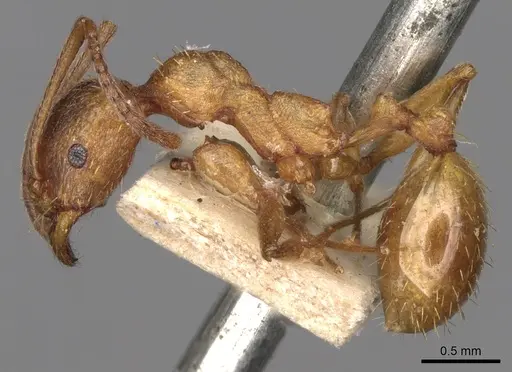
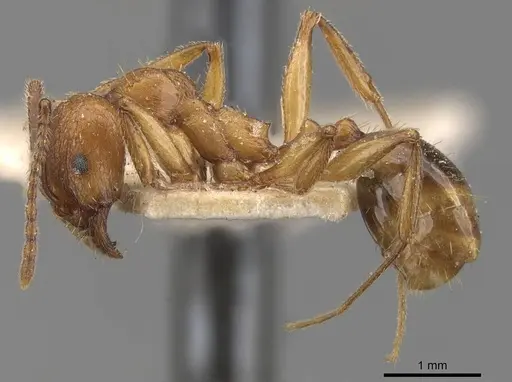
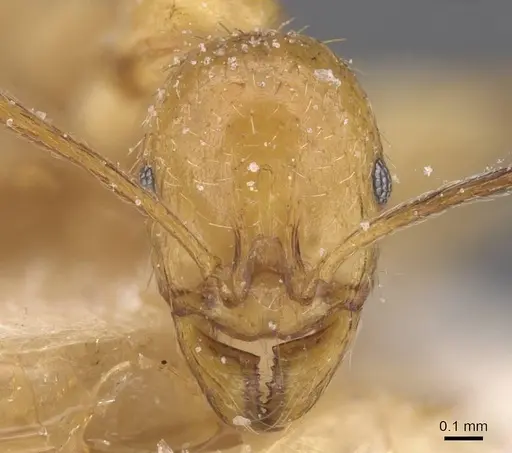
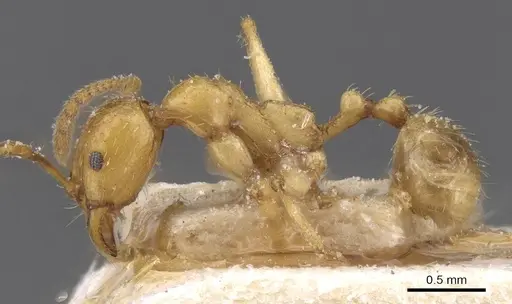
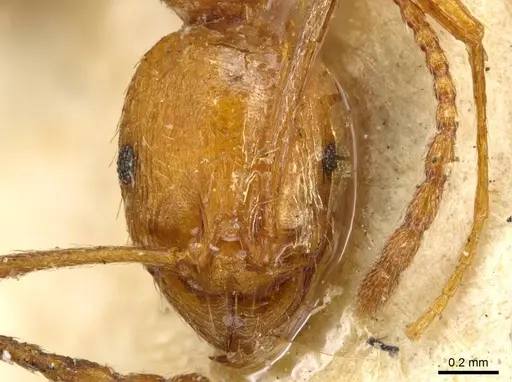
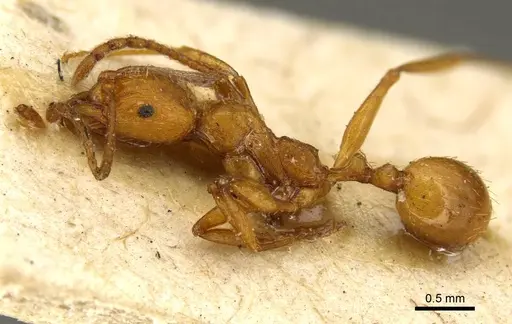
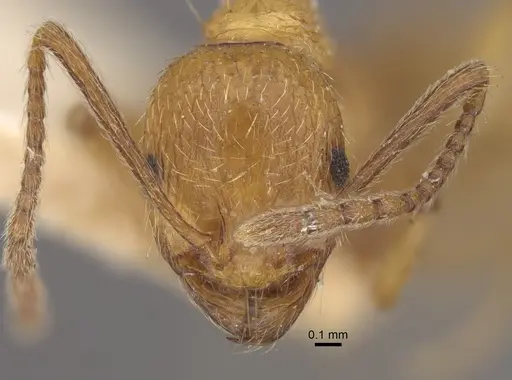
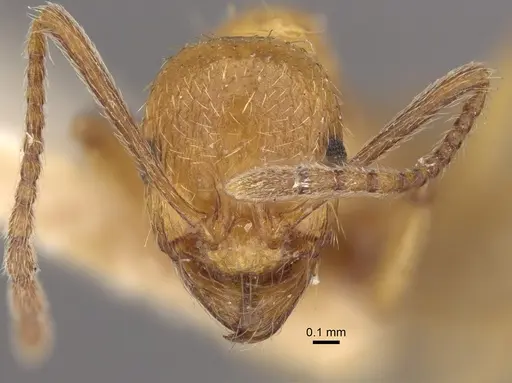
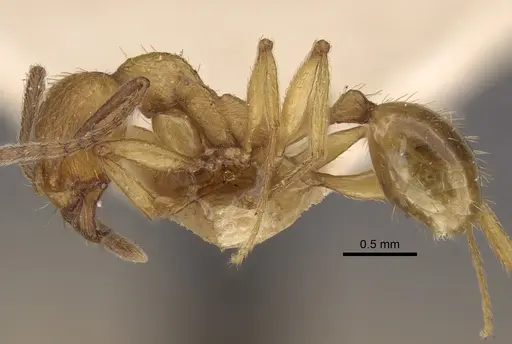
Aphaenogaster crocea belongs to the crocea species group, which was recently separated from the subterranea group [3][4]. This species is easily confused with Aphaenogaster subterranea and Aphaenogaster strioloides. Past records from Italian islands were long attributed to Aphaenogaster crocea but are now known to be Aphaenogaster strioloides [5]. True Aphaenogaster crocea is found only in North Africa (Algeria, Morocco, Tunisia) [1]. Morphologically, members of the crocea group have a very shallow or absent metanotal groove (the dip between the thorax segments) compared to the subterranea group [4]. If you are buying this species, verify the origin, North African stock is likely true Aphaenogaster crocea, while specimens from Italy or Malta are probably something else.
Frequently Asked Questions
Can I keep Aphaenogaster crocea in a test tube?
Yes, test tubes work well for founding queens and small colonies. Use a standard setup with a water reservoir blocked by cotton, giving the queen a dark, humid space. Keep the tube in a dark, warm place and resist the urge to check on her frequently.
How long until first workers for Aphaenogaster crocea?
Unknown, no developmental data exist for this species. Based on related temperate Aphaenogaster, you could expect 8-12 weeks at warm temperatures, but this is a guess. Observe your colony and be patient.
Do Aphaenogaster crocea need hibernation?
Likely yes. Coming from Mediterranean North Africa, they probably experience seasonal cycles and need a winter rest period at 10-15°C for several months [2]. Without cooling, colonies may fail to thrive.
What do Aphaenogaster crocea eat?
Not documented, but based on related Aphaenogaster species they likely accept small live insects (fruit flies, springtails) and sugar sources like honey water. Some may also take seeds. Offer a variety and see what they prefer.
Are Aphaenogaster crocea good for beginners?
They are medium difficulty. They require proper winter hibernation and you have to rely on general Aphaenogaster knowledge because species-specific data is lacking. Their growth rate is unknown but likely moderate to slow. Beginners might have better luck with well-studied species like Lasius niger.
Can I keep multiple Aphaenogaster crocea queens together?
Not recommended. There is no evidence that they tolerate co-founding, and most Aphaenogaster are monogyne (single queen). If you try it, queens will likely fight until only one survives.
How big do Aphaenogaster crocea colonies get?
Unknown, no colony size data exists. Based on related Aphaenogaster species, they might reach a few hundred workers, but this is only a guess.
Do Aphaenogaster crocea ants sting?
Aphaenogaster species have a stinger but it is small and not medically significant. They may bite if handled, but the pain is very mild.
Why are my Aphaenogaster crocea dying?
Possible reasons: lack of winter dormancy, incorrect humidity (too wet causing mold or too dry causing desiccation), misidentification (you may have a different species requiring different care), or mites from wild-collected soil. Because so little is known about this species, careful observation and adjusting conditions is key.
Report an Issue
The current care sheet is based fully on literature. See inconsistencies, or something that's incorrect? Please , it will be resolved after review from an admin. Contributing to the blogs tab also helps providing information, to make us be able to further improve the caresheets. Thank you for your support!
References

This caresheet is licensed under CC BY-SA 4.0 .
Community Blogs
CASENT0280963
View on AntWeb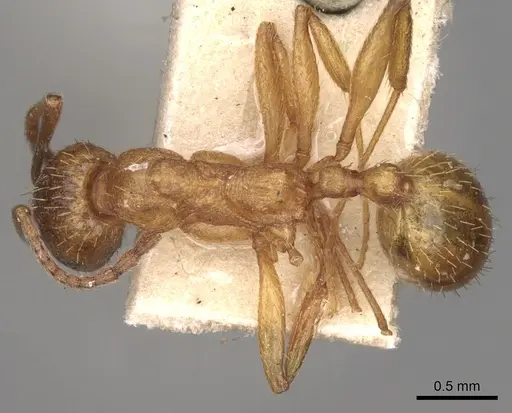
CASENT0907681
View on AntWeb
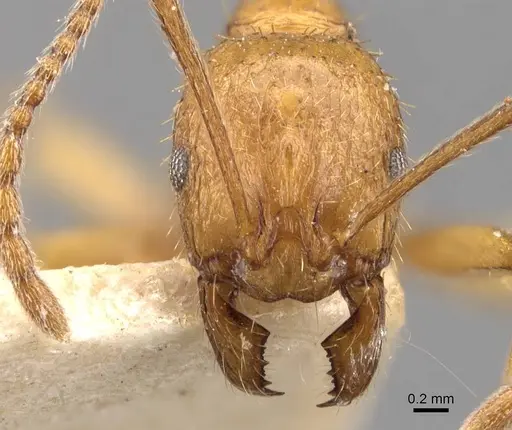
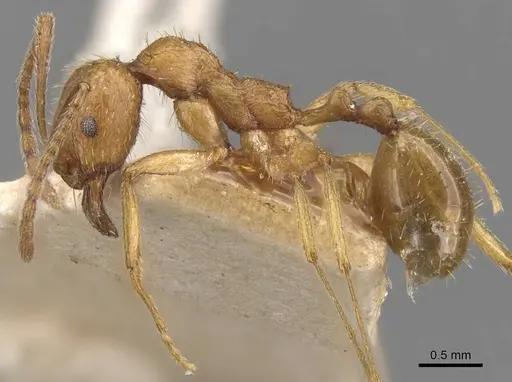
CASENT0907682
View on AntWeb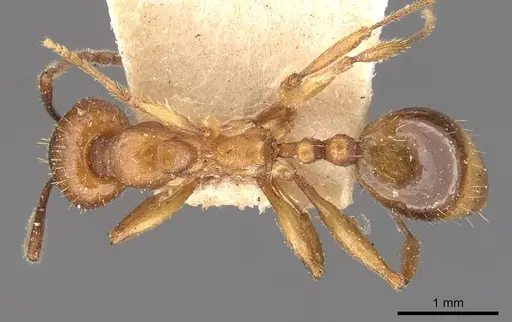
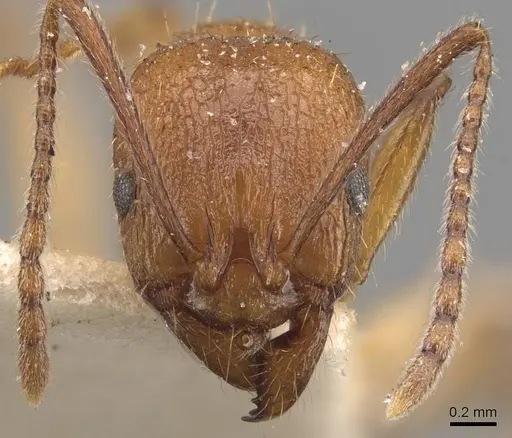
CASENT0913108
View on AntWeb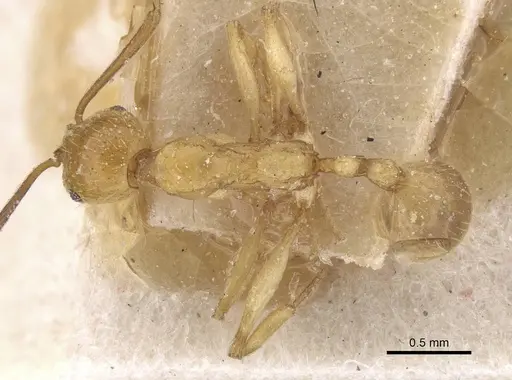
CASENT0916076
View on AntWeb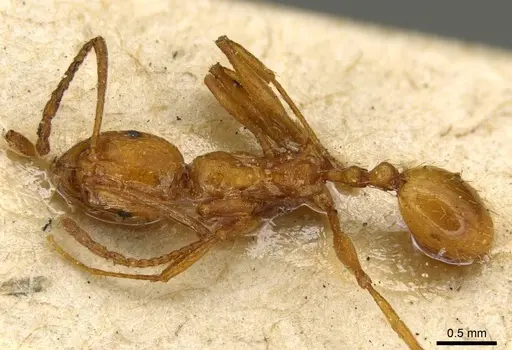
CASENT0917749
View on AntWeb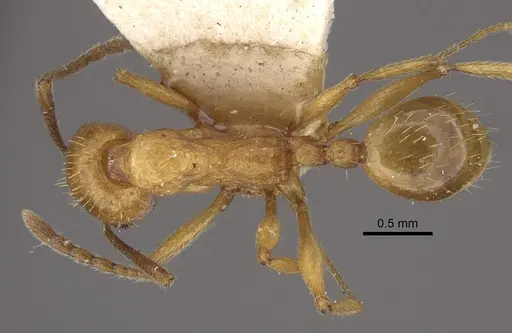
Literature
Loading distribution map...Loading products...