
Cecconi's Collared Ant
Aphaenogaster cecconii
- Sci. Name
- Aphaenogaster cecconii
- Tribe
- Stenammini
- Subfamily
- Myrmicinae
- Author
- Emery, 1894
- Common Name
- Cecconi's Collared Ant
- Distribution
- Found in 1 countries
Introduction
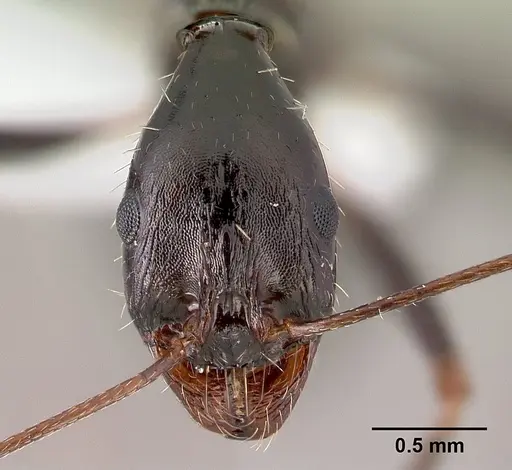
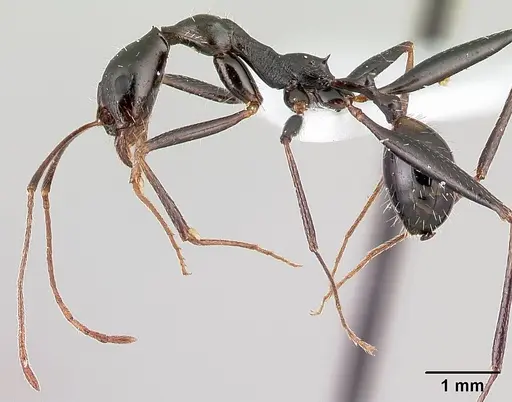
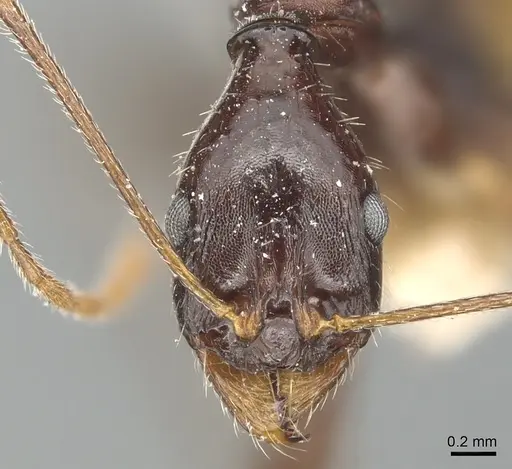
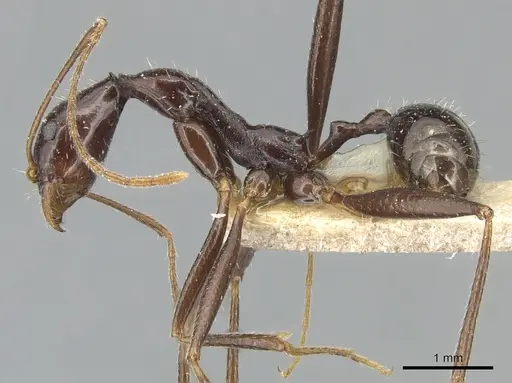
Aphaenogaster cecconii is a small, dark ant endemic to the Greek island of Crete. Workers have extremely elongated bodies with long legs and antennae, measuring roughly 4-6 mm in total length - inferred from the Aphaenogaster genus . They are dark brown to black with a distinctive pale whitish or yellowish spot on the first segment of the abdomen . Their heads are narrow with a distinct neck-like constriction behind the eyes, giving them a unique profile among Mediterranean ants . These ants are famous for their unusual movement style. Workers forage slowly and deliberately, swaying back and forth like chameleons as they walk on their long legs . They are cave-dwellers at heart, nesting in rock crevices, ancient tombs, and shady limestone formations near mountain streams, rarely venturing more than a meter from their nest entrance .
Quick Summary
- Difficulty: Medium
- Origin & Habitat: Endemic to Crete, Greece. Found in shady, humid rock crevices, caves, ancient stone structures, and limestone formations near streams from sea level to 578 meters elevation [3][4].
- Colony Type: Unconfirmed, no studies on queen number or colony structure are available
- Size & Growth:
- Queen: Size data unavailable, queen measurements have not been documented
- Worker: Roughly 4-6 mm, inferred from the Aphaenogaster genus [1]
- Colony: Colony size data unavailable
- Growth: Growth rate data unavailable
- Development: Unconfirmed, development time has not been studied for this species (Development time is inferred from related species and has not been measured for Aphaenogaster cecconii specifically)
- Antkeeping:
- Temperature: Native to Mediterranean climate. Keep at room temperature (20-25°C) with a gentle heat gradient. Specific requirements are unconfirmed, observe colony activity and adjust accordingly [2].
- Humidity: High humidity required. Keep nest substrate consistently damp but not waterlogged, matching their natural habitat in shady, moist rock crevices and caves [2].
- Diapause: Likely required given Mediterranean climate, but specific timing is unconfirmed. Provide a winter rest period from October to February at cooler temperatures (10-15°C) based on regional climate patterns.
- Nesting: Rock crevices and tight spaces. Use naturalistic setups with flat stones and limestone pieces, or Y-tong/plaster nests with narrow chambers and good moisture retention [2][3].
- Behavior: Slow, deliberate foragers with distinctive swaying back-and-forth movement. Shy and non-aggressive, when disturbed they retreat swiftly, freeze in place, or drop from surfaces [2][3]. They collect seeds and scavenge insect fragments. Forage only 70-100 cm from the nest entrance [3].
- Common Issues: maintaining high humidity without mold growth in the enclosed spaces they prefer., their small size allows escapes through the tiniest gaps in lids or mesh., limited captive breeding data means care protocols are largely experimental and untested., as a Crete endemic, wild collection raises conservation concerns and should be avoided.
The 'Chameleon' Movement and Foraging Behavior
Aphaenogaster cecconii workers move unlike most ants you have seen. They walk slowly and deliberately, performing back-and-forth swinging movements on their long legs that researchers compare to chameleon locomotion [2]. This distinctive gait makes them easy to recognize.
These ants are shy foragers. They avoid direct sunlight and stay within 70-100 cm of their nest entrance, exploring shady, humid areas around rock crevices and cave mouths [3]. When threatened, they either retreat rapidly into the nest, freeze completely immobile, or simply drop off the rock surface to the ground below [2][3]. They are not aggressive and pose little sting risk to humans.
Activity appears consistent throughout the day in their shaded habitats, with no observed peaks of high activity during daylight hours [2]. It is unknown if they forage at night.
Nest Preferences: Caves and Rock Crevices
In nature, Aphaenogaster cecconii shows a strong preference for cavernicolous (cave-dwelling) habitats. They nest in rock crevices, natural caves, and shaded limestone formations, often near mountain streams [2][4]. They also exploit human structures, colonizing ancient tombs, ruins, and even the interior of concrete culverts under roads [2][3].
For captive care, recreate these tight, humid spaces. A naturalistic setup with flat limestone stones, cork bark, and a damp substrate works well. Alternatively, use a Y-tong (autoclaved aerated concrete) nest or plaster nest with narrow chambers that retain moisture [2]. The nest must maintain high humidity without becoming waterlogged. Provide a gradient from moist to slightly drier areas so the colony can self-regulate.
Feeding: Seed Collection and Scavenging
Aphaenogaster cecconii are omnivorous scavengers and seed collectors. Workers bring small plant seeds and pieces of plant stalks back to the nest, suggesting they may use seeds as food or for nest construction [2][3]. They also collect small fragments of dead insects, indicating a need for protein sources.
In captivity, offer a varied diet. Provide small seeds (such as chia, flax, or crushed bird seed) and protein in the form of small insect fragments, fruit flies, or tiny pieces of mealworm. They may also accept sugar water or honey water in small droplets, though their preference for liquid sugars is unconfirmed. Remove uneaten food promptly to prevent mold in their humid environment.
Temperature and Seasonal Care
Native to Crete's Mediterranean climate, Aphaenogaster cecconii likely experiences mild winters and warm summers. Collection records show activity in May, suggesting spring foraging after winter dormancy [5].
Keep colonies at room temperature (20-25°C) during the active season with a gentle heat gradient (using a heating cable on one side of the nest). Avoid excessive heat as their natural habitats remain cool and shaded. For winter care, provide a diapause (rest period) from October to February at 10-15°C, though specific timing is unconfirmed. During this period, keep the nest slightly drier and reduce feeding.
Conservation Status and Collection Ethics
Aphaenogaster cecconii is endemic to Crete, meaning it occurs nowhere else in the world [2][5][4]. This restricted range makes wild populations vulnerable to habitat destruction and overcollection.
Antkeepers should avoid collecting wild colonies from Crete. Instead, seek captive-bred colonies from ethical sources if available. If you do encounter these ants in the wild, observe and photograph them without disturbing their fragile cave and rock-crevice habitats. Their preference for ancient tombs and ruins also means they can serve as indicators of undisturbed historical sites.
Frequently Asked Questions
Can I keep Aphaenogaster cecconii in a test tube?
Test tubes can work for founding colonies if the queen is claustral, but Aphaenogaster cecconii prefers humid, rocky environments. If using test tubes, keep them in a dark place and ensure high humidity. However, they thrive better in naturalistic setups with stone or Y-tong nests that mimic their cave-dwelling habits.
What do Aphaenogaster cecconii eat?
They collect small plant seeds and pieces of stalks, and scavenge small fragments of dead insects [2][3]. In captivity, offer small seeds, tiny insect pieces, and occasionally sugar water or honey.
How much humidity do Aphaenogaster cecconii need?
They require high humidity. Their natural habitat is described as shady and humid, nesting in damp rock crevices and near streams [2]. Keep the nest substrate consistently moist but not waterlogged.
Do Aphaenogaster cecconii need hibernation?
Likely yes. As a Mediterranean species from Crete, they probably require a winter diapause from October to February at cooler temperatures (10-15°C), though specific documentation is lacking. Collection records show spring activity [5].
Why do my Aphaenogaster cecconii move so slowly?
This is normal for the species. They are slow, deliberate foragers that move with a distinctive back-and-forth swaying motion on their long legs, compared to chameleon movement [2]. This is not a sign of illness but their natural behavior.
Are Aphaenogaster cecconii good for beginners?
No. They are best suited for intermediate or advanced keepers due to their specialized humidity requirements, need for specific nest types (rock crevices), limited availability, and lack of documented captive care information.
How big do Aphaenogaster cecconii colonies get?
Colony size is unknown. No studies have documented maximum colony size for this species.
Can I collect Aphaenogaster cecconii from the wild?
You should not. They are endemic to Crete (found nowhere else) [2][4], making wild populations vulnerable. Seek captive-bred colonies instead.
Do Aphaenogaster cecconii sting?
Stinging behavior is not documented for this species. Most Aphaenogaster species possess a small stinger but are not aggressive toward humans and rarely use it.
What is the best nest type for Aphaenogaster cecconii?
Naturalistic setups with flat stones, limestone pieces, and damp substrate best mimic their cave and rock-crevice habitats [2]. Y-tong (autoclaved aerated concrete) or plaster nests with narrow chambers also work well if kept humid.
Report an Issue
The current care sheet is based fully on literature. See inconsistencies, or something that's incorrect? Please , it will be resolved after review from an admin. Contributing to the blogs tab also helps providing information, to make us be able to further improve the caresheets. Thank you for your support!
References

This caresheet is licensed under CC BY-SA 4.0 .
Community Blogs
CASENT0179868
View on AntWeb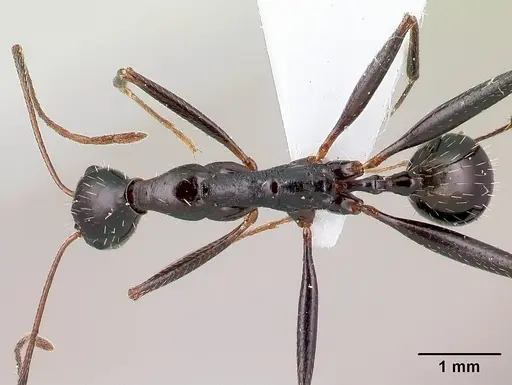
CASENT0904184
View on AntWeb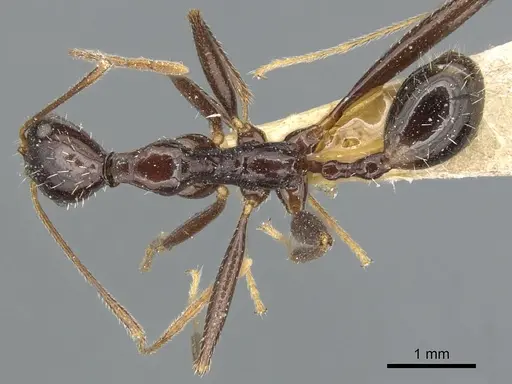
Literature
Loading distribution map...Loading products...