
Carolina Collared Ant
Aphaenogaster carolinensis
- Sci. Name
- Aphaenogaster carolinensis
- Tribe
- Stenammini
- Subfamily
- Myrmicinae
- Author
- Wheeler, 1915
- Common Name
- Carolina Collared Ant
- Distribution
- Found in 1 countries
Introduction
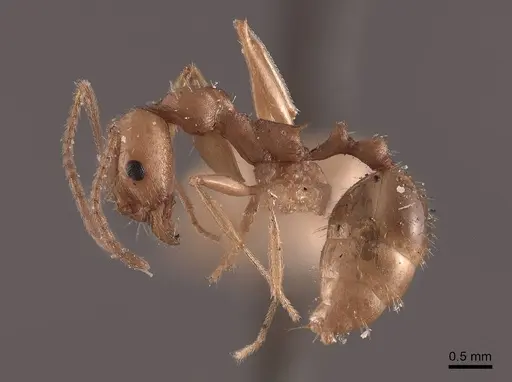
These slender ants display light yellowish-brown to reddish-brown coloration with distinctive short propodeal spines that point backward . Workers measure 4.0-5.5 mm and show pronounced sculpturing on their heads . They inhabit mesic woodlands across the southeastern United States, ranging from southern New Jersey to Florida and west to Indiana and Mississippi . This species plays a crucial role as a seed predator and disperser in forest ecosystems . However, it represents one of the native ant species experiencing the greatest population declines over recent decades, likely due to competition from invasive species . In captivity, they maintain small colonies and show strong territorial aggression toward other nests of their own species .
Quick Summary
- Difficulty: Medium
- Origin & Habitat: Southeastern United States in mesic woodlands and forests, found in North Carolina, Florida, Georgia, Indiana, Mississippi, Alabama, Tennessee, Virginia, and South Carolina [1][3][6][7].
- Colony Type: Single-queen colonies (monogyne), one queen per nest with workers aggressively defending territory against neighboring colonies of the same species [4][5].
- Size & Growth:
- Queen: size data unavailable, no specific measurements found in research
- Worker: 4.0-5.5 mm [2]
- Colony: up to 750 workers [8]
- Growth: Moderate, colonies remain relatively small even when mature [8]
- Development: approximately 8-12 weeks at 24°C based on similar temperate Aphaenogaster species (Development speed depends on temperature, nanitic workers may emerge slightly faster than subsequent generations.)
- Antkeeping:
- Temperature: 20-25°C during active season, temperate species that prefers moderate temperatures typical of mesic forests [7][9].
- Humidity: Moderate to high humidity, keep substrate moist but not waterlogged to replicate their mesic woodland habitat [7][2].
- Diapause: Likely required for northern populations given their temperate range, provide 3-4 months at 10-15°C for colonies from northern states.
- Nesting: Soil nests under rocks and stones, excavates simple tunnels 2-35 cm deep with a small mound at the entrance [8][2].
- Behavior: Active foragers in leaf litter, important seed dispersers, workers are aggressive toward foreign colonies and will fight conspecifics from other nests even over small distances [4][5][2].
- Common Issues: colonies remain small (up to 750 workers) which may disappoint keepers expecting massive colonies., wild populations are declining significantly due to invasive species competition., workers cannot be merged with other colonies due to strong territorial aggression., specific humidity requirements from their mesic forest habitat must be maintained to prevent desiccation.
Identification and Appearance
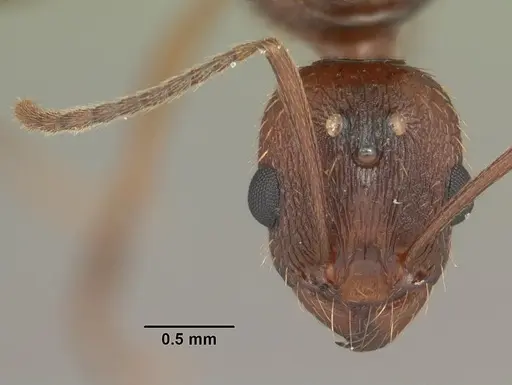
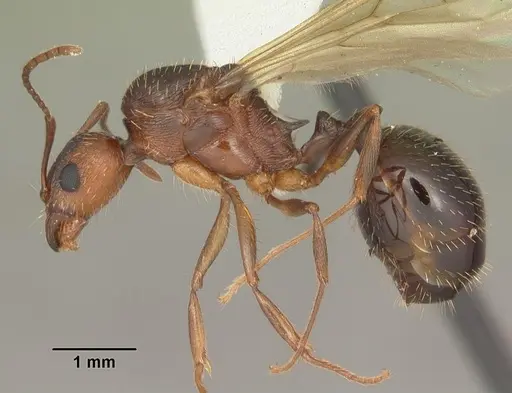
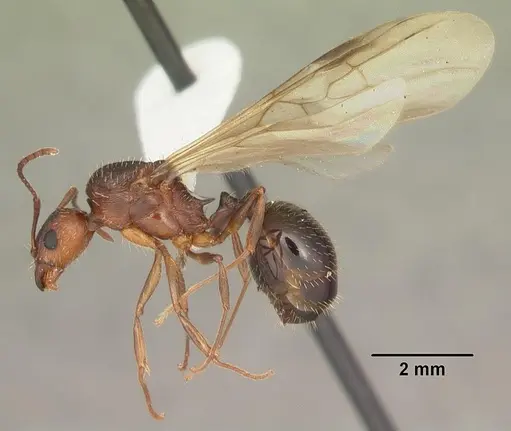
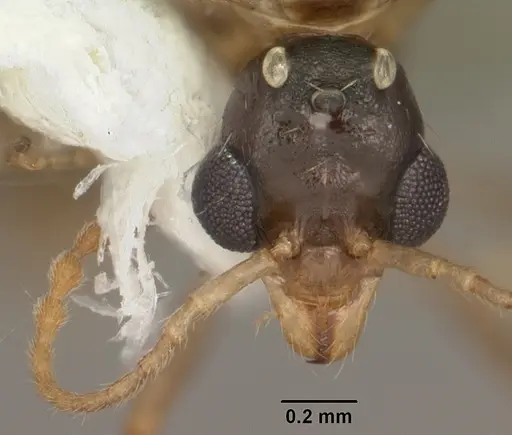
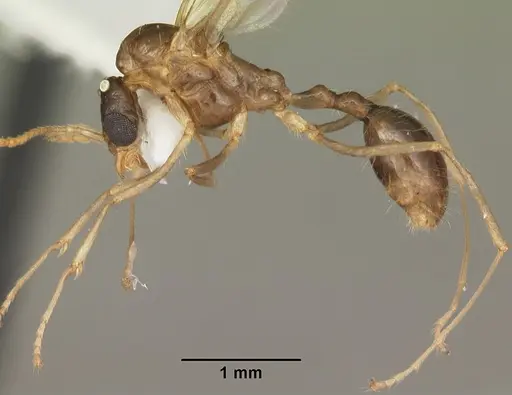
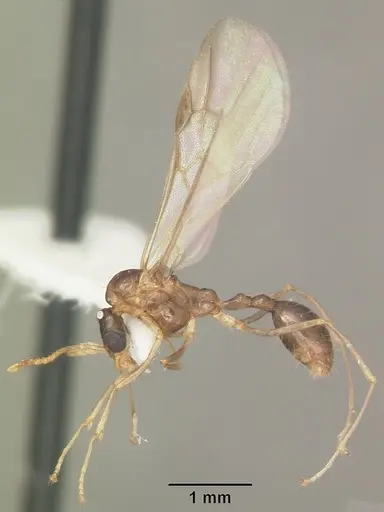
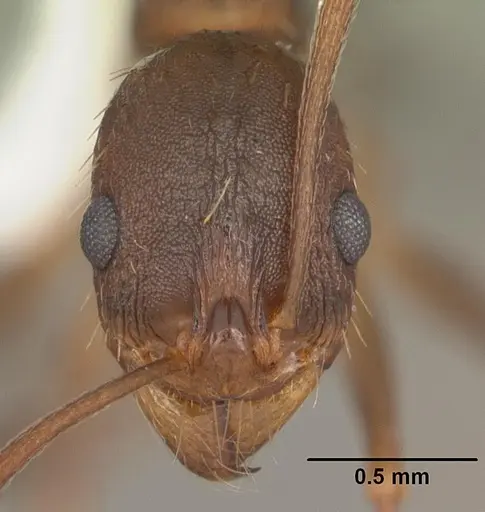
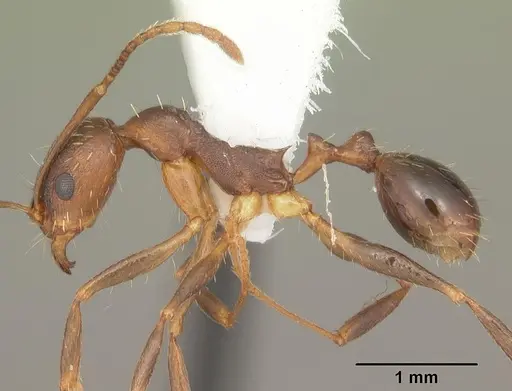
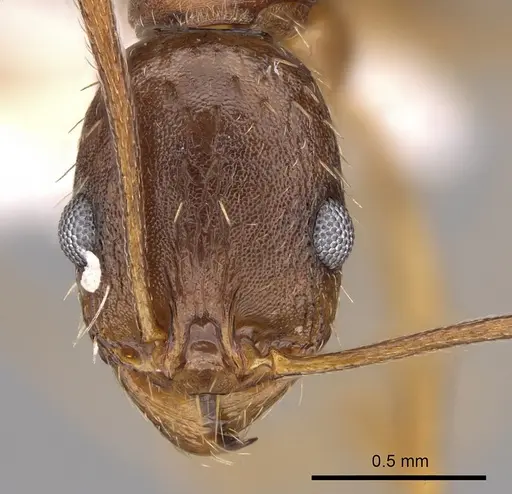
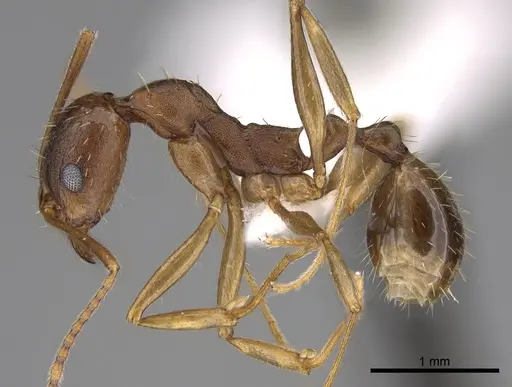
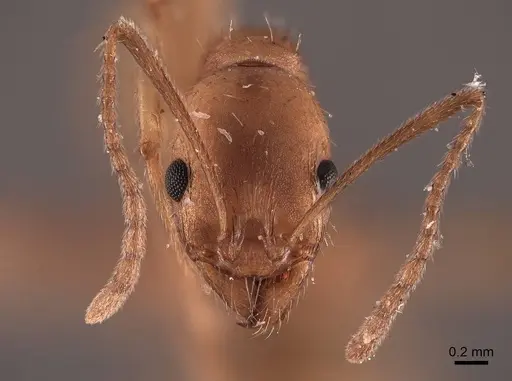
Aphaenogaster carolinensis shows light yellowish-brown to reddish-brown coloration and never appears dark brown [1]. Workers are slender with relatively large eyes for their head size [1]. Their most distinctive feature is the short propodeal spines that point backward, which differ from similar species like Aphaenogaster texana that have longer spines [10][1].
Workers range from 4.0-5.5 mm in length and display very pronounced sculpturing on their heads [2]. The dorsal surface of the head, thorax, gaster, and pedicel ranges from pale brown to dark brown, with the tip of the gaster slightly paler and legs appearing yellow [2].
Identification can be tricky because this species overlaps morphologically with both A. texana and Aphaenogaster rudis [10]. DNA analysis may be necessary for definitive identification, as this species lacks an intron in the CAD gene that is present in related species [10].
Natural History and Ecology
These ants inhabit mesic (moderately moist) woodlands and forests across the southeastern United States [7][2]. They are commonly found in open and semi-open wooded areas where workers forage extensively in the leaf litter [2].
In nature, they nest under rocks and stones, excavating simple tunnels 2-35 cm deep and often building a small mound on one side of the entrance hole [8][2]. Colonies are relatively small, averaging between 126 and 750 individuals [8].
Aphaenogaster carolinensis serves as an important seed predator and disperser in forest ecosystems [4][5]. They also demonstrate flexible foraging behavior, increasing their carnivory when sodium is limited in their environment [11]. Research shows they will use sodium baits more frequently in inland forests compared to coastal areas where sodium is more available [11].
Unfortunately, this species has experienced one of the greatest declines in relative abundance among native ants over the past six decades, likely due to disruption by introduced species [4][5].
Colony Structure and Reproduction
These ants form single-queen colonies (monogyne), with each nest containing one founding queen and workers that are permanently aggressive toward other nests of the same species [4][5]. This territoriality prevents the formation of multi-queen colonies or supercolonies.
Queens mate with only one male (monandrous), resulting in high relatedness among workers [12]. Unlike some ant species, workers have lost the ability to reproduce, studies show 0% of males are produced by workers [12][13]. This means if your queen dies, the colony cannot be saved by worker egg-laying.
Newly founded colonies typically contain one dealate queen with a small clutch of eggs found under logs or stones [14]. The single-queen structure means you cannot combine colonies or introduce new queens to existing colonies.
Housing and Nest Setup
In captivity, replicate their natural preference for nesting under stones by providing a naturalistic setup with flat rocks or stones over a soil or sand substrate [2][8]. You can also use a plaster nest or Y-tong (aerated concrete) nest with narrow chambers that mimic their simple tunnel systems.
Keep the substrate moderately moist but not waterlogged to match their mesic forest habitat [7]. The nest should have some humidity gradient, with one side slightly drier, allowing the ants to choose their preferred microclimate.
Because they excavate tunnels 2-35 cm deep in nature, provide adequate depth for nesting material [8]. A formicarium with a soil-filled outworld or a naturalistic setup works better than purely acrylic nests for this species.
Use tight-fitting lids and fine mesh ventilation, as workers at 4-5.5 mm can escape through small gaps [2].
Feeding and Diet
Aphaenogaster carolinensis is omnivorous and serves as an important seed predator and disperser in the wild [4][5][11]. In captivity, offer a mix of seeds (such as chia, flax, or bird seed), small insects, and sugar sources.
They show particular interest in sodium sources, increasing bait usage in sodium-poor environments [11]. You can offer small amounts of salt water or mineral supplements occasionally, though standard ant diets usually provide sufficient minerals.
Feed small live prey such as fruit flies, springtails, or small cricket pieces. Also provide sugar water or honey water, as they likely collect honeydew in nature like other Aphaenogaster species.
Remove uneaten protein within 24-48 hours to prevent mold growth in their humid nest environment.
Temperature and Seasonal Care
As a temperate species from the southeastern United States, Aphaenogaster carolinensis likely requires a winter rest period (diapause) for northern populations, though this is not explicitly documented in research [7][9]. If your colony originates from North Carolina or further north, provide 3-4 months at 10-15°C during winter.
During the active season (spring through fall), maintain temperatures around 20-25°C [9]. You can create a gentle heat gradient by placing a heating cable on one side of the nest, allowing ants to thermoregulate by moving closer or further from the heat source.
Research shows this species has increased upper thermal tolerance compared to more cold-adapted relatives, but they prefer moderate temperatures typical of mesic forests [15]. Avoid excessive heat above 30°C, as they are not desert-adapted ants.
Communication and Behavior
These ants produce vibroacoustic signals by scraping their mandibles against substrates, modulating these sounds depending on the behavioral context [16]. This stridulation likely serves for communication within the nest.
When confronted by competitors such as fire ants, workers display a distinctive defensive posture: they raise their antennae parallel to each other, bring their legs together, lower their heads and abdomens, and slowly bring their antennal tips close to their heads [8]. This posture can last 4-32 seconds [8].
Workers are highly territorial and will attack workers from other colonies of the same species, even when nests are located close together [4][5]. This makes colony fusion impossible and means you must maintain only one colony per enclosure.
Frequently Asked Questions
Can I keep multiple Aphaenogaster carolinensis queens together?
No. This species forms single-queen colonies (monogyne), and workers are aggressively territorial toward other nests of the same species [4][5]. Attempting to combine queens or colonies will result in fighting and death.
Do Aphaenogaster carolinensis need hibernation?
Likely yes if your colony originates from northern states like North Carolina or Indiana. While not explicitly documented, their temperate range suggests they require a winter rest period at 10-15°C for 3-4 months. Southern populations from Florida may need less cooling.
How long until Aphaenogaster carolinensis get their first workers?
The exact timeline is unconfirmed, but based on similar temperate Aphaenogaster species, expect approximately 8-12 weeks from egg to first worker at 24°C. First workers (nanitics) may be smaller than subsequent generations.
How big do Aphaenogaster carolinensis colonies get?
Colonies remain relatively small, up to 750 workers [8]. They do not grow into massive colonies like some other ant species, making them suitable for keepers who prefer manageable colony sizes.
What do Aphaenogaster carolinensis eat?
They are omnivorous seed dispersers. Feed them a mix of seeds (chia, flax, bird seed), small live insects like fruit flies or springtails, and sugar water. They also seek out sodium sources in nature, so occasional mineral supplements may be beneficial [11].
Are Aphaenogaster carolinensis good for beginners?
They are medium difficulty. While they do not have extreme temperature or humidity requirements, their small colony size, specific mesic habitat needs, and declining wild populations make them better suited for keepers with some experience.
Do Aphaenogaster carolinensis ants sting?
They possess a stinger like most Myrmicinae ants, but they are not considered dangerous to humans. They are not aggressive toward keepers and typically flee rather than sting when disturbed.
Why are my Aphaenogaster carolinensis dying?
Common causes include insufficient humidity (they need moist substrate from their mesic habitat), overheating above 30°C, or old age in small colonies. Also ensure you are not keeping multiple colonies too close together, as they are highly territorial [4][5].
What is the best nest type for Aphaenogaster carolinensis?
Naturalistic setups with soil and flat stones work best, mimicking their wild nests under rocks. You can also use Y-tong (aerated concrete) or plaster nests with narrow chambers. Avoid tall acrylic nests, they prefer tunnel-like spaces close to the ground [8][2].
Report an Issue
The current care sheet is based fully on literature. See inconsistencies, or something that's incorrect? Please , it will be resolved after review from an admin. Contributing to the blogs tab also helps providing information, to make us be able to further improve the caresheets. Thank you for your support!
References

This caresheet is licensed under CC BY-SA 4.0 .
Community Blogs
CASENT0103572
View on AntWeb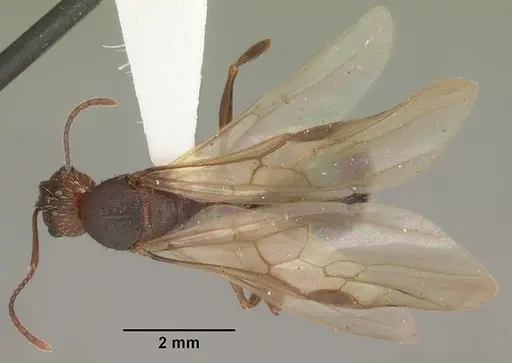
CASENT0103573
View on AntWeb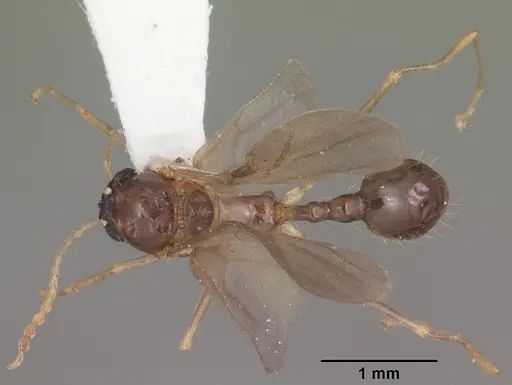
CASENT0103574
View on AntWeb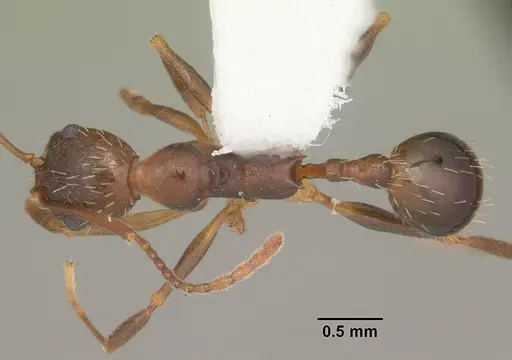
CASENT0906104
View on AntWeb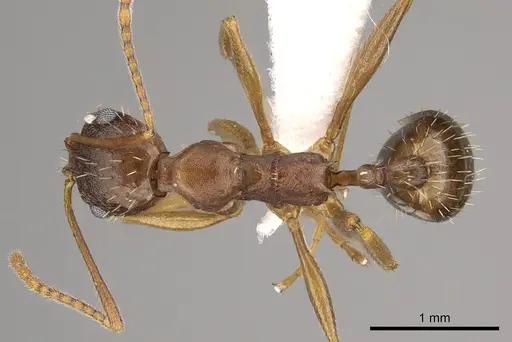
FMNHINS0000049642
View on AntWeb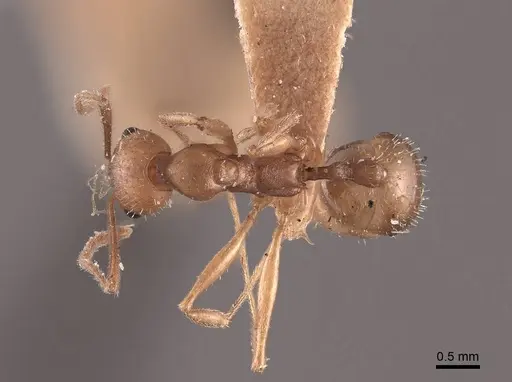
Literature
Loading distribution map...Loading products...