
Aphaenogaster campana
- Sci. Name
- Aphaenogaster campana
- Tribe
- Stenammini
- Subfamily
- Myrmicinae
- Author
- Emery, 1878
- Distribution
- Found in 1 countries
Introduction
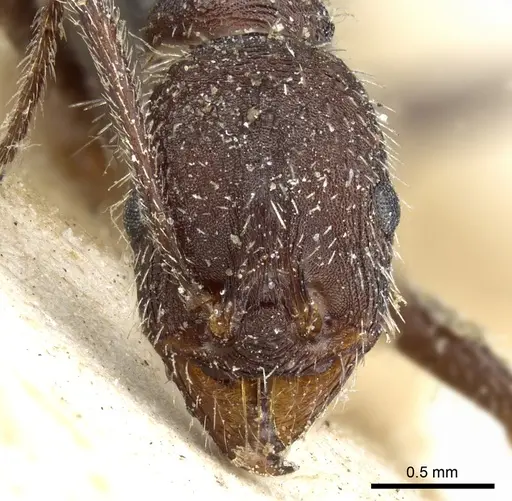
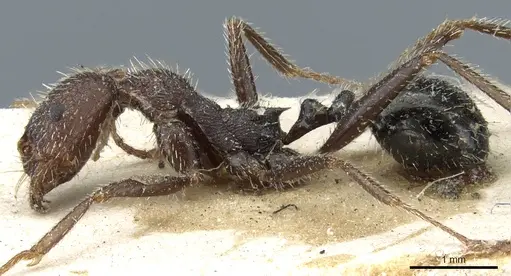
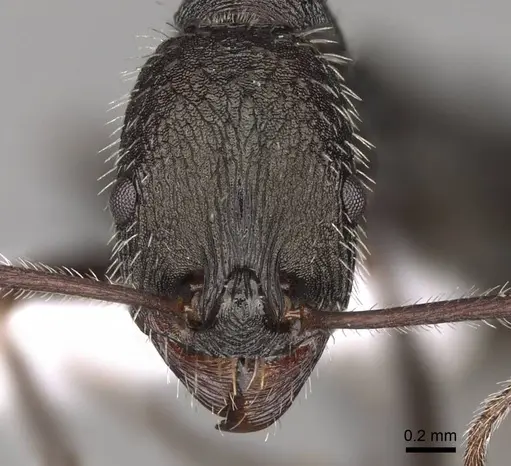
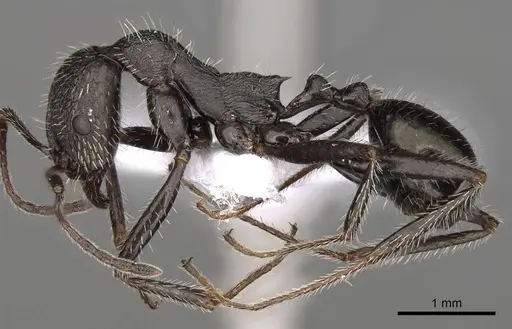
Aphaenogaster campana is a small ant native to the Mediterranean region, found in southern Italy, Albania, and Malta . Workers belong to the testaceopilosa species group and display distinctive sculpturing - coarse longitudinal ridges on the sides of their middle section and a 4-segmented antennal club . Queens are slightly larger with longitudinal rugulae on the head and scutellum that rises slightly above the mesoscutum . This species is notable for its naturally polygynous colony structure - wild colonies contain multiple queens coexisting in the same nest . They are thermophilous (warmth-loving) and nest under large stones or directly in the ground in open habitats like pastures, roadsides, and olive plantations at elevations between 150 and 1060 meters .
Quick Summary
- Difficulty: Medium
- Origin & Habitat: Mediterranean region, southern Italy, Albania, and Malta, open habitats including pastures, roadsides, olive plantations, and pine forests at 150-1060 m elevation [1][4][2][3]
- Colony Type: Polygynous, colonies naturally contain multiple queens [4]
- Size & Growth:
- Queen: size data unavailable, inferred from Aphaenogaster genus (~6-8 mm)
- Worker: size data unavailable, inferred from Aphaenogaster genus (~4-6 mm)
- Colony: Unknown, colony size has not been documented
- Growth: Moderate (estimated)
- Development: Unconfirmed, no specific data available for this species (Development likely depends on temperature, as with related Aphaenogaster species)
- Antkeeping:
- Temperature: 24-28°C with a gradient, they are thermophilous (warmth-loving) [4]
- Humidity: Moderate, nest substrate should feel damp but not waterlogged, similar to conditions under stones in open habitats [4]
- Diapause: Likely yes, provide a mild winter rest period at 15-18°C for 2-3 months based on Mediterranean climate patterns
- Nesting: Naturalistic setups with flat stones and soil, or tight-chambered plaster/Y-tong nests [4]
- Behavior: Moderate activity levels with scavenging foraging behavior typical of the genus. Not particularly aggressive. Workers are small enough to squeeze through tiny gaps, so escape prevention requires attention.
- Common Issues: colonies are polygynous, so introducing new queens to existing workers requires care to avoid aggression., warmth-loving nature means they need consistent heating, cold temperatures below 20°C may stall brood development., small worker size means they can escape through gaps in poorly sealed setups without fine mesh barriers., ground-nesting preference means they need substrate in their nest area rather than empty chambers.
Nest Preferences and Setup
In nature, Aphaenogaster campana nests under large stones or directly in the ground in open habitats like pastures and roadsides [4]. For captive colonies, recreate these conditions with a naturalistic setup using flat stones over a soil or sand substrate, or use a plaster or Y-tong nest with tight chambers that mimic underground spaces. They prefer secure, dark nesting sites with some humidity but good drainage. If using a test tube for founding, provide a dark, secure environment, though they will appreciate being moved to a soil-based setup as the colony grows.
Temperature and Seasonal Care
These ants are warmth-loving (thermophilous) and thrive at temperatures between 24-28°C [4]. Use a heating cable or mat on one side of the nest to create a thermal gradient, allowing the ants to choose their preferred temperature. As a Mediterranean species, they likely benefit from a mild winter rest period (diapause) at 15-18°C for 2-3 months, though this has not been formally documented for this specific species. During this cooler period, reduce feeding and keep the nest slightly drier.
Colony Structure and Queen Management
Unlike single-queen species, Aphaenogaster campana colonies are naturally polygynous, meaning multiple queens coexist and lay eggs in the same nest [4]. This offers keepers the unique opportunity to maintain colonies with several queens, potentially increasing brood production. However, introducing unrelated queens to an established colony can trigger aggression. If starting with multiple queens, ensure they are from the same original colony or introduce them carefully while the colony is still small.
Feeding and Diet
While specific dietary studies are lacking for this species, Aphaenogaster ants are generally omnivorous scavengers. Offer a varied diet including small insects like fruit flies, springtails, or pieces of mealworms, along with sugar sources such as honey water or sugar water. They may also accept seeds, as many related Aphaenogaster species store seeds in their nests. Feed small amounts frequently rather than large amounts infrequently to prevent mold in their ground-based nests.
Behavior and Escape Prevention
Workers show moderate activity levels and typical scavenging behavior, foraging for dead insects and sweet liquids. They are not known for being aggressive or having a painful sting. However, workers are small enough to squeeze through tiny gaps in poorly sealed setups. Use fine mesh ventilation and barrier products like Fluon or talcum powder on the outworld rim to prevent escapes.
Frequently Asked Questions
Can I keep multiple queens together in an Aphaenogaster campana colony?
Yes, this species is naturally polygynous, and wild colonies contain multiple queens [4]. However, introduce queens carefully to avoid aggression, ideally using queens from the same colony or founding together from the start.
What temperature do Aphaenogaster campana need?
Keep them warm at 24-28°C with a heating gradient, as they are a thermophilous (warmth-loving) Mediterranean species [4].
Do Aphaenogaster campana need hibernation?
Likely yes, provide a mild winter rest at 15-18°C for 2-3 months based on their Mediterranean origin, though this has not been formally documented for this species.
How long does Aphaenogaster campana take from egg to worker?
The exact timeline is unconfirmed, no specific development data exists for this species.
What is the best nest type for Aphaenogaster campana?
Naturalistic setups with flat stones over soil, or tight-chambered plaster nests work well to mimic their natural ground-nesting habits under stones [4].
How big do Aphaenogaster campana colonies get?
Colony size has not been documented for this species.
Are Aphaenogaster campana good for beginners?
They are moderate difficulty, they require consistent warmth, careful management of multiple queens, and good escape prevention due to their small size.
Can I keep Aphaenogaster campana in a test tube?
Yes for founding, but they prefer substrate and will do better in a soil or plaster nest once the colony has a few workers.
Report an Issue
The current care sheet is based fully on literature. See inconsistencies, or something that's incorrect? Please , it will be resolved after review from an admin. Contributing to the blogs tab also helps providing information, to make us be able to further improve the caresheets. Thank you for your support!
References

This caresheet is licensed under CC BY-SA 4.0 .
Community Blogs
CASENT0904161
View on AntWeb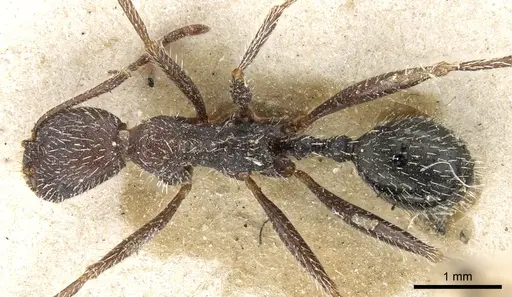
CASENT0914416
View on AntWeb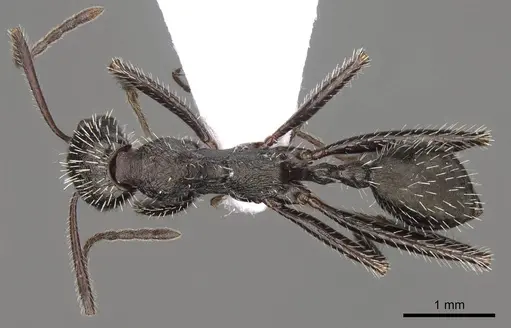
Literature
Loading distribution map...Loading products...