
Balkan Collared Ant
Aphaenogaster balcanica
- Sci. Name
- Aphaenogaster balcanica
- Tribe
- Stenammini
- Subfamily
- Myrmicinae
- Author
- Emery, 1898
- Common Name
- Balkan Collared Ant
- Distribution
- Found in 4 countries
Introduction
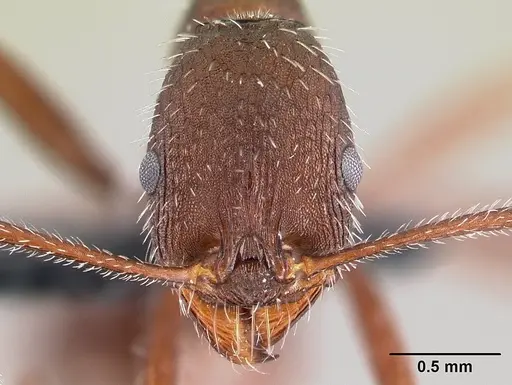
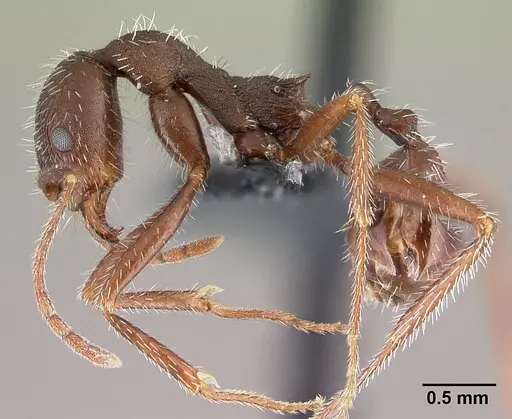
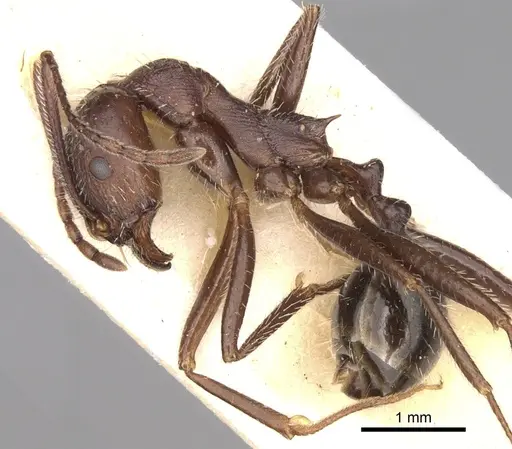
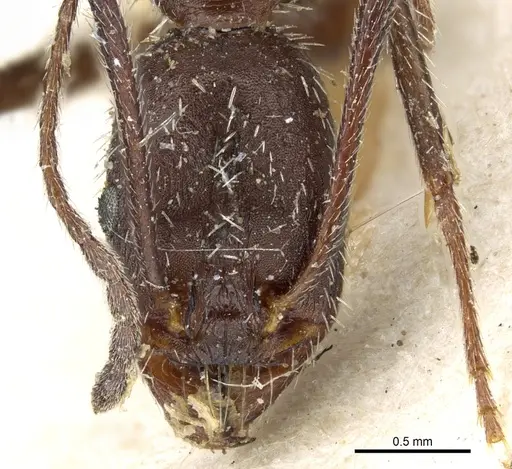
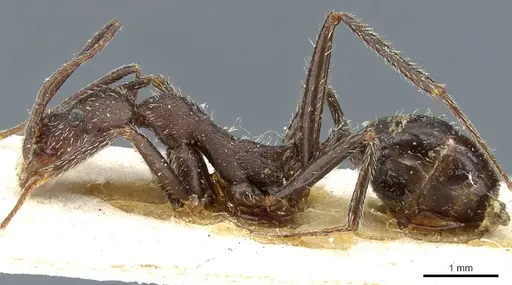
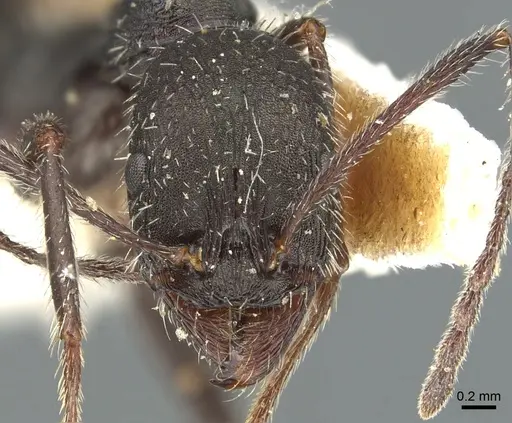
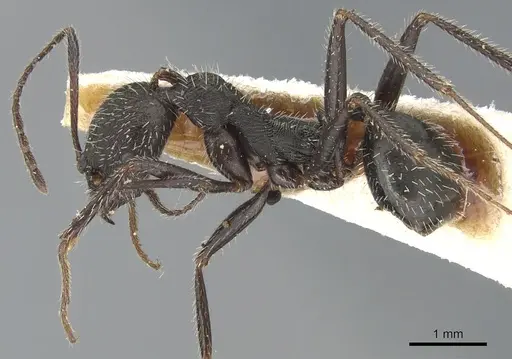
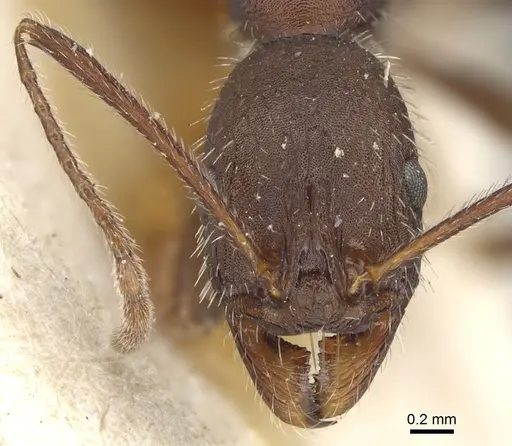
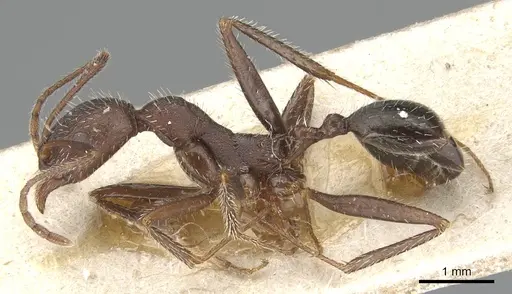
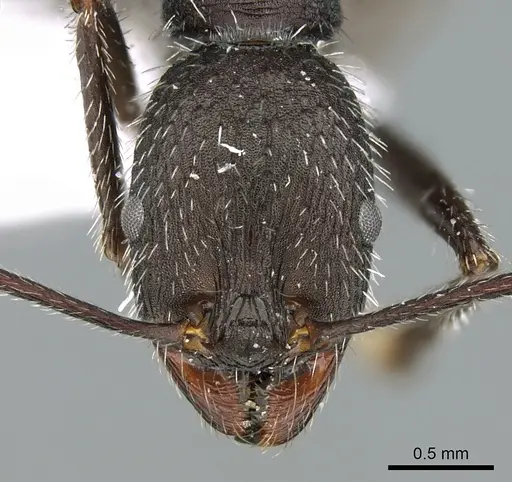
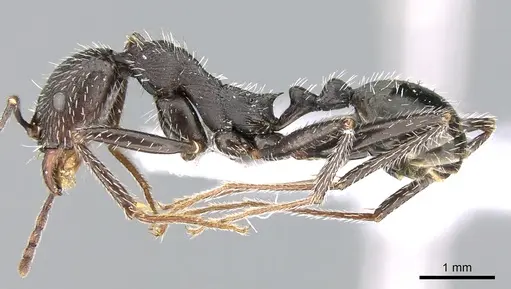
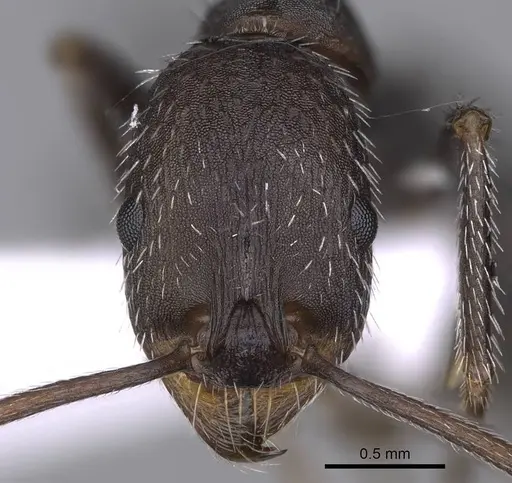
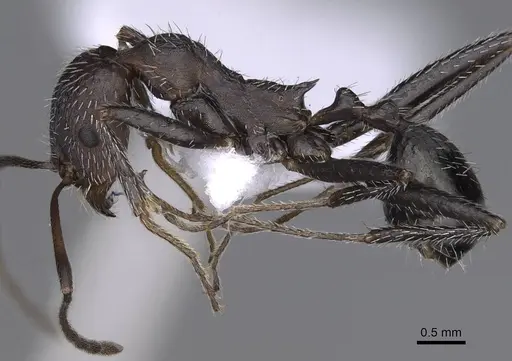
Aphaenogaster balcanica is a medium-sized Mediterranean ant with workers around 4-5mm and queens reaching approximately 6mm . They occur across the Balkans, Greece (including many islands), Turkey, and along the Adriatic coast into Croatia and Slovenia . In nature, you will find them in open, sunny places like pastures, roadsides, and olive plantations, usually nesting directly in the soil under large stones . What makes this species stand out is their flexible social structure and sensitivity to water. Unlike many ants that have just one queen, Aphaenogaster balcanica colonies are polygyne, meaning they naturally contain multiple queens working together . They are also thermophilous, preferring warm conditions, and show a distinctive habit of evacuating their entire nest after heavy rainfall . Workers forage alone rather than in trails, moving cautiously until disturbed, then running quickly to safety .
Quick Summary
- Difficulty: Medium
- Origin & Habitat: Balkans, Greece, Turkey, and Adriatic coast, open sunny fields, pastures, maquis, and luminous forests, nesting under stones in well-drained soil [1][2]
- Colony Type: Polygyne (multi-queen) colonies, multiple queens coexist peacefully in the same nest [2]
- Size & Growth:
- Queen: ~6 mm, inferred from Aphaenogaster genus patterns [1][2]
- Worker: ~4-5 mm, inferred from Aphaenogaster genus patterns [1][2]
- Colony: Up to thousands of workers, exact maximum unconfirmed but polygynous colonies can grow large [2]
- Growth: Moderate
- Development: Unconfirmed for this species (Development is temperature-dependent, warmer conditions within their preferred range speed up brood development)
- Antkeeping:
- Temperature: Warmth-loving (thermophilous). Keep the nest area at 24-28°C with a gentle gradient. They thrive in heat but need cooler retreat areas [2]
- Humidity: Moderate humidity with well-drained substrate. The nest should feel slightly damp but never waterlogged. They will evacuate if flooded [1]
- Diapause: Yes. As a temperate Mediterranean species, they need a winter rest period of 3-4 months at 10-15°C [1][2]
- Nesting: Soil nests under stones in nature. In captivity, use Y-tong (AAC), plaster, or naturalistic setups with flat stones and narrow chambers. Provide good drainage [1][4]
- Behavior: Cautious, solitary foragers that scout individually rather than use trails. Fast-moving and skittish when disturbed. Moderate escape risk due to 4-5mm size and speed [1]
- Common Issues: flooding triggers nest evacuation, ensure excellent drainage and never let water pool in the nest, fast escape response requires tight-fitting lids and fine mesh ventilation to prevent breaks, slow growth or brood die-off if kept too cool, maintain temperatures above 20°C during the active season, introducing unrelated queens to an established colony may cause aggression
Nest Preferences and Setup
In nature, Aphaenogaster balcanica nests in the ground, almost always sheltering under large, flat stones that provide thermal mass and protection [1][4]. They prefer sunny, warm locations with well-drained soil, from sea level up to 1750 meters in mountainous areas [2]. When setting up a captive colony, mimic these conditions with a Y-tong (AAC) nest, plaster nest, or a naturalistic soil setup. Include a flat stone or ceramic tile covering part of the nest area, this gives the ants the security they naturally seek. Ensure the substrate is sandy-loam mix that drains quickly, water should never pool at the bottom of the nest chamber. Ventilation should be adequate to prevent mold but not so strong that it dries out the nest completely.
Temperature and Seasonal Care
These ants are thermophilous, meaning they love warmth. Keep the warm side of the nest at 24-28°C during the active season (spring through autumn) [2]. A heating cable or mat placed on one side of the nest creates a beneficial gradient, allowing the ants to thermoregulate by moving brood to optimal spots. Because they naturally experience cold winters across the Balkans and Greece, you must provide a diapause (hibernation) period. Starting in late autumn, gradually lower the temperature over two weeks to 10-15°C and maintain this for 3-4 months. During this winter rest, the colony will stop brood production and reduce activity significantly. Keep the nest slightly drier during diapause but do not let it completely desiccate.
Feeding and Diet
Aphaenogaster balcanica are generalist scavengers and predators. In nature, workers forage individually for small insects, seeds, and likely honeydew from plant-sucking insects [1]. In captivity, offer a varied diet: small live prey like fruit flies, springtails, or tiny crickets, dead insects such as mealworms or flies, and carbohydrate sources like sugar water or honey water. They are cautious foragers, so place food near the nest entrance initially. Once the colony grows, they will venture further into the outworld. Remove uneaten protein within 24-48 hours to prevent mold, as their Mediterranean nests dry quickly and they are sensitive to fungal growth from decaying matter.
Behavior and Temperament
These ants exhibit cautious foraging behavior, workers move slowly and carefully when scouting, but become fast-moving and skittish if the nest is disturbed [1]. They do not form long foraging trails like some species, instead, workers hunt individually across the foraging area. A unique behavioral trait is their response to heavy rainfall: wild colonies will evacuate their entire nest population after flooding rains [1]. This means in captivity, you must never allow the nest to flood or become waterlogged. The species is polygyne, meaning colonies naturally contain multiple queens. This social structure makes them fascinating to observe, as you will see several queens sharing the same chamber and cooperating in brood care, unlike single-queen species where the queen is often isolated.
Colony Founding and Growth
The specific founding behavior (whether queens seal themselves in or forage) has not been documented for Aphaenogaster balcanica. If you start with a single queen, house her in a standard test tube setup with a water reservoir blocked with cotton. If you have multiple queens from the same colony, they can be housed together from the start due to the species' polygynous nature. Growth is moderate, do not expect explosive expansion like some tropical species. The colony will steadily build worker numbers, and with multiple queens producing eggs, brood piles can become substantial. Move them to a larger nest when you observe consistent crowding or when workers begin stacking brood in multiple layers.
Frequently Asked Questions
Can I keep multiple Aphaenogaster balcanica queens together?
Yes. Aphaenogaster balcanica is polygyne, meaning colonies naturally have multiple queens living and working together peacefully [2]. You can house several queens from the same colony together, though introducing unrelated queens to an established colony may cause aggression.
Do Aphaenogaster balcanica need hibernation?
Yes. Coming from the Balkans and Greece where winters are cool, they require a diapause period of 3-4 months at 10-15°C during winter [1][2]. Gradually cool them down in late autumn and warm them up in early spring.
How long does Aphaenogaster balcanica take from egg to worker?
Exact timing is unconfirmed for this species. Based on related Aphaenogaster, expect roughly 8-12 weeks at 25°C. Warmer temperatures within their preferred range will speed development, while cooler temperatures will slow it significantly.
What temperature do Aphaenogaster balcanica need?
They are thermophilous (warmth-loving). Keep them at 24-28°C during the active season with a heat gradient, and provide a winter rest at 10-15°C [2].
What do Aphaenogaster balcanica eat?
They are generalist scavengers. Feed them small live or dead insects (fruit flies, springtails, mealworms) and sugar sources like honey water or sugar water [1].
How big do Aphaenogaster balcanica colonies get?
Exact maximum size is unknown, but as a polygynous species with multiple queens, colonies can potentially reach thousands of workers [2].
Are Aphaenogaster balcanica good for beginners?
They are medium difficulty. While they are hardy Mediterranean ants, their need for hibernation, specific drainage requirements, and fast escape response make them better suited for keepers with some experience rather than absolute beginners.
Do Aphaenogaster balcanica ants sting?
Like most Aphaenogaster, they possess a small stinger, but they are not dangerous to humans. They are shy and will flee rather than attack when disturbed [1].
Why are my Aphaenogaster balcanica evacuating their nest?
This species naturally evacuates nests after heavy rainfall in the wild [1]. In captivity, this behavior indicates the nest is too wet or waterlogged. Check for condensation, reduce watering, and ensure your nest has excellent drainage.
What is the best nest type for Aphaenogaster balcanica?
Use nests that mimic their natural stone-covered soil burrows. Y-tong (AAC) nests, plaster nests, or naturalistic setups with flat stones work well [1][4]. Ensure the chambers are not too large and that the substrate drains well.
Report an Issue
The current care sheet is based fully on literature. See inconsistencies, or something that's incorrect? Please , it will be resolved after review from an admin. Contributing to the blogs tab also helps providing information, to make us be able to further improve the caresheets. Thank you for your support!
References

This caresheet is licensed under CC BY-SA 4.0 .
Community Blogs
CASENT0179599
View on AntWeb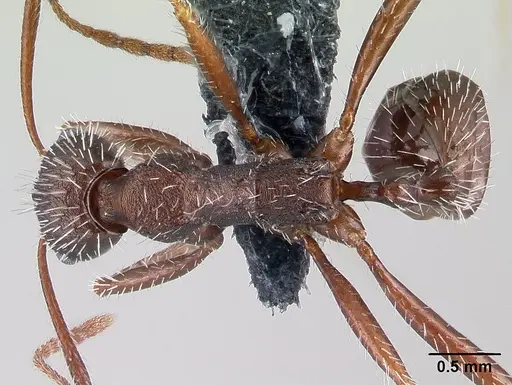
CASENT0249413
View on AntWeb
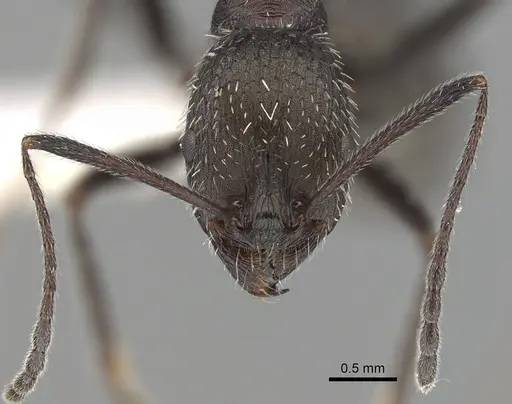
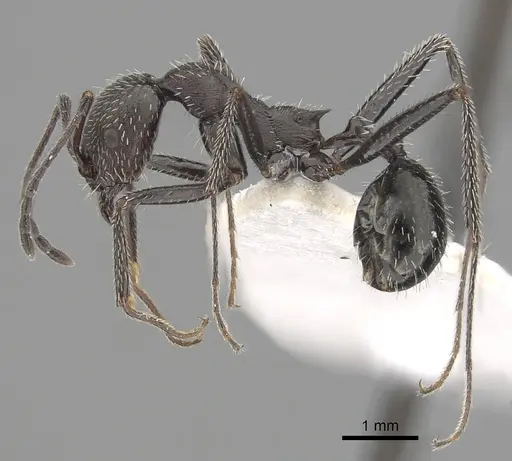
CASENT0281583
View on AntWeb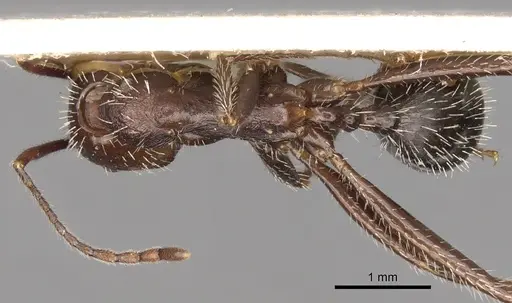
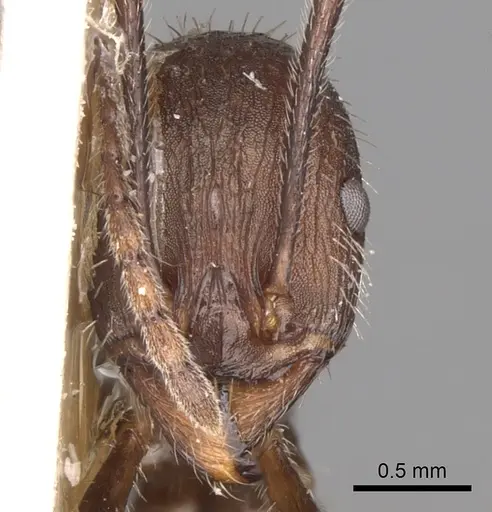
CASENT0904160
View on AntWeb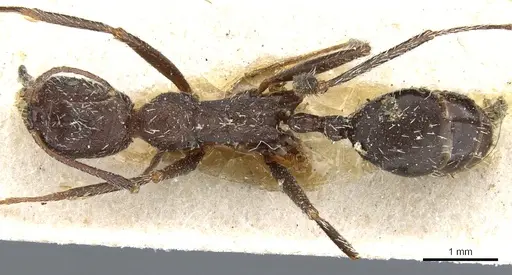
CASENT0904182
View on AntWeb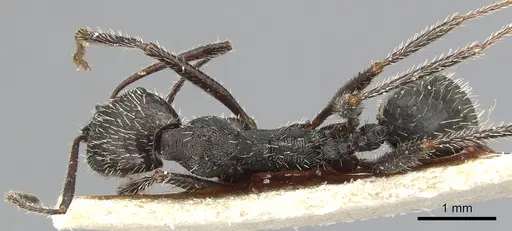
CASENT0904183
View on AntWeb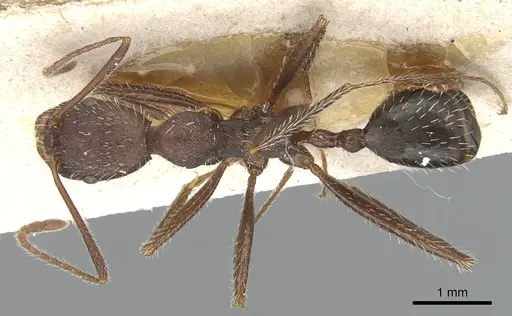
CASENT0906114
View on AntWeb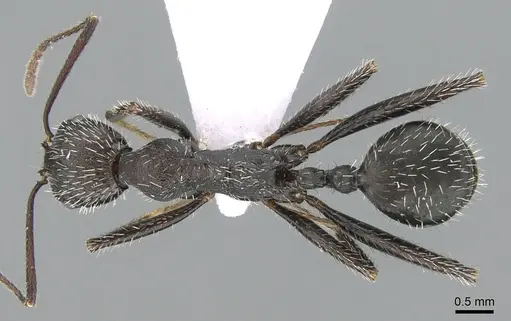
CASENT0914225
View on AntWeb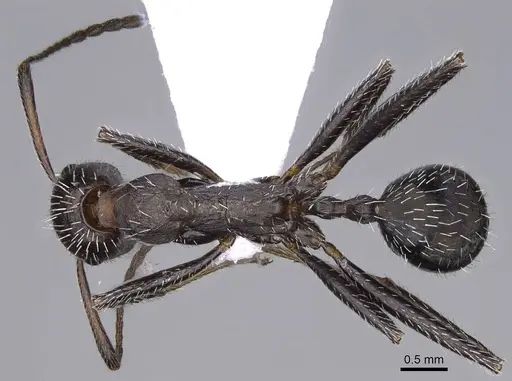
Literature
Loading distribution map...Loading products...