
Aphaenogaster atlantis
- Sci. Name
- Aphaenogaster atlantis
- Tribe
- Stenammini
- Subfamily
- Myrmicinae
- Author
- Santschi, 1929
- Distribution
- Found in 1 countries
Introduction
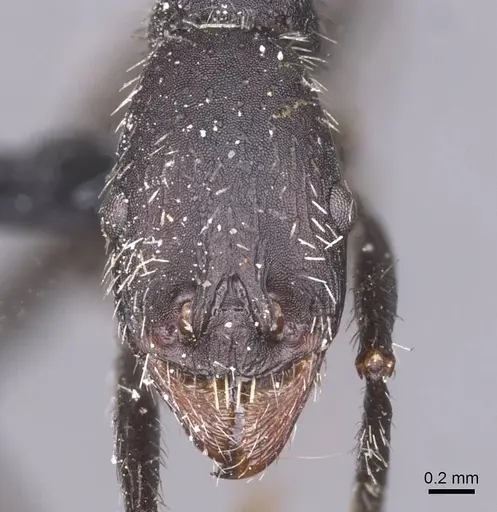
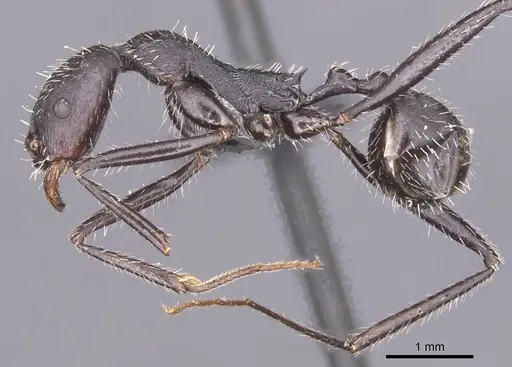
Aphaenogaster atlantis is a rarely kept mountain ant endemic to the High Atlas mountains of Morocco. Workers are medium-sized with earth-tone coloring that blends into their rocky habitat. They live at high elevations between 1900 and 2400 meters in the Grand Atlas range, making them a true high-altitude specialist . As an endemic species found nowhere else on Earth, they represent a unique piece of Moroccan biodiversity. Originally described as a variety of Aphaenogaster praedo, Cagniant raised them to full species status in 1990 based on distinct morphological differences . They belong to the testaceopilosa species group within the genus. Their restricted range in the High Atlas suggests specific environmental needs tied to cool, stable mountain conditions.
Quick Summary
- Difficulty: Medium to Hard
- Origin & Habitat: Endemic to the High Atlas mountains of Morocco, specifically the Marrakech region, at elevations of 1900-2400 meters [1][2][4][3]
- Colony Type: Likely single-queen (monogyne) based on typical Aphaenogaster patterns, though direct observation is unconfirmed
- Size & Growth:
- Queen: Size data unavailable, inferred from related Aphaenogaster species as approximately 6-8 mm
- Worker: Size data unavailable, inferred from related Aphaenogaster species as approximately 4-6 mm
- Colony: Unknown, likely moderate size based on genus patterns
- Growth: Moderate
- Development: Estimated 8-12 weeks at 20-22°C based on related temperate Aphaenogaster species (This is an estimate only, actual timing may vary with temperature)
- Antkeeping:
- Temperature: Keep cool at 18-22°C during the active season. You must provide winter diapause at 5-10°C for 3-4 months [1][2]
- Humidity: Moderate humidity with good ventilation. Keep the nest substrate damp but not waterlogged, similar to well-draining mountain soil
- Diapause: Yes, required. As a high-altitude temperate species, they need winter cooling to complete their brood cycle properly [1][2]
- Nesting: In nature they nest in soil crevices and under flat stones. Use a naturalistic setup with sandy soil and stone cover, or a Y-tong (AAC) nest with narrow chambers [1]
- Behavior: Active foragers that likely collect seeds and small insects. Not aggressive and do not sting. Medium size makes escape prevention straightforward with standard barriers
- Common Issues: overheating kills colonies quickly because they come from cool mountain elevations, skipping winter diapause causes colony decline or failure to produce brood, unknown exact dietary needs may cause problems if you rely on only one food type, wild-caught colonies from Morocco may introduce mites or other parasites
Nest Preferences
In the High Atlas mountains, these ants nest in soil crevices and under flat stones at elevations up to 2400 meters [1]. The mountain soil drains well but stays cool and moderately damp. You should recreate these conditions with a naturalistic setup using a sandy soil mix and flat stones for cover. Y-tong (AAC) nests also work well for this genus. Provide good drainage to prevent waterlogging, as mountain habitats rarely have standing water.
Temperature and Care
Keep your colony cool. As a mountain species from 1900-2400 meters elevation, they need temperatures around 18-22°C during the active season [1][2]. You must provide a winter diapause (rest period) at 5-10°C for 3-4 months. Without this cooling, your colony may fail to produce brood or survive long-term. Use a heating cable on one side of the nest to create a gentle gradient during the active season, but keep the overall temperature moderate.
Feeding and Diet
These ants likely eat seeds and small insects like other Aphaenogaster. Offer small seeds such as millet or chia, sugar water, and tiny live prey like fruit flies or springtails. Watch to see what they accept, as specific dietary studies do not exist for this species. Remove uneaten food promptly to prevent mold in the cool, humid conditions they prefer.
Behavior and Temperament
Expect steady foraging and seed-collecting behavior typical of the genus. They are not aggressive and do not sting. Workers are estimated at 4-6mm based on related species, making them easy to contain with standard barriers. They forage individually rather than in trails, exploring widely for food sources.
Colony Founding
Founding behavior is unconfirmed for this species. Based on typical Aphaenogaster patterns, queens may seal themselves in (claustral founding) and raise first workers without food on stored body fat. Keep founding queens cool and undisturbed. Do not check on them frequently, as mountain species may be sensitive to disturbance and temperature fluctuations.
Frequently Asked Questions
Can I keep Aphaenogaster atlantis in a test tube?
Yes, test tubes work well for founding queens. Keep the setup in a cool room (18-20°C) and ensure the water reservoir is not too large to prevent flooding. Move them to a proper nest once you have 10-20 workers.
Do Aphaenogaster atlantis need hibernation?
Yes. As a high-altitude species from the Atlas Mountains, they require a winter diapause period at 5-10°C for 3-4 months. Without this cooling, colonies often fail to thrive or produce new brood.
How long until Aphaenogaster atlantis get their first workers?
The exact timeline is unknown. Based on related temperate Aphaenogaster species, expect approximately 8-12 weeks from egg to first worker at 20-22°C. Cooler temperatures will slow this down.
What do Aphaenogaster atlantis eat?
They are likely omnivorous. Offer a variety of small seeds (millet, chia), sugar water or honey water, and tiny live prey such as fruit flies, springtails, or small mealworm pieces. Observe what they accept and adjust accordingly.
Are Aphaenogaster atlantis good for beginners?
No, they are better suited for intermediate or advanced keepers. Their specialized temperature requirements, need for proper diapause, and rarity in the hobby make them challenging for beginners.
How big do Aphaenogaster atlantis colonies get?
The maximum colony size is unknown. Based on related Aphaenogaster species, they likely reach moderate sizes of several hundred to a thousand workers over several years.
Can I keep multiple Aphaenogaster atlantis queens together?
Not recommended. Aphaenogaster species are typically monogyne (single queen), and combining unrelated queens usually leads to fighting. Only attempt this if you have specific evidence of polygyny for this species.
Do Aphaenogaster atlantis ants sting?
No, they do not sting and are not dangerous to humans. They may bite if handled roughly, but their jaws are small and not painful.
Where can I buy Aphaenogaster atlantis?
They are extremely rare in the ant trade due to their limited range in Morocco. Ensure any specimens are legally and ethically sourced with proper permits, as they are endemic to a specific protected mountain range.
Why are my Aphaenogaster atlantis dying?
The most common causes are overheating (they need cool temperatures), lack of winter diapause, or improper humidity. Check that your setup does not exceed 22°C and that you provide the required winter cooling period.
Report an Issue
The current care sheet is based fully on literature. See inconsistencies, or something that's incorrect? Please , it will be resolved after review from an admin. Contributing to the blogs tab also helps providing information, to make us be able to further improve the caresheets. Thank you for your support!
References

This caresheet is licensed under CC BY-SA 4.0 .
Community Blogs
CASENT0913107
View on AntWeb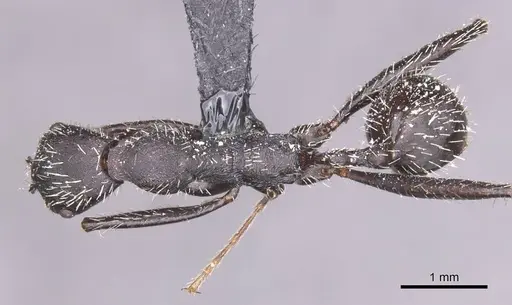
Literature
Loading distribution map...Loading products...