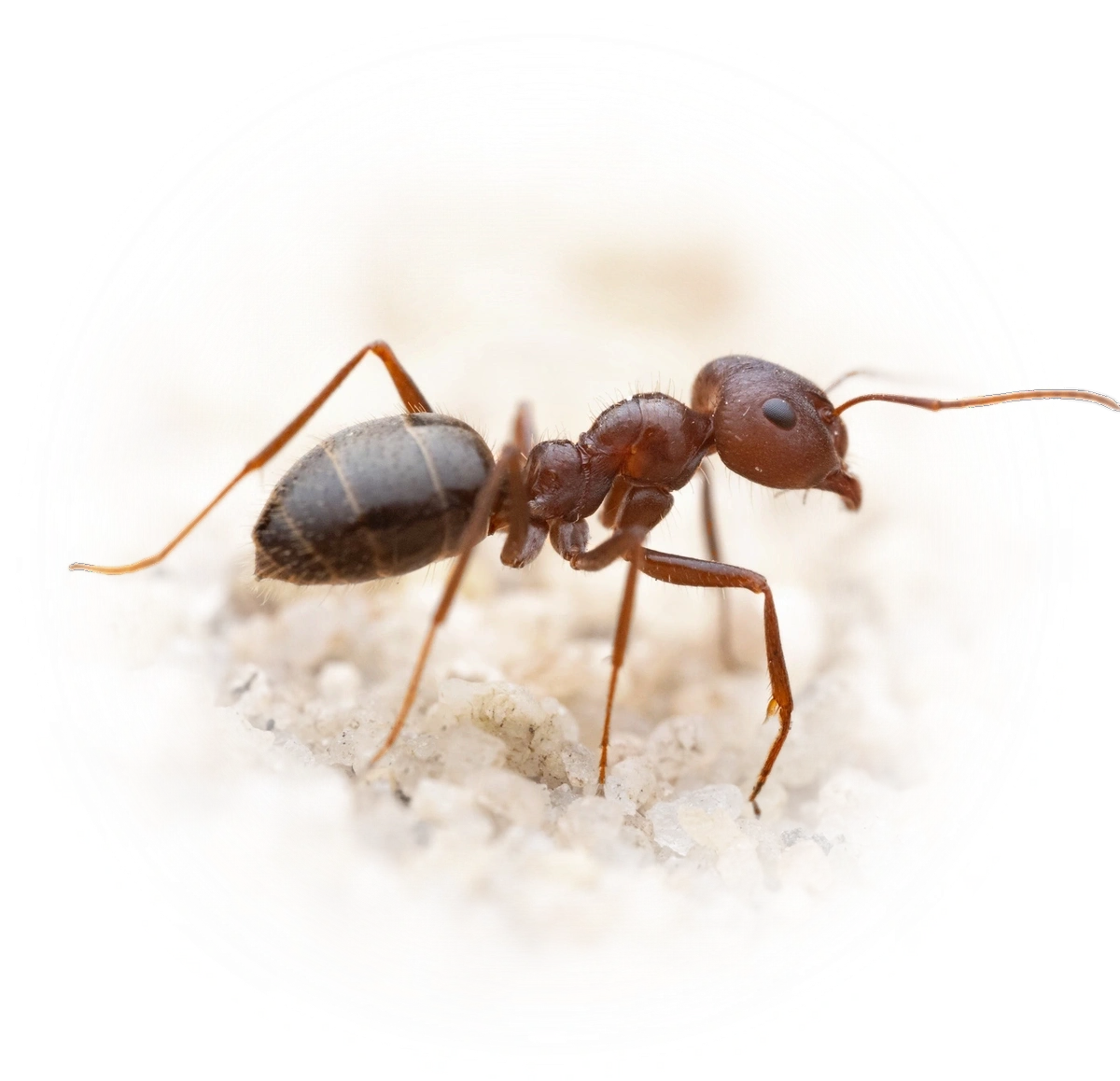
Small pugnacious ant
Anoplolepis steingroeveri
- Sci. Name
- Anoplolepis steingroeveri
- Tribe
- Plagiolepidini
- Subfamily
- Formicinae
- Author
- Forel, 1894
- Common Name
- Small pugnacious ant
- Distribution
- Found in 3 countries
Introduction
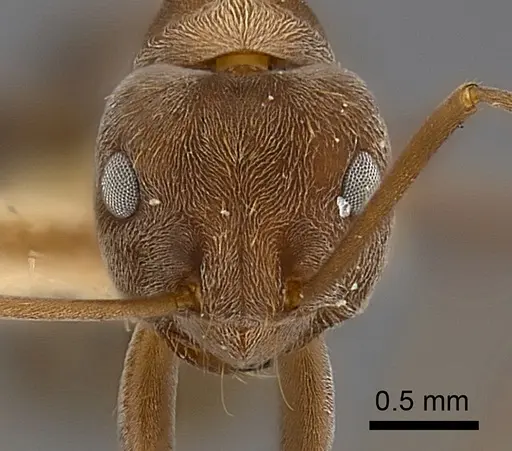
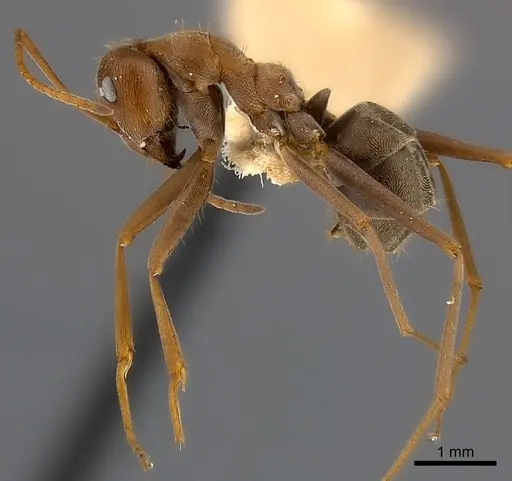
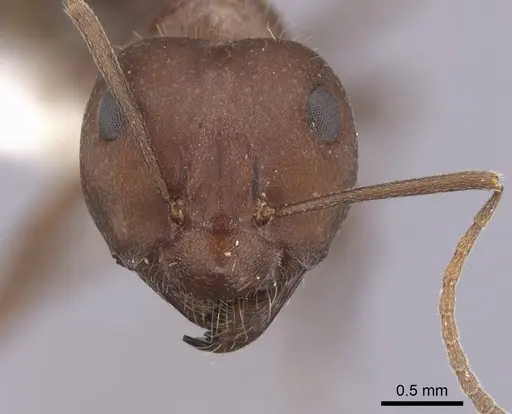
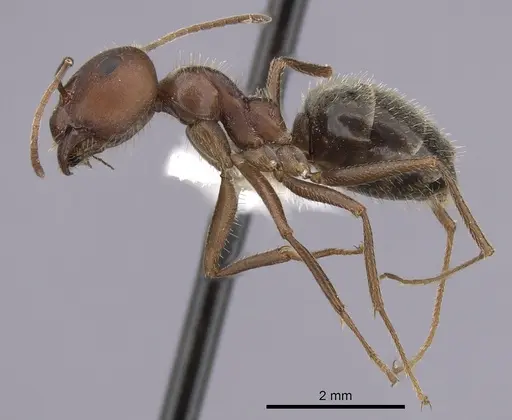
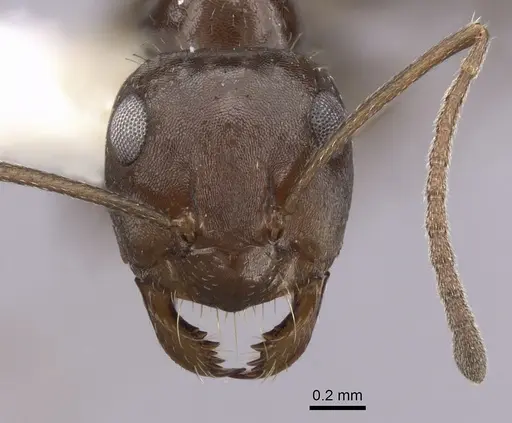
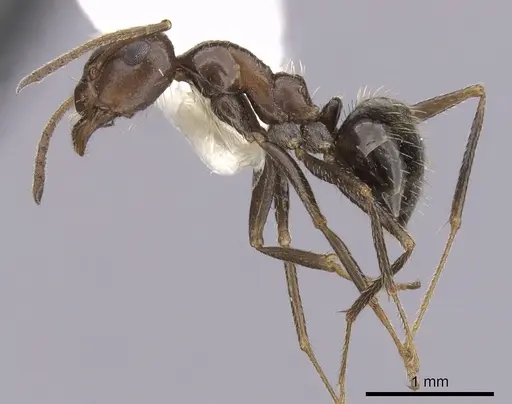
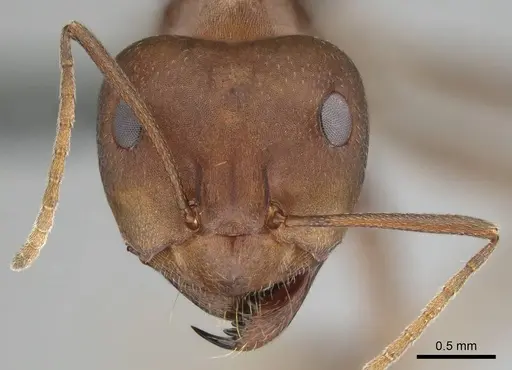
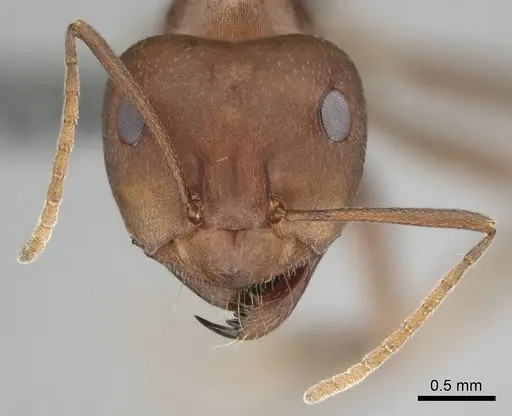
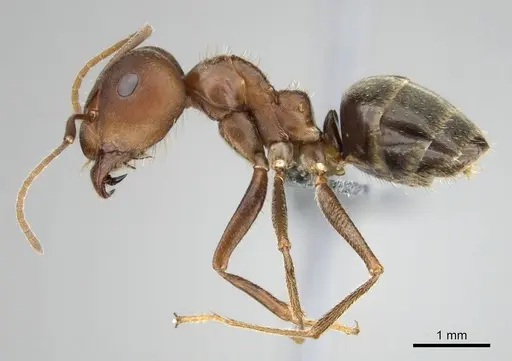
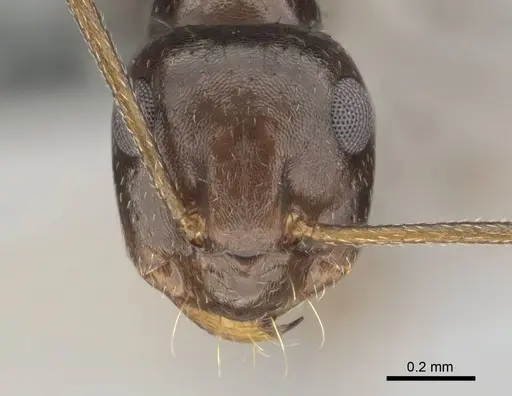
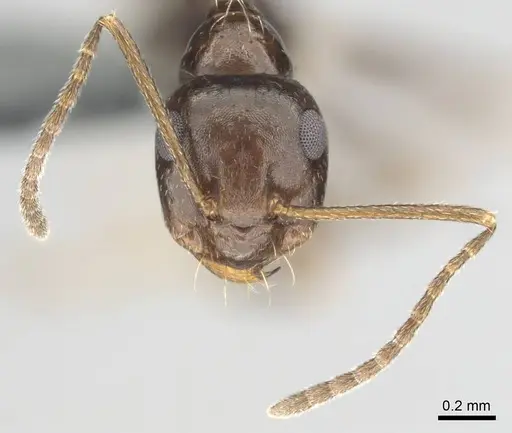
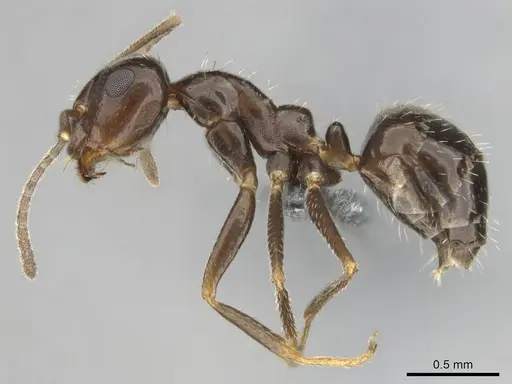
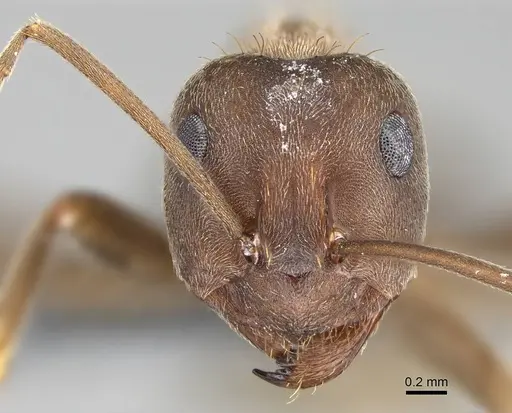
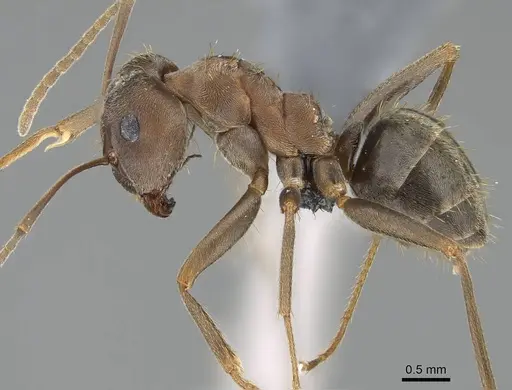
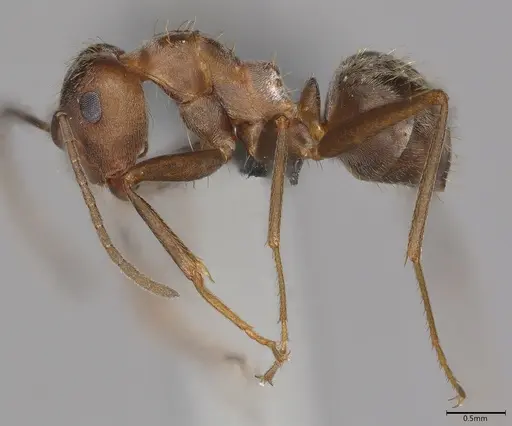
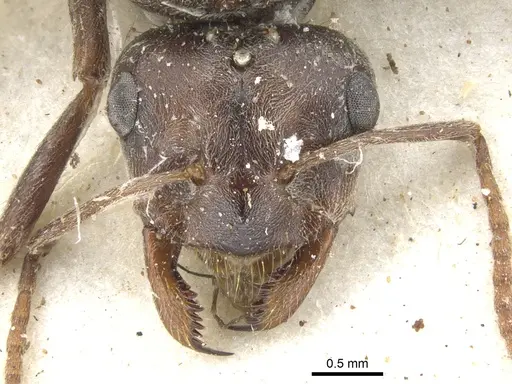
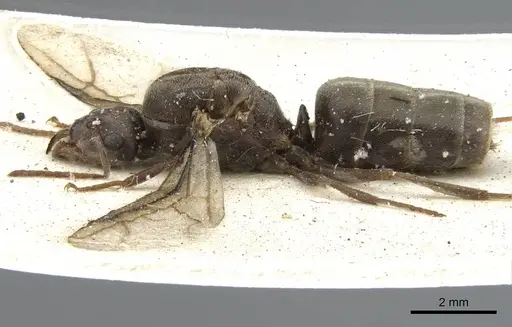
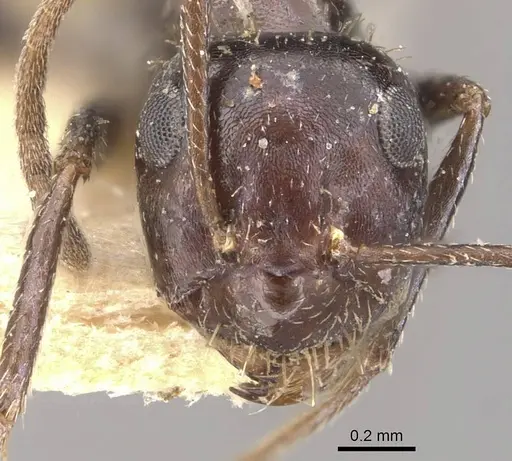
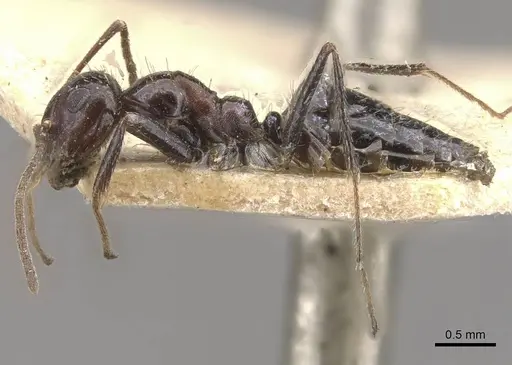
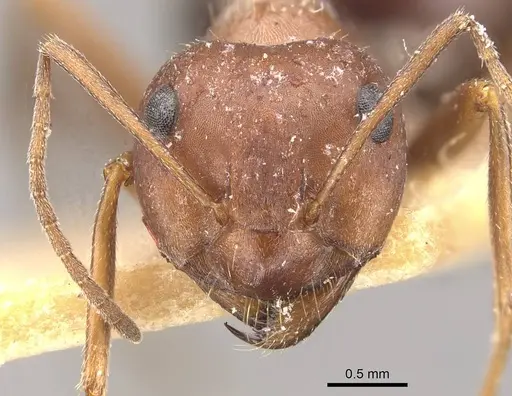
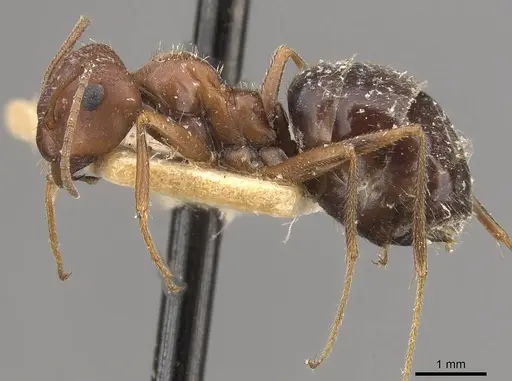
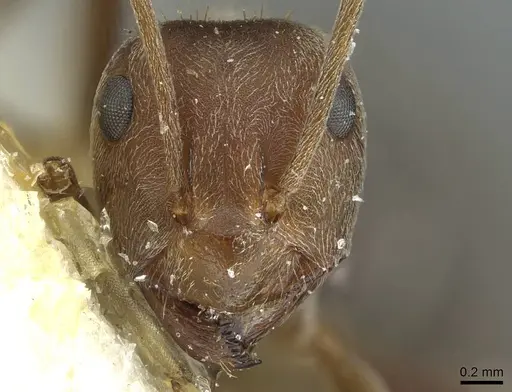
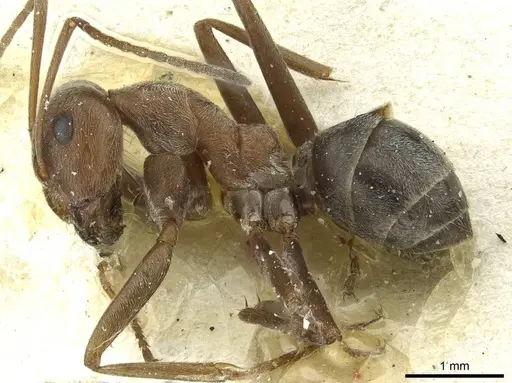
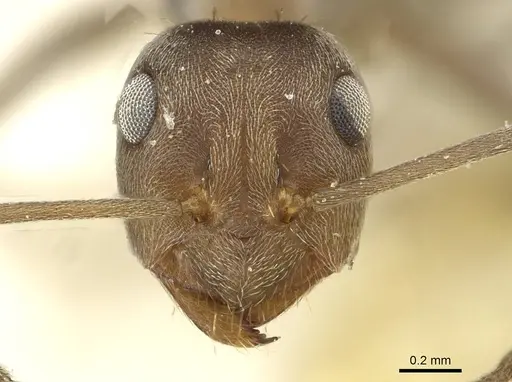
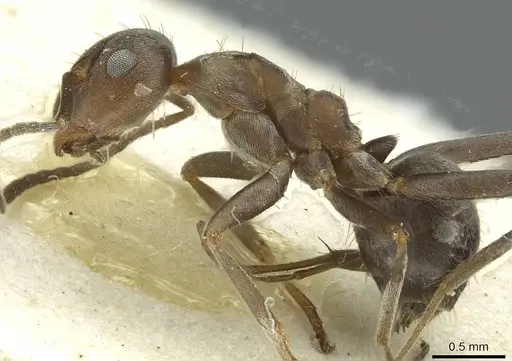
Anoplolepis steingroeveri is a highly polymorphic ant native to the arid and semi-arid regions of southern Africa. Workers vary dramatically in size, from tiny minors around 3mm to large majors reaching 8mm, with coloration ranging from reddish-brown to nearly black . They inhabit savannahs, desert edges, and agricultural areas across Namibia, South Africa, Botswana, and Angola . These ants are known as the Small Pugnacious Ant - when disturbed, workers pour out of the nest and attack en masse, biting anything they perceive as a threat . They live in polydomous colonies, with one colony occupying multiple separate nest sites connected by foraging trails, and excavations can reach 1.2 meters deep into bedrock . In the Namib Desert, they are the most abundant ant species on fairy circles, where they tend root-feeding bugs and play a key role in these mysterious landscape features .
Quick Summary
- Difficulty: Medium
- Origin & Habitat: Southern Africa (Namibia, South Africa, Botswana, Angola) in semi-arid savannah, desert edges, and agricultural areas [1][2].
- Colony Type: Polydomous colonies that occupy multiple nest sites simultaneously, with colonies reaching approximately 7,400 workers or more [4]. Queen number per nest is unconfirmed.
- Size & Growth:
- Queen: 11.6-12.6 mm [1] (total length).
- Worker: 2.9-8.0 mm, highly polymorphic [1] (total length).
- Colony: Up to 7,400+ workers in single nest sites [4].
- Growth: Moderate to fast.
- Development: Estimated 8-12 weeks based on similar Formicinae species (not directly measured). (Development likely faster at higher temperatures within safe range.)
- Antkeeping:
- Temperature: 24-28°C. Use a heating cable on one side of the nest to create a gradient.
- Humidity: Low to moderate humidity. Provide a water source but ensure nest substrate drains well, think dry savannah conditions.
- Diapause: Not required. Being from southern Africa, they remain active year-round but may slow slightly during cooler months.
- Nesting: Deep substrate required, they excavate up to 1.2m in nature [4]. Use a large naturalistic setup with deep sand/clay mix, or multiple connected nest sites to accommodate their polydomous behavior.
- Behavior: Extremely aggressive and fast-moving. Workers swarm and bite when disturbed [1][3]. Active both day and night [5][6]. Tiny minors at around 3mm mean escape prevention must be excellent [1]. They possess an acidopore for spraying formic acid but do not sting, their primary defense is biting.
- Common Issues: escape prevention is critical, minors at only ~3mm can squeeze through the tiniest gaps., aggressive swarming behavior makes maintenance stressful, they attack en masse when disturbed., colonies grow large (7000+ workers) and require extensive space and feeding., they tend honeydew-producing insects and may foster mealybug pests if kept with plants., deep nesting instinct means they may dig excessively or stress in shallow setups.
Nest Preferences and the Polydomous Lifestyle
In nature, Anoplolepis steingroeveri excavates impressive nests up to 1.2 meters deep into bedrock, with multiple entrance holes clustered around vegetation bases [4]. They are polydomous, meaning one colony maintains multiple separate nest sites simultaneously, researchers found single colonies occupying up to seven different fairy circles connected by foraging trails [4]. In captivity, provide either a very deep naturalistic setup (30cm+ of substrate) or multiple connected nest sites. A single test tube or small formicarium will not satisfy their nesting instincts once the colony grows beyond a few hundred workers. Use a sand-clay mix that holds tunnels but drains well, as they prefer drier conditions. If using an artificial nest, provide multiple chambers or connect several nests with tubing to allow their natural polydomous behavior.
Feeding and Diet
These ants are opportunistic omnivores with a strong preference for honeydew. In vineyards, they heavily tend mealybugs and other honeydew-producing pests [7][8]. In the Namib Desert, they tend Meenoplidae bugs that feed on grass roots [4]. They also actively hunt insect prey, foraging most actively in early morning and late afternoon [4]. In captivity, offer sugar water or honeydew substitute constantly, and provide live prey such as fruit flies, small crickets, or mealworms twice weekly. Because they are aggressive generalists, they accept most standard ant foods readily. However, be cautious keeping them with live plants, their association with mealybugs means they may protect and foster pest insects on your houseplants.
Temperature and Environmental Control
Coming from the savannahs and deserts of southern Africa, Anoplolepis steingroeveri prefers warm conditions. They are active in both day and night photoperiods in the wild [5][6]. Keep the nest area between 24-28°C using a heating cable or heat mat attached to one side of the nest to create a thermal gradient. This allows workers to regulate their temperature by moving closer to or farther from the heat source. They do not require high humidity, keep the nest substrate slightly damp but never wet, with a humidity gradient from moist (near the water source) to dry. Good ventilation is essential to prevent mold in their permanent nest structures.
Behavior, Aggression, and Handling
Anoplolepis steingroeveri earns its common name Small Pugnacious Ant honestly. When the nest is disturbed, workers pour out in large numbers to attack [1][3]. They are fast, aggressive biters that will swarm onto hands, tools, and anything intruding into their space. While they lack a stinger (being Formicinae), they can spray formic acid and deliver painful bites with their mandibles. Their polymorphic worker caste includes tiny minors around 3mm that can escape through gaps that would stop larger ants [1]. You must use excellent escape prevention: Fluon or PTFE barriers on vertical surfaces, fine mesh on ventilation, and tight-fitting lids. Do not attempt to handle the colony without preparation, work quickly and expect defensive behavior.
Growth and Colony Development
Colonies can become massive. Research in the Namib Desert estimated approximately 7,400 ants (weighing over 12 grams) in a single fairy circle nest, and this represented just one of several nests in that colony [4]. Growth rate depends on temperature and food availability, but expect colonies to reach several thousand workers within a year or two under good conditions. The highly polymorphic worker caste develops as the colony grows, early workers may be smaller, while majors up to 8mm appear as the colony matures [1]. Because of their potential size, plan for a large setup early. A colony that outgrows its space will become stressed and even more aggressive.
Associations with Other Organisms
In the wild, Anoplolepis steingroeveri maintains complex relationships with other species. They are the primary ant associate for several myrmecophilous butterflies in the genus Crudaria, tending the caterpillars and feeding from their dorsal nectary organs [3][9]. They also serve as major prey for the Temminck's ground pangolin, representing 47% of observed feeding bouts in one study [5][6]. In agricultural settings, their tendency to protect mealybugs makes them a minor pest in vineyards [7]. These associations highlight their role as dominant generalists in their ecosystem, they interact with everything from butterfly larvae to large mammals.
Frequently Asked Questions
Can I keep Anoplolepis steingroeveri in a test tube?
You can start a founding queen in a test tube, but move her to a larger setup as soon as the first workers arrive. These ants grow fast, excavate deeply, and become extremely aggressive quickly, a test tube will become inadequate within weeks.
How long until Anoplolepis steingroeveri gets their first workers?
Exact timelines are unconfirmed, but based on similar Formicinae species, expect roughly 8-12 weeks from egg to first worker at 25-28°C. Nanitic (first) workers may be smaller and develop slightly faster than subsequent broods.
Can I keep multiple Anoplolepis steingroeveri queens together?
Combining unrelated queens is not recommended. While they are polydomous (occupying multiple nests), this does not mean they tolerate multiple queens in one nest. Natural colony structure regarding queen number is unconfirmed, keep only one queen per setup unless you observe natural polygyny in your specific colony.
Do Anoplolepis steingroeveri need hibernation?
No, they do not require hibernation. Being from southern Africa, they remain active year-round, though they may slow down slightly during cooler winter months. Keep them at room temperature or warmer throughout the year.
Why are they called pugnacious ants?
They get this name from their extremely aggressive defensive behavior. When the nest is disturbed, workers swarm out in large numbers and attack immediately, biting persistently. They show no hesitation in defending their territory [1][3].
How big do Anoplolepis steingroeveri colonies get?
Very large, research documented colonies of approximately 7,400 workers in a single nest, with colonies occupying up to seven separate nest sites simultaneously [4]. Expect to need a large formicarium or multiple connected nests as the colony matures.
Are Anoplolepis steingroeveri good for beginners?
No, they are not recommended for beginners. Their tiny size (minors around 3mm) makes escapes likely without expert barrier techniques, and their aggressive swarming behavior makes maintenance stressful. They also require large, deep setups and grow quickly into colonies of thousands.
What is the best nest type for Anoplolepis steingroeveri?
Large naturalistic setups with deep substrate (30cm+) work best to satisfy their deep-digging instincts. Alternatively, use multiple connected artificial nests (polydomous setup) to mimic their natural habit of occupying several sites simultaneously. Avoid small single-chamber nests.
How often should I feed Anoplolepis steingroeveri?
Offer sugar water constantly, and provide protein (live or dead insects) twice weekly. Adjust based on consumption, large colonies with thousands of workers need substantial food. Remove uneaten prey before it molds.
Report an Issue
The current care sheet is based fully on literature. See inconsistencies, or something that's incorrect? Please , it will be resolved after review from an admin. Contributing to the blogs tab also helps providing information, to make us be able to further improve the caresheets. Thank you for your support!
References

This caresheet is licensed under CC BY-SA 4.0 .
Community Blogs
CASENT0101803
View on AntWeb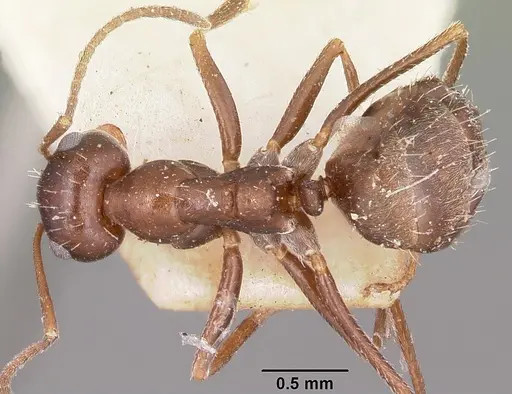
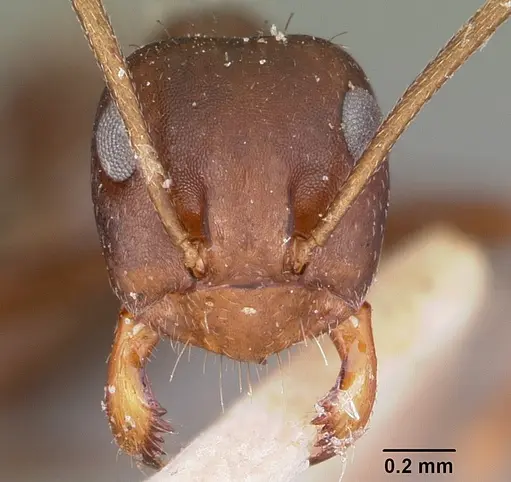
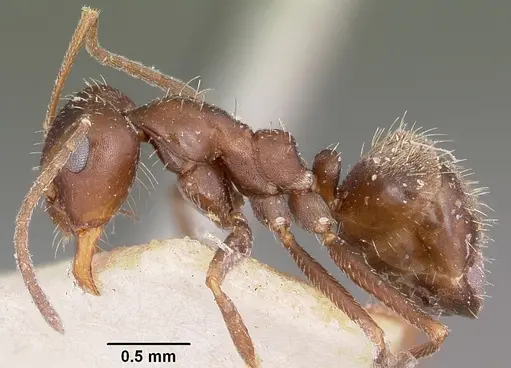
CASENT0217598
View on AntWeb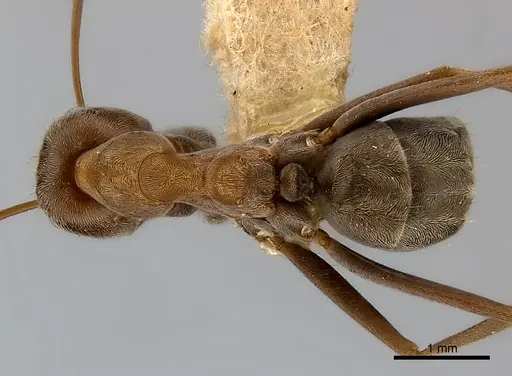
CASENT0249927
View on AntWeb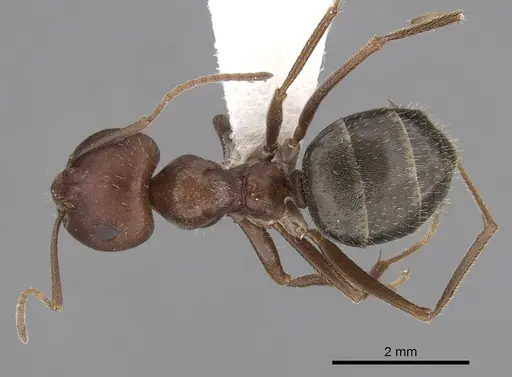
CASENT0249928
View on AntWeb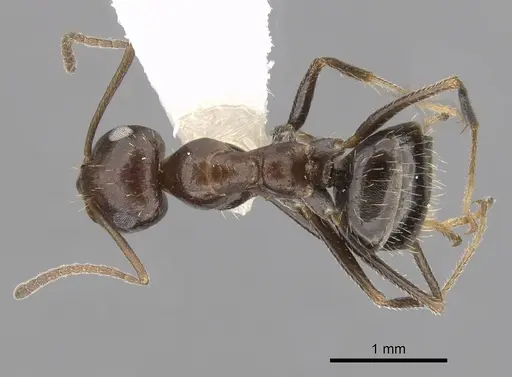
CASENT0257359
View on AntWeb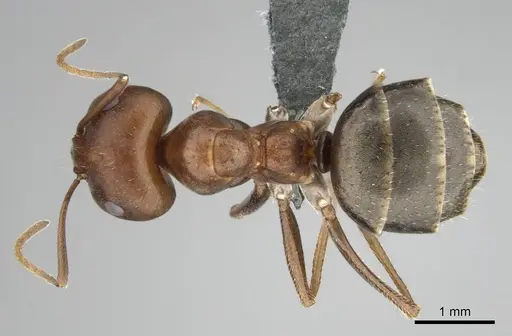
CASENT0257361
View on AntWeb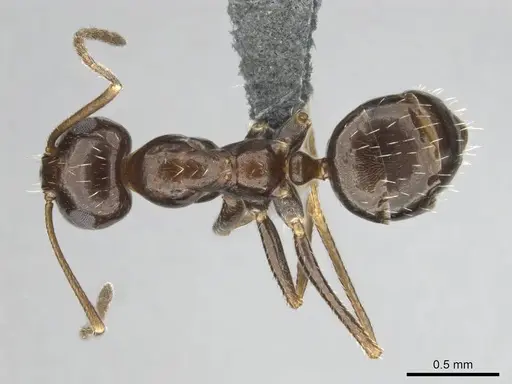
CASENT0785912
View on AntWeb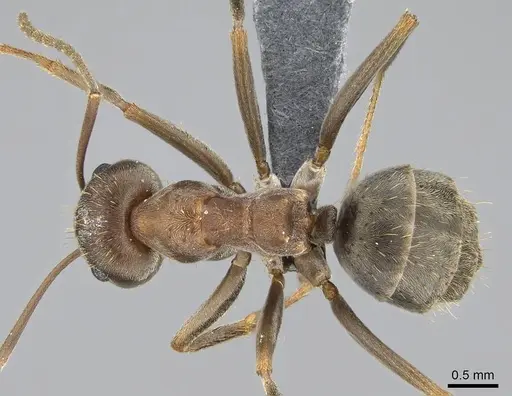
CASENT0785914
View on AntWeb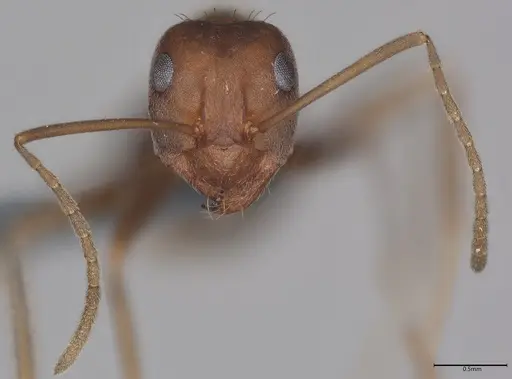
CASENT0903232
View on AntWeb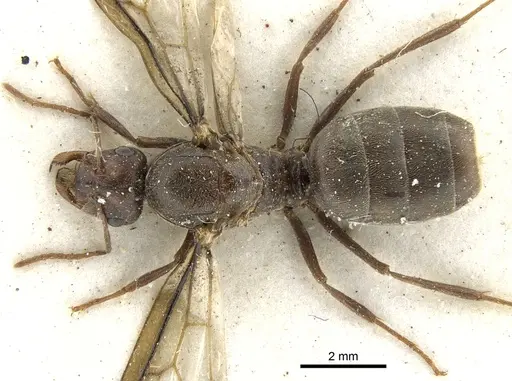
CASENT0909841
View on AntWeb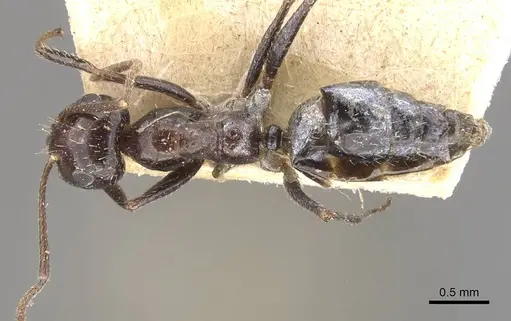
CASENT0909842
View on AntWeb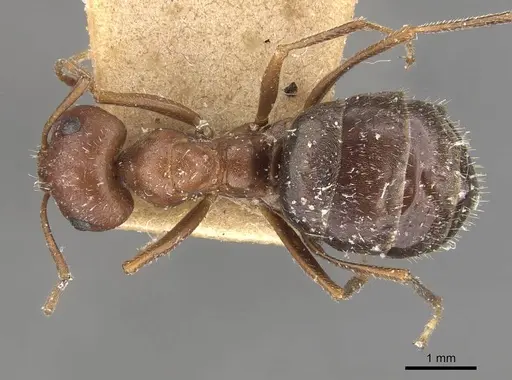
CASENT0912364
View on AntWeb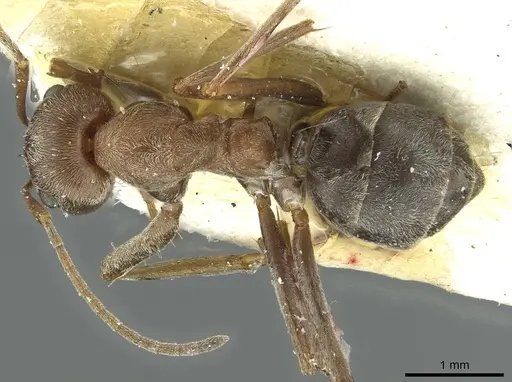
CASENT0912365
View on AntWeb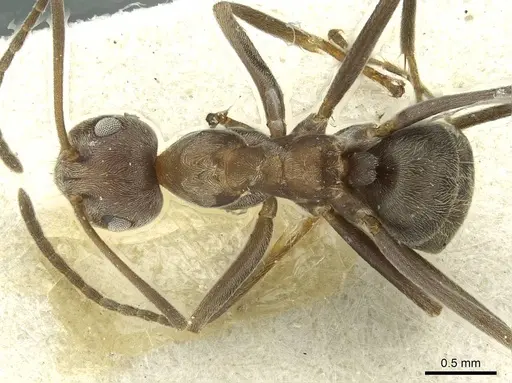
Literature
Loading distribution map...Loading products...