
Chestnut Pugnacious ant
Anoplolepis rufescens
- Sci. Name
- Anoplolepis rufescens
- Tribe
- Plagiolepidini
- Subfamily
- Formicinae
- Author
- Santschi, 1917
- Common Name
- Chestnut Pugnacious ant
- Distribution
- Found in 1 countries
Introduction
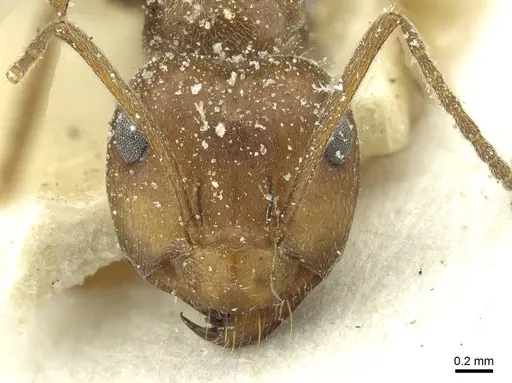
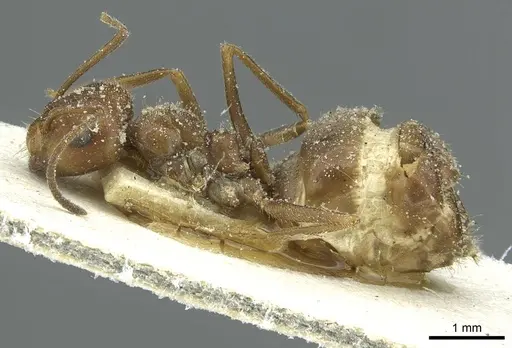
Anoplolepis rufescens is a small, fast-moving ant with a remarkably wide distribution. Records exist from the Caucasus region of Georgia (Manglisi, Bjinevi, Borjomi, Vardzia), Moravia in the Czech Republic, and the highlands of South Africa (Marakele National Park, Limpopo) . Previously classified under the name Plagiolepis rufescens, this species occupies elevations from 1,074m to 2,044m in South Africa . They are epigaeic, meaning they live and forage on the soil surface rather than digging deep underground . Specific colony biology and care requirements remain undocumented in scientific research. The wide geographic spread across temperate European forests and African highlands suggests adaptability, but you will need to determine parameters through close observation.
Quick Summary
- Difficulty: Medium
- Origin & Habitat: Georgia (Caucasus region), Czech Republic (Moravia), and South Africa (Limpopo province, Marakele National Park) at elevations between 1,074-2,044m [1][2][3].
- Colony Type: Unconfirmed, colony structure has not been documented in research.
- Size & Growth:
- Queen: ~4-5mm, inferred from Anoplolepis genus patterns
- Worker: ~2-3mm, inferred from Anoplolepis genus patterns
- Colony: Unknown
- Growth: Unknown
- Development: Unknown (Development time is unconfirmed for this species.)
- Antkeeping:
- Temperature: Start at 20-25°C and observe colony activity. The wide natural range from temperate Europe to African highlands suggests flexibility [1][2][3].
- Humidity: Provide a moisture gradient with damp and dry areas available.
- Diapause: Unknown, populations from temperate regions (Czech Republic, Georgia) may require winter rest, while South African populations likely do not. If colony origin is unknown, offer optional cooling during winter months.
- Nesting: Epigaeic (surface-dwelling) in nature [3]. Use shallow nests with open surface areas, flat stones, or open soil setups rather than deep tunnel systems.
- Behavior: Fast-moving and erratic, typical of the genus. They are epigaeic (surface-active) foragers [3]. Their small size means you must use excellent escape prevention.
- Common Issues: escape prevention is critical, they are small and fast-moving., lack of specific care data means you must determine parameters by observation., uncertain diapause requirements depending on whether your colony originates from temperate or subtropical populations.
Distribution and Natural History
Anoplolepis rufescens shows an unusually wide distribution for an ant species, appearing in the Caucasus region of Georgia at sites including Manglisi, Bjinevi, Borjomi, and Vardzia [1], in Moravia in the Czech Republic [2], and in the Marakele National Park in Limpopo, South Africa [3].
In South Africa, researchers collected specimens across a wide elevational gradient from 1,074m up to 2,044m [3]. This range suggests the species tolerates varied temperature conditions, from cooler highland areas to warmer lowlands. The species was previously placed in the genus Plagiolepis under the name Anoplolepis rufescens [1][2], indicating taxonomic confusion in its history.
They are described as epigaeic, meaning they live and forage on the soil surface rather than nesting deep underground [3]. This surface-dwelling habit likely influences their temperature and humidity requirements in captivity.
Nest Preferences
In nature, Anoplolepis rufescens is epigaeic (surface-active) [3], meaning they nest under flat stones, in leaf litter, or in shallow soil cavities rather than deep underground.
For captive keeping, avoid deep, enclosed formicariums designed for tunneling species. Instead, provide shallow nest areas with open surface access. Naturalistic setups with flat stones, cork bark, or open soil boxes work well. If using an artificial nest, choose one with open-top designs or very shallow chambers.
Because they live on the surface, they likely prefer moderate humidity with good ventilation. Avoid stagnant air, but ensure the surface substrate does not dry out completely.
Temperature and Seasonal Care
Specific temperature requirements for Anoplolepis rufescens are unknown. However, their natural range provides clues. They live in temperate regions (Czech Republic, Georgia) where winters are cold, and in South African highlands where temperatures are moderate [1][2][3].
Start with temperatures around 20-25°C and observe activity levels. If workers appear sluggish, increase heat slightly. If they avoid heated areas, reduce temperature.
Regarding diapause (winter rest), requirements depend on population origin. If your colony originates from European populations (Czech Republic or Georgia), they likely require a cooling period in winter. If from South Africa, they probably remain active year-round. If origin is unknown, offer an optional diapause period at 10-15°C for 2-3 months and observe if the colony slows naturally.
Behavior and Temperament
While specific behavioral studies are lacking, Anoplolepis species are generally known as 'crazy ants' for their fast, erratic, and non-linear movement patterns. Anoplolepis rufescens is described as epigaeic (surface-active) [3], suggesting they are active foragers that roam openly rather than following strict trails.
Their small size means they can escape through tiny gaps. You must use tight-fitting lids, fine mesh ventilation, and Fluon or other barriers on outworld rims. Their speed makes them difficult to contain if they escape.
They are unlikely to possess a painful sting given their size, but may bite or spray formic acid if threatened. Handle with care to avoid escapes.
Feeding and Diet
The natural diet of Anoplolepis rufescens is unconfirmed in the research. Based on typical Anoplolepis genus patterns, they are likely generalist omnivores and scavengers [4].
Offer a varied diet including small live insects (fruit flies, springtails, small crickets), sugar sources (honey, sugar water), and protein sources (boiled egg, cooked chicken). As surface foragers, they likely discover and exploit scattered food resources rather than hunting large prey.
Observe what your colony accepts and adjust accordingly. Remove uneaten food promptly to prevent mold in their surface-dwelling setup.
Frequently Asked Questions
What is Anoplolepis rufescens?
Anoplolepis rufescens is a small, fast-moving ant species with a wide distribution across Georgia, the Czech Republic, and South Africa. They were previously known as Anoplolepis rufescens. They are surface-dwelling (epigaeic) ants that live at elevations from 1,074m to 2,044m in their South African range [1][2][3].
Where does Anoplolepis rufescens come from?
They have been recorded in the Caucasus region of Georgia (Manglisi, Bjinevi, Borjomi, Daba, Tadzrisi, Vardzia), in Moravia in the Czech Republic, and in Marakele National Park in Limpopo, South Africa [1][2][3].
How big do Anoplolepis rufescens colonies get?
Colony size is unknown. Based on related Anoplolepis species, they may reach several thousand workers, but this is speculative.
Do Anoplolepis rufescens need hibernation?
Diapause requirements are unknown and likely depend on the population origin. European populations (Czech Republic, Georgia) probably require winter cooling, while South African populations likely remain active year-round. If origin is unknown, offer optional diapause at 10-15°C.
Are Anoplolepis rufescens good for beginners?
They are medium difficulty. While Anoplolepis species are generally hardy, the lack of specific care data for this species means you must determine proper parameters through observation. Their small size and speed also require excellent escape prevention.
What nest type is best for Anoplolepis rufescens?
Use shallow, open nests that mimic their surface-dwelling (epigaeic) nature. Flat stones, open soil setups, or shallow artificial nests work better than deep tunnel systems [3].
How fast do Anoplolepis rufescens grow?
Growth rate and development time are unknown for this species.
Report an Issue
The current care sheet is based fully on literature. See inconsistencies, or something that's incorrect? Please , it will be resolved after review from an admin. Contributing to the blogs tab also helps providing information, to make us be able to further improve the caresheets. Thank you for your support!
References

This caresheet is licensed under CC BY-SA 4.0 .
Community Blogs
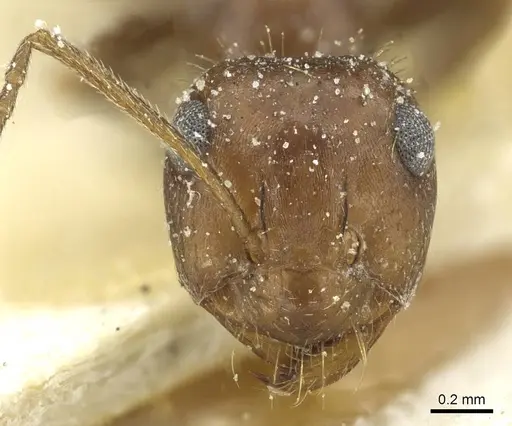
CASENT0912362
View on AntWeb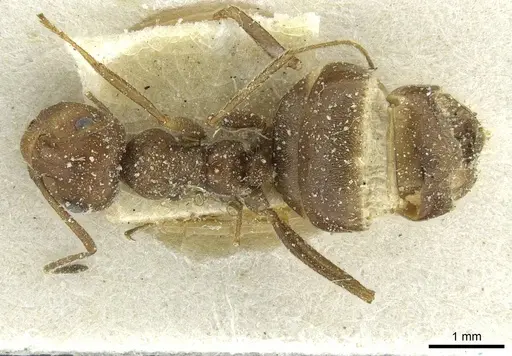
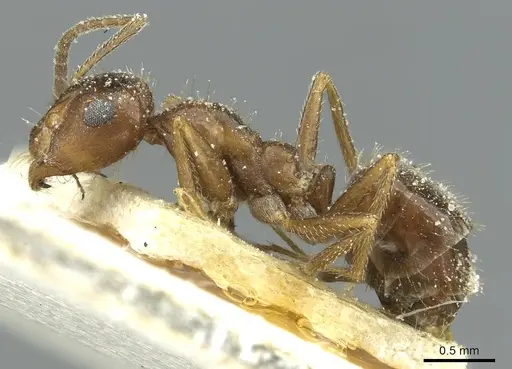
CASENT0912363
View on AntWeb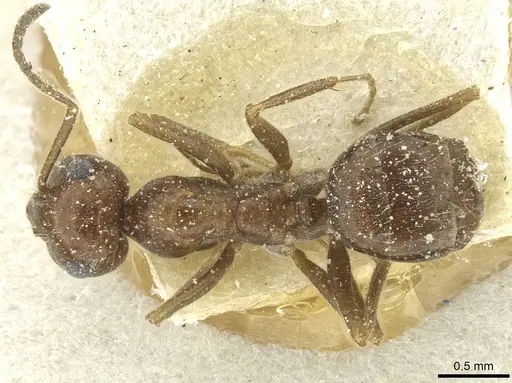
Literature
Loading distribution map...Loading products...