
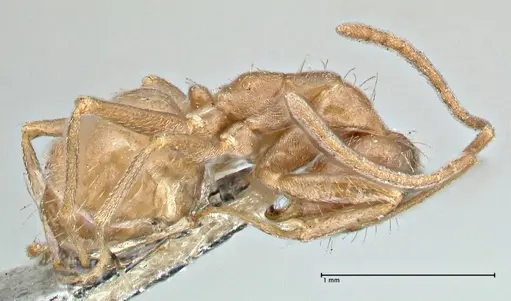
Pallid Pugnacious ant
Anoplolepis fallax
- Sci. Name
- Anoplolepis fallax
- Tribe
- Plagiolepidini
- Subfamily
- Formicinae
- Author
- Mayr, 1865
- Common Name
- Pallid Pugnacious ant
- Distribution
- Found in 1 countries
Introduction
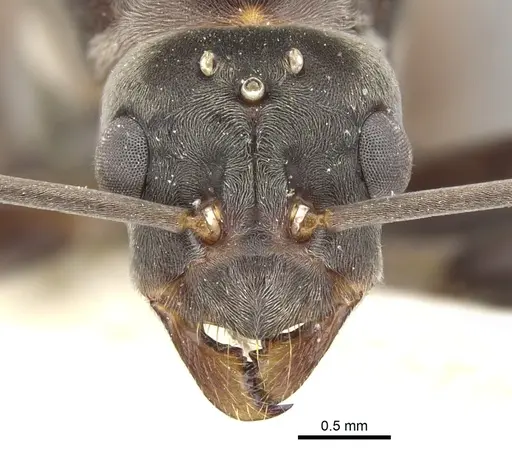
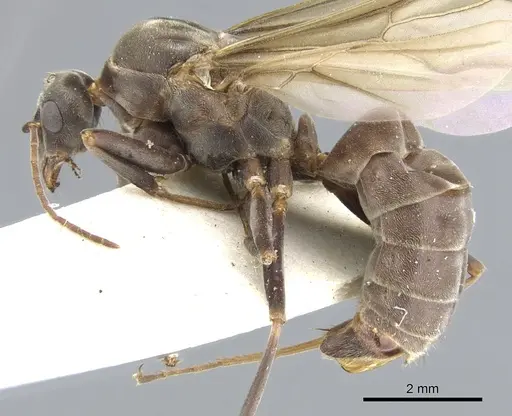
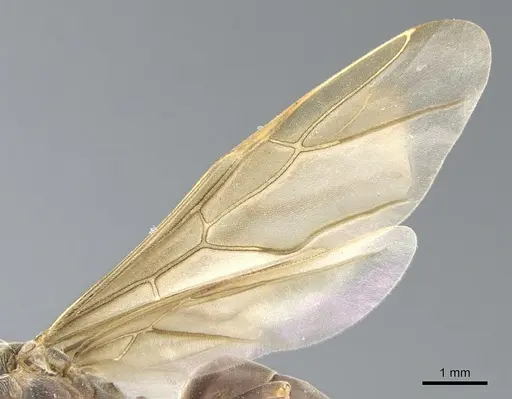
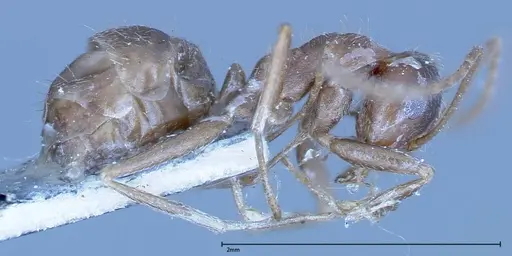
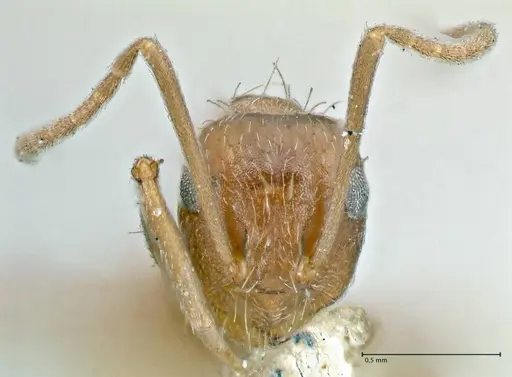
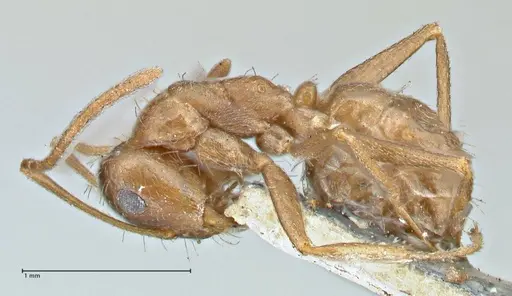
Anoplolepis fallax is a rarely encountered African ant species first described from South Africa's Cape of Good Hope in 1865,with additional records in the Democratic Republic of Congo . As a member of the Formicinae subfamily within the Plagiolepidini tribe, it belongs to the same genus as the invasive Yellow Crazy Ant (Anoplolepis gracilipes), though A. fallax has attracted virtually no research attention. Its biology, colony structure, and specific care requirements remain completely unstudied.
Quick Summary
- Difficulty: Hard
- Origin & Habitat: Native to South Africa (Cape of Good Hope) and the Democratic Republic of Congo (Moanda province) [1][2]. Specific habitat preferences are unconfirmed.
- Colony Type: Unconfirmed
- Size & Growth:
- Queen: Size data unavailable, no published measurements exist for this species
- Worker: Size data unavailable, no published measurements exist for this species
- Colony: Unknown
- Growth: Unknown
- Development: Unconfirmed (Development timeline is unstudied. Related Anoplolepis species typically develop from egg to worker in 6-8 weeks at warm temperatures, but this may not apply to A. fallax.)
- Antkeeping:
- Temperature: Unconfirmed. Based on South African climate, likely tolerates a range from 18-25°C. Start around 20-22°C and observe colony activity.
- Humidity: Unconfirmed. Provide a moisture gradient with a damp test tube or nest area and dry areas for the ants to self-regulate.
- Diapause: Unconfirmed. South African populations experience mild winters, the colony may slow down but full diapause requirements are unknown.
- Nesting: Unconfirmed. Standard Formicinae setups such as Y-tong, plaster nests, or naturalistic soil setups may be appropriate.
- Behavior: Unconfirmed. Based on related Anoplolepis species, workers are likely fast-moving and active foragers. Escape risk is unknown due to lack of size data, assume they can squeeze through small gaps and use appropriate escape prevention.
- Common Issues: lack of any published biological data means all care is experimental, unknown founding type, queen behavior may differ from related species, no reference for colony size limits makes long-term housing planning difficult, difficulty distinguishing from other Anoplolepis species may lead to incorrect care assumptions
Distribution and Taxonomy
Anoplolepis fallax was first described by Mayr in 1865 from specimens collected at the Cape of Good Hope in South Africa during the Novara Expedition [2]. The species has been recorded in the Democratic Republic of Congo, specifically in the Moanda province [1]. Taxonomically, it has undergone several reclassifications, originally placed in Plagiolepis, then moved to Anoplolepis through subgeneric placements before being classified as Anoplolepis fallax [2]. Despite this long taxonomic history dating back nearly 160 years, no biological studies exist documenting its ecology, behavior, or colony structure.
General Care Guidelines
Since specific care requirements are unconfirmed, keepers must approach this species as experimental. Start with general Formicinae care principles and adjust based on observed behavior. Provide a secure test tube setup with a water reservoir for founding queens and observe whether she seals herself in or forages. For established colonies, offer varied diet including sugar sources (honey, sugar water) and protein (small insects, mealworms). Maintain moderate temperatures around 20-22°C initially with a slight gradient. Use escape prevention appropriate for small ants, if workers are similar to other Anoplolepis species, they may be small enough to squeeze through tiny gaps.
Challenges of Keeping Unstudied Species
Keeping Anoplolepis fallax presents unique challenges due to the absence of published biological data. Unlike well-documented species where keepers can reference development times, colony sizes, and behavioral triggers, A. fallax requires careful observation and documentation. Keepers should maintain detailed notes on founding behavior, brood development timelines, feeding preferences, and colony growth rates. Be prepared for unexpected behaviors, the queen may require different conditions than anticipated. This species is best suited for experienced keepers comfortable troubleshooting without established guidelines.
Frequently Asked Questions
Are Anoplolepis fallax good for beginners?
No. The complete lack of specific care data means you will be experimenting without guidance. Start with well-documented species like Lasius niger or Formica fusca before attempting poorly studied species.
How long does Anoplolepis fallax take from egg to worker?
The egg-to-worker timeline is unconfirmed. Related Anoplolepis species typically develop in 6-8 weeks at warm temperatures, but actual timing for A. fallax is unknown.
What do Anoplolepis fallax eat?
The natural diet is unknown. Based on general Formicinae patterns, they likely accept sugar sources and protein. Offer varied foods and observe preferences.
Do Anoplolepis fallax need hibernation?
Hibernation requirements are unconfirmed. South Africa has mild winters, the colony may slow during cooler months but full diapause may not be required.
How big do Anoplolepis fallax colonies get?
Maximum colony size is unknown. No published data exists on wild colony sizes. Plan for flexible housing that can be expanded.
Can I keep multiple Anoplolepis fallax queens together?
It is unknown whether this species accepts multiple queens. Start with single queens to avoid fighting. Pleometrosis (cooperative founding) has not been documented.
What is the best nest type for Anoplolepis fallax?
Nest preferences are unconfirmed. Standard Formicinae setups such as Y-tong, plaster nests, or naturalistic soil setups may work. Provide options and observe where the ants choose to settle.
Report an Issue
The current care sheet is based fully on literature. See inconsistencies, or something that's incorrect? Please , it will be resolved after review from an admin. Contributing to the blogs tab also helps providing information, to make us be able to further improve the caresheets. Thank you for your support!
References

This caresheet is licensed under CC BY-SA 4.0 .
Community Blogs
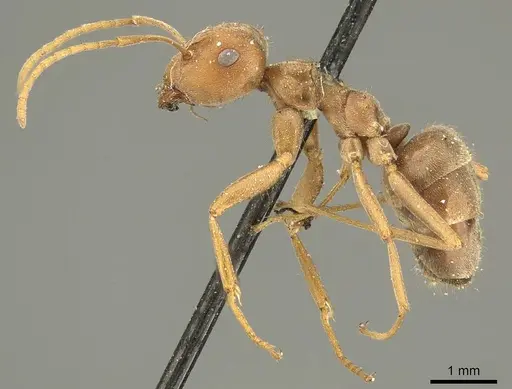
CASENT0903235
View on AntWeb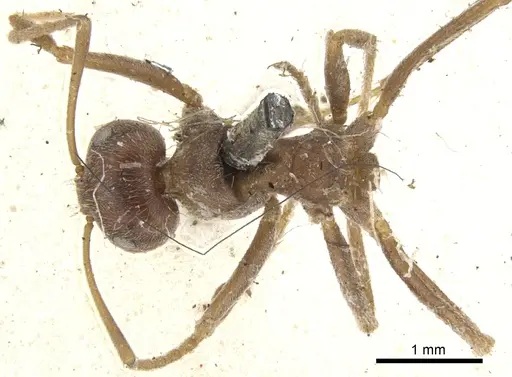
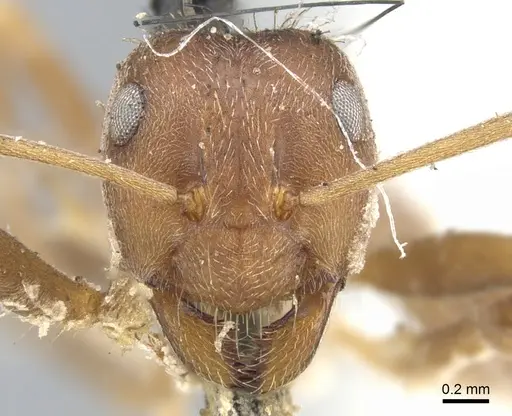
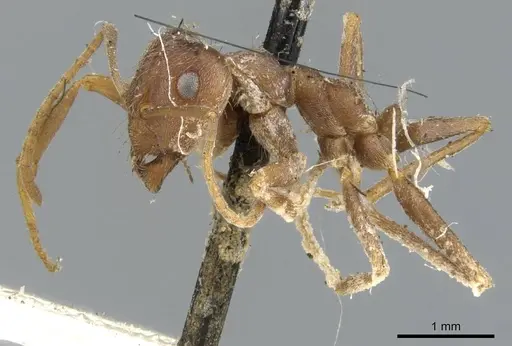
CASENT0903236
View on AntWeb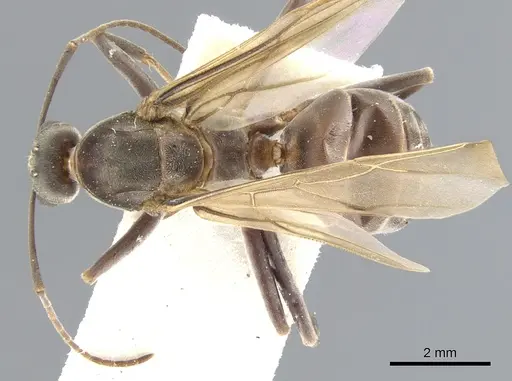
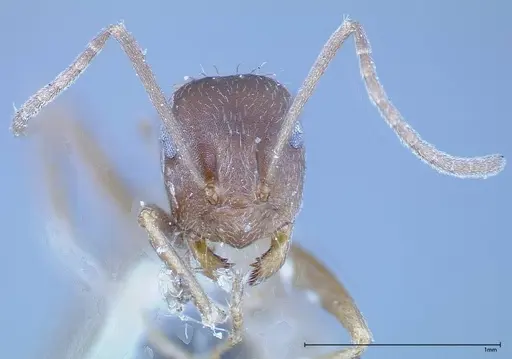
CASENT0909843
View on AntWeb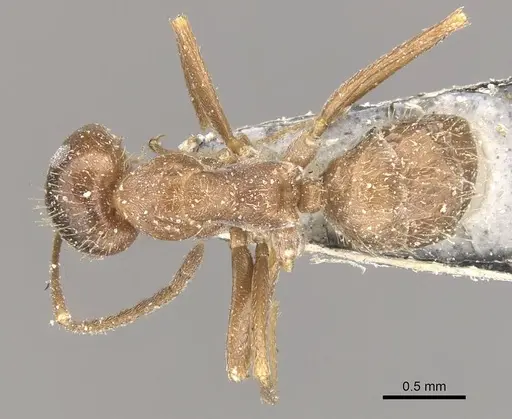
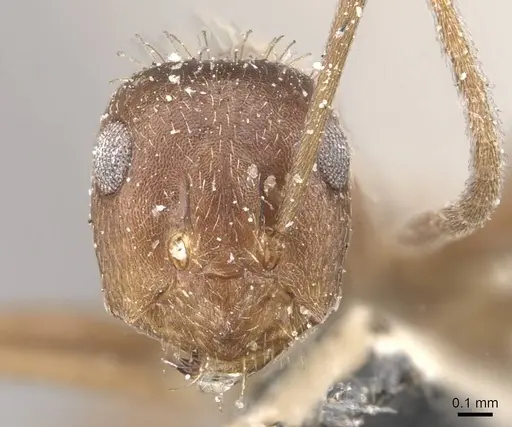
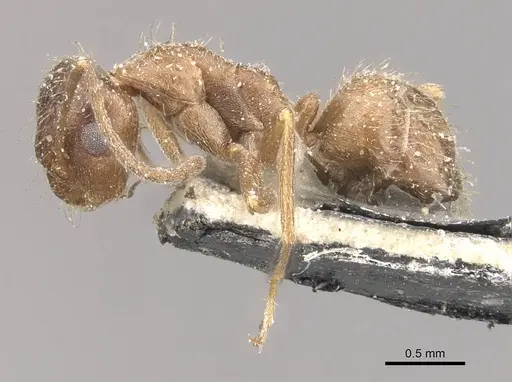
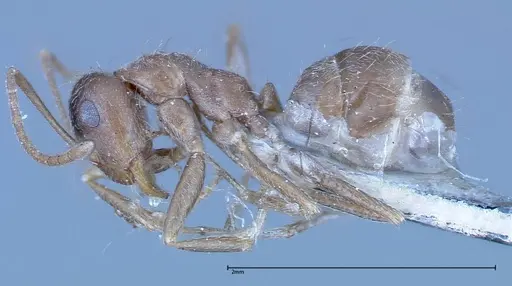
CASENT0915705
View on AntWeb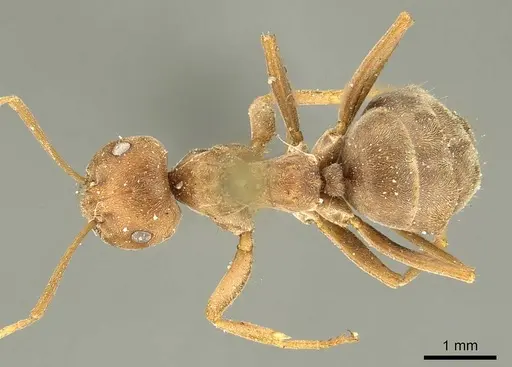
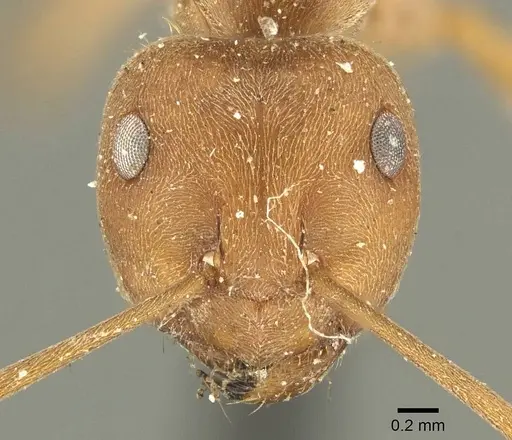
FOCOL0160
View on AntWeb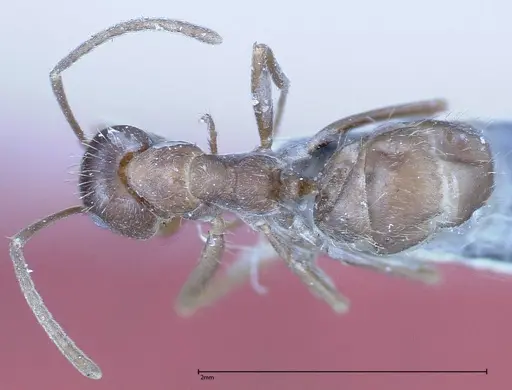
FOCOL2899
View on AntWeb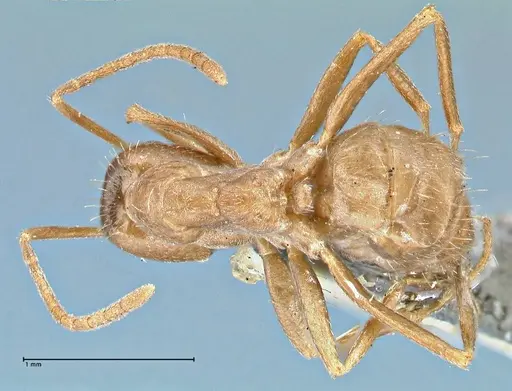
Literature
Loading distribution map...Loading products...