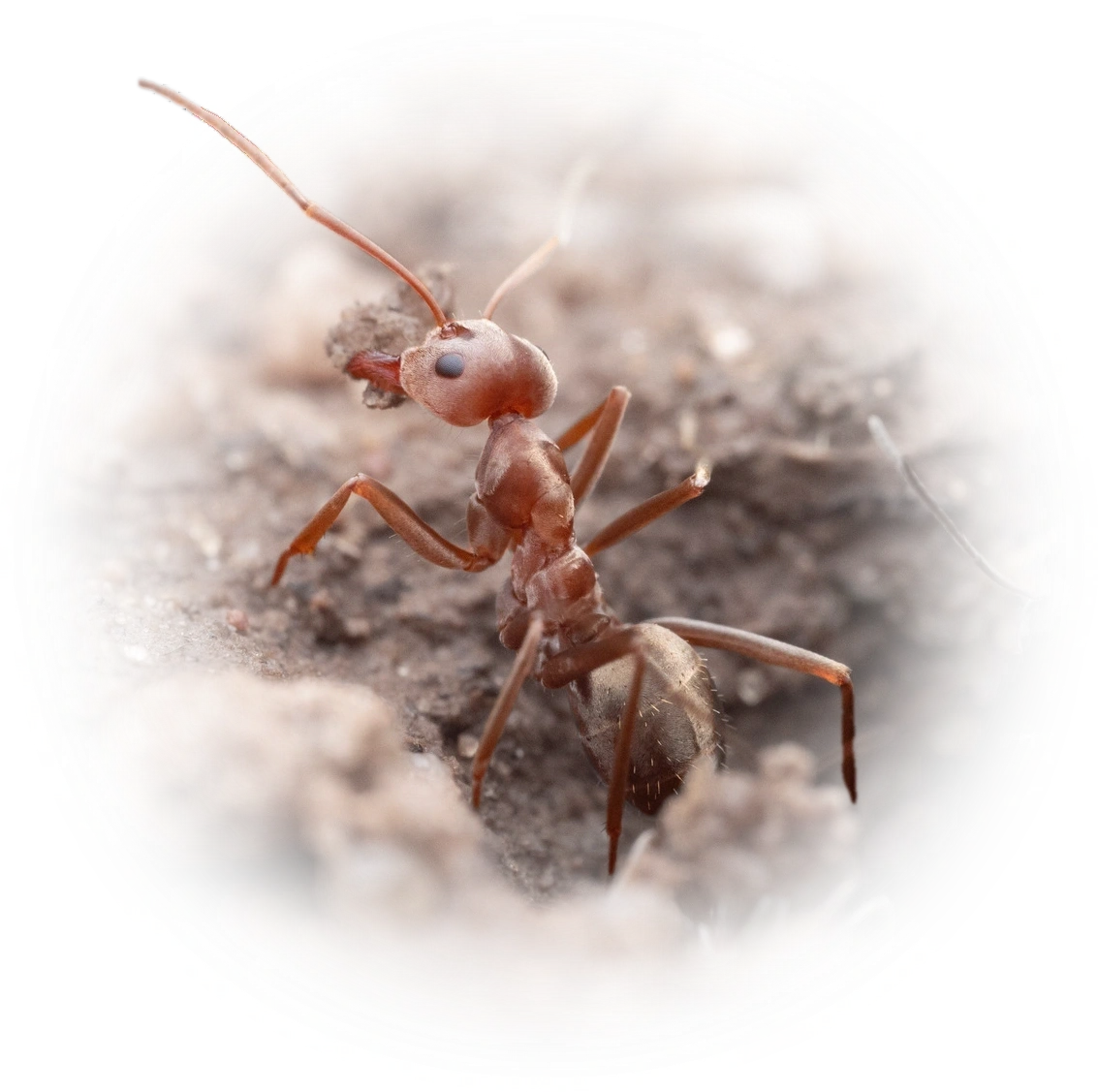
Large Pugnacious Ant
Anoplolepis custodiens
- Sci. Name
- Anoplolepis custodiens
- Tribe
- Plagiolepidini
- Subfamily
- Formicinae
- Author
- Smith, 1858
- Common Name
- Large Pugnacious Ant
- Distribution
- Found in 6 countries
Introduction
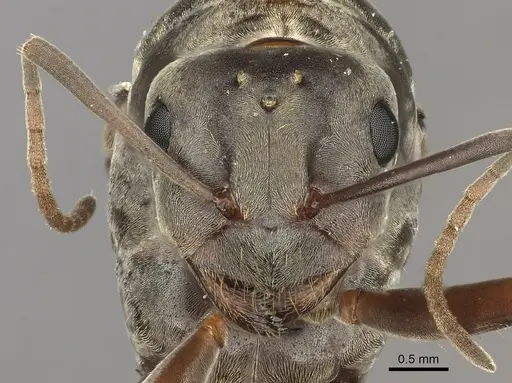
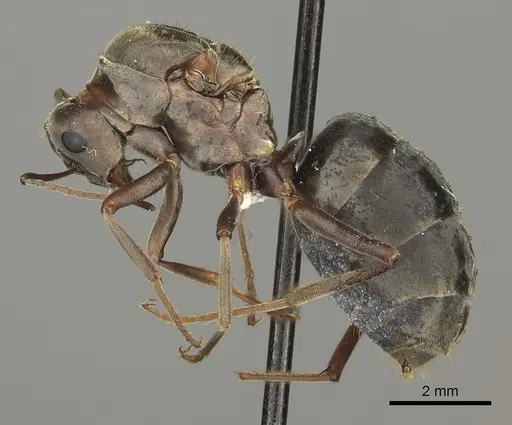
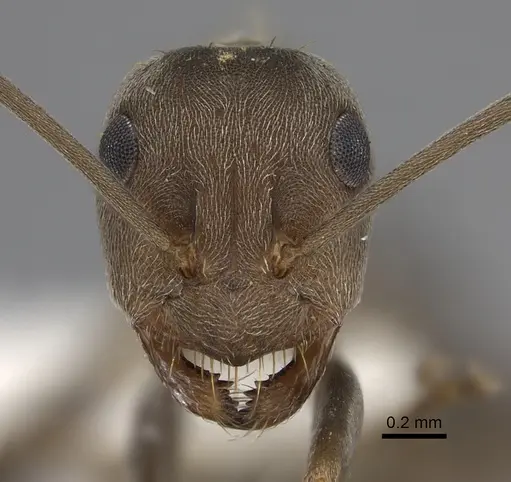
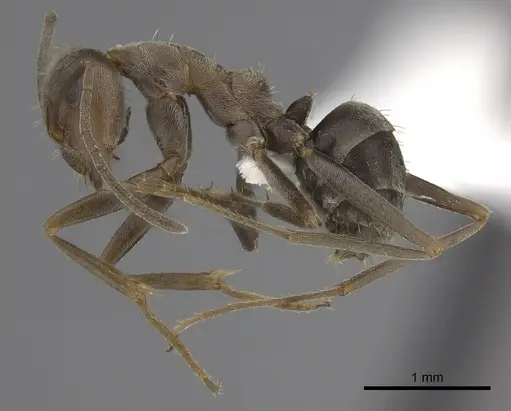
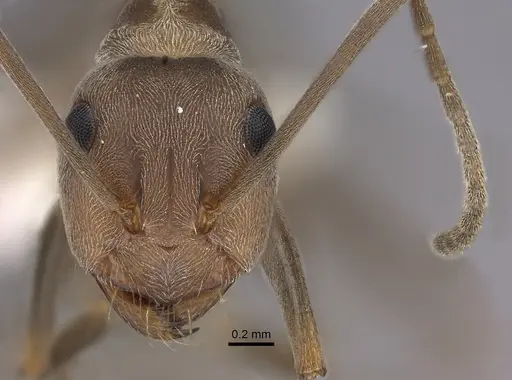
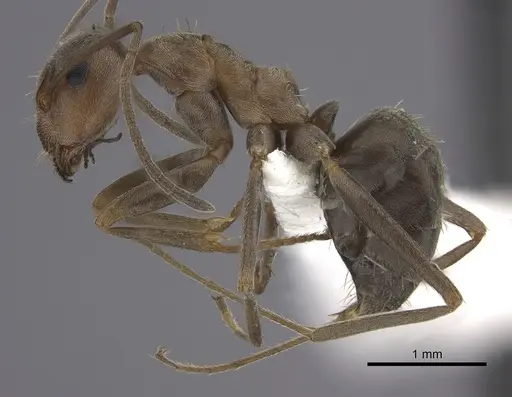
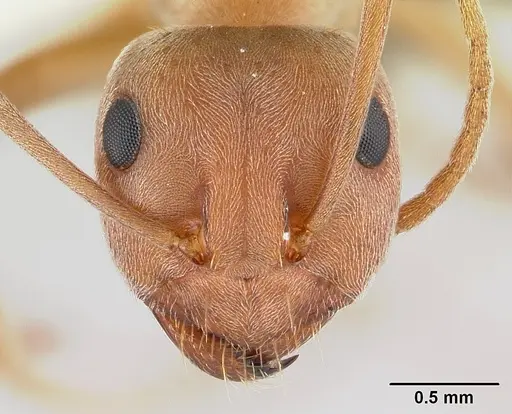
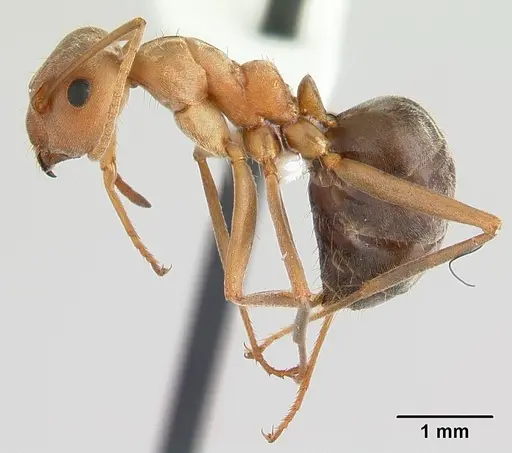
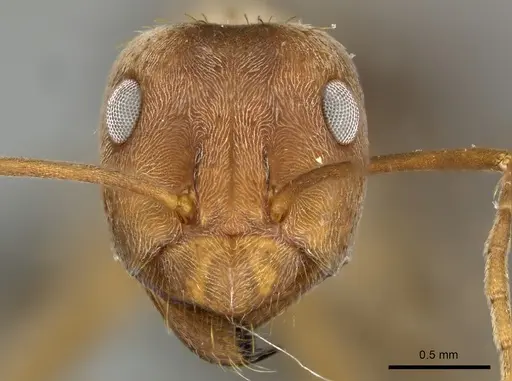
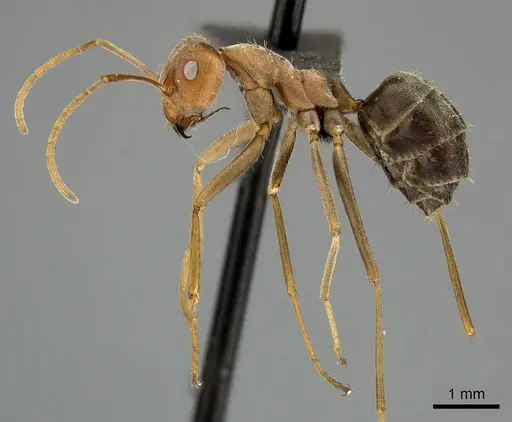
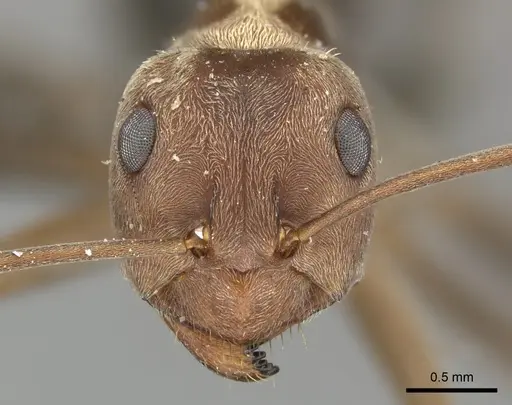
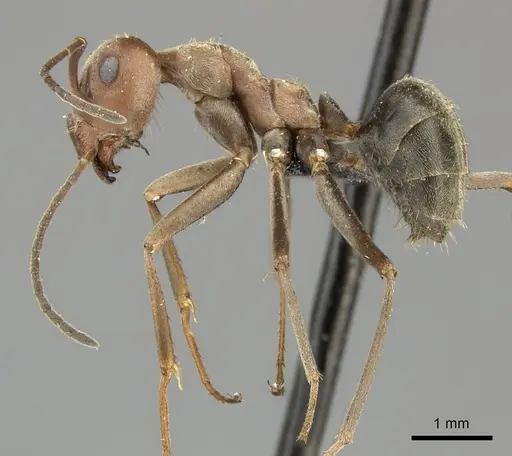
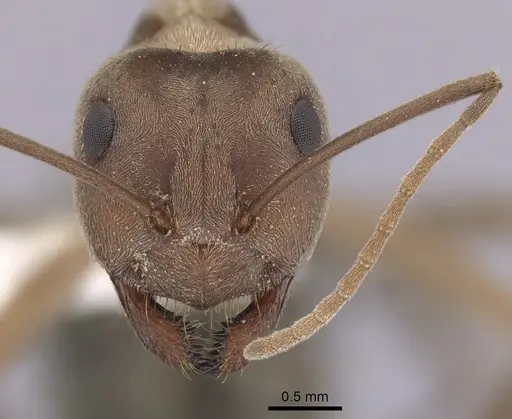
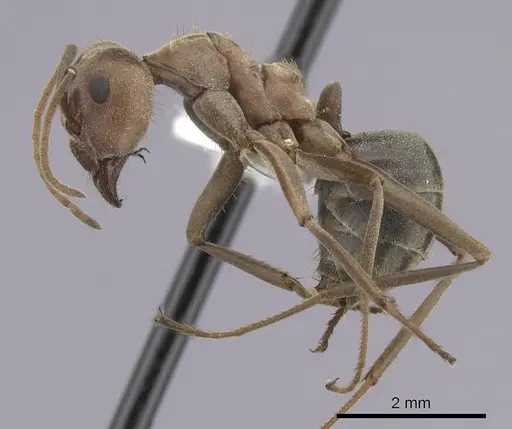
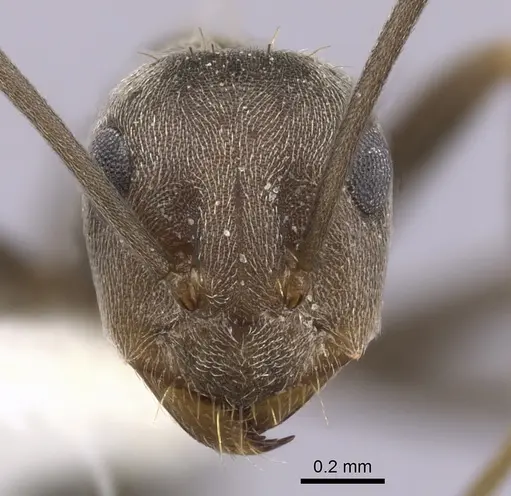
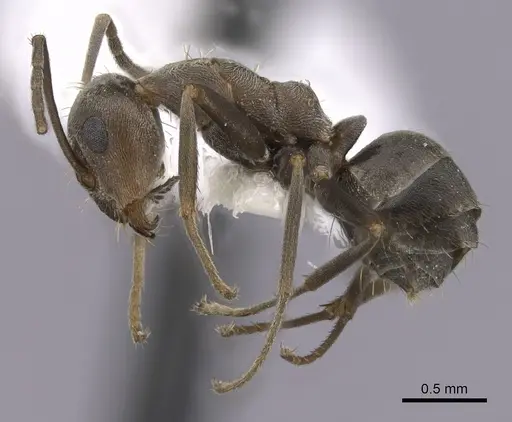
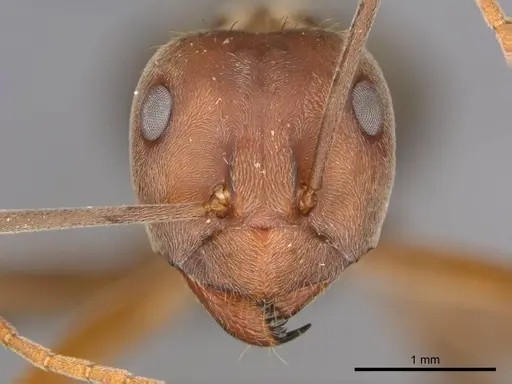
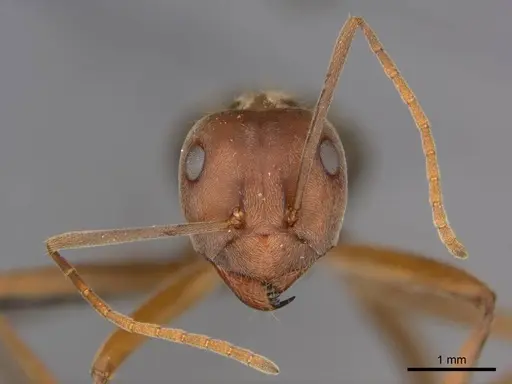
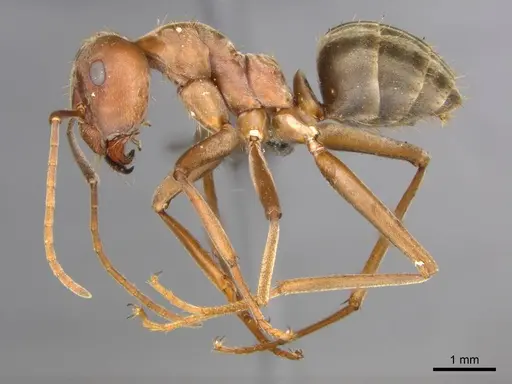
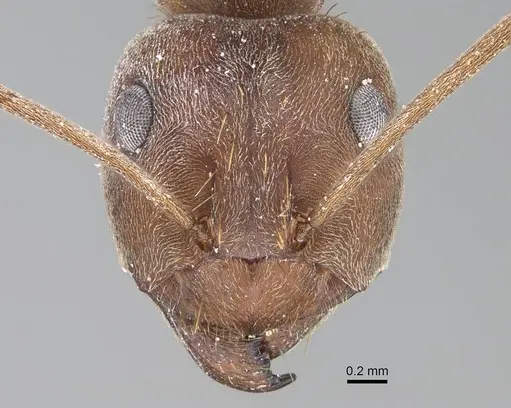
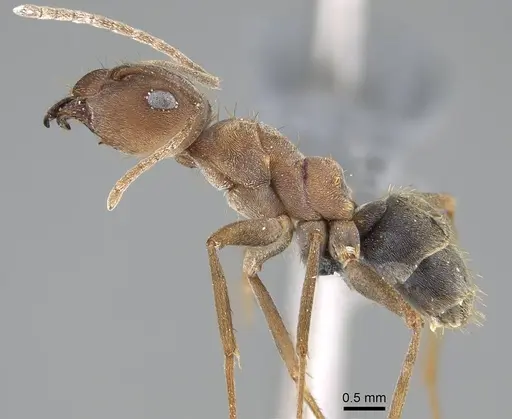
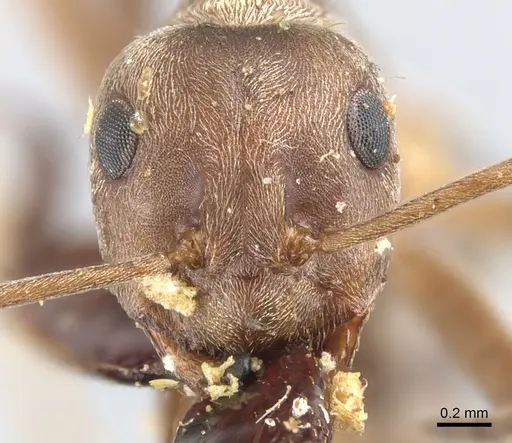
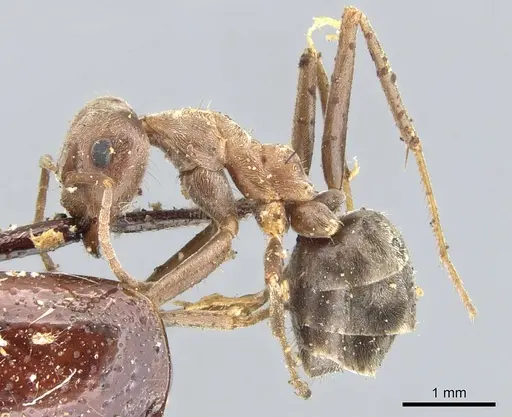
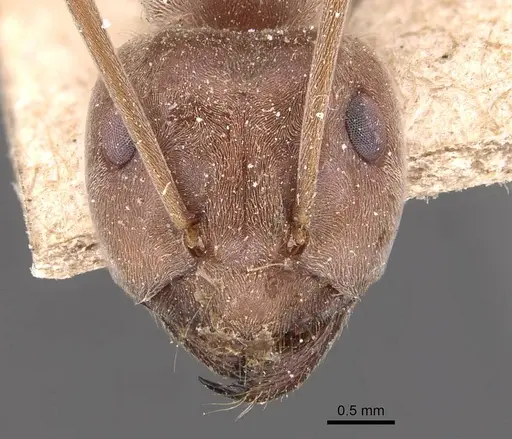
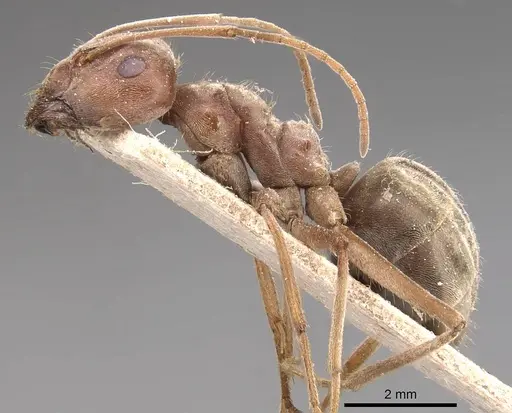
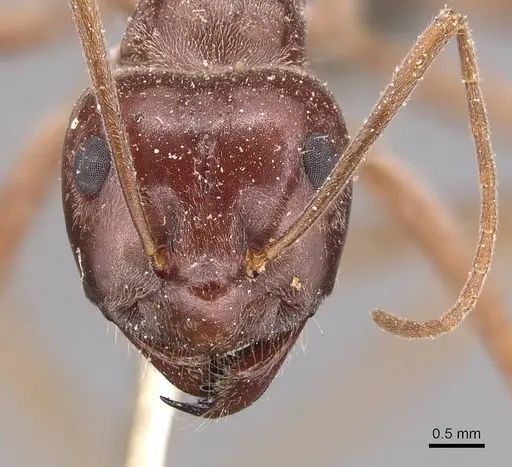
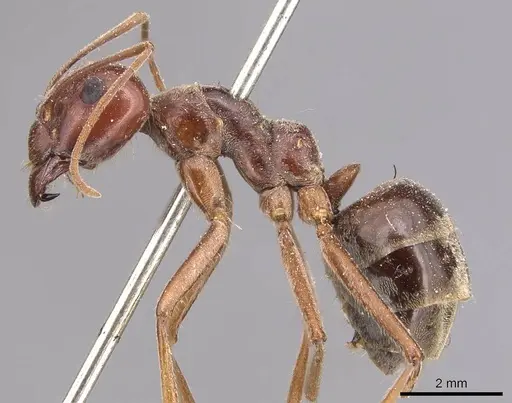
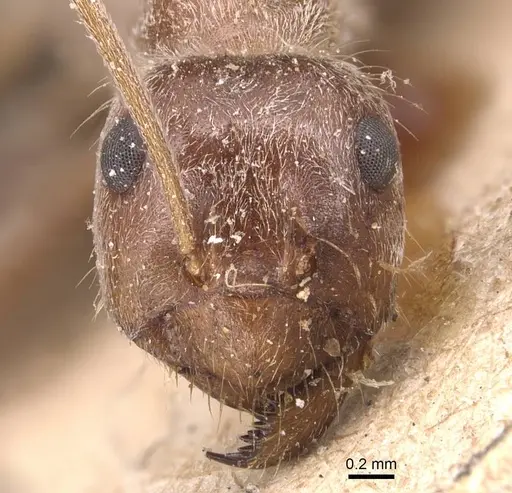
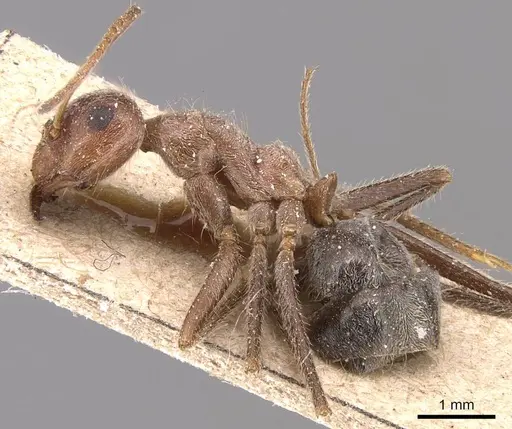
Anoplolepis custodiens is a large, aggressive ant native to southern Africa, commonly known as the pugnacious ant due to its aggressive temperament and fast, erratic movements. Workers are highly polymorphic, ranging from 3-10mm in length, with a distinctive checkered pattern on their dark abdomen created by light reflecting off hairs arranged in opposing directions . Coloration ranges from yellowish-brown to reddish-brown, with queens significantly larger at 13-16mm . These ants dominate open habitats including savannas, grasslands, and agricultural areas, where they act as voracious predators of small arthropods and social spiders, while also tending honeydew-producing insects and dispersing seeds of proteaceous plants . Their colonies are polydomous, using multiple nest entrances in sandy, well-drained soils with good sun exposure .
Quick Summary
- Difficulty: Medium
- Origin & Habitat: Southern Africa (South Africa, Namibia, Botswana, Zimbabwe, Mozambique, Kenya, Tanzania, Eswatini, Democratic Republic of Congo) in open savannas, grasslands, vineyards, and well-drained sandy areas with good insolation [3][4][9]
- Colony Type: Facultatively polygyne, colonies typically have one queen but may contain two queens working together, observed colonies contain 100-200 workers [10]
- Size & Growth:
- Queen: 13-16 mm total length [2]
- Worker: 3-10 mm total length (highly polymorphic) [2]
- Colony: 100-200+ workers (likely larger in mature colonies) [10]
- Growth: Moderate to Fast
- Development: 6-10 weeks (estimated based on Formicinae patterns) (Not directly documented, timeline inferred from related formicine ants. Growth rate depends on temperature and feeding.)
- Antkeeping:
- Temperature: Keep at 22-28°C. They are sun-loving Cold Climate Specialists that prefer warmth but tolerate cooler conditions better than tropical species, seasonal activity slows June-September [8][11]
- Humidity: Moderate humidity with well-drained substrate. Keep nest slightly moist but not wet, sandy soils work well [8][10]
- Diapause: Not required but they naturally slow activity in winter (June-September). You can keep them active year-round with consistent warmth [11]
- Nesting: Soil or sand-based nests with multiple entrances. Use Y-tong, plaster, or naturalistic setups with flat stones. They are polydomous (use multiple nest sites) in nature [7][12]
- Behavior: Extremely aggressive, fast-moving, and diurnal. Workers swarm and attack threats immediately rather than retreating. They forage in long trails and randomly run everywhere in 'crazy ant' style. Excellent escape artists due to speed and small worker size. They spray formic acid for defense rather than stinging [3][6][7]
- Common Issues: escape prevention is critical, fast workers squeeze through tiny gaps and climb well., aggression makes colony maintenance stressful, they will attack anything including your hands., tendency to farm pest insects like mealybugs if given honeydew sources, potentially introducing pests to your setup., polydomous nature means they may try to create satellite nests in outworlds if given the opportunity., overfeeding protein can lead to mold issues in the nest due to leftover insect parts.
Nest Preferences and Setup
In nature, Anoplolepis custodiens nests in sandy, well-drained soils with good sun exposure, often under flat stones or pebbles [8][12]. They are polydomous, meaning one colony uses multiple nest entrances scattered across their territory, studies found 2-8 entrances per square meter near Acacia trees [6]. For captive care, provide a Y-tong or plaster nest with a sandy substrate that drains well but holds slight moisture. A naturalistic setup with flat stones on a sand or soil mix works excellently and allows them to exhibit natural nesting behaviors. Ensure the nest has multiple chambers or areas, as they prefer spatial separation between brood and food storage. Ventilation is important to prevent mold in their humid microhabitat, but avoid excessive airflow that dries out the substrate too quickly.
Feeding and Diet
These ants are opportunistic omnivores with a diverse diet. They prey on small arthropods including social spiders, insects, and carrion [3][6]. They also collect honeydew from aphids, mealybugs, and scale insects, and disperse seeds of proteaceous plants [5][11]. In captivity, offer a varied diet: live insects like fruit flies, crickets, and mealworms for protein, sugar water or honey for carbohydrates, and occasionally seeds with elaiosomes (fatty attachments) to stimulate natural foraging. One study successfully maintained colonies on sandwich ham, insect carrion, chopped lizards, sugar water, and dilute honey [10]. Be cautious with honeydew sources, if you introduce mealybugs or aphids for natural feeding, the ants may farm them excessively, leading to pest outbreaks in your setup.
Temperature and Seasonal Care
Anoplolepis custodiens is classified as a Cold Climate Specialist, meaning they tolerate cooler conditions better than purely tropical species, yet they are sun-loving and behaviorally dominant in warm conditions [8][4]. In South African vineyards, they show minimal activity from June through September (winter), with peak activity in February [11]. Keep your colony at 22-28°C with a gentle heat gradient. You can maintain them year-round without hibernation, but if you want to simulate natural cycles, reduce temperatures to 15-18°C during winter months and decrease feeding. They prefer higher soil temperatures, studies show they thrive in areas with accumulated heat units [11]. Use a heating cable on one side of the nest to create a gradient, placing it on top rather than underneath to avoid flooding chambers with condensation.
Behavior and Temperament
True to their name, these ants are extremely pugnacious. When sensing threats, workers immediately swarm and attack rather than retreating [3]. They are diurnal foragers with long recruitment trails and exhibit crazy ant style erratic running patterns [7]. Their aggression makes them fascinating to observe but challenging to maintain, they will bite readily and spray formic acid (typical for Formicinae). They are dominant competitors that can displace other ant species, and in Zanzibar they have become invasive, displacing native weaver ants [13]. In captivity, they may attempt to create satellite nests (polydomy) if given large outworlds. Their speed and climbing ability make escape prevention essential, use Fluon or talcum powder barriers on all outworld surfaces and ensure lids fit tightly.
Associations with Butterflies and Other Organisms
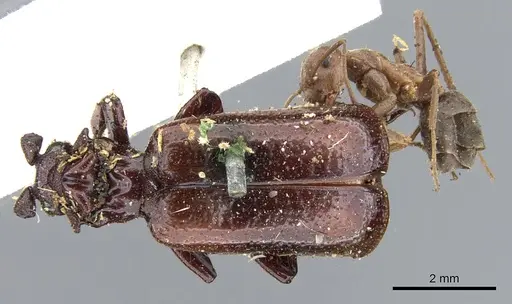
Anoplolepis custodiens forms fascinating obligate relationships with over 30 species of Lycaenid butterflies, particularly in the genera Thestor, Crudaria, and Trimenia [14][1]. Butterfly larvae live inside ant nests and feed on ant regurgitations (trophallaxis) or honeydew-producing insects tended by the ants [10][12]. The ants protect the larvae and even excavate cavities for them under stones [12]. They also serve as prey for specialized predators like the Steppe pangolin, which rips open their nests to feed [15], and are hosts for Paussid beetles and Antennophorus mites [16][17]. In captivity, you may observe them attempting to tend other small organisms in their environment.
Frequently Asked Questions
Can I keep Anoplolepis custodiens in a test tube?
Yes for founding, but move them quickly. Queens are large (13-16mm) and active, and colonies grow to 100-200+ workers rapidly. Due to their aggressive nature and tendency to create multiple nest entrances (polydomy), they do better in a small formicarium or naturalistic setup than long-term in test tubes.
How long until first workers for Anoplolepis custodiens?
Approximately 6-10 weeks from egg to worker at 25°C, though this is estimated based on related Formicinae species. Exact development time has not been documented in research.
Can I keep multiple Anoplolepis custodiens queens together?
Possibly. Wild colonies sometimes contain one or two queens, suggesting they are facultatively polygyne. However, combining unrelated queens during founding is risky and not documented. If you have a large established colony, introducing a new queen will likely result in fighting.
What do Anoplolepis custodiens eat?
They are omnivorous: live insects, spiders, carrion, honeydew from aphids and mealybugs, seeds, and sugar sources. In captivity, feed protein (crickets, mealworms) twice weekly and provide sugar water constantly.
Do Anoplolepis custodiens need hibernation?
Not strictly. While they naturally slow activity during winter months (June-September in South Africa), you can keep them active year-round at stable temperatures above 20°C. If you choose to simulate winter, reduce to 15-18°C for 2-3 months.
Are Anoplolepis custodiens good for beginners?
No. Their extreme aggression, fast movement, escape artistry, and tendency to farm pest insects make them better suited for intermediate or advanced keepers. They require excellent escape prevention and confident handling.
Why are my Anoplolepis custodiens dying?
Common causes include: drowning in water test tubes (use cotton barriers), mold from overfeeding protein, escapes due to inadequate barriers, or fighting if multiple queens were combined. They also need good ventilation to prevent fungal issues in their humid nests.
What is the best nest type for Anoplolepis custodiens?
Y-tong (AAC) nests or naturalistic setups with sand and flat stones work best. They need well-drained substrate that can hold slight moisture, and benefit from multiple chambers or areas to satisfy their polydomous tendencies.
Report an Issue
The current care sheet is based fully on literature. See inconsistencies, or something that's incorrect? Please , it will be resolved after review from an admin. Contributing to the blogs tab also helps providing information, to make us be able to further improve the caresheets. Thank you for your support!
References

This caresheet is licensed under CC BY-SA 4.0 .
Community Blogs
CASENT0106259
View on AntWeb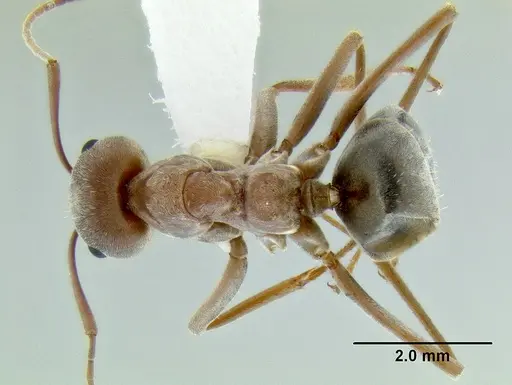
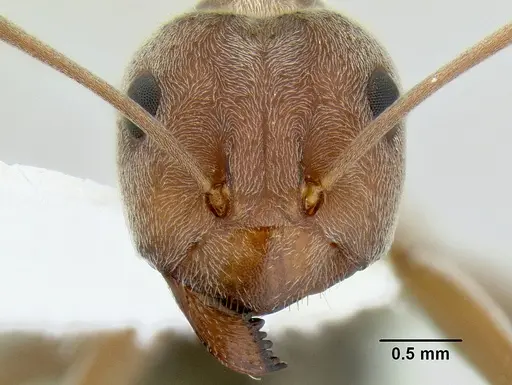
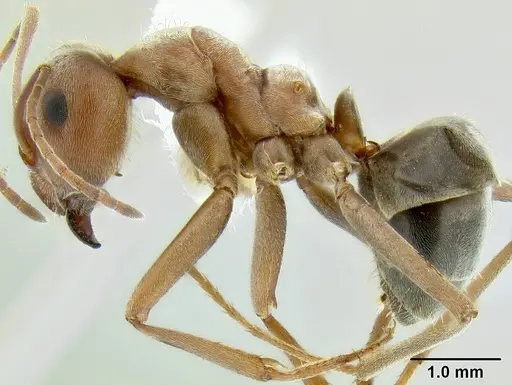
CASENT0170533
View on AntWeb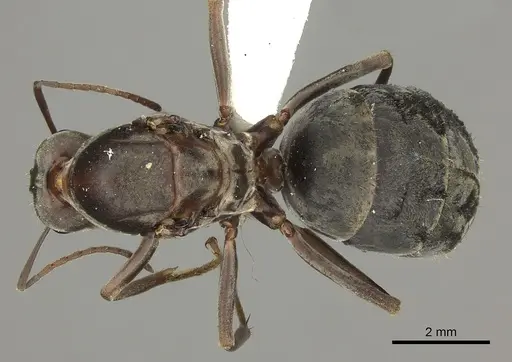
CASENT0170535
View on AntWeb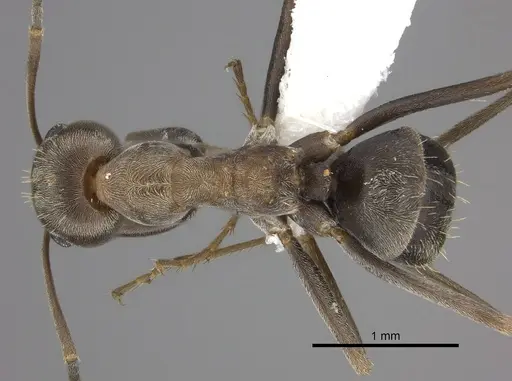
CASENT0170536
View on AntWeb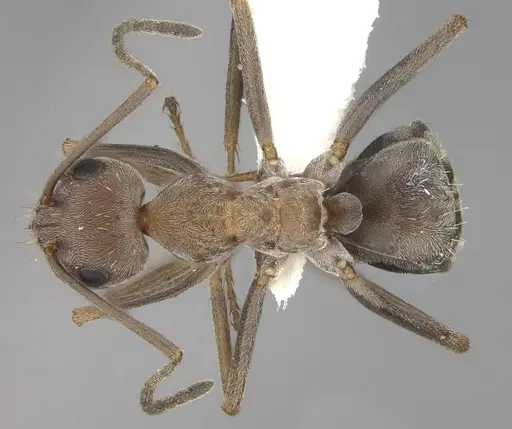
CASENT0170537
View on AntWeb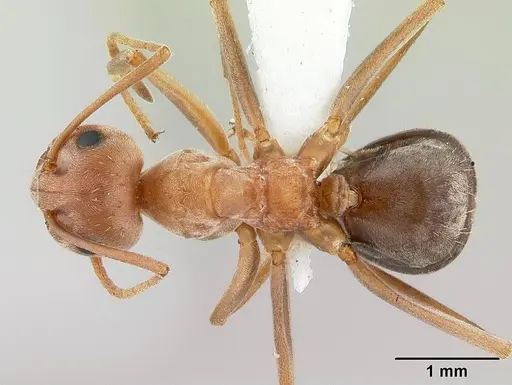
CASENT0235366
View on AntWeb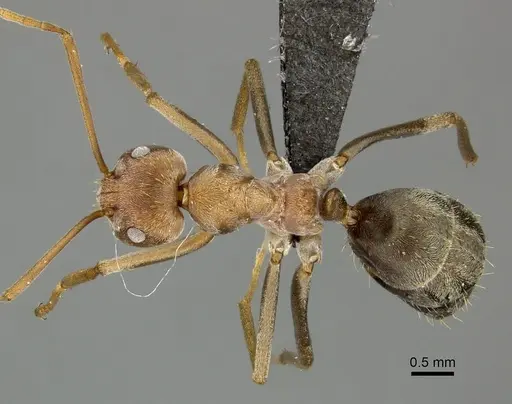
CASENT0235828
View on AntWeb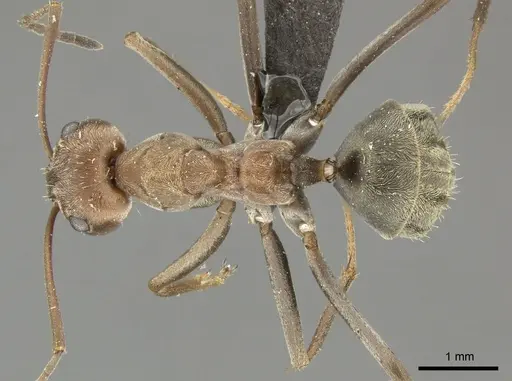
CASENT0249925
View on AntWeb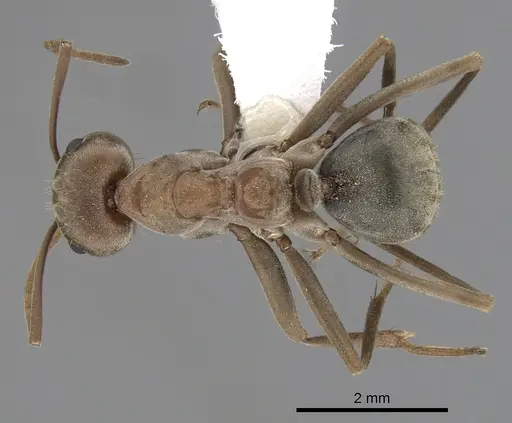
CASENT0249926
View on AntWeb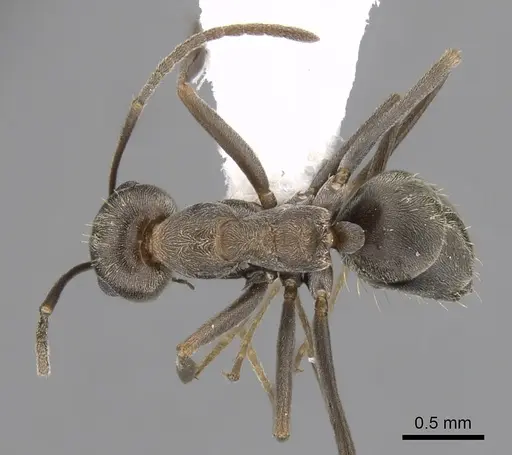
CASENT0257141
View on AntWeb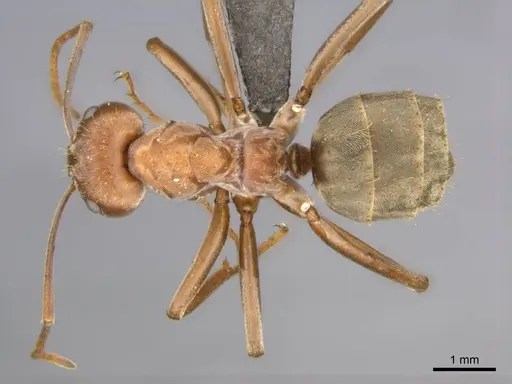
CASENT0785808
View on AntWeb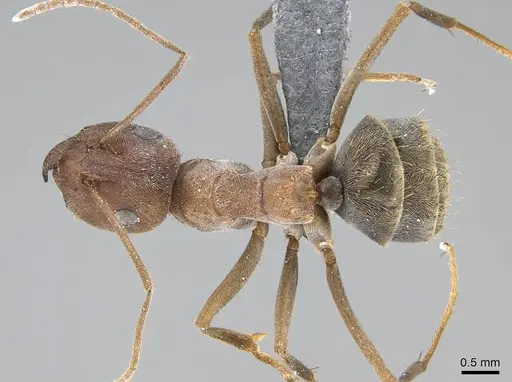
CASENT0903233
View on AntWeb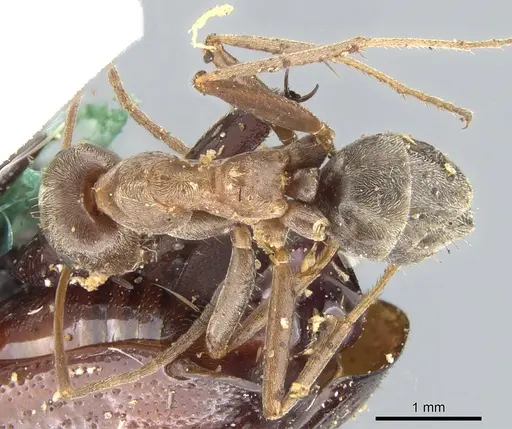
CASENT0905133
View on AntWeb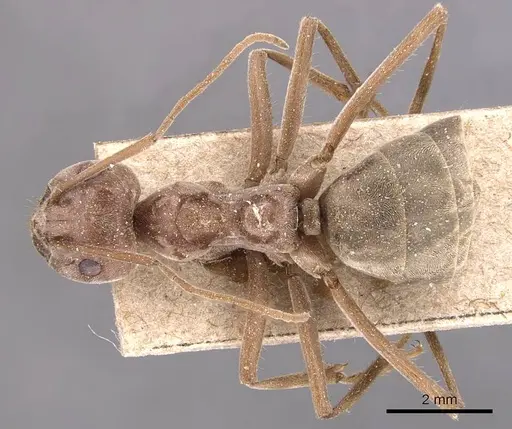
CASENT0905134
View on AntWeb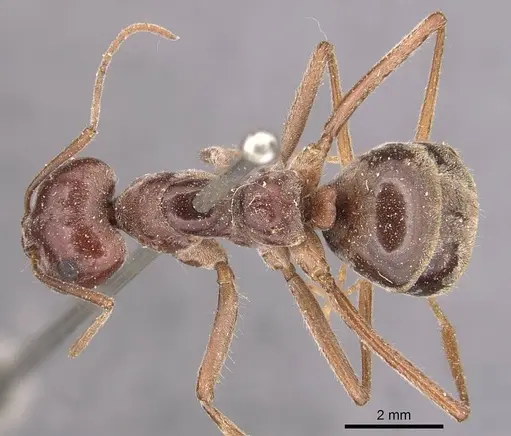
CASENT0905135
View on AntWeb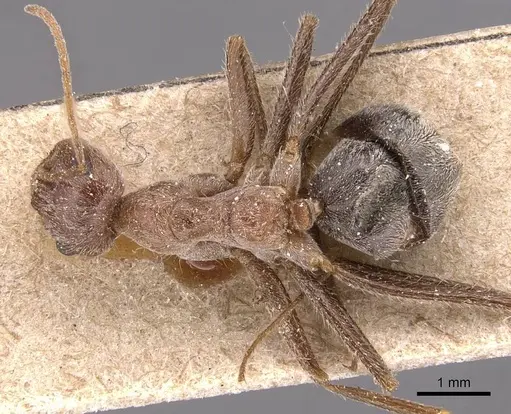
Literature
Loading distribution map...Loading products...