
Anonychomyrma scrutator
- Sci. Name
- Anonychomyrma scrutator
- Tribe
- Leptomyrmecini
- Subfamily
- Dolichoderinae
- Author
- Smith, 1859
- Distribution
- Found in 3 countries
Introduction
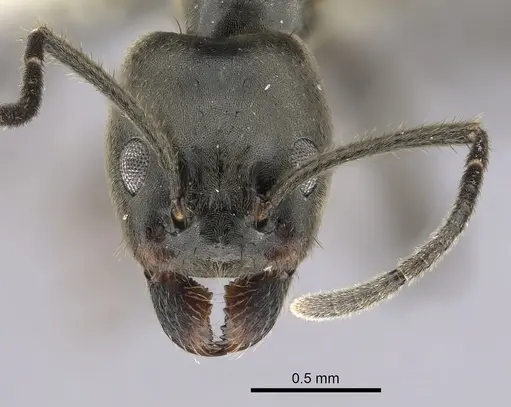
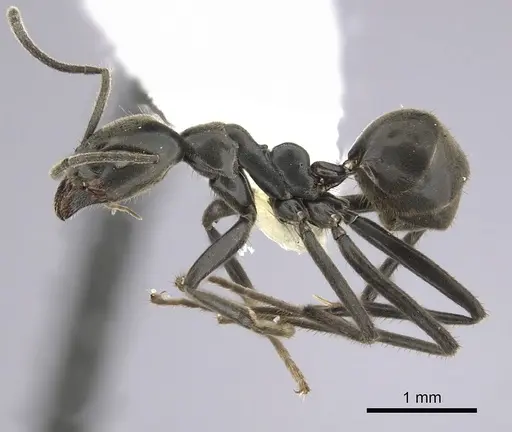
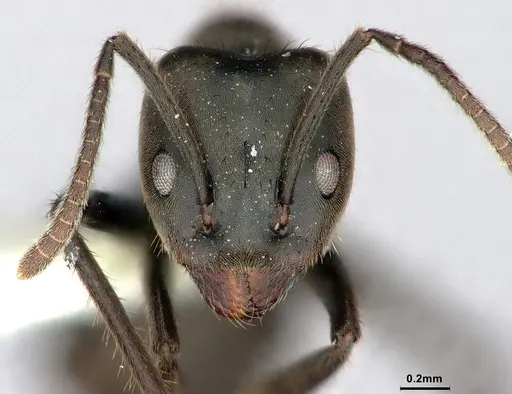
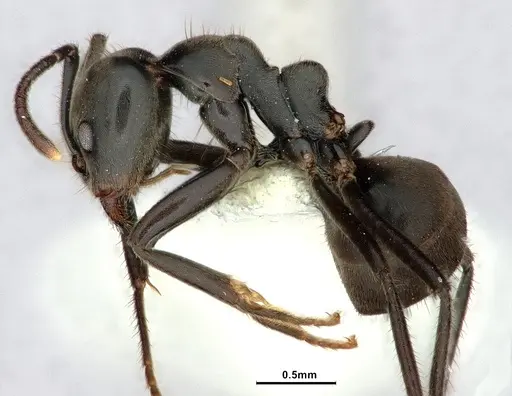
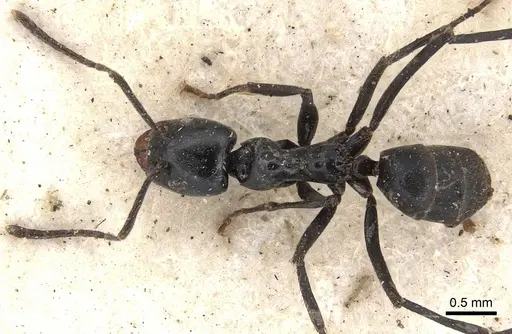
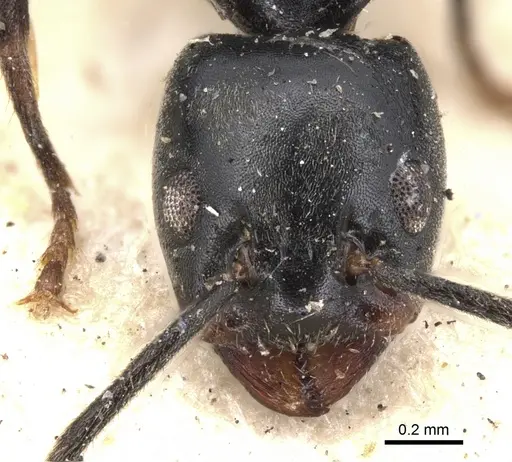
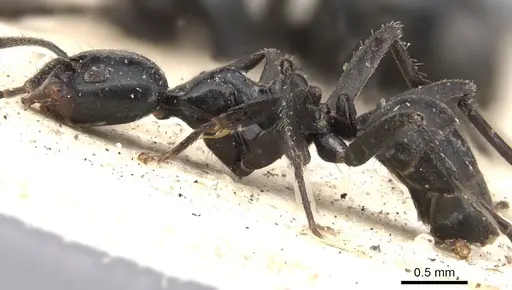
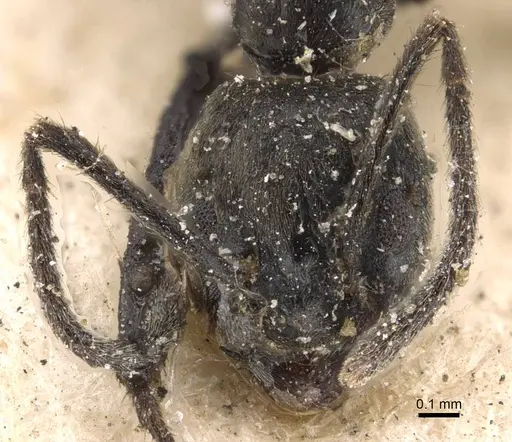
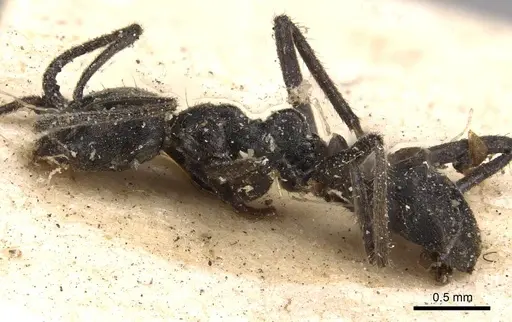
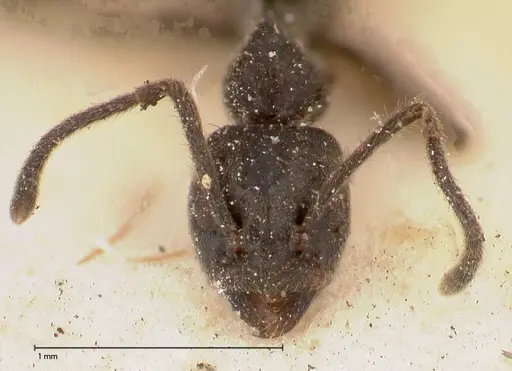
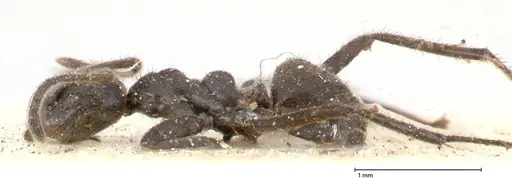
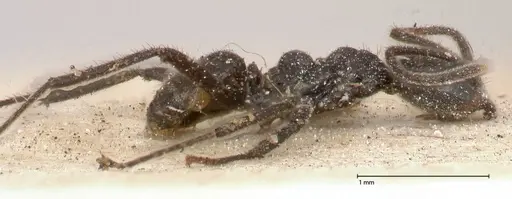
Anonychomyrma scrutator is a small ant species native to the Aru Islands (Indonesia) and New Guinea. Workers are slender with the typical single-node waist (petiole) characteristic of Dolichoderinae ants, featuring dark body coloration with lighter legs. This species was first described by Frederick Smith in 1859 from specimens collected by Alfred Russel Wallace during his famous Malay Archipelago expedition . The genus Anonychomyrma belongs to the subfamily Dolichoderinae, tribe Leptomyrmecini. These ants lack a functional sting and instead rely on chemical defenses, secreting defensive compounds from a slit-like opening at the tip of the abdomen. Related species in this genus are known for cultivating scale insects on plants to harvest honeydew, suggesting similar ecological roles in their native rainforest habitats.
Quick Summary
- Difficulty: Hard
- Origin & Habitat: Aru Islands (Indonesia) and New Guinea, inhabiting tropical rainforest environments [1]
- Colony Type: Colony structure is unconfirmed, typical Dolichoderinae patterns suggest single-queen colonies, but specific data is unavailable for this species
- Size & Growth:
- Queen: Approximately 6-8mm, inferred from typical Anonychomyrma morphology
- Worker: Approximately 2-4mm, inferred from genus morphology
- Colony: Unknown for this species, related Dolichoderinae ants typically reach several hundred to a few thousand workers
- Growth: Moderate to fast (estimated)
- Development: Approximately 6-10 weeks at 25-28°C, inferred from tropical Dolichoderinae patterns (Timeline is unconfirmed for this species, tropical ants typically develop faster than temperate species)
- Antkeeping:
- Temperature: 24-28°C, inferred from tropical rainforest habitat. Provide a gentle heat gradient with a heating cable on one side of the nest.
- Humidity: High humidity required, keep nest substrate consistently moist but not waterlogged to simulate rainforest conditions (inferred)
- Diapause: Not required, tropical species that remains active year-round (inferred)
- Nesting: Likely accepts small artificial nests with humid chambers, naturalistic setups with rotting wood may be preferred based on genus habits (inferred)
- Behavior: Active and fast-moving with typical Dolichoderine non-aggressive temperament. They lack stingers and rely on chemical secretions and speed for defense. Small worker size presents escape risks requiring fine mesh barriers.
- Common Issues: lack of specific care data means captive success rates are uncertain, observe colony closely and adjust conditions based on behavior., tropical humidity requirements can be difficult to maintain without proper ventilation to prevent mold growth., small worker size increases escape risk, ensure all ventilation holes are covered with fine mesh and barriers are secure., overfeeding can lead to mold outbreaks in humid tropical setups.
Natural History and Distribution
Anonychomyrma scrutator comes from the Aru Islands and New Guinea, where it inhabits tropical rainforest habitats [1]. The species was first described by Frederick Smith in 1859 from specimens collected by Alfred Russel Wallace during his famous Malay Archipelago expedition. This makes them a living connection to the early history of biogeography and ant taxonomy.
The natural habitat consists of warm, humid rainforest with consistent temperatures year-round. Based on collection records and genus patterns, these ants likely nest in rotting wood, under bark, or within leaf litter in the forest understory. They may also forage arboreally, as many related species tend sap-sucking insects on plants.
Housing and Nest Setup
Because specific nesting preferences remain unstudied, base your setup on general tropical antkeeping principles. Use a nest that maintains high humidity without becoming waterlogged. Y-tong (aerated concrete) or plaster nests work well if kept moist, though naturalistic setups with rotting wood and leaf litter may better simulate their wild conditions.
Ventilation is critical in humid setups to prevent mold. Ensure air can circulate while maintaining moisture in the nest substrate. Place the heating element on top of the nest rather than underneath to avoid creating condensation that floods chambers. Given their small size, ensure all joins and ventilation holes are sealed with fine mesh (less than 1mm) to prevent escapes.
Feeding and Diet
While direct dietary studies are lacking, Anonychomyrma species are typically generalist foragers that collect honeydew from scale insects and aphids, along with small insect prey [1]. In captivity, offer a combination of sugar water or honey water and protein sources.
For protein, provide small live prey appropriate to their size, fruit flies, springtails, or tiny pinhead crickets. Pre-killed insects may be accepted but live prey often triggers better feeding responses. Place food in the outworld to keep the nest clean, removing uneaten items within 24 hours to prevent mold in the humid environment they require.
Temperature and Environmental Control
As a tropical species, Anonychomyrma scrutator requires warm conditions year-round. Aim for 24-28°C in the nest area, with a slight gradient allowing ants to thermoregulate by moving to warmer or cooler spots. Room temperature in most homes is too cool for optimal development.
Use a heating cable or heat mat positioned on one side of the nest, never underneath, to avoid condensation issues. Monitor temperatures with a thermometer placed directly on the nest surface. These ants do not require hibernation (diapause) and should remain active throughout the year. Cooling them for winter may stress or kill the colony.
Colony Founding
Founding behavior for this specific species is unconfirmed. Based on typical patterns in the Dolichoderinae subfamily, queens likely practice claustral founding, sealing themselves in a chamber and living off stored body fat until the first workers hatch. This means you should not disturb a founding queen or expect her to forage.
Set up founding queens in small, dark test tubes or founding chambers with moist substrate. Do not offer food during the founding stage unless the queen shows signs of semi-claustral behavior (leaving the chamber to forage). Keep conditions humid and warm as described above.
Defense Mechanism
Anonychomyrma scrutator belongs to the subfamily Dolichoderinae, tribe Leptomyrmecini. Like all Dolichoderine ants, they lack a functional sting. Instead, they rely on chemical defenses, secreting defensive compounds from a slit-like opening at the tip of the abdomen. This is a smear defense mechanism common to the subfamily.
Behavior and Temperament
Anonychomyrma scrutator likely displays the typical Dolichoderine temperament, fast, active, and non-aggressive. They lack stingers and instead rely on speed and chemical defenses when disturbed. Workers are small and can squeeze through tiny gaps, making escape prevention essential.
Colonies are likely active during the day (diurnal) given their tropical origins and relationship with plant-feeding insects. They may show trail-following behavior once established. While not typically defensive, they will scatter quickly if the nest is disturbed, so minimize vibrations and sudden light changes when working with the colony.
Frequently Asked Questions
Can I keep Anonychomyrma scrutator in a test tube?
Yes, test tubes work well for founding queens and small colonies. Ensure the water reservoir is secure and the cotton plug is tight to maintain the high humidity they need. Move them to a small formicarium when you have 10-20 workers.
How long until Anonychomyrma scrutator gets its first workers?
The exact timeline is unconfirmed, but based on tropical Dolichoderinae patterns, expect approximately 6-10 weeks at 25-28°C. First workers (nanitics) may be smaller than subsequent workers.
Do Anonychomyrma scrutator need hibernation?
No. They are tropical ants from New Guinea and the Aru Islands and remain active year-round. Do not cool them for winter as this can stress or kill the colony.
Can I keep multiple Anonychomyrma scrutator queens together?
Not recommended. While the exact colony structure is unconfirmed, combining unrelated queens typically leads to fighting in Dolichoderinae ants. Start with one queen per colony.
Are Anonychomyrma scrutator good for beginners?
No. The lack of specific care data, combined with tropical humidity requirements and small size, makes them challenging. They are better suited to keepers with experience maintaining humid tropical species.
What do Anonychomyrma scrutator eat?
They likely feed on honeydew from scale insects and small prey in the wild. In captivity, offer sugar water and tiny live insects like fruit flies or springtails.
What temperature do Anonychomyrma scrutator need?
Keep them warm at 24-28°C. Use a heating cable on one side of the nest to create a gradient, and monitor with a thermometer.
How big do Anonychomyrma scrutator colonies get?
The maximum colony size is unknown. Based on related Anonychomyrma species, they likely reach several hundred to a few thousand workers.
Why are my Anonychomyrma scrutator dying?
Common causes include insufficient humidity (they need tropical moisture levels), mold from poor ventilation, temperature too low or fluctuating too much, or escape attempts leading to desiccation. Check your setup against tropical antkeeping best practices.
Report an Issue
The current care sheet is based fully on literature. See inconsistencies, or something that's incorrect? Please , it will be resolved after review from an admin. Contributing to the blogs tab also helps providing information, to make us be able to further improve the caresheets. Thank you for your support!
References

This caresheet is licensed under CC BY-SA 4.0 .
Community Blogs
CASENT0249518
View on AntWeb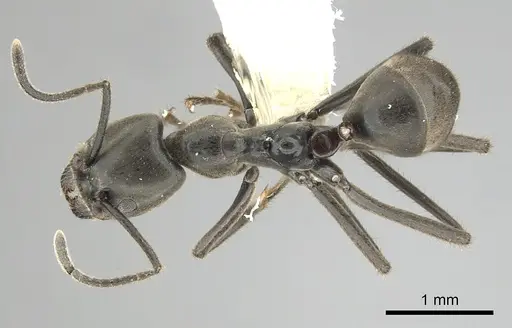
CASENT0886035
View on AntWeb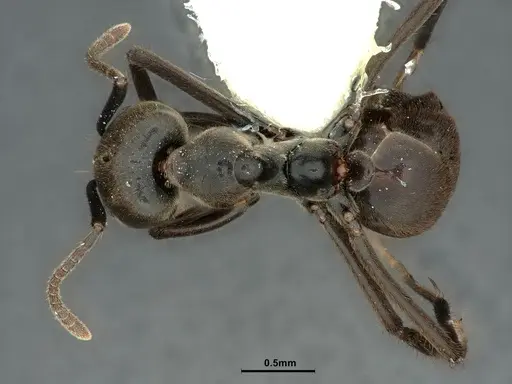
CASENT0901922
View on AntWeb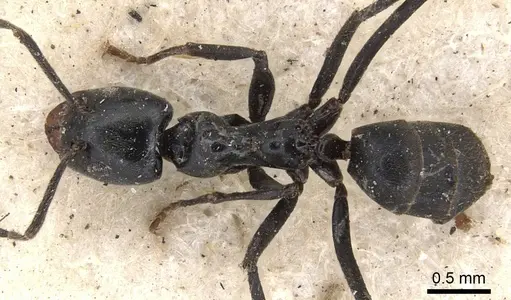
CASENT0909562
View on AntWeb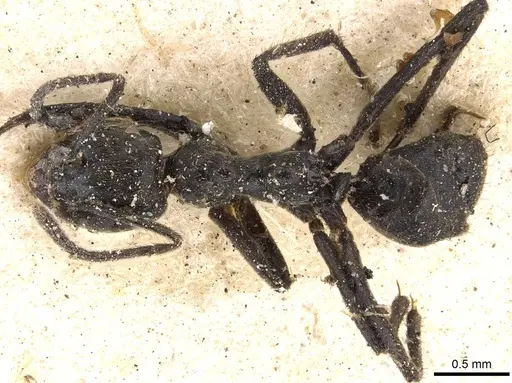
FOCOL0529
View on AntWeb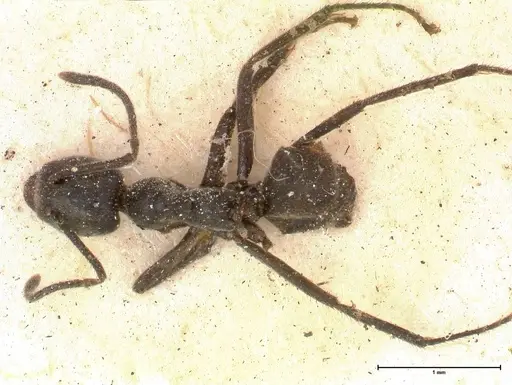
Literature
Loading distribution map...Loading products...