
Anochetus traegaordhi
- Sci. Name
- Anochetus traegaordhi
- Tribe
- Ponerini
- Subfamily
- Ponerinae
- Author
- Mayr, 1904
- Distribution
- Found in 12 countries
Introduction
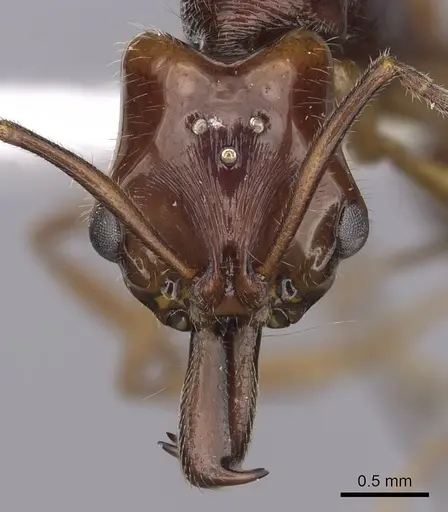
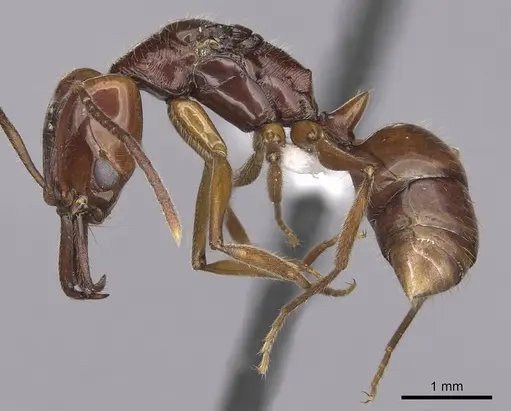
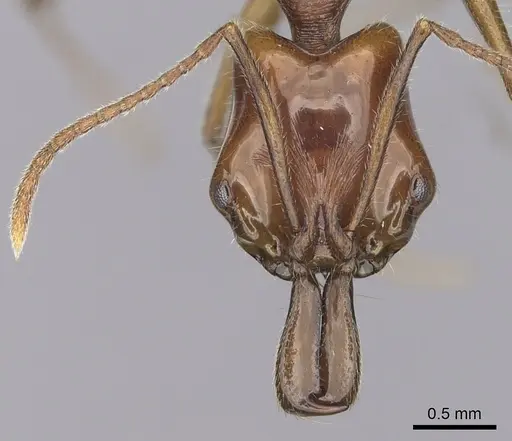
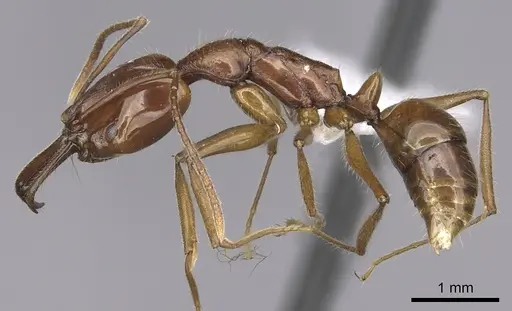
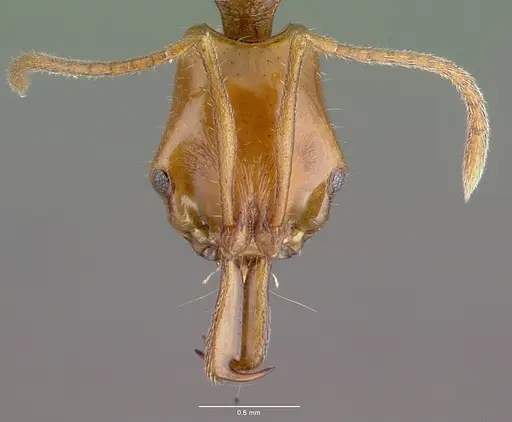
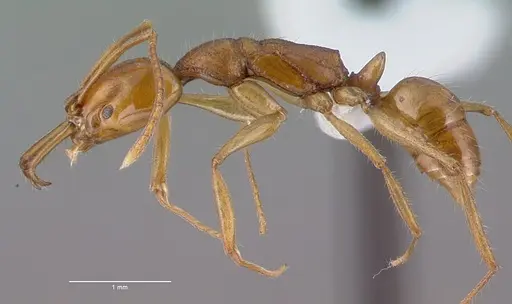
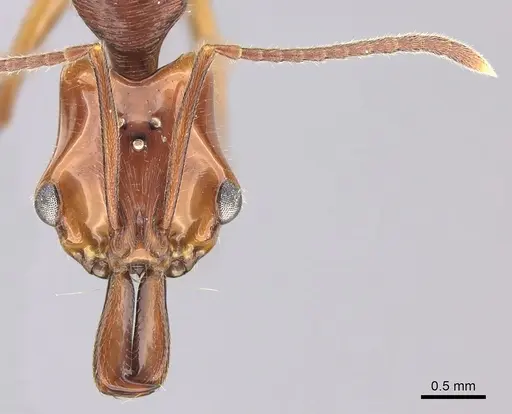
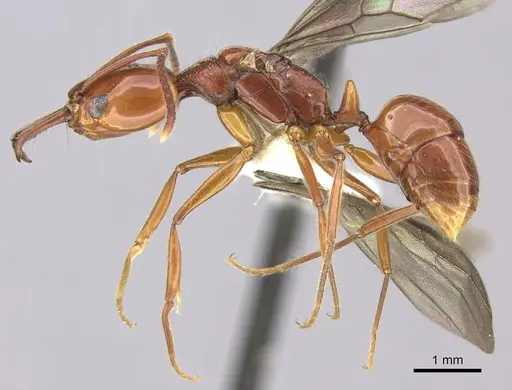
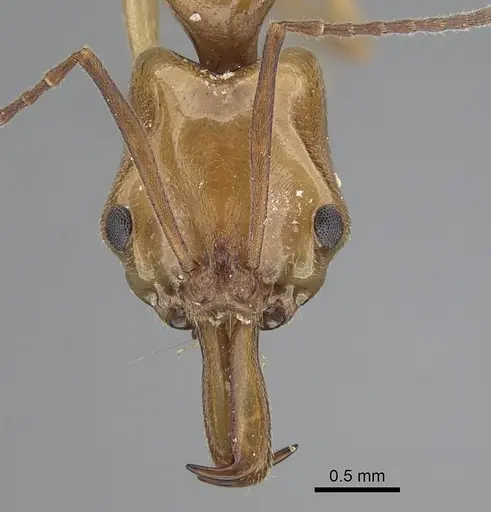
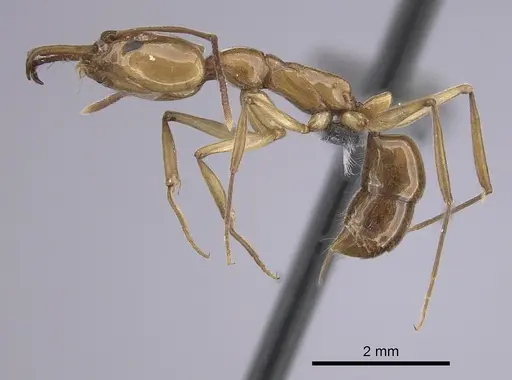
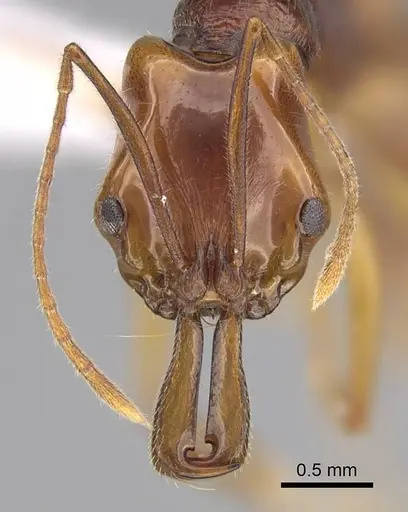
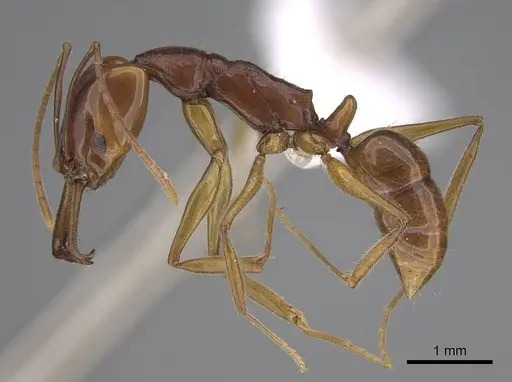
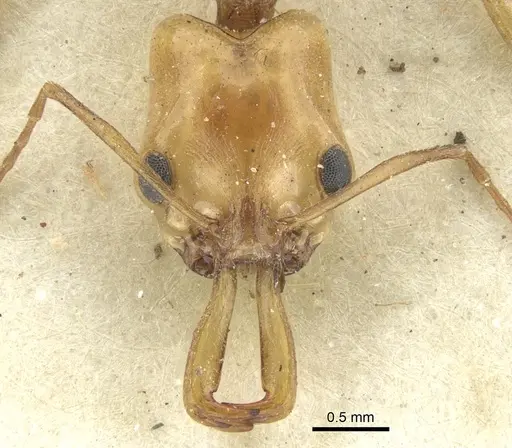
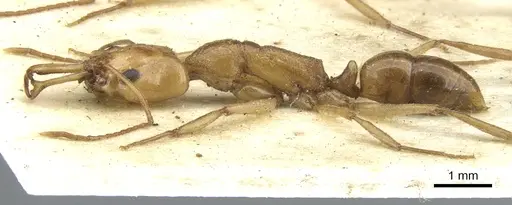
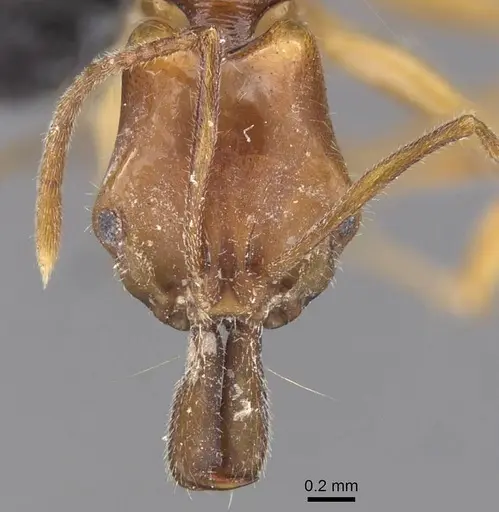
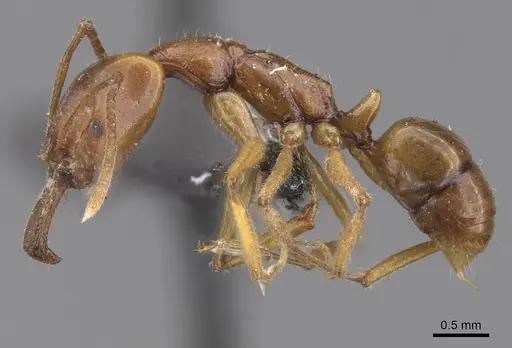
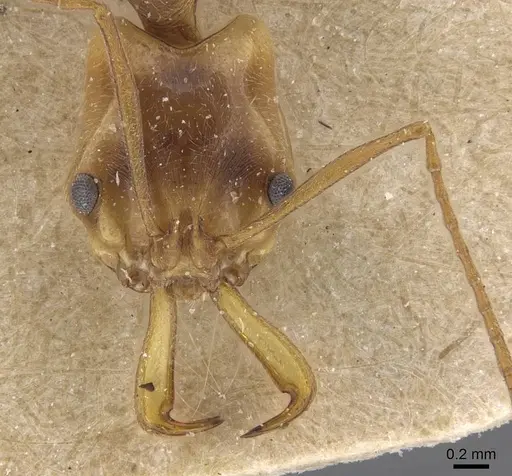
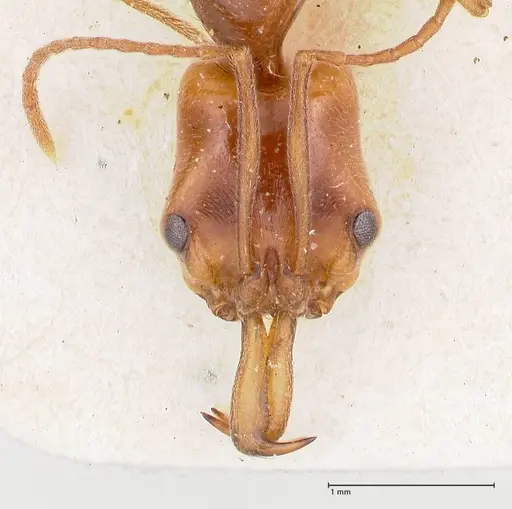
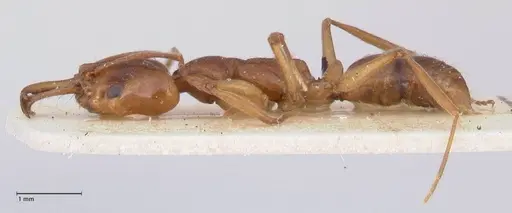
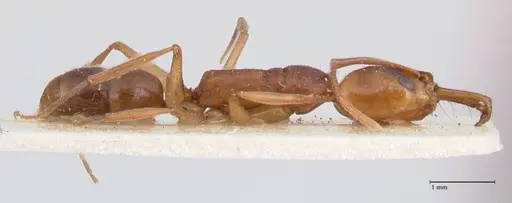
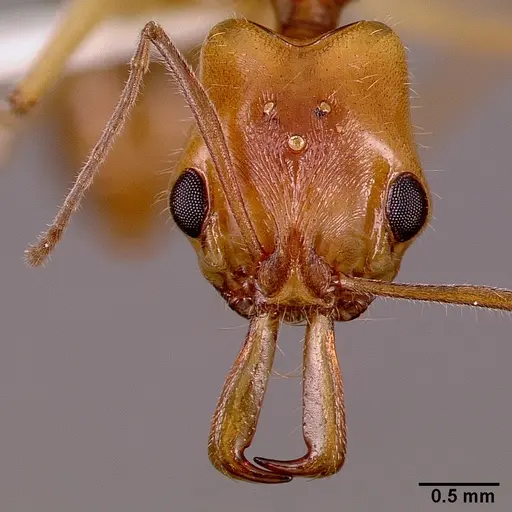
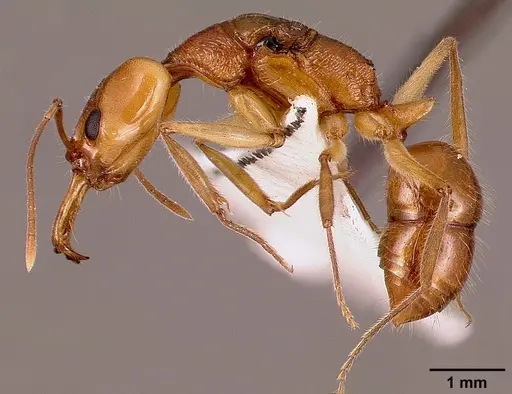
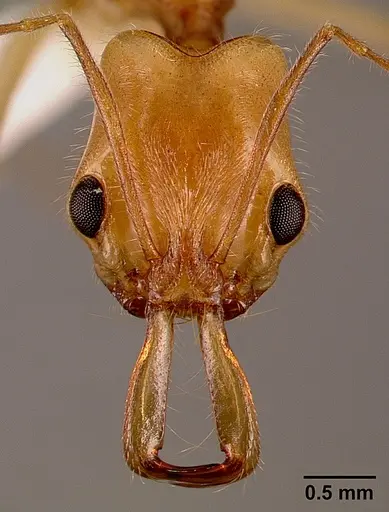
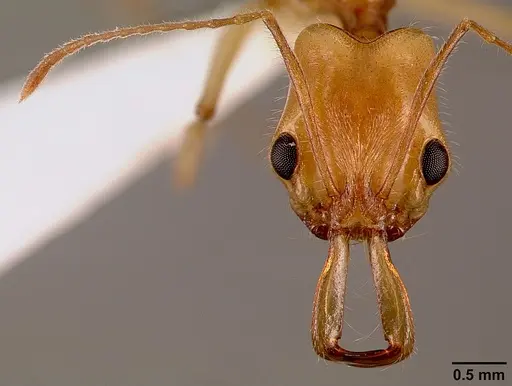
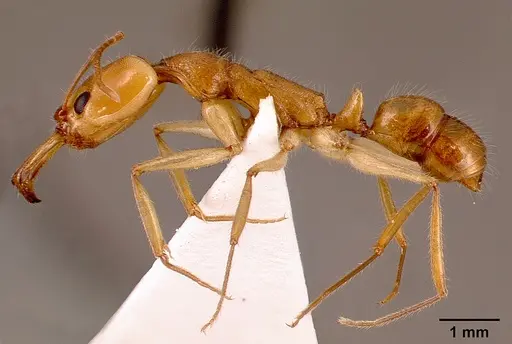
Anochetus traegaordhi is a medium-sized trap-jaw ant with workers reaching 5.35-7.50 mm in total length . They are uniformly yellow in color with slightly darker brown tints on the abdomen, and possess the characteristic long mandibles and moderate-sized eyes of their genus . This species ranges across the Afrotropical region from Sudan and Eritrea south to South Africa, and extends into the Arabian Peninsula including Saudi Arabia and Yemen . What makes these ants unique is their specialized relationship with termites. In Cameroon and Congo, they specifically target Nasutitermes termites and nest inside the same rotting logs occupied by their prey . They hunt solitarily and can recognize individual termite castes - preferring workers over soldiers - and even distinguish between termites from their own log versus different colonies . This site-specific learning is rare among ants and makes them fascinating but challenging captives.
Quick Summary
- Difficulty: Hard
- Origin & Habitat: Afrotropical region including Sudan, Eritrea, Kenya, Tanzania, Zimbabwe, South Africa, and the Arabian Peninsula (Saudi Arabia, Yemen) [1][2]. Found in moist soil rich in organic matter, under trees, in leaf litter, and specifically in rotting wood occupied by termites [1][2].
- Colony Type: Unconfirmed, no studies document queen number or colony structure.
- Size & Growth:
- Queen: ~8-10 mm, inferred from typical Anochetus patterns.
- Worker: 5.35-7.50 mm [1].
- Colony: More than 60 workers observed at a single site [1].
- Growth: Unknown, likely moderate based on specialized predatory lifestyle.
- Development: 8-12 weeks (estimated based on tropical Ponerinae patterns). (Development time is unconfirmed for this species. Tropical trap-jaw ants typically develop faster in warm conditions.)
- Antkeeping:
- Temperature: Warm tropical conditions, roughly 24-28°C (inferred from Afrotropical distribution). Provide a gentle heat gradient with a heating cable on one side of the nest.
- Humidity: Moderate to high humidity. Nest substrate should be moist but not waterlogged, think damp forest soil rich in organic matter [1].
- Diapause: No, tropical species that remains active year-round.
- Nesting: Naturalistic soil setups or rotting wood nests work best. In nature they occupy moist soil, leaf litter, and specifically rotting logs [1][2]. Provide narrow chambers and tunnels appropriate for 5-7 mm ants.
- Behavior: Solitary foraging specialist that hunts termites individually rather than in groups [3]. They use their trap-jaw mandibles to strike prey. Workers show site-fidelity and learning behavior regarding prey recognition [2]. Not particularly aggressive toward humans but will sting if threatened (typical for Ponerinae). Medium size means escape prevention is important but manageable with standard barriers.
- Common Issues: dietary specialization makes captive feeding extremely difficult, they specifically target termites and may refuse other prey., solitary hunting behavior means they do not respond to group feeding cues like some other ants., moisture requirements must be balanced carefully, they need damp substrate but stagnant air causes mold., trap-jaw mandibles require proper substrate to prevent injury during hunting strikes.
The Termite Specialization
Anochetus traegaordhi has evolved an intimate relationship with Nasutitermes termites. In Cameroon and Congo, they specifically choose nesting sites in rotting logs that are already occupied by these termites [2]. This is not random, the ants actively hunt their roommates.
When hunting, workers show remarkable decision-making. They prefer termite workers over soldiers, approaching workers from behind and stinging them in the abdomen, while attacking soldiers head-on to sting the thorax [2]. Even more impressively, they can recognize whether termites come from their own log or a different one. When hunting termites from their own nest log, they succeed in retrieving 75% of attacked workers. Against unfamiliar termites from other logs, they succeed only 33% of the time and attack more cautiously [2]. This suggests they learn the specific chemical profile of their local termite colony.
For keepers, this means these ants are not generalist hunters. They have adapted specifically to termite prey, and getting them to accept substitute foods like fruit flies or crickets is unconfirmed and likely difficult.
Housing and Nest Design
In nature, these ants nest in moist soil rich in organic matter, under trees, and inside rotting wood [1]. They are not fussy about exact substrate type but need consistent moisture.
For captive housing, a naturalistic setup with a soil or plaster base works well. Include pieces of rotting wood or bark to simulate their preferred microhabitat. The nest should have narrow chambers sized for 5-7 mm ants, not too spacious. Maintain humidity by keeping the substrate damp but not soggy. You can achieve this by misting when the surface begins to dry, rather than on a fixed schedule.
Ventilation is important to prevent mold in these damp conditions, but avoid strong airflow that dries out the nest. A balance of humidity and fresh air prevents the fungal problems that often kill tropical soil-nesting species in captivity.
Feeding Challenges
This is the hardest part of keeping Anochetus traegaordhi. They are specialized predators of Nasutitermes termites and hunt solitarily [3][2]. Unlike generalist ants that accept almost any insect, these ants may ignore or reject prey that does not match their specific search image.
If you cannot provide live termites, you will need to experiment carefully with alternatives. Small, soft-bodied insects like springtails or very small crickets might be accepted, but success is uncertain. Because they hunt alone, they will not swarm food items, you may see individual workers stalking prey separately.
Sugar sources like honey or sugar water may be accepted for energy, but protein from prey is essential. Do not rely on sugar alone. Watch carefully to ensure prey is actually being captured and consumed, not just ignored.
Temperature and Environment
Coming from tropical Africa and the Arabian Peninsula, these ants need warm, stable temperatures [1][2]. Aim for roughly 24-28°C in the warmest part of the nest, with a slight gradient allowing cooler areas around 22°C.
Use a heating cable or mat placed on one side of the nest, position it on top rather than underneath to avoid creating condensation problems that flood lower chambers. Monitor worker behavior: if they cluster tightly on the warm side, increase heat slightly, if they avoid it, reduce temperature.
As a tropical species, they do not hibernate. Maintain consistent conditions year-round. Sudden temperature drops below 20°C may stress the colony and slow brood development significantly.
Behavior and Hunting
These are trap-jaw ants, meaning they can snap their mandibles shut with incredible speed to strike prey or even jump away from threats. However, they are solitary hunters rather than cooperative foragers [3]. Each worker hunts alone, stalking prey and making individual decisions about when to strike.
Their hunting behavior is deliberate and cautious, especially with unfamiliar prey. They may spend time assessing termites before attacking, and they remember which termites belong to their local patch [2]. This makes them fascinating to observe but means they do not produce the busy foraging trails seen in generalist species like Lasius or Camponotus.
Workers are not particularly aggressive toward humans but can deliver a sting typical of the Ponerinae subfamily. The sting is defensive and not dangerous to humans, though it may cause localized pain.
Colony Founding
Founding behavior is unconfirmed for this species. Whether queens seal themselves in (claustral) or must forage during founding (semi-claustral) has not been documented.
Frequently Asked Questions
Do Anochetus traegaordhi need termites to survive?
In the wild they are specialized predators of Nasutitermes termites and nest in termite-occupied logs [2]. Whether they will accept other prey in captivity is unconfirmed. You should plan to provide termites or be prepared for extensive trial and error with very small substitute prey.
How long until Anochetus traegaordhi get their first workers?
The egg-to-worker timeline is unconfirmed. Based on related tropical trap-jaw ants, expect roughly 8-12 weeks at 25-28°C, but this is an estimate. Development may take longer if the queen is stressed or if temperatures fluctuate.
Can I keep multiple Anochetus traegaordhi queens together?
Combining multiple queens is not recommended. The colony structure (whether they accept multiple queens) is unconfirmed, and most Ponerinae are single-queen species. Attempting to combine unrelated queens risks fighting and death.
What temperature do Anochetus traegaordhi need?
Keep them warm, roughly 24-28°C, based on their tropical African and Arabian distribution [1]. Use a heating cable on one side of the nest to create a gradient, and avoid letting temperatures drop below 20°C.
Are Anochetus traegaordhi good for beginners?
No. Their specialized termite diet, solitary hunting behavior, and unconfirmed founding biology make them challenging even for experienced keepers. They are best suited to advanced antkeepers who can provide specific prey and monitor humidity carefully.
How big do Anochetus traegaordhi colonies get?
Maximum colony size is unknown. Observations in Saudi Arabia found more than 60 workers at one site [1], but mature colonies in the wild may grow larger. Growth is likely slower than generalist species due to their specialized predatory lifestyle.
Do Anochetus traegaordhi need hibernation?
No. They are a tropical species from Africa and Arabia and remain active year-round. Do not cool them for hibernation, maintain stable warm temperatures throughout the year [1].
What is the best nest type for Anochetus traegaordhi?
Naturalistic setups with moist soil or plaster work best, ideally with pieces of rotting wood. They need humidity but also some airflow to prevent mold. Avoid completely sealed nests without ventilation [1].
Report an Issue
The current care sheet is based fully on literature. See inconsistencies, or something that's incorrect? Please , it will be resolved after review from an admin. Contributing to the blogs tab also helps providing information, to make us be able to further improve the caresheets. Thank you for your support!
References

This caresheet is licensed under CC BY-SA 4.0 .
Community Blogs
CASENT0010780
View on AntWeb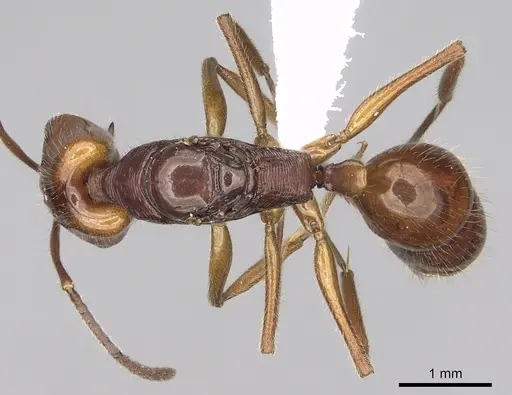
CASENT0010781
View on AntWeb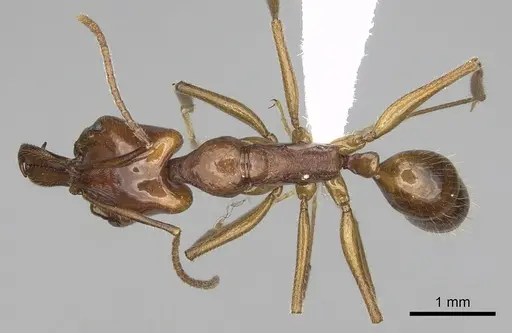
CASENT0010782
View on AntWeb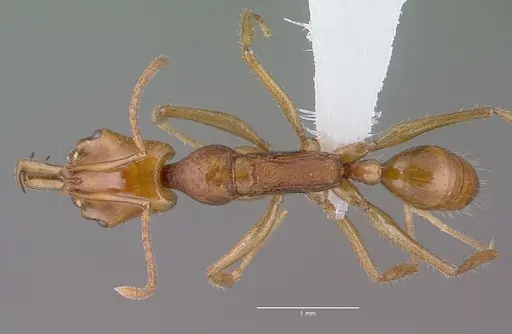
CASENT0253634
View on AntWeb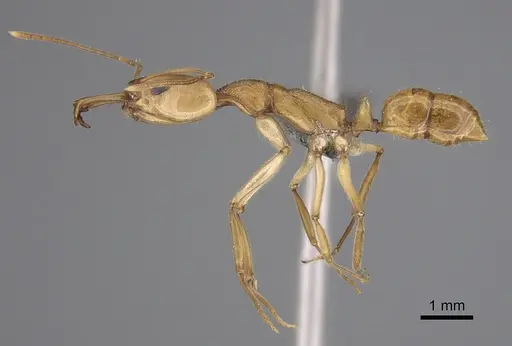
CASENT0260510
View on AntWeb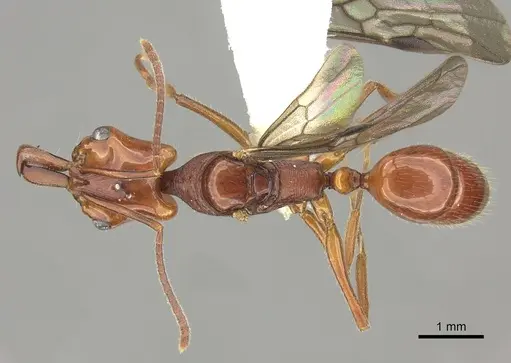
CASENT0263886
View on AntWeb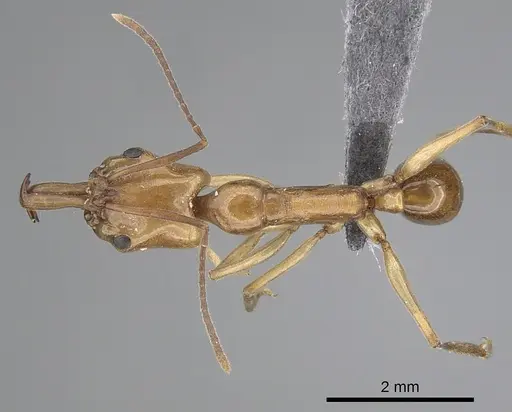
CASENT0408416
View on AntWeb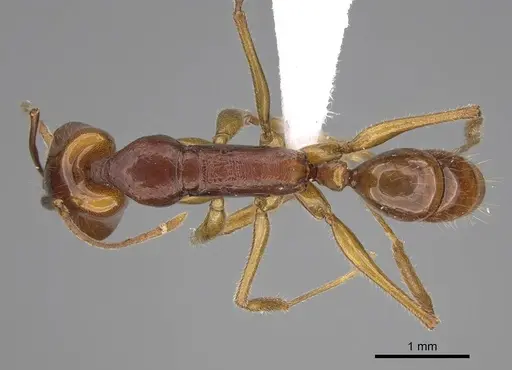
CASENT0810452
View on AntWeb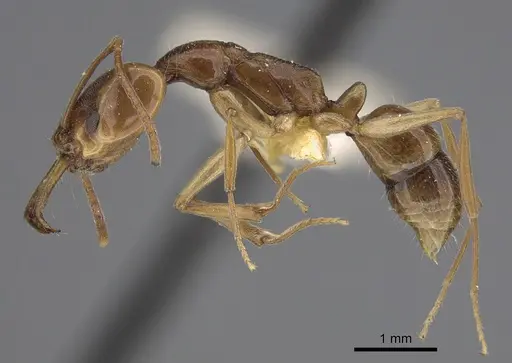
CASENT0810453
View on AntWeb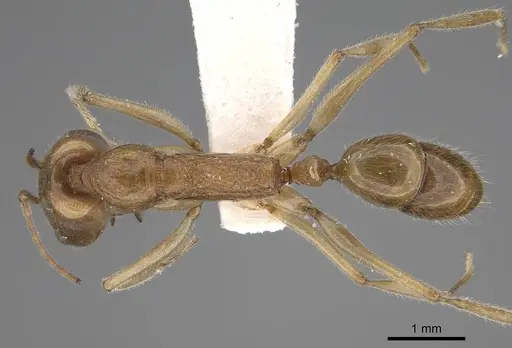
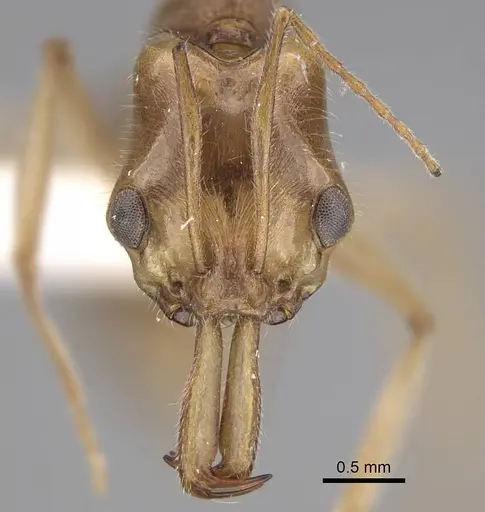
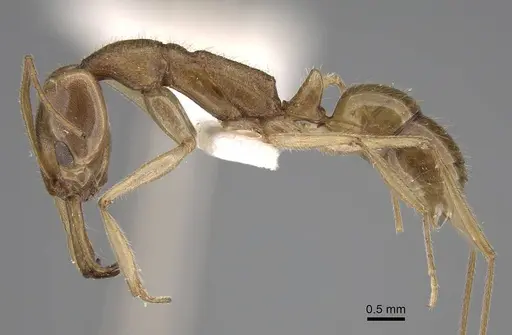
CASENT0902453
View on AntWeb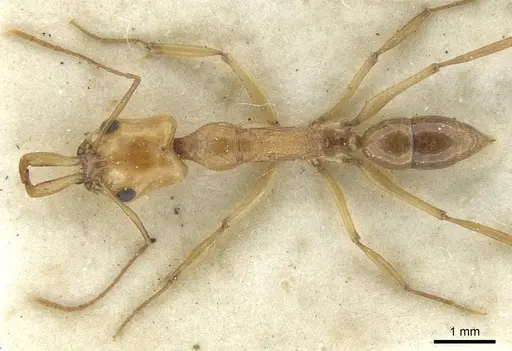
CASENT0913742
View on AntWeb
CASENT0915168
View on AntWeb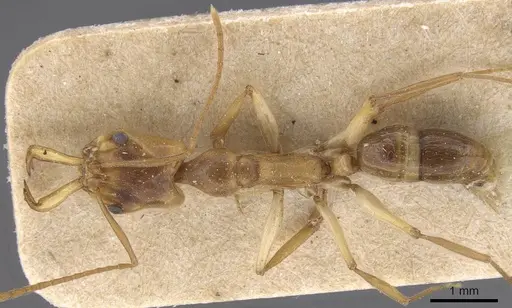
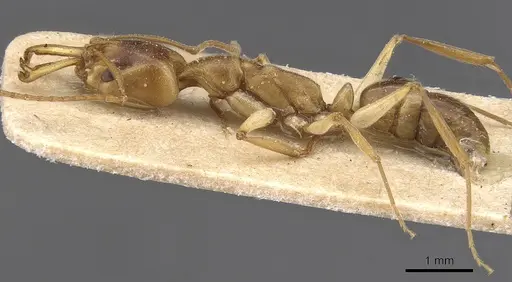
CASENT0915477
View on AntWeb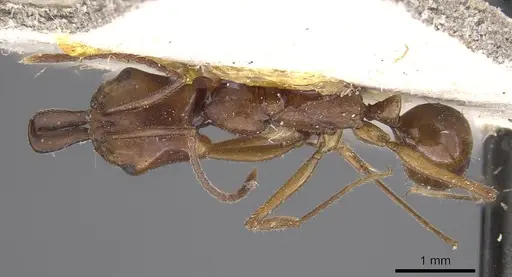
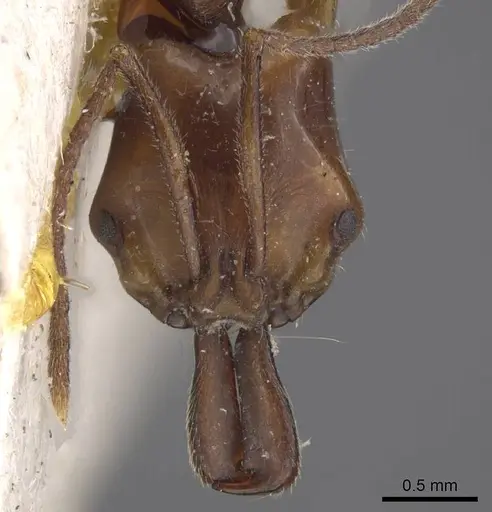
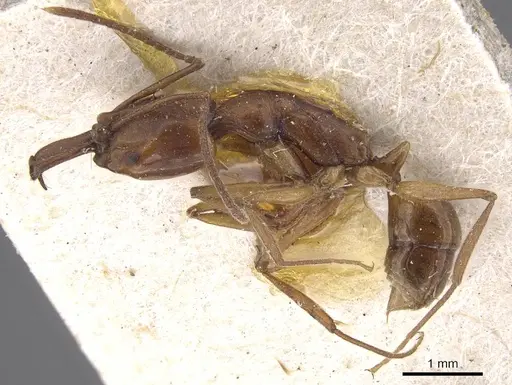
FOCOL1040
View on AntWeb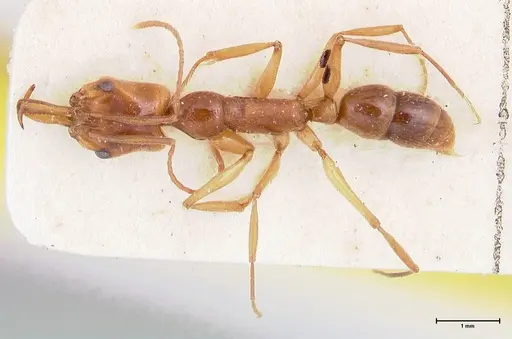
SAM-HYM-C001378A
View on AntWeb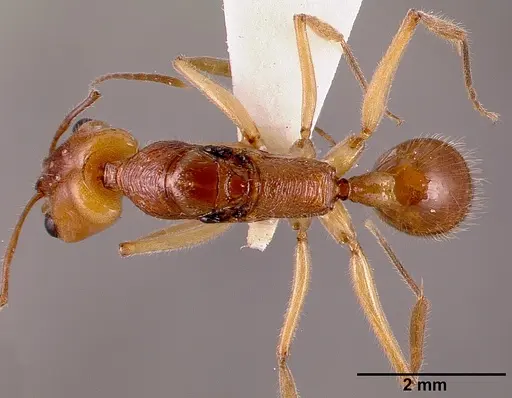
SAM-HYM-C001378B
View on AntWeb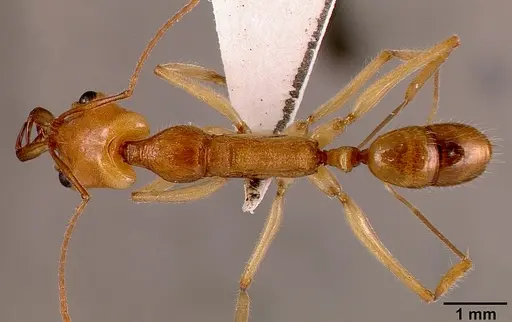
Literature
Loading distribution map...Loading products...