
Anochetus pubescens
- Sci. Name
- Anochetus pubescens
- Tribe
- Ponerini
- Subfamily
- Ponerinae
- Author
- Brown, 1978
- Distribution
- Found in 5 countries
Introduction
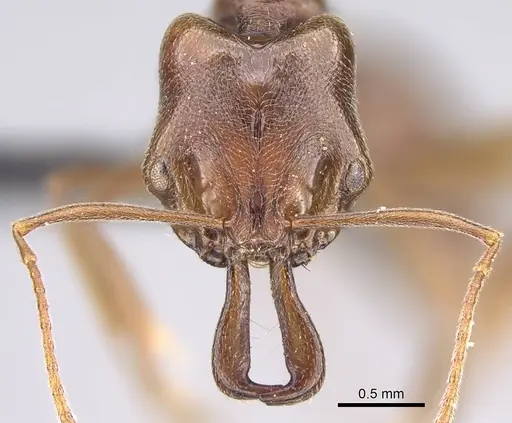
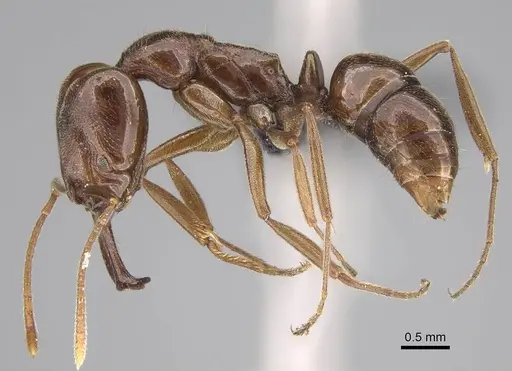
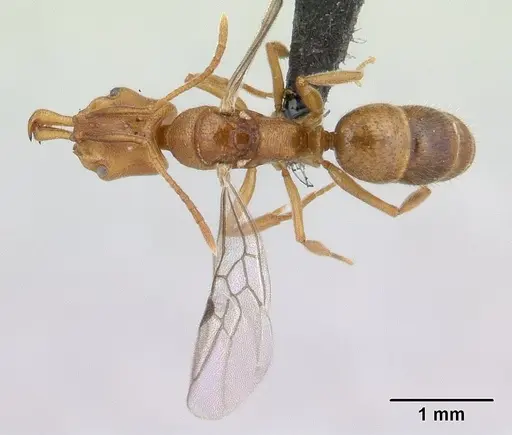
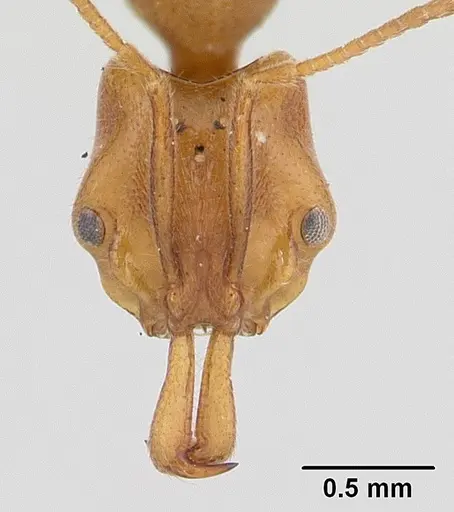
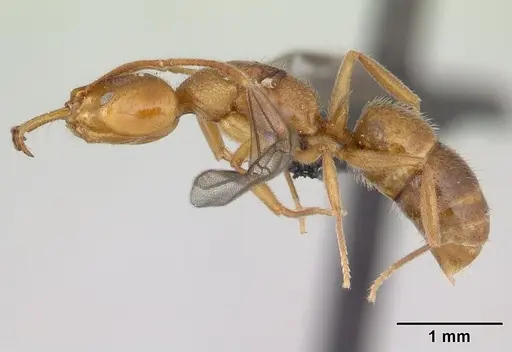
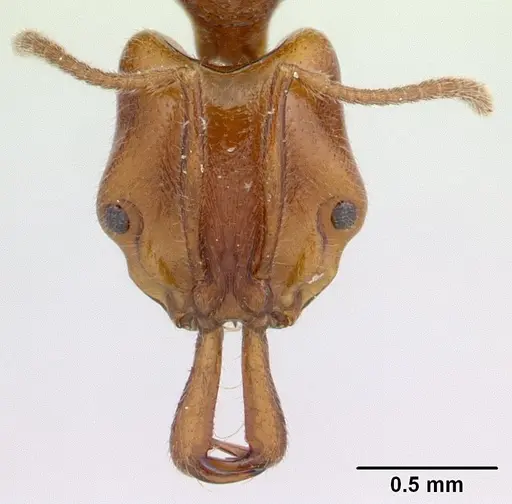
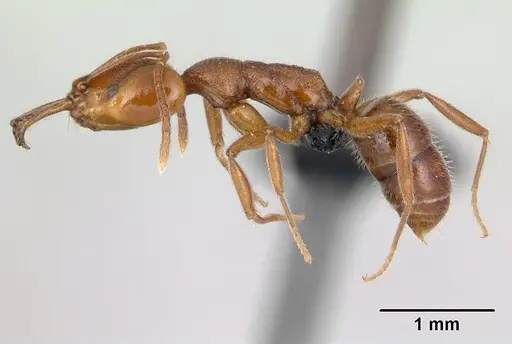
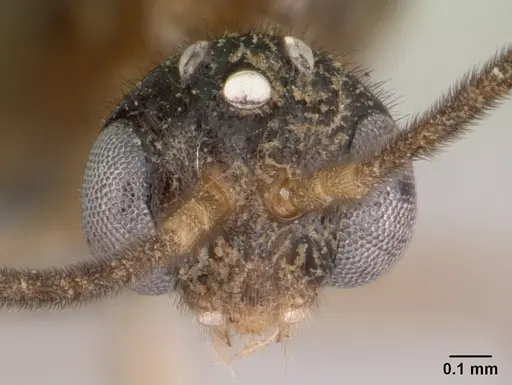
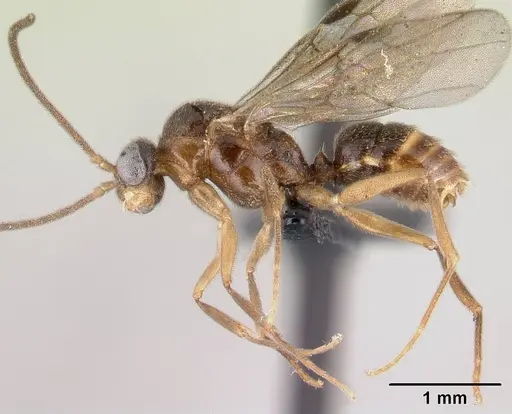
Anochetus pubescens is a small trap-jaw ant native to eastern Africa and the western Indian Ocean. Workers measure approximately 4.9mm in total length with a compact, orange-brown body and lighter yellowish legs and antennae . They inhabit forested areas from the Vumba Mountains of Zimbabwe to the Comoros islands and Madagascar, typically found in leaf litter, under stones, or on low vegetation . Like all members of their genus, these ants possess the trap-jaw mechanism - spring-loaded mandibles that snap shut at incredible speeds to capture prey. Based on typical Anochetus patterns, they are specialized predators that likely hunt small arthropods using this unique hunting strategy. Unfortunately, their biology remains poorly documented - queens and males have been collected but never formally described, and basic details of their colony life cycle remain unstudied .
Quick Summary
- Difficulty: Expert
- Origin & Habitat: Eastern Africa (Zimbabwe) and western Indian Ocean islands (Comoros, Mayotte, Madagascar), inhabiting forest litter and under stones [1].
- Colony Type: Unknown, colony structure unconfirmed.
- Size & Growth:
- Queen: Unknown (undescribed), estimated 6-7mm based on typical Anochetus patterns.
- Worker: Approximately 4.9mm total length [1].
- Colony: Estimated under 100 workers based on typical Anochetus patterns.
- Growth: Slow (estimated).
- Development: Unknown, estimated 8-12 weeks at 25-27°C based on tropical Anochetus patterns. (Timeline is speculative, no direct studies exist.)
- Antkeeping:
- Temperature: 24-28°C, provide a gentle heat gradient.
- Humidity: High humidity required, keep substrate moist but not waterlogged, similar to forest floor conditions.
- Diapause: No, tropical species that remains active year-round.
- Nesting: Test tubes for founding, then naturalistic setups with soil/litter or Y-tong nests with small chambers.
- Behavior: Specialized trap-jaw predators that likely hunt small live prey. Founding behavior is unconfirmed but likely semi-claustral based on genus patterns. Workers are small but can sting. Moderate escape risk due to small size, use secure lids.
- Common Issues: founding queens often fail without constant access to live prey., queen morphology is undescribed, making identification of dealates difficult., rare in captivity means limited keeper experience to draw from., trap-jaw mechanism requires live prey, colonies may starve if offered only dead insects., small worker size means they can squeeze through gaps in poorly sealed setups.
Trap-Jaw Biology and Hunting
Anochetus pubescens belongs to the trap-jaw ant lineage, sharing the remarkable mandible mechanism with their more famous relatives in Odontomachus [2]. These ants can snap their jaws shut at high speeds, using the force to stun or kill prey. The mandibles are held open by a latch mechanism and triggered by sensory hairs on the inside of the jaws when prey touches them.
In captivity, this means you must provide appropriate live prey. Based on their modest size, they likely hunt springtails, small flies, and other tiny arthropods. The trap-jaw strike is not just for hunting, these ants also use it to launch themselves into the air to escape threats. When setting up their outworld, ensure the barriers are escape-proof, as startled ants may jump backward by striking the ground with their jaws.
Colony Founding
The founding biology of Anochetus pubescens remains completely unstudied. Based on typical Anochetus patterns, founding may be semi-claustral, meaning the queen may need to hunt for food while raising her first workers. This makes founding significantly harder than claustral species where queens seal themselves in and live off stored fat.
If you attempt to found a colony, provide the queen with a small test tube setup and offer live prey regularly, likely springtails or fruit flies. She may need to forage, so ensure the foraging area is secure but accessible. Success rates for Anochetus founding are typically low even for experienced keepers, and this species rarity means few have attempted it in captivity. [1]
Housing and Nest Setup
For founding, use a standard test tube setup with water reservoir and cotton plug. Once workers arrive, move to a small formicarium that mimics their natural forest floor habitat. In the wild, they nest under stones and in leaf litter [1], so a naturalistic setup with soil, leaf litter, and flat stones works well. Alternatively, a Y-tong (AAC) nest with small chambers and narrow passages suits their size.
Keep the nest area humid but provide a gradient, some drier areas allow the ants to regulate their moisture needs. The outworld should have secure barriers, while small workers cannot climb smooth glass as well as larger ants, they are still agile. Use Fluon or baby powder barriers and ensure lids fit tightly.
Feeding and Diet
As trap-jaw predators, Anochetus pubescens requires live prey to trigger their hunting instincts. Based on their size and genus patterns, feed small live insects: springtails, fruit flies (Drosophila), and tiny cricket or cockroach nymphs. The prey should be small enough that workers can handle it, roughly their own size or smaller.
They may accept sugar water or honey water in the outworld, but protein is essential for colony growth. Offer food 2-3 times weekly, removing uneaten items before they mold. Because they likely hunt by ambush, provide some cover in the outworld like leaf litter or small twigs where they can wait for prey. [2]
Temperature and Humidity
Coming from tropical forests in Zimbabwe and Madagascar, these ants need warm, stable conditions. Maintain the nest area between 24-28°C with a gentle heat gradient, place a heating cable or mat on one side of the nest so ants can choose their preferred temperature [1]. Avoid overheating, tropical forest floor temperatures rarely exceed 30°C.
Humidity should remain high. Keep the nest substrate moist but not soggy, think damp forest floor after rain. If using a test tube, ensure the water reservoir is adequate but not flooding. In a naturalistic setup, mist one side of the enclosure occasionally, allowing the other side to remain slightly drier. Good ventilation prevents mold while maintaining humidity.
Frequently Asked Questions
Can I keep Anochetus pubescens in a test tube?
Yes, for founding and small colonies. Use a standard test tube setup with water reservoir and cotton plug. However, because founding behavior is unconfirmed, monitor whether the queen needs access to a foraging area to hunt live prey while raising her first workers.
How long until first workers for Anochetus pubescens?
Unknown, no studies document their development time. Based on typical Anochetus patterns, expect roughly 8-12 weeks from egg to worker at 25-27°C. This is slower than many common beginner species.
What do Anochetus pubescens eat?
They are trap-jaw predators that require small live prey. Feed springtails, fruit flies, and tiny insect nymphs. They may accept sugar water, but protein from live prey is essential for colony survival and growth.
Do Anochetus pubescens need hibernation?
No. They come from tropical Africa and islands in the Indian Ocean where temperatures remain warm year-round. Keep them at 24-28°C consistently without a winter rest period.
Are Anochetus pubescens good for beginners?
No. They are expert-level ants due to their unconfirmed founding behavior, need for constant live prey, undescribed queens making identification difficult, and rarity in the hobby. Beginners should start with easier species like Lasius niger or Camponotus.
How big do Anochetus pubescens colonies get?
Unknown, but likely small. Based on typical Anochetus patterns, most species maintain colonies of fewer than 100 workers. Do not expect the large colony sizes seen in harvester ants or wood ants.
Do Anochetus pubescens ants sting?
Yes. As ponerine ants in the tribe Ponerini, they possess stingers and can use them for defense. However, at their small size they pose minimal danger to humans.
Can I keep multiple Anochetus pubescens queens together?
Not recommended. While their exact colony structure is unknown, most Anochetus are single-queen species. Combining multiple queens will likely result in fighting and death.
Why are my Anochetus pubescens dying?
Common causes include: lack of live prey (they need moving food to trigger trap-jaw hunting), dehydration (they need humid conditions), or stress from overly large enclosures. Founding queens often fail without proper nutrition if they need to forage.
Where can I buy Anochetus pubescens?
They are extremely rare in the ant trade. You will likely not find them for sale. They are occasionally collected in their native range (Zimbabwe, Madagascar, Comoros), but importation requires permits and they are not established in the hobby.
Report an Issue
The current care sheet is based fully on literature. See inconsistencies, or something that's incorrect? Please , it will be resolved after review from an admin. Contributing to the blogs tab also helps providing information, to make us be able to further improve the caresheets. Thank you for your support!
References

This caresheet is licensed under CC BY-SA 4.0 .
Community Blogs
CASENT0098924
View on AntWeb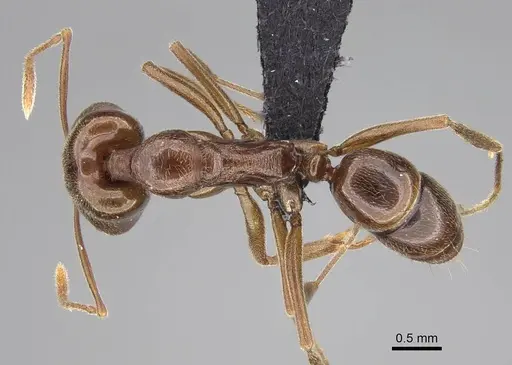
CASENT0132423
View on AntWeb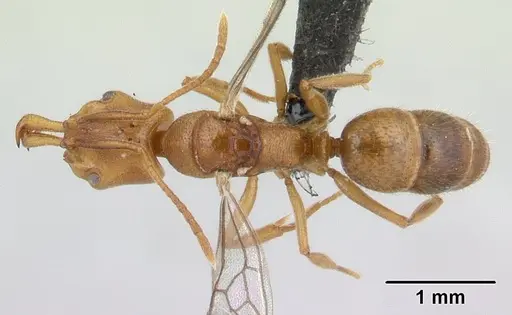
CASENT0136793
View on AntWeb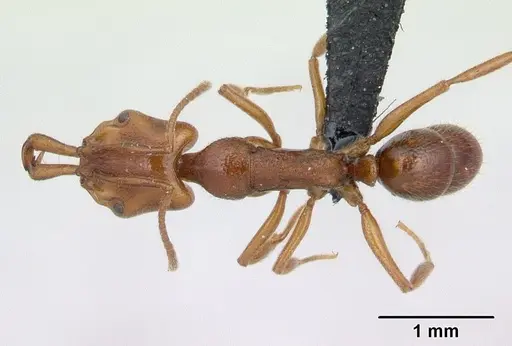
CASENT0147182
View on AntWeb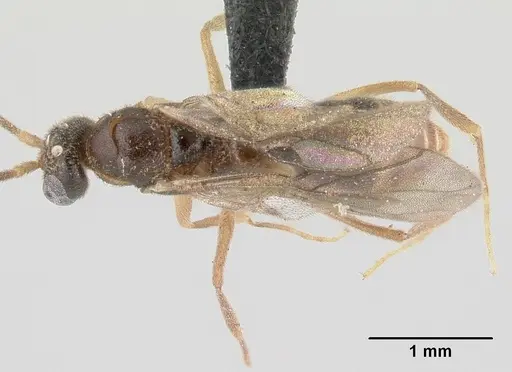
Literature
Loading distribution map...Loading products...