
Anochetus pattersoni
- Sci. Name
- Anochetus pattersoni
- Tribe
- Ponerini
- Subfamily
- Ponerinae
- Author
- Fisher, 2008
- Distribution
- Found in 3 countries
Introduction
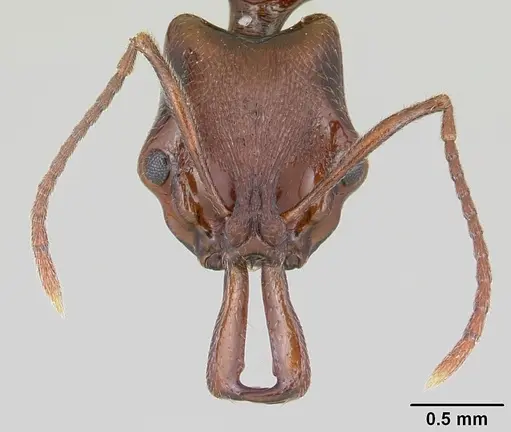
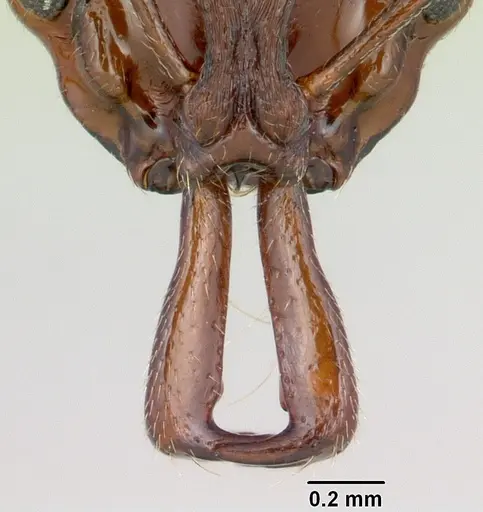
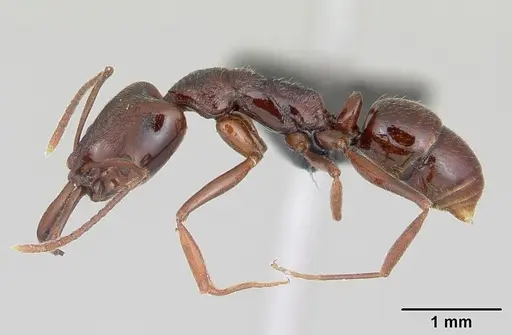
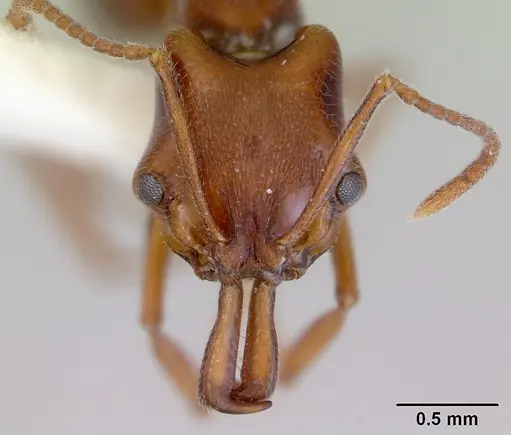
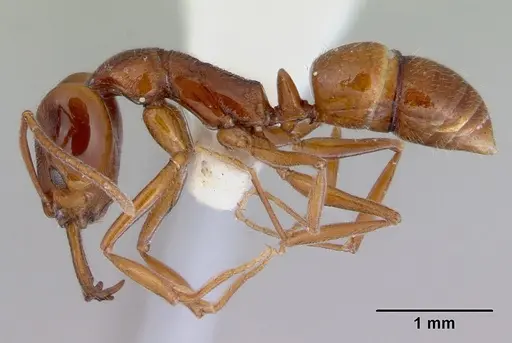
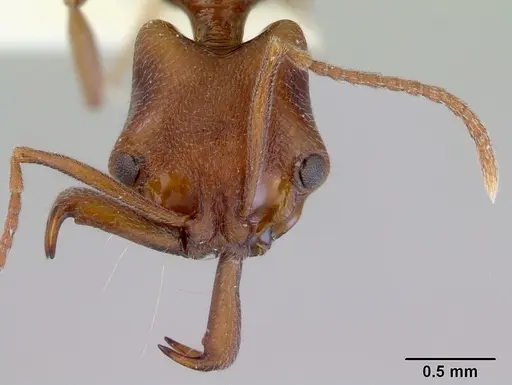
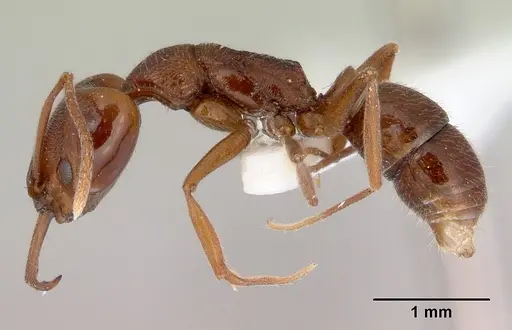
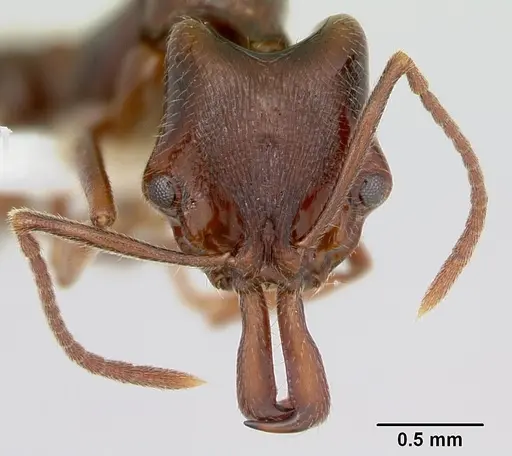
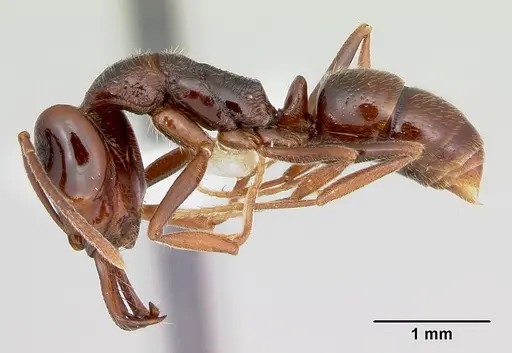
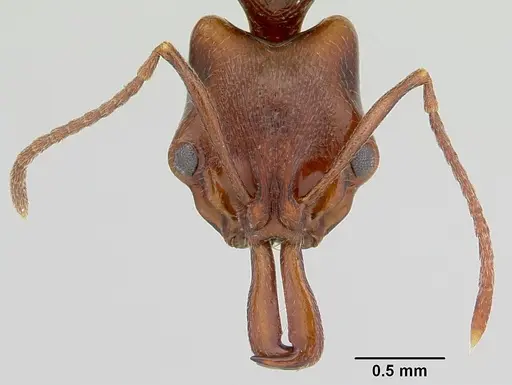
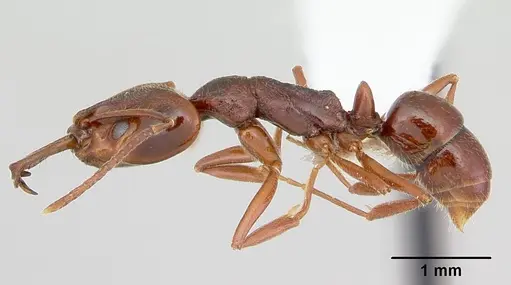
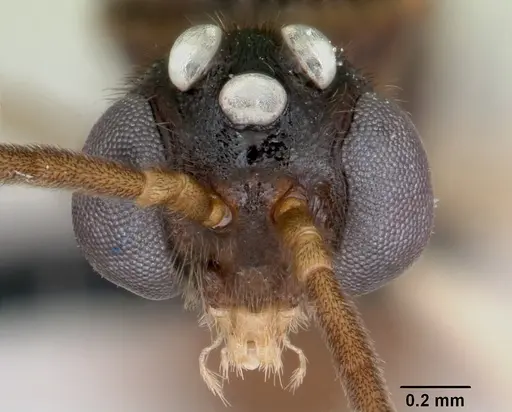
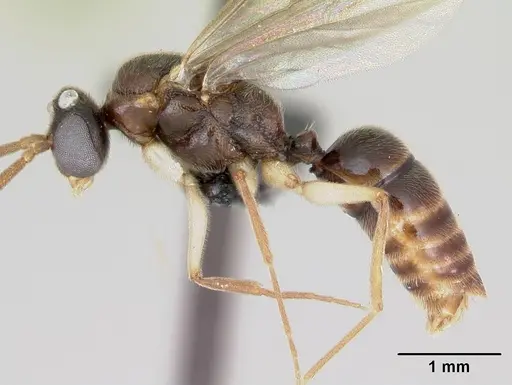
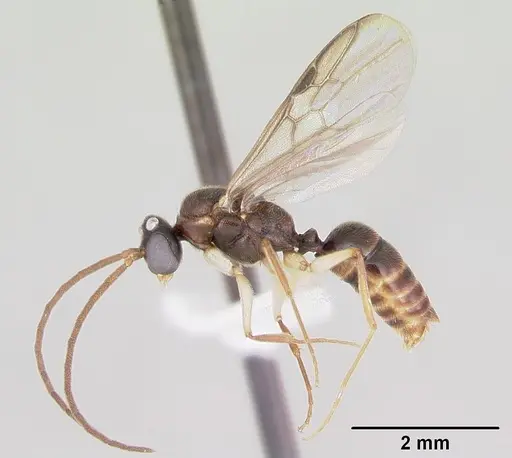
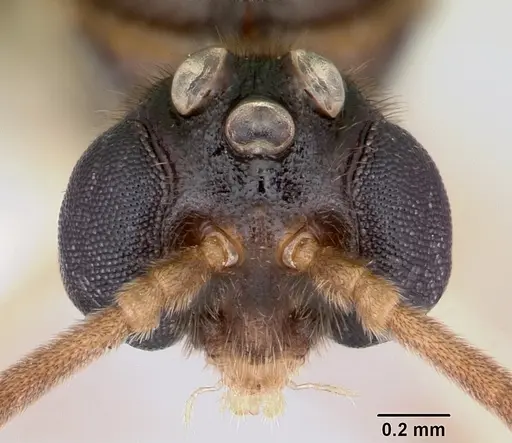
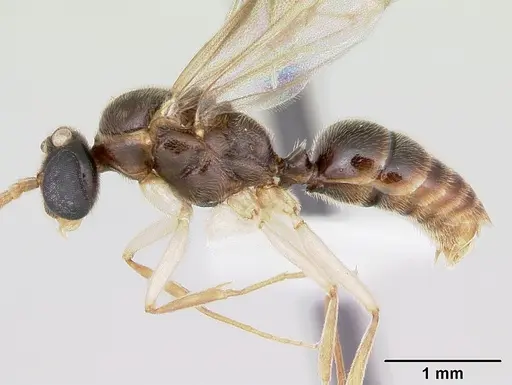
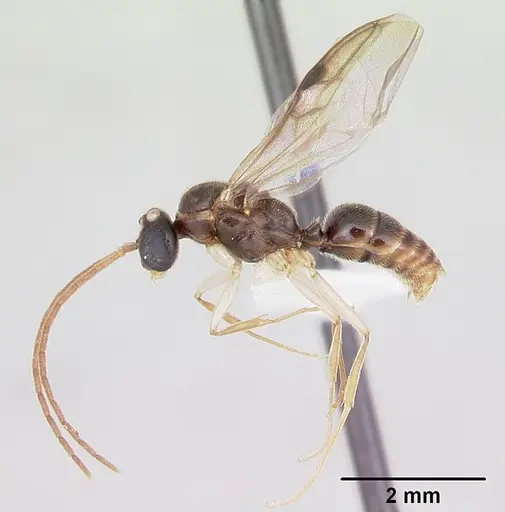
Anochetus pattersoni is a trap-jaw ant species endemic to the Aldabra Island group in the Seychelles, particularly Isle Picard. Workers are medium-sized for the genus, and the species is distinguished by a unique concave shape on the top margin of the petiole node. Queens are slightly larger than workers. This is the only Anochetus species recorded from the Seychelles, making it a rare island endemic . The species shows nocturnal activity patterns - the type specimen was collected after dark on a concrete slab in an abandoned settlement, and males have been caught in Malaise traps . Like all Anochetus, they possess trap-jaw mandibles capable of extremely fast snapping movements for hunting prey .
Quick Summary
- Difficulty: Expert
- Origin & Habitat: Endemic to the Aldabra Island group, Seychelles, particularly Isle Picard. Found in coastal areas at low elevation (around 5 meters) with Casuarina trees and coconut palms, often in disturbed habitats like abandoned settlements [1][2].
- Colony Type: Unconfirmed, colony structure is not documented in available research.
- Size & Growth:
- Queen: ~5-6mm, inferred from Anochetus genus size range [1][2]
- Worker: ~4-5mm, inferred from Anochetus genus size range [1][2]
- Colony: Unknown, no colony size data available.
- Growth: Unknown
- Development: Unknown, no developmental studies exist for this species. (Timeline inferred from related tropical trap-jaw ants.)
- Antkeeping:
- Temperature: 24-28°C, inferred from tropical island habitat. Start at 25°C and adjust based on colony activity.
- Humidity: Moderate to high. Keep nest substrate lightly moist but not waterlogged, consistent with coastal island collection sites [1][2].
- Diapause: No, tropical species likely active year-round, though unconfirmed.
- Nesting: Unknown in captivity. Naturalistic setups with sand/soil mixes or Y-tong nests with small chambers may work. Tight-fitting lids essential as these are active hunters.
- Behavior: Nocturnal predator with trap-jaw mandibles for hunting small arthropods. Likely accepts small live prey. Escape risk moderate, active hunters that may attempt to escape when disturbed.
- Common Issues: no established captive care guidelines exist, founding behavior is completely unstudied., unknown founding type creates high mortality risk for new queens., likely requires specialized small live prey such as springtails or fruit flies., extreme rarity and endemic status raises ethical concerns about wild collection., trap-jaw strikes can fling prey items out of feeding dishes.
Physical Identification and Size
Anochetus pattersoni is relatively large compared to other Anochetus in the region. Workers measure approximately 4-5mm total length, while queens are slightly larger at around 5-6mm [1][2].
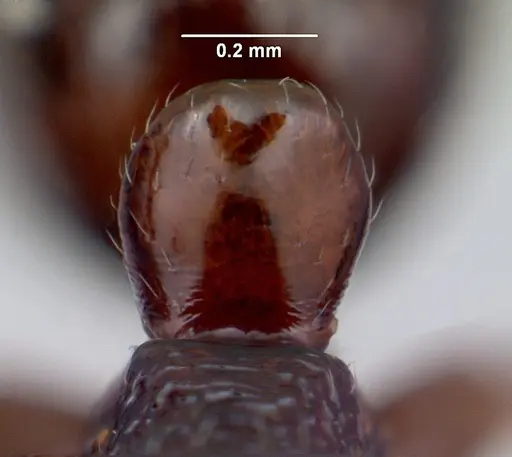
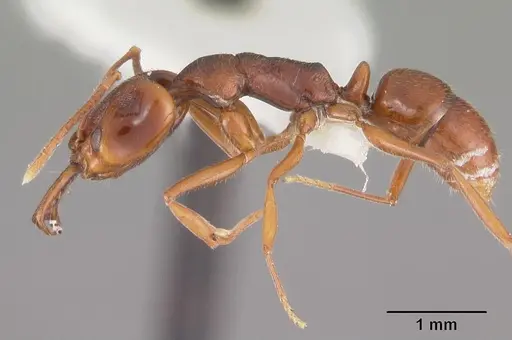
The most distinctive identification feature is the concave dip along the top margin of the petiole node, when viewed from behind, the top of the node curves inward rather than being straight or convex [1][2]. The front half of the first gastral segment is smooth and shiny with only fine punctures at the base of setae [1][2]. The propodeum (the rear thorax section) has coarse transverse ridges and is angulate in lateral view [1][2].
They are significantly larger than the widespread Anochetus graeffei, with a combined head-plus-mandible length of 1.99-2.12mm versus less than 1.75mm in graeffei [1][2]. This species belongs to the graeffei species group [3].
Natural History and Habitat
This species is restricted to the Aldabra Island group in the Seychelles, with most collections from Isle Picard [1][2]. They inhabit coastal island environments at low elevations around 5 meters, in areas with Casuarina trees and coconut palms [1][2].
They appear tolerant of disturbed habitats, the type specimen was found at night on a concrete slab in an old abandoned settlement [1][2]. Other collection sites include sandy dunes (Dune Patates) and various coastal areas across the Aldabra group [1][2]. Males have been collected in Malaise traps, indicating evening or night flight activity [1][2]. The queen shows clear wing scars, indicating she has already mated and shed her wings [1][2].
Trap-Jaw Hunting Behavior
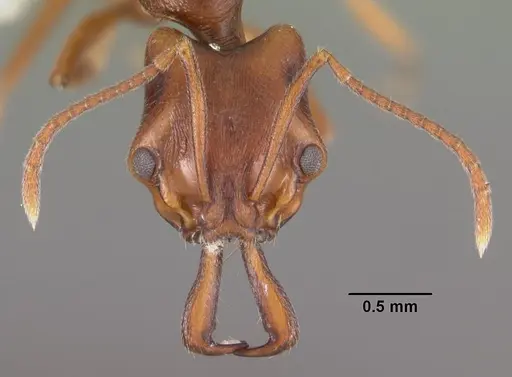
As a member of the genus Anochetus, these ants possess trap-jaw mandibles capable of snapping shut in less than a millisecond, one of the fastest animal movements recorded [3]. While specific hunting behavior hasn't been observed in A. pattersoni, related Anochetus species use these jaws to strike prey, stun it, and then transport it back to the nest.
The mandibles also serve a defensive purpose, when threatened, trap-jaw ants can snap their jaws against the ground to launch themselves backward away from danger [3]. In captivity, you will need to provide small live prey that these ants can actually catch and subdue.
Captive Care Considerations
Keeping Anochetus pattersoni presents significant challenges because no captive breeding records exist and their biology is poorly known. You should assume they need live prey such as springtails, small fruit flies, or tiny crickets, as this is standard for trap-jaw ants [3].
Temperature should stay warm and stable, around 24-28°C based on their tropical island origin. Humidity should be moderate to high but not soaking wet. Since founding behavior is unconfirmed for this species, founding attempts carry high risk. If you attempt to found a colony, provide both a secure chamber and access to small live prey in case the queen needs to forage.
Given their extreme rarity and limited range, ethical considerations strongly favor leaving wild populations undisturbed unless you are working with established captive lines or scientific collections.
Frequently Asked Questions
How big do Anochetus pattersoni queens and workers get?
Workers reach approximately 4-5mm in length, while queens are slightly larger at around 5-6mm total length [1][2]. They are noticeably bigger than their close relative Anochetus graeffei.
Where do Anochetus pattersoni ants come from?
They are endemic to the Aldabra Island group in the Seychelles, particularly Isle Picard [1][2]. They have not been found anywhere else in the world.
Are Anochetus pattersoni good for beginners?
No, these are expert-level ants. There are no established care guidelines, their founding behavior is unknown, and they are extremely rare in the wild. Beginners should start with well-documented species like Lasius niger or Camponotus instead.
What do Anochetus pattersoni eat?
Their diet is unstudied, but as trap-jaw ants they are likely specialized predators of small arthropods. In captivity, offer small live prey like springtails, fruit flies, or tiny crickets. Acceptance of sugar water is uncertain.
How do you found Anochetus pattersoni colonies?
Founding behavior is unconfirmed for this species. If attempting founding, provide a secure chamber plus access to small live prey, and monitor the queen's behavior. Do not assume any particular founding strategy.
Do Anochetus pattersoni need heating?
Yes, as a tropical species from the Seychelles, they need warm temperatures around 24-28°C. Room temperature may be too cool depending on your climate.
Can I keep multiple Anochetus pattersoni queens together?
Not recommended. While their natural colony structure is unknown, most Anochetus species are single-queen. Combining multiple queens risks fighting and death.
Do Anochetus pattersoni ants sting?
As members of the subfamily Ponerinae, they possess a functional sting. However, their small size means the sting is unlikely to penetrate human skin effectively. Their primary defense is their trap-jaw mandibles.
How can I identify Anochetus pattersoni?
Look for the concave dip along the top edge of the petiole node, this is unique to this species among Seychelles ants. They are also the only Anochetus recorded from the Seychelles [1][2].
Report an Issue
The current care sheet is based fully on literature. See inconsistencies, or something that's incorrect? Please , it will be resolved after review from an admin. Contributing to the blogs tab also helps providing information, to make us be able to further improve the caresheets. Thank you for your support!
References

This caresheet is licensed under CC BY-SA 4.0 .
Community Blogs
CASENT0068352
View on AntWeb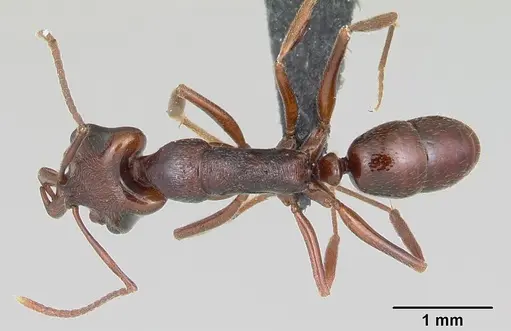
CASENT0102280
View on AntWeb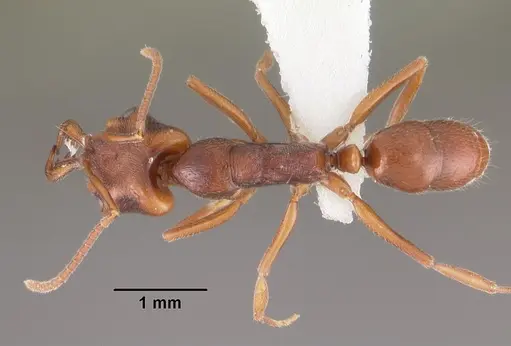
CASENT0103343
View on AntWeb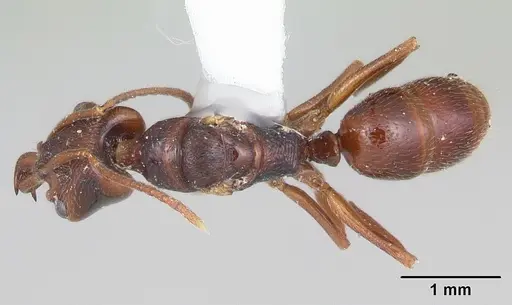
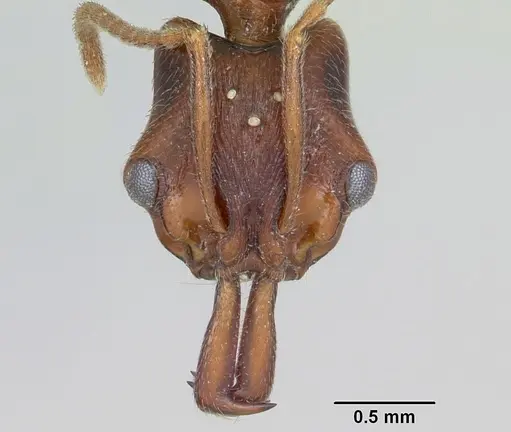
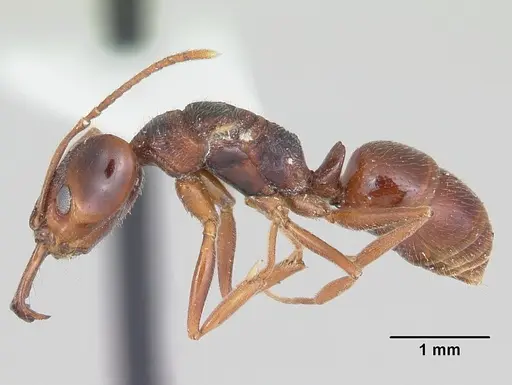
CASENT0172374
View on AntWeb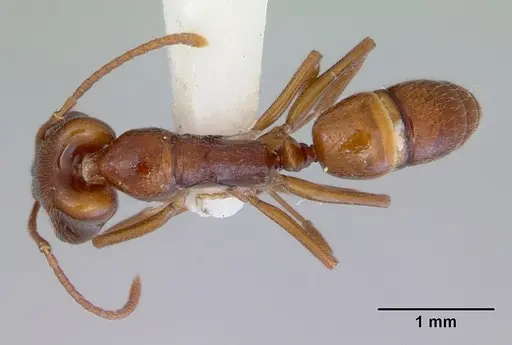
CASENT0172375
View on AntWeb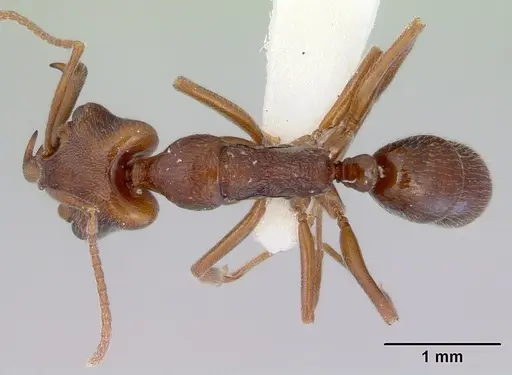
CASENT0172609
View on AntWeb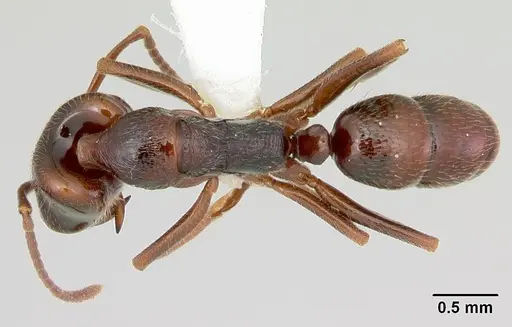
CASENT0172610
View on AntWeb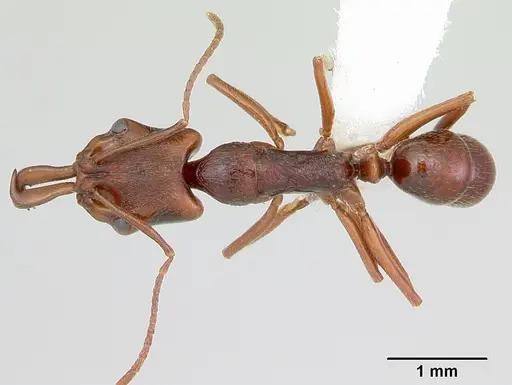
CASENT0172611
View on AntWeb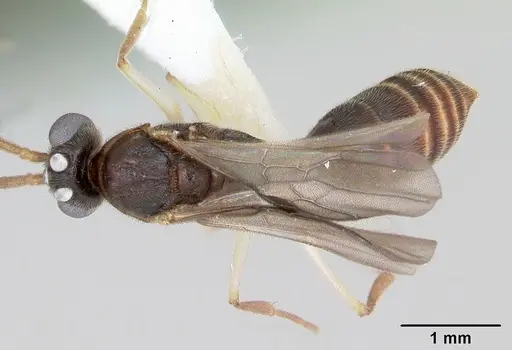
CASENT0172617
View on AntWeb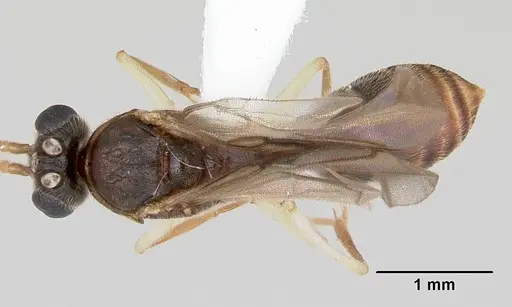
Literature
Loading distribution map...Loading products...