
Anochetus obscuratus
- Sci. Name
- Anochetus obscuratus
- Tribe
- Ponerini
- Subfamily
- Ponerinae
- Author
- Santschi, 1911
- Distribution
- Found in 2 countries
Introduction
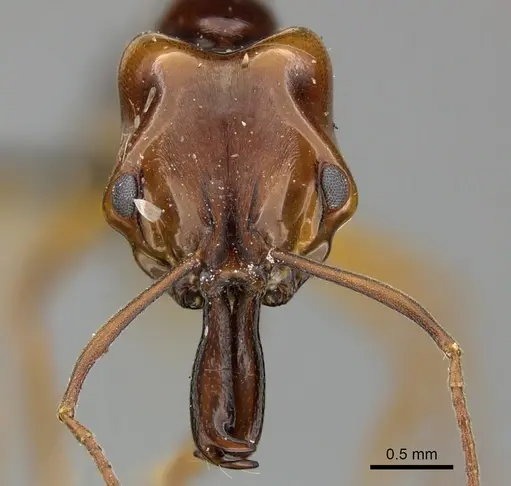
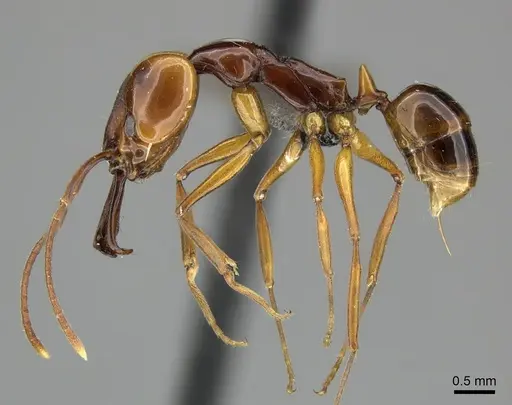
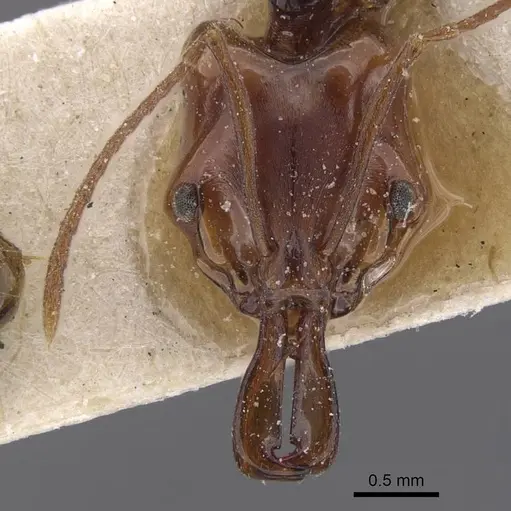
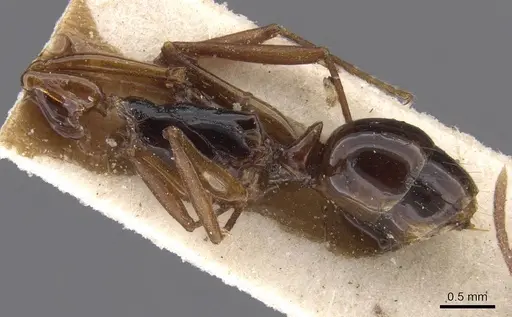
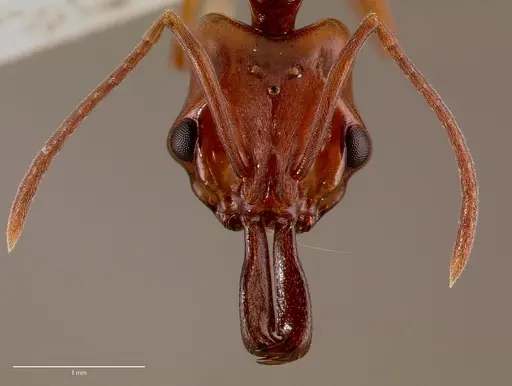
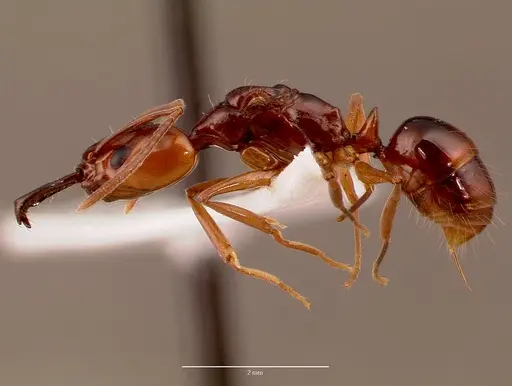
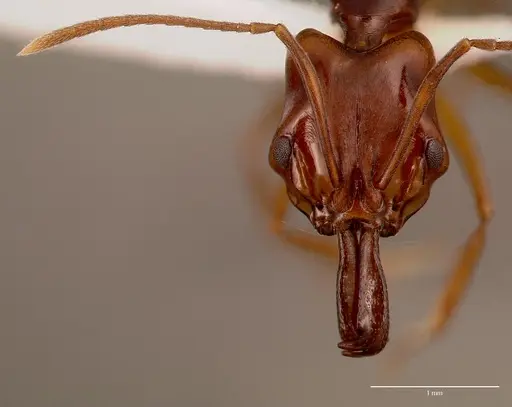
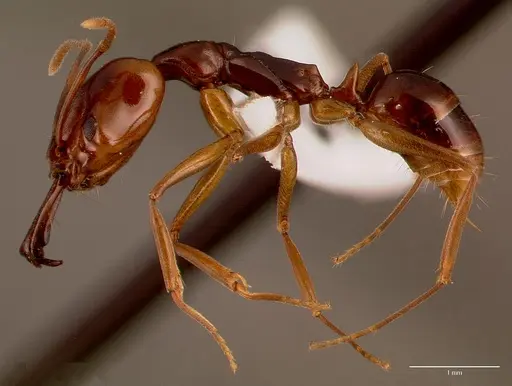
Anochetus obscuratus is a trap-jaw ant native to East and Central Africa. They belong to the africanus species group within the genus Anochetus . These ants are found in Tanzania, Kenya, the Democratic Republic of Congo, Central African Republic, and Guinea . The type specimens were collected from Kilimanjaro in Tanzania . Like other trap-jaw ants in the Ponerinae subfamily, they possess specialized spring-loaded mandibles that snap shut at high speeds to capture prey, and they defend themselves with a functional sting . Very little is documented about their biology in the wild, making them a challenging species for captive rearing.
Quick Summary
- Difficulty: Hard
- Origin & Habitat: Afrotropical region, found in Tanzania, Kenya, Democratic Republic of Congo, Central African Republic, and Guinea [2][3]. Collection records suggest tropical forest or woodland habitats.
- Colony Type: Unknown specifically. Based on typical Anochetus patterns, likely single-queen colonies, but this is unconfirmed.
- Size & Growth:
- Queen: size data unavailable, inferred from Anochetus genus (~6-8mm)
- Worker: size data unavailable, inferred from Anochetus genus (~3-5mm)
- Colony: Unknown.
- Growth: Unknown.
- Development: Unknown specifically. Based on related Anochetus species, estimate 6-10 weeks at 25-28°C (inferred). (Timeline is speculative based on genus patterns. Tropical temperatures likely speed development compared to temperate species.)
- Antkeeping:
- Temperature: Tropical species, maintain approximately 24-28°C with a gentle gradient (inferred from Afrotropical distribution). Start at 25°C and adjust based on colony activity.
- Humidity: High humidity likely necessary, keep nest substrate consistently moist but not waterlogged (inferred from tropical forest distribution).
- Diapause: Likely not required given tropical distribution, but unconfirmed.
- Nesting: Specific preferences unknown. Based on Anochetus genus patterns, use small chambers with tight spaces, soil or plaster substrates, and narrow passages.
- Behavior: Trap-jaw hunting behavior typical of genus, sit-and-wait predation using spring-loaded mandibles. Likely fast-moving and skittish. Small size means escape prevention requires fine mesh barriers under 0.5mm. They possess a functional sting for defense.
- Common Issues: unknown founding requirements may lead to queen starvation if she needs to forage but is kept sealed in., tiny size means escapes are likely without fine mesh barriers and tight-fitting lids., difficulty sourcing appropriate small live prey such as springtails or fruit flies., stress from overly spacious enclosures can cause queens to abandon brood.
Natural History and Distribution
Anochetus obscuratus is distributed across East and Central Africa. Records confirm their presence in Tanzania (including the type locality at Kilimanjaro), Kenya, the Democratic Republic of Congo, Central African Republic, and Guinea [2][3]. In the Democratic Republic of Congo, they have been documented in the Kasai provinces [3]. Phylogenetically, they belong to the africanus species group within Anochetus [1]. They are also part of Clade G in the molecular phylogeny of trap-jaw ants [4]. Specific habitat preferences remain undocumented, but collection localities suggest they inhabit tropical forests or woodlands. The climate across their range is consistently tropical, suggesting they require warm, stable conditions year-round.
Nest Preferences
Specific nesting habits are unstudied for this species. Based on typical Anochetus patterns, they likely nest in soil, leaf litter, or rotting wood in nature. In captivity, provide small, tight-fitting chambers that mimic these conditions. Use fine-grained substrates like sand-soil mixes or plaster nests with narrow passages. Avoid large open spaces that stress small colonies. The nest should feel secure with minimal open vertical space to prevent falls and stress. [2]
Feeding and Diet
Specific diet is undocumented. As trap-jaw ants, they are specialized predators that likely hunt small soft-bodied arthropods. Offer small live prey such as springtails, fruit flies, or very small crickets. Pre-killed insects may not trigger their hunting response since trap-jaw ants typically respond to movement. Sugar sources like honey water may be accepted but protein is essential for colony growth. Feed small amounts frequently rather than large prey items that could overwhelm the colony. [2]
Temperature and Environmental Needs
As an Afrotropical species, they likely prefer warm stable temperatures. Start with 24-26°C and observe activity levels. Provide a slight heat gradient using a heating cable on one side of the nest. High humidity is probably necessary given the tropical distribution, keep nest substrate moist but not waterlogged. The substrate should feel damp to the touch. Ventilation should prevent mold while maintaining humidity, avoid stagnant air but also avoid excessive drying airflow. [2]
Colony Founding
Founding behavior is unconfirmed for this species. Anochetus species show varied strategies, some queens seal themselves in and live off stored fat (claustral), while others must leave the nest to hunt during founding (semi-claustral). Without specific data, treat founding queens as potentially semi-claustral. Provide small, secure chambers and offer food regularly until the first workers hatch and confirm the strategy. Use minimal disturbance during this sensitive period. [2]
Behavior and Temperament
Like other trap-jaw ants, they use their spring-loaded mandibles for both hunting and defense. They may be skittish and fast-moving. Their small size means escape prevention requires fine mesh (under 0.5mm) and tight-fitting lids on all enclosures. They possess a functional sting as their primary defense mechanism, typical of Ponerinae ants. They are not typically aggressive toward humans due to their size, but they can sting if threatened. Handle containers carefully to avoid triggering their escape responses. [2]
Frequently Asked Questions
Can I keep Anochetus obscuratus in a test tube?
Yes, but use smaller test tubes (10mm or less) with minimal water reservoirs to prevent drowning. Provide a small amount of substrate or cotton for them to grip. Ensure the setup is secure as they are small and can escape through tiny gaps.
How long until first workers for Anochetus obscuratus?
The timeline is unconfirmed. Based on related Anochetus species, expect roughly 6-10 weeks at 25-28°C, but this is an estimate. Development may be faster or slower depending on temperature and whether the queen is claustral or semi-claustral.
Can I keep multiple Anochetus obscuratus queens together?
Not recommended. Whether this species accepts multiple queens is unknown, and most trap-jaw ants are single-queen species. Combining unrelated queens risks fighting and colony failure.
Are Anochetus obscuratus good for beginners?
No. Trap-jaw ants require live prey, specific humidity, and their small size makes them challenging to contain. The lack of specific care information for this species makes them better suited for experienced keepers who can infer needs from related species.
What do Anochetus obscuratus eat?
Small live insects like springtails, fruit flies, and tiny crickets. They are specialized predators and may not accept dead prey. Offer protein sources regularly and keep sugar water available as a supplement.
Do Anochetus obscuratus need hibernation?
Likely not, as they come from tropical Africa where temperatures remain stable year-round. Maintain warm temperatures (24-28°C) consistently. If kept in temperate regions, they may slow down in winter, but this is due to temperature drops rather than a biological requirement.
Why are my Anochetus obscuratus dying?
Common causes include: inappropriate prey (too large or dead), incorrect humidity (too dry for tropical species), or stress from oversized enclosures. Also, founding queens may fail if they are semi-claustral (needing to forage) but are treated as claustral (sealed in without food).
Report an Issue
The current care sheet is based fully on literature. See inconsistencies, or something that's incorrect? Please , it will be resolved after review from an admin. Contributing to the blogs tab also helps providing information, to make us be able to further improve the caresheets. Thank you for your support!
References

This caresheet is licensed under CC BY-SA 4.0 .
Community Blogs
CASENT0235363
View on AntWeb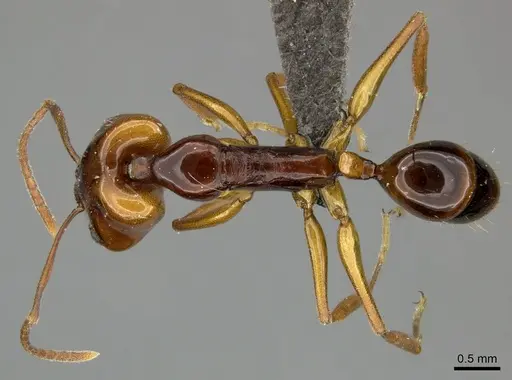
CASENT0820822
View on AntWeb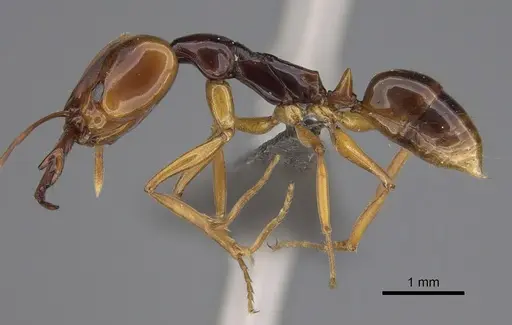
CASENT0915163
View on AntWeb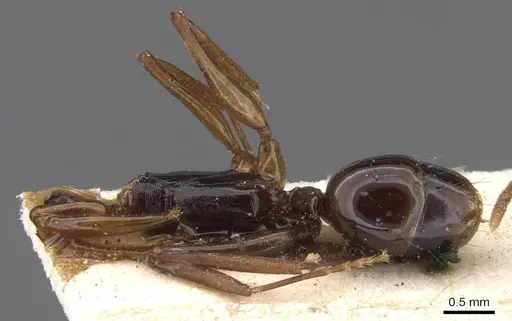
CASENT0915164
View on AntWeb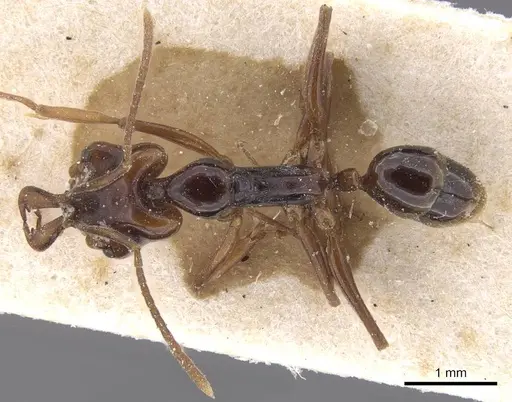
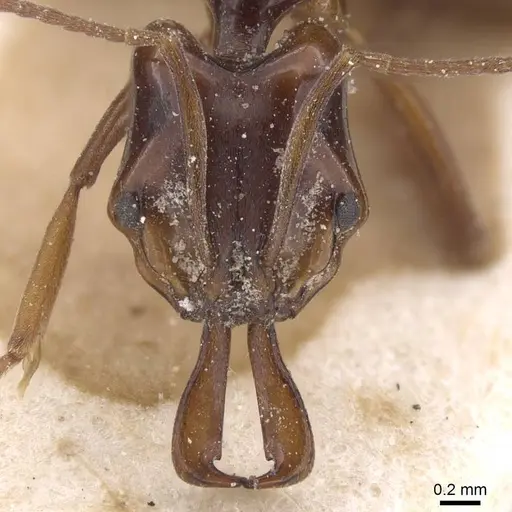
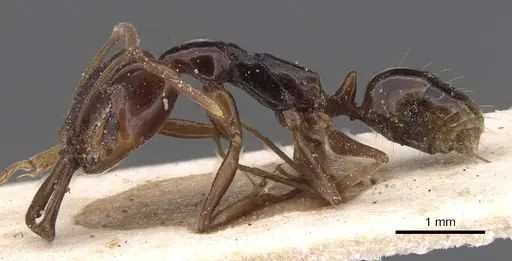
RMCAENT000017741
View on AntWeb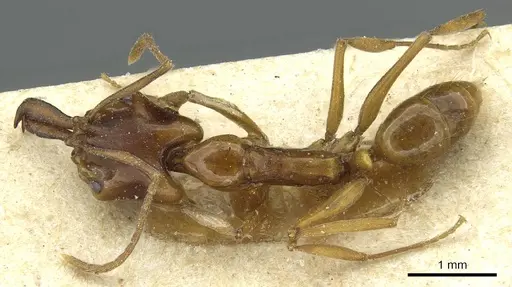
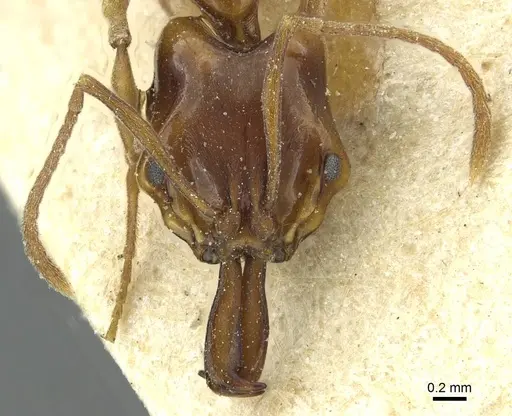
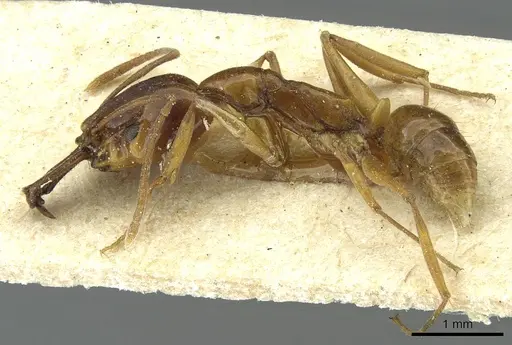
RMCAENT000017742
View on AntWeb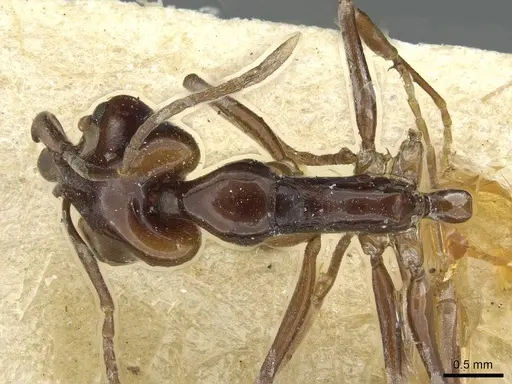
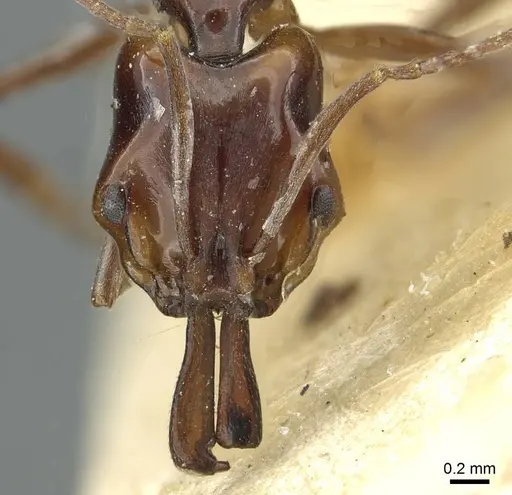
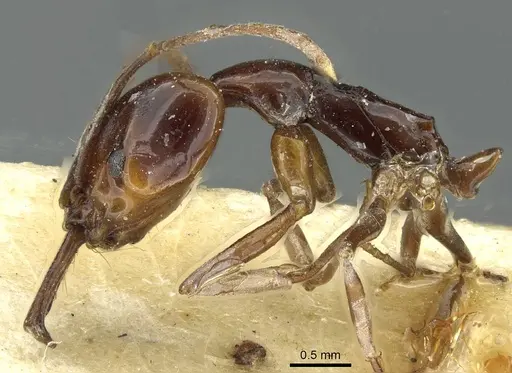
SAM-HYM-C009619
View on AntWeb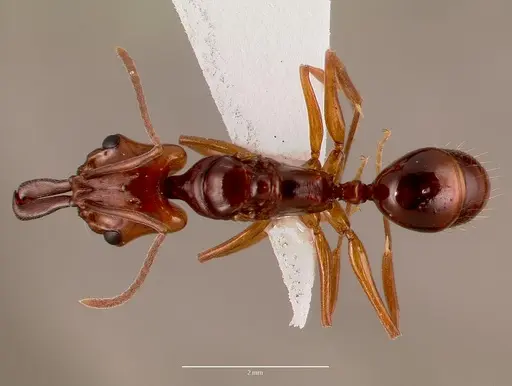
SAM-HYM-C010189A
View on AntWeb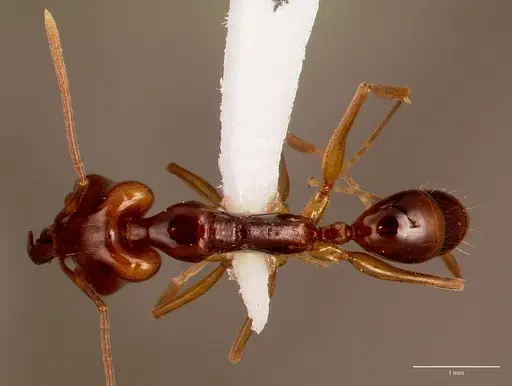
Literature
Loading distribution map...Loading products...