
Anochetus madagascarensis
- Sci. Name
- Anochetus madagascarensis
- Tribe
- Ponerini
- Subfamily
- Ponerinae
- Author
- Forel, 1887
- Distribution
- Found in 3 countries
Introduction
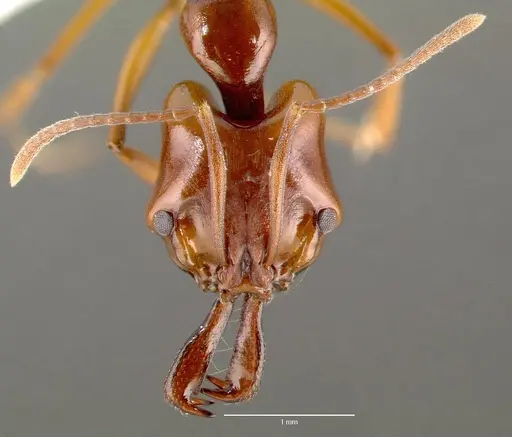
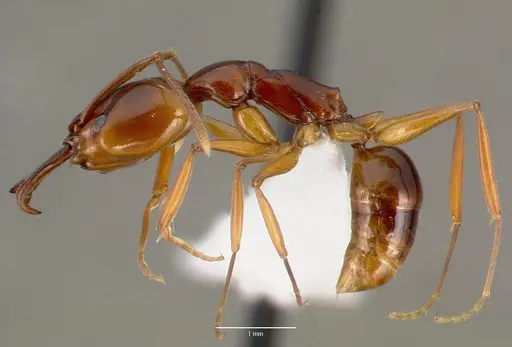
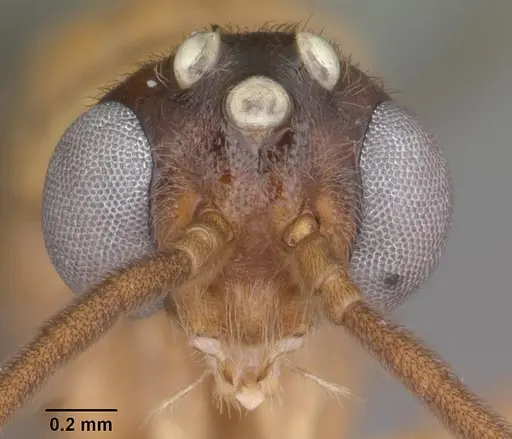
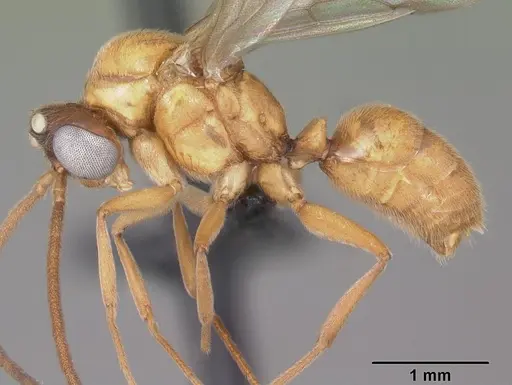
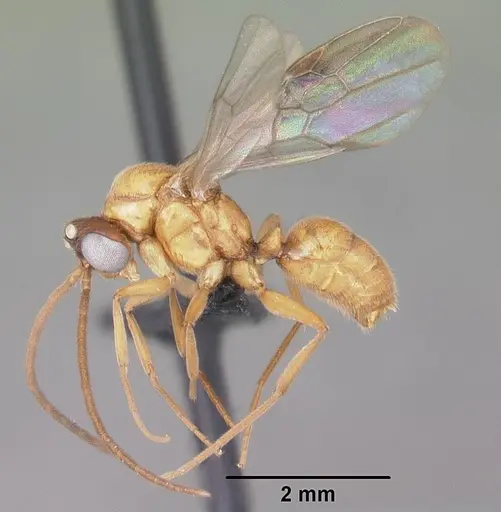
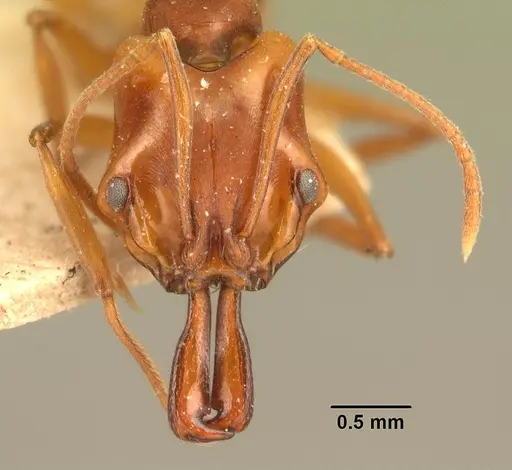
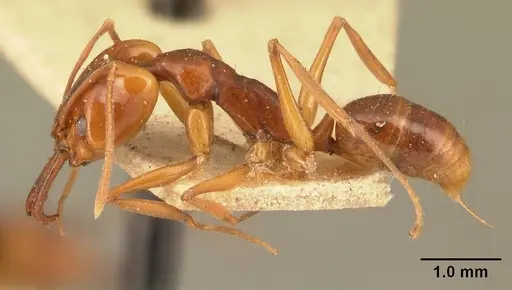
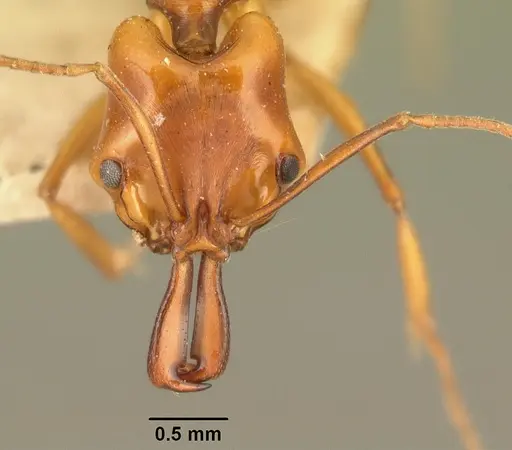
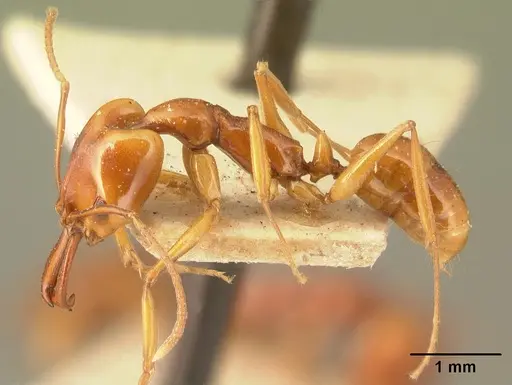
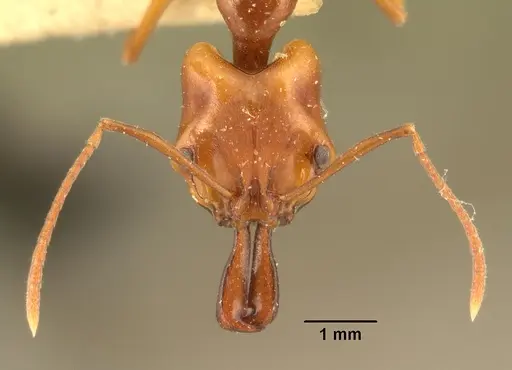
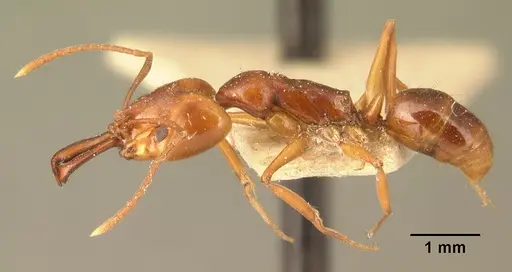
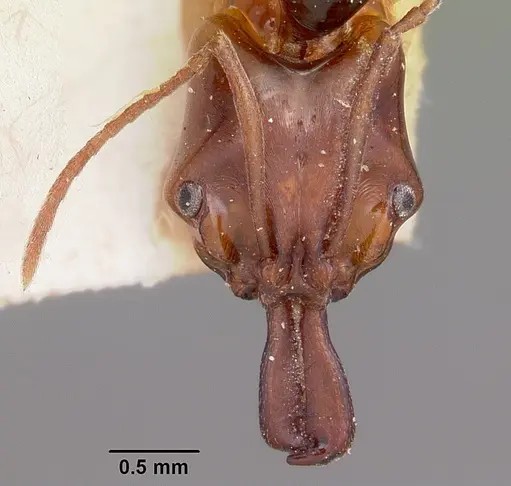
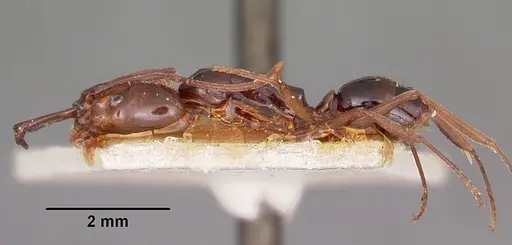
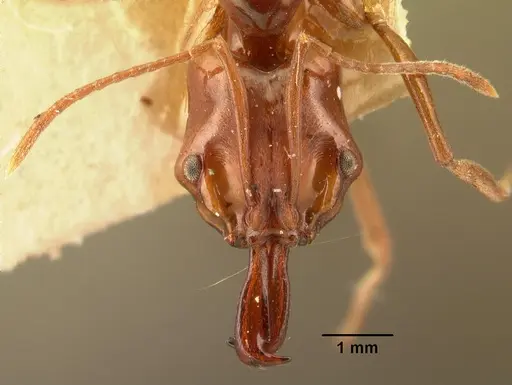
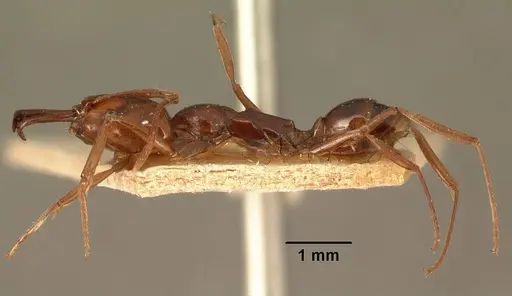
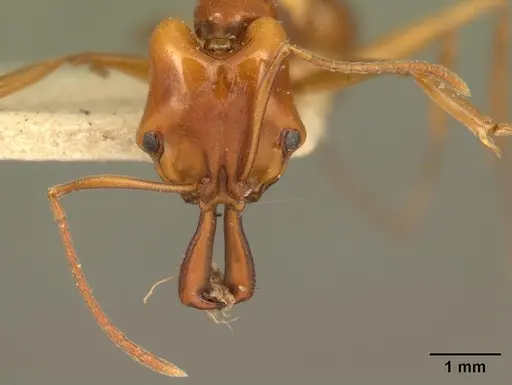
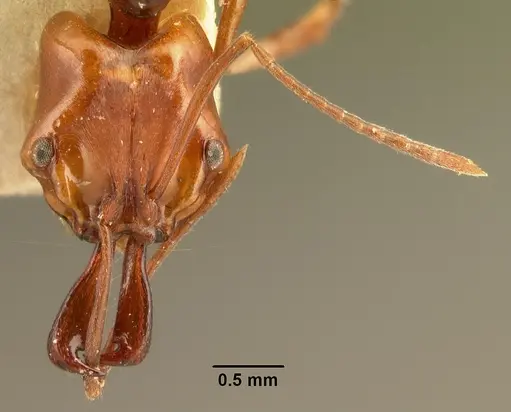
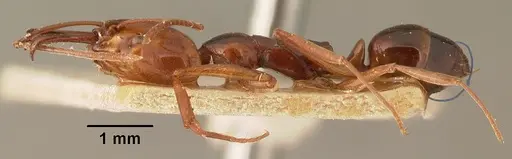
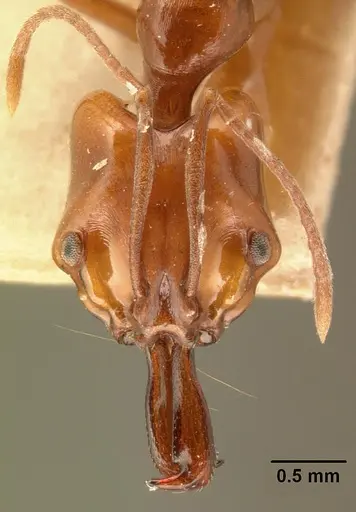
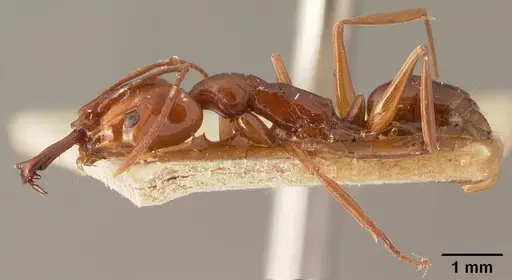
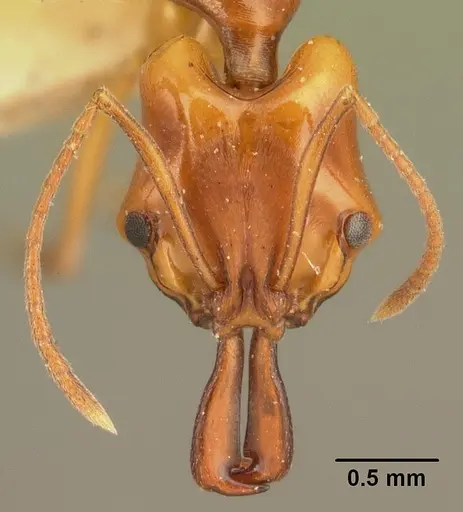
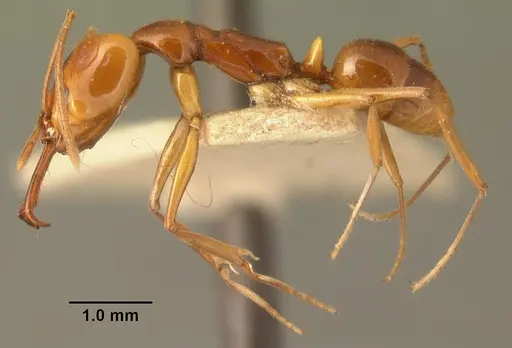
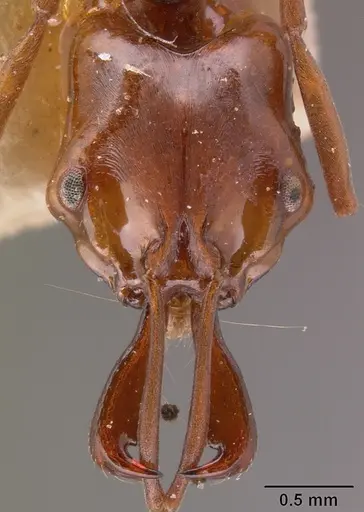
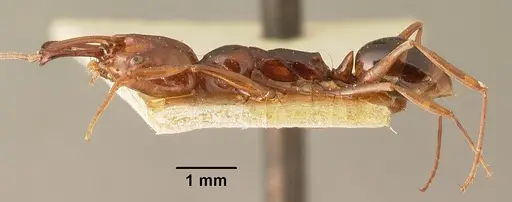
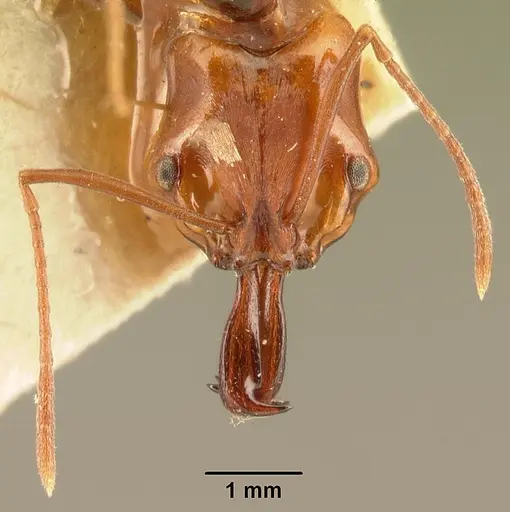
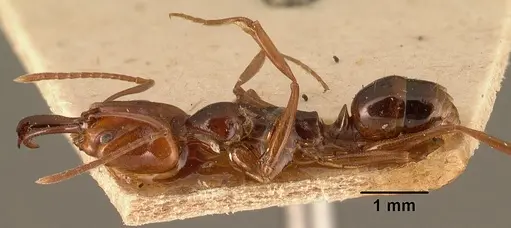
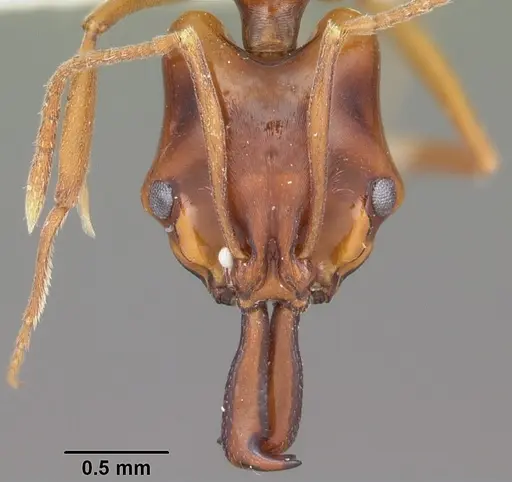
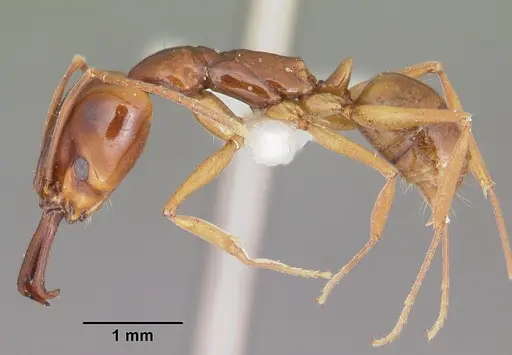
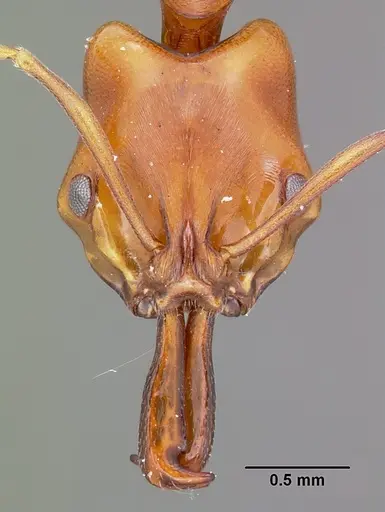
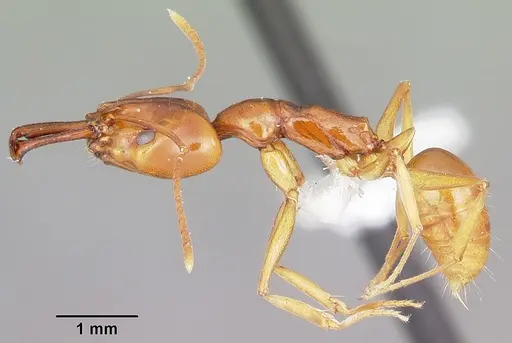
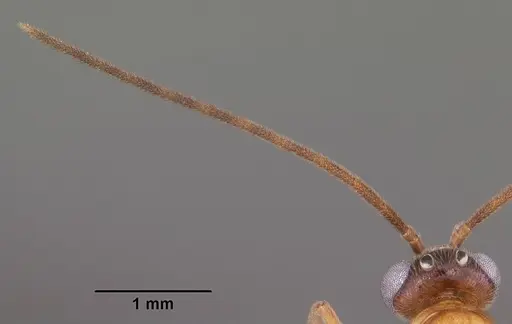
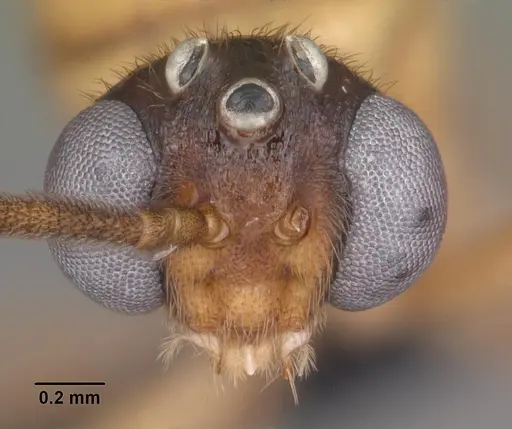
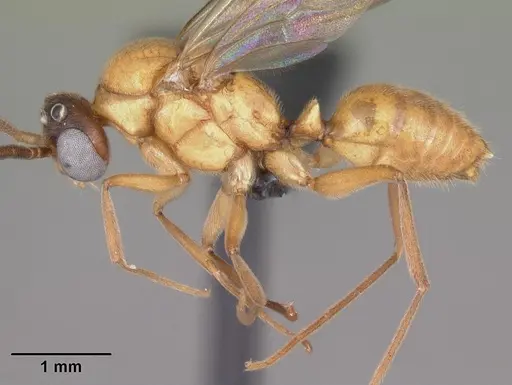
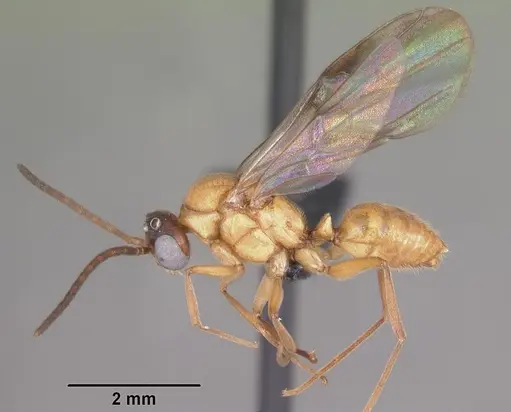
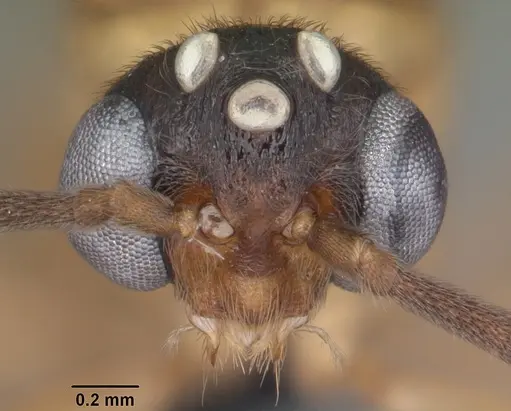
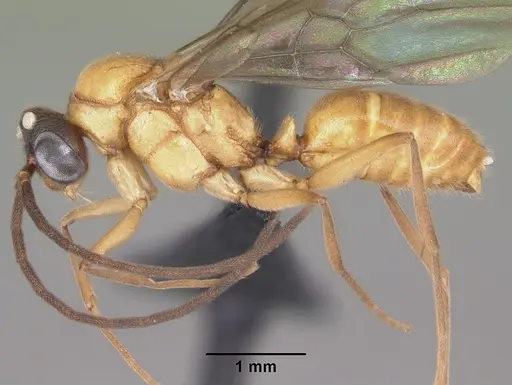
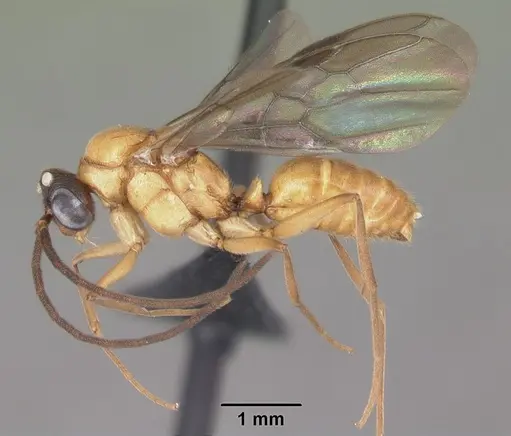
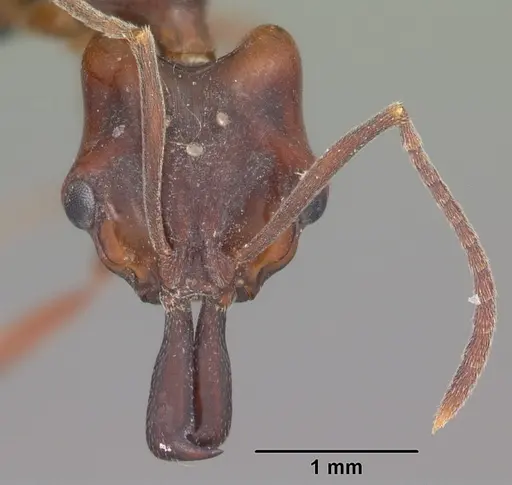
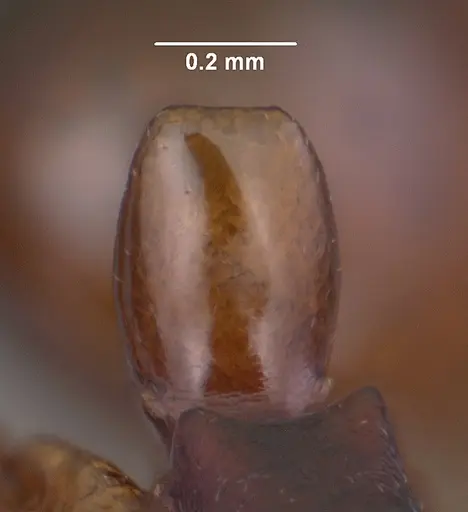
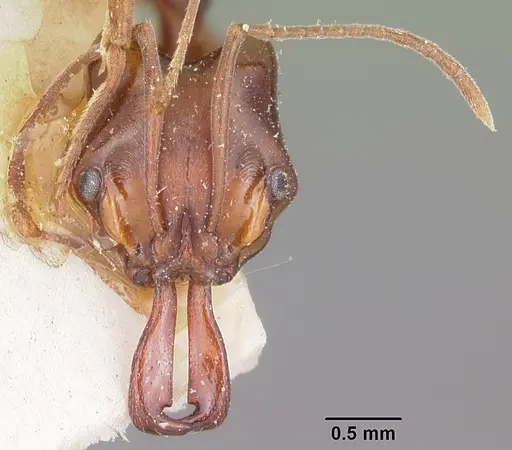
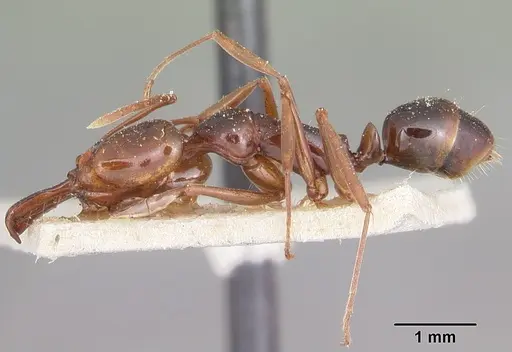
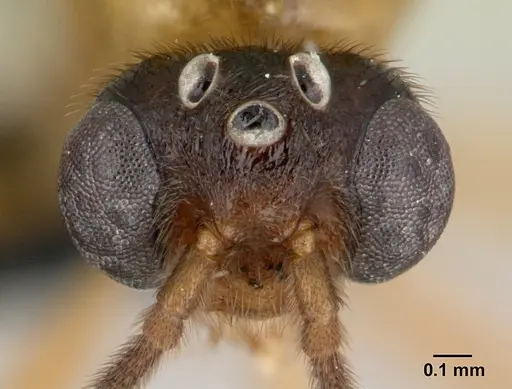
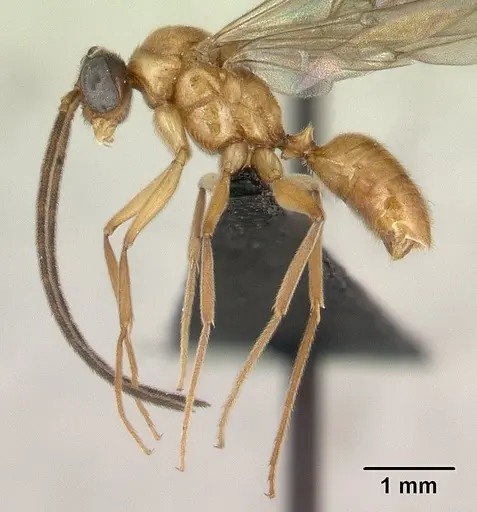
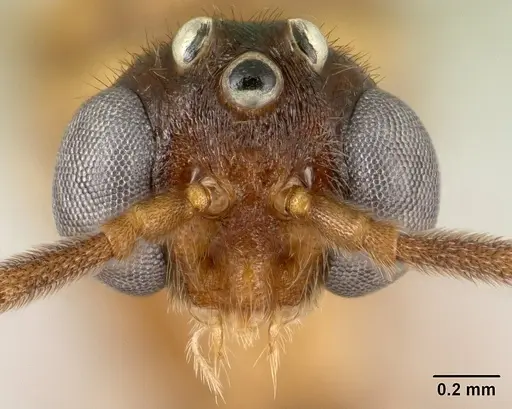
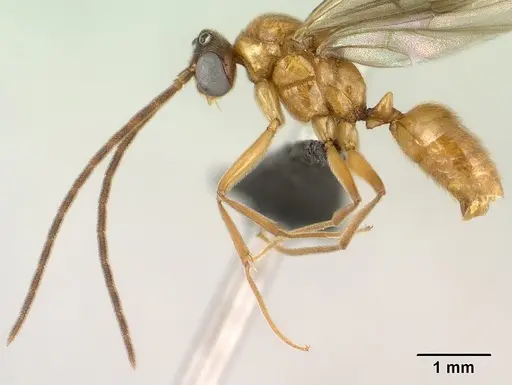
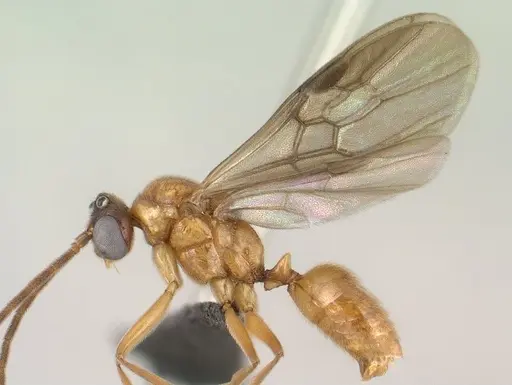
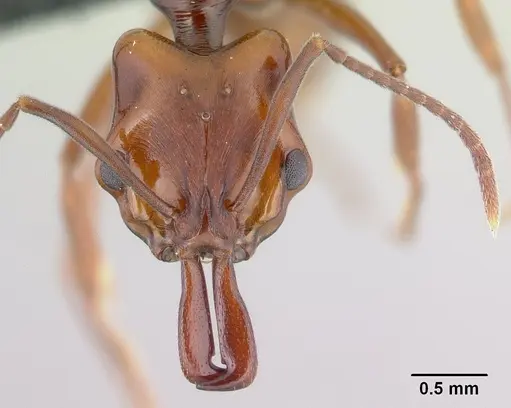
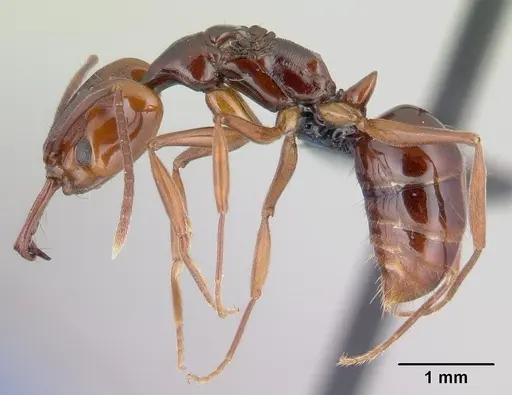
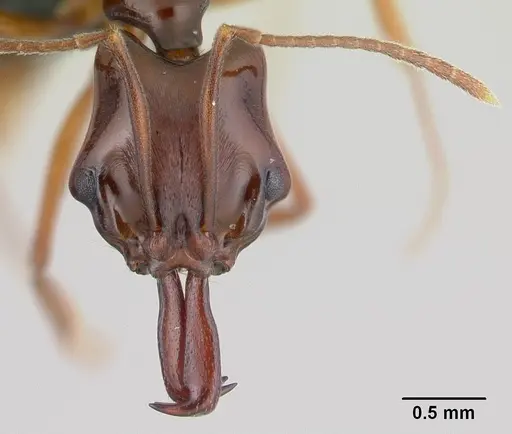
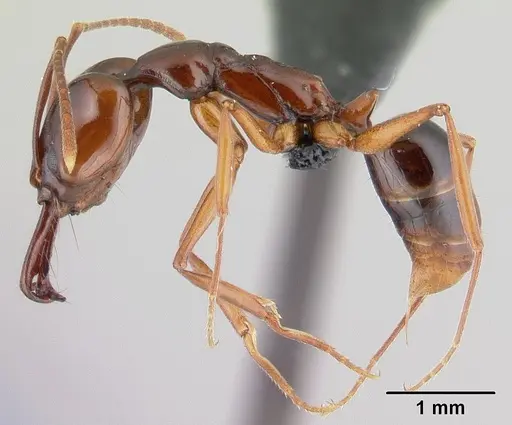
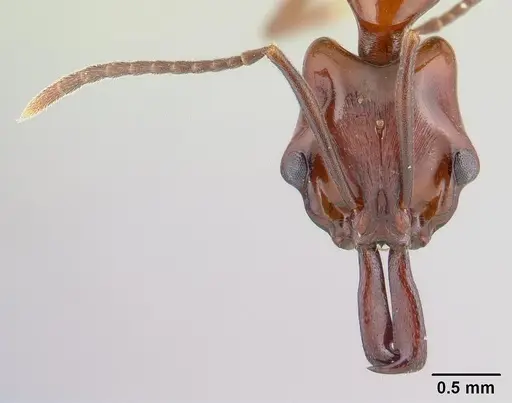
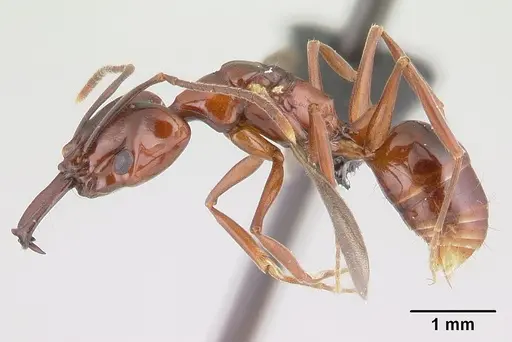
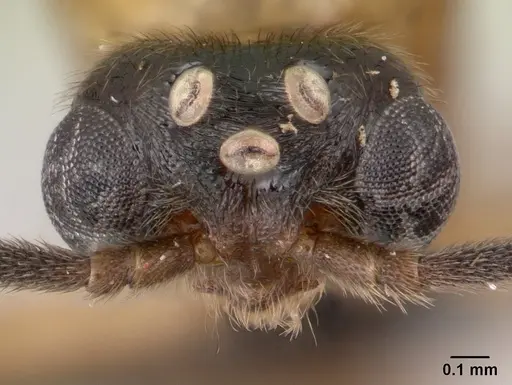
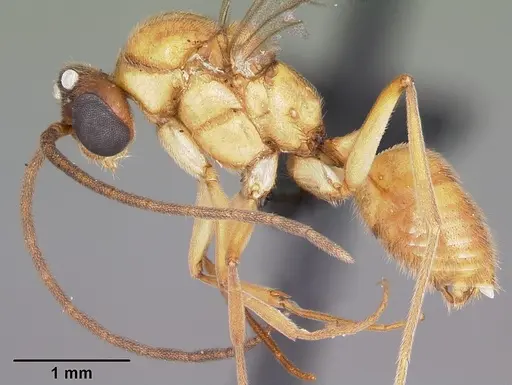
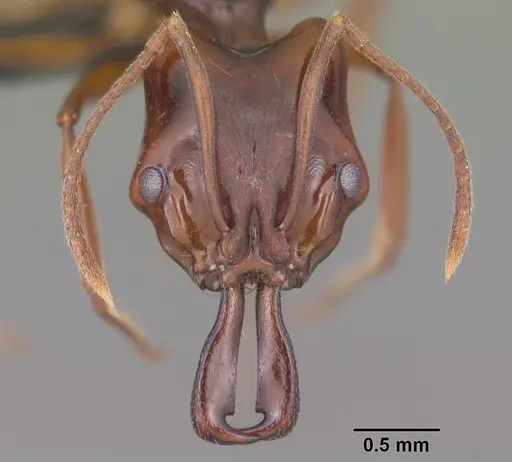
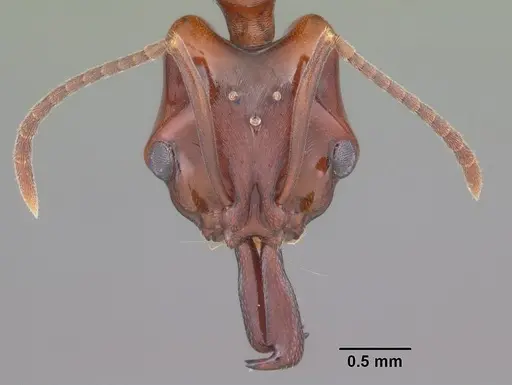
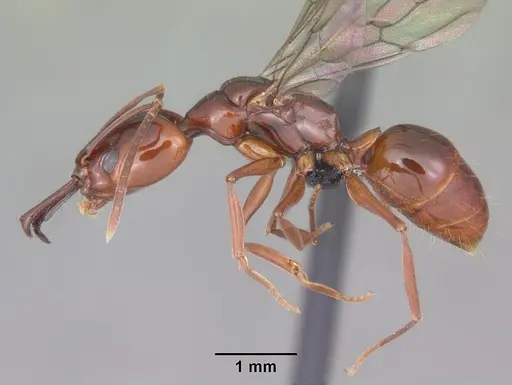
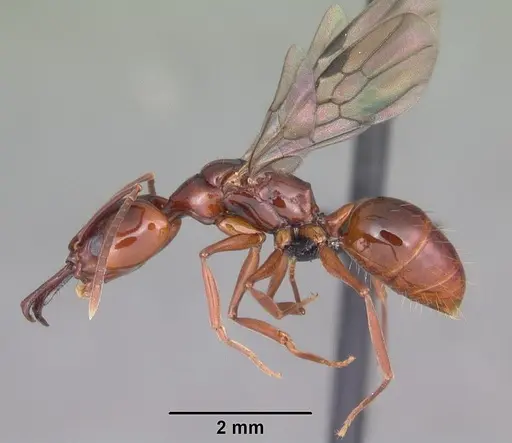
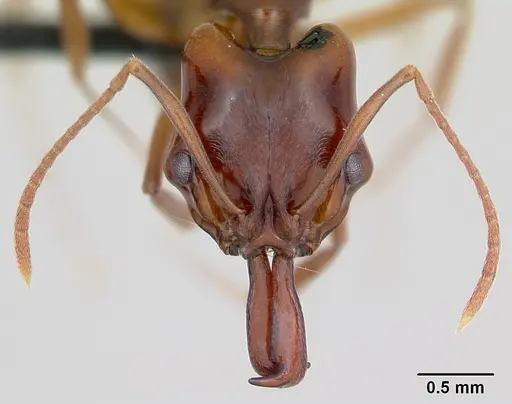
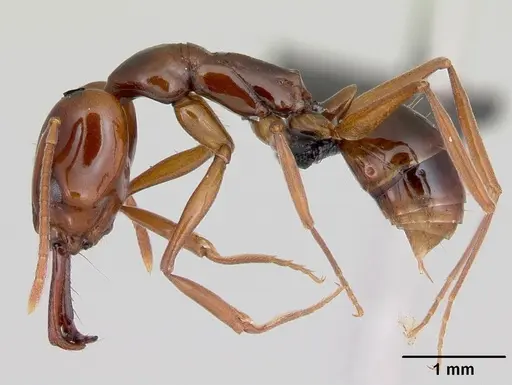
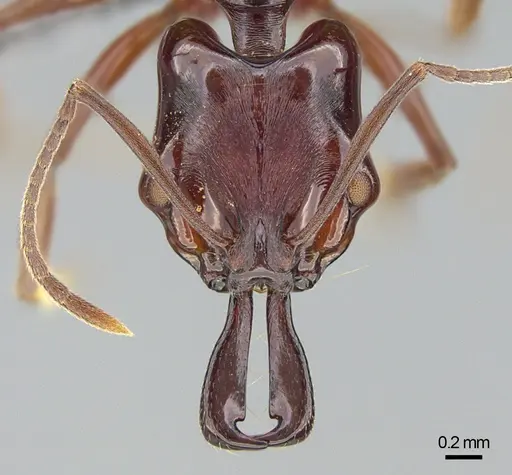
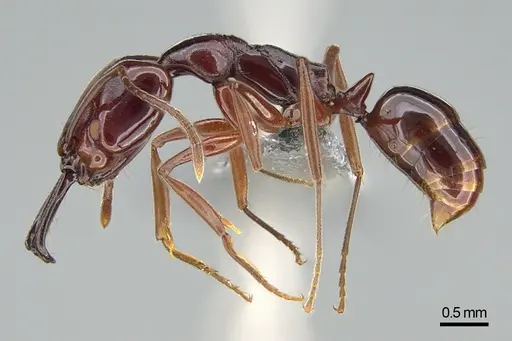
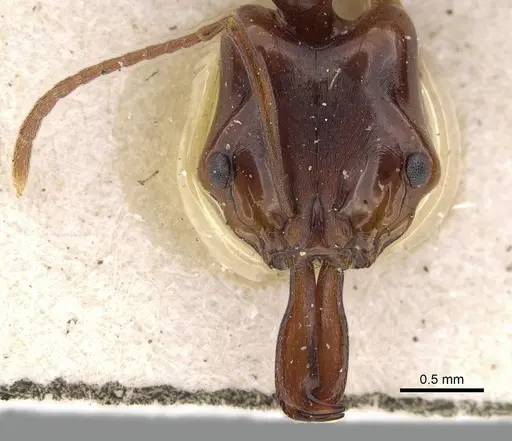
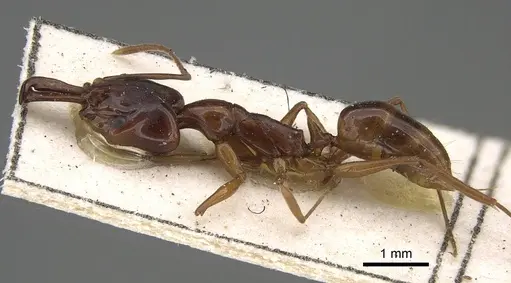
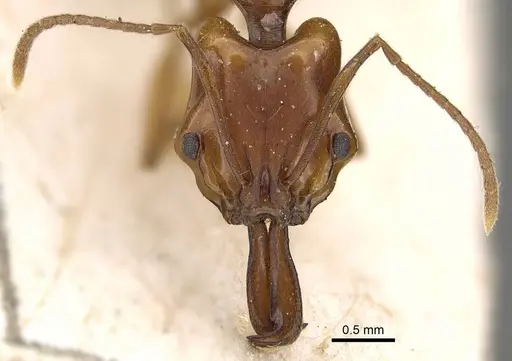
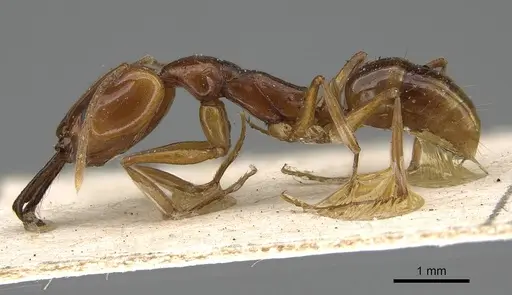
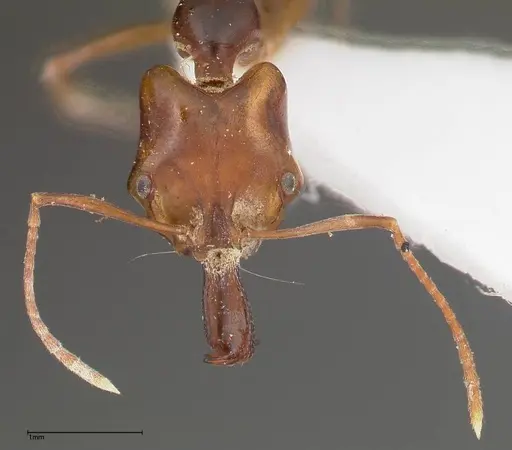
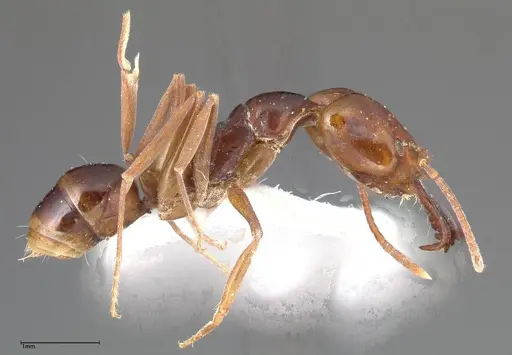
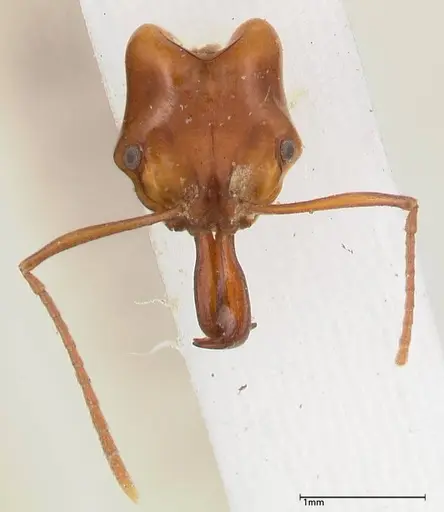
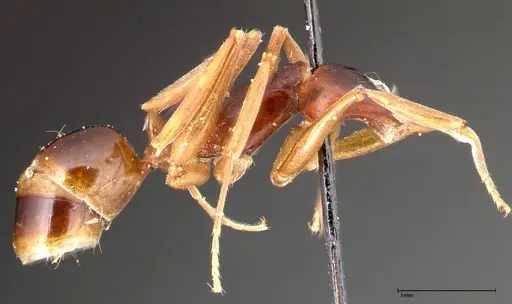
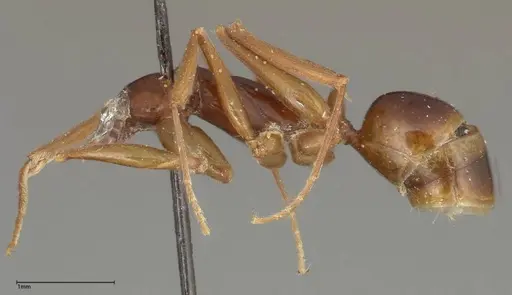
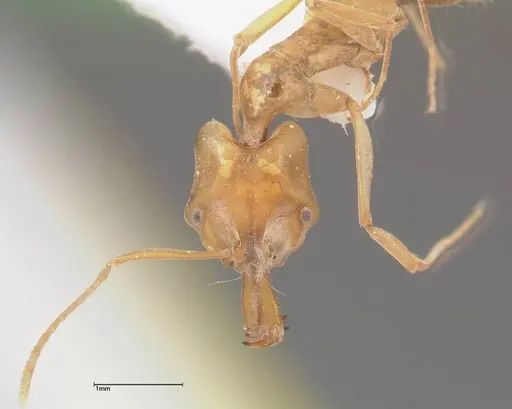
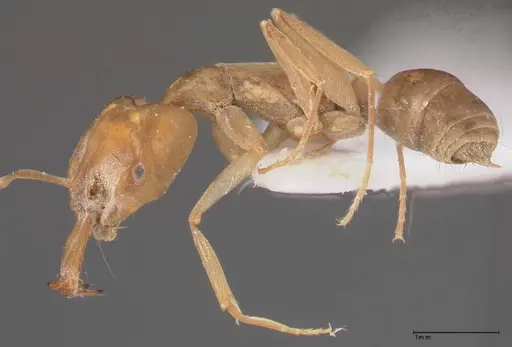
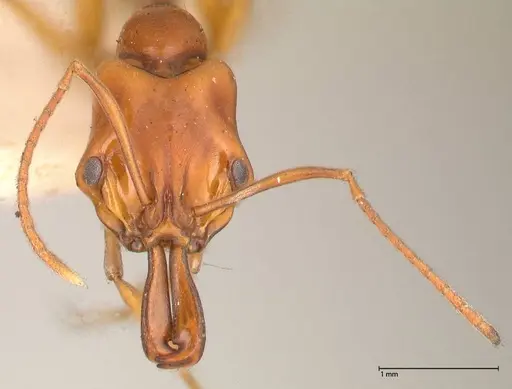
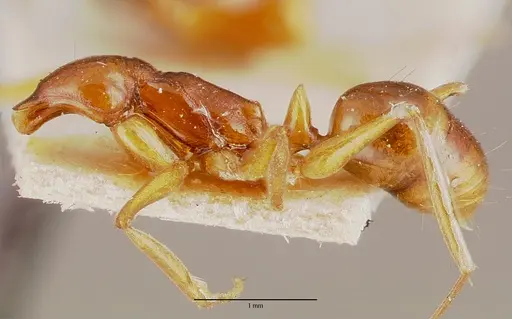
Anochetus madagascarensis is a trap-jaw ant native to Madagascar and the Comoros. Workers are small ants, roughly 4-6mm total length, with noticeably large eyes that project upward from the head, and antennae that extend past the back of the head when viewed from above . They live throughout Madagascar and Mayotte in forests and shrublands below 1100 meters elevation, from dry spiny bush thickets to moist montane forests . Unlike their close relatives Anochetus grandidieri, these ants have longer antennae and bigger eyes, which matches their habit of nesting and hunting above the soil layer . They prefer to nest in rotten logs and leaf litter, with occasional colonies found in dead twigs above ground or rot pockets in trees . Males fly at dusk and early evening rather than during the day, and have been collected in traps every month of the year, suggesting year-round reproductive activity .
Quick Summary
- Difficulty: Hard
- Origin & Habitat: Madagascar and Comoros (Mayotte), found in gallery, dry, littoral, lowland, and montane forests, plus desert spiny bush thicket below 1100m elevation [1].
- Colony Type: Single-queen colonies (monogyne). Only one queen size exists and wingless ergatoid queens have not been recorded [1].
- Size & Growth:
- Queen: Approximately 6-8mm total length, inferred from Anochetus genus patterns [1].
- Worker: Approximately 4-6mm total length, inferred from Anochetus genus patterns [1].
- Colony: Unknown, likely small to moderate based on genus patterns.
- Growth: Unknown, likely slow to moderate.
- Development: Unknown, no specific data available for this species. (Development time is unconfirmed. Related Ponerinae species typically take 6-10 weeks at warm temperatures.)
- Antkeeping:
- Temperature: Tropical species. Keep around 24-26°C with a gentle heat gradient. Avoid temperatures below 20°C [1].
- Humidity: Moderate to high. In nature they nest in rotten logs and damp litter. Provide moist substrate that holds humidity without being waterlogged [1].
- Diapause: No, tropical species with year-round male activity observed [1].
- Nesting: Naturalistic setups with rotten wood or softwood blocks work well. Y-tong or plaster nests with small chambers also suit their size. They prefer above-ground or surface-level nesting sites [1].
- Behavior: Active predators that use trap-jaw mandibles to strike and capture small prey. They forage on the ground and low vegetation [1]. Workers are moderately fast and can squeeze through small gaps due to their small size, so use fine mesh barriers. Like all Ponerinae, they possess a stinger and can use their mandibles defensively if threatened.
- Common Issues: queens are rarely available in the ant trade, making colonies difficult to start., workers require small live prey and may starve if only offered dead insects., maintaining proper humidity to simulate rotten log conditions without causing mold., escape prevention is necessary as workers can squeeze through small gaps.
Nest Preferences
In the wild, Anochetus madagascarensis shows a strong preference for nesting in rotten logs (99 collection records) and sifted leaf litter (41 records) [1]. They also occasionally use dead twigs above ground, rot pockets in trees, and ground nests [1]. This suggests they need moist, decaying wood or similar substrate that holds humidity without being wet.
In captivity, provide a naturalistic setup with pieces of soft rotten wood or cork bark. You can also use Y-tong (autoclaved aerated concrete) nests or plaster nests with small chambers sized to their small body length. Keep the nest area moderately humid, the substrate should feel damp to the touch but not drip water. A hydration chamber or water tower helps maintain this balance without flooding.
Feeding and Diet
As trap-jaw ants, Anochetus madagascarensis are active predators that hunt small live prey. Their large eyes and longer antennae suggest they forage visually and tactilely above the ground layer [1]. They likely feed on small soft-bodied arthropods like springtails, mites, and tiny insect larvae.
In captivity, offer small live prey such as springtails, fruit flies, or pinhead crickets. They may not accept dead insects or sugary liquids readily, as they are specialized hunters. Feed small amounts frequently rather than large prey items, as their trap-jaw mechanism works best on prey roughly their own size or smaller. Remove uneaten prey within 24 hours to prevent mold in their humid nest environment.
Temperature and Care
Coming from tropical Madagascar and Comoros, these ants need warm stable temperatures year-round [1]. Males fly in every month of the year, confirming no winter dormancy is needed [1].
Keep the nest area around 24-26°C with a gentle gradient, place a heating cable or mat on one side of the nest so they can choose their preferred temperature. Avoid letting temperatures drop below 20°C for extended periods. Because they need humidity, ensure good ventilation while maintaining moisture to prevent mold growth. A small fan or ventilated lid helps air circulation without drying out the nest completely.
Behavior and Temperament
Anochetus madagascarensis uses the classic trap-jaw mechanism, their mandibles can snap shut with incredible speed to capture prey or flip themselves away from danger. They are active hunters with good vision due to their large, projecting eyes [1].
The species shows an unusual activity pattern: males swarm and fly at dusk and early evening rather than during midday [1]. This crepuscular (dawn/dusk) behavior might mean the colony is more active during low-light periods, though workers forage throughout the day. They are not typically aggressive toward humans, but like all Ponerinae, they possess a stinger and can use their mandibles defensively if threatened.
Colony Founding
Founding behavior is unconfirmed for Anochetus madagascarensis. Whether queens seal themselves in to raise the first generation (claustral founding) or must leave to hunt (semi-claustral founding) has not been documented. Many related Anochetus species are semi-claustral, requiring the queen to forage during the founding stage, but this cannot be assumed for this species.
If you obtain a queen, provide her with a small, secure chamber with moist substrate and offer tiny live prey regularly until workers hatch. Do not disturb the founding chamber frequently, as trap-jaw queens are often sensitive to vibrations and light during this vulnerable period.
Growth and Development
The egg-to-worker timeline for Anochetus madagascarensis is unknown. Based on related Ponerinae trap-jaw ants, development likely takes several months at optimal temperatures, but this is speculative. Growth rate is probably slow to moderate, with colonies reaching maturity over one to two years.
First workers (nanitics) will be smaller than subsequent generations. Because colony size estimates are unavailable, expect small to moderate colonies of a few hundred workers at most, though this is inferred from genus patterns rather than direct observation.
Frequently Asked Questions
Can I keep Anochetus madagascarensis in a test tube?
Yes, but add substrate like a small piece of rotting wood or cotton that mimics their natural rotten log nests. Pure water test tubes may be too wet for their preferred humidity levels. Ensure the tube is dark and undisturbed.
How long until Anochetus madagascarensis gets their first workers?
The timeline is unknown. Based on related trap-jaw ants, expect several months from egg to first worker at 24-26°C, but this is unconfirmed. Monitor the queen's brood development and adjust temperature if development seems stalled.
Do Anochetus madagascarensis need hibernation?
No. They come from tropical Madagascar where males fly year-round. Keep them warm (24-26°C) consistently without a cold dormancy period.
Do Anochetus madagascarensis sting?
Yes, they can sting as they belong to the subfamily Ponerinae. However, due to their small size, any sting would be mild. They are more likely to use their trap-jaw mandibles for defense.
What do Anochetus madagascarensis eat?
They are predators that hunt small live prey. Offer springtails, fruit flies, pinhead crickets, or other tiny soft-bodied insects. They may not accept dead prey or sugary foods.
Are Anochetus madagascarensis good for beginners?
No. They are difficult to obtain, require live prey, and have specific humidity needs. Their care requirements and rarity make them suitable for experienced keepers rather than beginners.
Can I keep multiple Anochetus madagascarensis queens together?
Not recommended. This species appears to be monogyne (single-queen colonies), and combining unrelated queens has not been documented. Queens will likely fight until only one survives.
What is the best nest type for Anochetus madagascarensis?
Naturalistic setups with rotten wood or cork bark work best to mimic their wild nests in rotting logs. Alternatively, Y-tong or plaster nests with small chambers and good humidity retention suit their size and preferences.
Report an Issue
The current care sheet is based fully on literature. See inconsistencies, or something that's incorrect? Please , it will be resolved after review from an admin. Contributing to the blogs tab also helps providing information, to make us be able to further improve the caresheets. Thank you for your support!
References

This caresheet is licensed under CC BY-SA 4.0 .
Community Blogs
CASENT0005966
View on AntWeb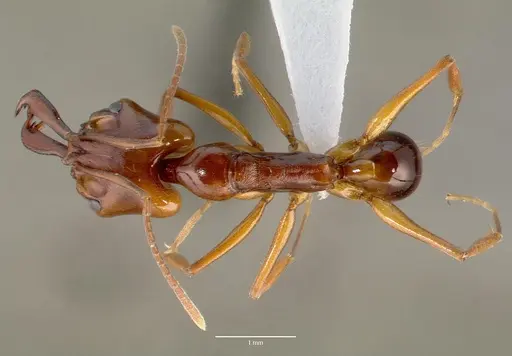
CASENT0049282
View on AntWeb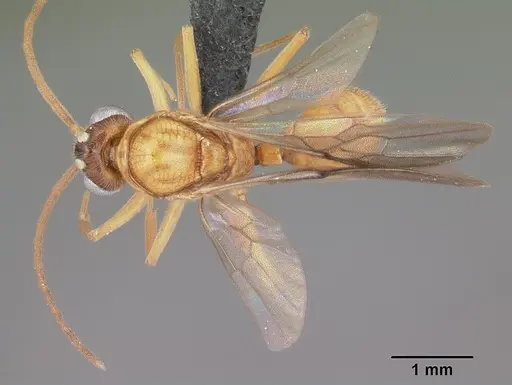
CASENT0101574
View on AntWeb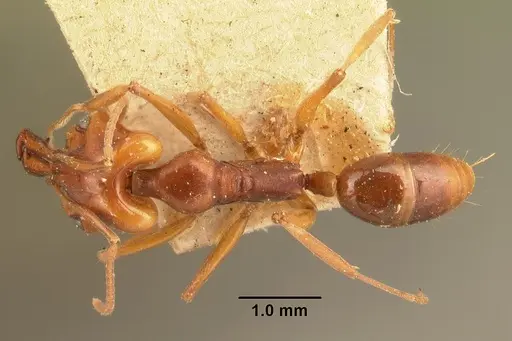
CASENT0101579
View on AntWeb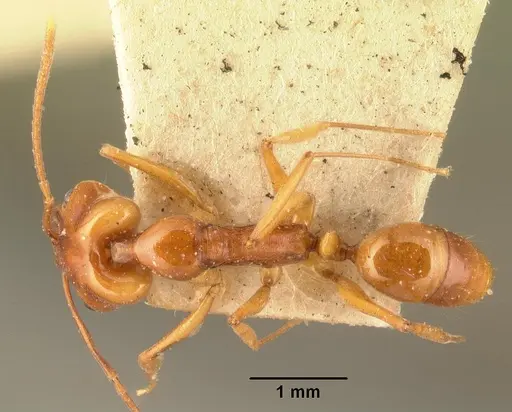
CASENT0101587
View on AntWeb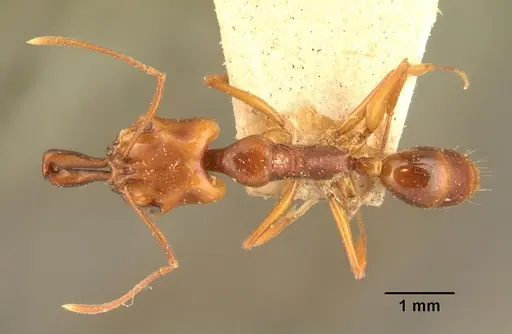
CASENT0101609
View on AntWeb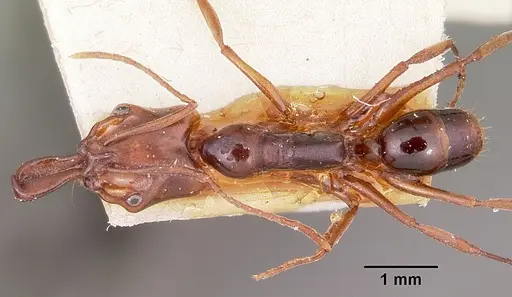
CASENT0101651
View on AntWeb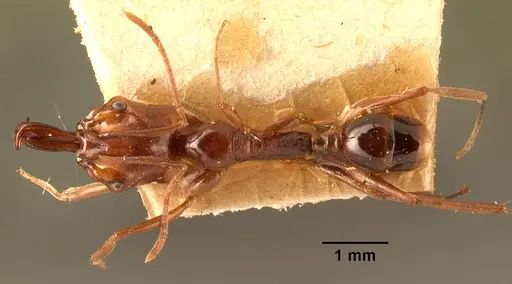
CASENT0101663
View on AntWeb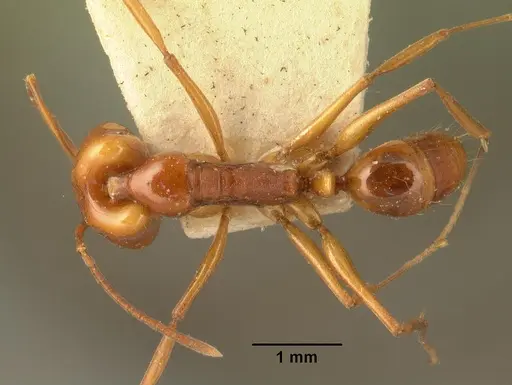
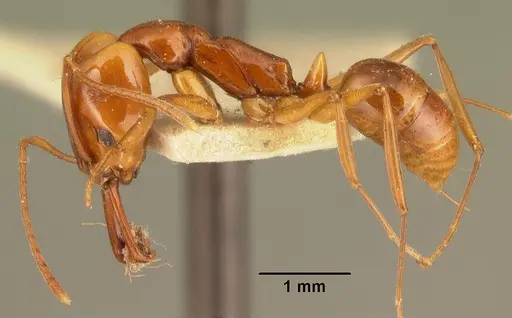
CASENT0101674
View on AntWeb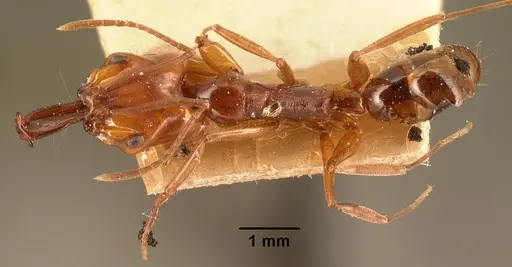
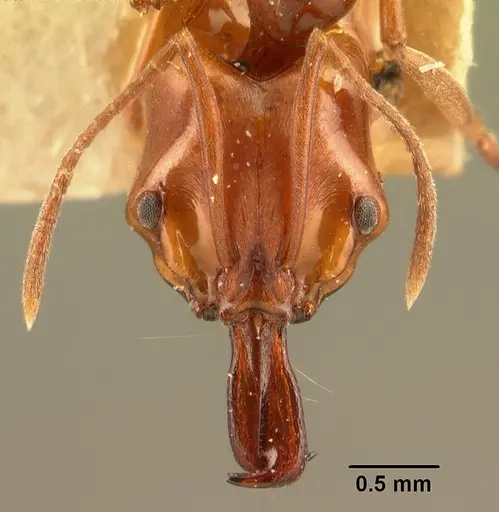
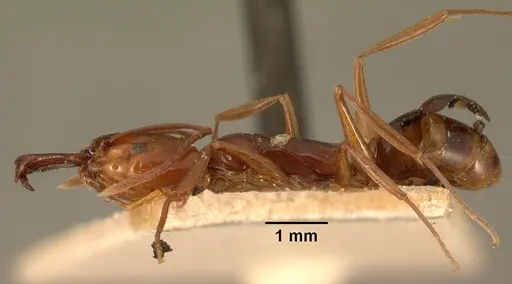
CASENT0101712
View on AntWeb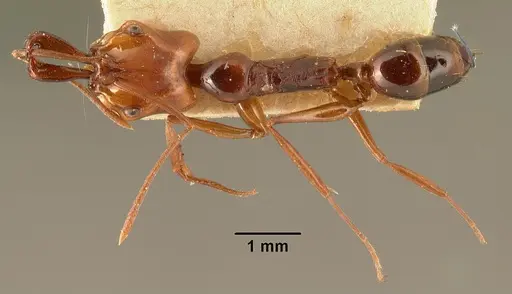
CASENT0101729
View on AntWeb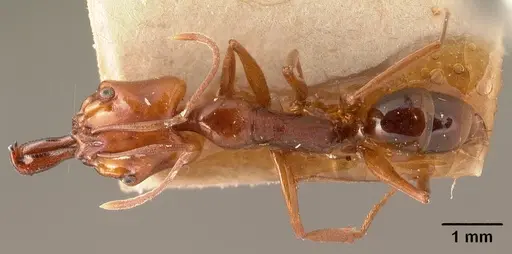
CASENT0101756
View on AntWeb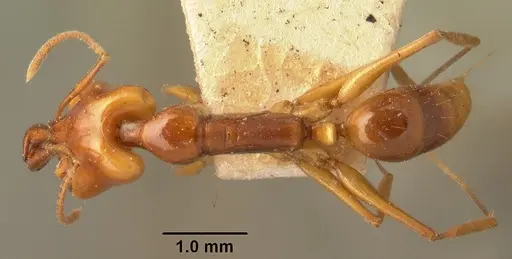
CASENT0101811
View on AntWeb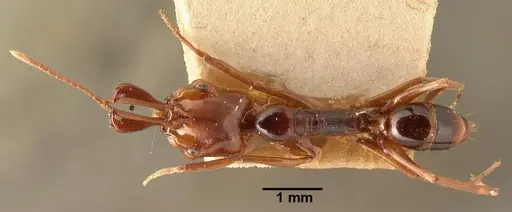
CASENT0101957
View on AntWeb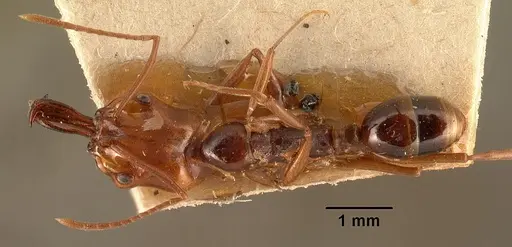
CASENT0102932
View on AntWeb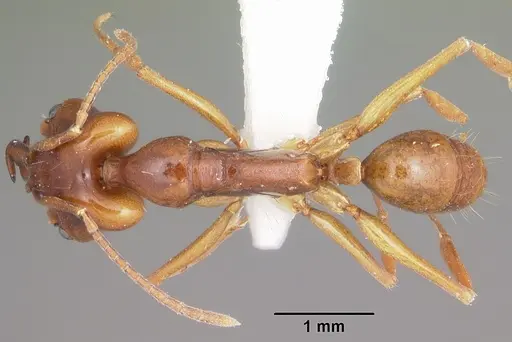
CASENT0102933
View on AntWeb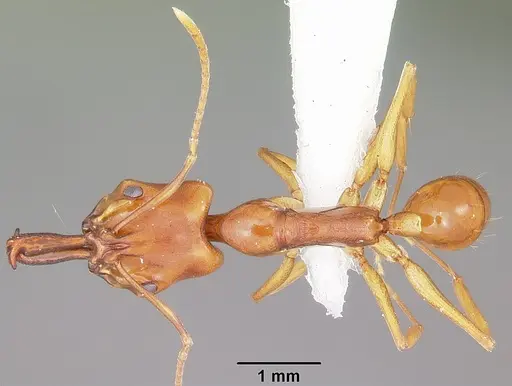
CASENT0104544
View on AntWeb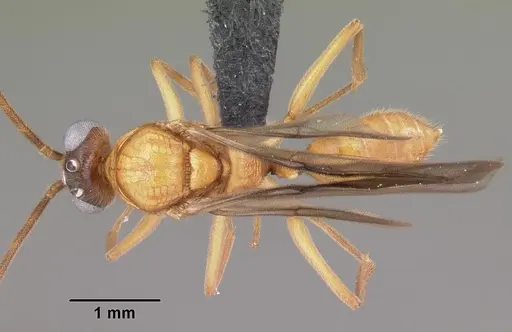
CASENT0104545
View on AntWeb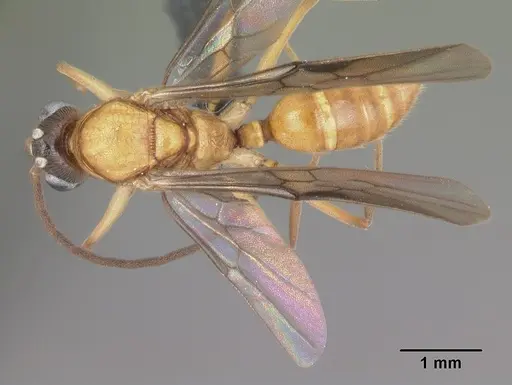
CASENT0104546
View on AntWeb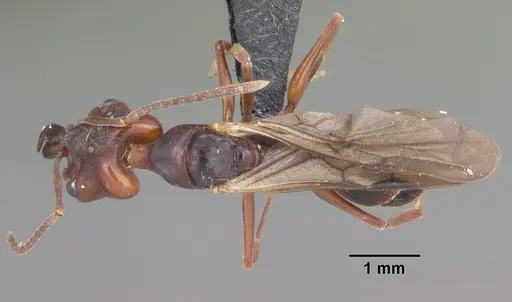
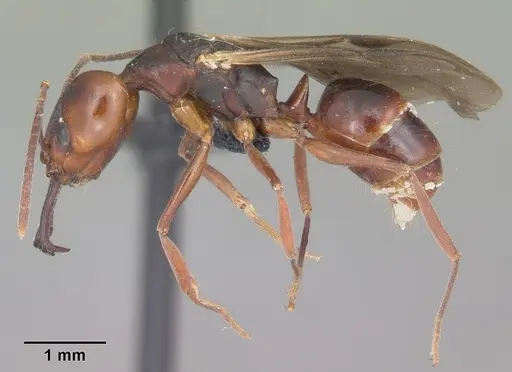
CASENT0104547
View on AntWeb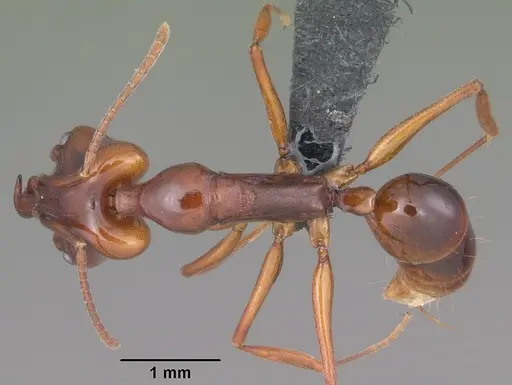
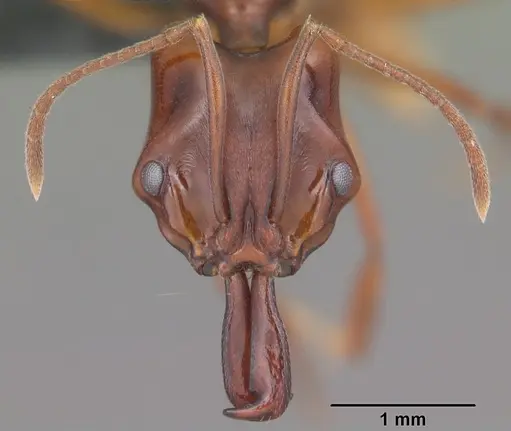
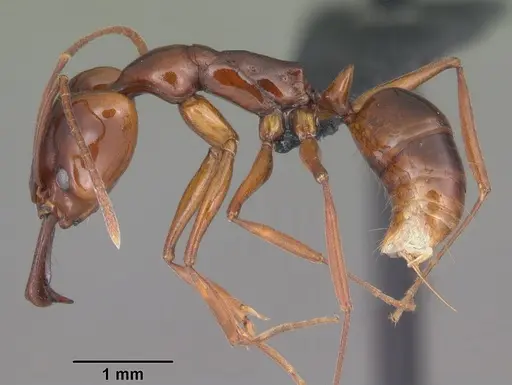
CASENT0104554
View on AntWeb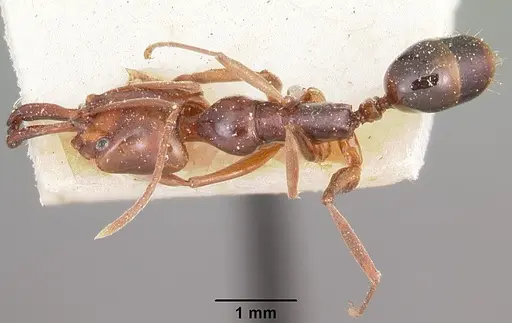
CASENT0133132
View on AntWeb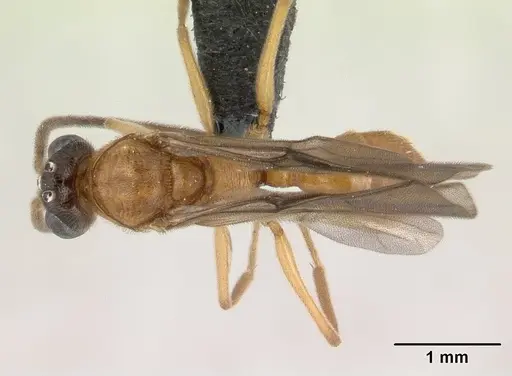
CASENT0138425
View on AntWeb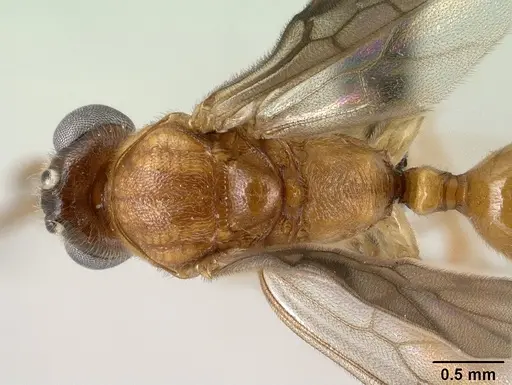
CASENT0146279
View on AntWeb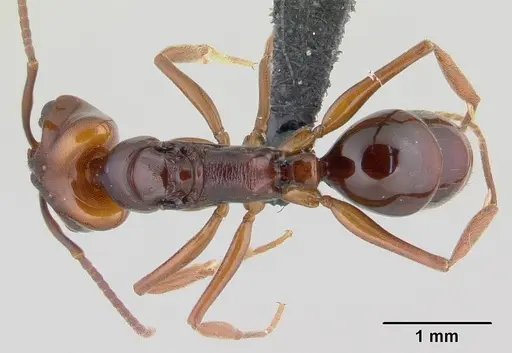
CASENT0146313
View on AntWeb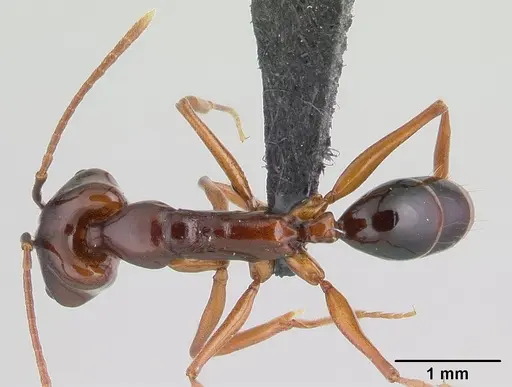
CASENT0146338
View on AntWeb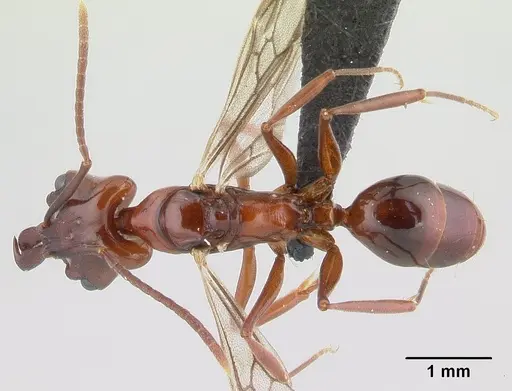
CASENT0146567
View on AntWeb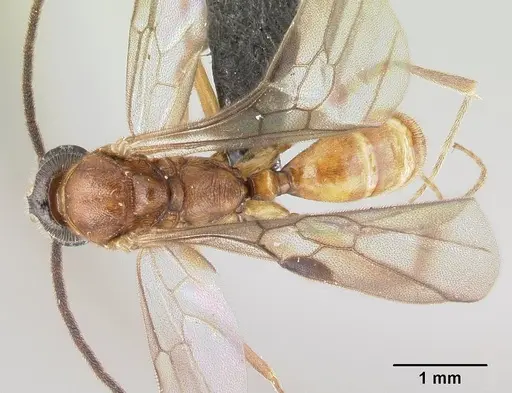
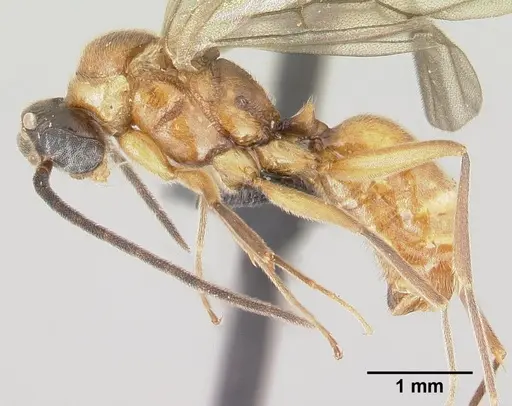
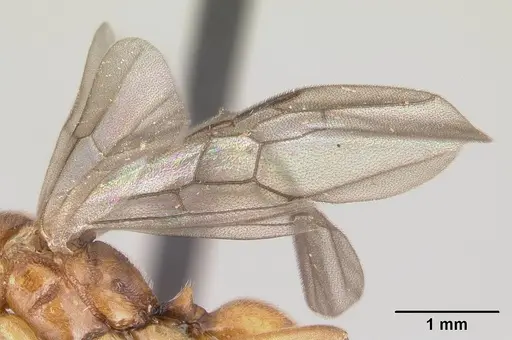
CASENT0442379
View on AntWeb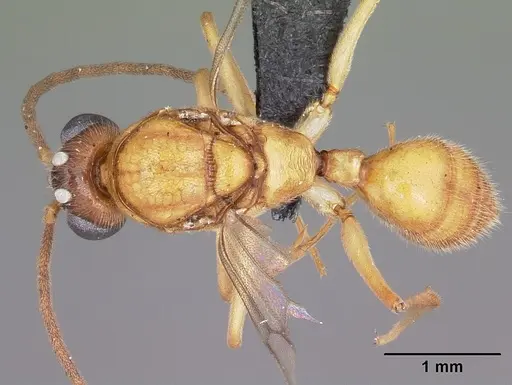
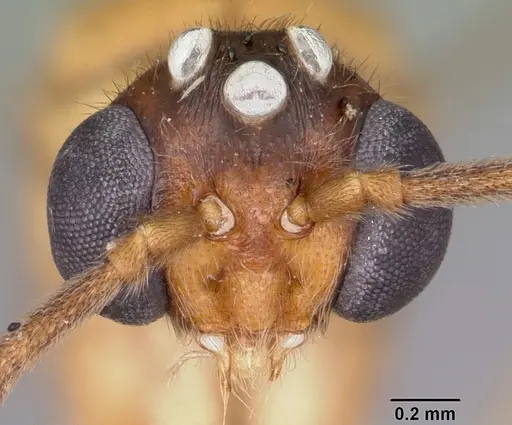
CASENT0447670
View on AntWeb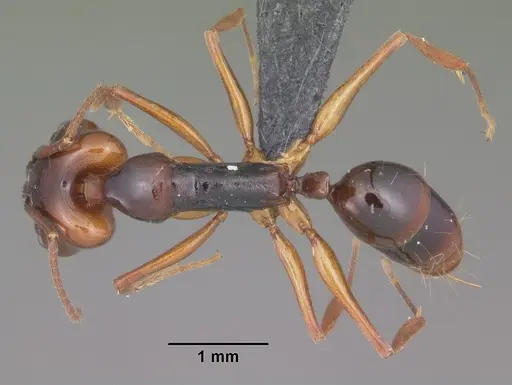
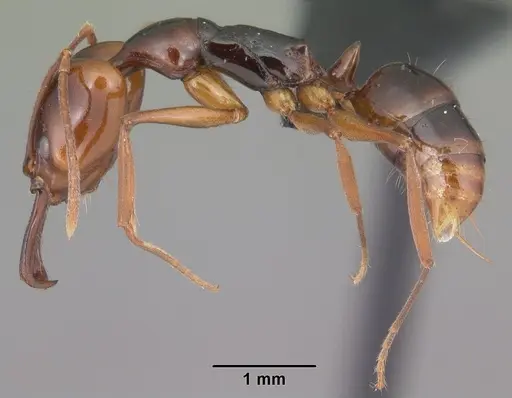
CASENT0494333
View on AntWeb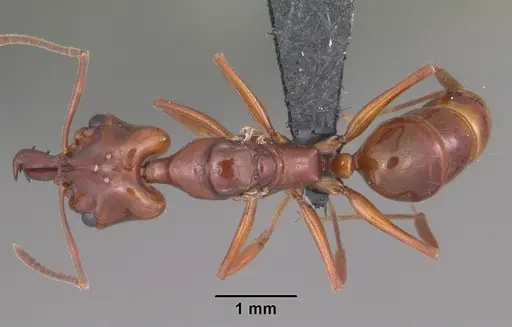
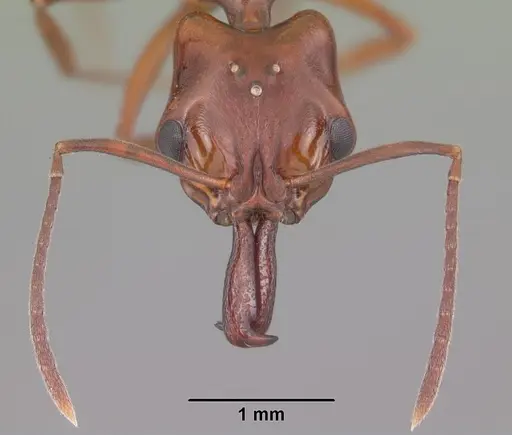
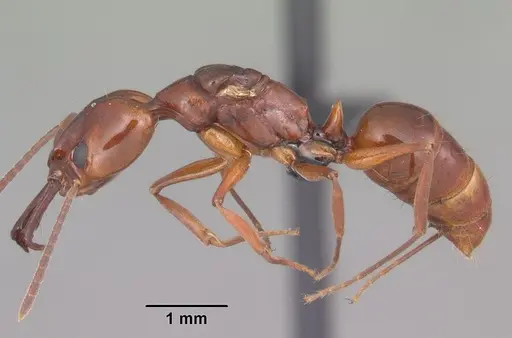
CASENT0498419
View on AntWeb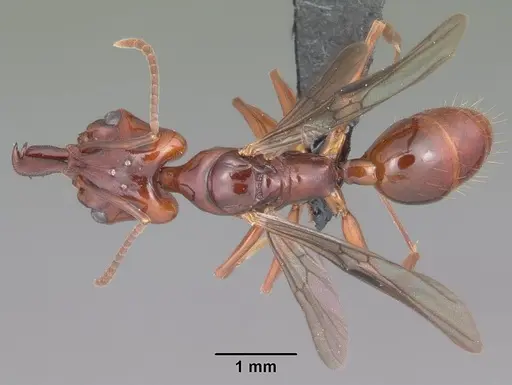
CASENT0498593
View on AntWeb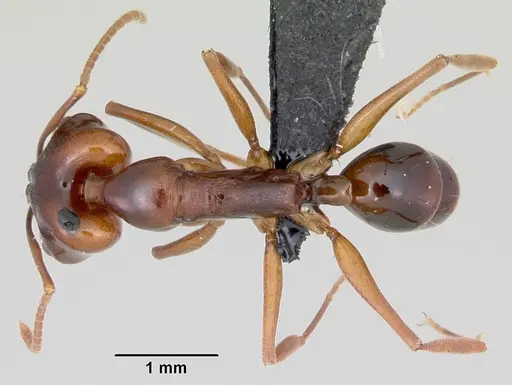
CASENT0745881
View on AntWeb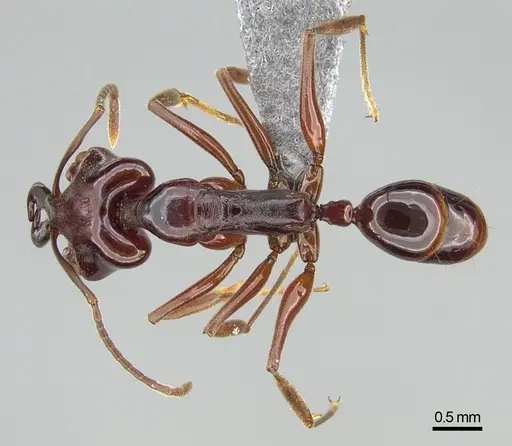
CASENT0922439
View on AntWeb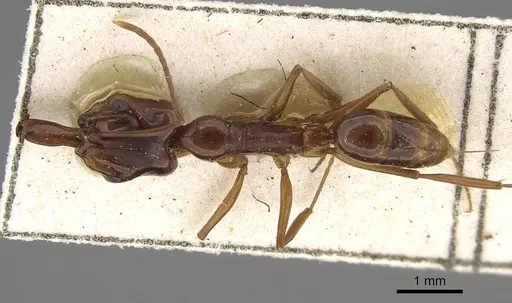
CASENT0922440
View on AntWeb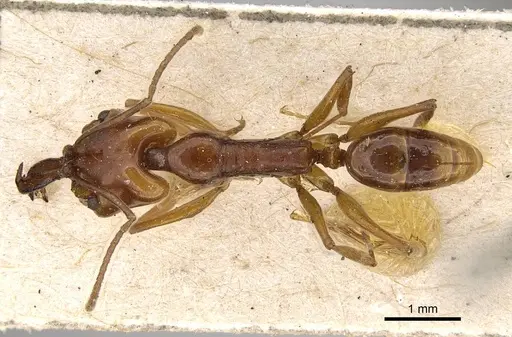
FOCOL0346
View on AntWeb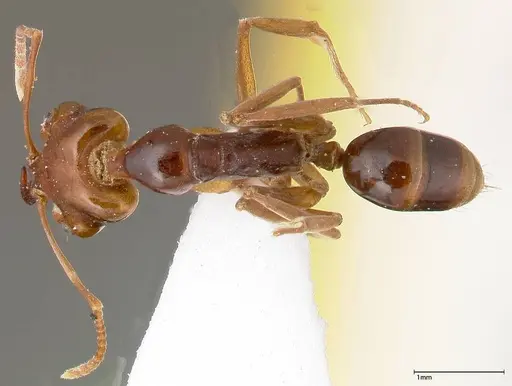
FOCOL0347
View on AntWeb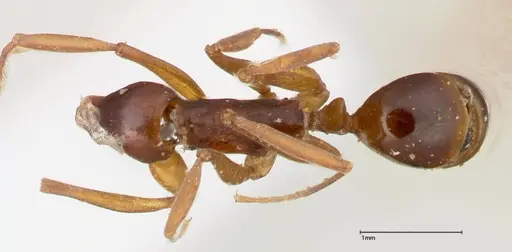
FOCOL0348
View on AntWeb
FOCOL0585
View on AntWeb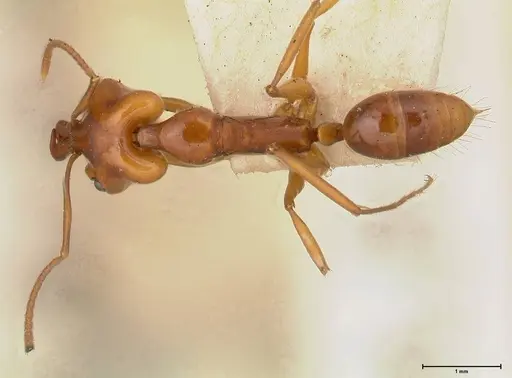
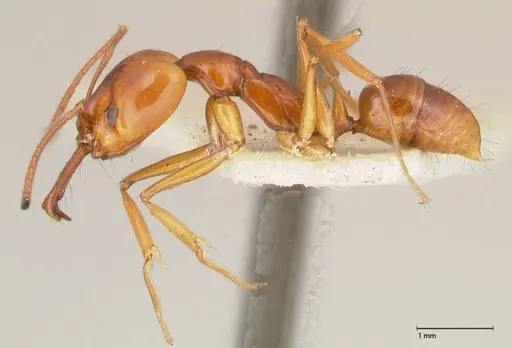
MCZTYPE20512
View on AntWeb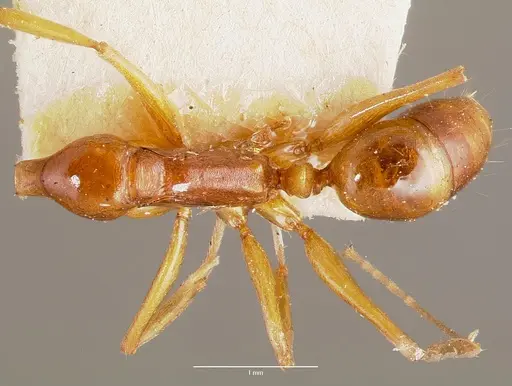
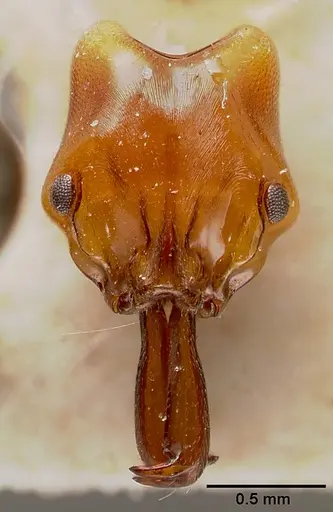
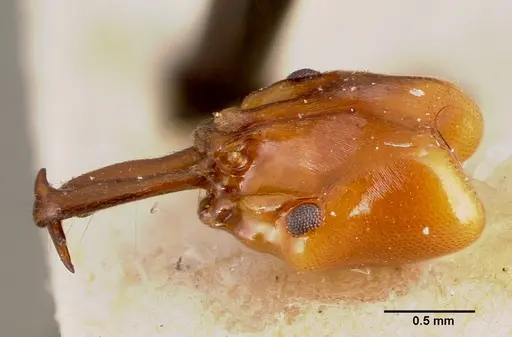
Literature
Loading distribution map...Loading products...