
Anochetus grandidieri
- Sci. Name
- Anochetus grandidieri
- Tribe
- Ponerini
- Subfamily
- Ponerinae
- Author
- Forel, 1891
- Distribution
- Found in 1 countries
Introduction
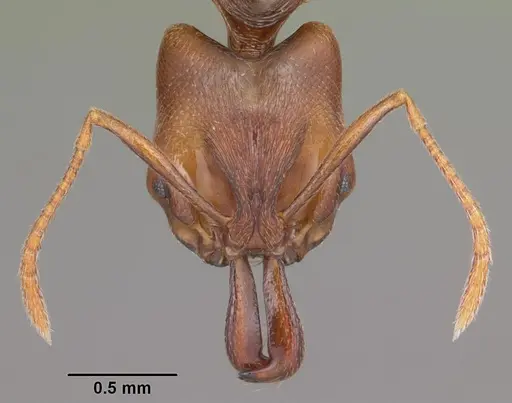
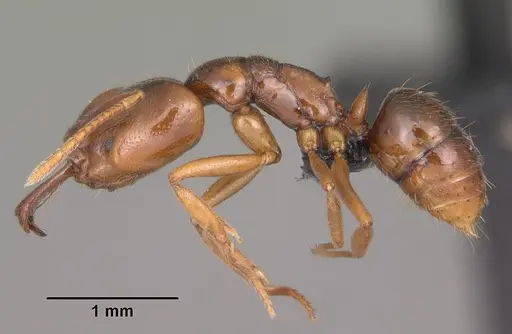
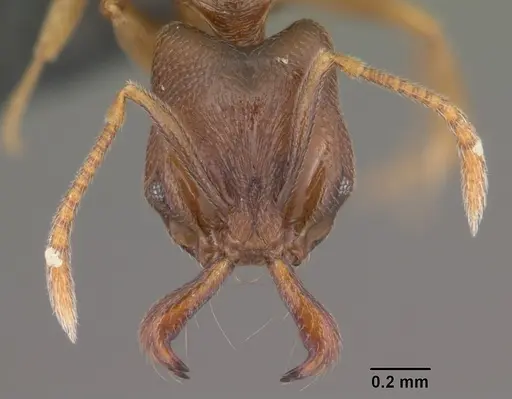
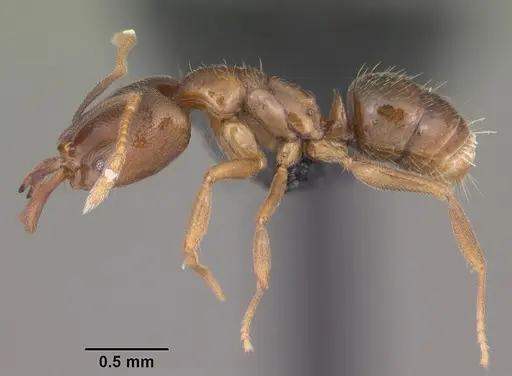
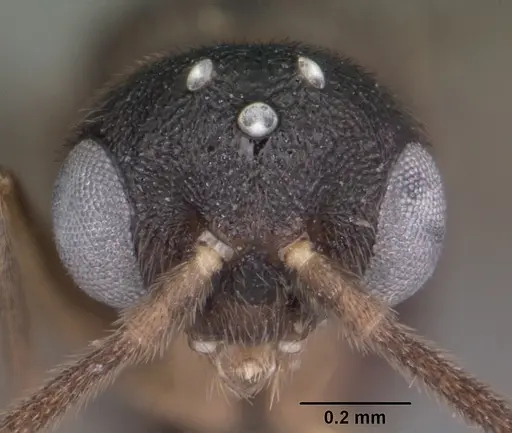
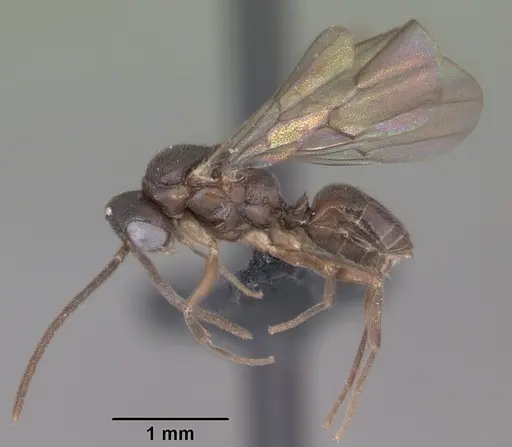
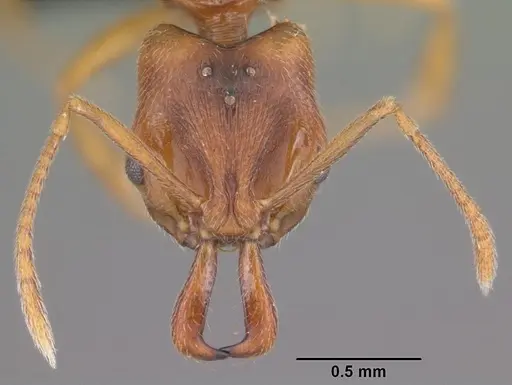
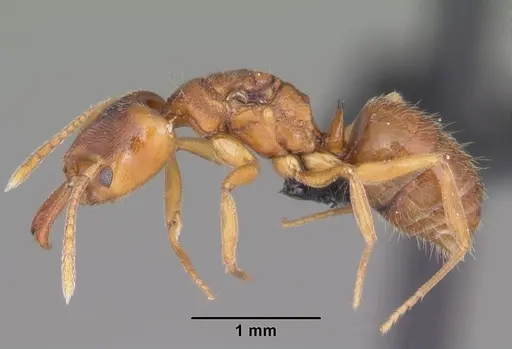
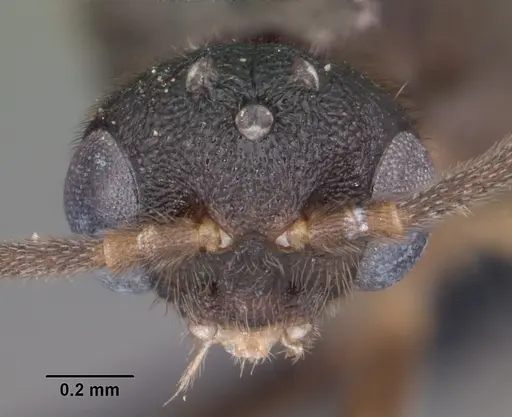
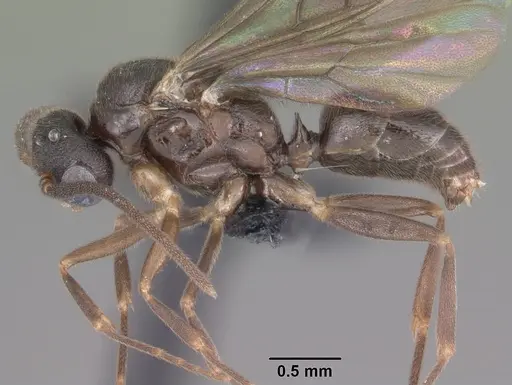
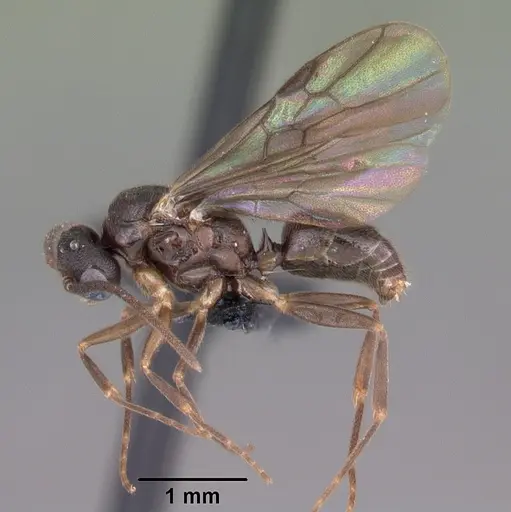
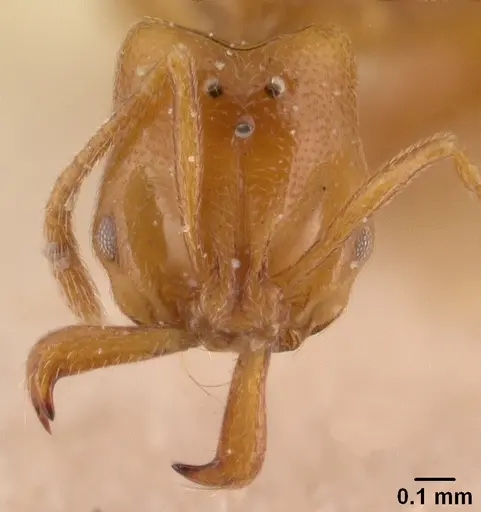
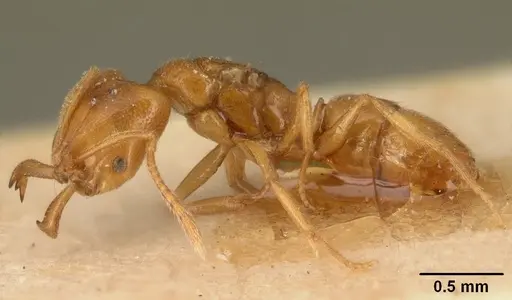
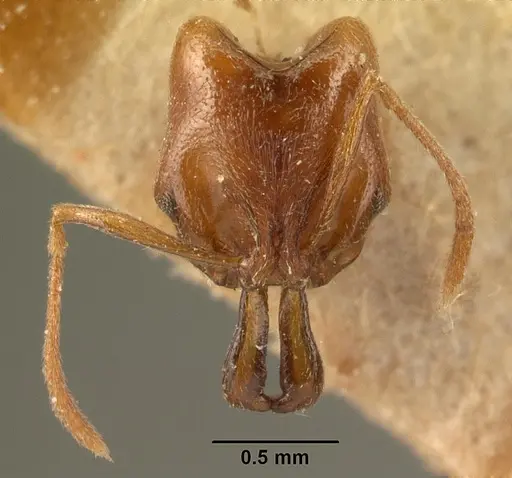
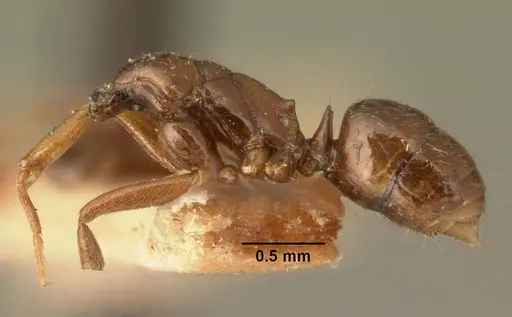
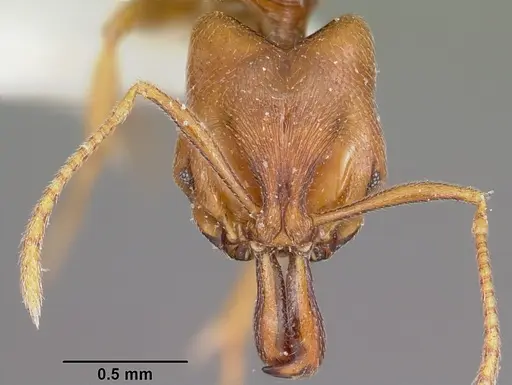
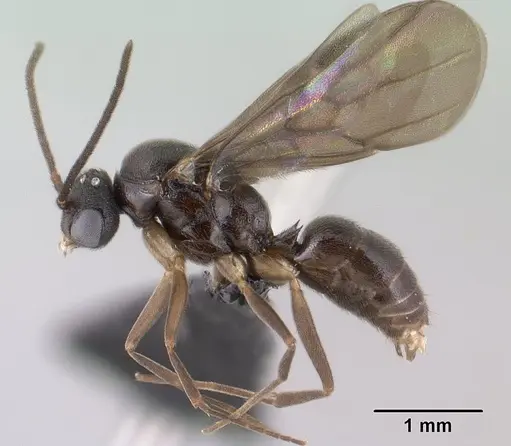
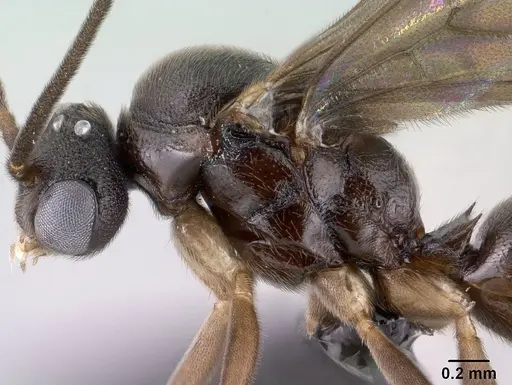
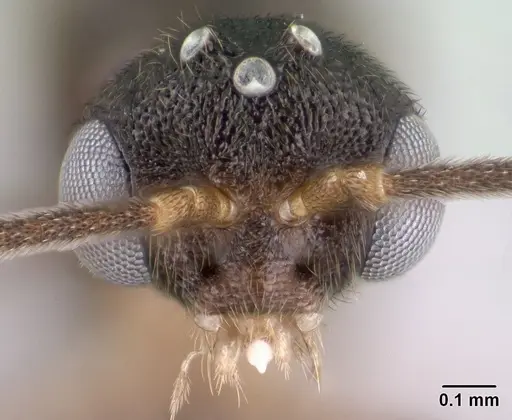
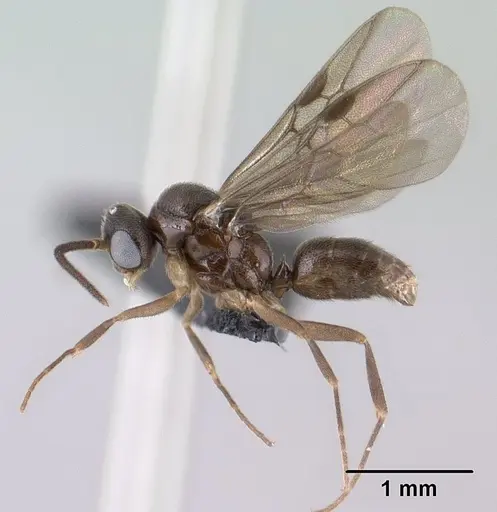
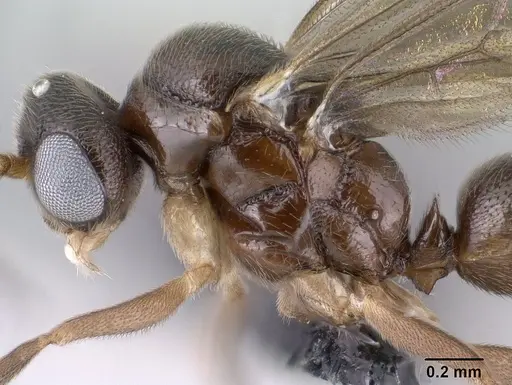
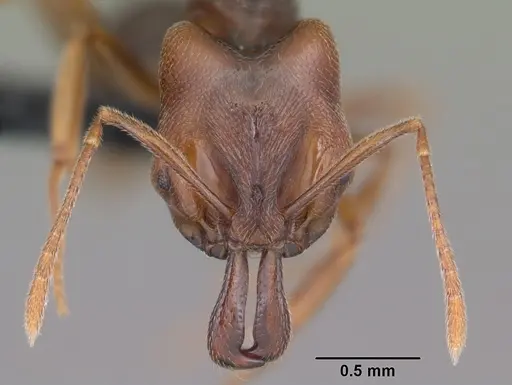
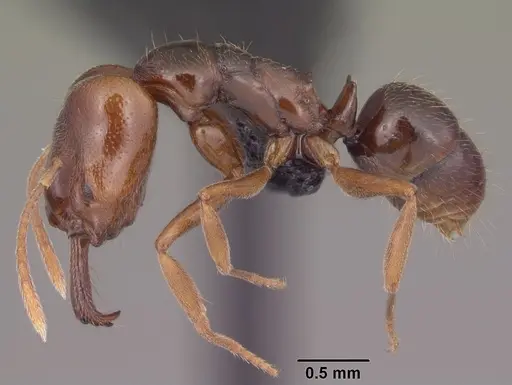
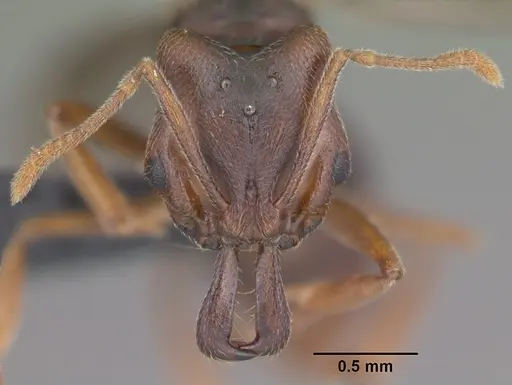
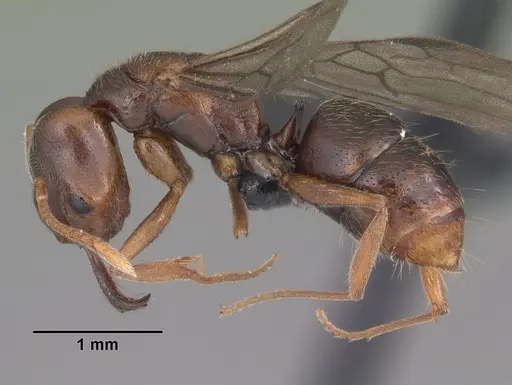
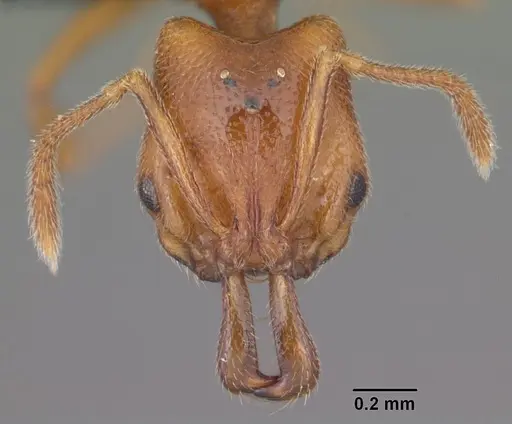
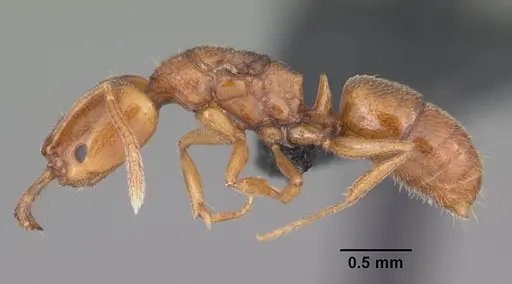
Anochetus grandidieri is a trap-jaw ant endemic to Madagascar. Workers are small, approximately 3-5 mm - inferred from Anochetus genus patterns. They have distinctive underground adaptations: very small eyes and short antennae that do not reach the back of the head, unlike their above-ground relatives . This is the only Anochetus species in Madagascar with true soil-nesting modifications . Colonies produce two distinct sizes of workers, queens, and males within the same nest through different developmental pathways . They live in soil and leaf litter across diverse habitats from dry desert scrub to montane forests up to 1,550 meters elevation . Like other trap-jaw ants, they possess spring-loaded mandibles for hunting, and they sequester defensive alkaloids from their prey that make them toxic to predators .
Quick Summary
- Difficulty: Medium
- Origin & Habitat: Endemic to Madagascar, found in forest and shrubland habitats below 1,550 m elevation including gallery forests, dry forests, littoral forests, montane forests, desert spiny bush thicket, and Uapaca woodland [1]. Also recorded in Uganda.
- Colony Type: Colony structure is unconfirmed.
- Size & Growth:
- Queen: Approximately 4-6 mm, inferred from Anochetus genus patterns [1].
- Worker: Approximately 3-5 mm, inferred from Anochetus genus patterns [1]. Two distinct size classes occur within colonies [1].
- Colony: Size data unavailable.
- Growth: Growth rate is unconfirmed.
- Development: Development timeline is unconfirmed. (Exact timing unknown for this species.)
- Antkeeping:
- Temperature: Keep at 22-26°C year-round. Being tropical, they need stable warmth [1]. Provide a gentle heat gradient with a heating cable on one side of the nest.
- Humidity: Keep nest material moderately damp but not waterlogged. As soil-dwelling ants from varied habitats including humid forests, they need consistent moisture in their substrate [1].
- Diapause: No. Being tropical and found across Madagascar's varied climates, they do not require hibernation [1].
- Nesting: Small, dark chambers with tight spaces. In nature they nest in sifted leaf litter and rotten logs [1]. Use a small formicarium or test tube setup with substrate, ensuring complete darkness in the nest area.
- Behavior: Subterranean and secretive. They have poor vision due to reduced eyes and rely on chemical cues and their trap-jaw mandibles to hunt small prey [1]. They possess a stinger and will use it if threatened. Their small size makes them capable escape artists.
- Common Issues: escape prevention is critical, at 3-5 mm long, they can squeeze through small gaps in mesh and tubing connections., prey size must match their tiny bodies, they cannot subdue large insects and may starve if offered prey too big to handle., desiccation risk, being soil-dwellers from varied microhabitats, they die quickly if the nest dries out completely., overfeeding protein, as specialized predators, they need less food than sugar-loving species, excess protein can mold in their small nests.
Nest Preferences and Setup
In the wild, Anochetus grandidieri lives underground in sifted leaf litter, rotten logs, and soil [1]. They are the only Anochetus in Madagascar with true soil-nesting adaptations, their small eyes and short antennae suit a life in darkness [1]. For captive colonies, recreate these conditions with small, dark chambers. A test tube with black covering or a mini formicarium works well. Provide substrate such as coco fiber, sand, or leaf litter mix that holds moisture. Keep the nest completely dark, they do not need light and prefer tight spaces where they can touch the walls. Ensure ventilation is adequate to prevent mold while maintaining humidity.
Feeding and Diet
Anochetus grandidieri are specialized predators that hunt small prey. Their mandibles snap shut at high speed to capture prey [1]. Feed them tiny live insects such as springtails, fruit flies, or newly hatched pinhead crickets. Prey should be smaller than the workers themselves due to their minute size. They may also accept small pieces of fresh-killed insects. This species sequesters defensive alkaloids (specifically 3,5-disubstituted pyrrolizidine) from their prey, making them chemically protected [2]. While they may occasionally take sugar water, protein should form the bulk of their diet.
Temperature and Seasonal Care
Being tropical and found across Madagascar from sea level to 1,550 meters, these ants tolerate a range of temperatures but need stability [1]. Keep them at 22-26°C year-round. They do not require diapause [1]. Use a heating cable or heat mat on one side of the nest to create a gentle gradient, allowing the colony to choose their preferred spot. Avoid temperatures below 20°C for extended periods. Monitor humidity by checking substrate moisture, rehydrate when the surface begins drying, not on a fixed schedule.
Behavior and Unique Traits
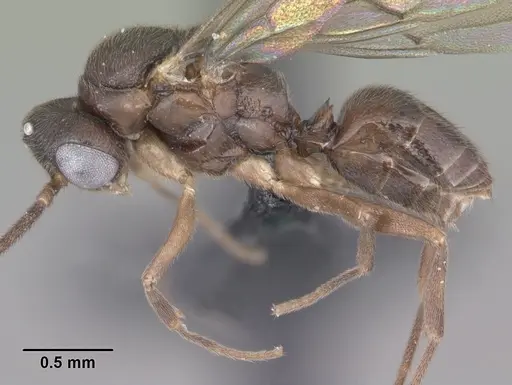
Anochetus grandidieri shows a unique polymorphism within its colonies. Unlike most ants that have consistent worker sizes, this species produces two distinct size classes of workers, queens, and males within the same locality [1]. DNA analysis shows both size classes are the same species, suggesting different developmental pathways triggered by unknown factors [1]. They are subterranean hunters with reduced eyes, relying on their trap-jaw mechanism to capture prey. They move slowly and deliberately when not hunting. Because of their small size, they pose a significant escape risk and require fine mesh barriers.
Colony Founding
Founding behavior for Anochetus grandidieri has not been documented in scientific studies. If you obtain a founding queen, offer her small prey items regularly and provide a dark, humid chamber with substrate. Monitor carefully for the first workers.
Frequently Asked Questions
Can I keep Anochetus grandidieri in a test tube?
Yes, but use a small test tube (10-12 mm diameter) with a water reservoir no larger than 1-2 cm to prevent flooding. Cover the tube completely with foil or place it in a dark box, as these soil-dwelling ants prefer darkness [1].
How long until Anochetus grandidieri gets its first workers?
The exact timeline is unconfirmed. Monitor your queen for egg-laying and subsequent development.
Do Anochetus grandidieri ants sting?
Yes, like other members of the subfamily Ponerinae, they possess a functional stinger. Use caution when handling.
Do Anochetus grandidieri need hibernation?
No. Being from tropical Madagascar, they remain active year-round and do not require a diapause or winter rest period [1].
Can I keep multiple Anochetus grandidieri queens together?
Not recommended. The exact colony structure is unconfirmed. Combining multiple unrelated queens risks fighting and colony failure.
What do Anochetus grandidieri eat?
They are specialized predators that hunt small live prey. Feed them springtails, fruit flies, or tiny insects smaller than the workers themselves. They may accept sugar water occasionally, but protein is essential [1][2].
Why are some workers bigger than others in my Anochetus grandidieri colony?
This species naturally produces two distinct size classes of workers within the same colony, some grow larger than others through different developmental pathways. This is normal for the species [1].
Are Anochetus grandidieri good for beginners?
No, they are best suited for intermediate to experienced keepers. Their small size makes escape prevention challenging, their founding biology is unconfirmed, and they require specialized small prey items.
How do I prevent escapes with Anochetus grandidieri?
Use fine mesh (stainless steel 400-micron or finer) for ventilation holes, ensure all tubing connections are tight with no gaps, and apply a barrier like Fluon or talcum powder mixed with alcohol on the upper walls of the outworld. Check for gaps around lids and ports regularly.
Report an Issue
The current care sheet is based fully on literature. See inconsistencies, or something that's incorrect? Please , it will be resolved after review from an admin. Contributing to the blogs tab also helps providing information, to make us be able to further improve the caresheets. Thank you for your support!
References

This caresheet is licensed under CC BY-SA 4.0 .
Community Blogs
CASENT0005965
View on AntWeb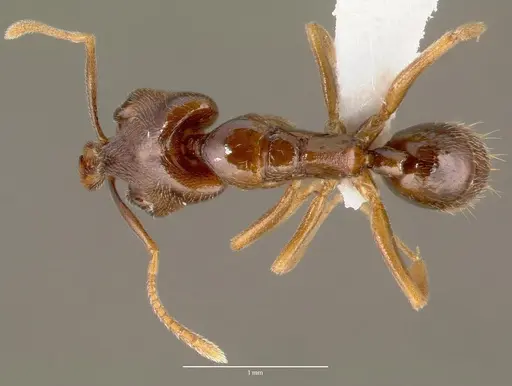
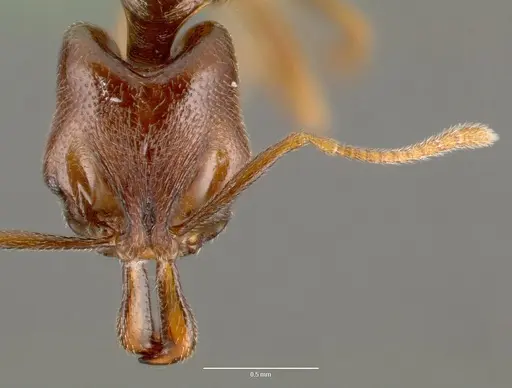
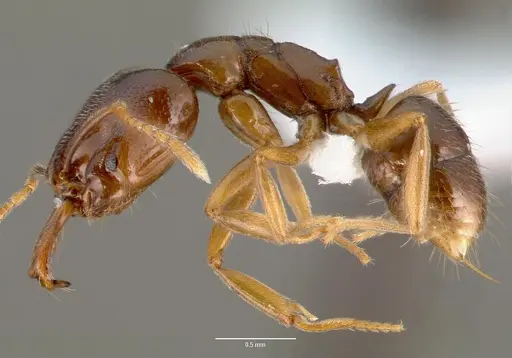
CASENT0007734
View on AntWeb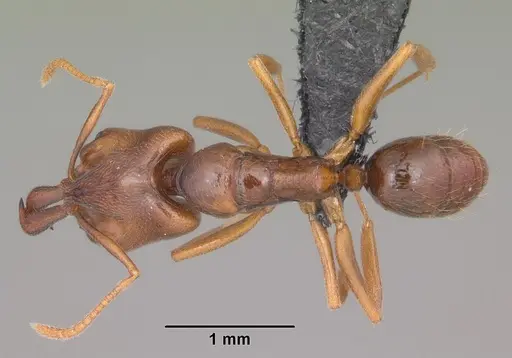
CASENT0033463
View on AntWeb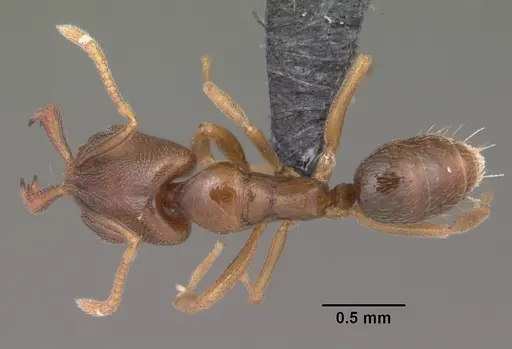
CASENT0033466
View on AntWeb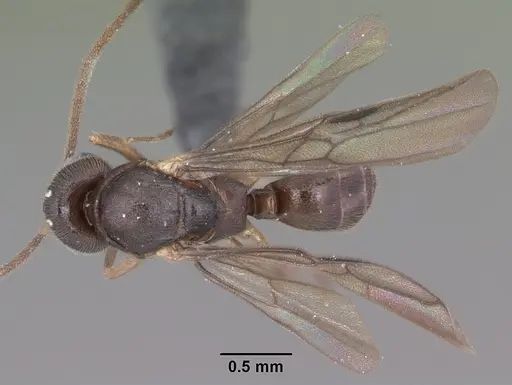
CASENT0041177
View on AntWeb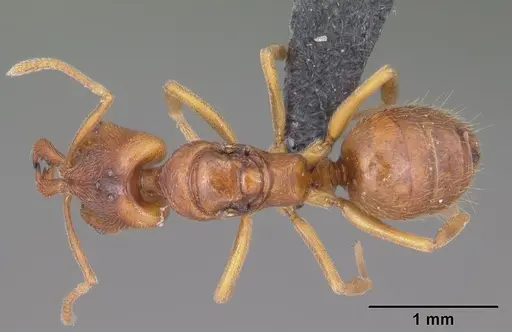
CASENT0049858
View on AntWeb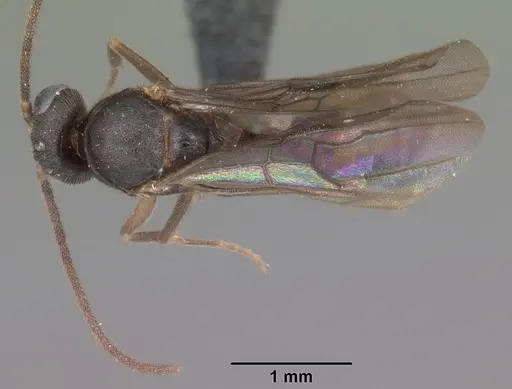
CASENT0101098
View on AntWeb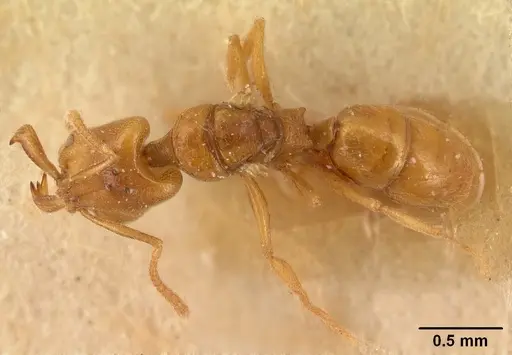
CASENT0101819
View on AntWeb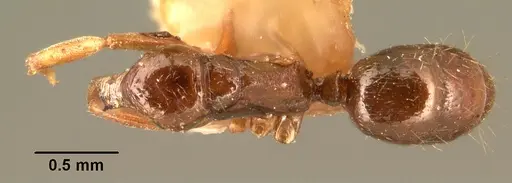
CASENT0102931
View on AntWeb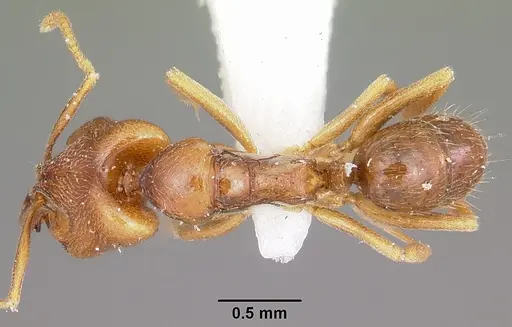
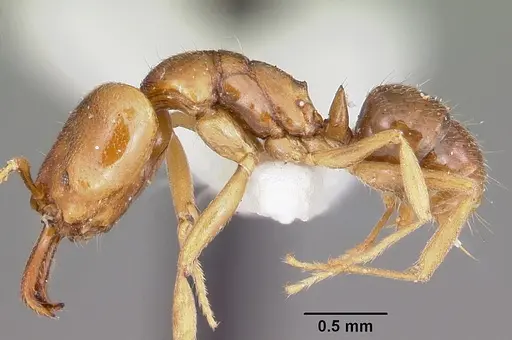
CASENT0143613
View on AntWeb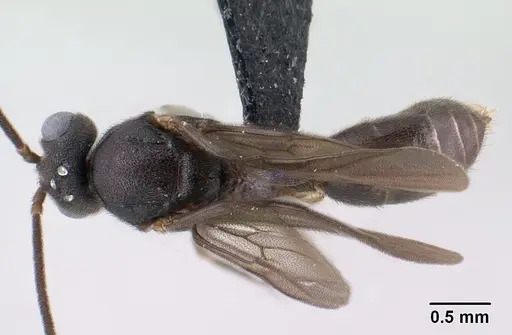
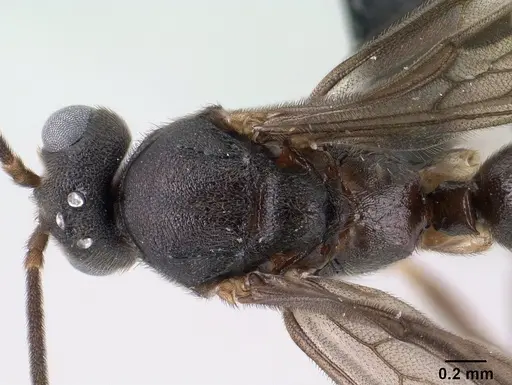
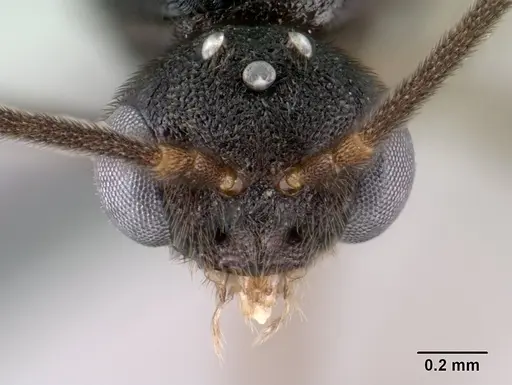
CASENT0143618
View on AntWeb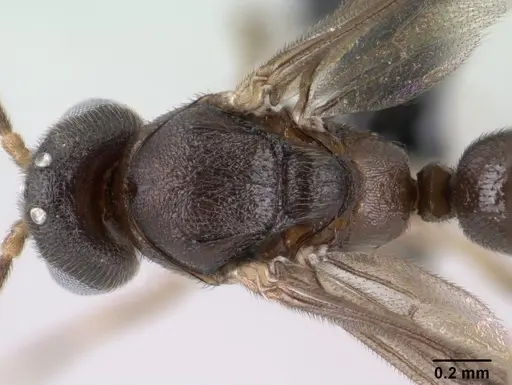
CASENT0497580
View on AntWeb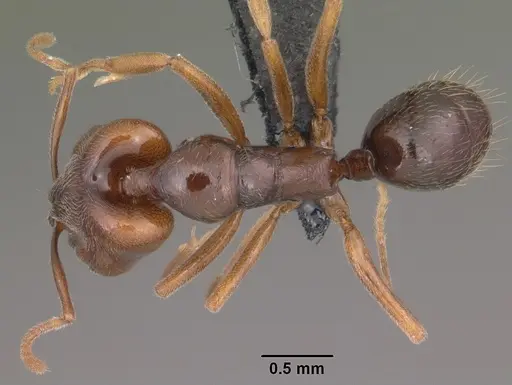
CASENT0497583
View on AntWeb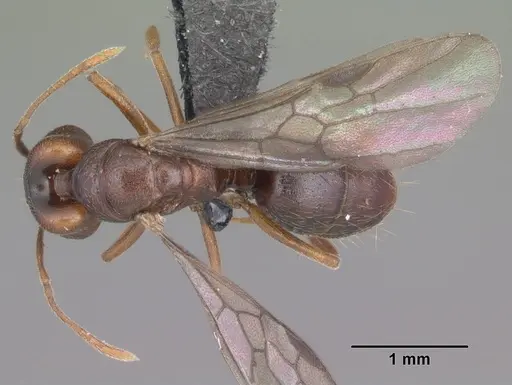
CASENT0498462
View on AntWeb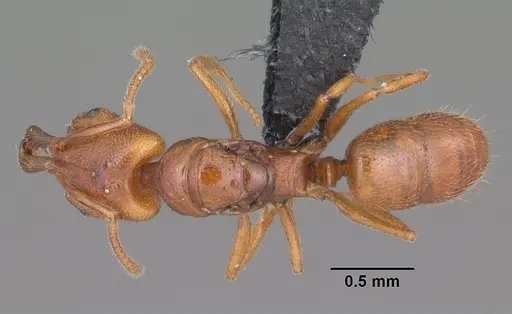
Literature
Loading distribution map...Loading products...