
Anochetus goodmani
- Sci. Name
- Anochetus goodmani
- Tribe
- Ponerini
- Subfamily
- Ponerinae
- Author
- Fisher, 2008
- Distribution
- Found in 1 countries
Introduction
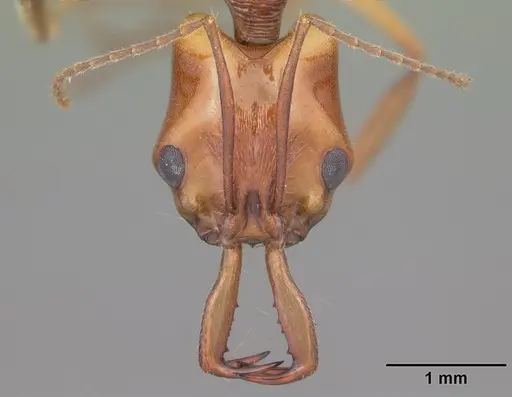
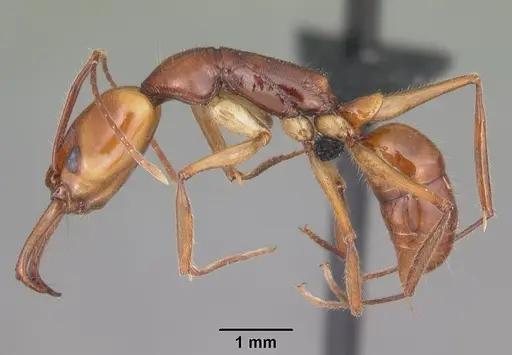
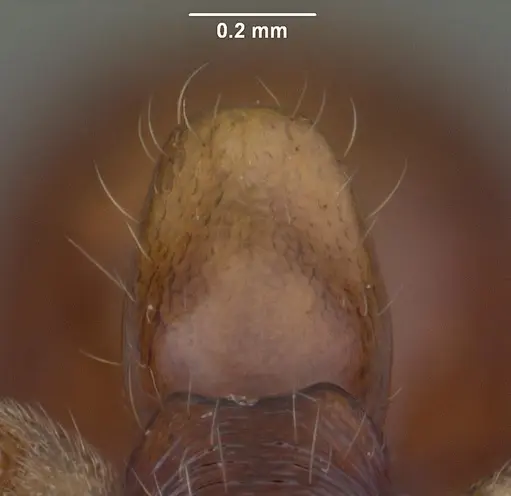
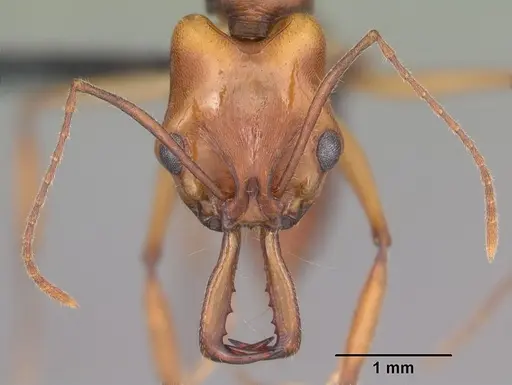
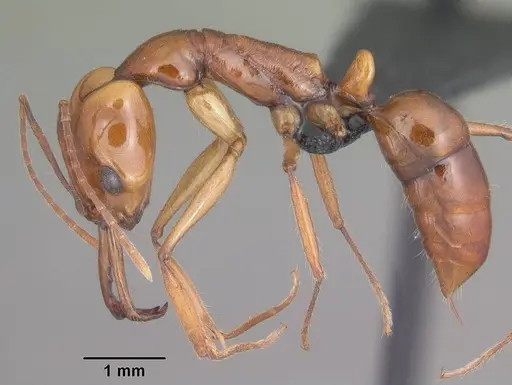
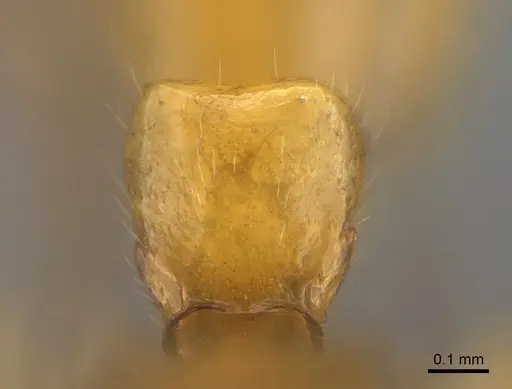
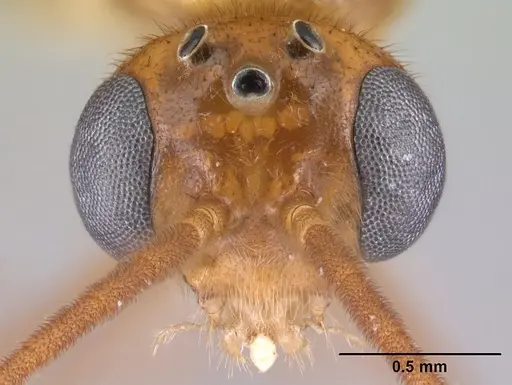
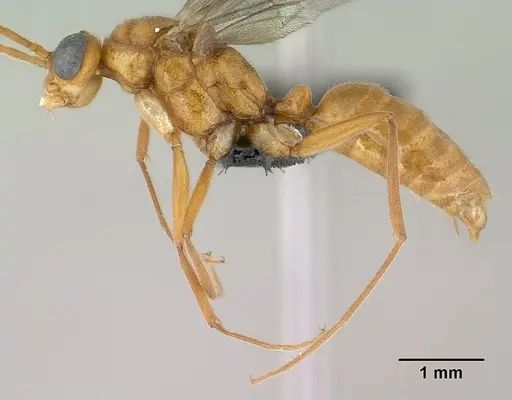
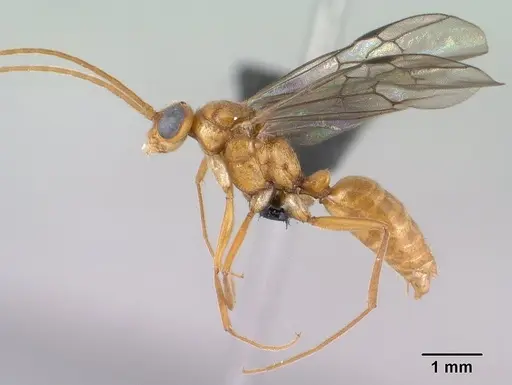
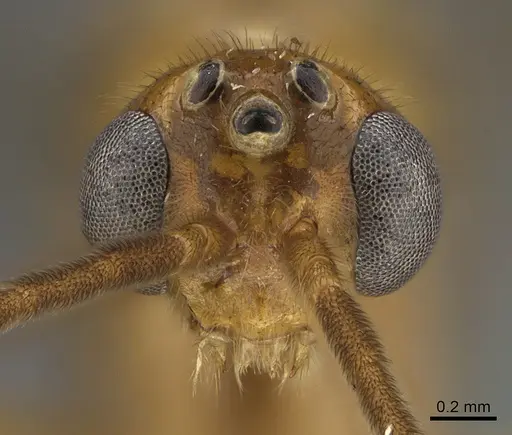
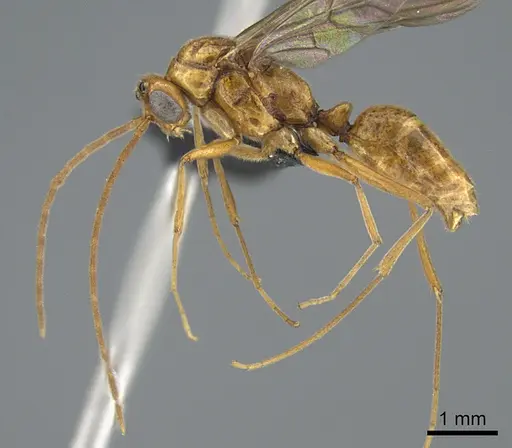
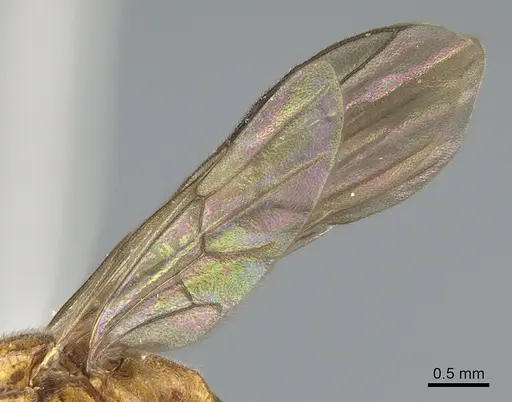
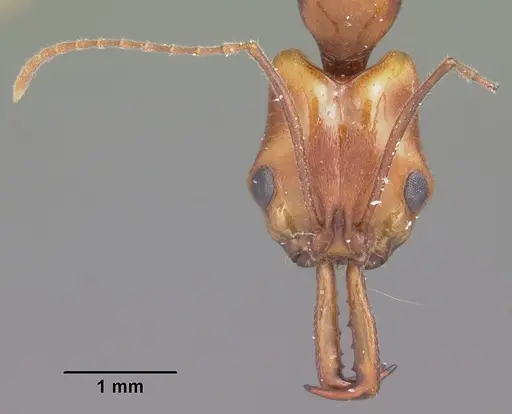
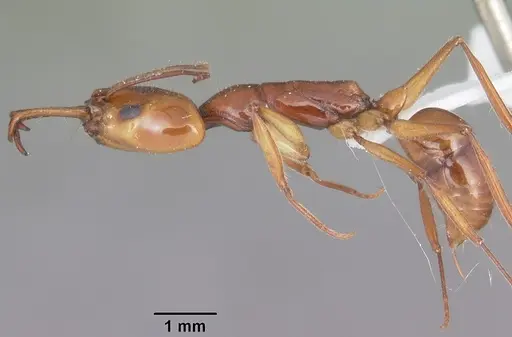
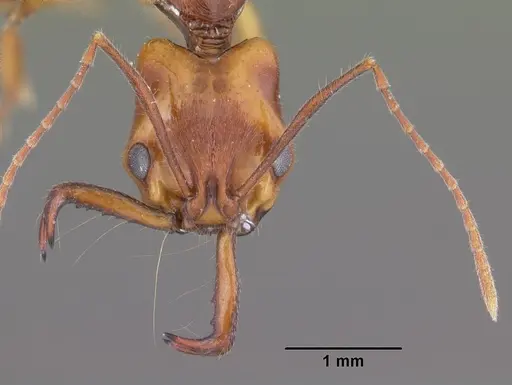
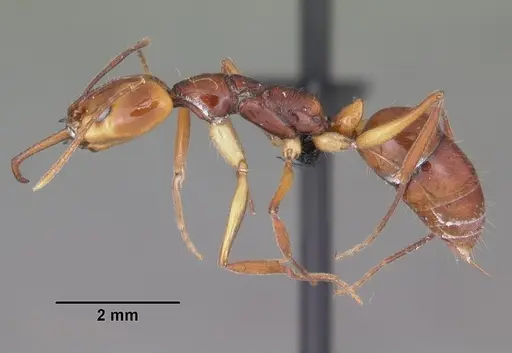
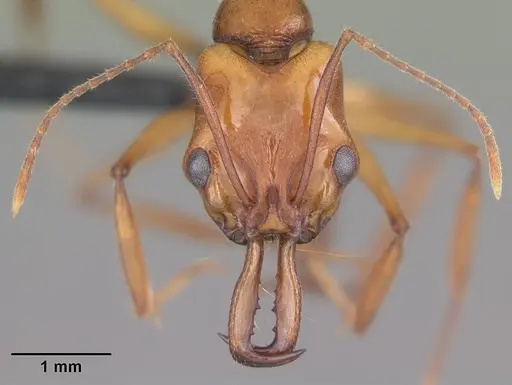
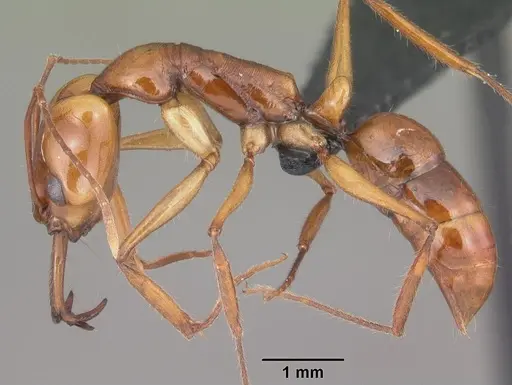
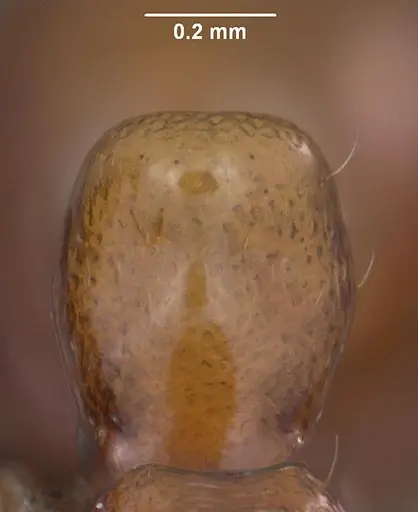
Anochetus goodmani is a small trap-jaw ant endemic to Madagascar, found in the northern and western parts of the island from dry forests to montane rainforests up to 960 meters elevation . Workers have distinctive trap-jaw mandibles with five teeth and a petiole (waist segment) with a flat top and no spines . Unlike most ant species, Anochetus goodmani produces only ergatoid queens - wingless reproductive ants that look nearly identical to workers, lacking the large eyes and ocelli typical of flying queens . These ergatoid queens have been found in groups of three at some collection sites, suggesting possible multi-queen colony structures, though the exact social organization remains unconfirmed .
Quick Summary
- Difficulty: Expert
- Origin & Habitat: Endemic to Madagascar, found in dry forest, rainforest, and montane rainforest from 30-960m elevation [1].
- Colony Type: Unknown structure, only ergatoid (wingless) queens known, sometimes found in groups suggesting possible multi-queen colonies [1].
- Size & Growth:
- Queen: ~4-5mm total length, inferred from genus patterns, ergatoid queens nearly identical in size to workers [1]
- Worker: ~4-5mm total length, inferred from genus patterns (Anochetus workers typically 4-7mm) [1]
- Colony: Unknown, no data available
- Growth: Unknown
- Development: Unknown, no captive observations recorded (Development time unconfirmed for this species.)
- Antkeeping:
- Temperature: 22-26°C (72-79°F) based on tropical montane habitat, can tolerate cooler conditions down to 18°C given collections at 960m elevation [1]
- Humidity: Moderate to high humidity, nest in rotten wood and under stones suggests damp conditions [1]
- Diapause: No, tropical species that remains active year-round [1]
- Nesting: Naturalistic setups with flat stones, rotten wood, or Y-tong nests with tight chambers, they nest under stones and in rotting logs in nature [1]
- Behavior: Trap-jaw predators that hunt small prey individually, non-aggressive toward humans but can sting, small size requires excellent escape prevention [1]
- Common Issues: ergatoid queens are nearly impossible to identify in the field without magnification, making collection extremely difficult, extremely rare in antkeeping trade with no established captive care protocols or verified founding records, small size allows escape through gaps that larger ants cannot pass, requiring fine mesh barriers, males are unknown, making controlled breeding and colony reproduction impossible to verify, endemic to Madagascar with strict export regulations, acquiring legally is extremely difficult
Ergatoid Queens and the Founding Challenge
Anochetus goodmani presents a unique challenge for antkeepers because no winged queens have ever been found. Instead, this species produces only ergatoid queens, wingless reproductive ants that look almost identical to workers [1]. These queens lack the large eyes and ocelli (simple eyes) that flying queens use for navigation, and they are nearly the same size as workers [1]. Researchers found ergatoid queens at six different localities, and at four of these sites, three queens were collected together in the same area [1]. This suggests colonies might contain multiple queens, though we do not know if these queens share a single nest or live nearby in separate nests. For keepers, this means you cannot search for flying queens after rainstorms like you would with other species. Instead, you would need to collect entire colony fragments from under stones or in rotten logs, hoping to capture a queen among the workers. Since founding behavior is unconfirmed, it is unclear whether these queens seal themselves in to raise the first workers (claustral founding) or must leave to hunt (semi-claustral founding).
Nest Preferences in Nature and Captivity
In their native Madagascar, Anochetus goodmani shows flexible nesting habits. Researchers collected them most frequently from under stones (12 collections) and in sifted leaf litter (7 collections), but also from rotten logs (6 collections), ground nests (9 collections), and various other microhabitats [1]. This pattern suggests they prefer protected, humid spaces with easy access to soil or decaying wood. For captive care, a naturalistic setup works best, use a container with a soil or plaster base, add flat stones for them to nest under, and include pieces of rotten wood or bark. You can also use a Y-tong (aerated concrete) nest with narrow chambers that mimic the tight spaces under stones. Keep the nest material damp but not waterlogged, think forest floor after rain, not swamp. Provide a humidity gradient by keeping one side slightly drier than the other, allowing the ants to choose their preferred conditions.
Trap-Jaw Hunting and Diet
Like all Anochetus species, Anochetus goodmani possesses trap-jaw mandibles, spring-loaded jaws that snap shut with incredible speed to capture prey [1]. The workers have five teeth and small denticles on the outer half of their jaw blades, perfect for gripping small, fast-moving prey [1]. In captivity, feed them small live insects appropriate to their size: springtails, fruit flies, or very small crickets. They may also accept pre-killed prey if it is fresh. Offer sugar sources like honey water or sugar water in small drops, though their primary nutrition likely comes from protein. Because they are small ants, provide tiny prey items, large insects will be ignored or may stress the colony if they cannot process them quickly.
Temperature and Environmental Needs
Anochetus goodmani inhabits a range of elevations from sea level up to 960 meters in montane rainforest [1]. This suggests they tolerate a fairly wide temperature range for a tropical species. Keep your colony at roughly 22-26°C (72-79°F) during the day, with nights possibly dropping to 18-20°C (64-68°F) to mimic the cooler montane conditions where some populations live. They do not require hibernation (winter rest) as they come from a tropical climate. Maintain moderate to high humidity by keeping the nest material damp and providing a water source. Good ventilation is essential to prevent mold growth in the humid conditions they prefer, use a setup that allows air exchange while keeping the humidity high inside the nest area.
Conservation and Collection Ethics
Anochetus goodmani is endemic to Madagascar, meaning it occurs nowhere else on Earth [1]. Madagascar has strict regulations regarding the export of wildlife, and this species is extremely rare in the international antkeeping trade. You should never attempt to collect these ants yourself without proper permits, as this could violate both local Malagasy law and international regulations. Additionally, because the species has never been successfully kept in captivity (to our knowledge), attempting to keep them involves significant risk of colony failure. If you somehow acquire a colony, focus on documenting your care methods to help future keepers, but understand that this is a species for experienced specialists prepared for potential loss.
Frequently Asked Questions
How do I identify an Anochetus goodmani queen?
You cannot rely on finding a winged queen for this species. Anochetus goodmani only produces ergatoid queens, wingless reproductive ants that look almost identical to workers [1]. These queens lack the large eyes and ocelli (three small dots on the forehead) that flying queens have, and they are nearly the same size as workers [1]. You would need to examine the thorax (middle body section) closely, queens will have a bulkier thorax with wing scars (small raised bumps where wings would attach) even though they never had wings. Without magnification and experience, they are nearly impossible to distinguish from workers in the field.
Can I keep multiple Anochetus goodmani queens together?
We do not know for certain. Researchers found up to three ergatoid queens at single localities, which might mean they tolerate multiple queens in one nest [1]. However, this could also mean multiple nests exist close together. Until captive experiments confirm they are polygyne (multi-queen) or facultatively polygyne (flexible), you should assume colonies are single-queen. If you accidentally collect multiple queens in a colony fragment, observe them carefully for fighting or aggression, and be prepared to separate them immediately.
What do Anochetus goodmani eat?
As trap-jaw ants, they are predators that hunt small live prey. Offer them springtails, fruit flies, or tiny crickets. They have five teeth on their mandibles designed for gripping small, fast prey [1]. You can also offer sugar water or honey water, but protein likely forms the bulk of their diet. Because they are small ants, chop larger prey into manageable pieces or stick to insects smaller than the workers themselves.
How long until Anochetus goodmani gets their first workers?
The exact timeline is unknown because founding behavior has never been observed in captivity. There are no recorded development times for this species.
Do Anochetus goodmani need hibernation?
No. They come from tropical Madagascar where temperatures remain warm year-round [1]. While populations at higher elevations (up to 960m) experience cooler nights, they do not undergo true hibernation (winter rest). Keep them at room temperature or slightly warmed year-round, though you can provide a slight night temperature drop to 18-20°C if desired.
Are Anochetus goodmani good for beginners?
No. This is an expert-level species due to the difficulty of obtaining colonies (only ergatoid queens exist, making identification and collection nearly impossible), the lack of captive care records, and their small size which makes escape prevention challenging. Additionally, they are endemic to Madagascar with strict collection regulations [1]. Beginners should start with easier species like Lasius niger or Tetramorium species.
How big do Anochetus goodmani colonies get?
The maximum colony size is unknown. There are no data on colony sizes for this species in the research literature.
Report an Issue
The current care sheet is based fully on literature. See inconsistencies, or something that's incorrect? Please , it will be resolved after review from an admin. Contributing to the blogs tab also helps providing information, to make us be able to further improve the caresheets. Thank you for your support!
References

This caresheet is licensed under CC BY-SA 4.0 .
Community Blogs
CASENT0104543
View on AntWeb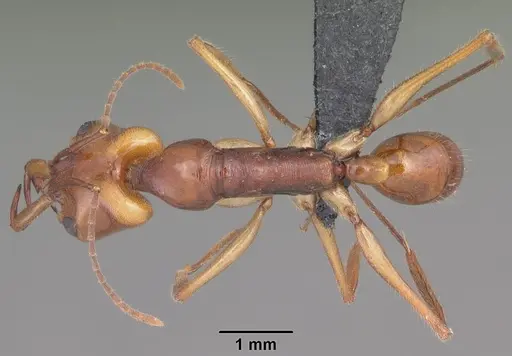
CASENT0104548
View on AntWeb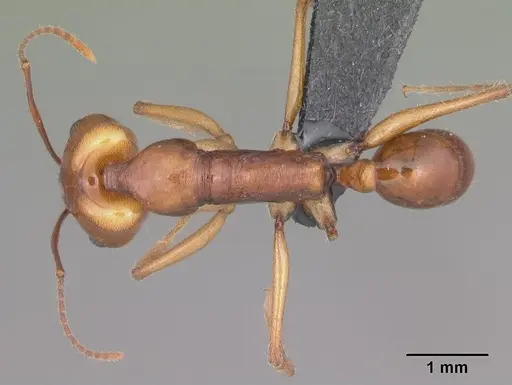
CASENT0147683
View on AntWeb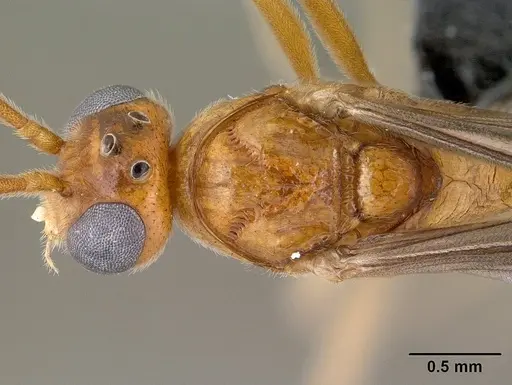
CASENT0211061
View on AntWeb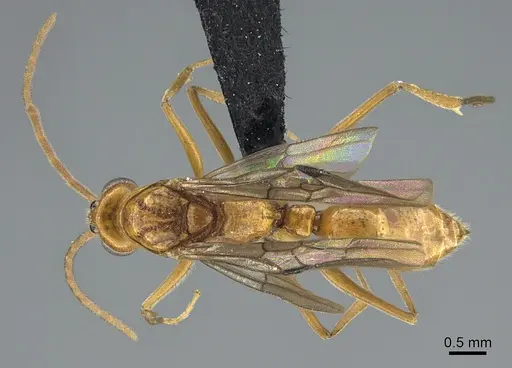
CASENT0416368
View on AntWeb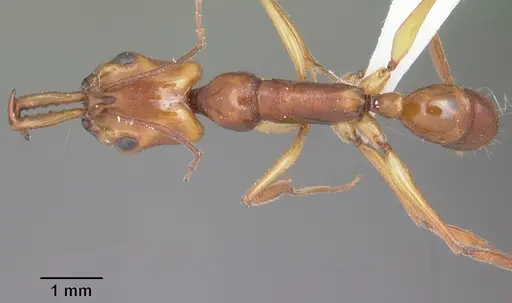
CASENT0454531
View on AntWeb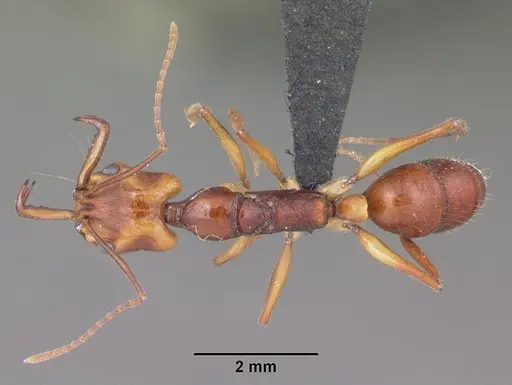
CASENT0498309
View on AntWeb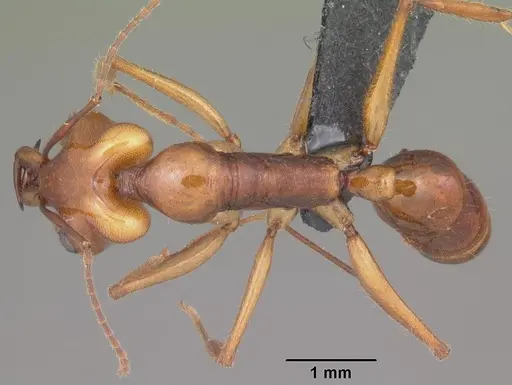
Literature
Loading distribution map...Loading products...