
Anochetus fuliginosus
- Sci. Name
- Anochetus fuliginosus
- Tribe
- Ponerini
- Subfamily
- Ponerinae
- Author
- Arnold, 1948
- Distribution
- Found in 3 countries
Introduction
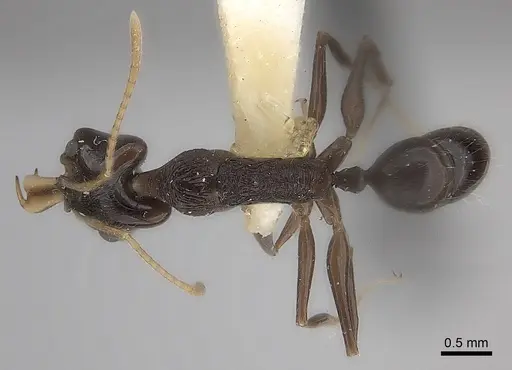
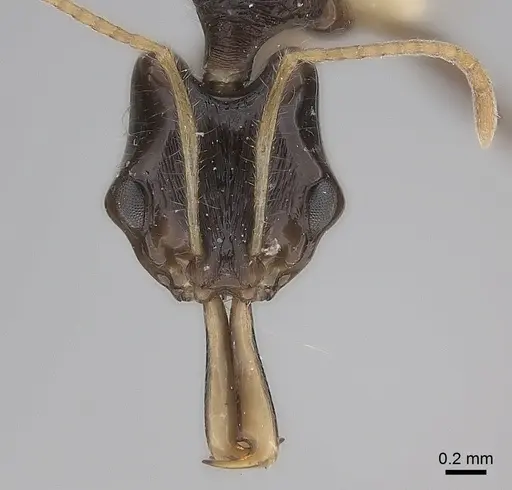
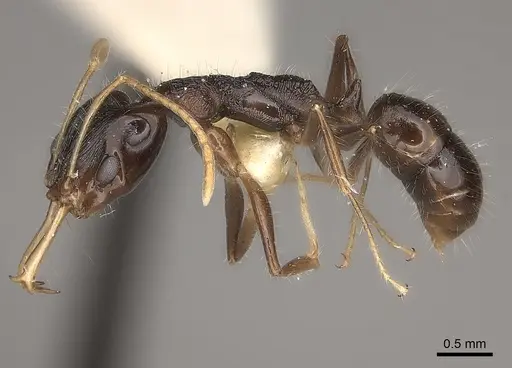
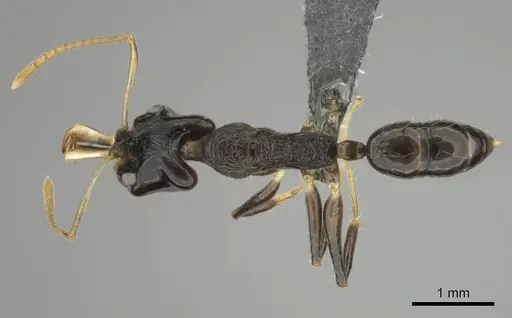
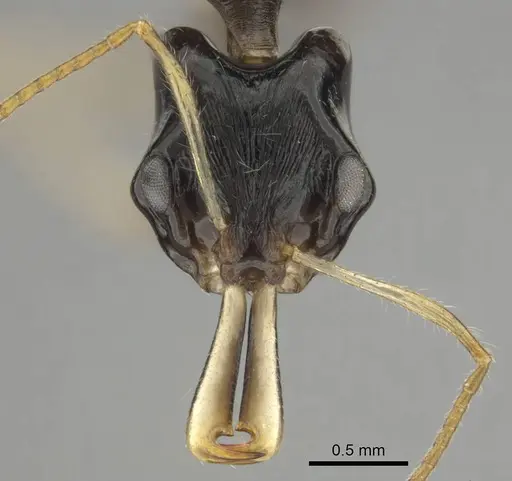
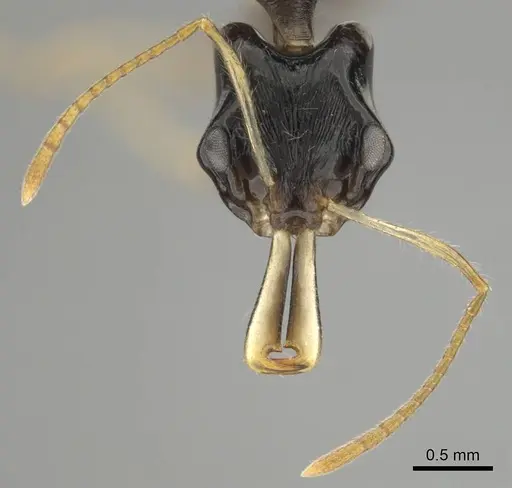
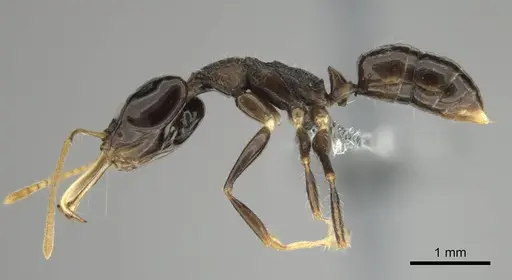
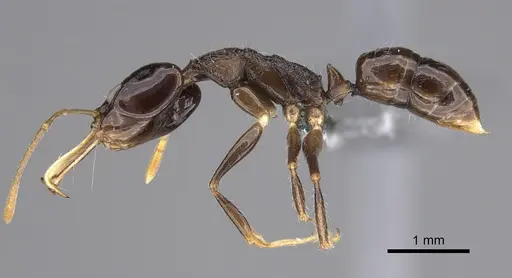
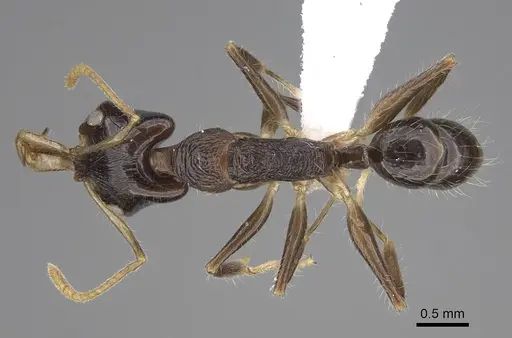
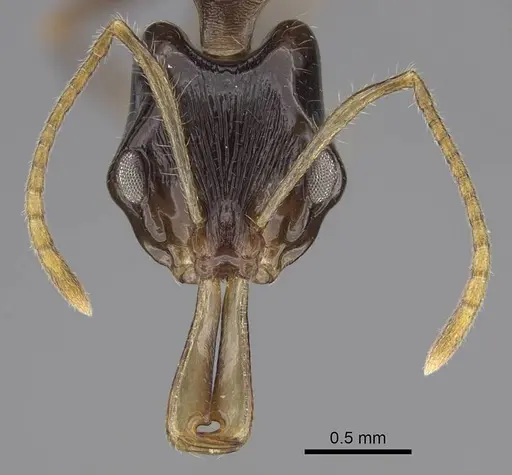
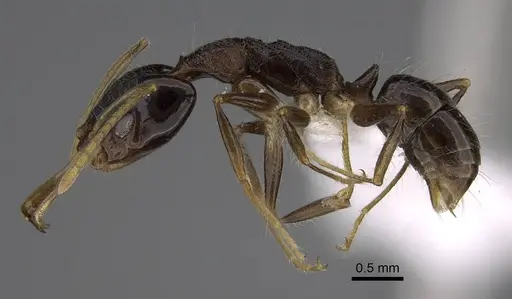
Anochetus fuliginosus is a trap-jaw ant species documented in Ituri Province, Democratic Republic of Congo . It belongs to the africanus species group within the genus Anochetus . These ants inhabit tropical forest environments in central Africa. As trap-jaw ants, they possess spring-loaded mandibles capable of snapping shut at high speeds to capture prey . This hunting adaptation makes them predatory specialists. Their small size and specialized biology mean exact care requirements remain largely unknown.
Quick Summary
- Difficulty: Medium to Hard
- Origin & Habitat: Ituri Province, Democratic Republic of Congo [1]. Tropical forest habitat inferred from location.
- Colony Type: Unknown, colony structure has not been documented for this species.
- Size & Growth:
- Queen: Size data unavailable, inferred from typical Anochetus genus patterns (~4-6mm).
- Worker: Size data unavailable, inferred from typical Anochetus genus patterns (~3-5mm).
- Colony: Unknown, likely small colonies based on related trap-jaw ant patterns.
- Growth: Unknown
- Development: Unknown, estimated 8-12 weeks based on tropical Ponerinae patterns. (This is a rough estimate. Specific development data is unavailable for this species.)
- Antkeeping:
- Temperature: Unknown, start around 24-26°C based on tropical origin and adjust based on colony activity.
- Humidity: Unknown, tropical species typically prefer moderate to high humidity.
- Diapause: No, tropical origin suggests year-round activity [1].
- Nesting: Unknown, likely needs small, humid cavities similar to other Anochetus species.
- Behavior: Trap-jaw predatory behavior using spring-loaded mandibles [2]. Members of subfamily Ponerini possess a functional stinger. Specific temperament unknown. Small size means escape prevention must be excellent.
- Common Issues: limited research means exact care requirements are unknown., small size makes escapes likely without fine mesh barriers., trap-jaw hunting behavior may require live prey, which can be challenging to provide consistently., colony growth may be slow, requiring patience.
Known Distribution and Classification
Anochetus fuliginosus has been documented in Ituri Province in the Democratic Republic of Congo [1]. The species belongs to the africanus species group within the genus Anochetus [2]. This places it among the African trap-jaw ants, though specific details about its natural history remain unstudied.
Trap-Jaw Mechanics and Hunting
As a member of the trap-jaw ant genus Anochetus, this species possesses mandibles that can snap shut at extremely high speeds to capture prey [2]. These spring-loaded jaws allow the ants to hunt small arthropods by approaching slowly, then striking when the prey is in range. The force of the snap can stun or kill prey instantly. In captivity, they may require live prey items small enough to trigger their hunting response, such as fruit flies or small springtails.
Housing and Nest Setup
Specific nest preferences for Anochetus fuliginosus are unknown. Based on patterns from related Anochetus species, they likely prefer small, humid cavities with limited space. A test tube setup with a water reservoir, or a small naturalistic setup with rotting wood and leaf litter, may work well. Because these are likely small ants, escape prevention is critical. Use tight-fitting lids and fine mesh ventilation to prevent escapes.
Temperature and Humidity
Coming from tropical Africa, this species likely needs warm temperatures around 24-26°C [1]. They probably do not require a winter rest period due to their tropical origin. Humidity should be moderate to high, with a moist but not waterlogged substrate. However, these are estimates based on location and genus patterns, you should observe your colony and adjust conditions based on their activity levels.
Feeding Requirements
Anochetus fuliginosus is likely a specialized predator based on its trap-jaw morphology [2]. They probably require small live prey such as fruit flies, springtails, or very small crickets. The movement of live prey triggers their hunting behavior. They may also accept sugar sources like honey or sugar water, but protein from live insects is likely essential for colony growth.
Frequently Asked Questions
What is Anochetus fuliginosus?
Anochetus fuliginosus is a species of trap-jaw ant found in the Democratic Republic of Congo [1][2]. It belongs to the africanus species group and possesses specialized spring-loaded mandibles for hunting.
How big are Anochetus fuliginosus ants?
Exact size data is unavailable. Based on typical Anochetus genus patterns, workers are likely around 3-5mm and queens around 4-6mm, but this is an estimate.
How big do Anochetus fuliginosus colonies get?
Colony size is undocumented. Related trap-jaw ants typically maintain small colonies.
What do Anochetus fuliginosus eat?
They are likely specialized predators that hunt small live prey using their trap-jaw mandibles [2]. In captivity, offer fruit flies, springtails, or tiny crickets.
Do Anochetus fuliginosus need hibernation?
Probably not. They come from tropical Africa where temperatures remain warm year-round [1].
Are Anochetus fuliginosus good for beginners?
Probably not. Limited research means their care requirements are largely unknown, and trap-jaw ants often need specialized feeding and careful humidity management.
How long until Anochetus fuliginosus first workers?
The egg-to-worker timeline is unknown. Based on tropical Ponerinae, estimate 8-12 weeks at warm temperatures, but this is speculative.
Can I keep multiple Anochetus fuliginosus queens together?
This has not been documented. Without specific research, keeping multiple queens risks fighting.
What is the best nest for Anochetus fuliginosus?
Specific preferences are unknown. Start with a test tube setup or small naturalistic nest with high humidity and excellent escape prevention due to their likely small size.
Report an Issue
The current care sheet is based fully on literature. See inconsistencies, or something that's incorrect? Please , it will be resolved after review from an admin. Contributing to the blogs tab also helps providing information, to make us be able to further improve the caresheets. Thank you for your support!
References

This caresheet is licensed under CC BY-SA 4.0 .
Community Blogs
Literature
Loading distribution map...Loading products...