
Anochetus bequaerti
- Sci. Name
- Anochetus bequaerti
- Tribe
- Ponerini
- Subfamily
- Ponerinae
- Author
- Forel, 1913
- Distribution
- Found in 10 countries
Introduction
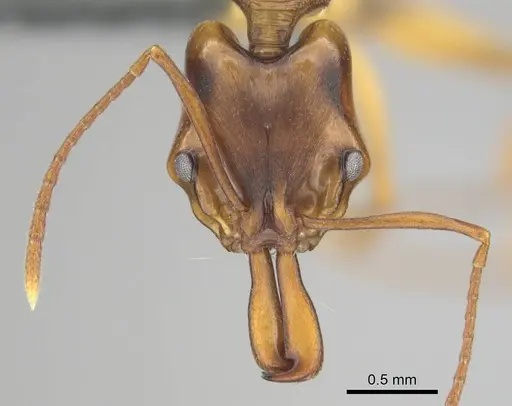
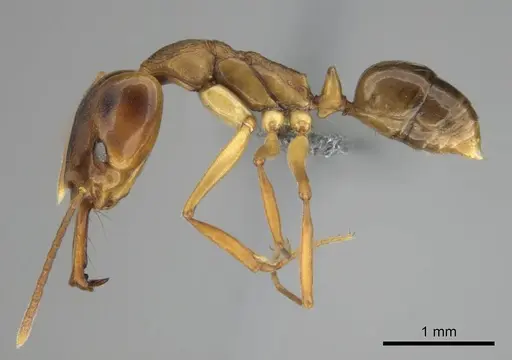
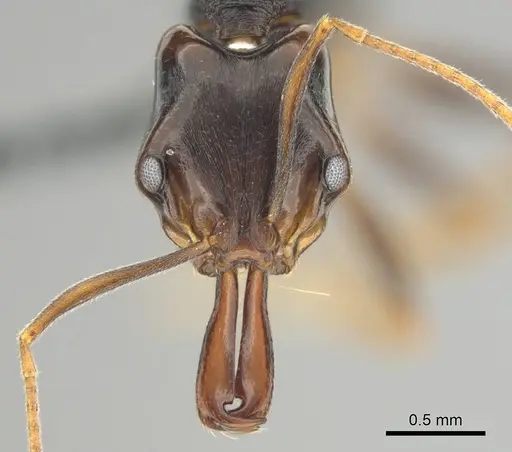
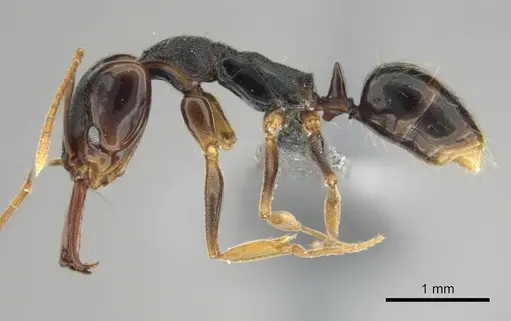
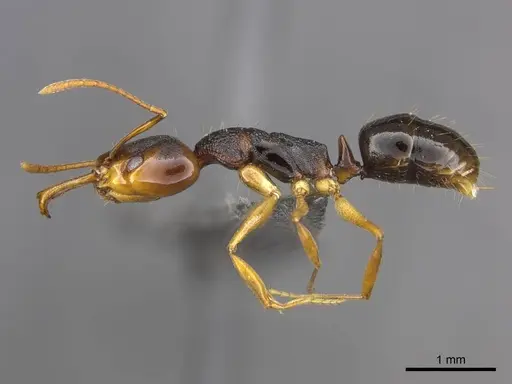
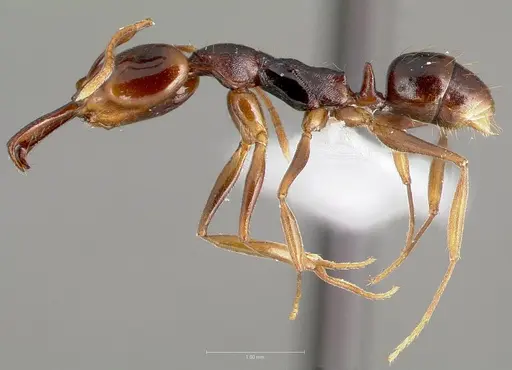
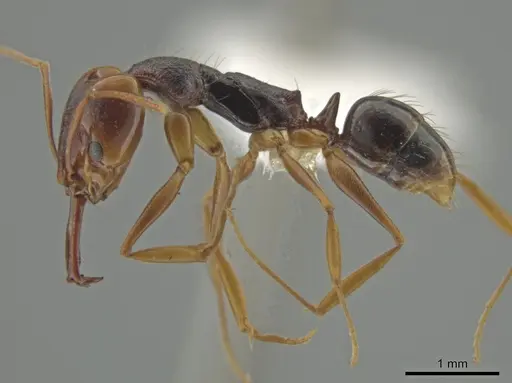
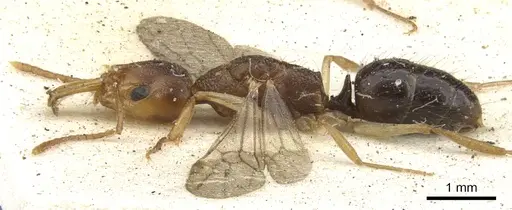
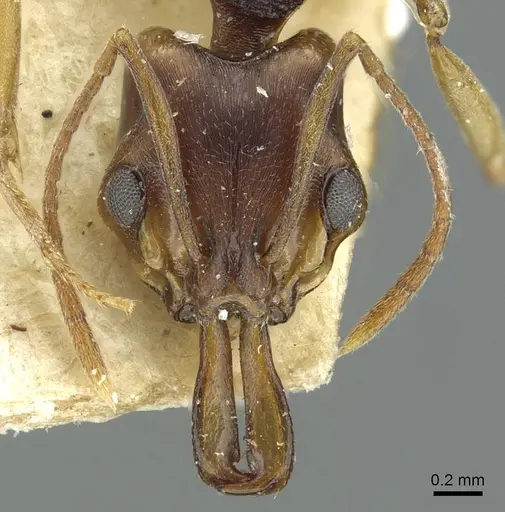
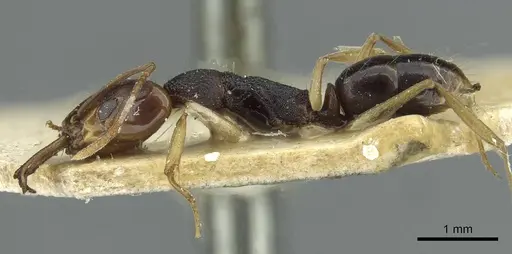
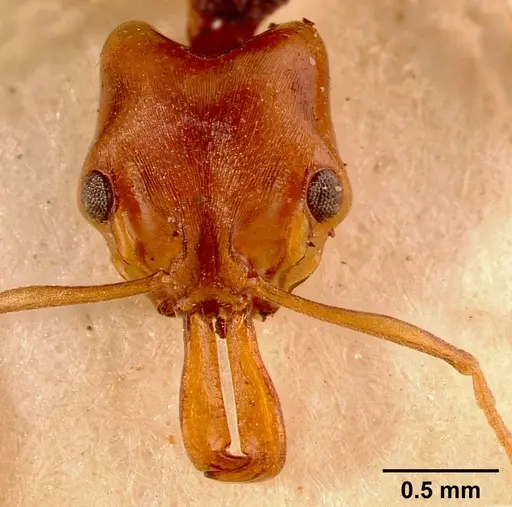
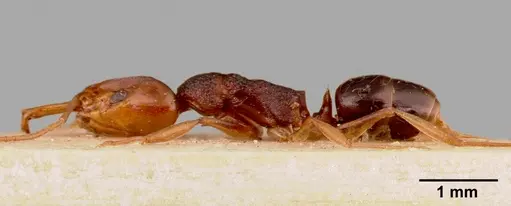
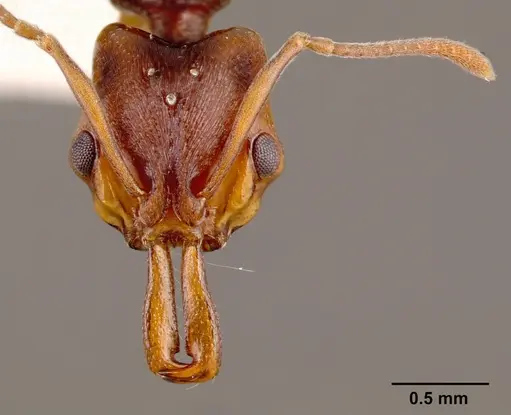
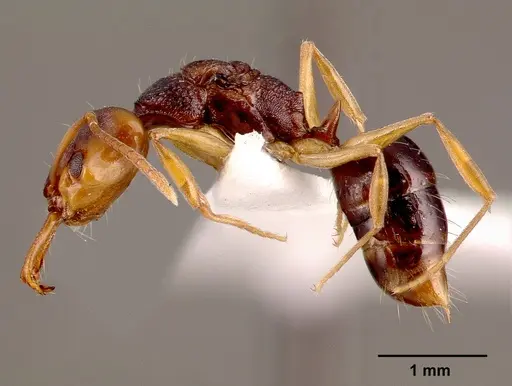
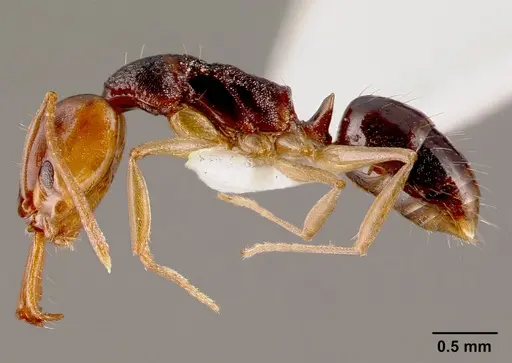
Anochetus bequaerti is a trap-jaw ant native to the Afrotropical region, found in countries including the Democratic Republic of Congo, Kenya, South Africa, Benin, and Uganda . They belong to the africanus species group within the genus Anochetus . In the wild, they nest in rotting wood buried in leaf litter in coastal forest habitats . Queens are winged and have 3 ovarioles per ovary, while workers are completely sterile with zero ovarioles - meaning only the queen can reproduce and the colony cannot survive her loss .
Quick Summary
- Difficulty: Hard
- Origin & Habitat: Afrotropical region: Democratic Republic of Congo, Kenya, South Africa, Benin, Central African Republic, Eswatini, Guinea, Ivory Coast, Nigeria, Uganda, Tanzania, Zimbabwe, coastal forest habitats with rotting wood and leaf litter [1][4][2]
- Colony Type: Single-queen colonies (monogyne). Workers are sterile with no ovarioles, so they cannot replace the queen if she dies [4].
- Size & Growth:
- Queen: ~7-9 mm, inferred from Anochetus genus
- Worker: ~4-6 mm, inferred from Anochetus genus
- Colony: Likely small, under 200 workers (estimated from genus patterns)
- Growth: Slow to moderate (estimated)
- Development: Not documented, estimated 8-12 weeks based on tropical Ponerinae (Timeline not documented in literature, estimate based on related species.)
- Antkeeping:
- Temperature: Warm tropical conditions, approximately 24-28°C (estimated from coastal forest habitat) [4]
- Humidity: High humidity 70-80%, moist substrate resembling rotting wood in leaf litter [4]
- Diapause: No, tropical species without winter rest [4]
- Nesting: Naturalistic setup with rotting wood and leaf litter, or high-humidity artificial nest with tight chambers [4]
- Behavior: Trap-jaw predators that hunt small live prey. Workers are sterile and cannot reproduce. Active foragers that require escape prevention due to small size. Like other Ponerine ants, they possess a sting for defense.
- Common Issues: sterile workers mean colony death if the queen dies., founding behavior is unconfirmed, do not assume semi-claustral care., small size makes escape prevention challenging., require consistent access to small live prey., tropical species may struggle if temperatures drop significantly below their preferred range.
Natural History and Distribution
Anochetus bequaerti ranges across the Afrotropical region including the Democratic Republic of Congo, Kenya, South Africa, Benin, and other African nations [1][2]. The type specimen was collected in Bukama, Katanga, DRC [1], and additional specimens have been found in Akenge [5]. They inhabit coastal forests where they nest specifically in rotting wood buried in leaf litter [4].
Colony Founding and Queen Biology
Queens are winged and have 3 ovarioles per ovary [4]. Workers completely lack ovarioles, making them obligately sterile [4]. This means workers cannot lay eggs or replace the queen. The exact founding behavior is unconfirmed, no specific data exists on whether queens are claustral or semi-claustral.
Trap-Jaw Hunting and Feeding
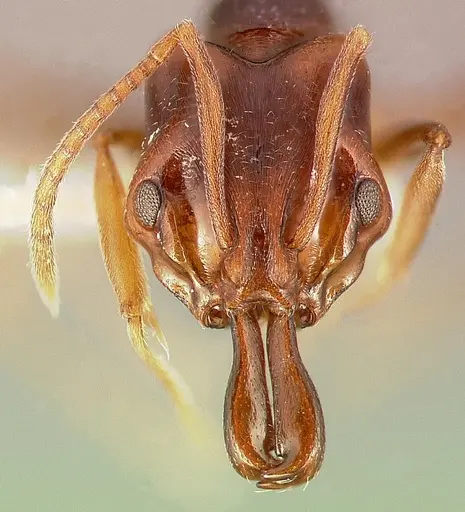
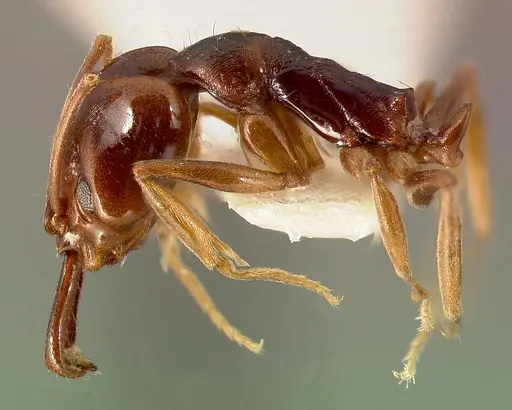
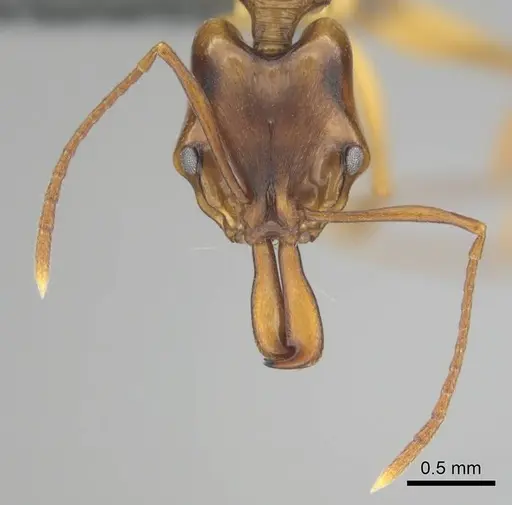
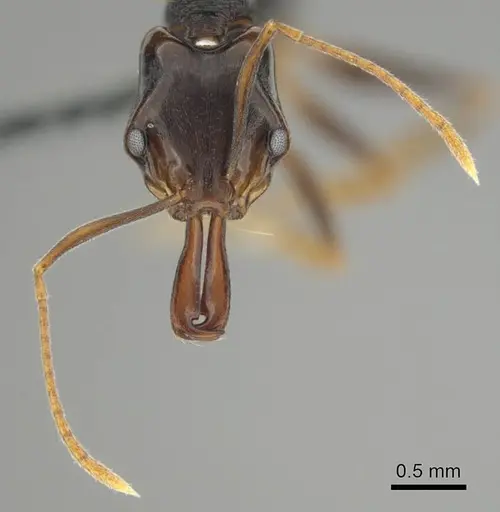
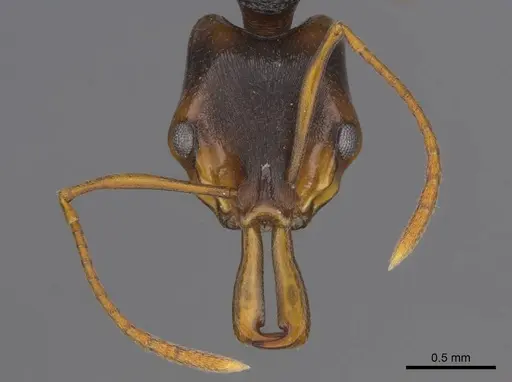
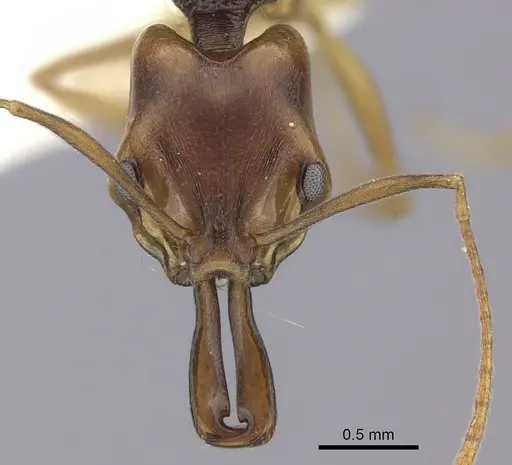
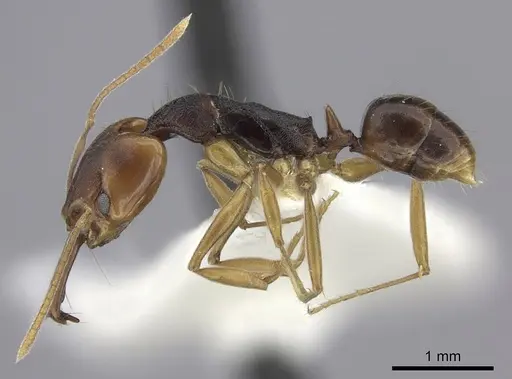
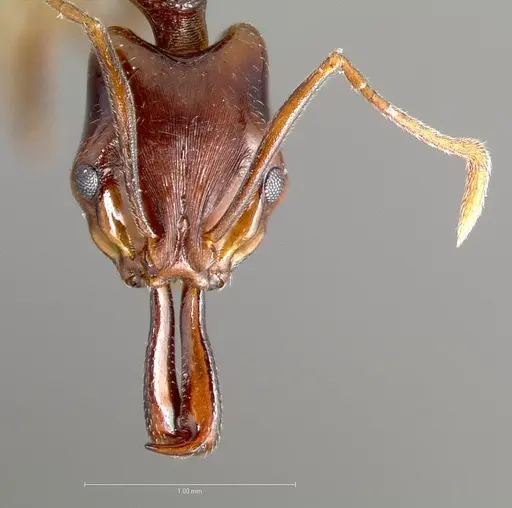
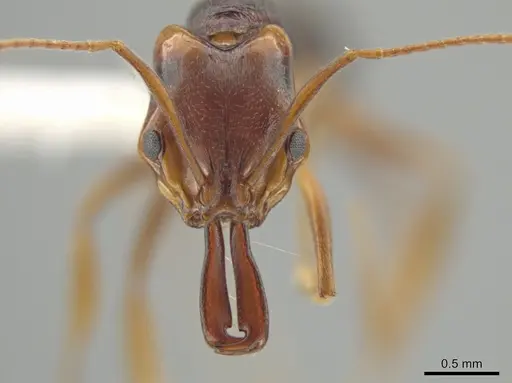
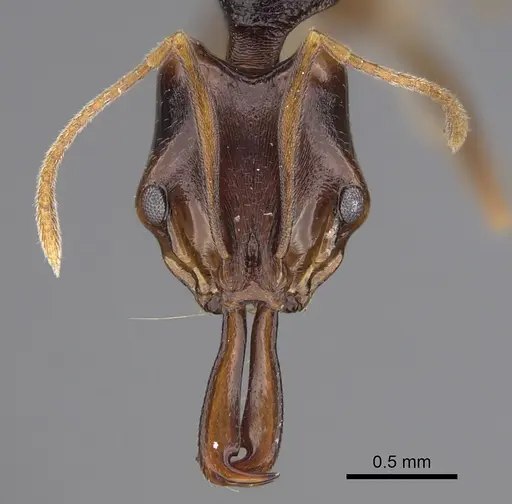
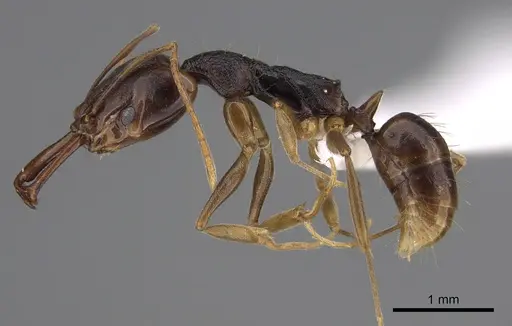
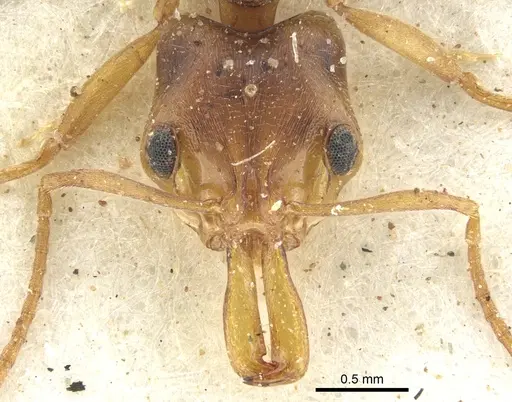
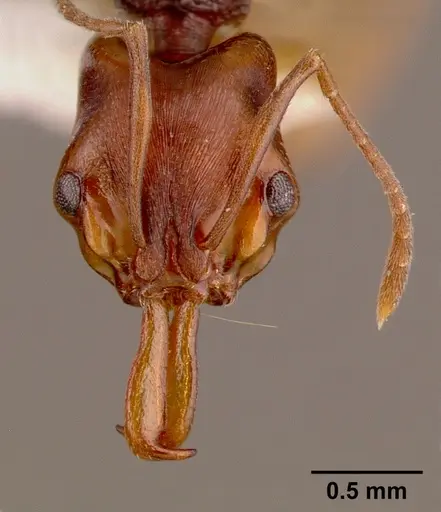
As members of the trap-jaw ant genus, A. bequaerti have specialized mandibles for capturing prey [6][3]. They require small live prey such as springtails, fruit flies, and tiny crickets. The trap-jaw mechanism allows them to strike quickly at prey.
Housing and Environmental Setup
Replicate their natural coastal forest habitat. Provide a naturalistic setup with rotting wood, leaf litter, and moist substrate [4]. Maintain high humidity around 70-80% but ensure good ventilation to prevent mold. Temperatures should remain warm and stable, roughly 24-28°C, as they are a tropical species [4].
Colony Structure and Longevity
Colonies are monogyne, containing only one reproductive queen [4]. Because workers are sterile, the colony's survival depends entirely on the queen's longevity. If the queen dies, the colony cannot produce new queens from workers and will eventually die out.
Frequently Asked Questions
Are Anochetus bequaerti good for beginners?
No. They require precise tropical conditions and consistent live prey. The sterile worker caste means any queen loss ends the colony.
How do I care for a founding Anochetus bequaerti queen?
Founding behavior is unconfirmed for this species. Provide a small setup with moist substrate and small live prey. Monitor the queen closely and adjust feeding based on her behavior.
What do Anochetus bequaerti eat?
Small live insects. As trap-jaw ants, they are active predators. Feed fruit flies, springtails, or tiny crickets. They may also accept sugar water, but protein is essential.
Can I keep multiple Anochetus bequaerti queens together?
No. They are monogyne and queens will fight. Additionally, workers are sterile so cannot help establish a multi-queen colony.
How big do Anochetus bequaerti colonies get?
Exact maximum size is unknown. Based on related Anochetus species, colonies likely remain small with under 200 workers.
Do Anochetus bequaerti need hibernation?
No. They are a tropical species from coastal Africa and remain active year-round. Keep temperatures stable in the warm range.
What is the egg to worker timeline for Anochetus bequaerti?
This has not been documented in scientific literature. Based on tropical Ponerinae patterns, estimate 8-12 weeks at 25-28°C.
Why did my Anochetus bequaerti queen die during founding?
Common causes include: temperatures outside their preferred range, low humidity, or lack of food. Ensure warm, humid conditions and offer small live prey regularly.
Can Anochetus bequaerti climb glass or plastic?
Yes, they can climb most surfaces. Use Fluon or baby powder barriers on outworld walls, and ensure lids fit tightly.
Report an Issue
The current care sheet is based fully on literature. See inconsistencies, or something that's incorrect? Please , it will be resolved after review from an admin. Contributing to the blogs tab also helps providing information, to make us be able to further improve the caresheets. Thank you for your support!
References

This caresheet is licensed under CC BY-SA 4.0 .
Community Blogs
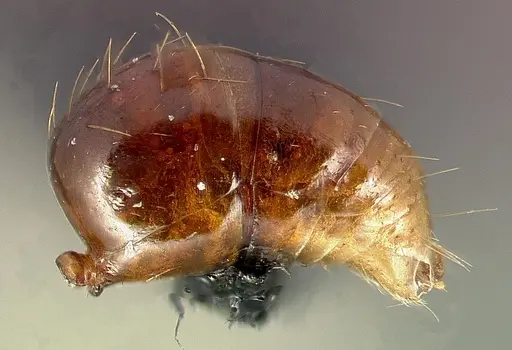
CASENT0003146
View on AntWeb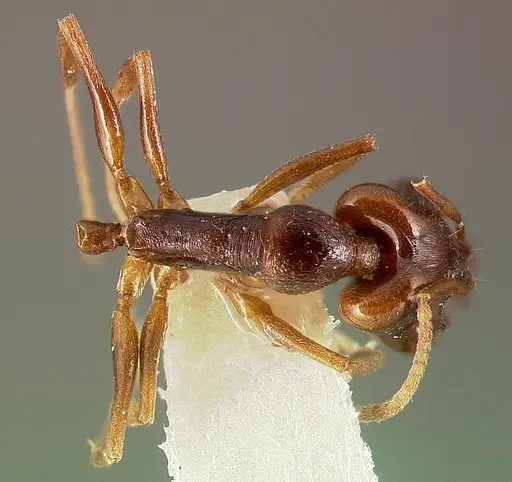
CASENT0235368
View on AntWeb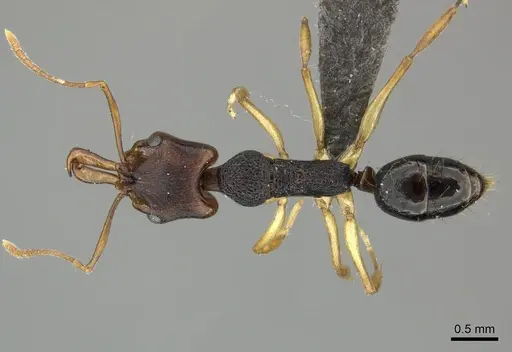
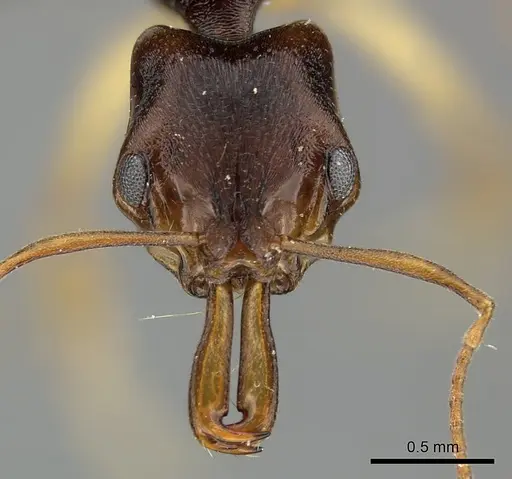
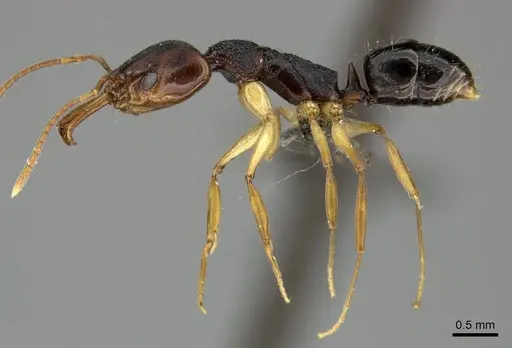
CASENT0250075
View on AntWeb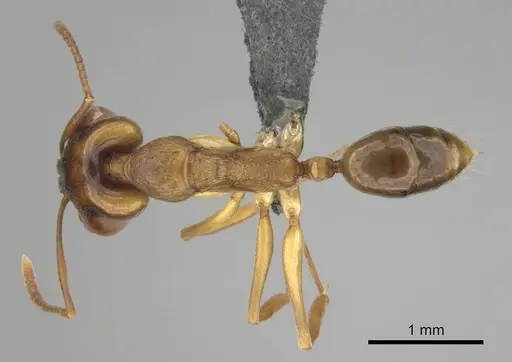
CASENT0250092
View on AntWeb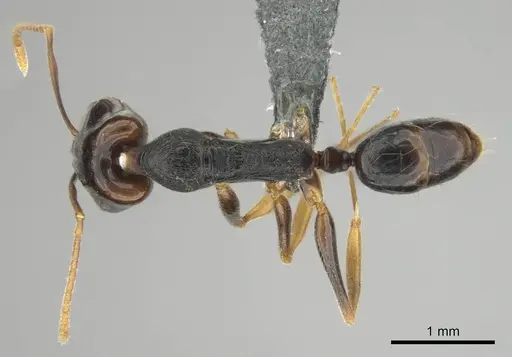
CASENT0251893
View on AntWeb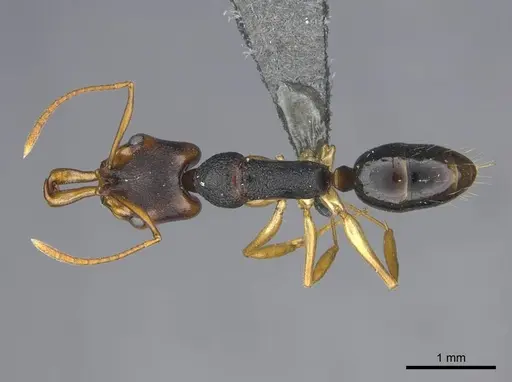
CASENT0260489
View on AntWeb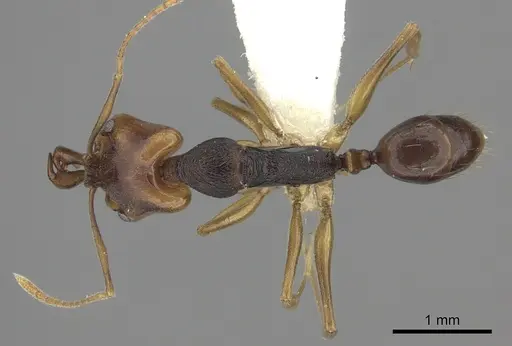
CASENT0408018
View on AntWeb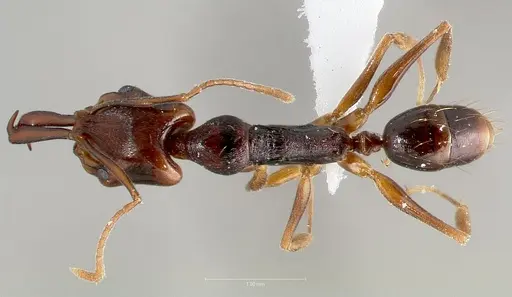
CASENT0639665
View on AntWeb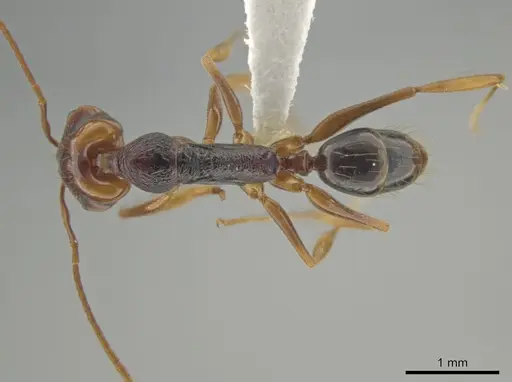
CASENT0810444
View on AntWeb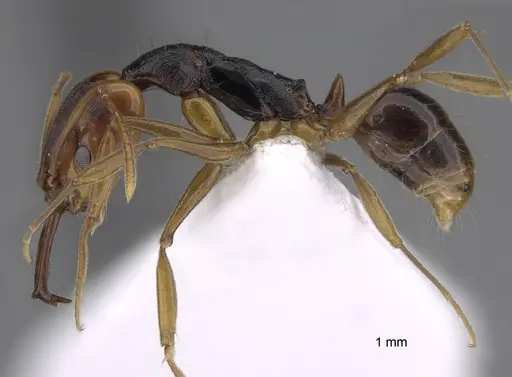
CASENT0845784
View on AntWeb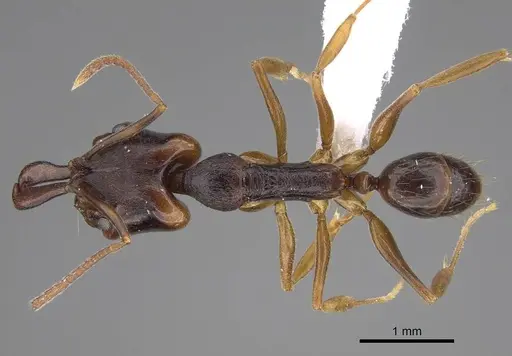
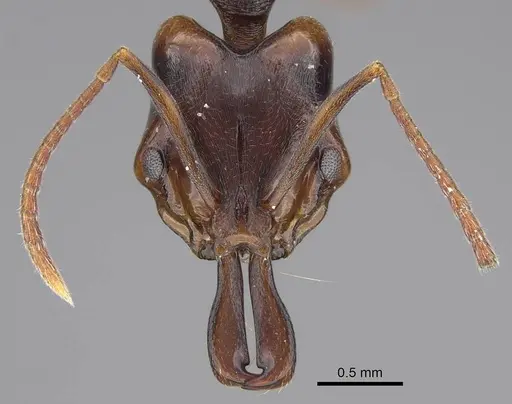
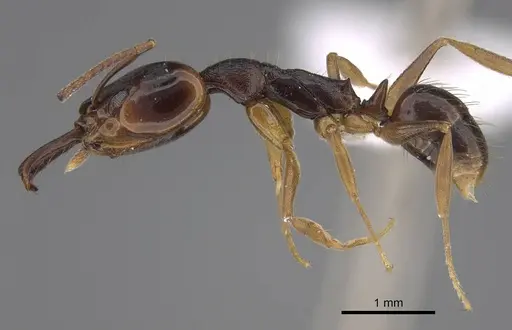
CASENT0845817
View on AntWeb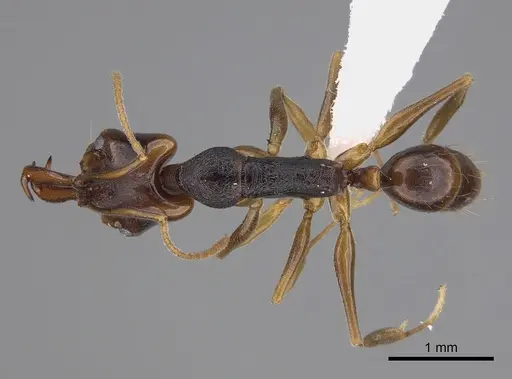
CASENT0902451
View on AntWeb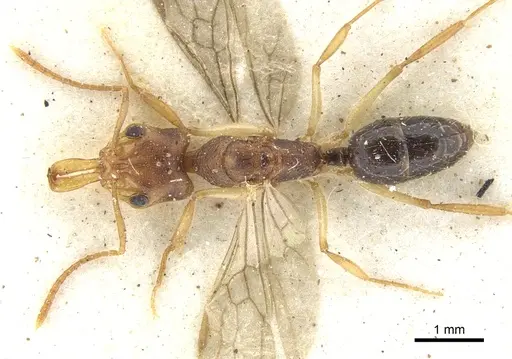
CASENT0902452
View on AntWeb
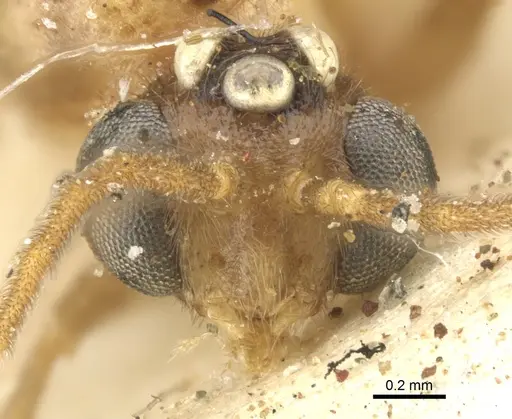
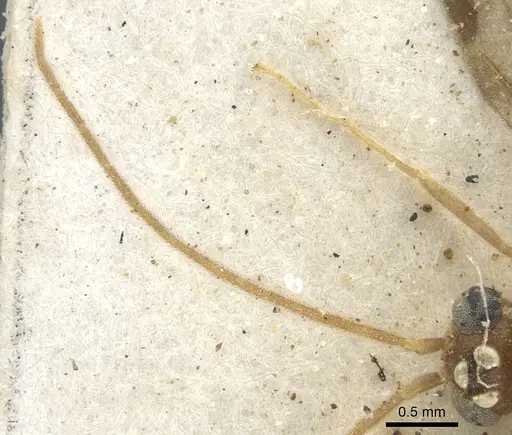
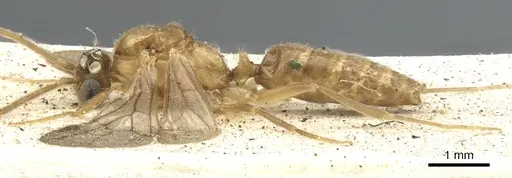
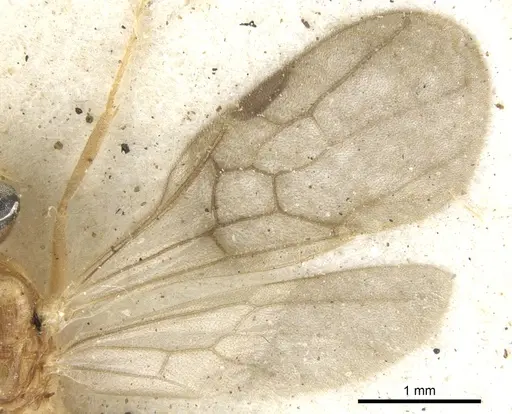
RMCAENT000017738
View on AntWeb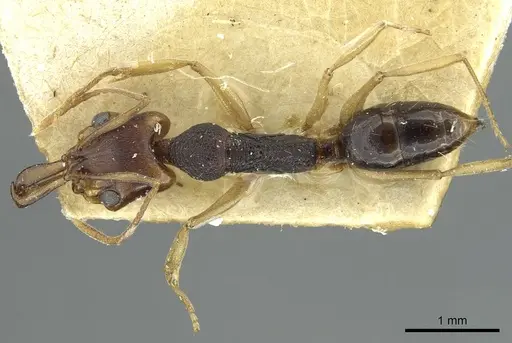
SAM-HYM-C002518A
View on AntWeb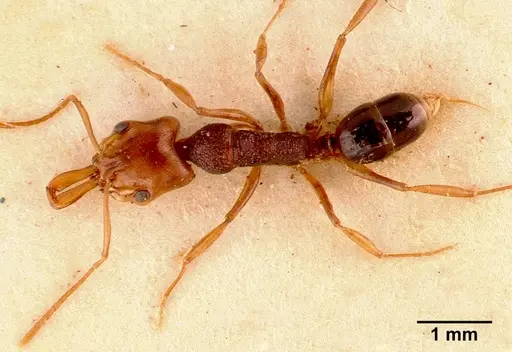
SAM-HYM-C002598A
View on AntWeb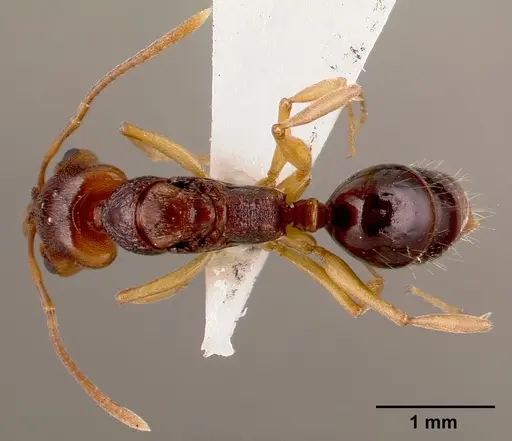
SAM-HYM-C002598B
View on AntWeb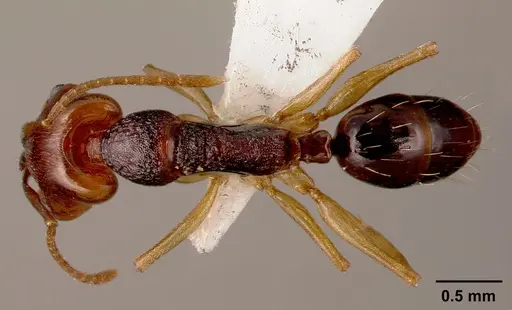
Literature
Loading distribution map...Loading products...