
Anochetus africanus
- Sci. Name
- Anochetus africanus
- Tribe
- Ponerini
- Subfamily
- Ponerinae
- Author
- Mayr, 1865
- Distribution
- Found in 10 countries
Introduction
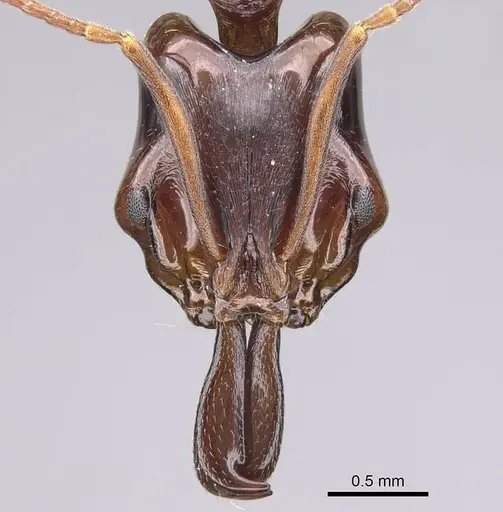
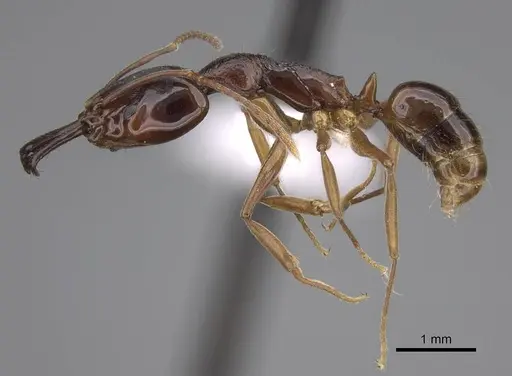
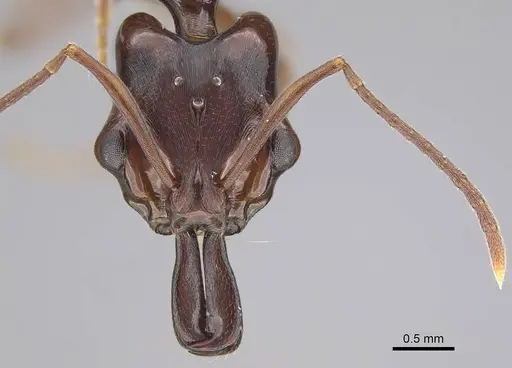
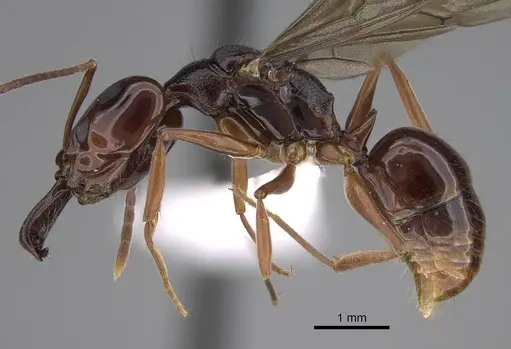
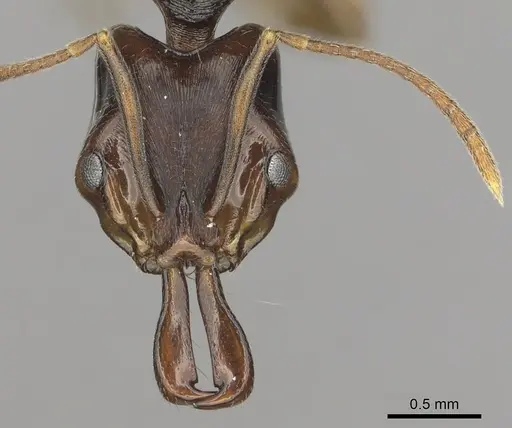
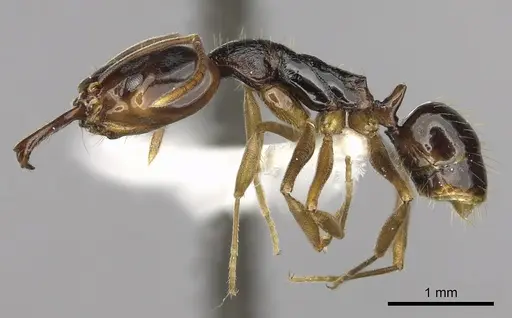
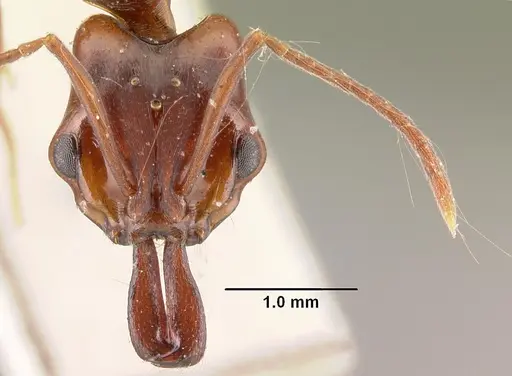
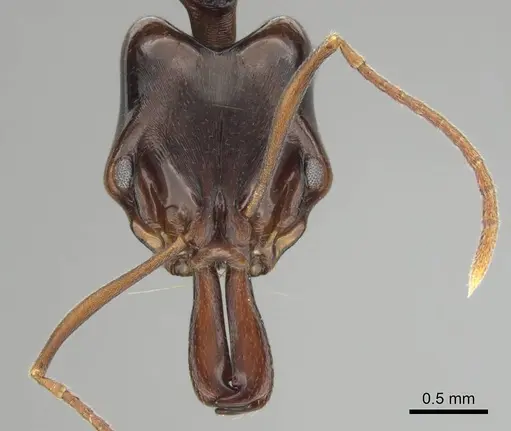
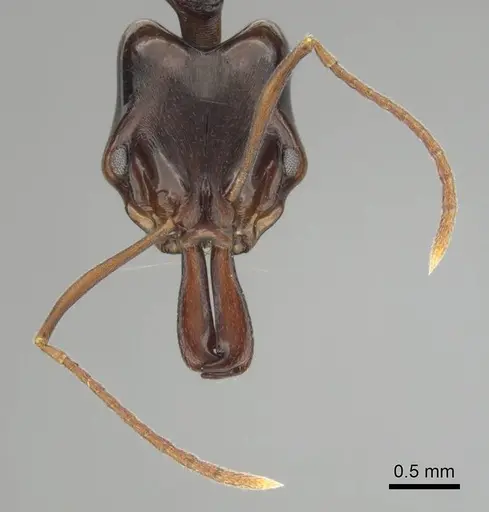
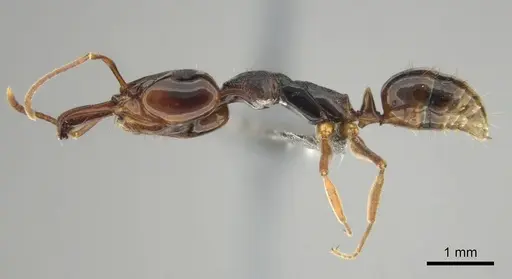
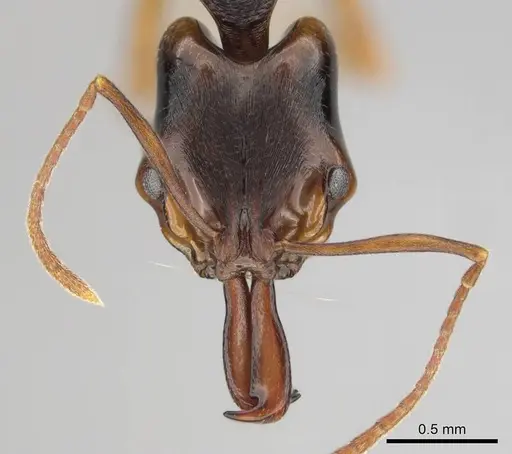
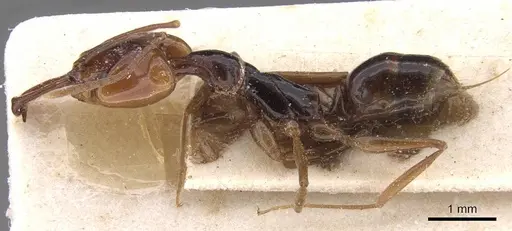
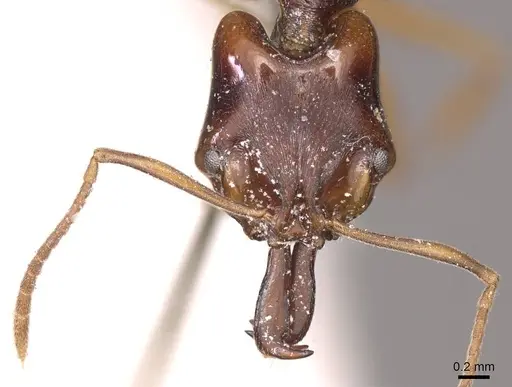
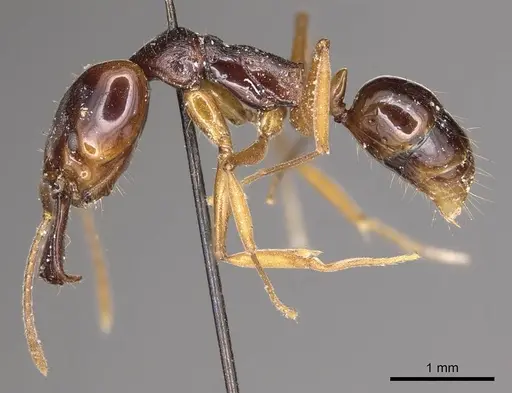
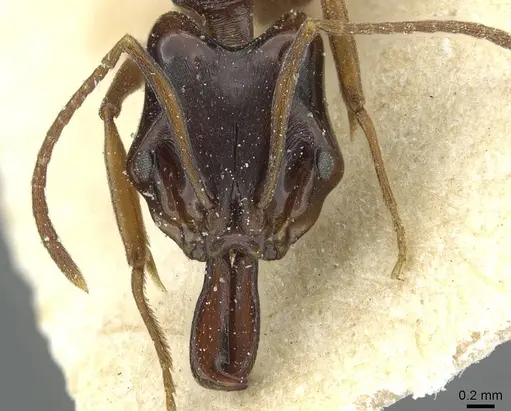
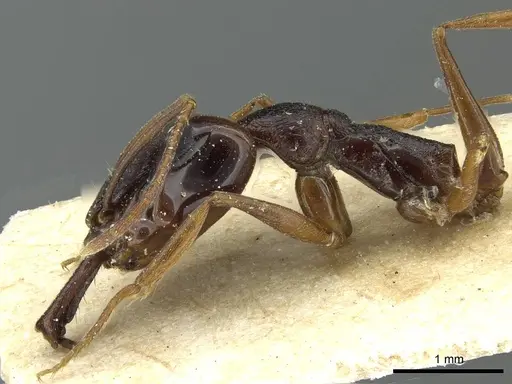
Anochetus africanus is a small trap-jaw ant found in the leaf litter of West and Central African forests. Workers have long, slender mandibles that snap shut with incredible speed to catch prey. They range across the Afrotropical region from Ghana and Cameroon to Kenya and Mozambique, living at elevations from 110m to 640m . These ants sting very painfully . They belong to the africanus species group within the trap-jaw ant genus . In the wild, they hunt small invertebrates among decaying leaves and soil.
Quick Summary
- Difficulty: Hard
- Origin & Habitat: West and Central Africa including Ghana, Cameroon, Democratic Republic of Congo, Gabon, Kenya, and Ivory Coast, found in tropical forest leaf litter from 110m to 640m elevation [1][2][6][7].
- Colony Type: Colony structure is unconfirmed for this species.
- Size & Growth:
- Queen: Size data unavailable, inferred from Anochetus genus (~5-7mm).
- Worker: Size data unavailable, inferred from Anochetus genus (~3-5mm).
- Colony: Unknown, likely small to moderate based on related species.
- Growth: Unknown, likely moderate.
- Development: Timeline is unconfirmed. Based on related tropical trap-jaw ants, estimate roughly 8-12 weeks at 25-28°C. (Development time is inferred from related species, actual data for A. africanus is unavailable.)
- Antkeeping:
- Temperature: Keep at roughly 24-28°C based on tropical African distribution. Provide a heat gradient.
- Humidity: High humidity required, keep nest substrate damp but not waterlogged to mimic leaf litter habitat [2].
- Diapause: No, tropical species remains active year-round.
- Nesting: Small chambers in soil, plaster, or naturalistic leaf litter setups. Avoid large open spaces.
- Behavior: Predatory trap-jaw hunters that use spring-loaded mandibles to catch prey. Sting is very painful [3]. Small size creates high escape risk.
- Common Issues: tiny size means escapes are likely without fine mesh barriers under 0.5mm., require small live prey such as fruit flies or springtails which can be difficult to source consistently., painful sting makes handling risky and unsuitable for children or beginners., founding behavior is unconfirmed, if semi-claustral like related species, queens need immediate access to food.
Trap-Jaw Hunting and Feeding
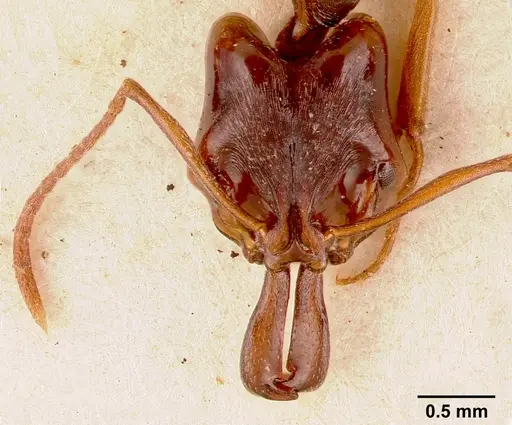
Anochetus africanus are specialized predators with a unique hunting method. Their long mandibles open wide and snap shut when sensitive hairs on the inner surface touch prey. This trap-jaw mechanism lets them catch fast-moving prey like springtails and small insects.
In captivity, they need small live prey. Offer fruit flies, springtails, or tiny crickets. They may not accept dead insects or sugar water readily. Feed small amounts frequently rather than large boluses that can mold. Because they are small, they cannot handle large prey items.
Watch for hunting behavior: workers will approach prey slowly, open their mandibles wide, and strike when close enough. This makes them fascinating to observe but means they need appropriate food sources to thrive. [3][1]
Nest Preferences
In nature, these ants live in leaf litter and topsoil in tropical forests [2]. They prefer small, humid chambers in dark places. Captive nests should mimic these conditions closely.
Use soil nests, plaster nests, or naturalistic setups with leaf litter. Provide small chambers and narrow tunnels rather than large open spaces. They will dig small chambers in soil or occupy pre-made cavities in rotting wood.
Keep the substrate moist but not waterlogged. The nest material should feel damp to the touch. Provide some darker areas where the ants can retreat from light. Avoid dry conditions as these ants come from humid forest floors.
Temperature and Humidity
As a tropical African species, Anochetus africanus needs warmth and humidity year-round. Keep them at roughly 24-28°C. Use a heating cable on one side of the nest to create a temperature gradient, but place it on top or side rather than underneath to prevent condensation problems.
Maintain high humidity. The nest substrate should remain damp, similar to a forest floor after rain. You can achieve this by watering one side of a soil nest or using a water tower in a test tube setup. However, ensure there is some ventilation to prevent mold while keeping humidity high.
These ants do not hibernate. They remain active throughout the year, so maintain stable warm conditions even during winter months. [1]
Colony Founding
Founding behavior is unconfirmed for Anochetus africanus specifically. However, many Anochetus queens are semi-claustral, meaning they do not seal themselves in completely and must leave the nest to hunt for food while raising their first workers.
If you have a founding queen, set her up with access to a small outworld or feeding area from day one. Offer tiny live prey like fruit flies or springtails regularly. Do not seal her in a test tube without food access for months as you would with claustral species.
Because founding behavior is unconfirmed, observe your queen carefully. If she refuses food or seals herself in, adjust your care accordingly. Semi-claustral founding makes queens more vulnerable to stress and starvation, so minimize disturbance during this critical period. [1]
Handling and Safety
These ants sting very painfully [3]. While their small size means they cannot penetrate thick skin easily, they can sting between fingers or on sensitive skin. Use soft forceps or a light touch when moving them, and never handle them with bare hands.
Their small size also creates escape risks. Use tight-fitting lids and fine mesh under 0.5mm on ventilation holes. Check for gaps around tubing and lids regularly. Escaped ants can be difficult to recapture and may sting if cornered.
Keep them in a secure location away from small children and pets. The combination of painful sting and tiny size makes them unsuitable for beginner keepers or households with curious pets.
Frequently Asked Questions
Do Anochetus africanus ants sting?
Yes, they sting very painfully [3]. Handle them carefully with forceps and avoid bare skin contact.
Are Anochetus africanus good for beginners?
No, they are difficult to keep. They require small live prey, careful humidity control, and their painful sting makes handling risky. They are better suited for experienced keepers.
What do Anochetus africanus eat?
They are predators that hunt small live prey. Offer fruit flies, springtails, or tiny crickets. They may not accept sugar solutions or dead insects.
How long until Anochetus africanus get their first workers?
The timeline is unconfirmed. Based on related tropical trap-jaw ants, expect roughly 8-12 weeks at 25-28°C, but this is an estimate.
Do Anochetus africanus need hibernation?
No, they are tropical and remain active year-round. Keep them warm throughout the winter.
Can I keep multiple Anochetus africanus queens together?
Not recommended. Combining unrelated queens has not been documented for this species and likely leads to fighting.
What is the best nest type for Anochetus africanus?
Small soil nests, plaster nests, or naturalistic setups with leaf litter work best. They need small chambers and high humidity.
Are Anochetus africanus claustral or semi-claustral?
Founding behavior is unconfirmed for this species. However, many Anochetus are semi-claustral, meaning founding queens need to forage. Provide food access from day one.
How big do Anochetus africanus colonies get?
Colony size is unknown. Related species typically have small to moderate colonies of under 200 workers.
How do I prevent Anochetus africanus from escaping?
Use fine mesh under 0.5mm and tight-fitting lids. Their small size allows them to squeeze through tiny gaps. Check all connections regularly.
Report an Issue
The current care sheet is based fully on literature. See inconsistencies, or something that's incorrect? Please , it will be resolved after review from an admin. Contributing to the blogs tab also helps providing information, to make us be able to further improve the caresheets. Thank you for your support!
References

This caresheet is licensed under CC BY-SA 4.0 .
Community Blogs
CASENT0010785
View on AntWeb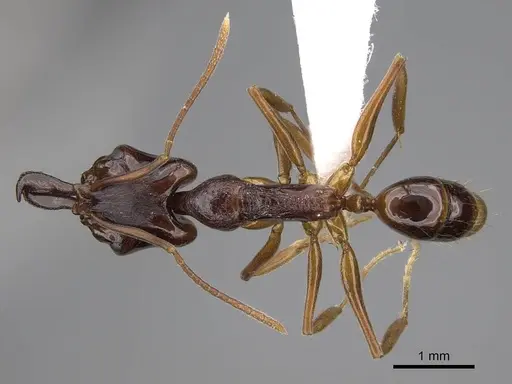
CASENT0010786
View on AntWeb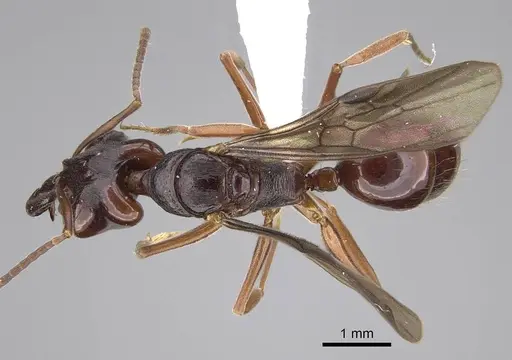
CASENT0010787
View on AntWeb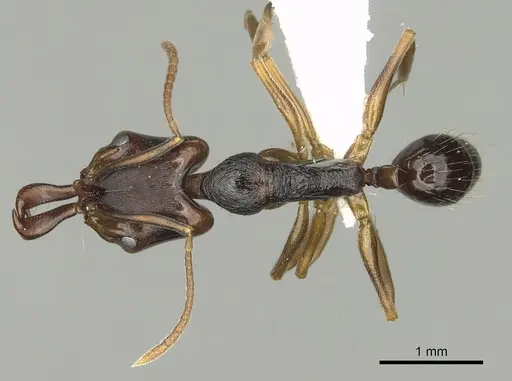
CASENT0101408
View on AntWeb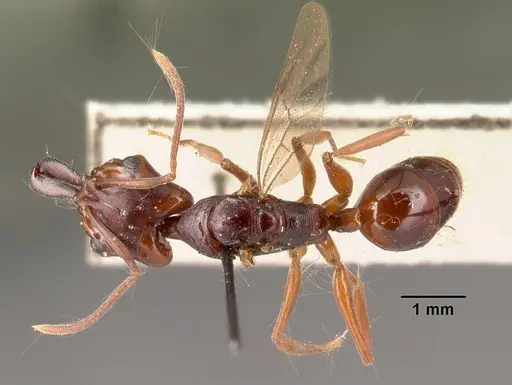
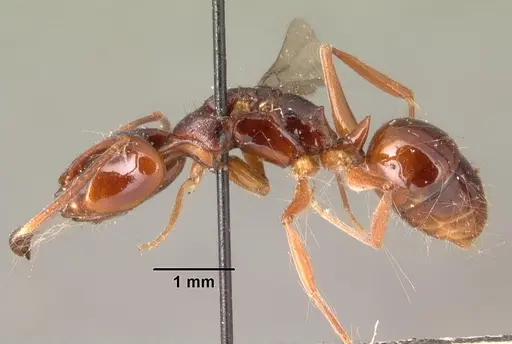
CASENT0217179
View on AntWeb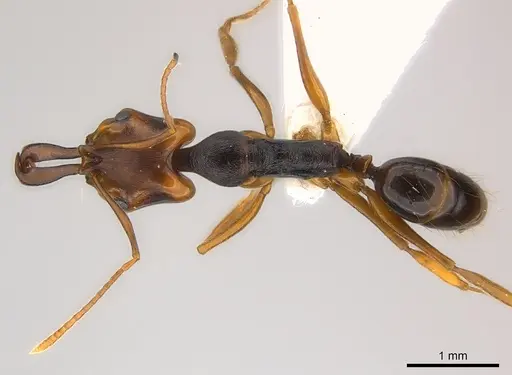
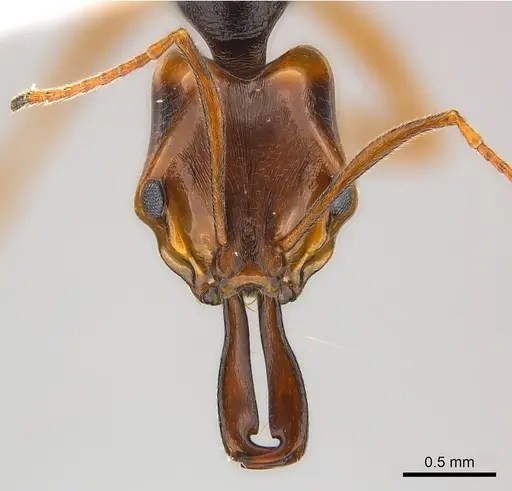
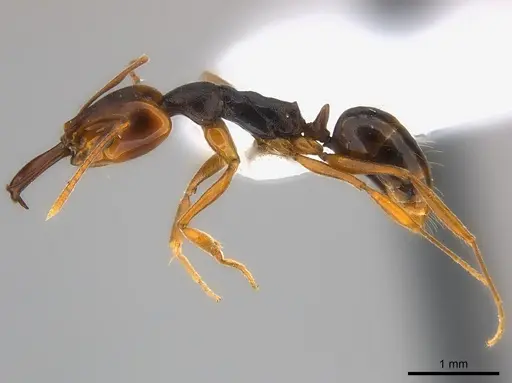
CASENT0250099
View on AntWeb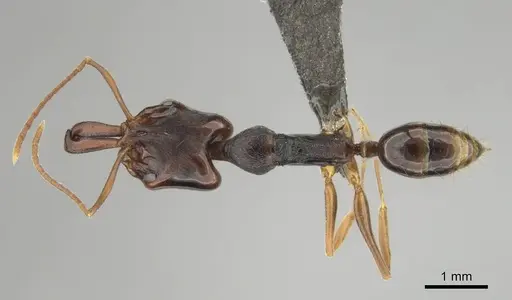
CASENT0352973
View on AntWeb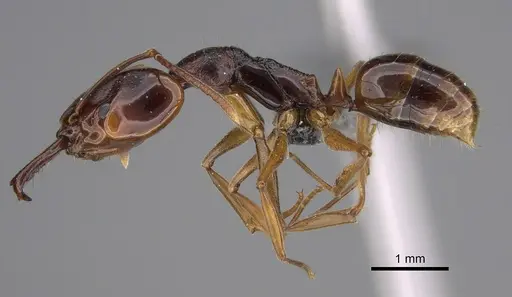
CASENT0406755
View on AntWeb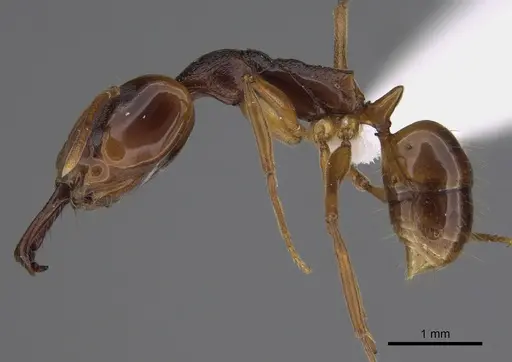
CASENT0815782
View on AntWeb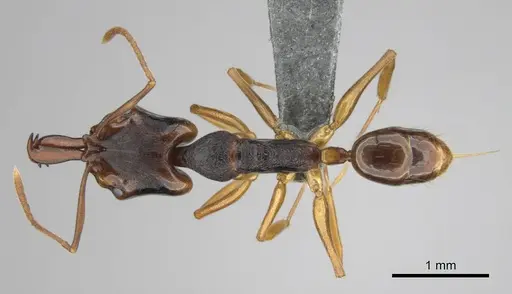
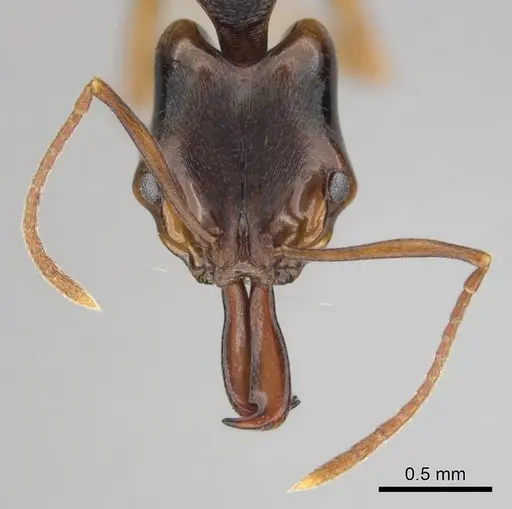
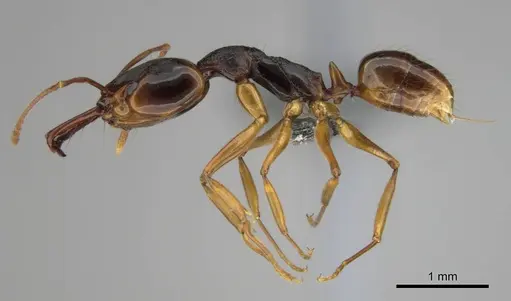
CASENT0815784
View on AntWeb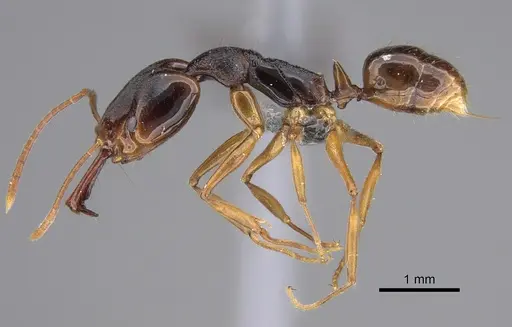
CASENT0845765
View on AntWeb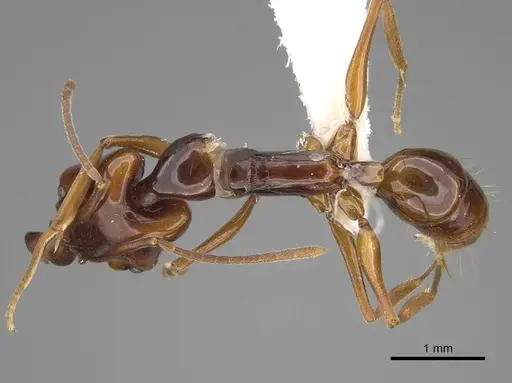
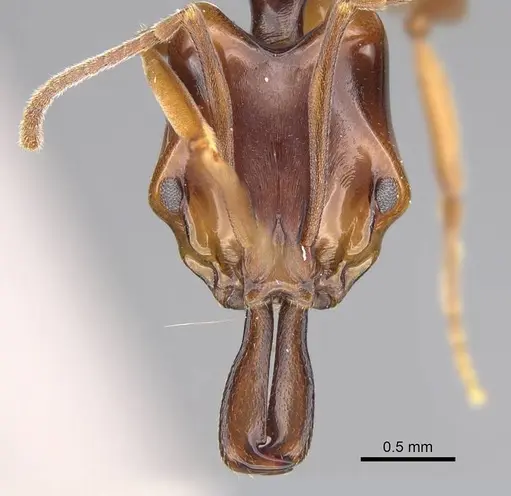
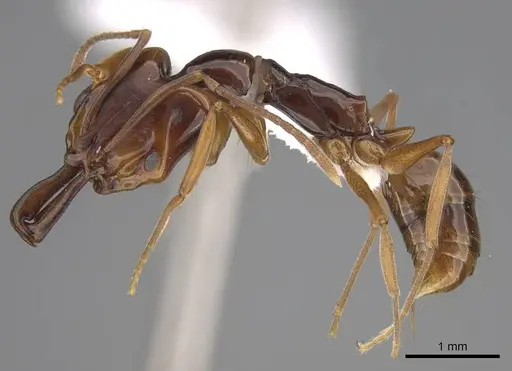
CASENT0915153
View on AntWeb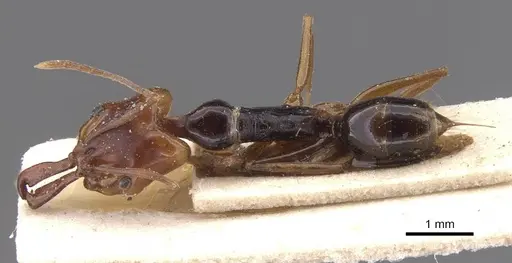
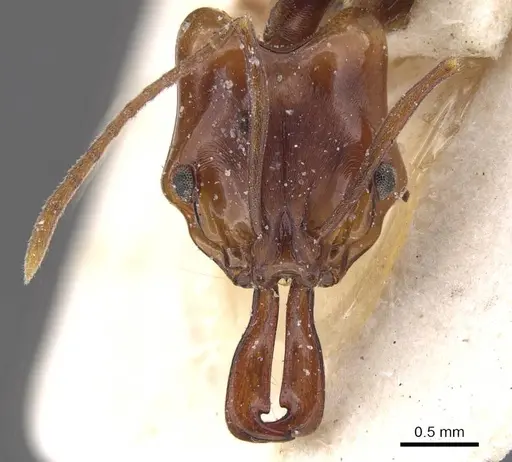
CASENT0915884
View on AntWeb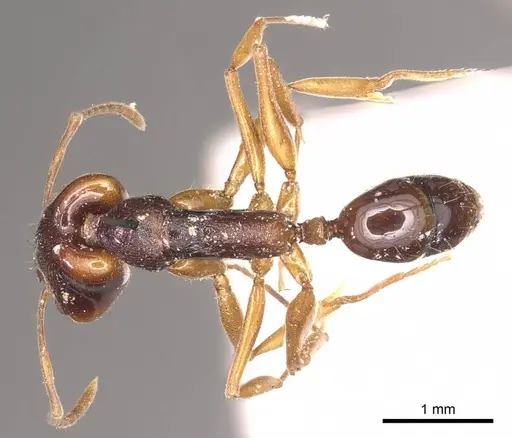
RMCAENT000017740
View on AntWeb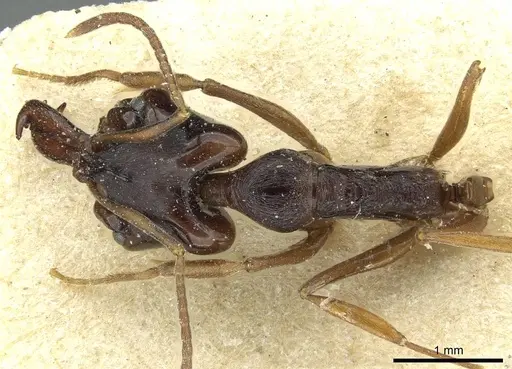
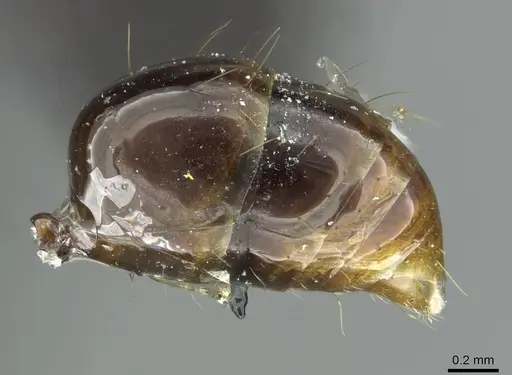
SAM-HYM-C002513A
View on AntWeb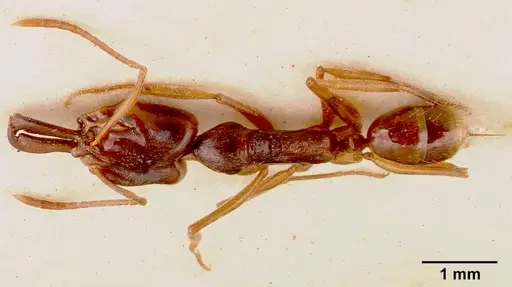
Literature
Loading distribution map...Loading products...