
Amblyopone michaelseni
- Sci. Name
- Amblyopone michaelseni
- Tribe
- Amblyoponini
- Subfamily
- Amblyoponinae
- Author
- Forel, 1907
- Distribution
- Found in 1 countries
Introduction
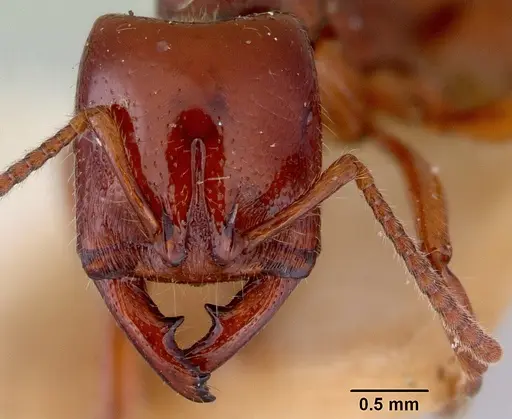
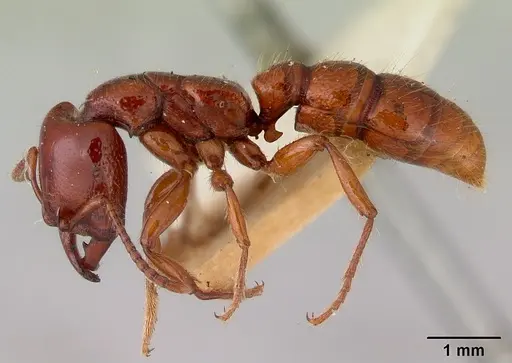
Amblyopone michaelseni is a rare, cryptic ant species endemic to Australia, known only from Western Australia and Victoria . Workers are small, pale, and rarely encountered. The species was described from a single worker collected at Jarrahdale in 1905,and no specimens have been found in recent surveys despite extensive research in the Perth region . This species belongs to the Amblyoponinae subfamily, known for specialized subterranean predators that use sting to paralyze prey.
Quick Summary
- Difficulty: Expert
- Origin & Habitat: Western Australia and Victoria, Australia. Type locality is Jarrahdale, Western Australia [1]. Possibly affected by land use changes around Perth [1].
- Colony Type: Unknown. Colony structure has never been documented.
- Size & Growth:
- Queen: Size data unavailable, inferred from Amblyopone genus as approximately 5-7mm
- Worker: Size data unavailable, inferred from Amblyopone genus as approximately 3-5mm
- Colony: Unknown, Amblyopone species typically have small colonies
- Growth: Unknown
- Development: Unknown (Development time unconfirmed. Amblyopone species generally develop slowly.)
- Antkeeping:
- Temperature: Unknown. Based on Western Australian climate, likely 20-25°C with cooler winter periods around 15-18°C.
- Humidity: Unknown. Likely requires humid substrate conditions typical of Amblyopone nesting preferences.
- Diapause: Unknown. May require winter cooling given southern Australian distribution.
- Nesting: Unknown. Likely soil or rotting wood based on genus patterns. Provide deep naturalistic substrate with hiding places.
- Behavior: Behavior is unconfirmed. Amblyopone are typically cryptic, slow-moving specialized predators. They are not aggressive toward humans but possess a sting for prey capture.
- Common Issues: extreme rarity in the wild makes collection ethically questionable., complete lack of confirmed captive care data means any attempt is experimental., likely requires live prey which are difficult to provide., founding conditions are unknown and potentially difficult., slow development means colonies remain fragile for long periods.
Rarity and Conservation Concerns
Amblyopone michaelseni is known from very few specimens. The species was described from a single worker collected at Jarrahdale in 1905,and recent surveys found no specimens in the Curtin Ant Collection despite extensive work in the area [1]. Brian Heterick noted that land use changes around Perth may have affected local populations [1]. This raises serious ethical questions about collecting them for the pet trade.
Nest Preferences
Nest preferences are unconfirmed for this species. Based on typical Amblyopone patterns, they likely live in soil, rotting wood, or leaf litter in shaded, humid areas. In captivity, provide a naturalistic setup with deep substrate, pieces of rotting wood, and hiding places. The nest area should stay consistently damp but not waterlogged.
Feeding and Diet
The diet of Amblyopone michaelseni is completely unknown. Related Amblyopone species are specialized predators that hunt centipede larvae, beetle grubs, or other soil arthropods. They do not typically accept sugar water or standard ant foods. Offer small, soft-bodied live prey such as springtails or tiny beetle larvae.
Temperature and Seasonal Care
No specific temperature data exists for this species. Western Australia has hot, dry summers and cool, wet winters. If the species follows seasonal patterns typical of southern Australian ants, they may need a period of winter rest at cooler temperatures. During the active season, room temperature (20-24°C) is probably safe. Start with stable, moderate temperatures and observe colony activity.
Colony Founding
Founding behavior is unconfirmed for this species. Many Amblyopone species are semi-claustral, meaning the queen does not seal herself in completely and must leave the nest to hunt for food while raising her first workers. This makes founding extremely difficult in captivity.
Frequently Asked Questions
Is Amblyopone michaelseni endangered?
We don't know for certain, but it appears to be extremely rare. The species was described in 1905 from Jarrahdale, Western Australia, but recent surveys suggest it has become very rare in the state, possibly due to habitat destruction around Perth [1]. No specimens were found in recent collections from the type locality area [1].
Can I keep Amblyopone michaelseni in a test tube?
Probably not successfully. If they follow typical Amblyopone patterns, queens may be semi-claustral and need to forage during founding. They would likely need a small, secure naturalistic container with substrate and hiding places.
How long until Amblyopone michaelseni gets its first workers?
Unknown. Development time is unconfirmed for this species.
What do Amblyopone michaelseni eat?
Unknown in the wild. Based on the genus Amblyopone, they are likely specialized predators of soil arthropods such as centipede larvae or beetle grubs. They probably do not accept sugar water or typical ant foods.
Are Amblyopone michaelseni good for beginners?
Absolutely not. This is an expert-only species, if it should be kept in captivity at all. We know almost nothing about their care requirements, they are likely extremely rare in the wild, and they probably require specialized live prey.
Do Amblyopone michaelseni need hibernation?
Unknown. Given they live in southern Australia (Western Australia and Victoria), they may experience seasonal temperature changes that trigger a winter rest period. If keeping them, you may need to provide a cooler period for several months during winter, but this is speculative.
Can I keep multiple Amblyopone michaelseni queens together?
Not recommended. Combining unrelated queens has not been documented for this species. Based on typical Amblyopone patterns, they are likely single-queen colonies, and queens would probably fight if placed together.
Why is there so little information about Amblyopone michaelseni?
The species was described in 1907 from a single specimen, and despite being from an area near Perth where extensive ant research has occurred, almost no specimens have been collected since [1]. This suggests the species is either extremely rare, cryptic, or possibly declining due to habitat loss around Perth [1].
Report an Issue
The current care sheet is based fully on literature. See inconsistencies, or something that's incorrect? Please , it will be resolved after review from an admin. Contributing to the blogs tab also helps providing information, to make us be able to further improve the caresheets. Thank you for your support!
References

This caresheet is licensed under CC BY-SA 4.0 .
Community Blogs
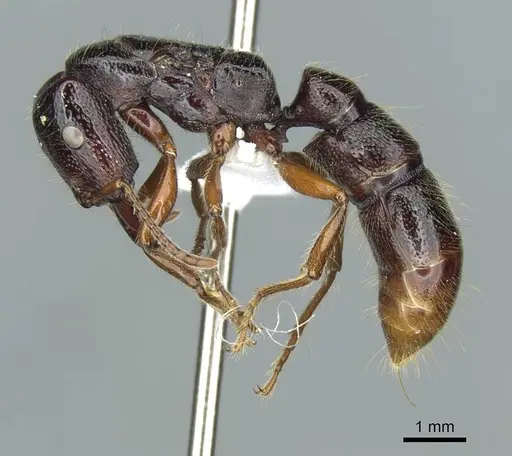
CASENT0100441
View on AntWeb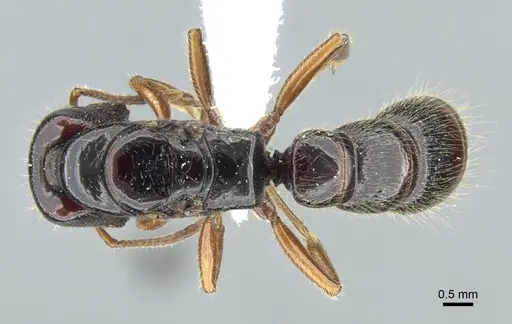
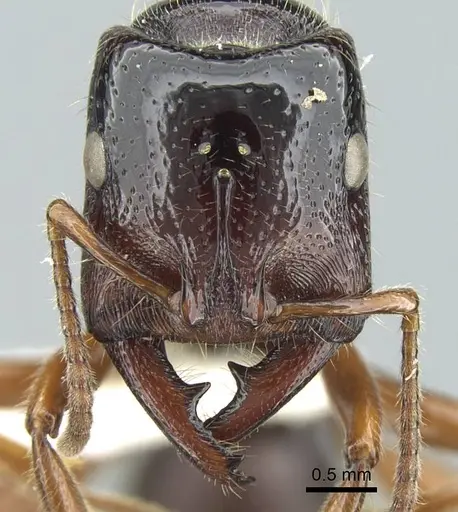
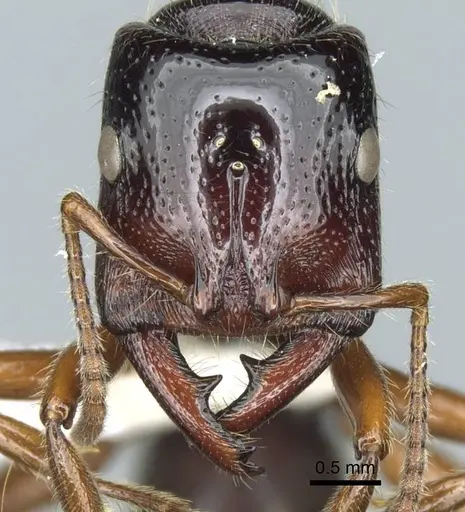
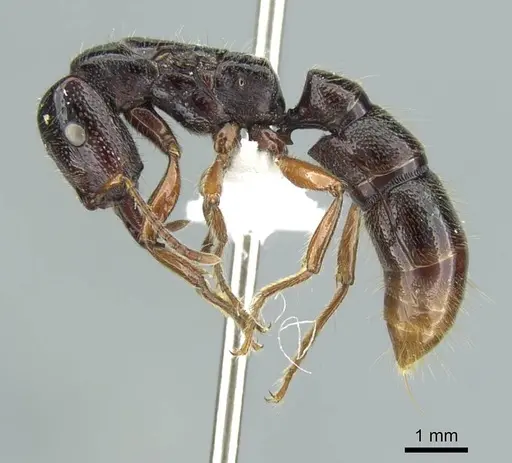
CASENT0102195
View on AntWeb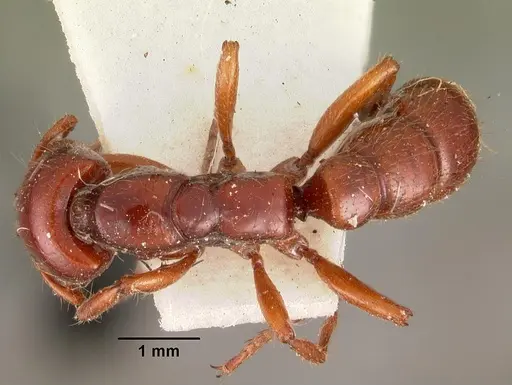
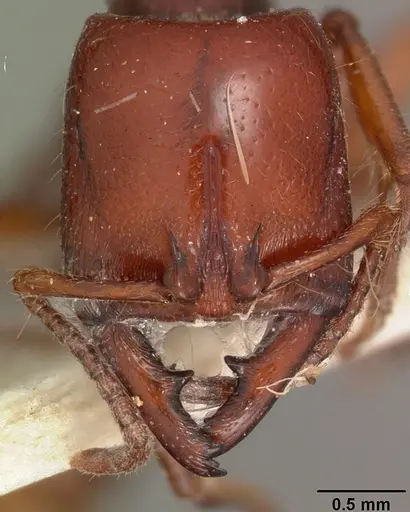
CASENT0172208
View on AntWeb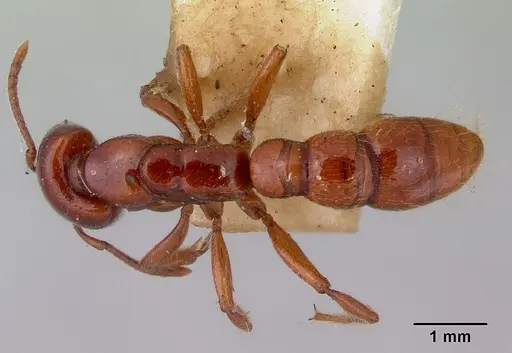
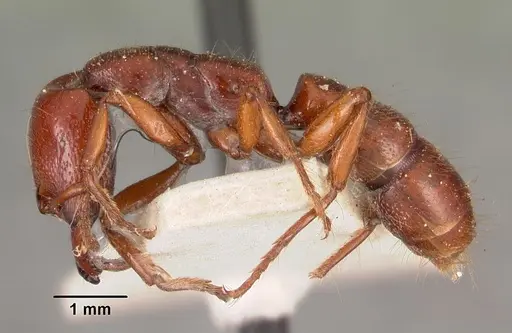
CASENT0172209
View on AntWeb
Literature
Loading distribution map...Loading products...