
Allomerus octoarticulatus
- Sci. Name
- Allomerus octoarticulatus
- Tribe
- Attini
- Subfamily
- Myrmicinae
- Author
- Mayr, 1878
- Distribution
- Found in 6 countries
Introduction
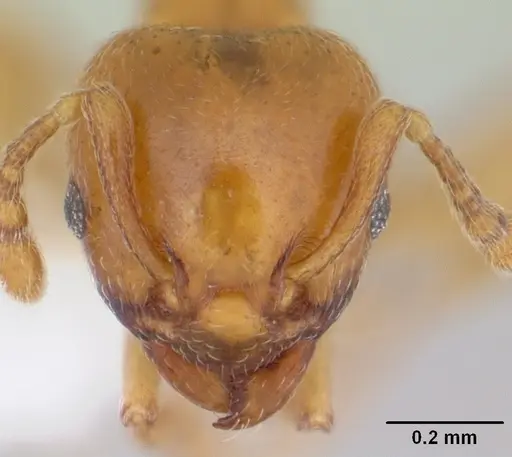
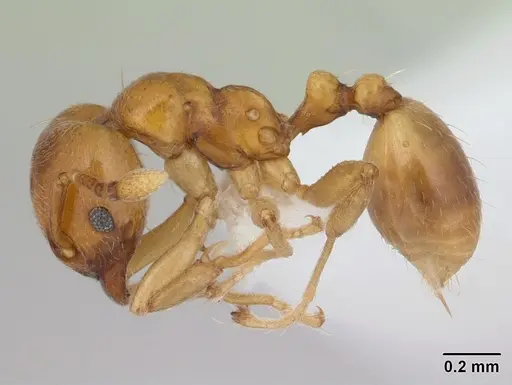
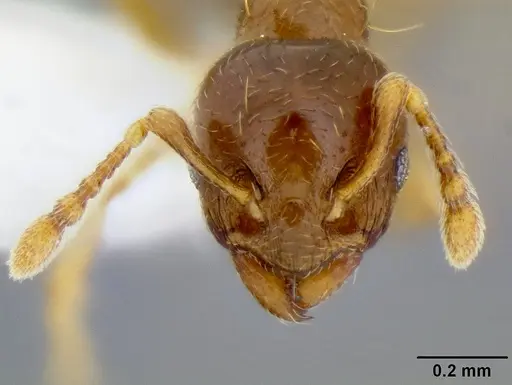
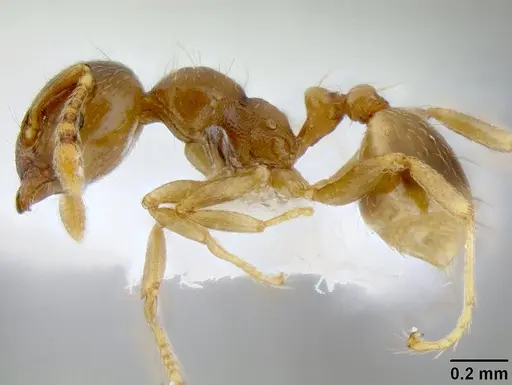
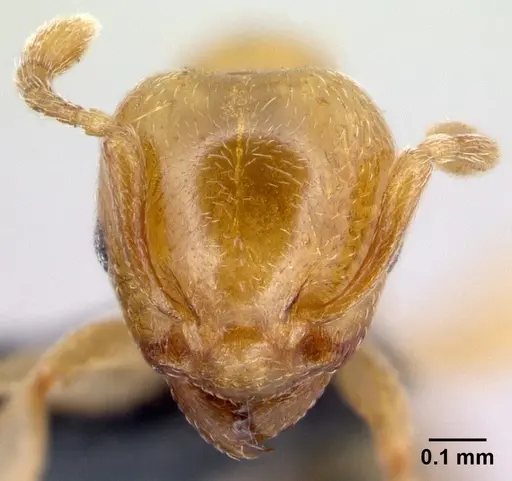
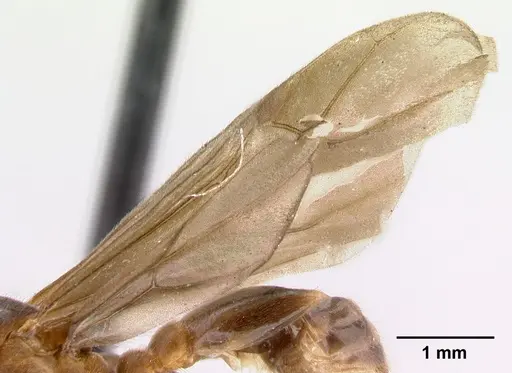
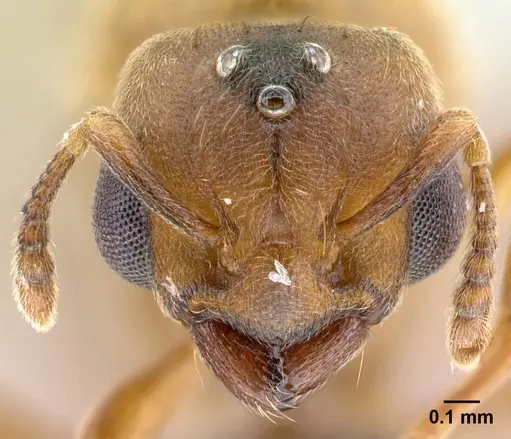
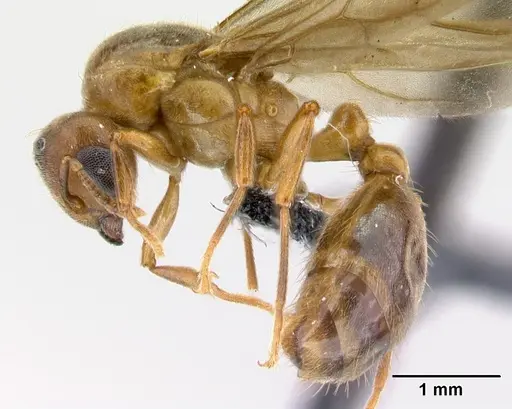
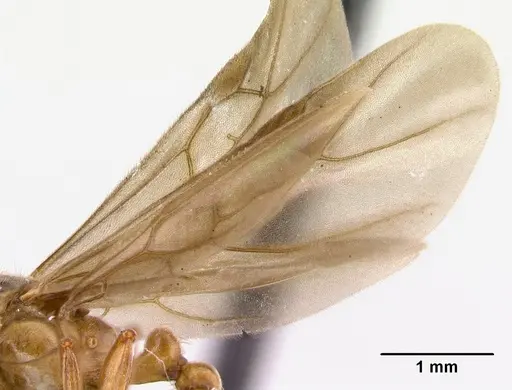
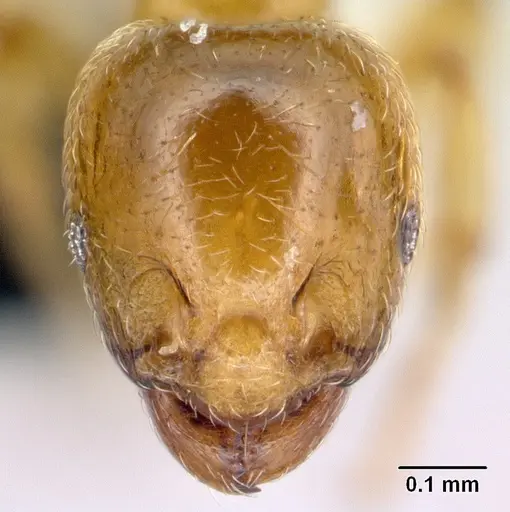
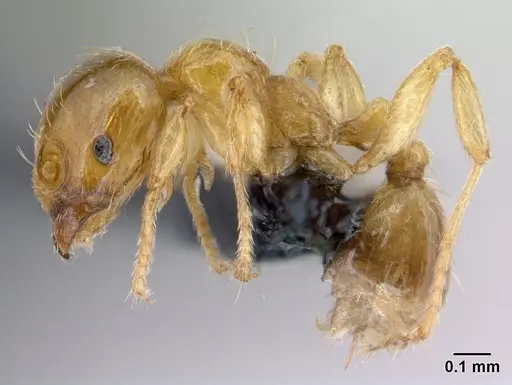
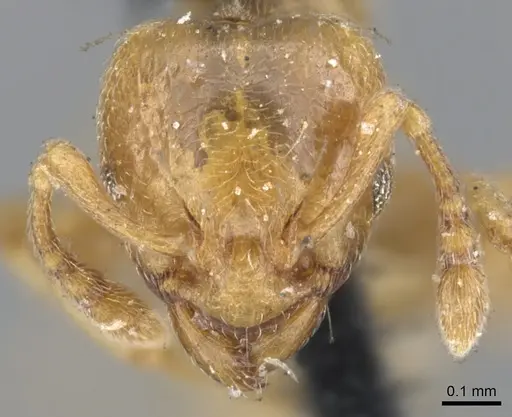
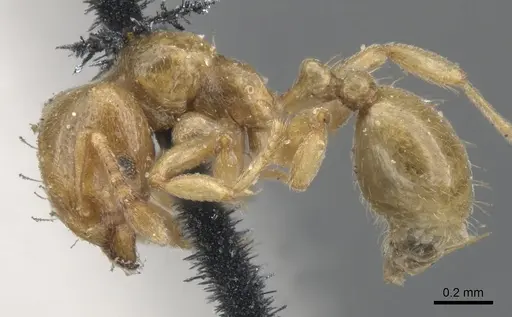
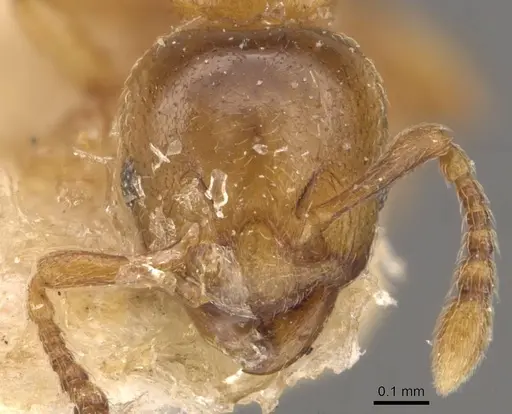
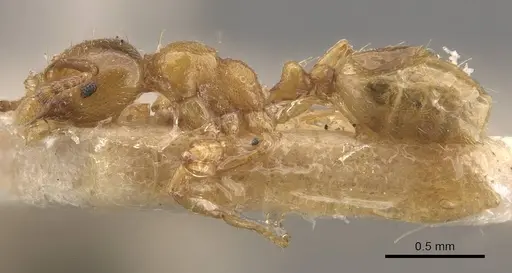
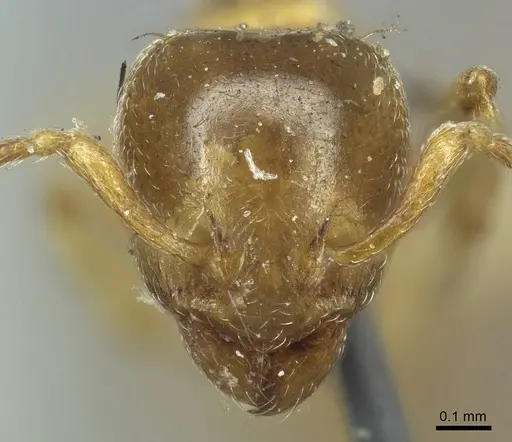
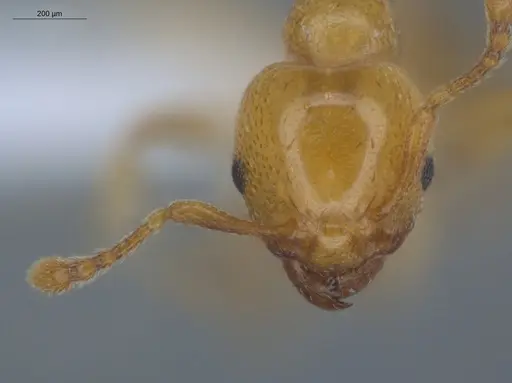
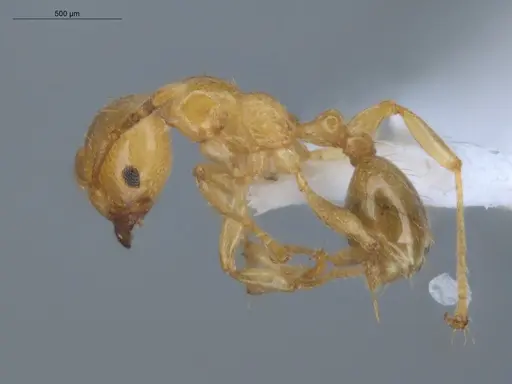
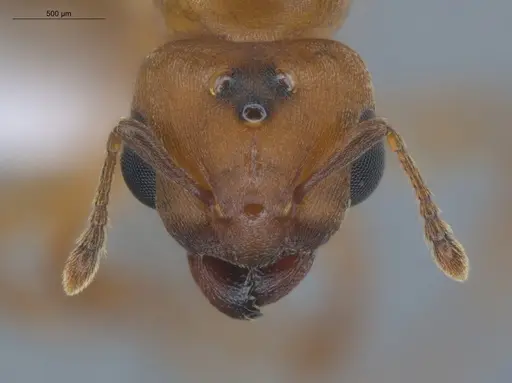
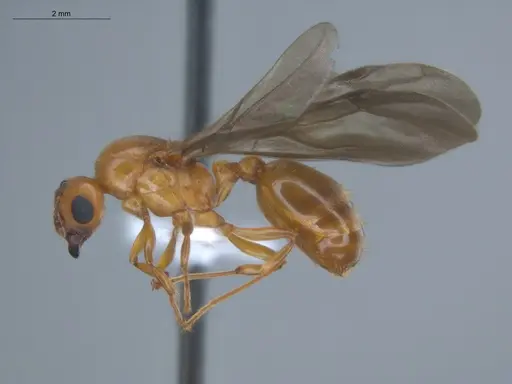
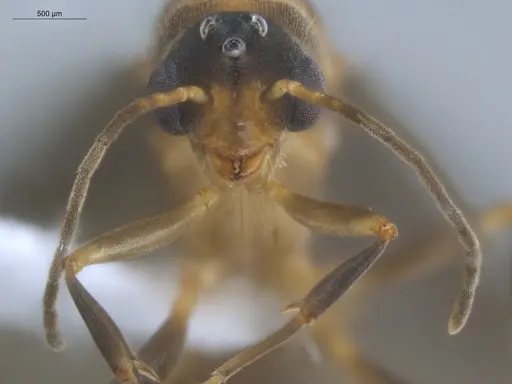
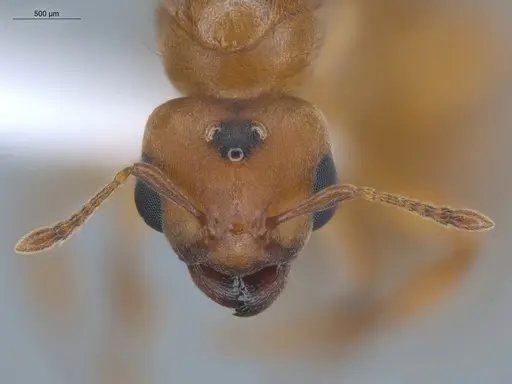
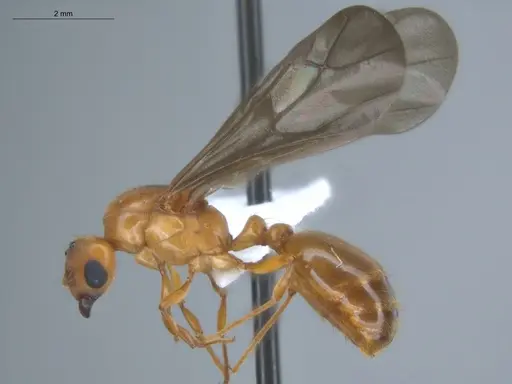
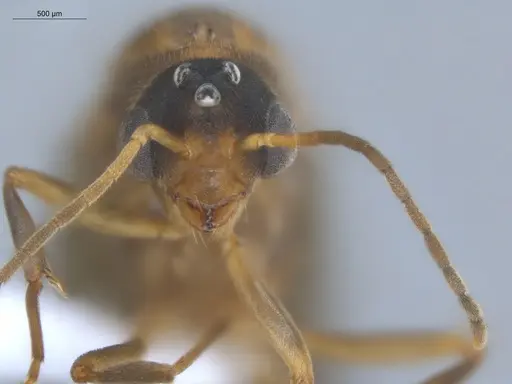
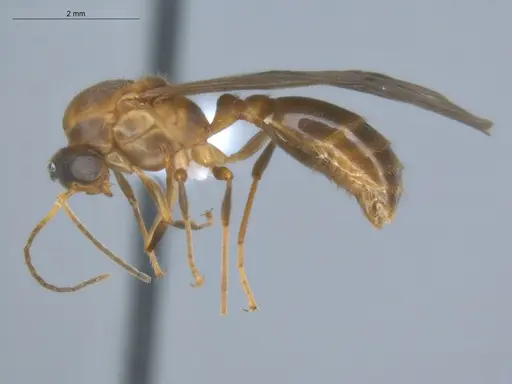
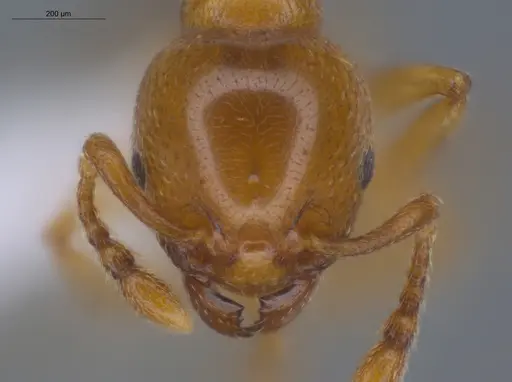
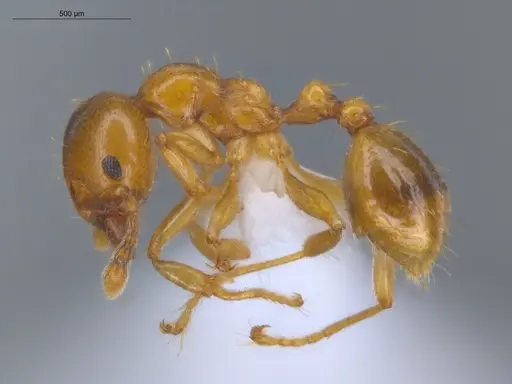
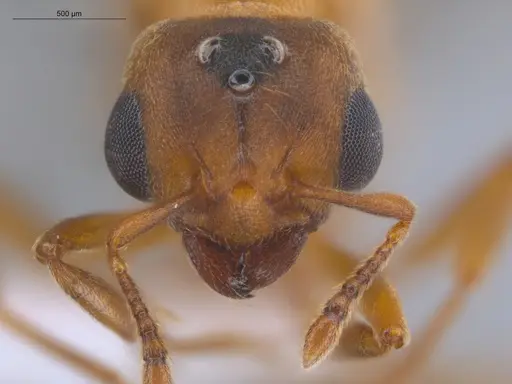
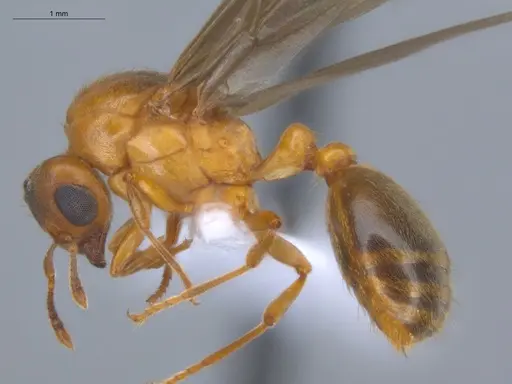
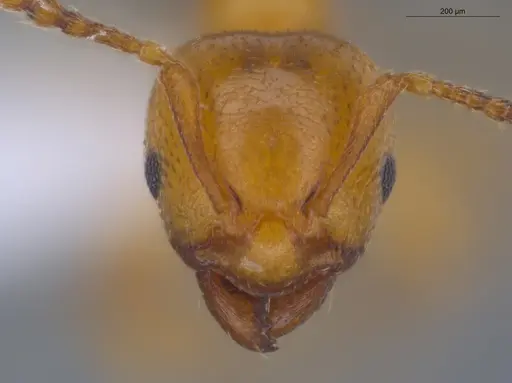
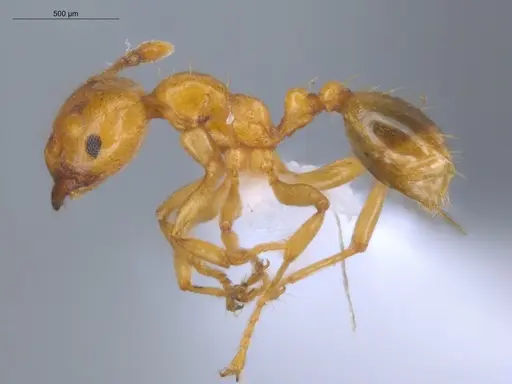
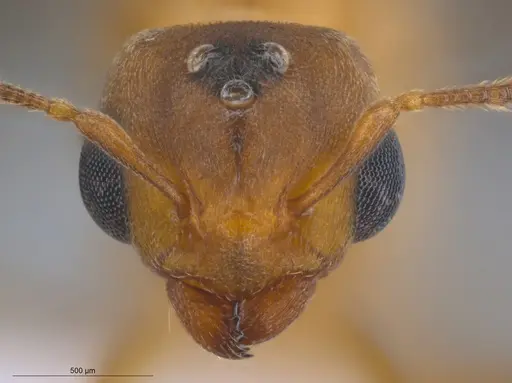
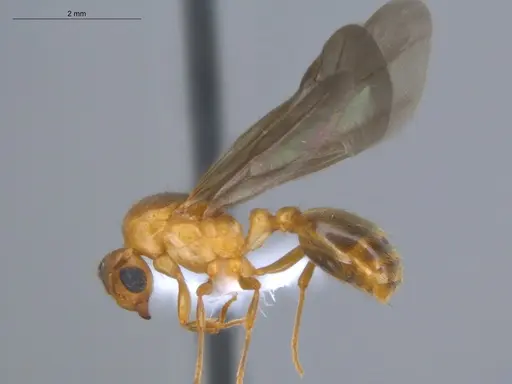
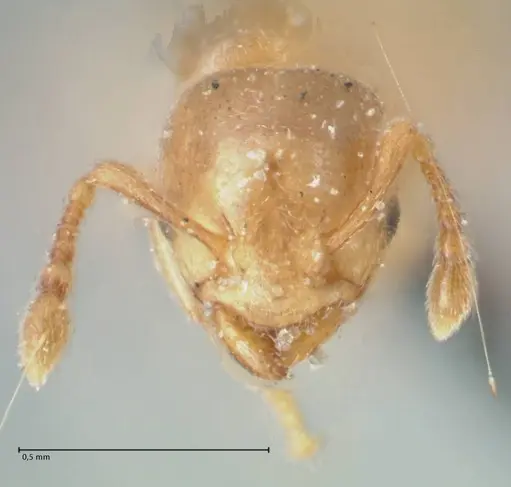
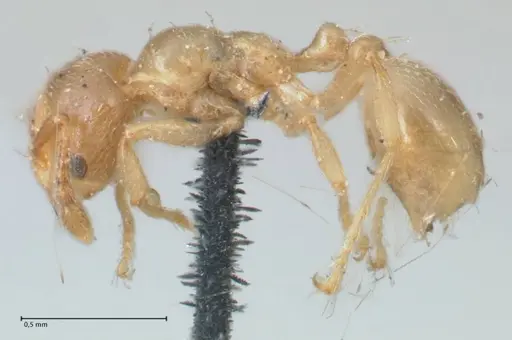
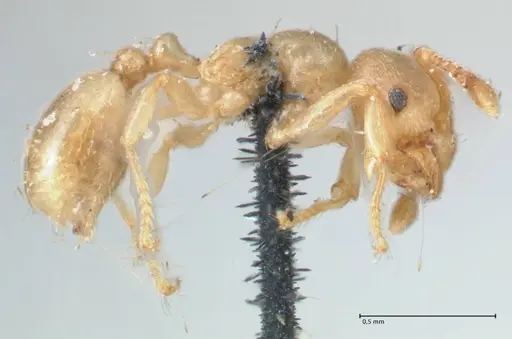
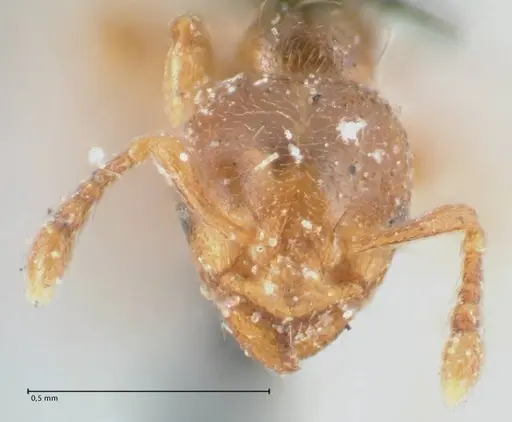
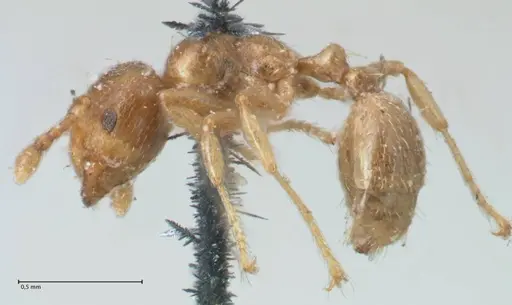
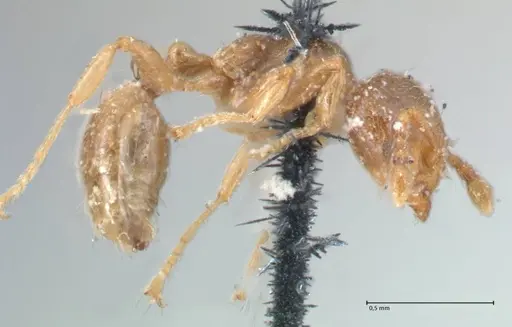
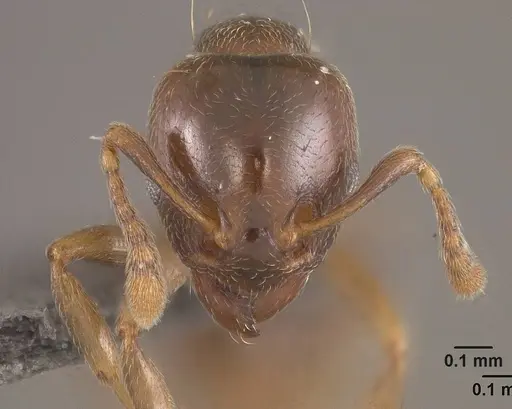
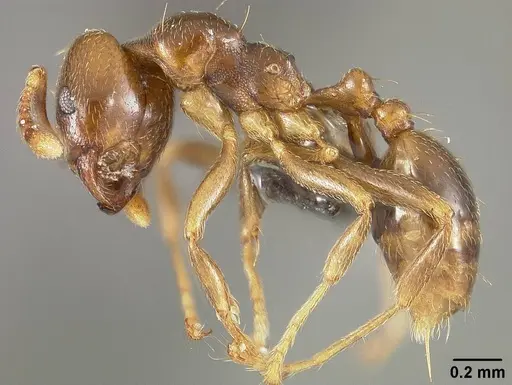
Allomerus octoarticulatus is a tiny ant species with distinctive 8-segmented antennae, measuring approximately 2.1-2.5mm for workers and about 5.4mm for queens . These light brown ants with whitish hairs are obligate inhabitants of Amazonian myrmecophytic plants, nesting exclusively in the hollow stem domatia of species like Cordia nodosa, Hirtella myrmecophila, Hirtella physophora, and various Melastomataceae . Unlike many plant-ants that rely on honeydew from scale insects, these are active predators that hunt insects on their host plant's foliage, attacking caterpillars, beetles, Homoptera, and termites . A fascinating aspect of their relationship with host plants is 'parasitic castration' - they destroy flower buds to prevent fruit production, forcing the plant to redirect energy into growing more stems and domatia instead .
Quick Summary
- Difficulty: Expert
- Origin & Habitat: Amazonian rainforests of Bolivia, Brazil, Ecuador, French Guiana, Guyana, and Peru [1][2]. Arboreal, living exclusively in the domatia (hollow chambers) of myrmecophytic plants [3].
- Colony Type: Monogyne (single-queen) colonies, strictly one queen per colony and typically one colony per host plant [4][5].
- Size & Growth:
- Queen: 5.4 mm [1]
- Worker: 2.1-2.5 mm [1]
- Colony: Colonies are limited by the number of domatia in the host plant. In nature, plants with up to 24-31 domatia can support colonies, suggesting a few hundred workers maximum [4].
- Growth: Moderate
- Development: Unconfirmed, estimated 6-10 weeks at 25-28°C based on typical tropical Myrmicinae development. (This is an estimate, actual development time has not been documented in research.)
- Antkeeping:
- Temperature: 24-28°C (inferred from tropical lowland Amazonian habitat). Keep stable year-round.
- Humidity: High,70-80%+. Nest material should remain moist but not waterlogged (inferred from rainforest habitat).
- Diapause: No, tropical species active year-round.
- Nesting: Arboreal, requires vertical chambers mimicking plant domatia (hollow stems). Cork tubes, bamboo sections, or artificial domatia with small entrances work better than horizontal ground nests.
- Behavior: Highly aggressive predators that patrol host plant foliage and attack virtually any insect landing on leaves [3]. They do not forage on the ground and rarely leave their host plant [3]. Workers construct gallery-shaped traps along stems using plant hairs reinforced with fungal hyphae [6]. Because workers are only about 2mm long, escape prevention must be excellent, they can pass through tiny gaps [3].
- Common Issues: escape prevention is critical, tiny workers pass through standard mesh and gaps., requires constant supply of small live prey, colonies may reject dead insects or sugars., founding success is extremely low in nature (only 3% of queens survive first year) [9]., without proper arboreal chambers mimicking plant domatia, colonies fail to thrive., colonies may starve if prey is too large, they need very small insects like springtails or fruit flies.
The Ant-Plant Relationship
Allomerus octoarticulatus is an obligate symbiont of specific Amazonian plants, primarily Cordia nodosa but also Hirtella myrmecophila, Hirtella physophora, and several Melastomataceae species [1][2]. The ants live inside hollow stem swellings called domatia that the plants produce specifically for housing ants [5]. In nature, each plant typically houses a single colony with one queen [4]. The relationship is complex: while the ants aggressively defend the plant against herbivores by patrolling leaves and attacking intruders [3], they also act as parasites by destroying the plant's flowers. This 'parasitic castration' prevents the plant from producing fruit, forcing it to redirect energy into vegetative growth and the production of more domatia [3][4]. In captivity without host plants, you must provide artificial domatia, small vertical chambers that mimic these hollow stems.
Housing and Arboreal Setup
These ants require arboreal housing, not ground nests. In nature they occupy pre-formed domatia, so in captivity you should provide vertical chambers such as cork tubes, bamboo sections, or drilled wood with cavities roughly 5-10mm in diameter [3]. The nest must maintain high humidity (70%+) while providing adequate ventilation to prevent mold [7]. Because workers are only about 2mm long, use extremely fine mesh (under 0.5mm) or complete sealing with careful access points for feeding [3]. They do not dig or modify their nesting material significantly, so the chambers must be ready-made and appropriately sized from the start.
Feeding and Predatory Behavior
Unlike many plant-ants that rely on honeydew from scale insects, Allomerus octoarticulatus are obligate predators that hunt live prey on plant surfaces [3]. They attack and carry off caterpillars, beetles, Homoptera, and termites that venture onto host plant leaves [3]. Research shows that colonies with access to insect prey produce significantly heavier workers and more reproductive alates than protein-deprived colonies [8]. Feed your colony small live prey such as springtails, fruit flies (Drosophila), aphids, or tiny caterpillars. They may not accept dead insects or sugar water, as they do not tend scale insects or collect nectar in nature [3]. Provide prey constantly rather than on a schedule.
Colony Founding and Structure
Colonies are monogynous (single-queen) and typically occupy one host plant [4][5]. Queen survival rates are extremely low in nature, only 3% of queens survive from nuptial flight to one year later [9]. Queens locate host plants using volatile chemical cues from the plants themselves [10]. Colony lifespan averages approximately 7.8 years [4][8]. Colony growth is limited by the number of available domatia (hollow chambers) in the host plant, with colonies in larger plants producing more female alates [4]. Because founding behavior has not been directly observed in captivity, success rates may be low, expect high queen mortality.
Trap Construction and Fungal Partnership
Workers construct sophisticated gallery-shaped traps along plant stems using intact and severed plant hairs (trichomes) reinforced with hyphae from Chaetothyriales fungi [6]. This behavior is similar to their congener Allomerus decemarticulatus. The traps help them capture prey on the plant surface. While this fungal association is fascinating natural history, captive colonies do not require you to provide specific fungi, they will likely modify their environment using available materials and any ambient fungi in the setup.
Frequently Asked Questions
Can I keep Allomerus octoarticulatus without plants?
Extremely difficult. They are obligate plant-ants that naturally nest in living plant domatia. While you might establish a colony in artificial chambers like cork tubes or bamboo that mimic domatia, they require specialized arboreal conditions and constant humidity that replicate their host plant environment.
What do Allomerus octoarticulatus eat?
They are predators that hunt small insects on plant surfaces. Feed them live springtails, fruit flies, aphids, or tiny caterpillars. They do not tend scale insects or collect honeydew in nature, so they may not accept sugar water or dead insects [3].
How long until Allomerus octoarticulatus gets first workers?
The egg-to-worker timeline is unconfirmed. Based on similar tropical Myrmicinae ants, expect approximately 6-10 weeks at 25-28°C, but this is an estimate.
Are Allomerus octoarticulatus good for beginners?
No. They require specialized arboreal housing, constant live prey, and have naturally high queen mortality (97% of queens die within a year in nature). Only attempt if you have experience with small tropical species [9].
How big do Allomerus octoarticulatus colonies get?
Colonies remain small to medium-sized, limited by the number of domatia (hollow chambers) available in their host plant. In nature, they occupy plants with up to 24-31 domatia, suggesting colonies likely max out at a few hundred workers [4].
Do Allomerus octoarticulatus need hibernation?
No. They are tropical Amazonian ants active year-round. Keep them at stable warm temperatures (24-28°C) without seasonal cooling.
Why do Allomerus octoarticulatus cut flowers?
This is called 'parasitic castration', by destroying the plant's flowers, they prevent fruit production and force the plant to grow more stems and domatia (housing) instead. This behavior benefits the colony by increasing available nesting space [3][4].
Report an Issue
The current care sheet is based fully on literature. See inconsistencies, or something that's incorrect? Please , it will be resolved after review from an admin. Contributing to the blogs tab also helps providing information, to make us be able to further improve the caresheets. Thank you for your support!
References

This caresheet is licensed under CC BY-SA 4.0 .
Community Blogs
CASENT0006137
View on AntWeb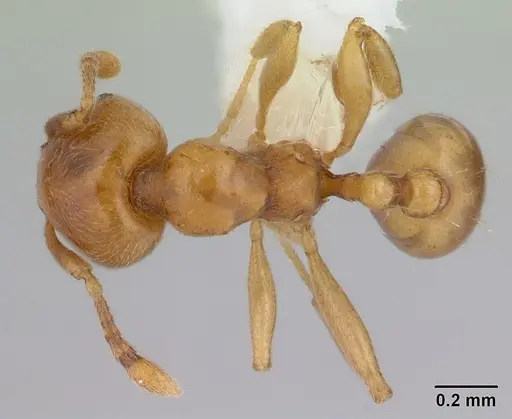
CASENT0106199
View on AntWeb
CASENT0218754
View on AntWeb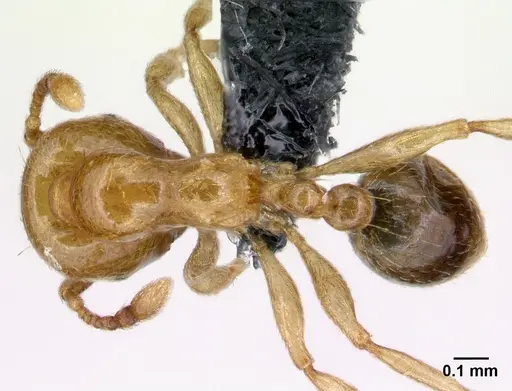
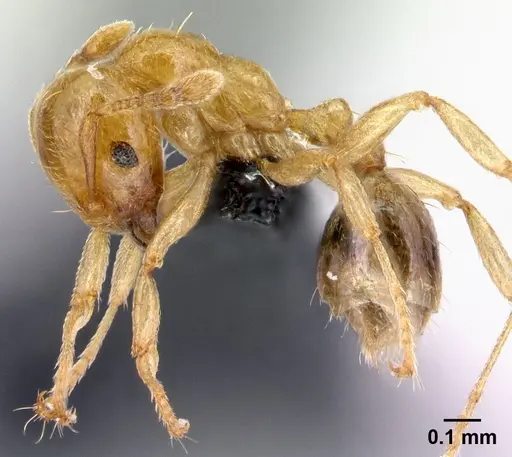
CASENT0218755
View on AntWeb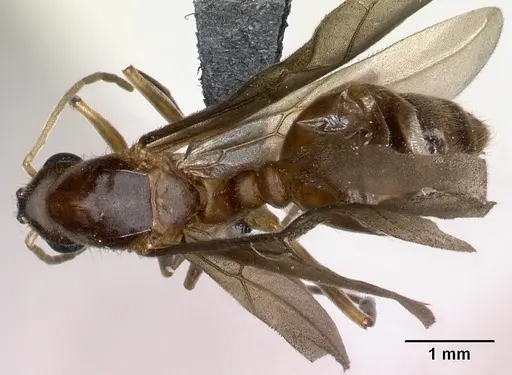
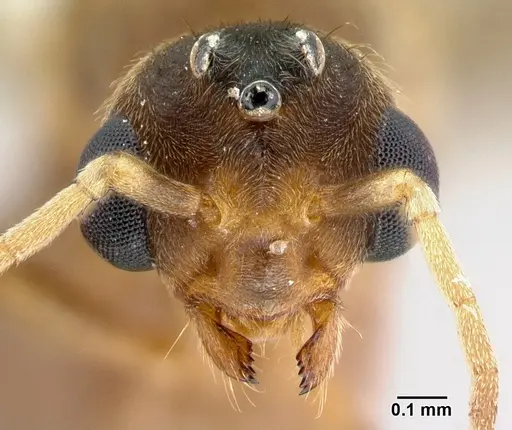
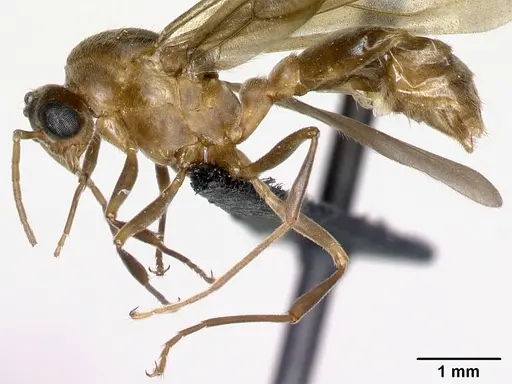
CASENT0218760
View on AntWeb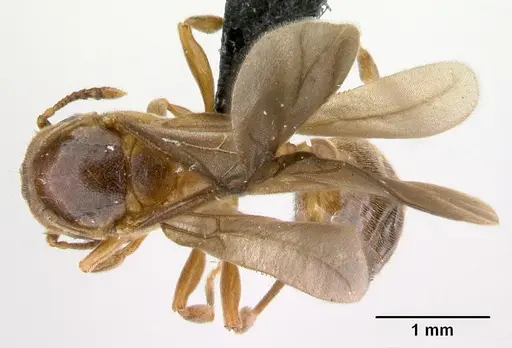
CASENT0218761
View on AntWeb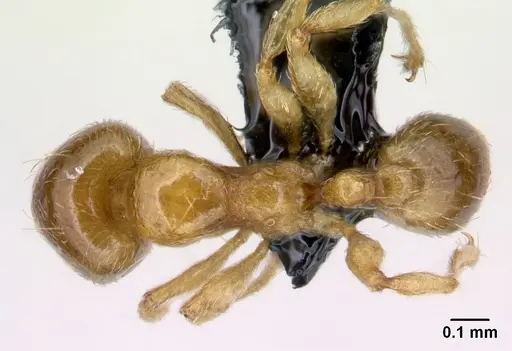
CASENT0902178
View on AntWeb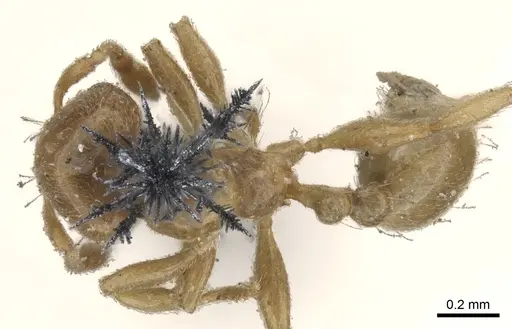
CASENT0908783
View on AntWeb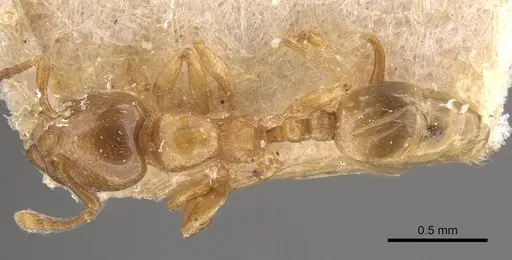
CASENT0916034
View on AntWeb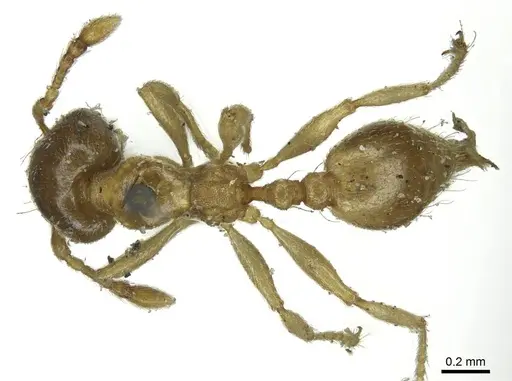
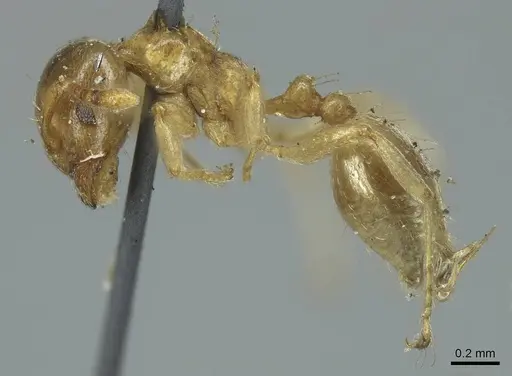
ECOFOG-HC-0010
View on AntWeb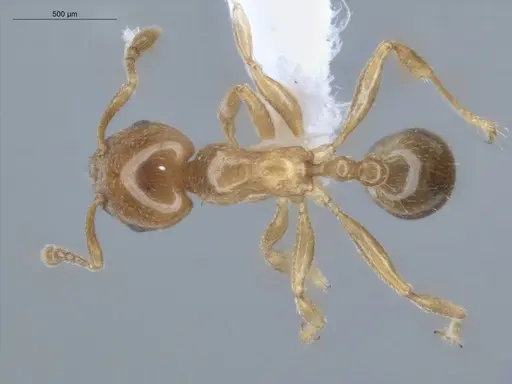
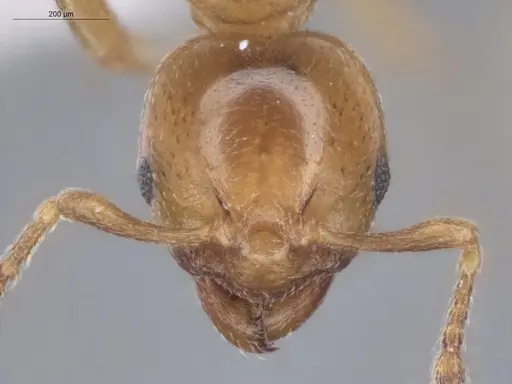
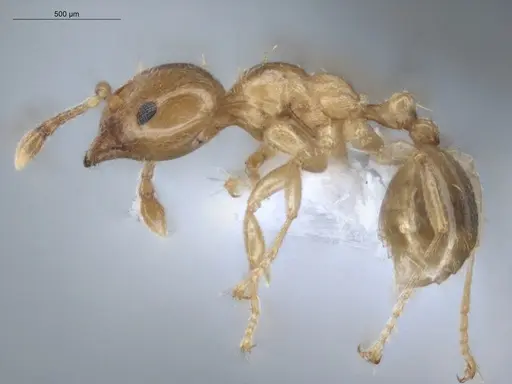
ECOFOG-HC-0050-01
View on AntWeb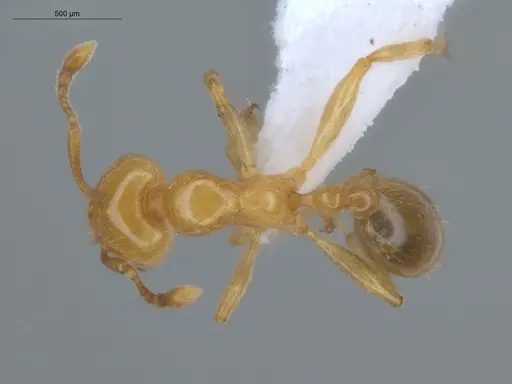
ECOFOG-HC-0050-04
View on AntWeb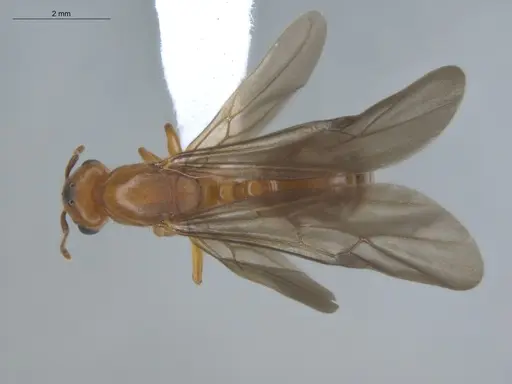
ECOFOG-HC-0050-07
View on AntWeb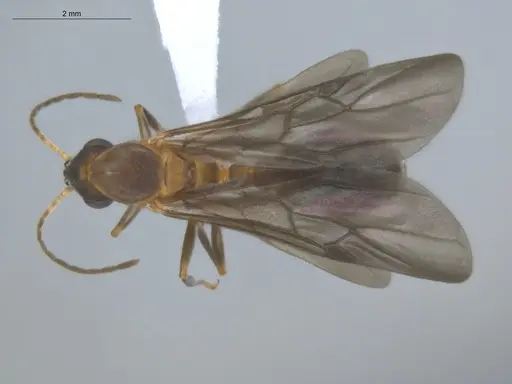
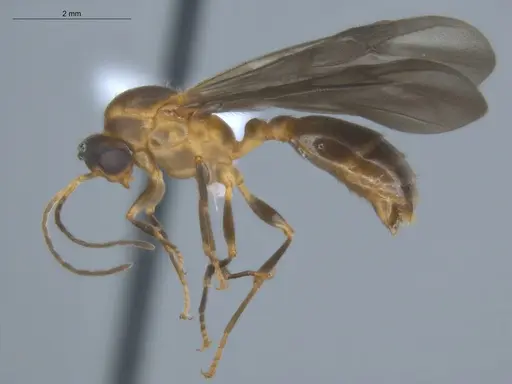
ECOFOG-HC-0057-02
View on AntWeb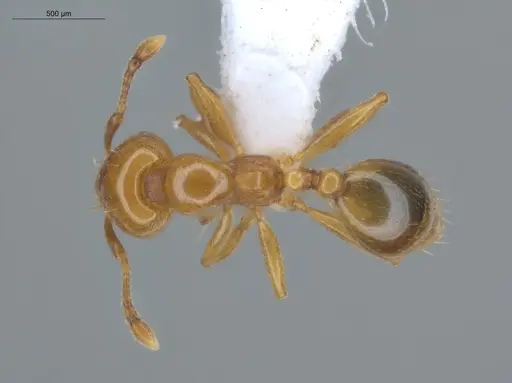
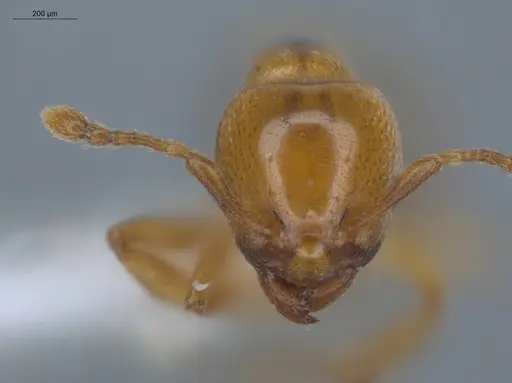
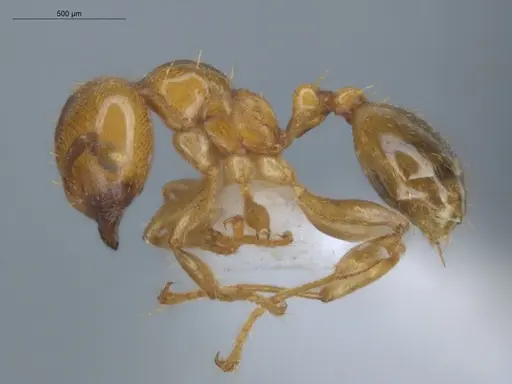
ECOFOG-HC-0057-04
View on AntWeb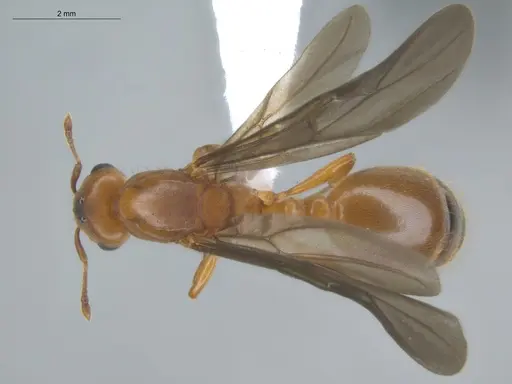
ECOFOG-HC-0057-06
View on AntWeb
ECOFOG-HC-0060-01
View on AntWeb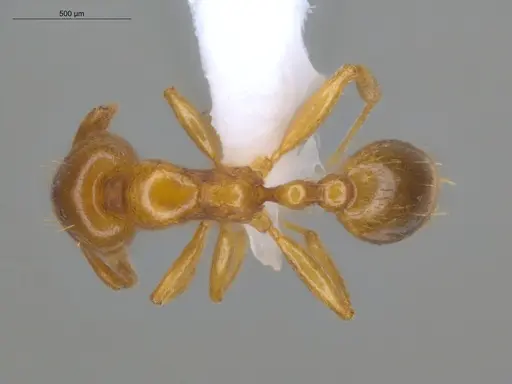
ECOFOG-HC-0060-06
View on AntWeb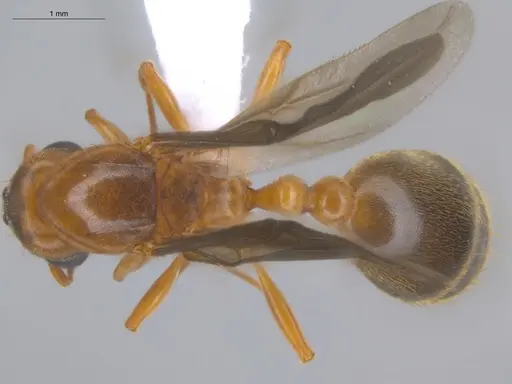
ECOFOG-HC-0079-02
View on AntWeb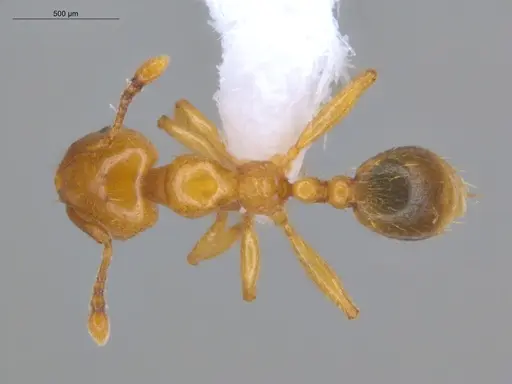
ECOFOG-HC-0079-05
View on AntWeb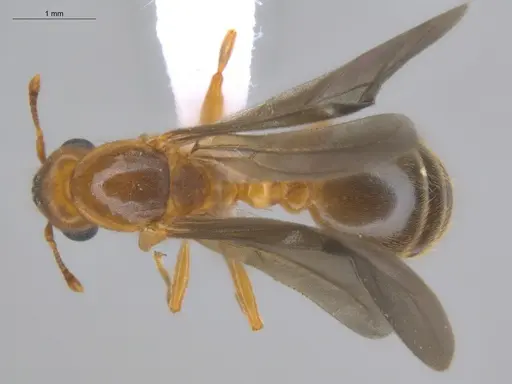
FOCOL1752
View on AntWeb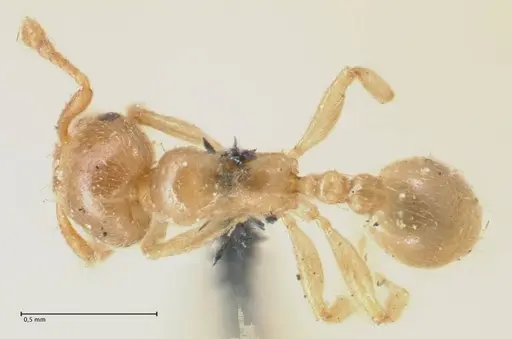
FOCOL1753
View on AntWeb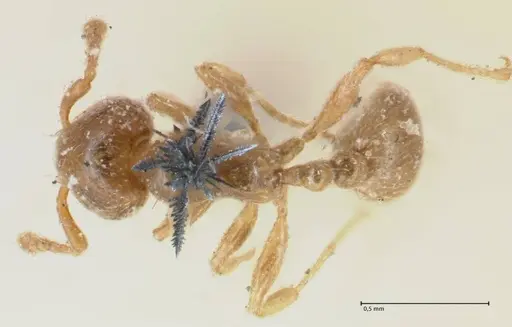
USNMENT01124200
View on AntWeb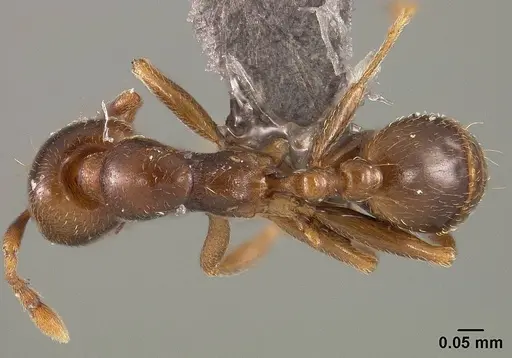
Literature
Loading distribution map...Loading products...