
Aenictus steindachneri
- Sci. Name
- Aenictus steindachneri
- Subfamily
- Dorylinae
- Author
- Mayr, 1901
- Distribution
- Found in 1 countries
Introduction
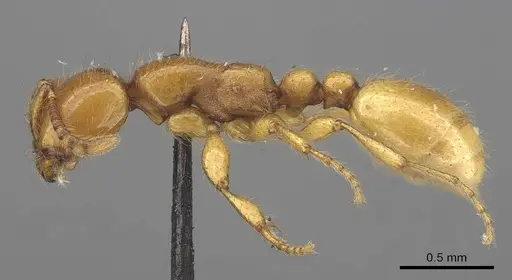
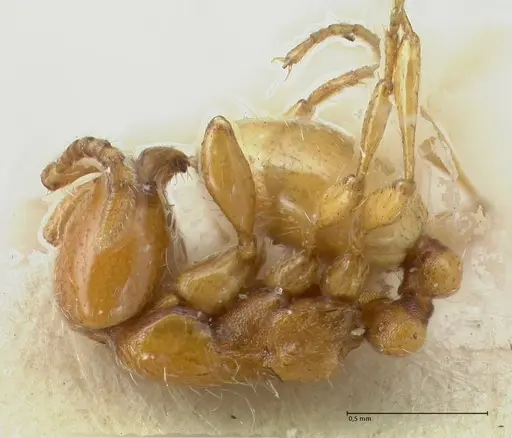
Aenictus steindachneri is a tiny yellow army ant known only from Southern Africa, specifically South Africa and Zimbabwe . Workers are polymorphic, meaning they come in different sizes with major and minor castes, and feature distinctive dense white hairs directed backwards on the sides of their thorax - a trait that separates them from similar species in their group . This ant belongs to the mariae complex within the rotundatus species group. Despite being described over a century ago, no one has ever observed a living colony, and queens have never been collected or described. The species remains known from fewer than 25 museum specimens.
Quick Summary
- Difficulty: Expert
- Origin & Habitat: Southern Africa, collected from Reddersburg in South Africa's Orange Free State and Mbuyuni Pori in Zimbabwe at 1110m elevation [2][3]. Natural habitat preferences are completely unknown.
- Colony Type: Unknown, no queens have ever been described, and colony structure has never been observed [3].
- Size & Growth:
- Queen: Size data unavailable, queens have never been collected or described [3].
- Worker: Very small, approximately 2-4mm inferred from Aenictus genus patterns [1].
- Colony: Unknown. Related Aenictus species typically maintain colonies of thousands to tens of thousands of workers, but this is unconfirmed for this species.
- Growth: Unknown
- Development: Unknown (Development time has never been documented. Army ants typically have rapid development compared to other ants, but specific timelines for this species are unavailable.)
- Antkeeping:
- Temperature: Unknown. Based on collection locations in South Africa and Zimbabwe, they likely tolerate moderate temperatures roughly 20-25°C, but this is speculative.
- Humidity: Unknown. Substrate moisture requirements have never been studied.
- Diapause: Unknown. South African collections suggest they may remain active year-round, but winter resting behavior is unconfirmed.
- Nesting: Unknown. Army ants are nomadic and do not build permanent nests, they form temporary bivouacs using their own bodies. Captive housing would require massive space to accommodate raiding behavior.
- Behavior: Unknown in the wild. As army ants, they are likely highly aggressive predators that hunt in swarms. Workers are polymorphic with the largest workers showing more developed body structures [1]. Their tiny size means escape prevention would be nearly impossible with standard equipment.
- Common Issues: impossible to found colonies artificially since queens have never been described and founding behavior is unknown., army ant biology requires massive foraging space and continuous food supply that cannot be provided in standard formicaria., tiny worker size means they can escape through almost any gap or mesh., dietary needs are unknown but likely require live ant prey or other social insects, making feeding impractical., colony reproduction likely occurs by fission rather than nuptial flights, meaning you cannot start a colony from a single queen.
What We Know From Specimens
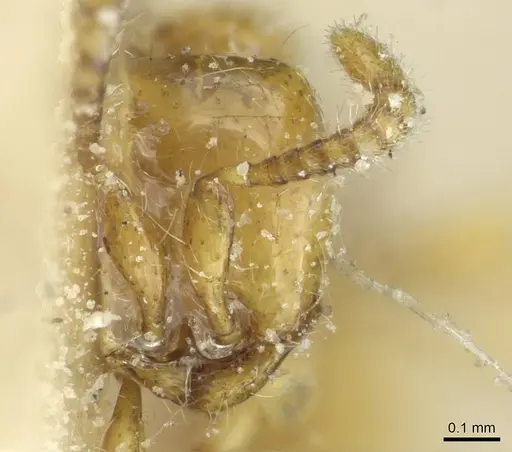
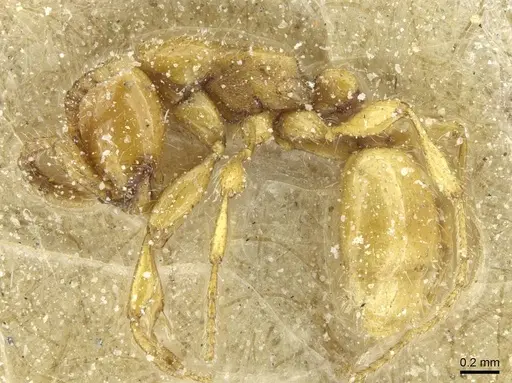
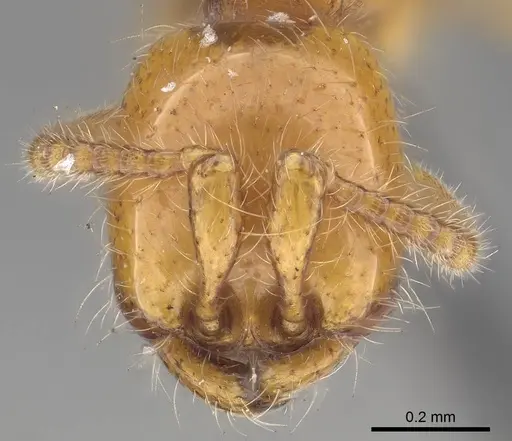
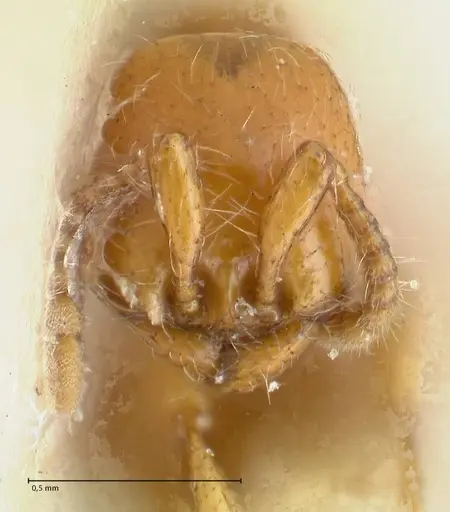
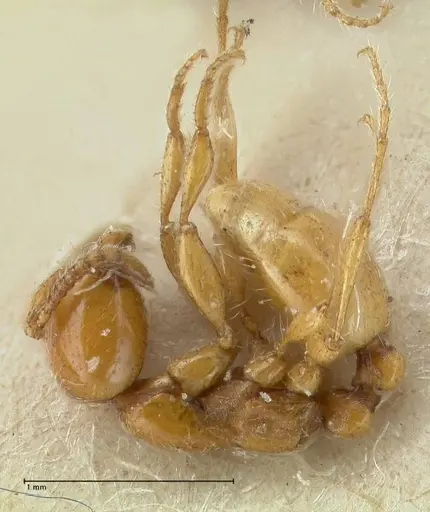
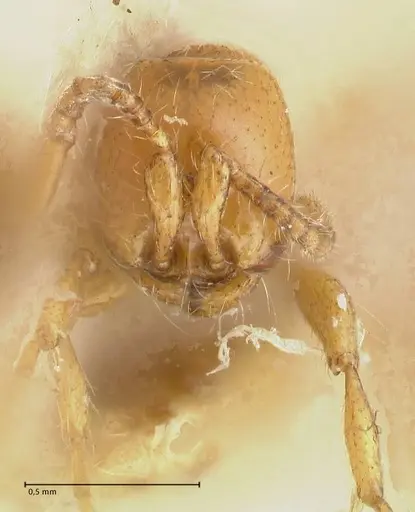
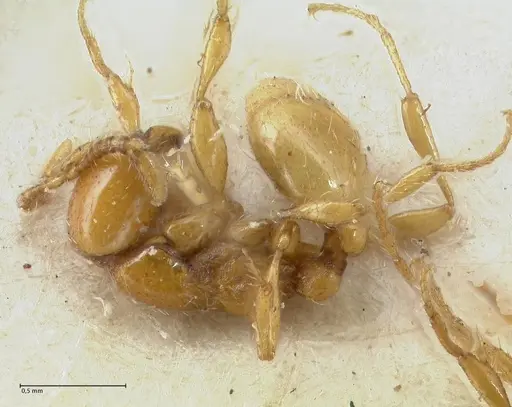
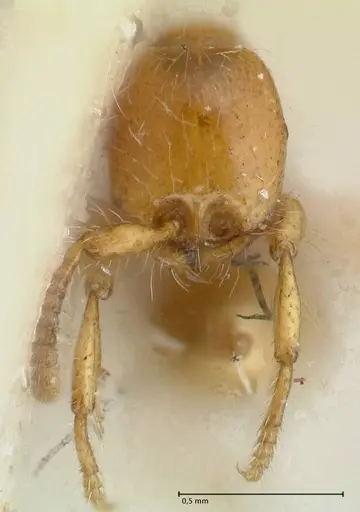
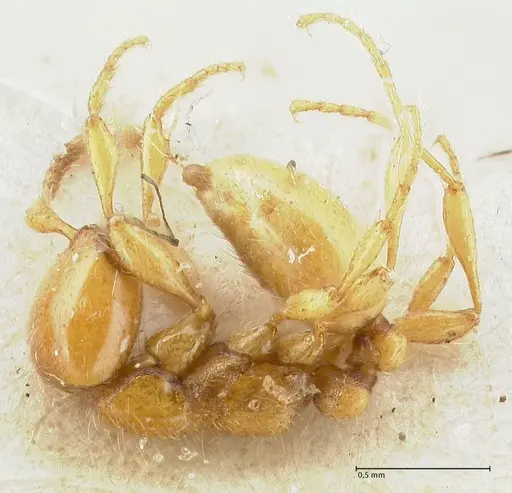
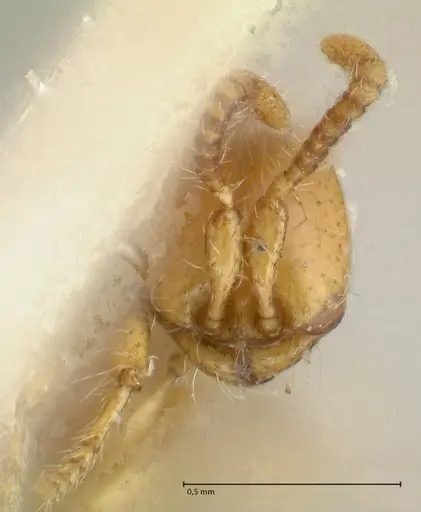
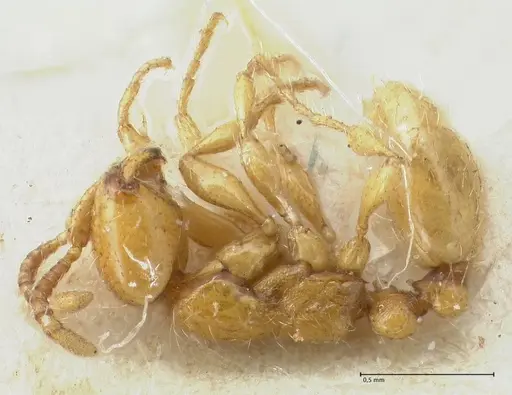
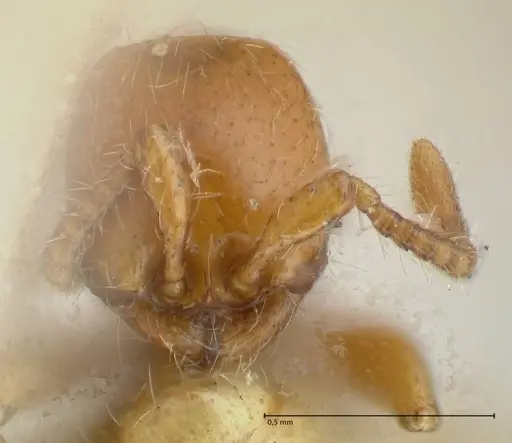
Aenictus steindachneri is known from only 21 worker specimens examined in a 2022 revision [1]. These workers show clear size differences between majors and minors, a condition called polymorphism where the colony produces different worker castes for different tasks. Major workers have slightly convex backs and visible body segments, while minor workers appear flatter and more compact. All workers are bright yellow with dense white hairs covering the sides of their thorax, directed backwards, the most distinctive feature that separates this species from others in its group. They possess the most developed subpetiolar process (a flap-like structure under the waist) of any species in the mariae complex [1]. The short antennae and rectangular heads help distinguish them from similar species.
The Army Ant Problem
This species belongs to the Dorylinae subfamily, the true army ants. Army ants are among the most difficult ants to maintain in captivity, and most species have never been kept successfully long-term. They require enormous foraging territories, consume massive amounts of prey daily, and lack permanent nests. Instead, they form living structures called bivouacs using their own bodies. Colonies reproduce by splitting rather than through traditional nuptial flights where queens mate and start new nests alone. This means you cannot purchase or capture a single queen to start a colony, you would need to capture an entire established colony including the queen, assuming you could even identify her among thousands of workers. [3]
Why These Cannot Be Kept
You should not attempt to keep Aenictus steindachneri. First, no queens have ever been described for this species, making artificial colony founding impossible [3]. Second, the species is extremely rare in collections, suggesting it may be uncommon or difficult to locate in the wild. Third, their biology is completely unknown, we do not know what they eat, how large their colonies grow, or what environmental conditions they require. Finally, their tiny size combined with army ant behavior means they would require specialized equipment with absolute escape prevention and massive foraging arenas that exceed what any standard ant-keeping setup can provide.
Collection History
Specimens come from just two countries: South Africa (specifically Reddersburg in the Orange Free State) and Zimbabwe (Mbuyuni Pori at 1110m elevation) [2][3]. The type specimens were collected by H. Brauns in the early 1900s. Despite over a century of ant collecting in Southern Africa, this species remains known from fewer than 25 specimens, suggesting it is either extremely rare, cryptic, or inhabits poorly sampled habitats. No field observations of living colonies exist in the scientific record.
Frequently Asked Questions
Can I keep Aenictus steindachneri in a test tube setup?
No. This species cannot be kept in standard test tubes or formicaria. They are army ants that likely require massive foraging spaces and specific prey items that cannot be provided in captivity. Additionally, no queens have ever been described, so you cannot start a colony from a single queen [3].
How long until Aenictus steindachneri gets its first workers?
Unknown. Founding behavior has never been observed for this species. Army ants typically reproduce by colony fission rather than single queens founding new nests, so the concept of first workers from a founding queen does not apply in the traditional sense.
What do Aenictus steindachneri eat?
Unknown. Other Aenictus species are specialized predators of other ants and social insects, but the specific diet of Aenictus steindachneri has never been observed [3].
How big do Aenictus steindachneri colonies get?
Unknown. Colony size has never been documented. Related army ant species maintain colonies of thousands to tens of thousands of workers, but this is speculative for this specific species.
Do Aenictus steindachneri need hibernation?
Unknown. Collection data from South Africa suggests they may remain active year-round, but seasonal behavior has never been studied.
Where can I buy Aenictus steindachneri?
You cannot purchase this species through normal ant-keeping channels. It is known only from museum specimens and has never been kept in captivity. Attempting to collect wild colonies would be impractical and potentially harmful to a poorly understood species.
Are Aenictus steindachneri dangerous?
They are too small to pose any threat to humans. Workers are only a few millimeters long with tiny mandibles. However, as army ants, they may be aggressive toward other insects.
Can I keep multiple Aenictus steindachneri queens together?
This question does not apply to this species. No queens have ever been collected or described for Aenictus steindachneri [3]. Army ant colonies typically have one queen or multiple queens, but colony reproduction occurs through fission rather than combining unrelated queens.
Report an Issue
The current care sheet is based fully on literature. See inconsistencies, or something that's incorrect? Please , it will be resolved after review from an admin. Contributing to the blogs tab also helps providing information, to make us be able to further improve the caresheets. Thank you for your support!
References

This caresheet is licensed under CC BY-SA 4.0 .
Community Blogs
CASENT0911440
View on AntWeb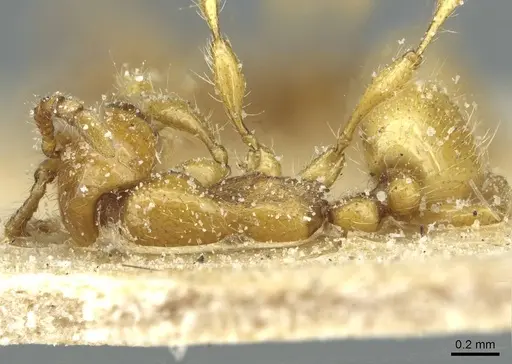
CASENT0919642
View on AntWeb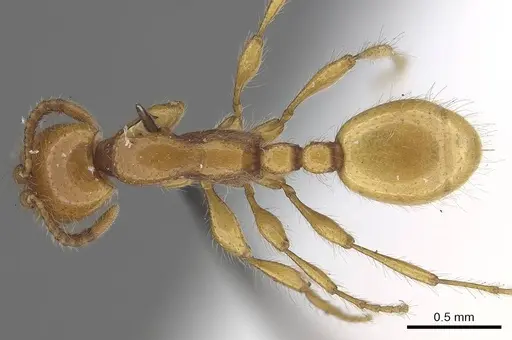
FOCOL1141-1
View on AntWeb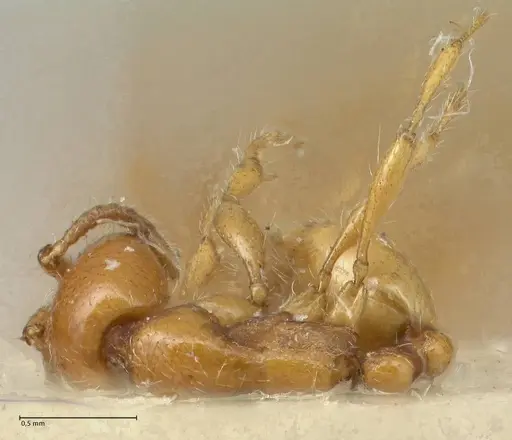
FOCOL1141-2
View on AntWeb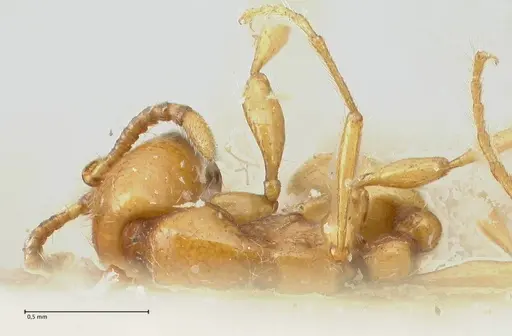
FOCOL1141-3
View on AntWeb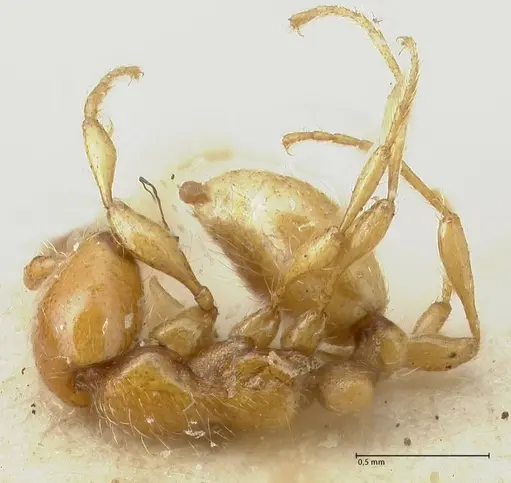
FOCOL1141-4
View on AntWeb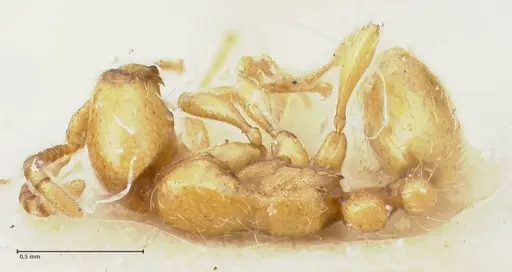
FOCOL1141-5
View on AntWeb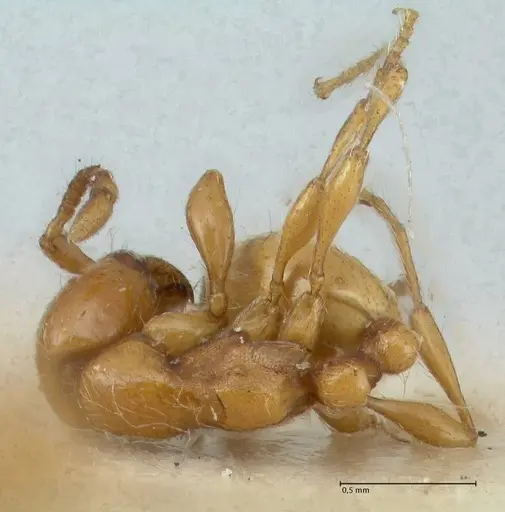
Literature
Loading distribution map...Loading products...