
Aenictus latiscapus
- Sci. Name
- Aenictus latiscapus
- Subfamily
- Dorylinae
- Author
- Forel, 1901
- Distribution
- Found in 1 countries
Introduction
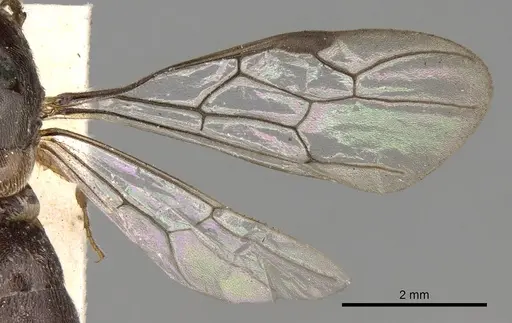
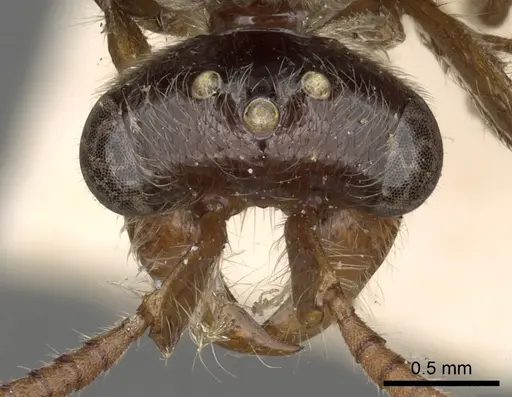
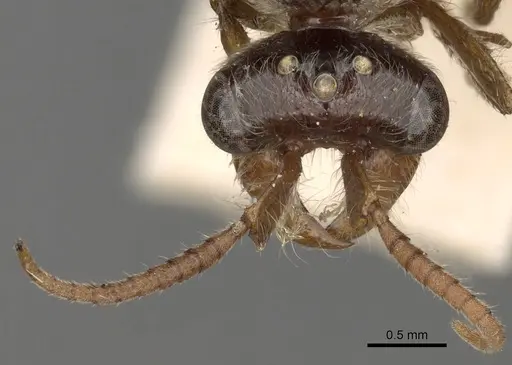
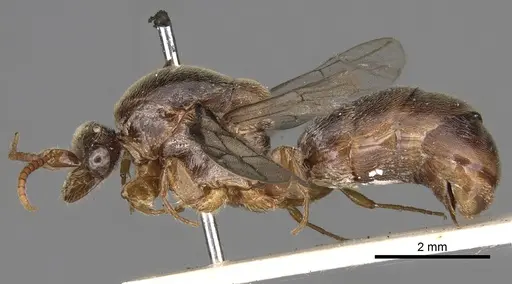
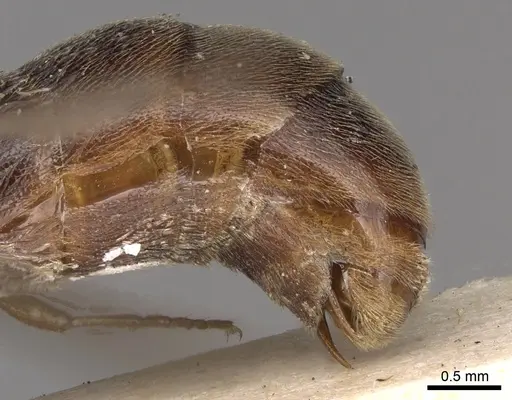
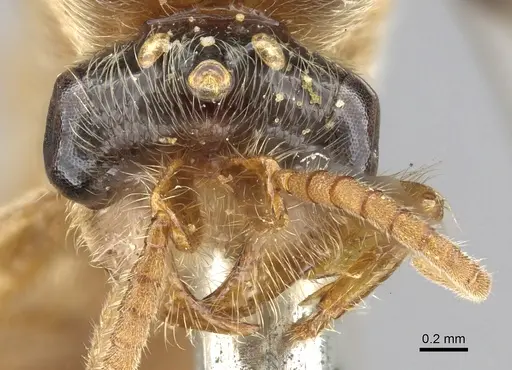
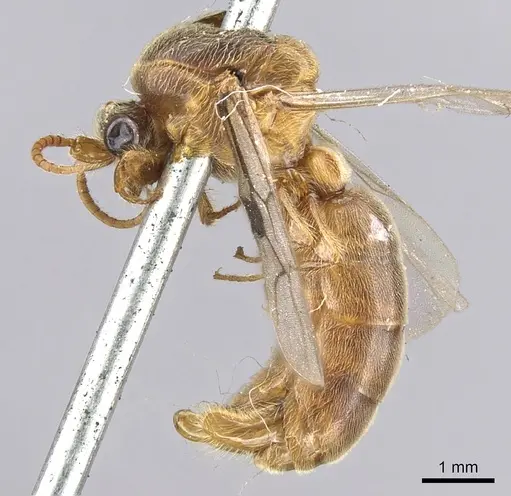
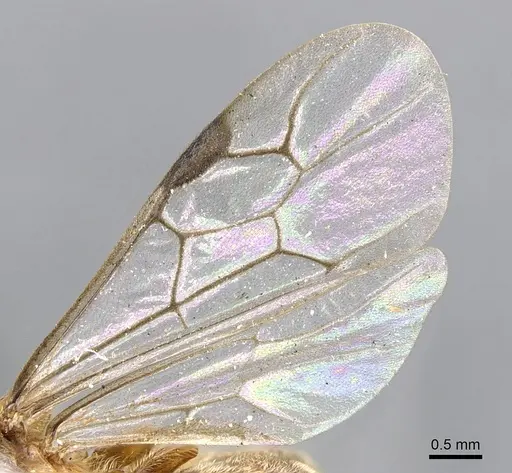
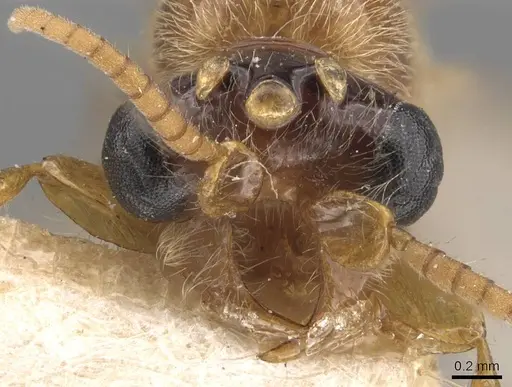
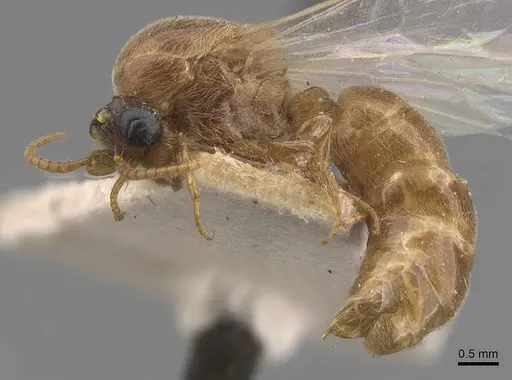
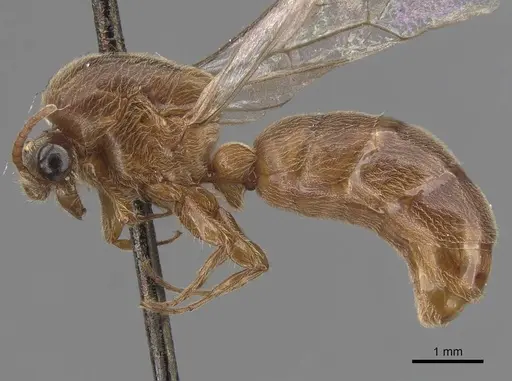
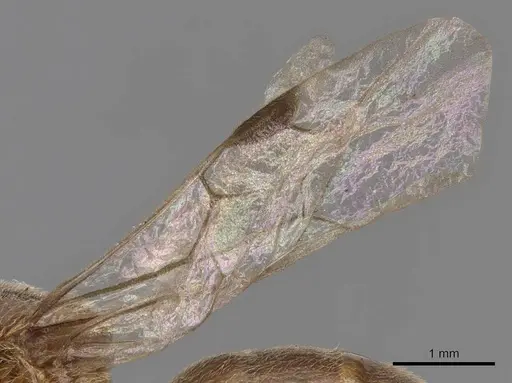
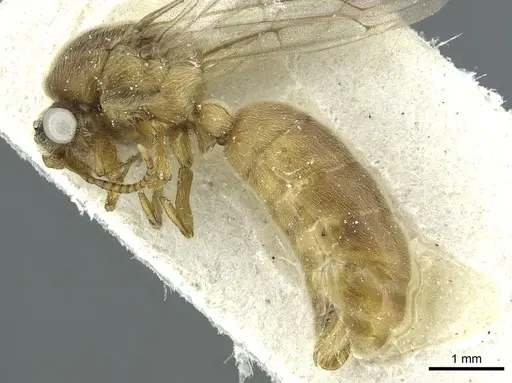
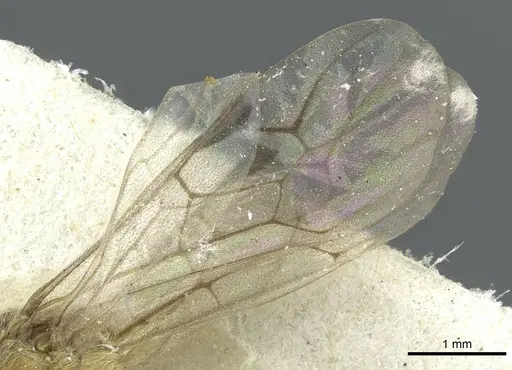
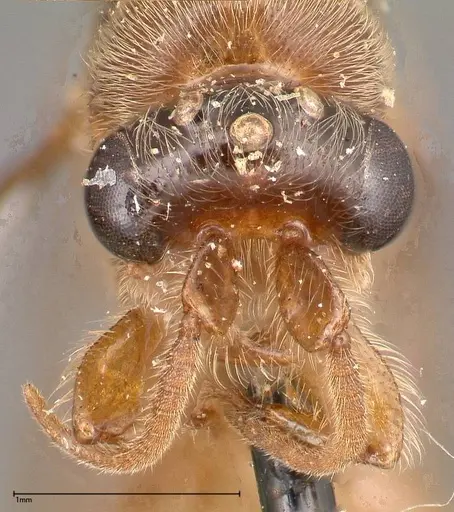
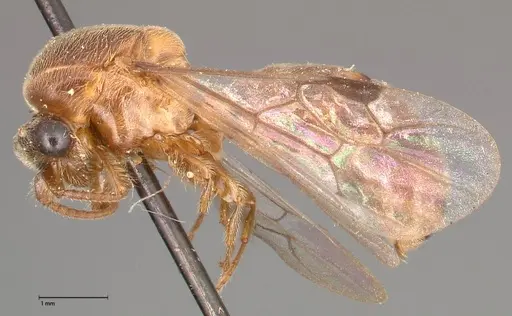
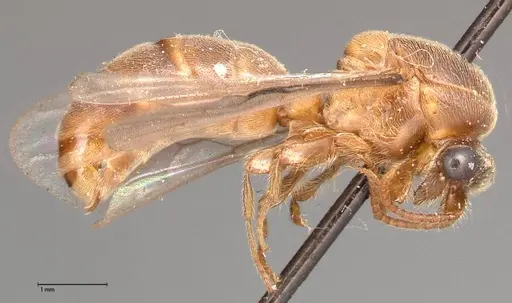
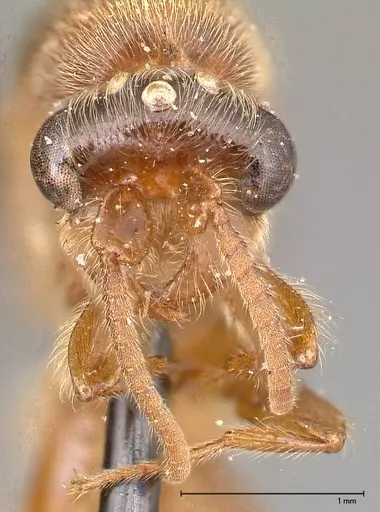
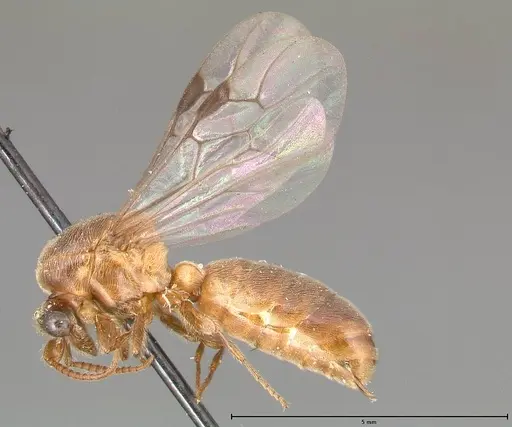
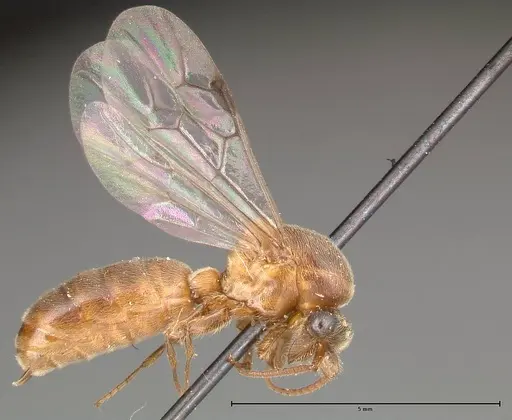
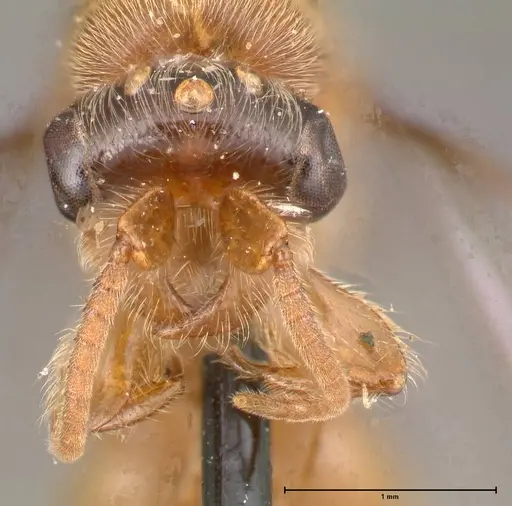
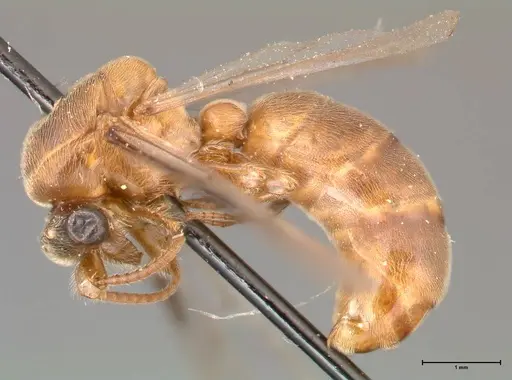
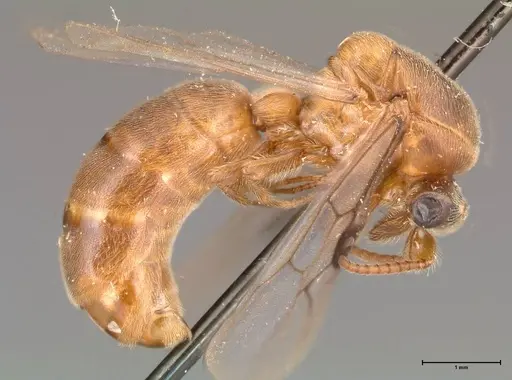
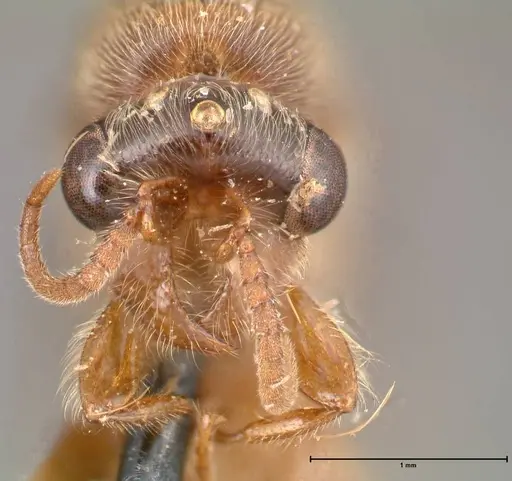
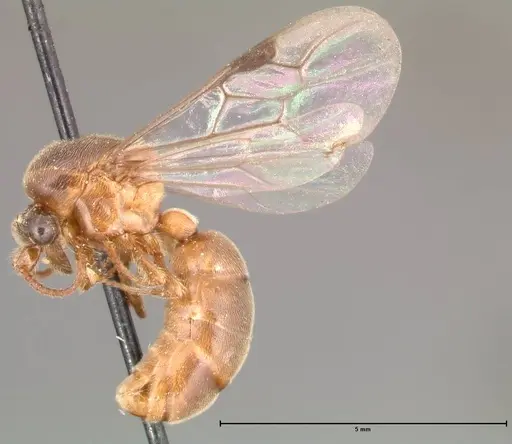
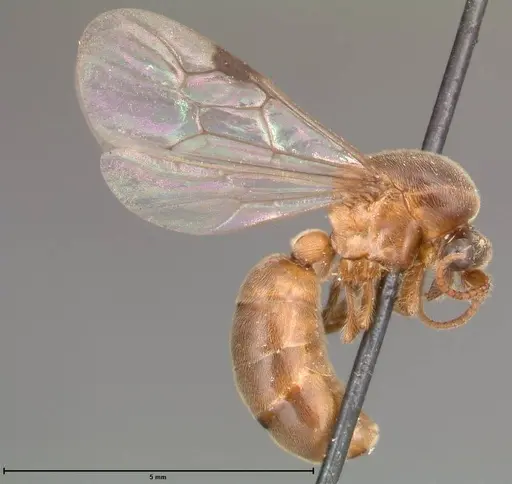
Aenictus latiscapus is an army ant species found in tropical Asia. Males measure 6.5 to 7.5 mm and display a distinctive brown head with reddish-yellow body coloration . The species occurs in India (Maharashtra state) and Taiwan (historically Formosa), with specimens collected from Taihorin, Kankau, and Anping . Like other members of the genus Aenictus, these are nomadic army ants that form temporary bivouacs rather than permanent nests. They are specialized predators that hunt other ants and small arthropods. This species is considered extremely challenging to maintain in captivity and is not recommended for standard ant-keeping.
Quick Summary
- Difficulty: Expert
- Origin & Habitat: India (Maharashtra) [2] and Taiwan (Formosa) [1][3], in tropical to subtropical forest habitats.
- Colony Type: Unknown specifically, army ants typically form colonies with multiple reproductive individuals and reproduce through colony fission rather than single-queen founding.
- Size & Growth:
- Queen: Size data unavailable, no queen measurements exist for this species.
- Worker: Size data unavailable, no worker measurements exist for this species. Based on typical Aenictus genus patterns, workers likely measure approximately 2-4 mm.
- Colony: Unknown, inferred from typical Aenictus genus patterns to number in the thousands to tens of thousands.
- Growth: Unknown
- Development: Unknown (Development timing is unconfirmed for this species.)
- Antkeeping:
- Temperature: Likely 24-28°C based on tropical distribution, start at 25°C and observe colony activity.
- Humidity: High humidity required, keep substrate damp but not waterlogged with good ventilation.
- Diapause: No, tropical species do not require winter rest.
- Nesting: No permanent nest, they form temporary bivouacs. Standard formicaria and test tubes are unsuitable.
- Behavior: Highly aggressive nomadic foragers that require extensive space to raid. They form temporary bivouacs rather than permanent nests. Workers are small and exploratory, making escape prevention critical.
- Common Issues: standard formicarium setups will fail, they need room to form bivouacs and migrate regularly., massive food requirements, colonies consume large quantities of prey daily and will starve without constant supply., escape risk is extreme due to small worker size and constant exploratory behavior., colony reproduction by fission means you cannot start a colony from a single queen., stress from confinement in small spaces leads to rapid colony decline.
Natural Distribution and Habitat
Aenictus latiscapus occurs in two distinct regions: the Indian subcontinent and East Asia. In India, the species is recorded from Maharashtra state [2]. In Taiwan (historically known as Formosa), specimens have been collected from Taihorin, Kankau, and Anping [1][3].
The species inhabits tropical to subtropical forests. While specific microhabitat details are unconfirmed for this species, related Aenictus species typically forage in leaf litter and soil layers. The climate in both regions is warm and humid year-round, suggesting these ants require stable tropical conditions.
Army Ant Biology and Why Standard Care Fails
Aenictus latiscapus belongs to the army ant subfamily Dorylinae. These are nomadic ants that do not construct permanent nests. Instead, they form temporary living structures called bivouacs, clusters of workers that link together to encase the queen and brood.
This biology makes them unsuitable for standard ant-keeping equipment. They cannot live in test tubes, Y-tong nests, or acrylic formicaria because they must move their entire colony regularly and require massive foraging ranges. In nature, colonies may occupy a bivouac site for only a few days before migrating to new hunting grounds.
Additionally, army ants reproduce by colony fission (splitting) rather than nuptial flights and single-queen founding. A mature colony divides into two or more daughter colonies, each taking workers and brood. This means you cannot start a colony by catching a single queen after a mating flight.
Housing Requirements for Army Ants
Housing Aenictus latiscapus requires specialized facilities beyond typical home setups. They need extremely large foraging arenas, often entire rooms or specialized lab setups, to accommodate their raiding behavior. The enclosure must maintain high humidity while providing space for the colony to form bivouacs.
If attempting to house them, you would need a massive sealed container with vertical surfaces for bivouac formation, constant high humidity, and a system for introducing large amounts of prey. However, even with proper facilities, long-term captive success is rare for Aenictus species.
Escape prevention must be absolute. These are small ants that can squeeze through minute gaps. Barriers like Fluon or fine mesh are essential, though their constant movement and exploratory behavior make containment challenging.
Feeding and Diet
As army ants, Aenictus latiscapus are specialized predators. They primarily hunt other ants, termites, and small soil arthropods. Colonies require large quantities of live prey delivered constantly, not weekly or daily, but continuously throughout the day.
In captivity, this means providing a constant supply of small insects: other ant colonies, termites, springtails, and tiny arthropods. They do not accept sugar water or honey as their primary food source, they need protein-rich live prey.
The sheer volume of food required makes them impractical for most keepers. A colony of thousands of workers can decimate dozens of prey colonies per week.
Temperature and Environmental Conditions
Based on their distribution in tropical India and Taiwan, Aenictus latiscapus likely requires warm, stable temperatures between 24-28°C. They do not tolerate cold conditions and should never be cooled or hibernated.
Humidity should remain high, roughly 70-80% relative humidity, mimicking tropical forest floor conditions. However, ventilation is equally important to prevent mold growth in the high-heat, high-moisture environment. A heating cable or mat on one side of the enclosure can create a thermal gradient, but ensure it does not dry out the substrate completely.
Because specific thermal tolerances are unstudied for this species, start at 25°C and observe colony activity. If workers cluster near heat sources, increase slightly, if they avoid heated areas, reduce temperature.
Frequently Asked Questions
Can I keep Aenictus latiscapus in a test tube?
No. Army ants cannot be kept in test tubes. They require massive space to form temporary bivouacs and forage. Test tubes provide insufficient room and will cause the colony to die rapidly.
How do I start an Aenictus latiscapus colony?
You cannot start a colony from a single queen. Army ants reproduce by colony fission (splitting), where a mature colony divides into daughter colonies. You would need to obtain an entire colony fragment with workers, brood, and reproductive individuals already present.
What do Aenictus latiscapus eat?
They are specialized predators that eat other ants, termites, and small arthropods. They require large quantities of live prey provided constantly, not occasionally. They do not accept sugar water as a primary food source.
How big do Aenictus latiscapus colonies get?
The exact colony size is unknown for this species, but based on typical Aenictus genus patterns, colonies likely number in the thousands to tens of thousands of workers.
Are Aenictus latiscapus good for beginners?
Absolutely not. They are expert-level ants requiring specialized facilities, massive foraging space, constant food supply, and specific humidity control. They are among the most challenging ants to maintain in captivity.
Do Aenictus latiscapus need hibernation?
No. They are tropical species from India and Taiwan and require warm temperatures year-round. They do not enter winter rest (diapause).
Why did my Aenictus latiscapus colony die?
Army ants typically die in captivity due to insufficient space (inability to form proper bivouacs or migrate), starvation (not enough prey), escape of workers leading to colony collapse, or stress from inadequate humidity or temperature. These factors kill colonies quickly.
Report an Issue
The current care sheet is based fully on literature. See inconsistencies, or something that's incorrect? Please , it will be resolved after review from an admin. Contributing to the blogs tab also helps providing information, to make us be able to further improve the caresheets. Thank you for your support!
References

This caresheet is licensed under CC BY-SA 4.0 .
Community Blogs
CASENT0281964
View on AntWeb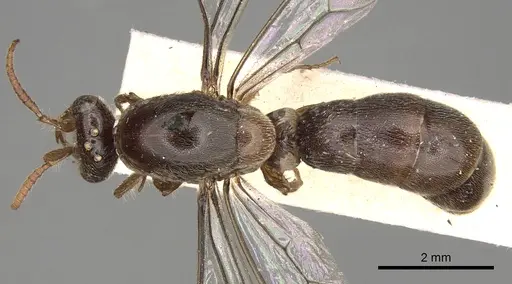
CASENT0902694
View on AntWeb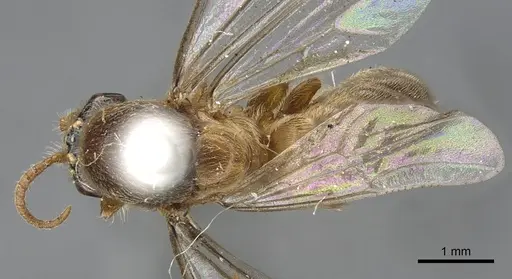
CASENT0907009
View on AntWeb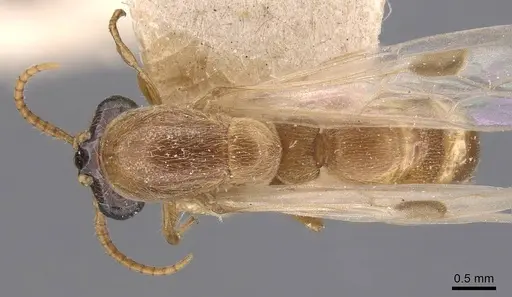
CASENT0907010
View on AntWeb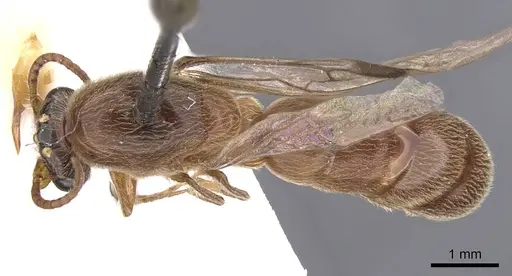
CASENT0911431
View on AntWeb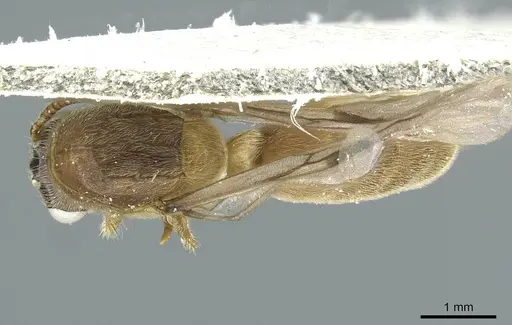
FOCOL0385
View on AntWeb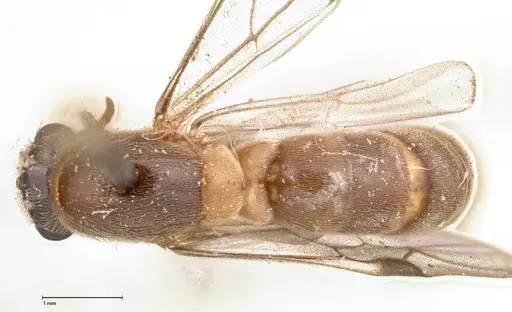
FOCOL0386
View on AntWeb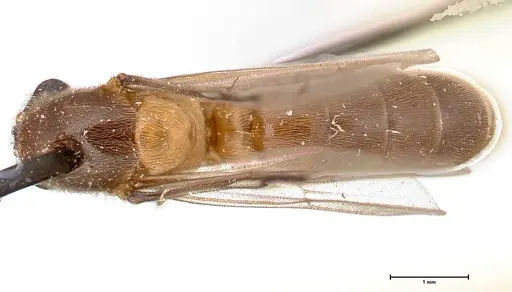
FOCOL0387
View on AntWeb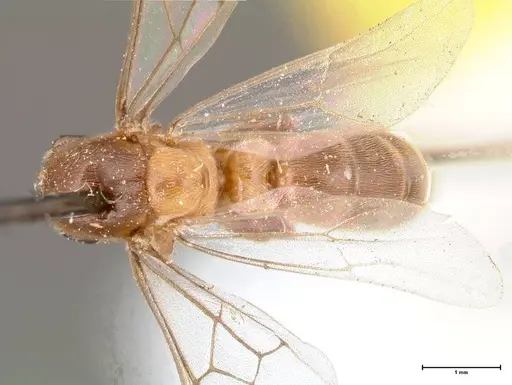
FOCOL0388
View on AntWeb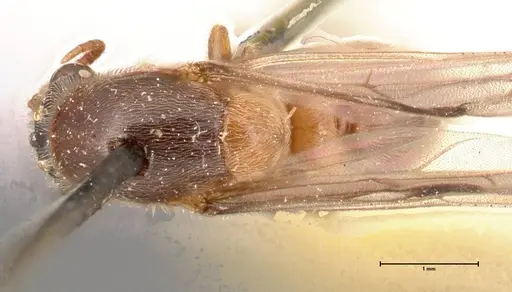
Literature
Loading distribution map...Loading products...