
Aenictus feae
- Sci. Name
- Aenictus feae
- Subfamily
- Dorylinae
- Author
- Emery, 1889
- Distribution
- Found in 1 countries
Introduction
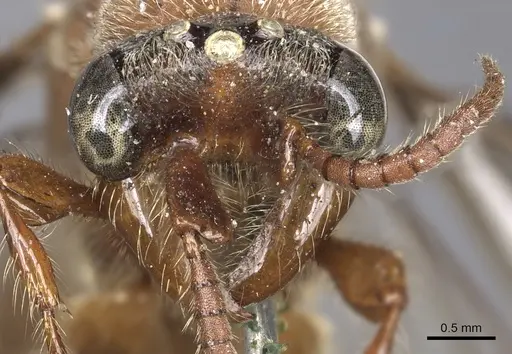
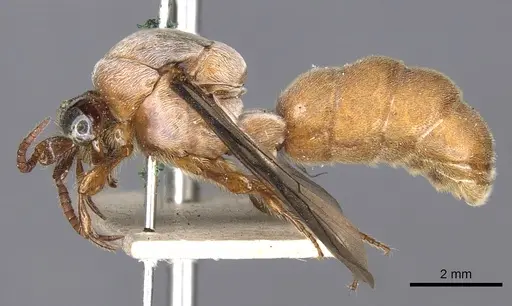
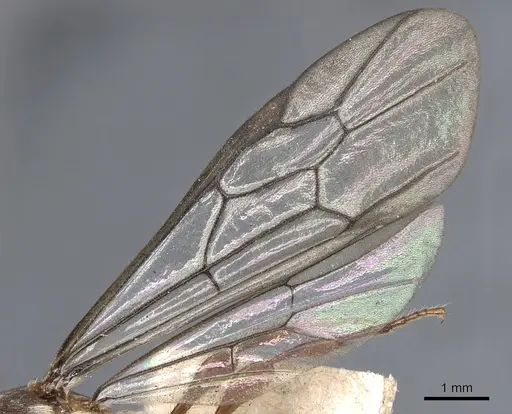
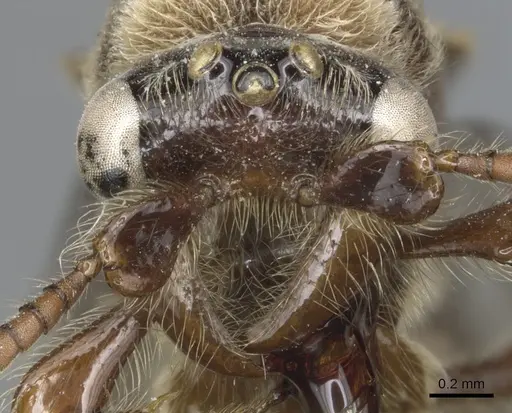
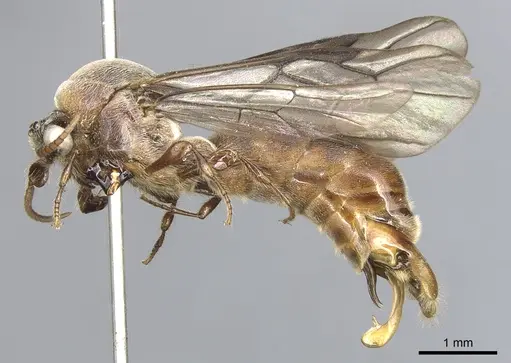
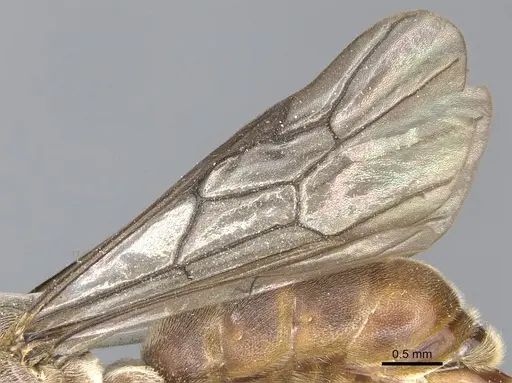
Aenictus feae is an army ant species found in the tropical and subtropical forests of Myanmar, Bangladesh, and southern China (Yunnan Province) . This species belongs to the subfamily Dorylinae, the army ants. Only the male caste has been formally described - worker and queen morphology remain undescribed for this species . Like other Aenictus species, they are predatory ants that likely hunt other ant species and termites, though specific behavioral data for this species is unavailable.
Quick Summary
- Difficulty: Expert
- Origin & Habitat: Tropical and subtropical forests of Myanmar, Bangladesh, and Yunnan Province in southern China [1][2].
- Colony Type: Unconfirmed, no species-specific colony structure data exists.
- Size & Growth:
- Queen: Size data unavailable, only the male has been described [1].
- Worker: Size data unavailable, only the male has been described [1].
- Colony: Unconfirmed, no colony size data available for this species.
- Growth: Unknown
- Development: Unknown, no development data available. (Colony founding behavior is unconfirmed for this species.)
- Antkeeping:
- Temperature: Unconfirmed, likely requires warm tropical conditions based on habitat, but specific requirements are unknown.
- Humidity: Unconfirmed, likely high humidity based on tropical forest habitat.
- Diapause: Unknown, tropical distribution suggests no hibernation, but seasonal cycles are unconfirmed.
- Nesting: Unconfirmed, army ants typically do not build permanent nests, but specific nesting behavior for this species is unknown.
- Behavior: Predatory behavior is expected based on genus patterns, but specific temperament and aggression levels are unconfirmed for this species. Escape risk is high given small worker size if colonies were established.
- Common Issues: No worker or queen morphology described, identification is difficult., No captive care protocols exist for this species., Dietary requirements are unconfirmed but likely include other ant species and termites., Colony founding method is unknown, may not be achievable via single queen., Extreme space requirements would be needed for established colonies., Not recommended for antkeeping, this species is not suitable for captivity.
Distribution
Aenictus feae is found across the Indomalaya region in Bangladesh and Myanmar, with populations extending into the Palaearctic region in southern China (Yunnan Province) [1][2]. Type localities include Teinzo on the River Moolay and Rangoon (now Yangon) in Myanmar [1].
Identification Challenges
Only the male caste has been formally described for Aenictus feae [1]. Worker and queen morphology remain undescribed, making field identification extremely difficult. This is a significant challenge for anyone attempting to study or collect this species.
Why This Species Is Not Suitable for Antkeeping
You should not attempt to keep Aenictus feae. This species is not documented in antkeeping literature, and no established care protocols exist. Additionally, only the male has been described, meaning proper species identification would be nearly impossible. Army ants typically require enormous spaces to accommodate nomadic foraging behavior and specialized diets consisting primarily of other ant species and termites. Without species-specific data on colony founding, dietary needs, or environmental requirements, successful captivity is extremely unlikely. [1]
Theoretical Considerations
If an established colony were somehow obtained, it would require a massive naturalistic setup with extensive floor space, deep soil substrate, and constant access to live prey including other ant species and termites. Temperature would likely need to stay in the tropical range with high humidity, though specific requirements are unconfirmed. Even with ideal conditions, long-term success has not been documented for any Aenictus species in captivity.
Frequently Asked Questions
Can I keep Aenictus feae in a test tube?
No. Even if you could obtain a colony, army ants require massive spaces and cannot be confined to test tubes or standard formicaria.
What do Aenictus feae eat?
Specific dietary preferences are unconfirmed for this species. Based on genus patterns, they likely prey on other ants, termites, and small arthropods, requiring live prey.
How long until Aenictus feae gets first workers?
Unknown, no development data exists for this species. Additionally, only the male has been described, so colony founding behavior is unclear.
How big do Aenictus feae colonies get?
Unknown for this specific species. Other Aenictus species can form large colonies, but no data exists for A. feae.
Do Aenictus feae need a queen?
Yes, but colony founding method is unknown. Starting a colony from a single queen may not be possible for this species.
What temperature do Aenictus feae need?
Specific requirements are unconfirmed. Based on their tropical distribution in Myanmar and Yunnan, they likely require warm temperatures, but no exact data exists.
Do Aenictus feae need hibernation?
Unknown. As a species found in tropical and subtropical regions, they likely do not require hibernation, but seasonal cycles are unconfirmed.
Report an Issue
The current care sheet is based fully on literature. See inconsistencies, or something that's incorrect? Please , it will be resolved after review from an admin. Contributing to the blogs tab also helps providing information, to make us be able to further improve the caresheets. Thank you for your support!
References

This caresheet is licensed under CC BY-SA 4.0 .
Community Blogs
CASENT0901980
View on AntWeb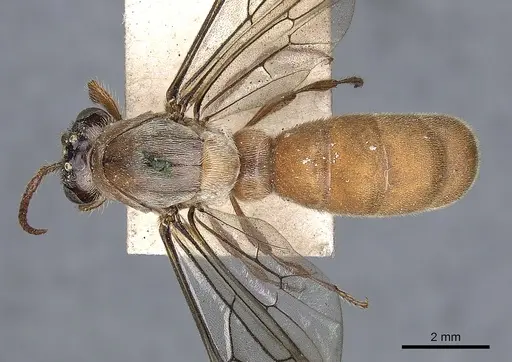
CASENT0903751
View on AntWeb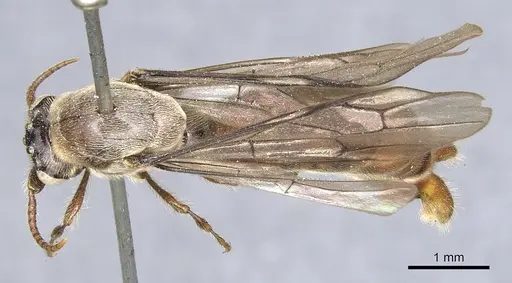
Literature
Loading distribution map...Loading products...