
Aenictus buttgenbachi
- Sci. Name
- Aenictus buttgenbachi
- Subfamily
- Dorylinae
- Author
- Forel, 1913
- Distribution
- Found in 0 countries
Introduction
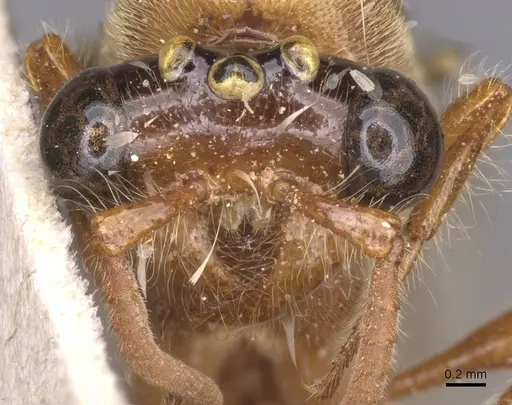
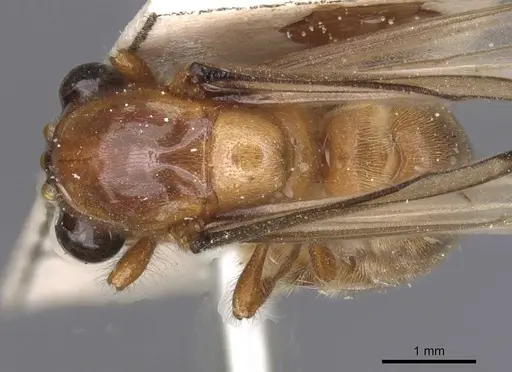
Aenictus buttgenbachi is an African army ant found in the Democratic Republic of Congo and Tanzania . Workers measure approximately 8.5mm in total length . This species is part of the genus Aenictus, known for their nomadic lifestyle and specialized predatory behavior. Unlike most ant species that build permanent nests, army ants form temporary bivouacs and conduct mass raids on other ant colonies and termites. Their unique biology makes them unsuitable for captive ant keeping.
Quick Summary
- Difficulty: Expert/Not Recommended
- Origin & Habitat: Democratic Republic of Congo (Katanga region, including Lumbubasi valley and Haut-Katanga) and Tanzania (Kilimandjaro area), collected at elevations between 800-1440m in tropical African habitats [1][2].
- Colony Type: Army ant colony structure. Based on typical Aenictus patterns, colonies likely have multiple reproductive queens (polygyne) with massive worker populations. Colonies reproduce by fission rather than independent queen founding.
- Size & Growth:
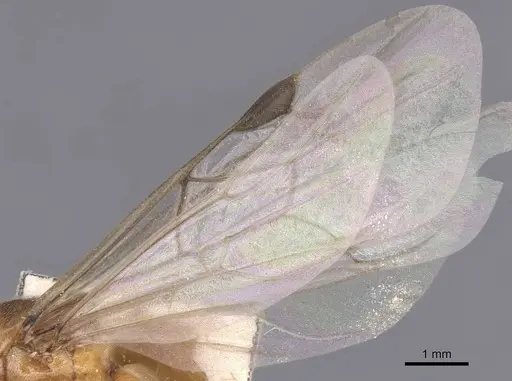
- Queen: Unknown, the presence of forewings (8.7mm) in specimens suggests winged queens rather than the wingless dichthadiiform type typical of some army ants [1].
- Worker: Approximately 8.5mm in total length [1].
- Colony: Thousands to millions of workers (typical for Aenictus army ant colonies).
- Growth: Rapid, army ant colonies expand quickly through fission.
- Development: Not applicable, army ants do not found colonies via single queens raising first workers. New colonies form by fission (splitting) of existing colonies. (Colony reproduction occurs when the colony splits, with workers accompanying queens to establish new bivouacs.)
- Antkeeping:
- Temperature: Tropical species, maintain 24-28°C based on native habitat elevation and geography [1].
- Humidity: High humidity required, consistent with tropical forest floor conditions, substrate should remain moist but not waterlogged.
- Diapause: No, tropical species that remains active year-round.
- Nesting: Not applicable to standard keeping, army ants are nomadic and do not use permanent nests. They require massive spaces to simulate natural bivouac formation and raiding behavior.
- Behavior: Highly aggressive nomadic predators specializing in mass raids on other ant colonies and termite nests. Workers forage in columns and overwhelm prey using powerful mandibles. Their 8.5mm size combined with army ant foraging behavior creates extreme escape risks in any containment attempt [3].
- Common Issues: cannot be housed in standard formicaria or test tubes due to nomadic lifestyle and requirement for continuous movement., require massive amounts of space (rooms or large enclosures) to simulate natural bivouac behavior., need continuous supply of live prey colonies (other ants/termites) which is unsustainable and ethically problematic for captive keeping., reproduce by colony fission meaning you cannot start a colony from a single queen, you need an existing colony split., extreme escape risk due to mass foraging behavior and large colony size, they will overwhelm standard barriers.
Why These Ants Cannot Be Kept in Standard Captivity
You cannot keep Aenictus buttgenbachi in a standard ant farm, test tube, or formicarium. As an army ant, this species has fundamentally different biology from typical pet ants. They do not build permanent nests. Instead, they form temporary bivouacs, living structures made from the bodies of the workers themselves, and these bivouacs move regularly as the colony travels. You would need a room-sized enclosure to accommodate their nomadic behavior. They also require massive amounts of live prey. Unlike ants that eat sugar water and dead insects, army ants hunt live colonies of other ants and termites. You would need to constantly supply them with entire colonies of prey species, which is impractical and unsustainable. Additionally, they reproduce by colony fission, the colony splits into two groups, each with a portion of the queens and workers. One group stays at the original site while the other moves to a new location. This means there are no nuptial flights where you could catch a queen after mating. The queens are permanently wingless (dichthadiiform) and remain within the colony their entire lives [3].
Natural History and Distribution
Aenictus buttgenbachi has been recorded in the Democratic Republic of Congo, specifically in the Katanga region including the Lumbubasi valley and Haut-Katanga province [1][2]. They have also been found in Tanzania near Kilimandjaro at elevations around 1440m, with additional specimens collected at 800m [1]. The Kilimandjaro specimens measured slightly shorter at 8.5mm with forewings showing a bluish reflection [1]. This suggests they tolerate a range of tropical elevations but require consistent warm, humid conditions year-round. The species was first described based on specimens collected during early 20th century expeditions to these regions.
Army Ant Biology and Behavior
As with other Aenictus species, Aenictus buttgenbachi exhibits classic army ant behaviors that make this genus famous. Workers forage in mass raids, traveling in columns to overwhelm prey colonies. They possess strong mandibles for capturing and dismembering prey. The colony maintains a mobile bivouac rather than a permanent nest structure. When the colony grows large enough, it reproduces by fission, splitting into two groups, each with a portion of the queens and workers. One group stays at the original site while the other moves to a new location. This means there are no nuptial flights where you could catch a queen after mating. The queens are permanently wingless (dichthadiiform) and remain within the colony their entire lives [3].
Identification and Similar Species
Workers of Aenictus buttgenbachi measure approximately 8.5mm in total length, making them medium-sized army ants [1]. They can be distinguished from other African Aenictus species by specific morphological features described in the original 1914 taxonomy, though detailed modern identification keys would be needed for certainty. If you encounter ants matching this description in East Africa, they are likely Aenictus army ants. Do not attempt to collect them for captivity. If you are interested in keeping ants from this region, consider species like Carebara or Camponotus that have standard nesting behaviors and can be kept in formicaria.
Frequently Asked Questions
Can I keep Aenictus buttgenbachi in a test tube setup?
No. Army ants cannot be kept in test tubes. They require massive spaces to accommodate their nomadic lifestyle and colony size. A test tube would kill the colony immediately.
How do I start an Aenictus buttgenbachi colony from a queen?
You cannot start a colony from a single queen. Army ants reproduce by colony fission (splitting), not by queens founding alone. You would need to obtain an entire existing colony, which is not recommended or feasible for hobbyists.
What do Aenictus buttgenbachi eat?
Based on typical Aenictus behavior, they are specialized predators of other social insects, primarily other ant species and termites. They require live prey colonies, not individual insects or sugar water [3].
How long until Aenictus buttgenbachi gets their first workers?
This question does not apply to army ants. They do not have a founding stage where a queen raises first workers. New colonies form when an existing colony splits into two groups, each already containing workers.
Do Aenictus buttgenbachi need hibernation?
No. They are a tropical species from Africa and remain active year-round. They do not require cooling or diapause.
Are Aenictus buttgenbachi dangerous?
They are army ants with powerful mandibles and mass attack behavior. While their sting (if present) may not be dangerous to humans individually, their aggressive group defense and tendency to swarm makes them difficult and risky to handle. More importantly, they will escape any standard containment.
What size enclosure do Aenictus buttgenbachi need?
They cannot be housed in standard enclosures. Army ants need room-sized spaces or specialized laboratory setups that allow for nomadic movement and bivouac formation. They are not suitable for home ant keeping.
Report an Issue
The current care sheet is based fully on literature. See inconsistencies, or something that's incorrect? Please , it will be resolved after review from an admin. Contributing to the blogs tab also helps providing information, to make us be able to further improve the caresheets. Thank you for your support!
References

This caresheet is licensed under CC BY-SA 4.0 .
Community Blogs
RMCAENT000017715
View on AntWeb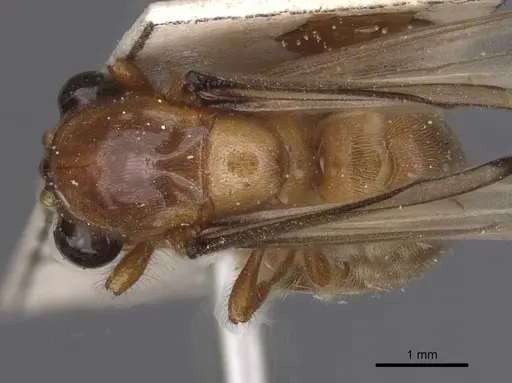
Literature
Loading distribution map...Loading products...