
Aenictogiton fossiceps
- Sci. Name
- Aenictogiton fossiceps
- Subfamily
- Dorylinae
- Author
- Emery, 1901
- Distribution
- Found in 3 countries
Introduction
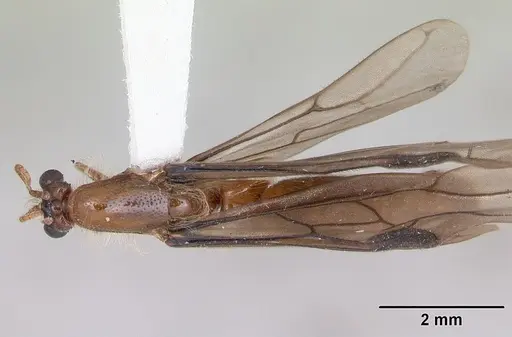
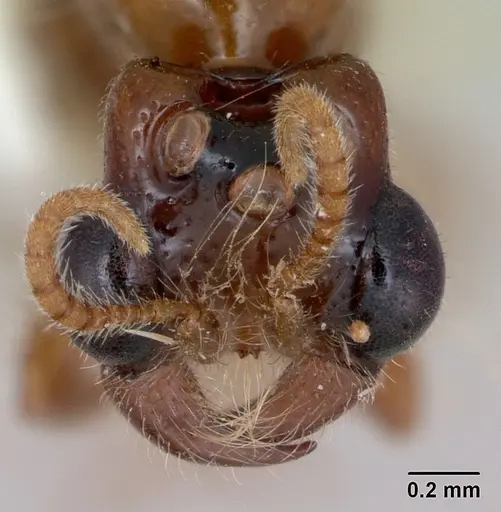
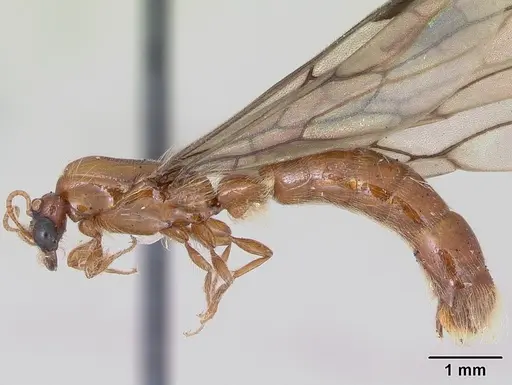
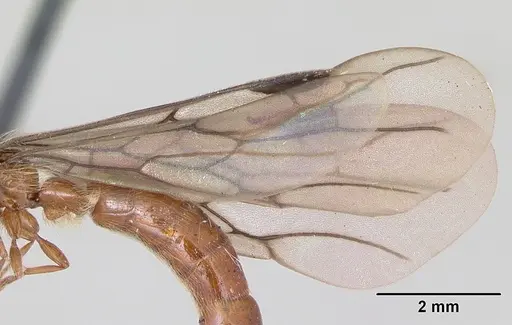
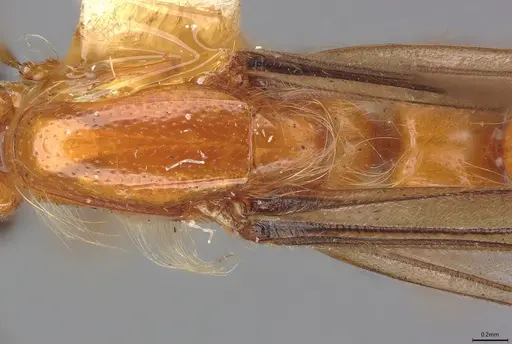
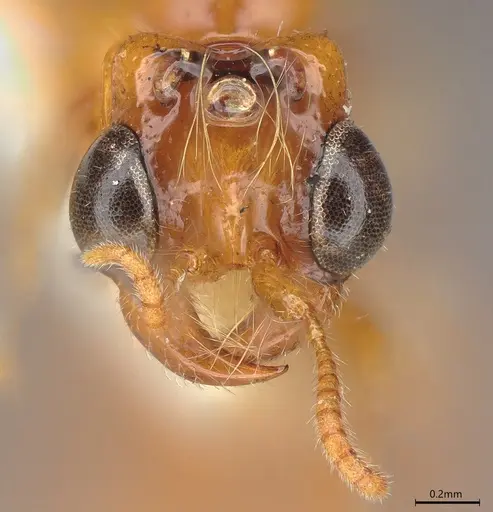
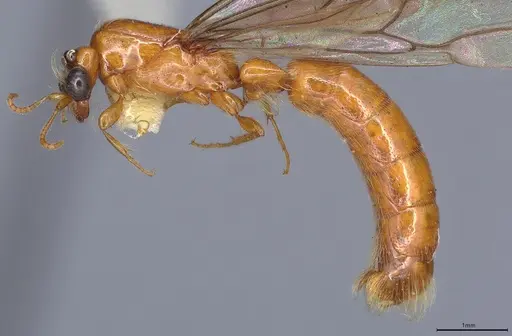
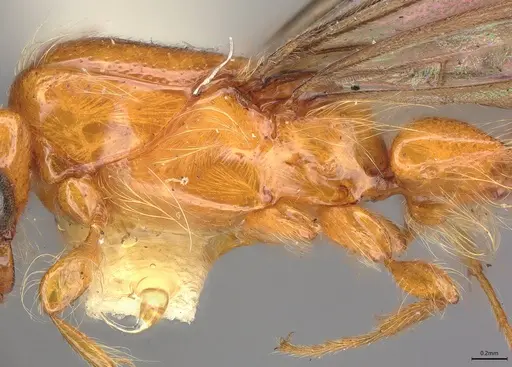
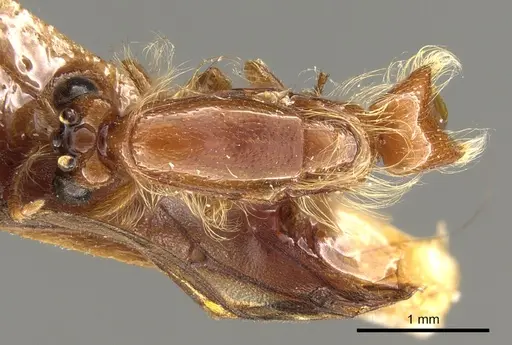
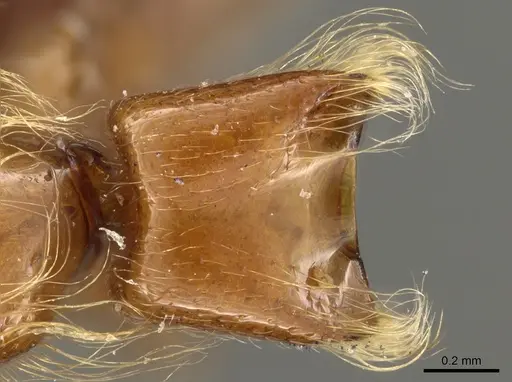
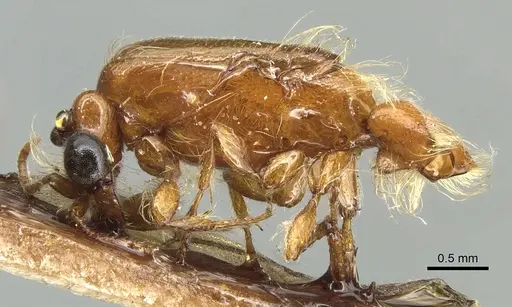
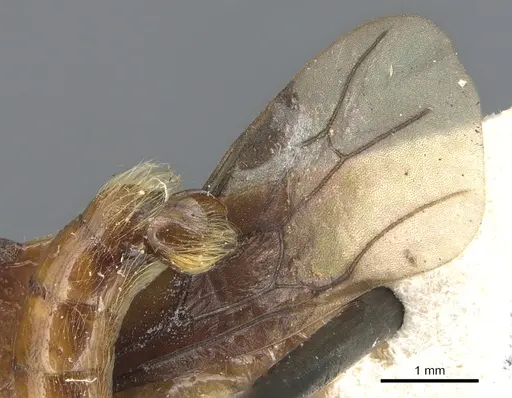
Aenictogiton fossiceps is one of the most mysterious ants on Earth. Scientists have only ever collected male ants - no queens, workers, or colonies have ever been discovered . This pattern holds for all species in the genus Aenictogiton. Males have been collected in the Democratic Republic of Congo and Zambia using light traps near forested areas, suggesting these ants may prefer woodland habitats . Researchers speculate they might live underground or in other hidden microhabitats because despite extensive ant surveys in the region, nobody has ever found their nests . The genus belongs to the subfamily Dorylinae, which includes army ants like Dorylus, suggesting possible ecological similarities, though no evidence supports this . You cannot keep this species in captivity. No colonies exist in the antkeeping hobby, and nobody knows how to care for them. Only male ants have been collected, and males die shortly after mating. Without queens or workers to start a colony, keeping Aenictogiton fossiceps is currently impossible with our knowledge .
Quick Summary
- Difficulty: Expert
- Origin & Habitat: Democratic Republic of Congo and Zambia, likely forested habitats [1]
- Colony Type: Unknown, no colonies ever documented
- Size & Growth:
- Queen: size data unavailable
- Worker: size data unavailable
- Colony: Unknown
- Growth: Unknown
- Development: Unknown (Development has never been observed because no colonies have been found [1].)
- Antkeeping:
- Behavior: Unknown, no living colonies have ever been observed [1]
- Common Issues: this species is impossible to obtain or keep, only males exist in collections., no queens or workers are available anywhere in the antkeeping trade., biology is too poorly known to provide any care instructions.
Why This Species Cannot Be Kept
You cannot keep Aenictogiton fossiceps because nobody has ever found a colony. Only male ants have been collected, and males die shortly after mating. Without queens or workers, there is no way to start a colony. The ants might live deep underground or in concealed microhabitats, which explains why we have never found their nests [1]. Even if you traveled to the Democratic Republic of Congo, you would not know where to look for a colony. No keeper has ever successfully collected or raised this species.
What We Know About the Males
Males were first described by Emery in 1901 from specimens collected in the Democratic Republic of Congo [2]. They have been caught in light traps, meaning they fly at night and are attracted to artificial lights. Most specimens come from forested areas in the Democratic Republic of Congo, with some records from Zambia [1]. These collection records suggest the species prefers forest habitats, but we do not know exactly where they live during the day or how to find their nests.
The Army Ant Connection
Aenictogiton belongs to the subfamily Dorylinae, which includes the famous army ants like Dorylus [1]. This family connection makes scientists wonder if they raid other ant nests or march in groups like army ants. However, we have no proof of this behavior. They might also be peaceful underground hunters, or they might live in a way we have never seen before. Until someone finds a colony, we can only guess about their lifestyle [1].
Frequently Asked Questions
Can I keep Aenictogiton fossiceps in captivity?
No. This species is impossible to keep because only males have ever been found. You cannot buy or collect a colony, and nobody knows how to care for them [1].
Where can I buy Aenictogiton fossiceps?
You cannot buy this species. No queens or workers exist in the antkeeping trade, and no colonies have ever been collected in the wild [1].
What does Aenictogiton fossiceps eat?
We do not know. Since no colonies have been observed, their diet remains a mystery [1].
How big do Aenictogiton fossiceps colonies get?
Unknown. Scientists have never found a colony, so we cannot estimate colony size [1].
What is the queen size of Aenictogiton fossiceps?
Unknown. No queens have ever been collected [1].
How long does Aenictogiton fossiceps take to develop from egg to worker?
Unknown. Development time has never been measured because no brood has ever been found [1].
What temperature does Aenictogiton fossiceps need?
Unknown. You should not attempt to keep this species [1].
Are Aenictogiton fossiceps dangerous?
Unknown. Only males have been collected, and male ants cannot sting [1].
Why are Aenictogiton fossiceps so rare?
They are probably not rare, just hidden. They likely live underground or in places where we do not normally look for ants, which makes them hard to find [1].
Report an Issue
The current care sheet is based fully on literature. See inconsistencies, or something that's incorrect? Please , it will be resolved after review from an admin. Contributing to the blogs tab also helps providing information, to make us be able to further improve the caresheets. Thank you for your support!
References

This caresheet is licensed under CC BY-SA 4.0 .
Community Blogs
Literature
Loading distribution map...Loading products...