
Adetomyrma goblin
- Sci. Name
- Adetomyrma goblin
- Tribe
- Amblyoponini
- Subfamily
- Amblyoponinae
- Author
- Yoshimura & Fisher, 2012
- Distribution
- Found in 1 countries
Introduction
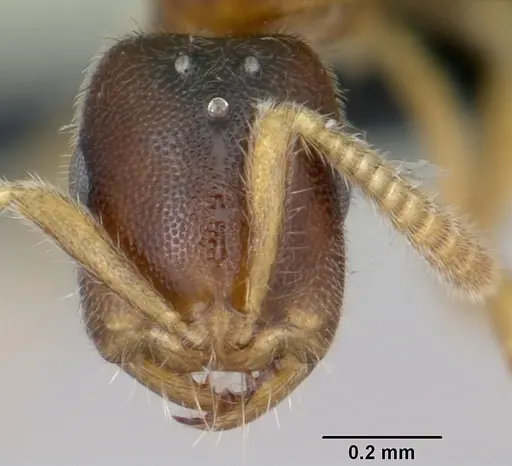
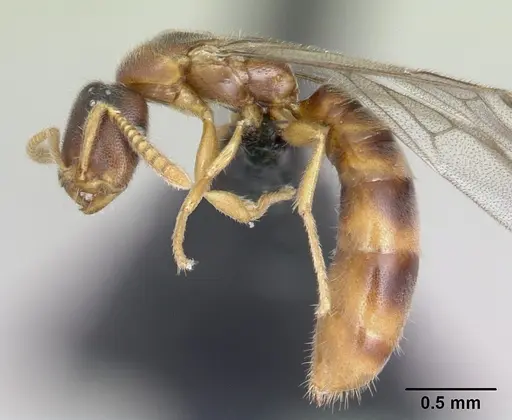
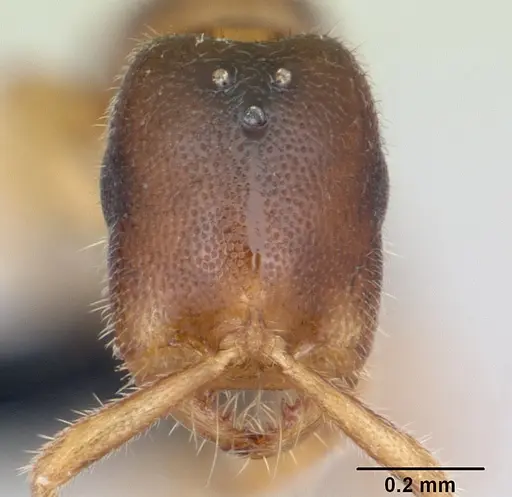
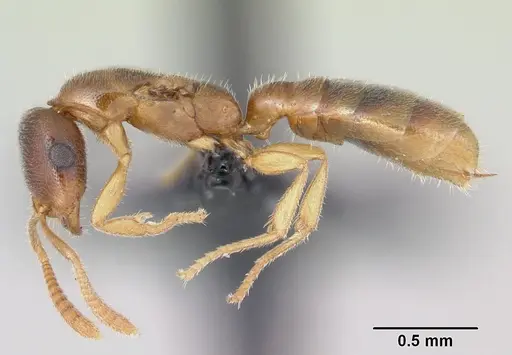
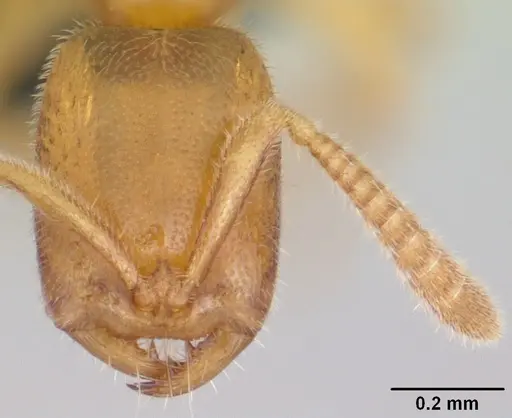
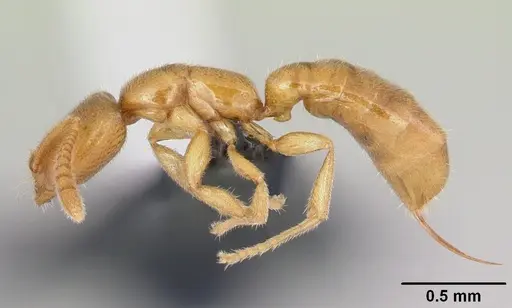
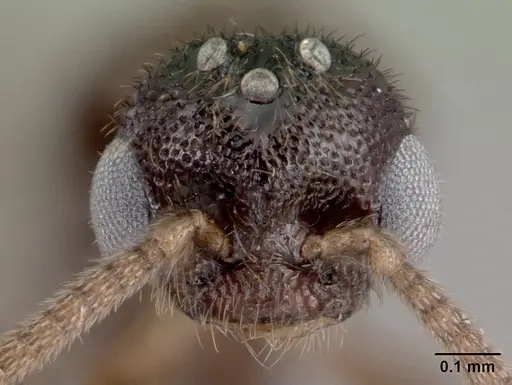
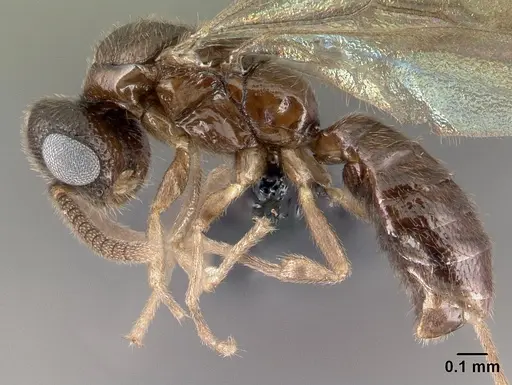
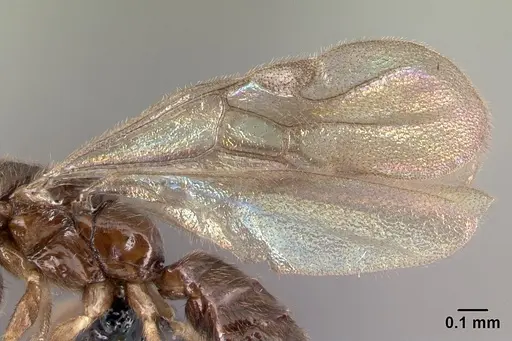
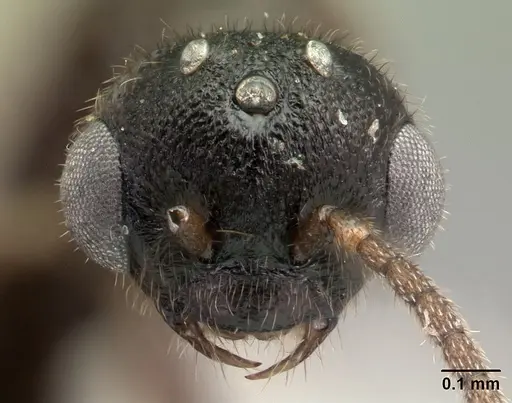
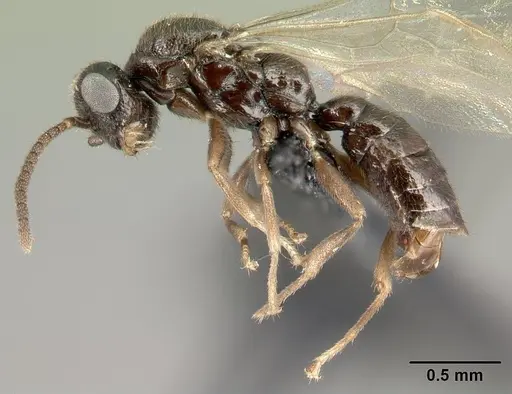
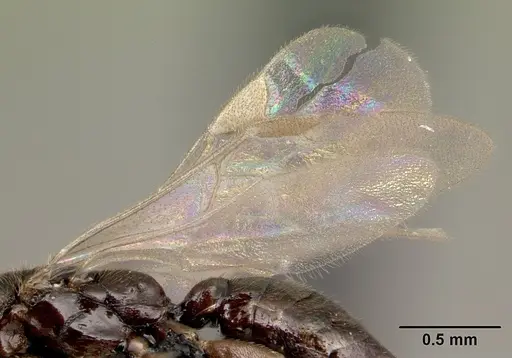
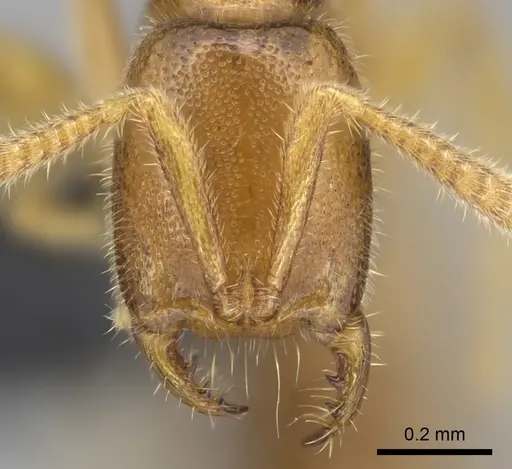
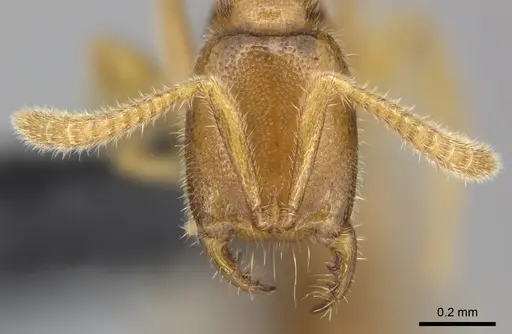
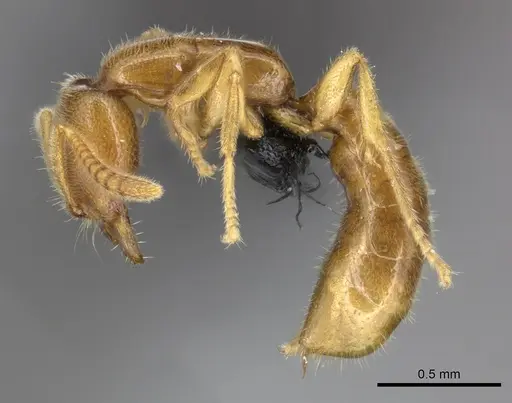
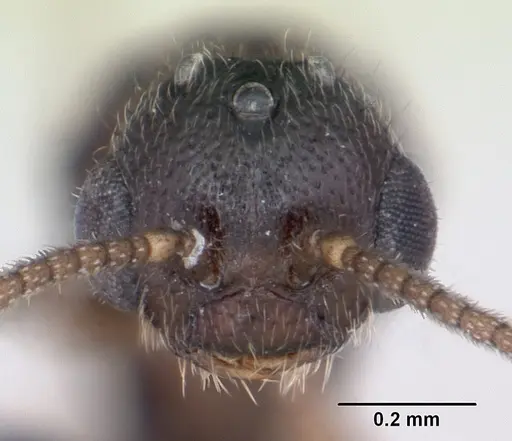
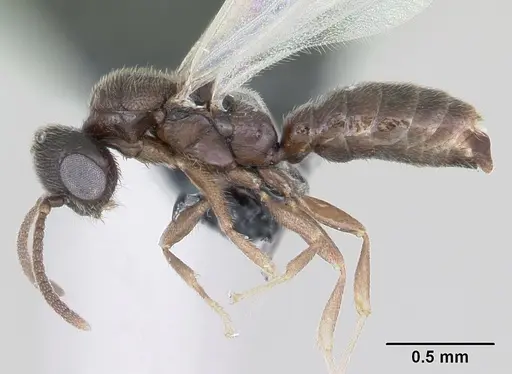
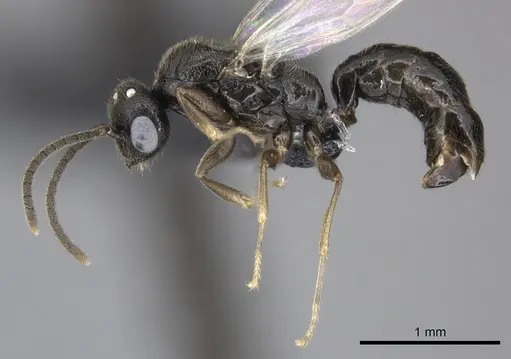
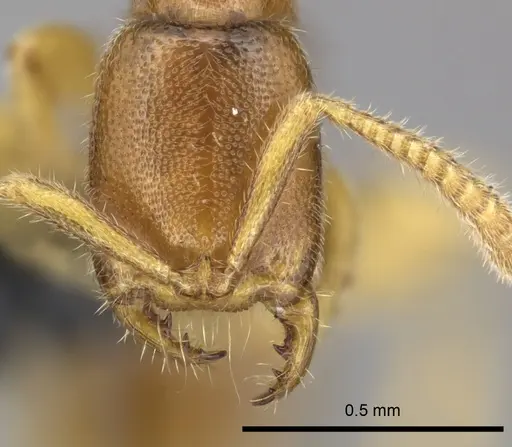
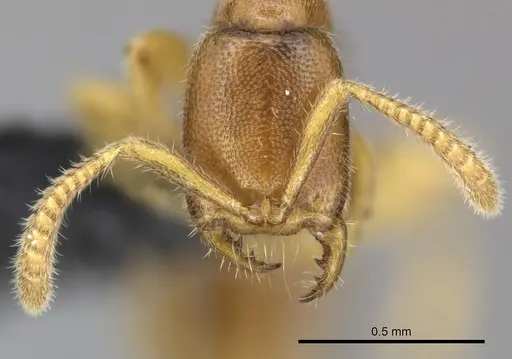
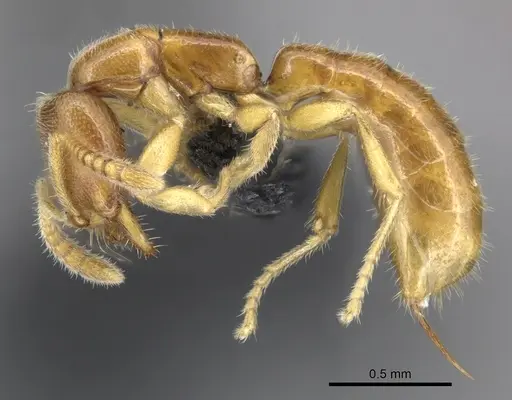
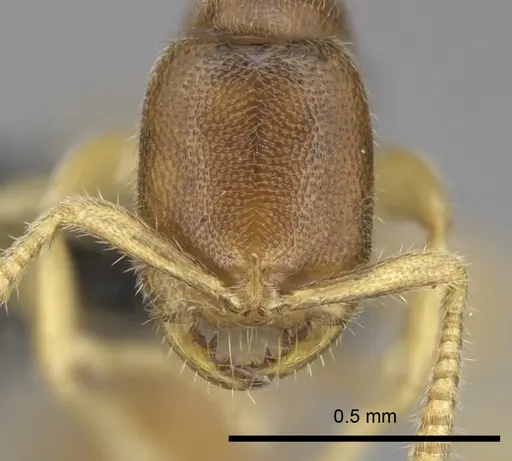
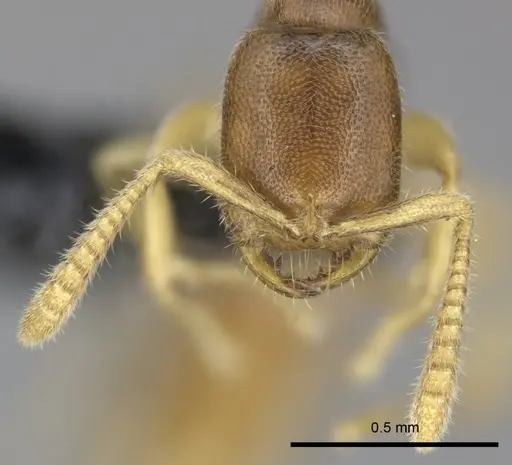
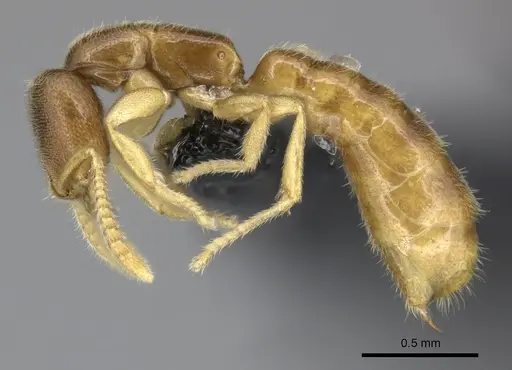
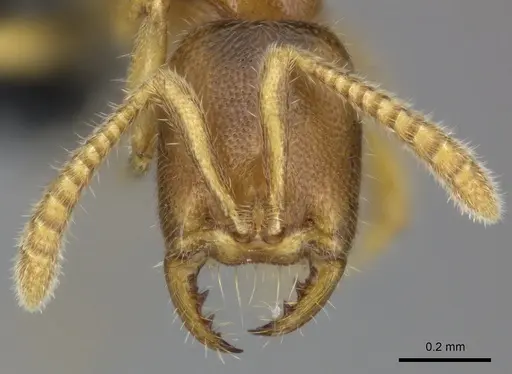
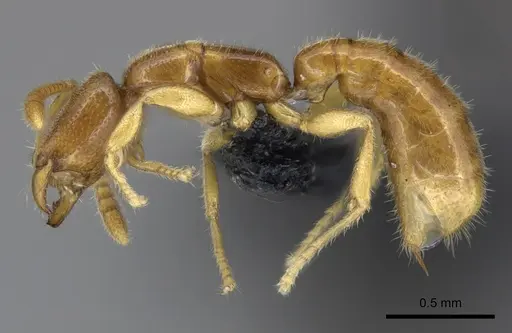
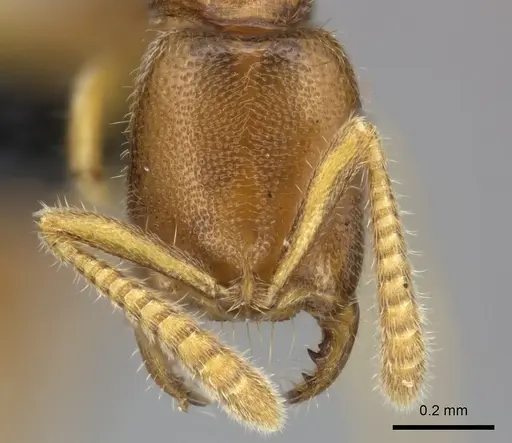
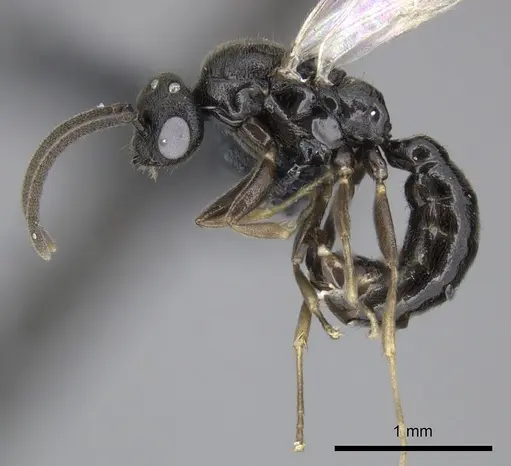
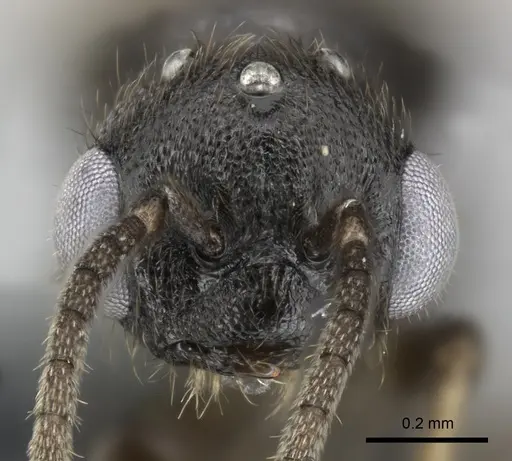
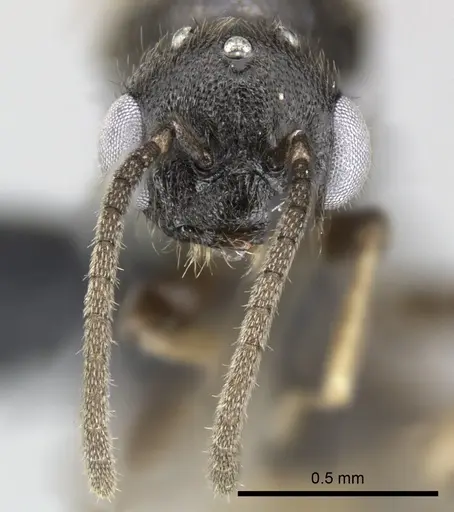
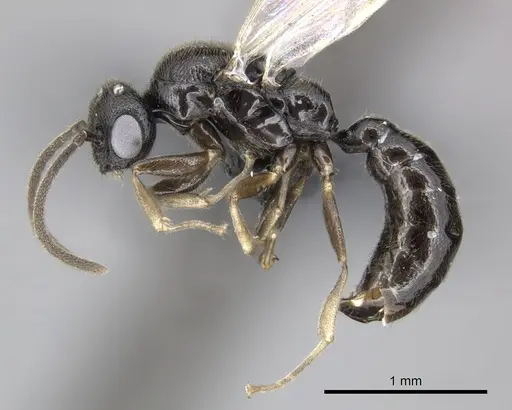
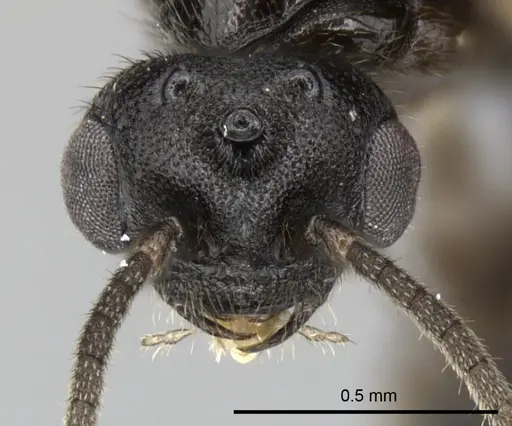
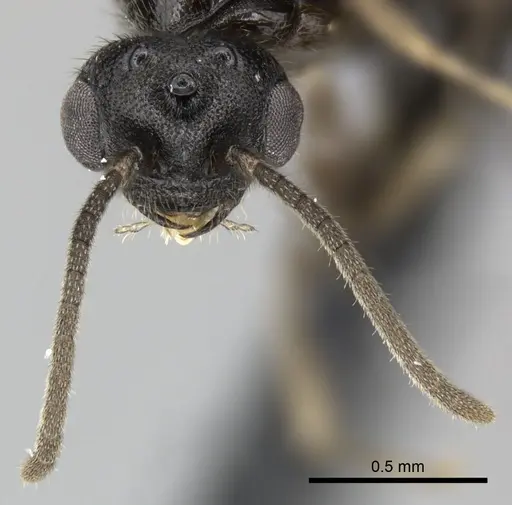
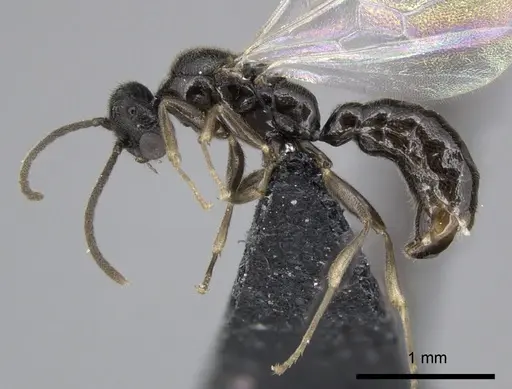
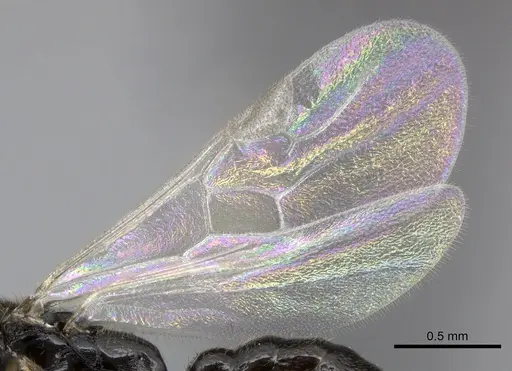
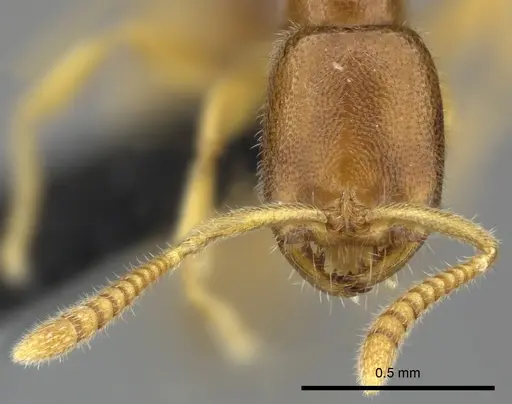
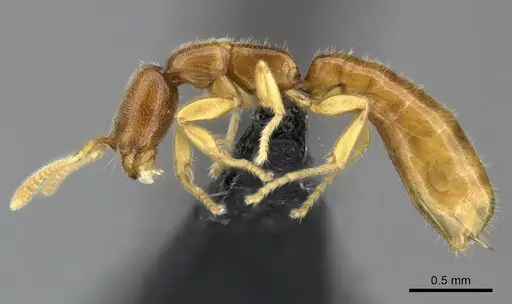
Adetomyrma goblin are minute, blind ants from the rainforests of Madagascar. Workers have distinctive toothed mandibles that inspired their 'goblin' name - the males are small and black, and workers possess long dentition on their masticatory margin . Unlike other members of their genus, they produce winged (alate) queens . These ants live in soil and rotten wood in forests transitioning from lowland rainforest to montane forest at around 600 meters elevation . Workers lack eyes entirely and hunt cooperatively in groups to capture linear arthropods like centipedes and millipedes . These ants present unique challenges for keepers due to their extremely small size, specialized predatory diet, and complete blindness. They require carefully controlled tropical conditions and appropriate prey items to thrive in captivity. Their cooperative hunting behavior means they rely on group coordination rather than individual foraging, which affects how you should feed and house them.
Quick Summary
- Difficulty: Expert
- Origin & Habitat: Madagascar (Fianarantsoa region), specifically in rainforest transitioning to montane forest at 600m elevation, nesting in rotten logs and soil [1].
- Colony Type: Unknown, likely single-queen colonies given the presence of alate queens, but colony structure is unconfirmed.
- Size & Growth:
- Queen: Approximately 2-2.5mm total length, inferred from mesosoma measurements (WL 0.9-0.99mm) [1].
- Worker: Approximately 1-2mm total length, inferred from mesosoma measurements (WL 0.39-0.83mm) [1].
- Colony: Unknown, likely small based on genus patterns.
- Growth: Unknown, likely slow to moderate.
- Development: Unknown, temperature-dependent development expected for tropical species. (Development timeline is unconfirmed for this species.)
- Antkeeping:
- Temperature: 22-26°C stable, tropical rainforest conditions. Avoid fluctuations.
- Humidity: High humidity required, nest substrate should be consistently moist but not waterlogged, mimicking damp rainforest soil and rotting wood [1].
- Diapause: No, this is a tropical species from Madagascar that does not experience winter.
- Nesting: Naturalistic setup with soil, rotting wood, and leaf litter. Tight-fitting chambers preferred. Avoid open spaces [1].
- Behavior: Blind workers rely entirely on touch and chemical cues. They are cooperative hunters that work together to subdue linear prey like centipedes and millipedes [2]. Extremely small size means escape prevention must be exceptional, they can fit through the tiniest gaps. Generally slow-moving and cryptic, spending much time hidden in soil or wood.
- Common Issues: escape prevention is critical, workers are minute and can squeeze through gaps invisible to the naked eye., sourcing appropriate prey is difficult, they require linear arthropods like small centipedes or elongated insect larvae, not standard ant food., blind workers are sensitive to environmental changes and may struggle to find food if the setup is too large or complex., founding behavior is unconfirmed, queens may fail without specific conditions we do not yet understand., colonies likely remain small and grow slowly, requiring patience and careful feeding to avoid overfeeding or underfeeding.
Hunting Behavior and Feeding
Adetomyrma goblin are specialized cooperative hunters. Workers are completely blind and hunt in groups to capture linear arthropods, elongated prey like centipedes, millipedes, and insect larvae [2]. In captivity, this presents a significant challenge. You cannot feed them standard ant foods like honey water alone or dead insects.
Instead, you must provide small, soft-bodied linear prey. Suitable options include tiny centipedes, small moth larvae, or pieces of larger prey cut into strips. The key is that the prey must be elongated and manageable for ants under 2mm. Because they hunt cooperatively, always ensure multiple workers are present to feed effectively, a lone worker may struggle with prey items.
Offer food 2-3 times per week, removing uneaten items before they mold. Since they are blind, place food directly in their foraging area or near nest entrances. They locate prey through tactile and chemical cues, so disturbance of the substrate helps them detect prey movement.
Nest Setup and Substrate
In nature, Adetomyrma goblin nests in rotten logs and soil in rainforest habitats [1]. Replicate this with a naturalistic setup rather than a standard formicarium. Use a container with a soil and leaf litter substrate, pieces of soft rotting wood, and bark.
The nest area should have tight spaces, small tunnels in soil or under bark pieces. Avoid tall, open chambers where these tiny ants cannot climb effectively. The substrate must stay consistently moist but not waterlogged. Think damp forest floor, not swamp.
Because they are blind and cryptic, provide plenty of hiding spots. They will spend most of their time hidden in soil or under wood, emerging to hunt when prey is detected. A clear viewing area is less important than appropriate microhabitat for this species.
Temperature and Humidity Control
As a tropical Madagascar species, Adetomyrma goblin requires stable warm temperatures between 22-26°C. Avoid temperature drops below 20°C. Unlike temperate ants, they do not need and should not receive any winter hibernation or cooling period.
Humidity is critical. The nest substrate should feel damp to the touch at all times. You can achieve this by mixing water into the substrate before adding it to the enclosure, and occasionally misting the surface when it begins to dry. However, ensure there is no standing water that could drown these tiny ants.
Ventilation must be balanced, enough to prevent mold in the damp substrate, but not so much that the enclosure dries out quickly. Small air holes covered with fine mesh work well. [1]
Colony Founding and Queen Care
The founding behavior of Adetomyrma goblin is unconfirmed. Most Amblyoponinae ants are semi-claustral, meaning the queen must leave the nest to hunt during the founding stage. However, this species produces alate (winged) queens, which often suggests claustral founding (sealed chamber, living on fat reserves) [1].
Until founding behavior is documented, assume queens may need to forage. Provide a small founding setup with both a secure chamber and access to a tiny foraging area with micro-prey. Do not seal queens in completely without food unless you are certain they are claustral.
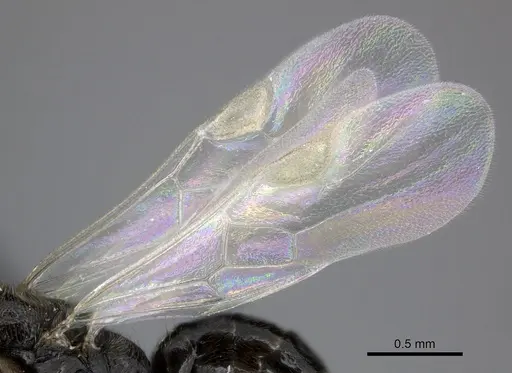
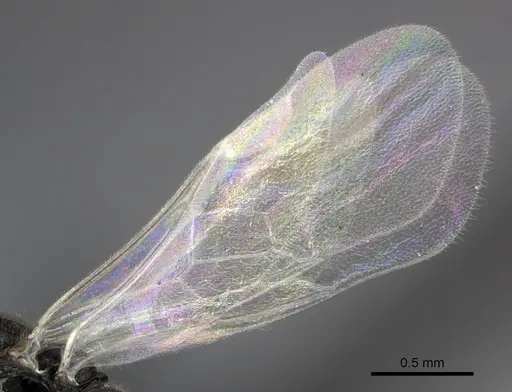
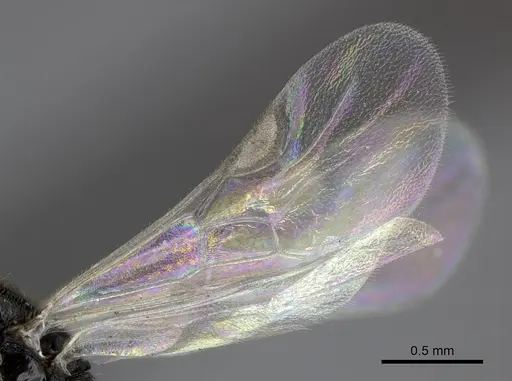
Queens are known to be alate (winged) in this species, unlike other Adetomyrma which produce wingless queens [1]. This suggests they may undertake nuptial flights, though the timing is unknown. If you obtain a dealate (post-flight) queen, treat her carefully and offer food options immediately.
Escape Prevention and Handling
At approximately 1-2mm in length, Adetomyrma goblin workers are escape artists [1]. Standard barriers like petroleum jelly may not stop them. You need excellent escape prevention: tight-fitting lids with no gaps, fine mesh screening (they can pass through standard window screen), and Fluon or PTFE barriers applied carefully to all interior surfaces.
Handle the enclosure minimally. These ants are blind and cryptic, and disturbance can disrupt their hunting behavior and colony organization. When you must open the enclosure, work over a large white tray or sheet so you can spot any escapees immediately.
Do not attempt to handle individual ants, they are too small and fragile. If you need to move the colony, cool them slightly (not below 18°C) to slow them down first, or use a light suction device designed for tiny insects.
Frequently Asked Questions
Can I keep Adetomyrma goblin in a test tube setup?
Test tubes are not ideal for Adetomyrma goblin. They need soil and rotting wood to nest naturally, and their cooperative hunting behavior requires space to maneuver. A small naturalistic setup with soil substrate is better than a standard test tube [1].
What do Adetomyrma goblin eat?
They are specialized predators of linear arthropods, elongated prey like small centipedes, millipedes, and insect larvae. They hunt cooperatively in groups using tactile cues since they are blind [2]. Standard ant foods like honey water and dead insects are not sufficient.
How long until Adetomyrma goblin gets its first workers?
The egg to worker timeline is unknown for this species. Based on related Amblyoponinae ants, expect roughly 8-12 weeks at 24-26°C, but this is an estimate. Keep the queen warm and undisturbed during this period.
Do Adetomyrma goblin ants sting?
Like other Amblyoponinae (Dracula ants), they possess a sting. At their tiny size, they cannot penetrate human skin. They pose no danger to humans.
Are Adetomyrma goblin good for beginners?
No, these are expert-level ants. Their tiny size requires exceptional escape prevention, their specialized diet of linear arthropods is difficult to maintain, and their founding behavior is unconfirmed. They are best suited for experienced keepers with access to appropriate prey [1][2].
Do Adetomyrma goblin need hibernation?
No, they are a tropical species from Madagascar and do not hibernate. Keep them at stable temperatures year-round (22-26°C).
Why are they called goblin ants?
The name refers to their goblin-like features: the males are small and black, and the workers possess long tooth-like denticles on their mandibles that look like goblin fangs [1].
Can I keep multiple Adetomyrma goblin queens together?
Not recommended. While the natural colony structure is unknown, combining unrelated queens of this species has not been documented and risks fighting. Start with a single queen until colony structure is better understood.
How big do Adetomyrma goblin colonies get?
Maximum colony size is unknown for this species. Based on related small Amblyoponinae, they likely remain relatively small.
Report an Issue
The current care sheet is based fully on literature. See inconsistencies, or something that's incorrect? Please , it will be resolved after review from an admin. Contributing to the blogs tab also helps providing information, to make us be able to further improve the caresheets. Thank you for your support!
References

This caresheet is licensed under CC BY-SA 4.0 .
Community Blogs
CASENT0007401
View on AntWeb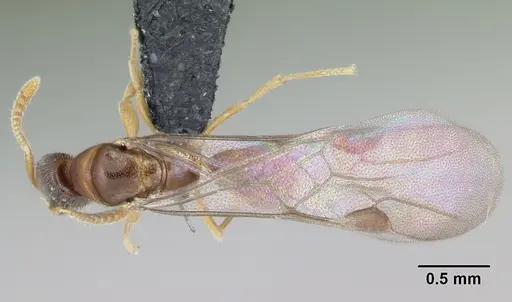
CASENT0056912
View on AntWeb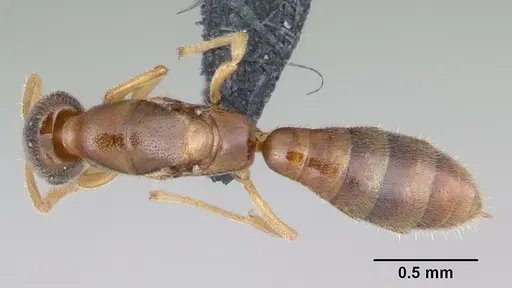
CASENT0056913
View on AntWeb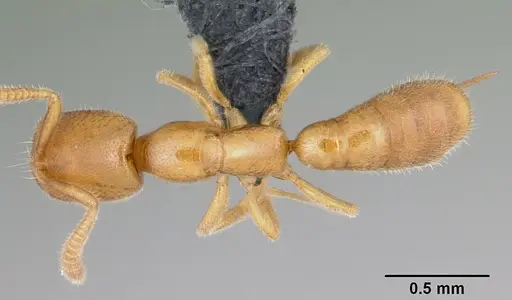
CASENT0063980
View on AntWeb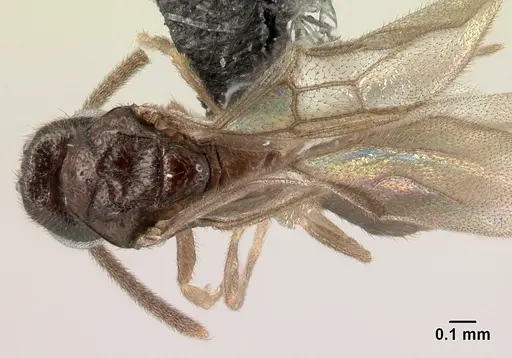
CASENT0065512
View on AntWeb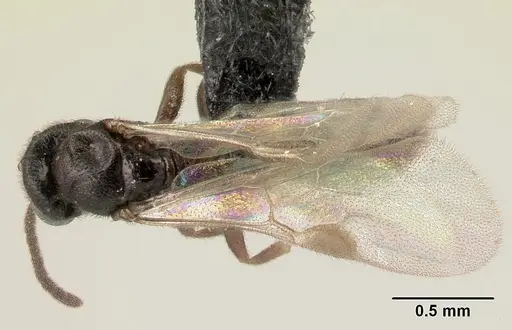
CASENT0071148
View on AntWeb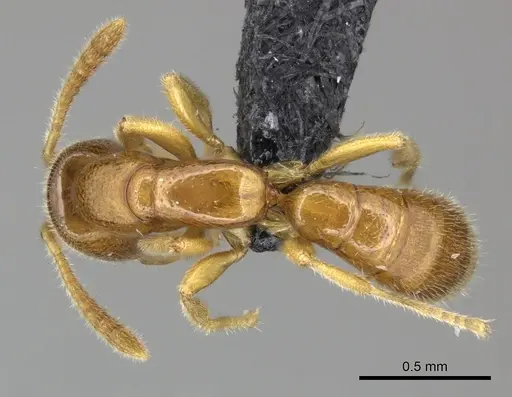
CASENT0084070
View on AntWeb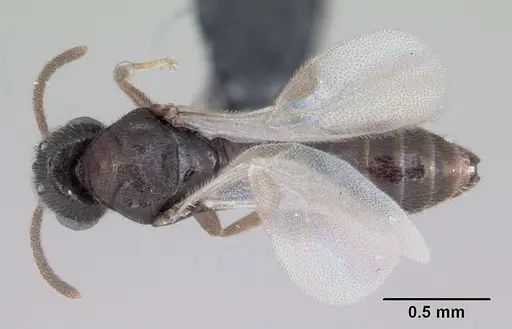
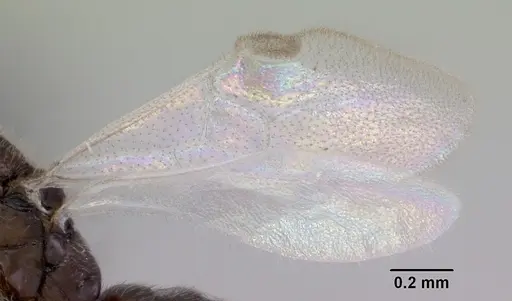
CASENT0138427
View on AntWeb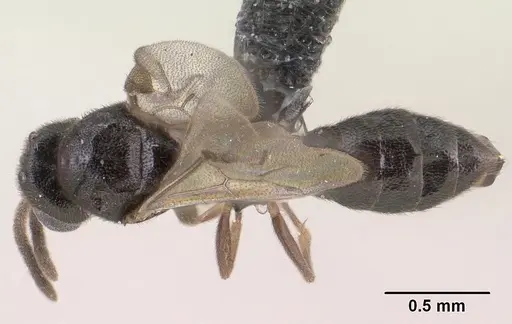
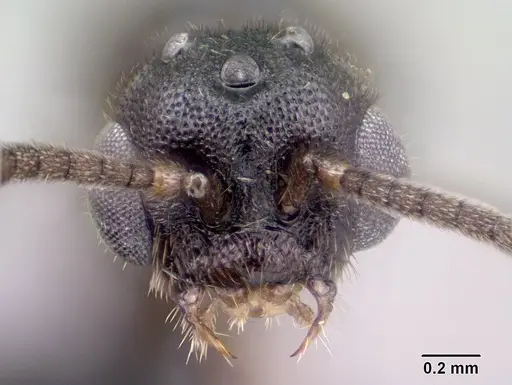
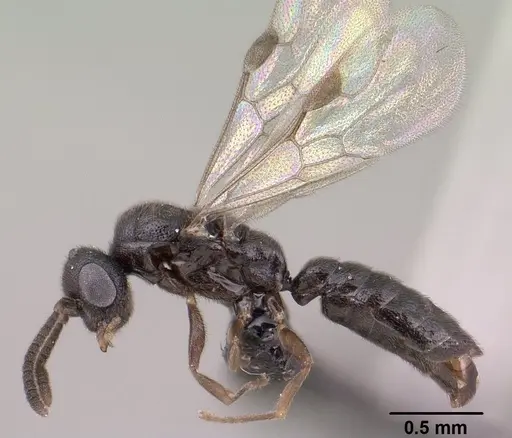
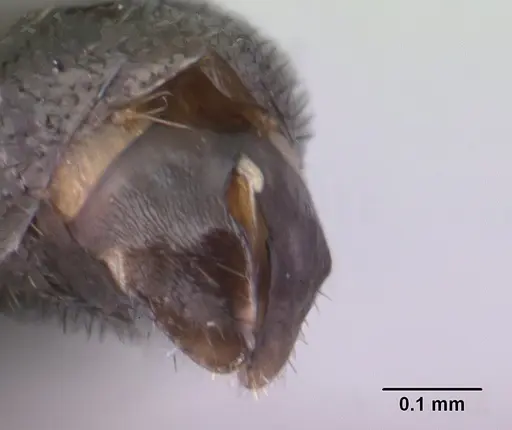
CASENT0138430
View on AntWeb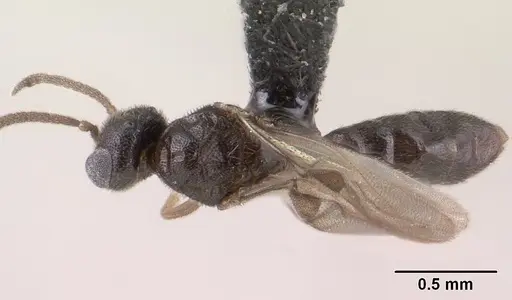
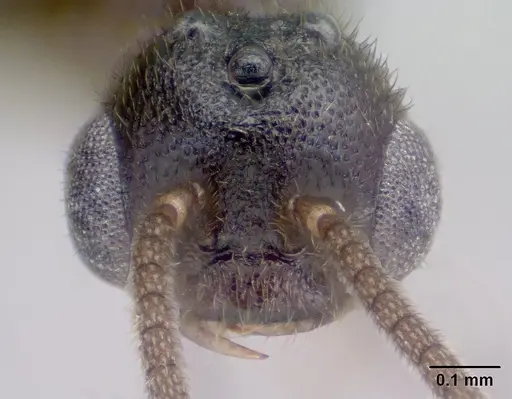
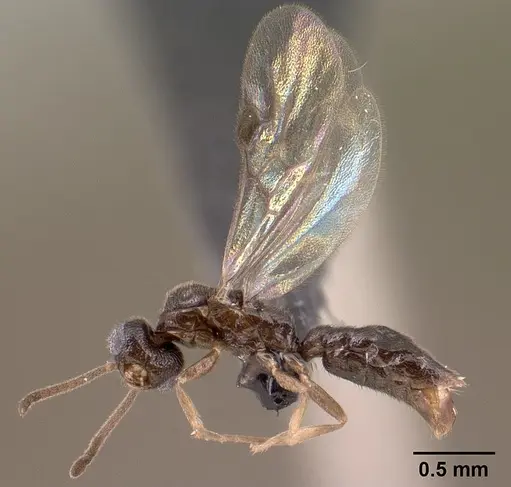
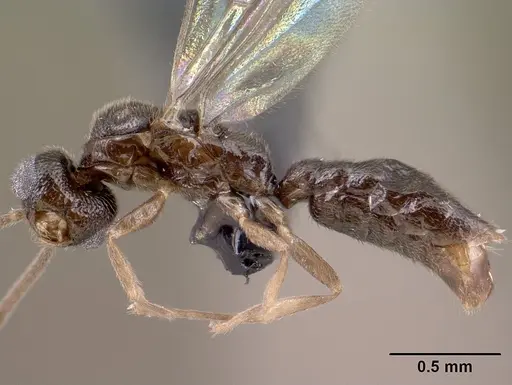
CASENT0191378
View on AntWeb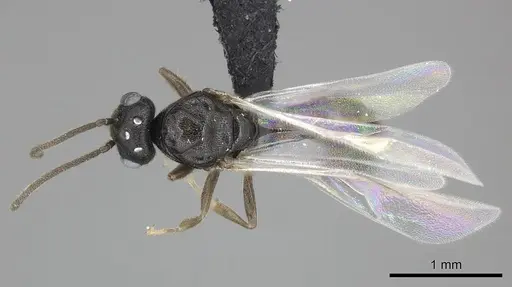
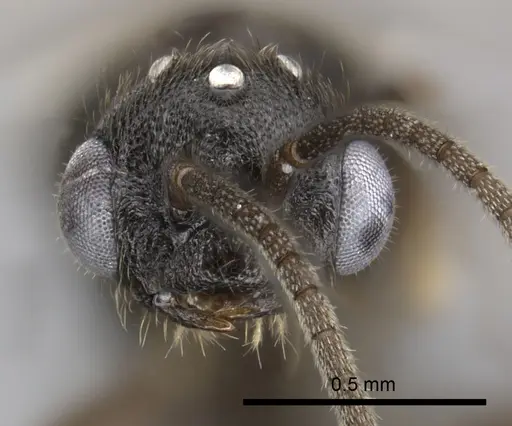
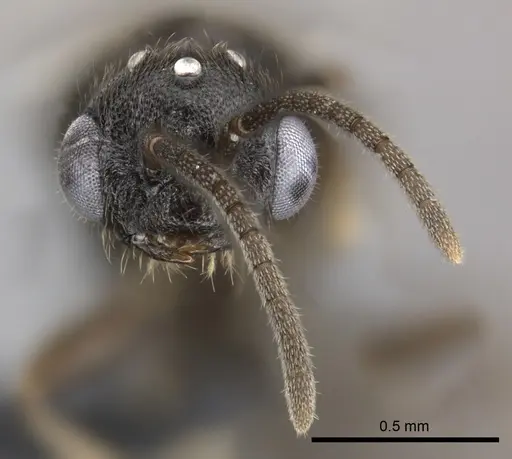
CASENT0218010
View on AntWeb
CASENT0227981
View on AntWeb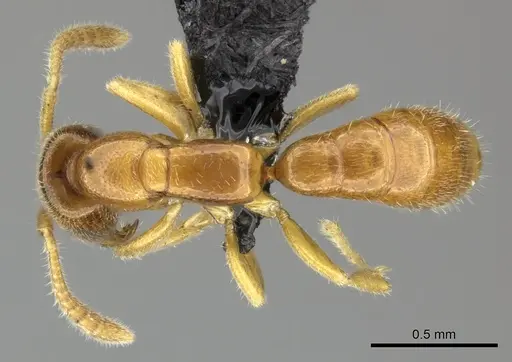
CASENT0227982
View on AntWeb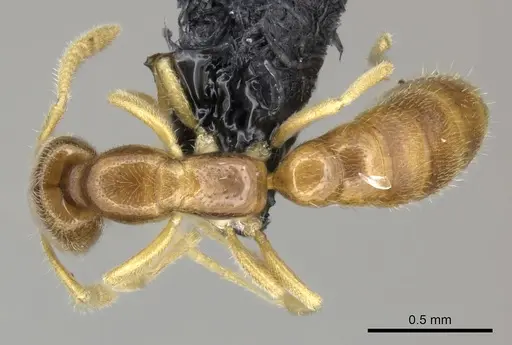
CASENT0227983
View on AntWeb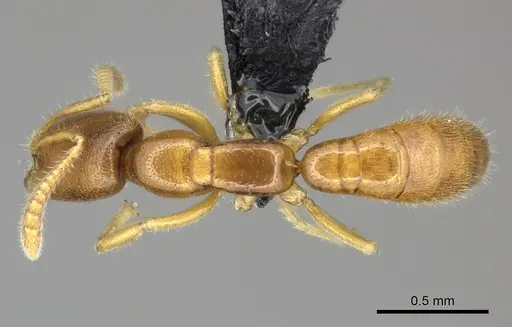
CASENT0227984
View on AntWeb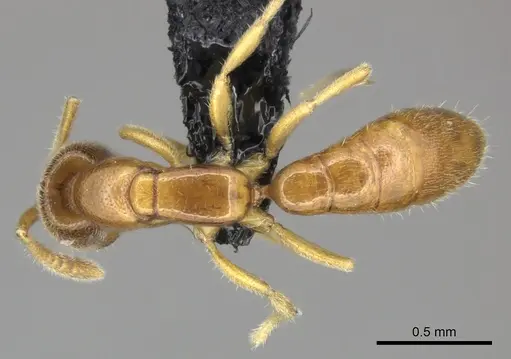
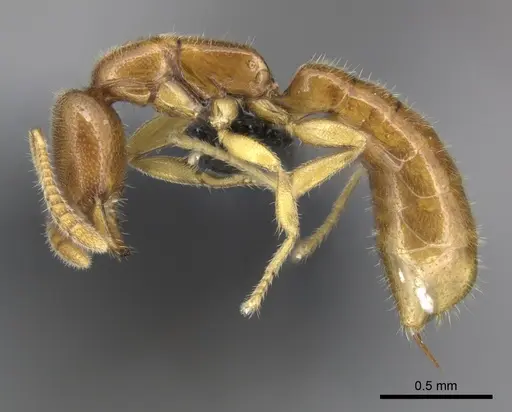
CASENT0227985
View on AntWeb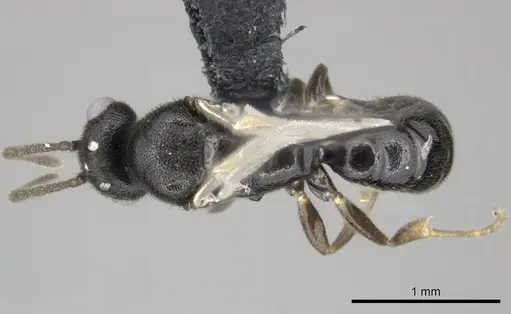
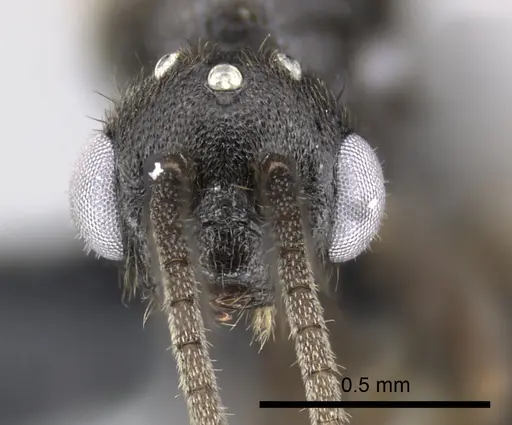
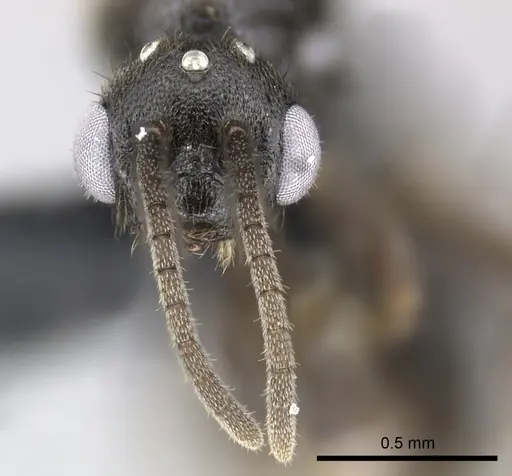
CASENT0227986
View on AntWeb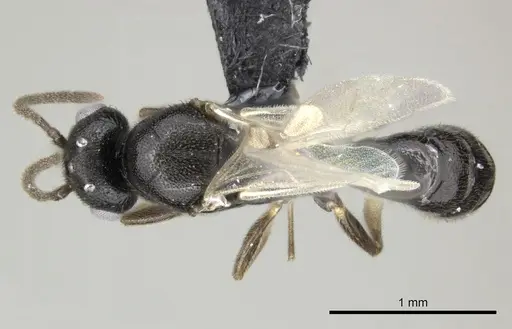
CASENT0227988
View on AntWeb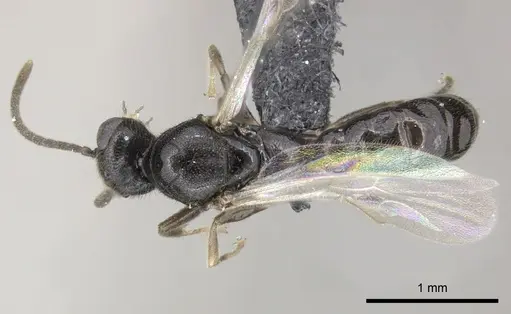
CASENT0227989
View on AntWeb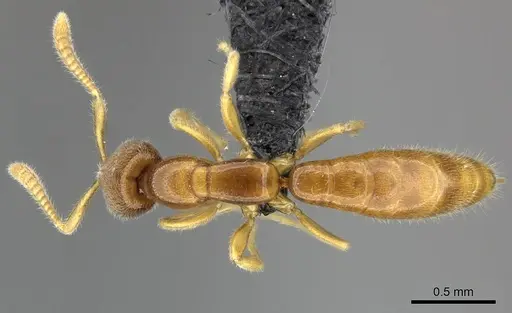
Literature
Loading distribution map...Loading products...