
Adetomyrma clarivida
- Sci. Name
- Adetomyrma clarivida
- Tribe
- Amblyoponini
- Subfamily
- Amblyoponinae
- Author
- Yoshimura & Fisher, 2012
- Distribution
- Found in 1 countries
Introduction
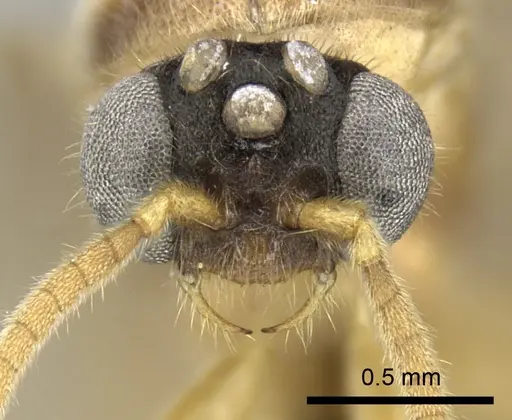
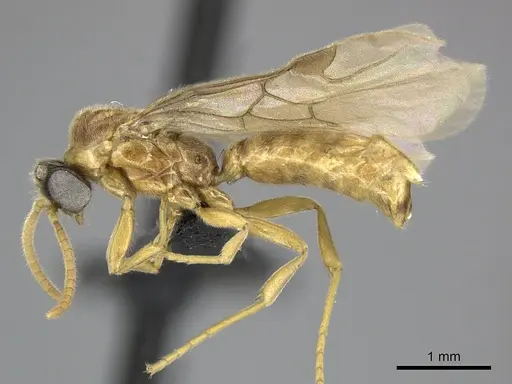
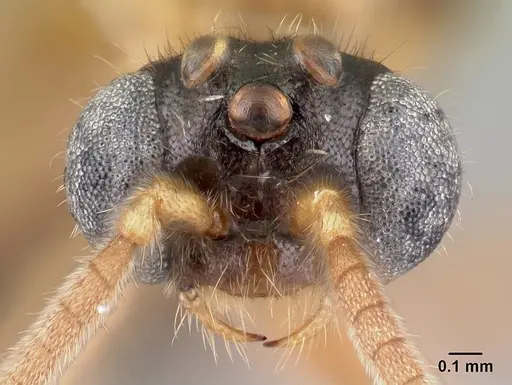
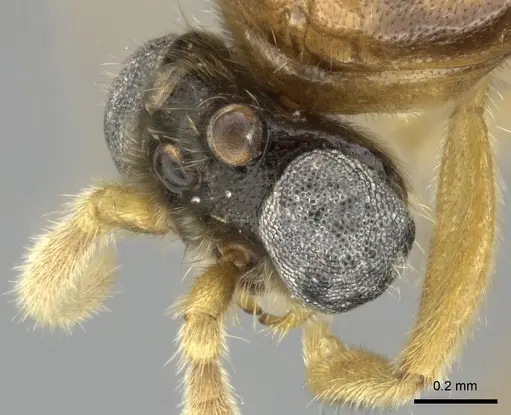
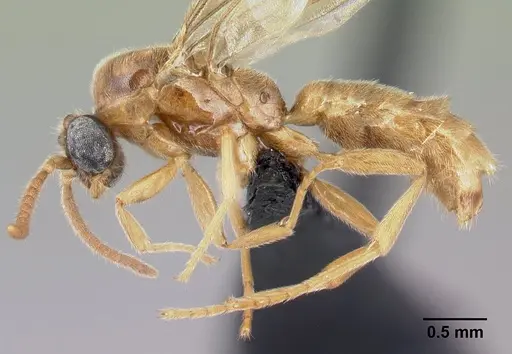
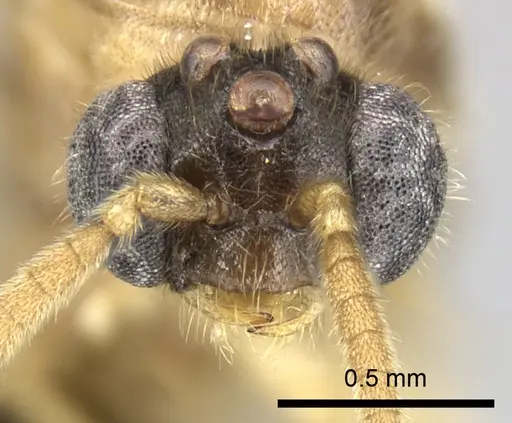
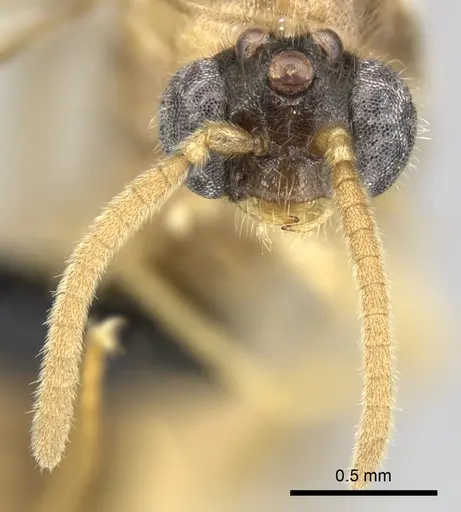
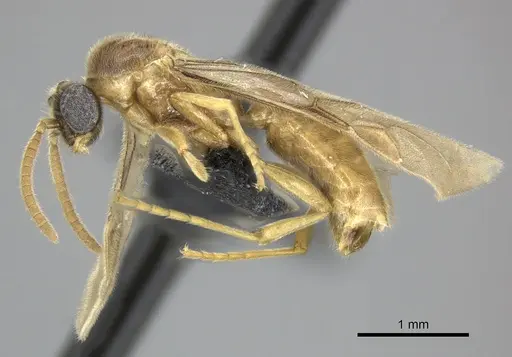
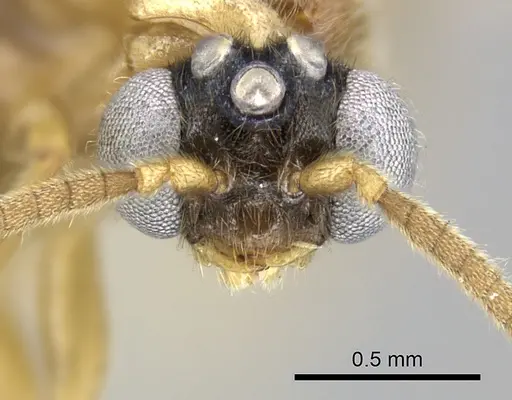
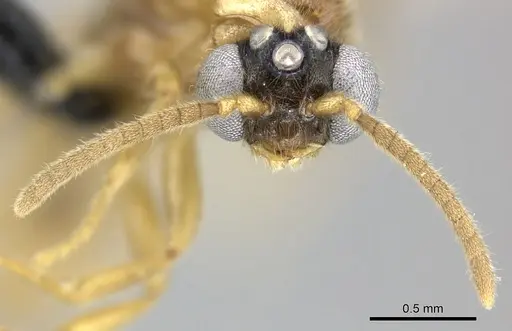
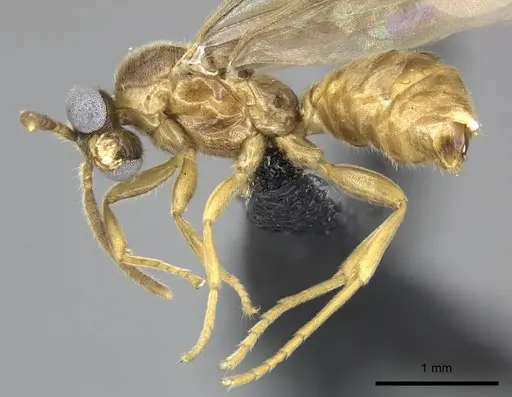
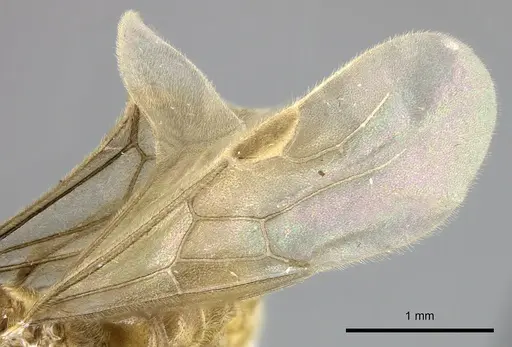
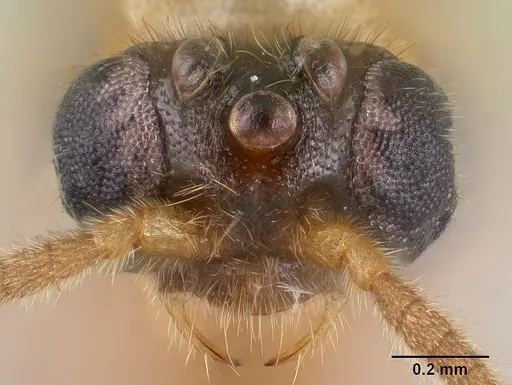
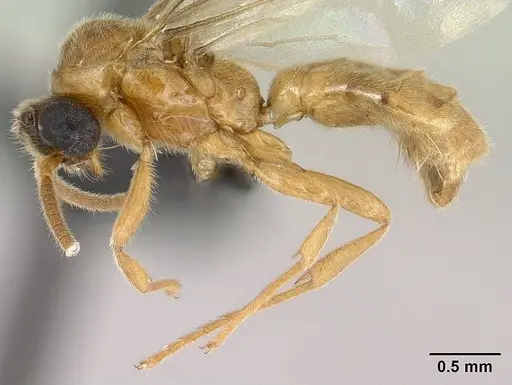
Adetomyrma clarivida is one of the most mysterious ant species in the world, known only from male specimens collected in Madagascar. Males have extremely large, prominent eyes - the species name 'clarivida' comes from the Latin word for clairvoyant - and a distinctive bicolored appearance with brown heads and yellowish bodies . All known specimens were collected in malaise traps at low altitude rainforest in Marojejy National Park at 487 meters elevation . Despite being described in 2012,no workers or queens have ever been found, making this a scientific curiosity rather than a species available to antkeepers. You cannot keep this species because no live colonies exist in the pet trade, and researchers have never observed a nest or colony structure.
Quick Summary
- Difficulty: Expert
- Origin & Habitat: Madagascar, specifically low altitude rainforest at Marojejy National Park, SAVA Region,487m elevation [1].
- Colony Type: Unknown, only male specimens have been documented, no colony structure data exists.
- Size & Growth:
- Antkeeping:
- Temperature: Unknown.
- Humidity: Unknown.
- Diapause: Unknown.
- Nesting: Unknown.
- Behavior: Unknown, behavioral observations require workers or queens, which have never been documented for this species [1].
- Common Issues: species is known only from male specimens, no queens or workers exist in collections or the pet trade., impossible to source live colonies or founding queens., no captive care protocols exist because colony biology is completely undocumented., collection from Madagascar requires permits and is heavily restricted.
Known Only From Males
Adetomyrma clarivida represents one of the most mysterious entries in ant taxonomy. The species is described from just five male specimens collected in 2005 [1]. No workers, no queens, and no nests have ever been found. All specimens were captured in malaise traps, tent-like nets that intercept flying insects, suggesting males were flying during the March to May collection period [1]. Without workers or queens, we know nothing about how this species lives, what it eats, or how it reproduces. For antkeepers, this means the species exists only as a scientific name and a few pinned specimens in museums.
Distribution and Collection Data
The species has been found only in Marojejy National Park in the SAVA Region of northeastern Madagascar [1]. All specimens came from a single locality at 487 meters elevation in low altitude rainforest [1]. The collection dates span March through May 2005,indicating males may fly during the wet season, though this is speculative since we do not know the timing of nuptial flights [1].
Morphological Notes
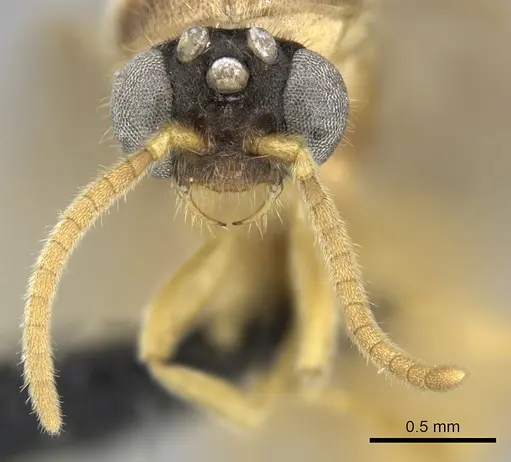
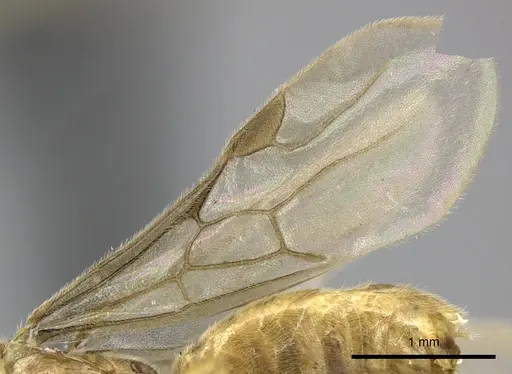
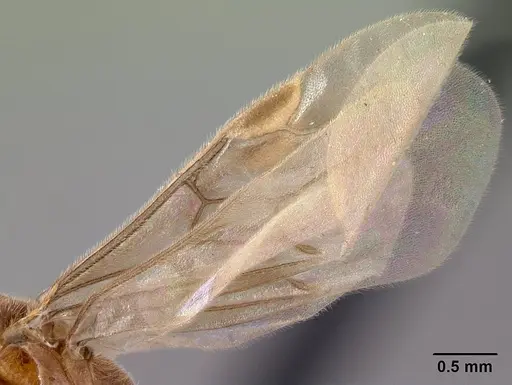
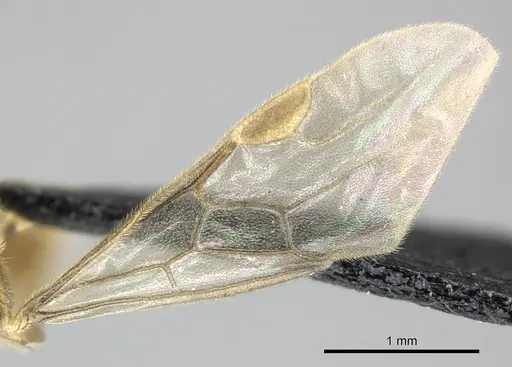
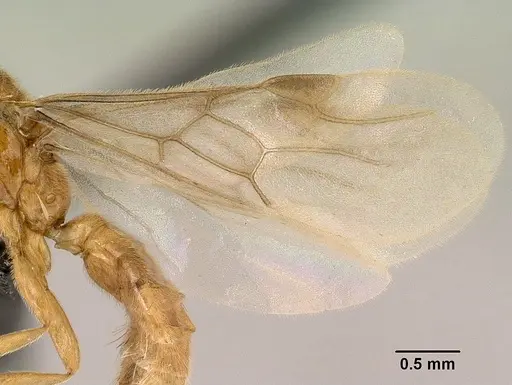
While only males are known, they show distinctive features. They possess extremely large compound eyes that extend beyond the mid ocellus in full-face view [1]. The body is bicolored with a brown head and yellowish remainder [1]. These traits distinguish them from other Adetomyrma males, but provide no insight into worker or queen morphology.
Why This Species Cannot Be Kept
Currently, Adetomyrma clarivida is impossible to keep in captivity. No live material exists in the pet trade, and even researchers have only preserved male specimens. Madagascar has strict export regulations on wildlife, making collection illegal without permits. Furthermore, without knowing what the workers or queens look like, or how they found colonies, no care protocols could be developed even if colonies were discovered. This species remains a scientific mystery rather than a potential pet. [1]
Frequently Asked Questions
Can I keep Adetomyrma clarivida in captivity?
No. This species is known only from five male specimens collected in Madagascar. No queens or workers have ever been found, so there are no colonies available to keep [1].
Where can I buy Adetomyrma clarivida?
You cannot buy this species. It is not available in the antkeeping trade and exists only in scientific collections [1].
What do Adetomyrma clarivida eat?
Their diet is unknown. Since only males have been collected and males of most ant species do not eat (or eat very little), we have no information on what workers or queens consume [1].
How big do Adetomyrma clarivida colonies get?
Colony size is completely unknown. No nests have ever been located [1].
Do Adetomyrma clarivida ants sting?
Unknown. Since no workers have been collected, we do not know if they possess a stinger or venom. However, as members of the Amblyoponinae subfamily, they would likely have a sting if workers existed.
What temperature do Adetomyrma clarivida need?
Temperature requirements are unknown. They come from low altitude rainforest in Madagascar, but specific thermal preferences have not been studied [1].
Are Adetomyrma clarivida good for beginners?
This species cannot be recommended for any keeper level because it is not available and has never been kept in captivity [1].
Do Adetomyrma clarivida need hibernation?
Diapause requirements are unknown. Madagascar has a tropical climate, so they likely do not hibernate, but this is unconfirmed [1].
Report an Issue
The current care sheet is based fully on literature. See inconsistencies, or something that's incorrect? Please , it will be resolved after review from an admin. Contributing to the blogs tab also helps providing information, to make us be able to further improve the caresheets. Thank you for your support!
References

This caresheet is licensed under CC BY-SA 4.0 .
Community Blogs
CASENT0063789
View on AntWeb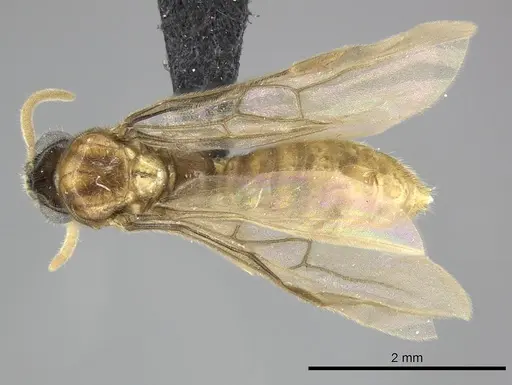
CASENT0064259
View on AntWeb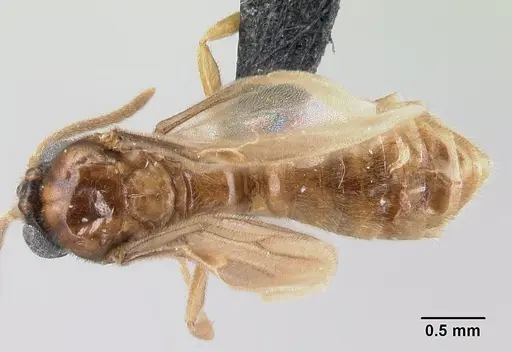
CASENT0064384
View on AntWeb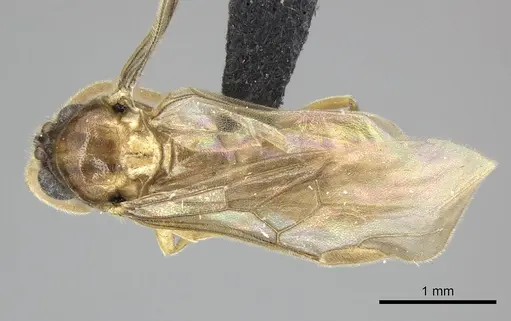
CASENT0109019
View on AntWeb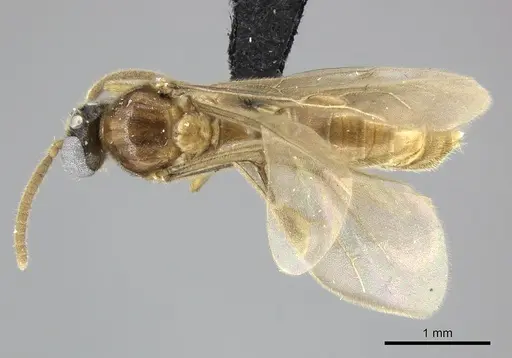
CASENT0111802
View on AntWeb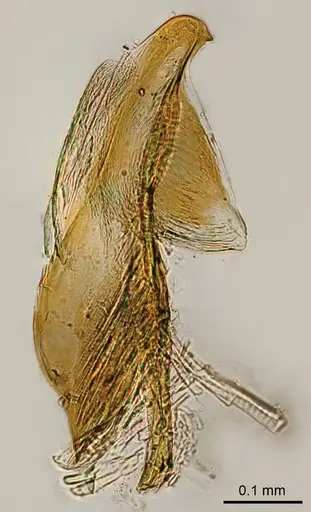
CASENT0144569
View on AntWeb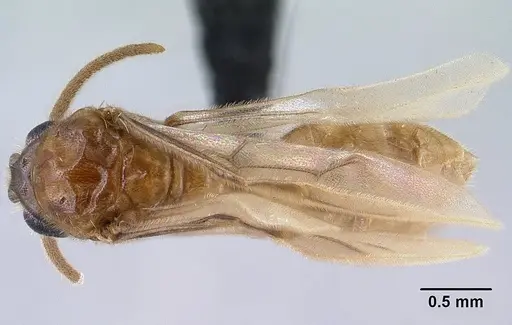
Literature
Loading distribution map...Loading products...