
Adetomyrma cilium
- Sci. Name
- Adetomyrma cilium
- Tribe
- Amblyoponini
- Subfamily
- Amblyoponinae
- Author
- Yoshimura & Fisher, 2012
- Distribution
- Found in 1 countries
Introduction
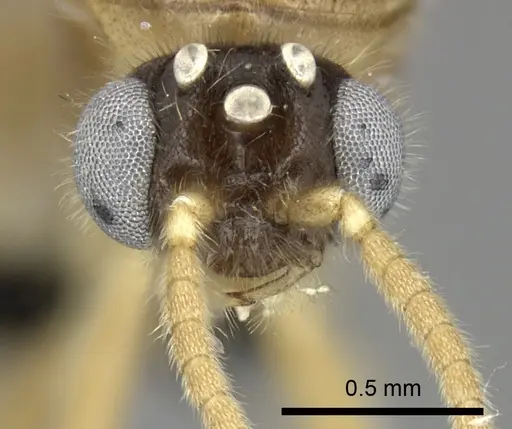
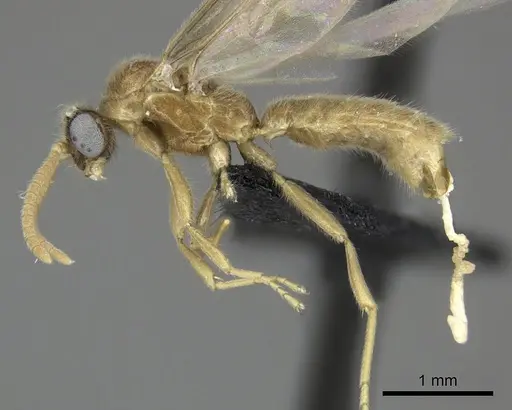
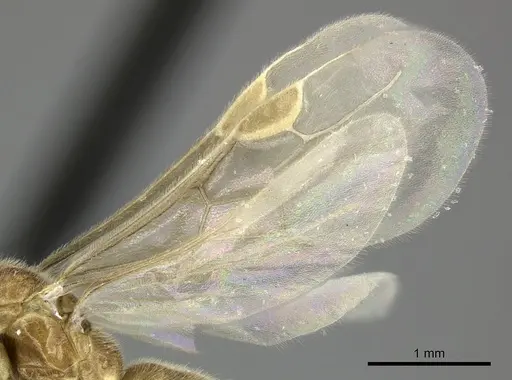
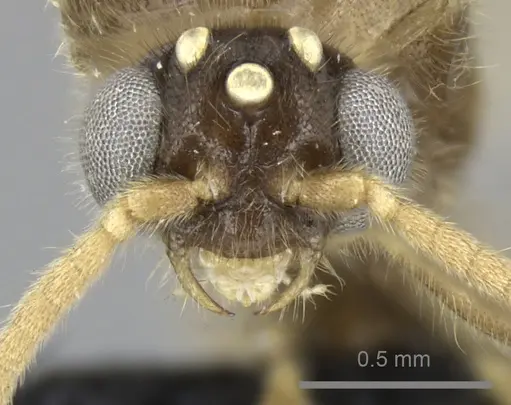
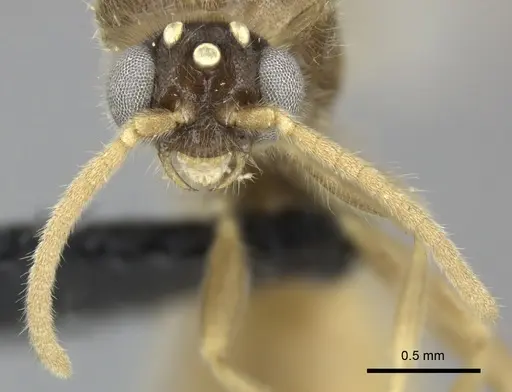
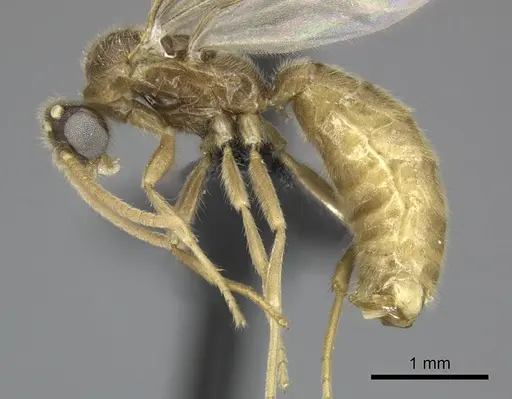
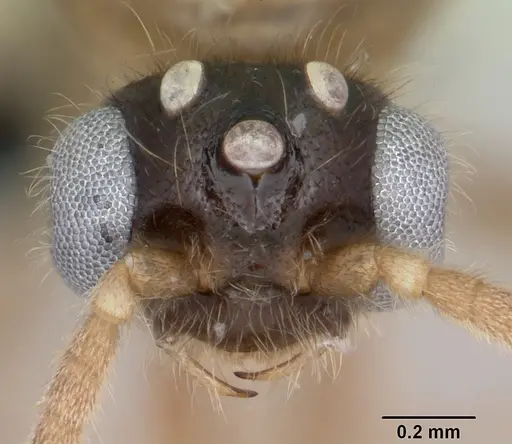
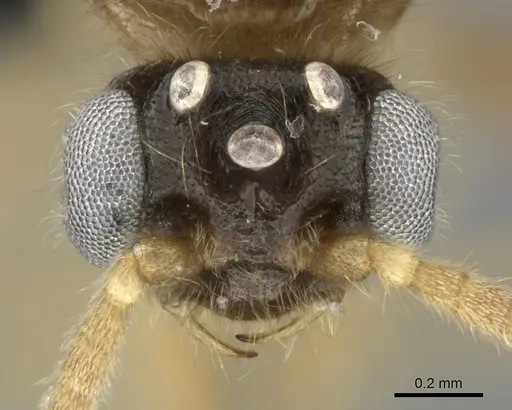
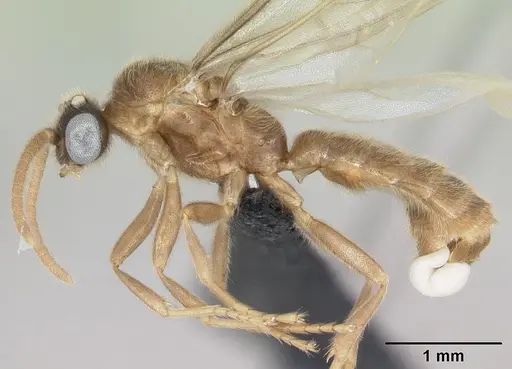
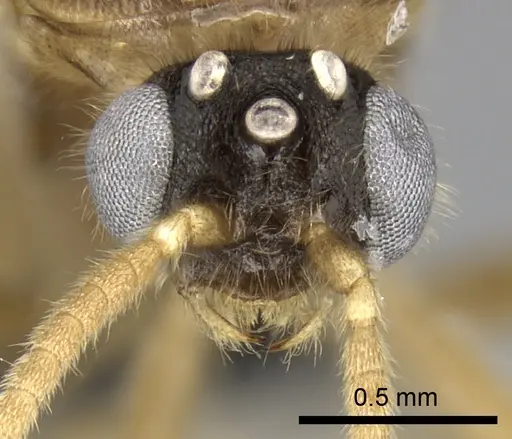
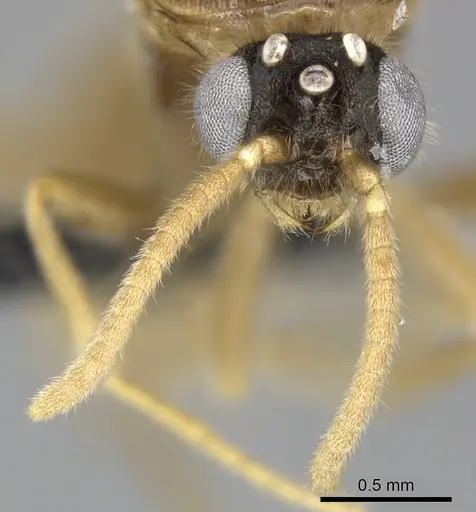
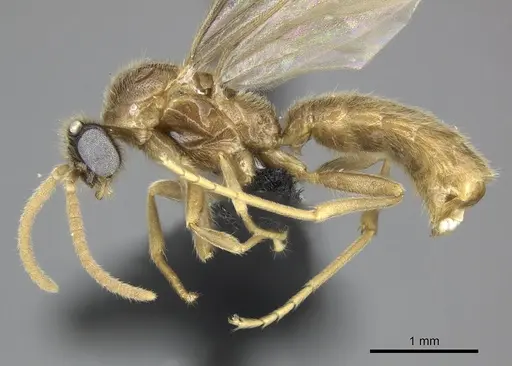
Adetomyrma cilium is an extremely rare Madagascar endemic ant species known only from males collected in montane rainforest at 900 meters elevation in Parc National d'Andohahela. Males have a distinctive bicolored appearance: brown head and yellow body. The species gets its name from the Latin 'cilium' (eyelash) due to the remarkably long hairs on its compound eyes. This is one of the least-studied ant species in the world - no workers, queens, or colonies have ever been documented, making captive keeping impossible at this time. The genus Adetomyrma is endemic to Madagascar and belongs to the Amblyoponinae subfamily.
Quick Summary
- Difficulty: Expert
- Origin & Habitat: Endemic to Madagascar, specifically known from Parc National d'Andohahela, Col du Sedro at 900m altitude in montane rainforest [1]. This is a remote, humid, high-elevation forest habitat in southern Madagascar.
- Colony Type: Unknown, only males have been collected. No workers or queens have ever been documented. Colony structure is entirely unconfirmed.
- Size & Growth:
- Queen: Size data unavailable, queens have not been described [1]
- Worker: Size data unavailable, workers have not been described [1]
- Colony: Unknown, no colony data exists [1]
- Growth: Unknown
- Development: Unknown, no brood development data exists (No workers have ever been collected, so development timeline is entirely unknown)
- Antkeeping:
- Temperature: Unknown, no temperature data exists for this species. Based on montane rainforest location (900m elevation), likely prefers cooler temperatures than lowland tropical species, possibly 18-24°C range. However, this is entirely speculative.
- Humidity: Unknown, no humidity data exists. Montane rainforest suggests high humidity requirements (70-90% relative humidity). However, this is inferred from habitat, not from direct observation of this species.
- Diapause: Unknown, no seasonal data exists. Madagascar does not experience true winters at 900m elevation, so diapause may not be required.
- Nesting: Unknown, no natural nesting observations exist. The genus Adetomyrma is entirely unstudied in terms of nesting biology.
- Behavior: Completely unknown. No behavioral observations of workers or colonies exist in scientific literature. Amblyoponinae ants are generally predatory and may have specialized hunting behaviors, but this is based on related genera, not this specific species.
- Common Issues: this species is known only from males, no workers or queens have ever been collected, making captive keeping impossible., no information exists on what this species eats, how it nests, or its colony structure., the species has only been collected from a single remote location in madagascar, availability would be extremely limited.
Why This Species Cannot Be Kept
Adetomyrma cilium represents one of the most poorly known ant species in the world. The entire scientific knowledge of this species consists of four male specimens collected in malaise and pitfall traps in 2002 [1]. No workers have ever been found. No queens have ever been found. No colony has ever been documented. This means there is absolutely no information available on what these ants eat, how they nest, their colony size, their behavior, or any aspect of their biology that would be required to keep them in captivity. Even if a researcher were to discover a colony in the wild, the workers (which have never been described) would need to be scientifically documented before any attempt at captive husbandry could be considered. At this time, it is not possible to keep this species in captivity because we do not know what the workers look like or how they live.
What We Know About the Males
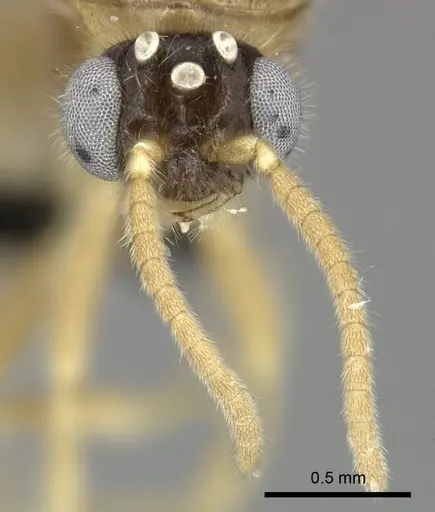
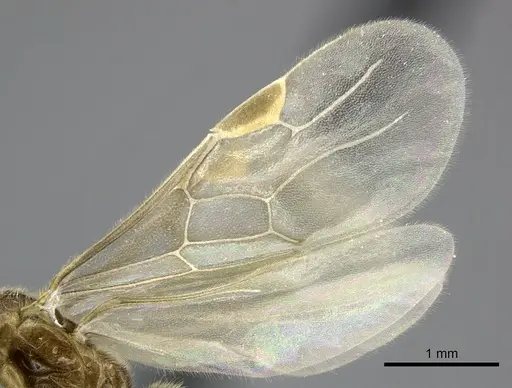
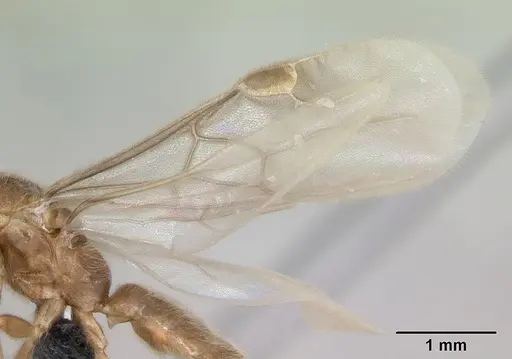
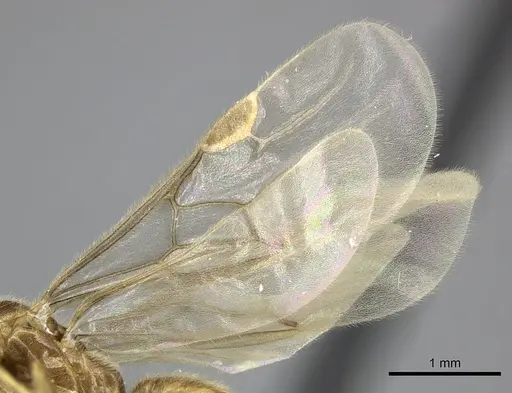
The only known specimens of Adetomyrma cilium are males, collected in January 2002 from montane rainforest in southern Madagascar. They have a distinctive bicolored appearance with a brown head and yellow body. Their most notable feature is the long hairs on their compound eyes, which give the species its name (cilium means eyelash in Latin). The males have well-developed eyes and were collected using Malaise traps and pitfall traps, suggesting they are winged and capable of flight. However, this tells us nothing about the workers, which would be wingless and completely different in appearance. [1]
The Amblyoponinae Context
While we have no specific information about Adetomyrma cilium, we can look at the broader subfamily Amblyoponinae for context. This subfamily contains around 100 species in 20 genera, distributed primarily in tropical regions. Amblyoponinae ants are typically small, predatory ants that often specialize in hunting centipedes or other small arthropods. Many species in this subfamily have unusual colony structures, including gamergates (workers that can reproduce like queens). However, without any specimens of the worker caste for Adetomyrma cilium, we cannot apply even these general patterns with any confidence. The genus Adetomyrma itself remains almost entirely unstudied.
Madagascar Montane Rainforest Habitat
The only known specimens of Adetomyrma cilium came from Parc National d'Andohahela in southern Madagascar at an elevation of 900 meters. This is a montane rainforest environment with high humidity and relatively cool temperatures compared to lowland Madagascar. The area experiences a seasonal climate with a wet season from November to March. However, since we have no workers or colonies to observe, we cannot confirm whether this species is restricted to this specific habitat or if it simply happens to be where the only males were caught. The collection method (Malaise and pitfall traps) tells us these are ground-level or low-flying males, but nothing about where the colonies might be located. [1]
Frequently Asked Questions
Can I keep Adetomyrma cilium ants?
No. This species cannot be kept in captivity because only males have ever been collected, no workers or queens have ever been documented. Without knowing what the workers look like or how the colony functions, it is impossible to provide appropriate care.
Where can I find Adetomyrma cilium for sale?
This species is not available in the antkeeping hobby. It is known only from four male specimens collected in 2002 in Madagascar, and the workers have never been scientifically described. There is no source for obtaining this species.
What do Adetomyrma cilium workers look like?
We do not know. Workers have never been collected or described. The four known specimens are all males. Even the genus Adetomyrma is extremely poorly studied, with no worker descriptions for any species in the genus.
What does Adetomyrma cilium eat?
Unknown. While related Amblyoponinae ants are typically predatory, we have no direct information about this species. Without workers to observe, we cannot determine their diet.
How big do Adetomyrma cilium colonies get?
Unknown. No colony has ever been documented. Even the maximum colony size is entirely unstudied.
Do Adetomyrma cilium ants sting?
Unknown. While many Amblyoponinae ants have stingers, we have no behavioral observations of this species to determine if they are capable of stinging or if they would choose to do so.
What temperature and humidity do Adetomyrma cilium need?
Unknown. The only habitat information we have is that they were collected in montane rainforest at 900m elevation in Madagascar. This suggests high humidity and cooler temperatures than lowland areas, but we have no specific data for this species.
Is Adetomyrma cilium endangered?
We do not know enough to assess its conservation status. The species is known only from a single collection event in one location. Without any information about its range, population size, or habitat requirements, conservation status cannot be determined.
Why is Adetomyrma cilium so poorly studied?
This species was only described in 2012,and it remains one of the least-studied ants in the world. The genus Adetomyrma is endemic to Madagascar, which is a challenging location for research. Additionally, the ants are extremely small and likely rare, making them difficult to find. The lack of worker specimens suggests the colonies may be small, cryptic, or located in microhabitats that are hard to sample.
Could Adetomyrma cilium be a parasitic species?
Possibly, but we have no evidence either way. Some Amblyoponinae species are known to be socially parasitic (living in colonies of other ants), but without workers to study, we cannot determine if this species is parasitic.
Report an Issue
The current care sheet is based fully on literature. See inconsistencies, or something that's incorrect? Please , it will be resolved after review from an admin. Contributing to the blogs tab also helps providing information, to make us be able to further improve the caresheets. Thank you for your support!
References

This caresheet is licensed under CC BY-SA 4.0 .
Community Blogs
CASENT0007089
View on AntWeb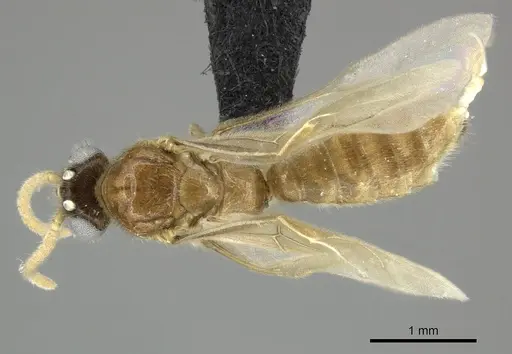
CASENT0007096
View on AntWeb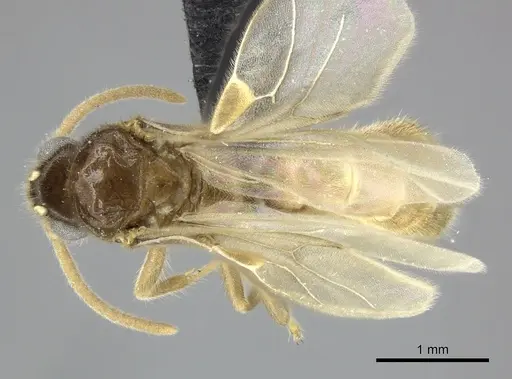
CASENT0007808
View on AntWeb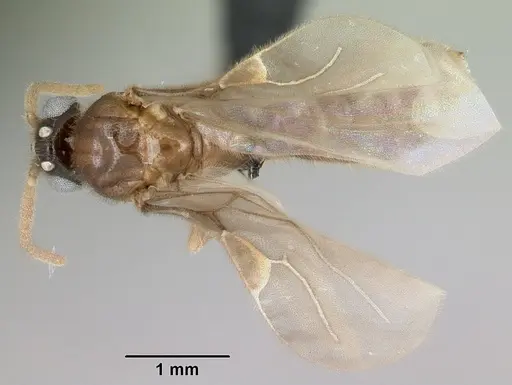
CASENT0218014
View on AntWeb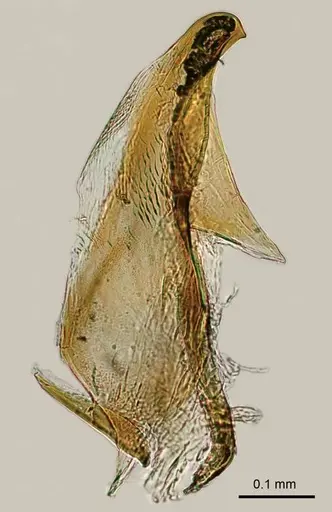
CASENT0227987
View on AntWeb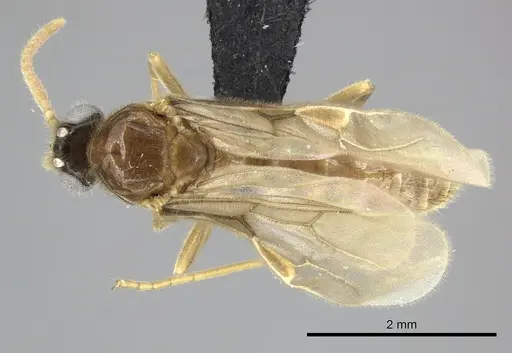
Literature
Loading distribution map...Loading products...