
Adetomyrma aureocuprea
- Sci. Name
- Adetomyrma aureocuprea
- Tribe
- Amblyoponini
- Subfamily
- Amblyoponinae
- Author
- Yoshimura & Fisher, 2012
- Distribution
- Found in 1 countries
Introduction
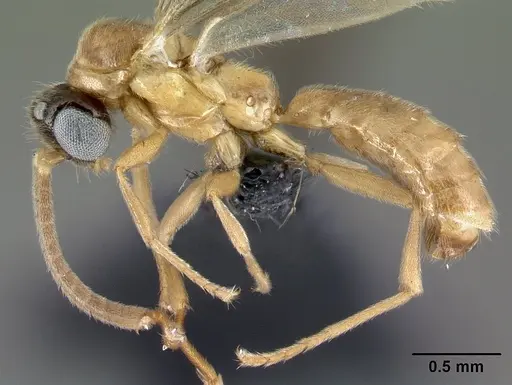
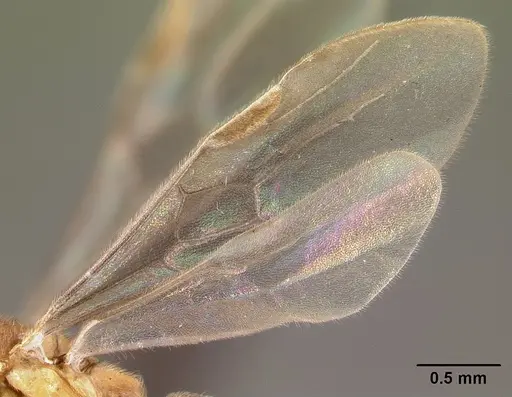
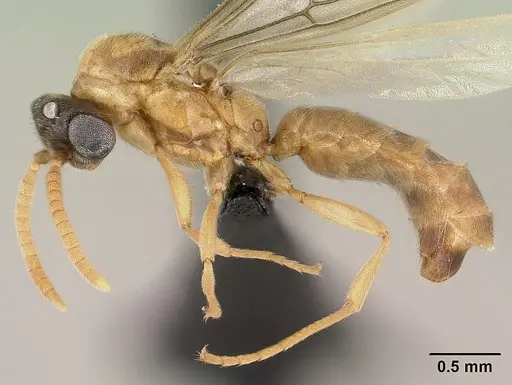
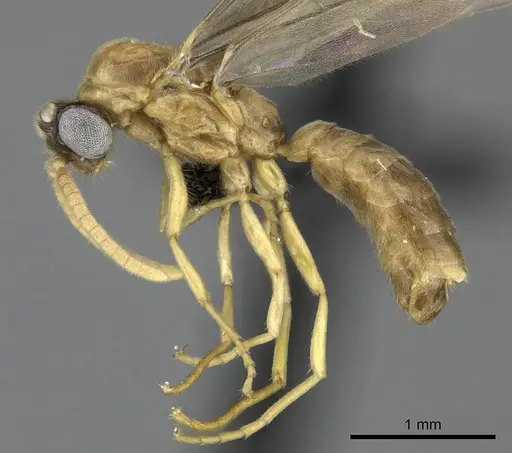
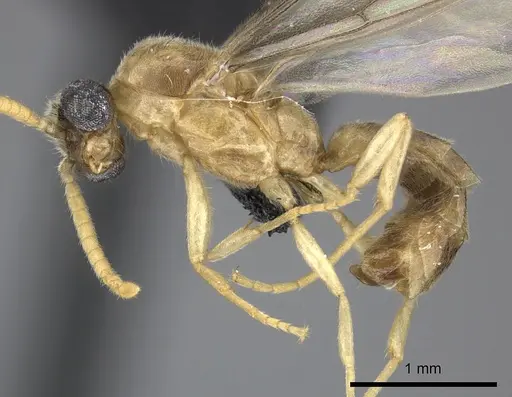
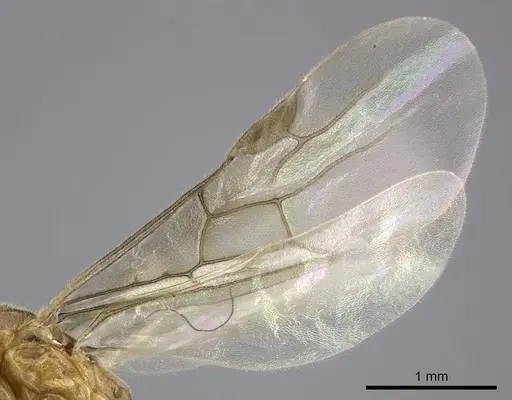
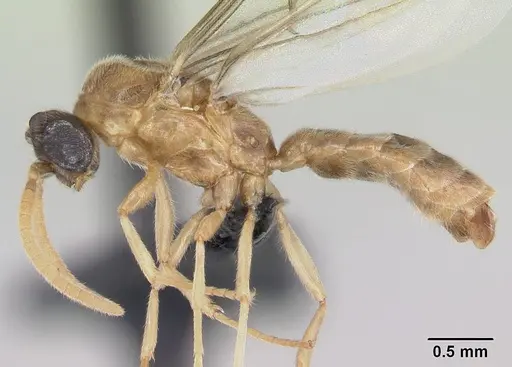
Adetomyrma aureocuprea is a rare ant from Madagascar known only from male specimens collected in gallery forest . Males display a distinctive bicolored appearance with a brown head and golden-yellow body . They were found at 725m elevation in Isalo National Park, flying to lights at night . Only male alates of this species have ever been documented - no workers, queens, or colonies are known to science . This makes captive keeping impossible, as no reproductive females exist in collections and the species' biology remains completely unknown .
Quick Summary
- Difficulty: Expert
- Origin & Habitat: Madagascar, gallery forest at 725m elevation in Isalo National Park, Fianarantsoa Province [1][2]
- Colony Type: Unknown, only male specimens described [1]
- Size & Growth:
- Antkeeping:
- Behavior: Unknown, only male alates observed, collected at light suggesting nocturnal flight activity [1]
- Common Issues: only males are known to science, impossible to establish a colony without queens., no information exists on diet, nesting preferences, or temperature requirements., sympatric with several similar Adetomyrma species in the same region, risking misidentification., this species cannot be kept in captivity, no workers or queens have ever been found.
Species Status: Males Only
Adetomyrma aureocuprea is only known from five male specimens collected in Madagascar [1]. No workers, queens, or colony fragments have ever been found [1]. The males were attracted to light traps in gallery forest habitat, suggesting nocturnal flight activity [1]. Without knowledge of the female castes, it is impossible to predict colony size, social structure, or care requirements [1]. This species is completely sympatric with Adetomyrma bressleri, Adetomyrma caputleae, Adetomyrma goblin, and Adetomyrma venatrix in the same region [2].
Habitat and Distribution
This species occurs in the gallery forests of Isalo National Park, Fianarantsoa Province, Madagascar, at approximately 725m elevation [1]. It is sympatric with several other Adetomyrma species in the same region, including A. bressleri, A. caputleae, A. goblin, and A. venatrix [2]. The presence of multiple similar species in the same area makes field identification difficult without microscopic examination [2].
Morphology of Males
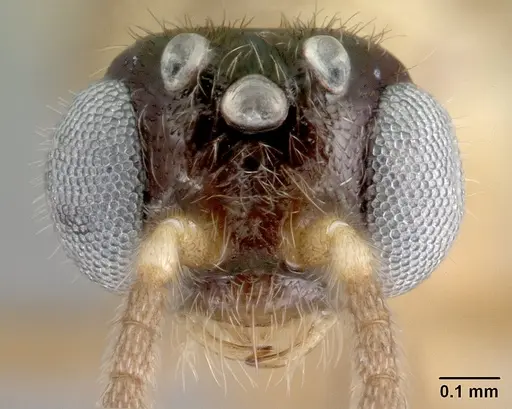
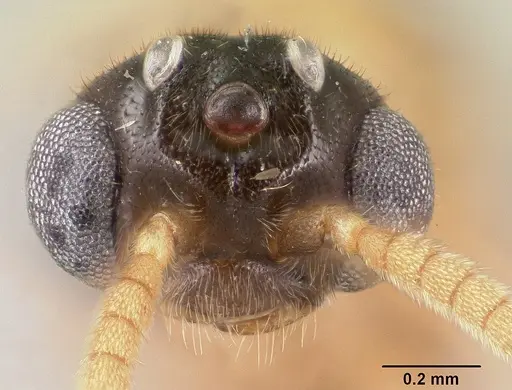
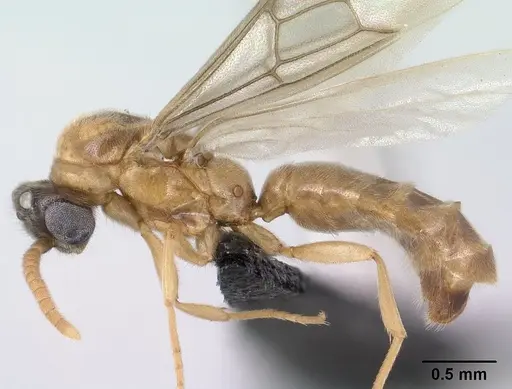
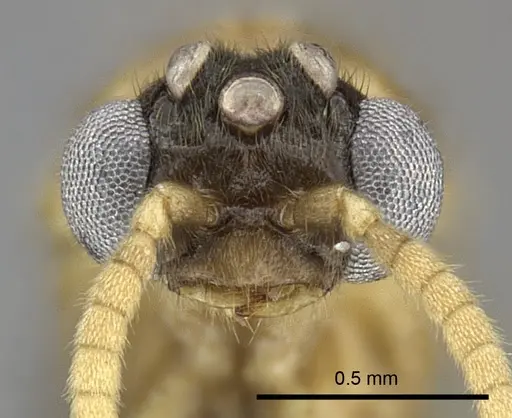
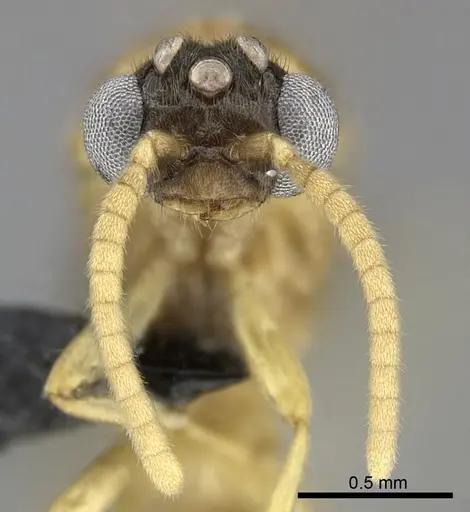
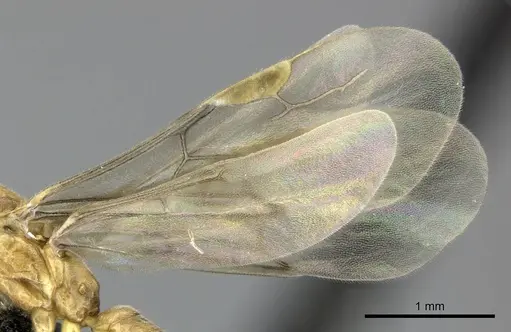
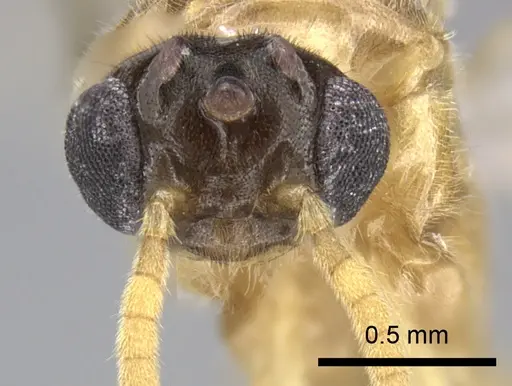
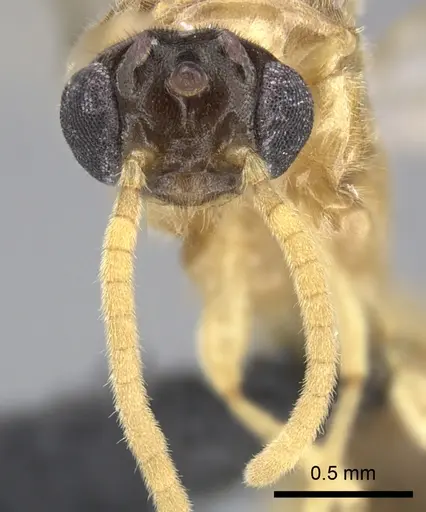
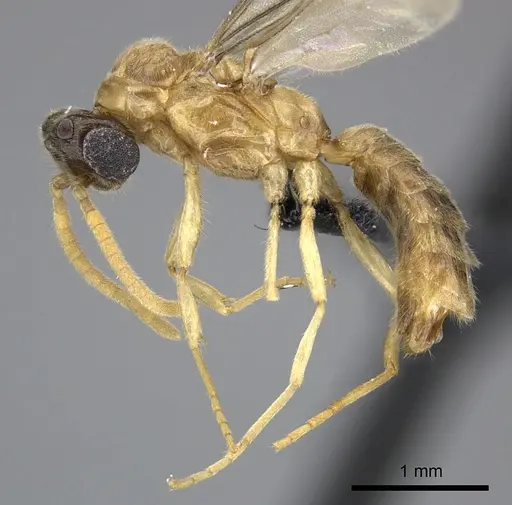
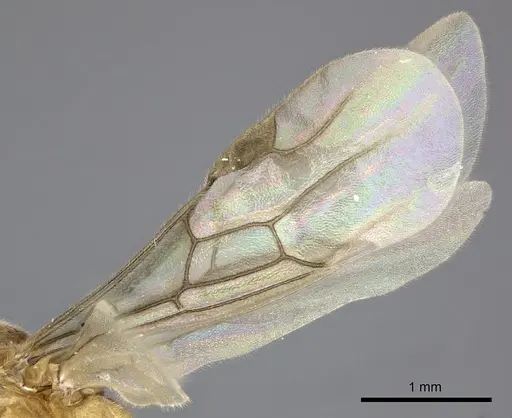
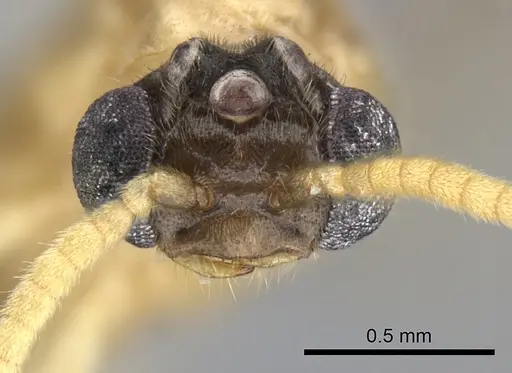
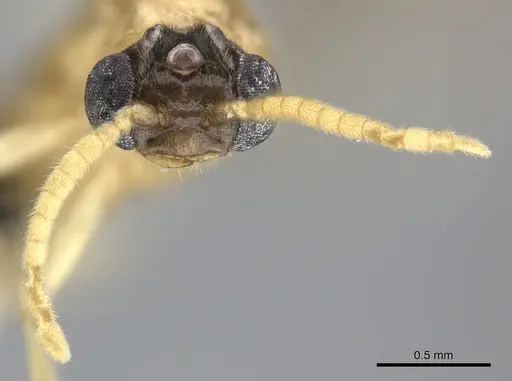
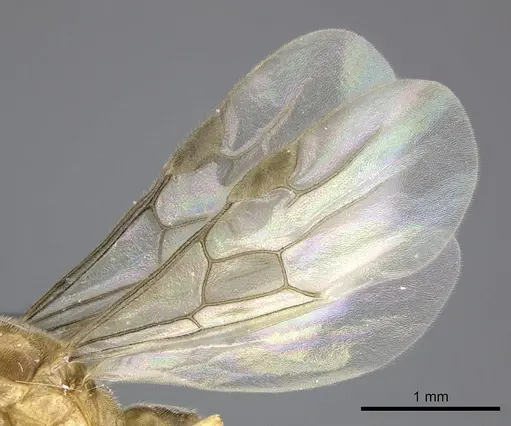
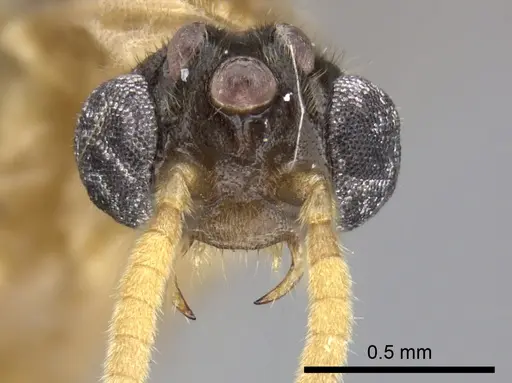
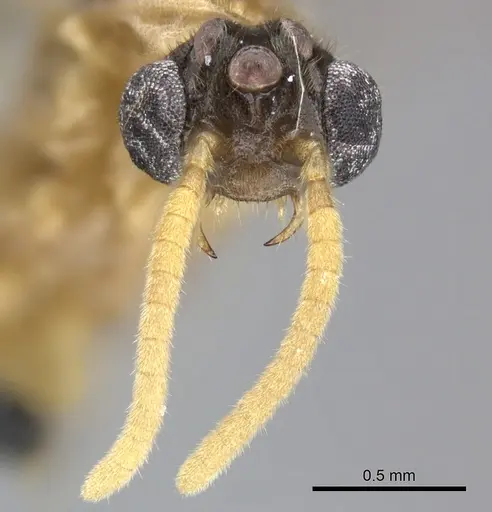
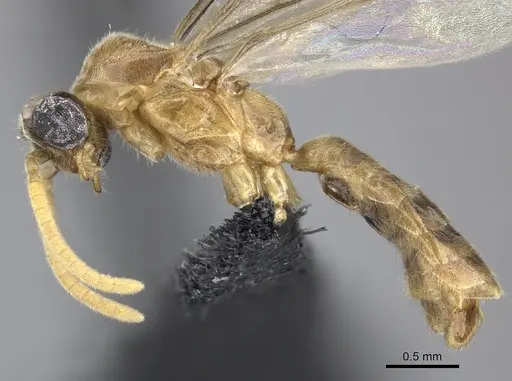
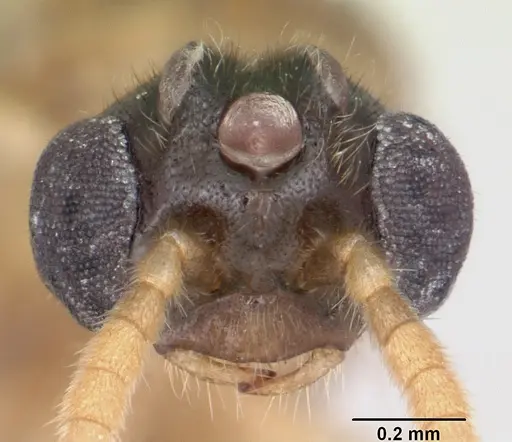
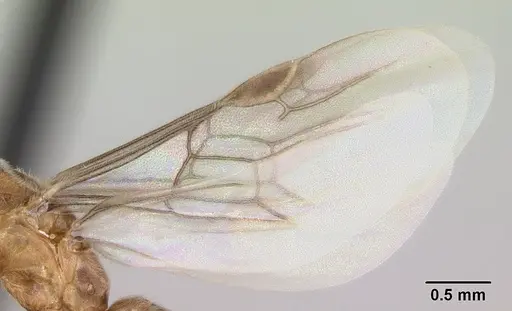
Males display a distinctive bicolored pattern: the head is brown while the remainder of the body is golden-yellow [1]. They have large compound eyes, short hairs on the eyes, and lack the notaulus (a groove on the thorax) found in some related species [1]. These morphological traits distinguish them from other Adetomyrma males in the region [1]. Size data is limited to fragment measurements rather than total body length [1].
Captive Keeping Considerations
Currently, Adetomyrma aureocuprea cannot be kept in captivity. Ant keeping requires either a queen to found a colony or an existing colony fragment with workers and brood. Since only male specimens exist in scientific collections, no starting material is available for hobbyists [1]. Furthermore, even if queens were discovered, their founding behavior and dietary needs would be unknown. Keepers interested in this genus should research better-known species where colony biology is documented.
Frequently Asked Questions
Can I keep Adetomyrma aureocuprea in captivity?
No. Only male specimens of this species are known to science, no queens or workers have ever been collected [1]. Without a queen, it is impossible to start a colony.
How do I care for Adetomyrma aureocuprea?
There is no care information available because the species has never been kept. Only five male specimens exist in museum collections, and their biology is unknown [1].
What do Adetomyrma aureocuprea eat?
Unknown. Since no workers or colonies have been observed, their diet remains unstudied [1].
How big do Adetomyrma aureocuprea colonies get?
Unknown. No colonies have ever been found [1].
Where does Adetomyrma aureocuprea live?
This species is known only from gallery forest in Isalo National Park, Madagascar, at 725m elevation [1].
Are Adetomyrma aureocuprea dangerous?
The sting capabilities of this species are unknown. As members of the Amblyoponinae subfamily, they likely possess a sting, but given their extremely small size, they probably cannot penetrate human skin [1].
How long does Adetomyrma aureocuprea take to develop from egg to worker?
Unknown. No eggs, larvae, or workers have ever been observed for this species [1].
What is the best nest setup for Adetomyrma aureocuprea?
Unknown. Since no colonies have been kept, there is no information on nesting requirements [1].
Report an Issue
The current care sheet is based fully on literature. See inconsistencies, or something that's incorrect? Please , it will be resolved after review from an admin. Contributing to the blogs tab also helps providing information, to make us be able to further improve the caresheets. Thank you for your support!
References

This caresheet is licensed under CC BY-SA 4.0 .
Community Blogs
CASENT0008678
View on AntWeb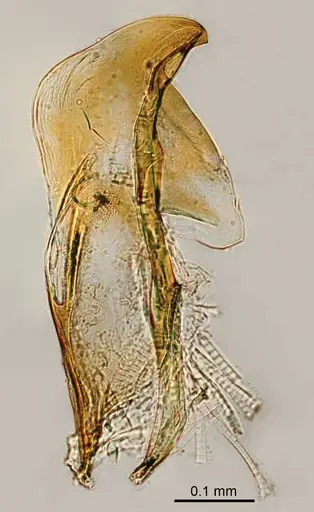
CASENT0081395
View on AntWeb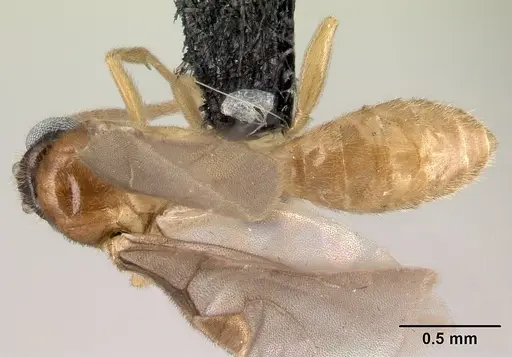
CASENT0143725
View on AntWeb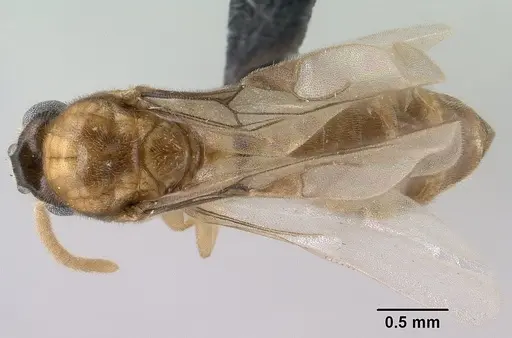
CASENT0227991
View on AntWeb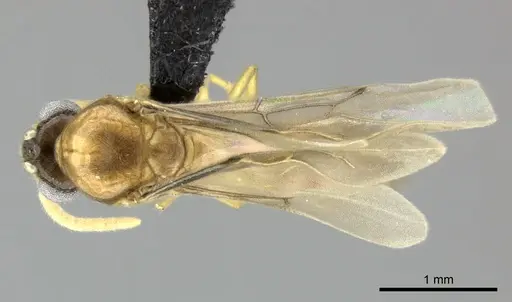
CASENT0247003
View on AntWeb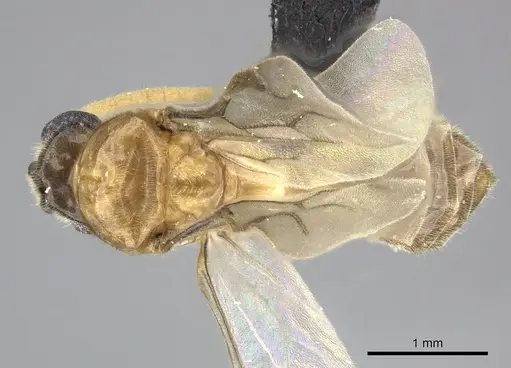
CASENT0247004
View on AntWeb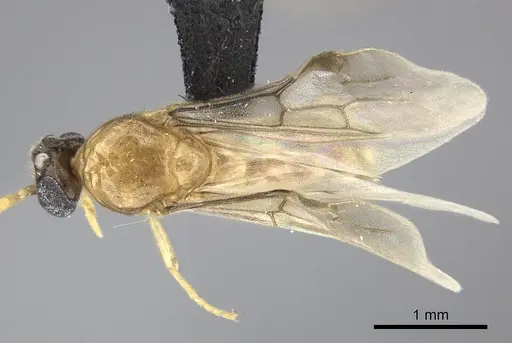
CASENT0490920
View on AntWeb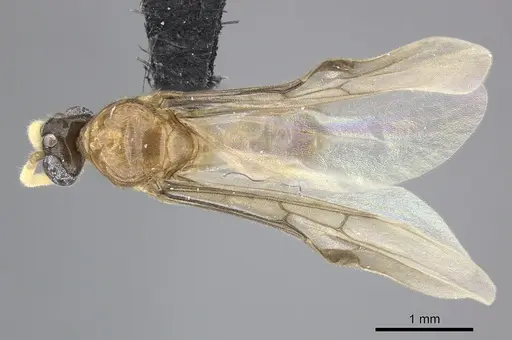
CASENT0490924
View on AntWeb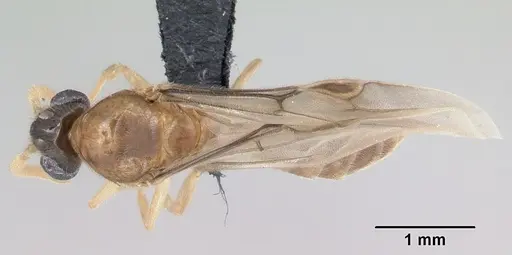
Literature
Loading distribution map...Loading products...