
Adelomyrmex quetzal
- Sci. Name
- Adelomyrmex quetzal
- Tribe
- Solenopsidini
- Subfamily
- Myrmicinae
- Author
- Longino, 2012
- Distribution
- Found in 2 countries
Introduction
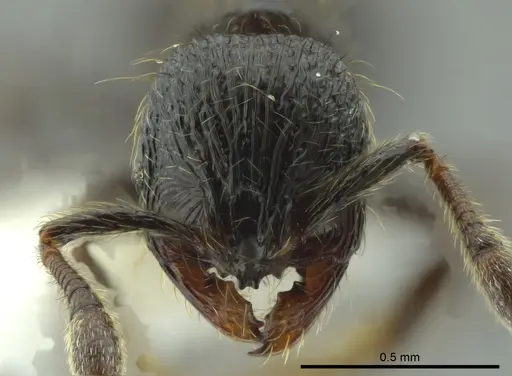
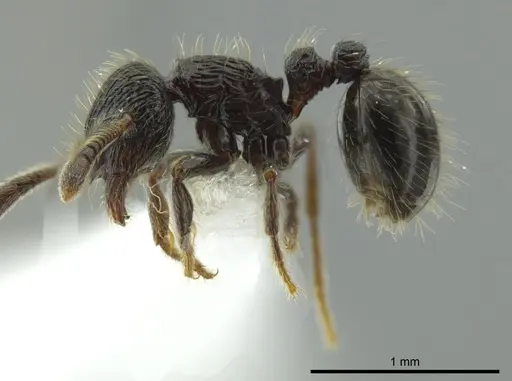
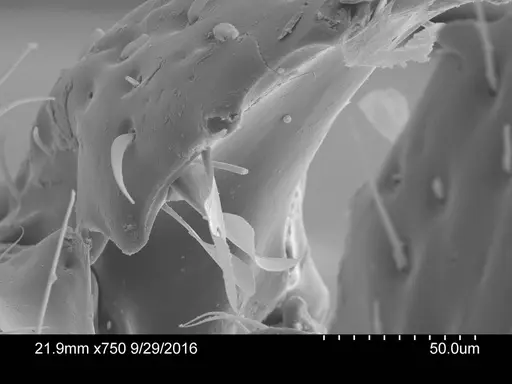
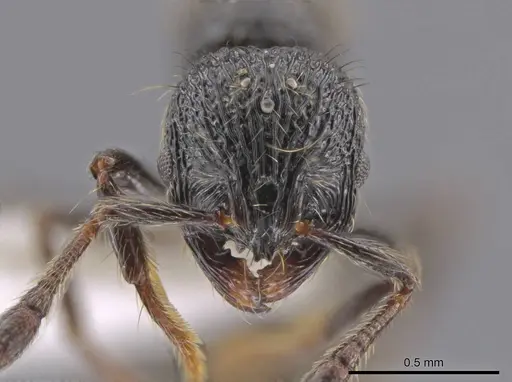
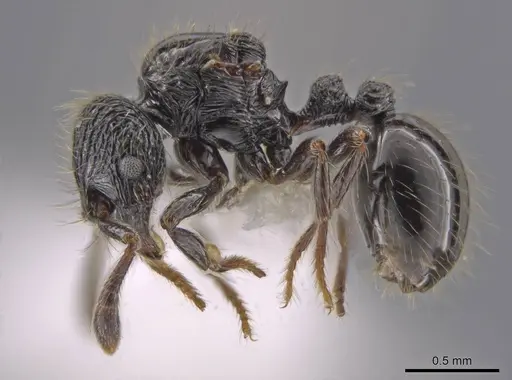
Adelomyrmex quetzal are tiny dark reddish-brown ants native to the cloud forests of Guatemala's Baja Verapaz department . Workers have rough, lined sculpturing covering most of their bodies, six-toothed mandibles, and very small eyes . Their gaster is smooth and shiny, contrasting with the textured rest of the body . These ants inhabit a very specific niche: cloud forest floor litter at elevations between 1550-1750 meters [AntWiki]. Researchers have only found them in ten Winkler samples of sifted leaf litter from two regions in Guatemala . This extreme rarity makes them one of the most obscure ants available to keepers, and their specific cloud forest origins suggest they need cool, stable, humid conditions.
Quick Summary
- Difficulty: Expert
- Origin & Habitat: Cloud forest floor litter in Guatemala, specifically Baja Verapaz, at elevations of 1550-1750m [1][2]
- Colony Type: Unconfirmed
- Size & Growth:
- Queen: Size data unavailable, no queen measurements described in literature
- Worker: Size data unavailable, only head width measurements (0.67-0.71mm) exist, which cannot be used as body size. Inferred from Adelomyrmex genus to be approximately 2-3mm total length
- Colony: Unknown, likely small based on genus patterns
- Growth: Unknown, likely slow
- Development: Unknown, no direct studies exist. Based on similar small Myrmicinae, may take 8-12 weeks at 20°C if typical development applies (Timeline is inferred from related species, actual development time is unconfirmed)
- Antkeeping:
- Temperature: Keep at 18-22°C. Cloud forests at 1550-1750m in Guatemala experience cool, stable temperatures. Avoid standard tropical heating, these ants prefer cooler conditions than most Neotropical species.
- Humidity: Keep the nest substrate consistently moist like a wrung-out sponge. Provide high humidity to mimic damp leaf litter habitat. Ensure good ventilation to prevent mold.
- Diapause: Probably not required given tropical cloud forest origin. However, you may simulate the cooler dry season by reducing temperature to 15-18°C for a few months.
- Nesting: Naturalistic setups with leaf litter, rotting wood, and very small chambers. Y-tong (aerated concrete) nests with small chambers work well. Avoid large open chambers, these ants need to feel enclosed.
- Behavior: Cryptic and slow-moving based on litter-dwelling habits. Extreme escape risk due to tiny size, they can pass through gaps invisible to the naked eye.
- Common Issues: workers can escape through the tiniest gaps due to their extremely small size., specific dietary needs are unknown and may lead to colony failure if not discovered through experimentation., cloud forest species require consistent humidity, both desiccation and waterlogging kill colonies., extreme rarity means captive stock is limited and wild collection impacts unknown populations.
Natural History and Distribution
Adelomyrmex quetzal comes from a tiny geographic range in Guatemala's Baja Verapaz department [1]. All specimens were collected between 1550-1750 meters elevation in cloud forest habitat [1][2]. The species name refers to Biotopo Quetzal, the type locality [1].
Researchers collected all known specimens using Winkler extraction of sifted leaf litter [1]. This sampling method specifically targets ants living in the forest floor layer, among decomposing leaves, twigs, and soil. You will need to replicate these damp, stable litter conditions in captivity. The restricted range and specific elevation requirements suggest this species is sensitive to temperature fluctuations and desiccation.
Nest Preferences
In nature, these ants inhabit the compact spaces between layers of decomposing leaf litter and soil [1]. They need small, humid hiding spots with limited air movement.
For captive housing, use naturalistic setups with actual leaf litter, small pieces of rotting wood, and tight spaces. Y-tong (aerated concrete) nests with very small chambers work well, but add leaf litter to the outworld. Plaster nests can work if kept humid. Avoid acrylic nests with large open chambers, these ants need to feel enclosed. Provide darkness by covering the nest or using opaque materials.
Temperature and Humidity
Cloud forests at 1550-1750m in Guatemala experience cool, stable temperatures year-round, typically between 15-20°C ambient [1]. You should maintain colonies at 18-22°C with minimal fluctuation. Avoid standard tropical ant heating, these ants prefer cooler conditions than most Neotropical species.
Humidity must remain high to mimic the damp leaf litter habitat. Keep the nest substrate moist but not waterlogged, think wrung-out sponge texture. Provide ventilation to prevent mold growth in these humid conditions. Watch for condensation on nest walls, which indicates excessive moisture that can drown tiny workers.
Feeding and Diet
The specific diet of Adelomyrmex quetzal is unconfirmed. Based on their small size and leaf litter habitat, they likely prey on micro-arthropods like springtails, mites, and very small insect larvae [1].
Offer tiny live prey such as springtails (Collembola) and small soil mites. You can also try fruit fly larvae or the smallest pinhead crickets. Sugar acceptance is unknown, offer diluted honey or sugar water on small surfaces, but do not rely on carbohydrates until acceptance is confirmed. Because they are so small, they need prey smaller than themselves. Remove uneaten food quickly to prevent mold in the humid nest.
Colony Founding
Founding behavior for this species is unconfirmed. No queens have been described in the scientific literature, and no observations of colony foundation exist [1].
Based on typical Solenopsidini patterns, queens likely seal themselves in (claustral founding) and raise the first workers on stored body fat. Set up founding queens in small test tubes or founding chambers with damp substrate and darkness. Do not disturb them frequently. Because their needs are unknown, expect high failure rates during founding.
Frequently Asked Questions
Can I keep Adelomyrmex quetzal in a test tube?
Yes, but use very small test tubes (10mm diameter or less) with minimal water reservoirs. Their tiny size makes standard test tubes too large and prone to drowning accidents. Add bits of leaf litter for them to hide under.
How long until first workers for Adelomyrmex quetzal?
Unknown. Based on similar small Myrmicinae, expect roughly 8-12 weeks at 20°C if typical development applies, but this is an estimate. Cooler cloud forest temperatures may extend this timeline.
Can I keep multiple Adelomyrmex quetzal queens together?
Unknown. Combining multiple queens has not been documented for this species. Do not attempt unless you have spare queens and are willing to risk them fighting.
Are Adelomyrmex quetzal good for beginners?
No. They are extremely small, rare, and have unknown care requirements. Beginners should start with larger, well-documented species like Lasius niger or Tetramorium species.
Do Adelomyrmex quetzal need hibernation?
Probably not, given their tropical cloud forest origin. However, you may simulate the cooler dry season by reducing temperature to 15-18°C for a few months. Watch the colony's response and adjust accordingly.
What do Adelomyrmex quetzal eat?
Unknown specifically. Offer tiny live prey like springtails, mites, and fruit fly larvae. They likely hunt micro-arthropods in leaf litter. Sugar acceptance is unconfirmed.
Why are my Adelomyrmex quetzal dying?
Common causes include: desiccation (they need constant humidity), drowning (water droplets too large for their size), starvation (prey too large or wrong type), or escape (they can fit through invisible gaps). Their care requirements are largely unknown, making troubleshooting difficult.
How do I prevent escapes with Adelomyrmex quetzal?
Use extreme measures: fine mesh (under 0.5mm) on all vents, Fluon or PTFE barriers on outworld walls, and tight-fitting lids with no gaps. Their tiny size means they can squeeze through cracks you cannot see. Work over a tray of water or sticky barrier when opening the enclosure.
Report an Issue
The current care sheet is based fully on literature. See inconsistencies, or something that's incorrect? Please , it will be resolved after review from an admin. Contributing to the blogs tab also helps providing information, to make us be able to further improve the caresheets. Thank you for your support!
References

This caresheet is licensed under CC BY-SA 4.0 .
Community Blogs
CASENT0614520
View on AntWeb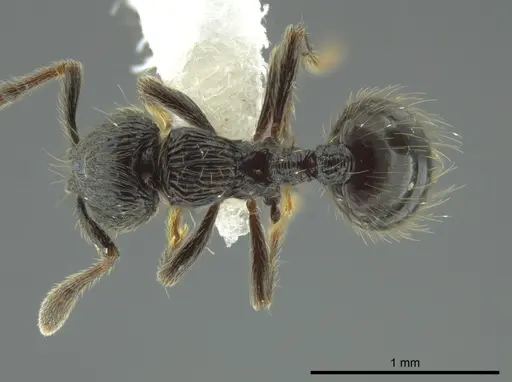
CASENT0627819
View on AntWeb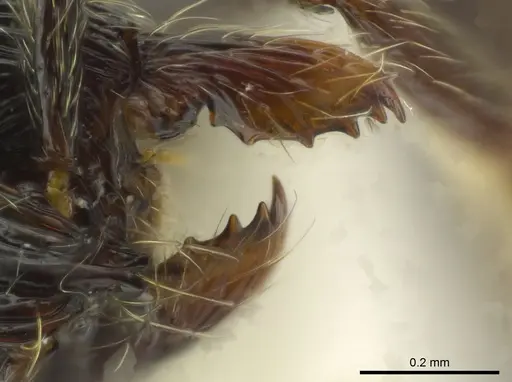
CASENT0631978
View on AntWeb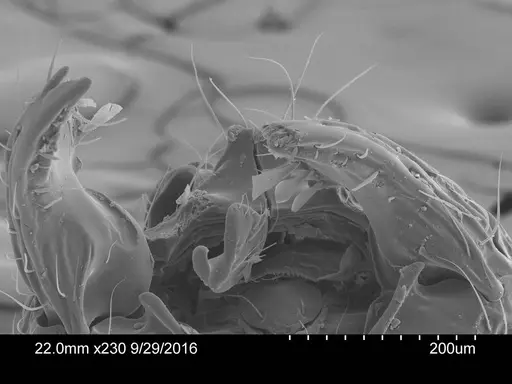
CASENT0637752
View on AntWeb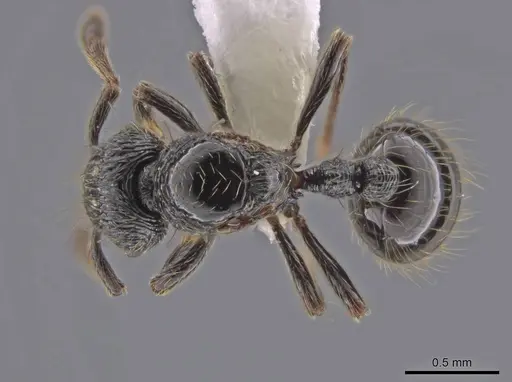
Literature
Loading distribution map...Loading products...