
Adelomyrmex paratristani
- Sci. Name
- Adelomyrmex paratristani
- Tribe
- Solenopsidini
- Subfamily
- Myrmicinae
- Author
- Longino, 2012
- Distribution
- Found in 4 countries
Introduction
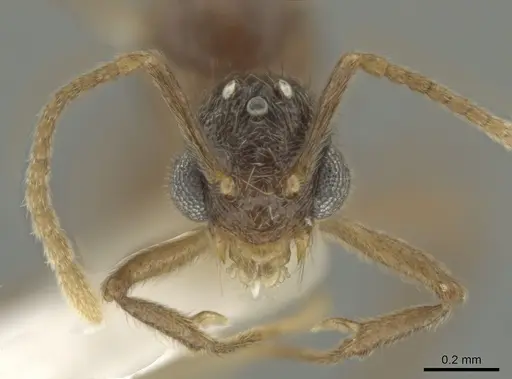
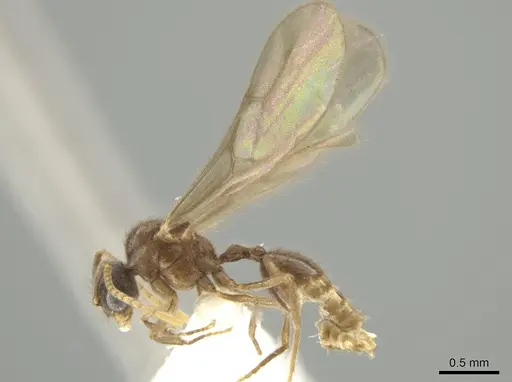
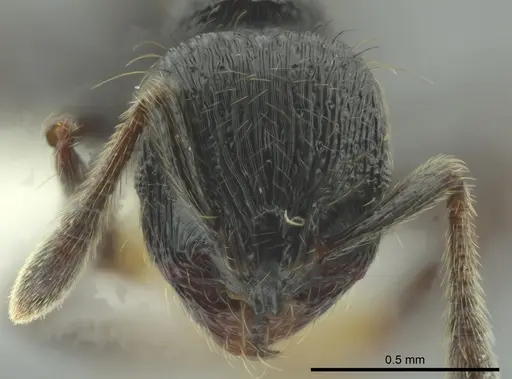
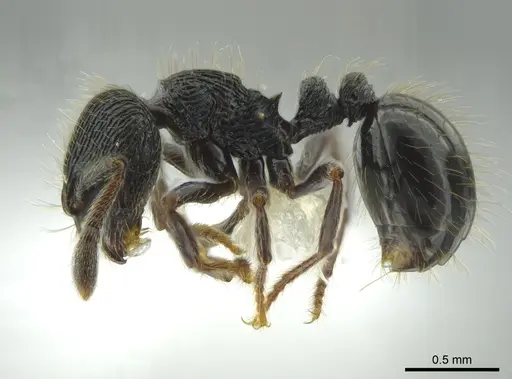
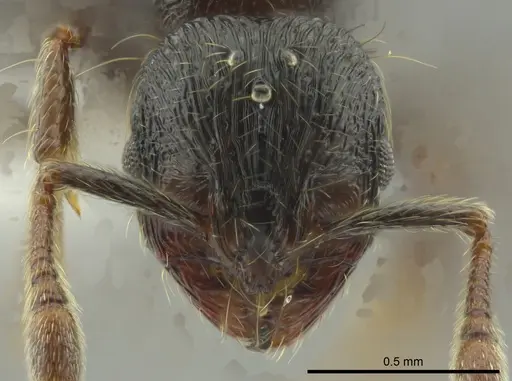
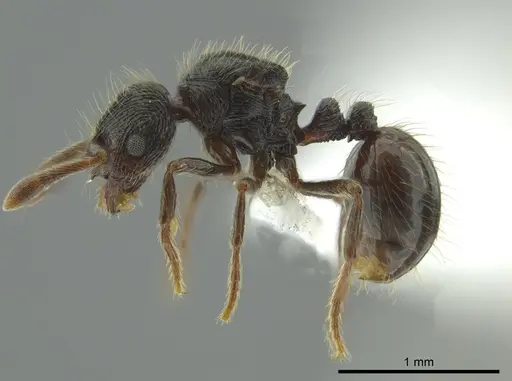
Adelomyrmex paratristani is a tiny dark brown to black ant belonging to the Myrmicinae subfamily . It is closely related to Adelomyrmex tristani, differing mainly in having longer, sparser, more erect hairs on its face, mesosoma, and gaster . This species is a dominant ant in Central American cloud forests, found in nearly 100% of litter samples in some areas . Workers are most often collected by sifting through leaf litter using Winkler or Berlese extraction methods, though they occasionally recruit to food baits and can be found in low vegetation . The species ranges from southern Mexico through Guatemala and Honduras to central Nicaragua at elevations of 1100-2500 meters .
Quick Summary
- Difficulty: Medium
- Origin & Habitat: This species lives in montane wet cloud forests in Central America, ranging from southern Mexico to Honduras and Nicaragua at 1100-2500m elevation [1]. They inhabit diverse mesophyll cloud forest and mixed pine, oak, and Liquidambar forests [1]. In the wild, they nest in rotting wood on the ground, including Cecropia branches and the dense duff layer [1].
- Colony Type: Colony structure is not well documented. One nest observation found three dealate queens in a single nest chamber alongside workers and brood, suggesting the potential for multi-queen colonies, though more research is needed to confirm this [1].
- Size & Growth:
- Queen: size data unavailable, queens have been collected but specific measurements not detailed in available literature
- Worker: ~2-3mm, inferred from Adelomyrmex genus (tiny litter ants)
- Colony: Small colonies, one documented nest contained only 11 workers with brood [1]. Estimated maximum likely under 100 workers based on typical litter ant patterns.
- Growth: Unknown, no development data exists for this species
- Development: Unknown, no direct observations of development exist. (This is an educated estimate based on genus-level patterns, not species-specific data.)
- Antkeeping:
- Temperature: Keep cool, these are cloud forest ants from high elevations. Aim for 18-22°C, avoiding temperatures above 25°C. The montane forest environment suggests they prefer stable, cool conditions.
- Humidity: High humidity is essential. These ants live in damp cloud forest litter. Keep the nest substrate consistently moist but not waterlogged, with good ventilation to prevent mold.
- Diapause: Unknown, no specific research on diapause requirements. The high-elevation cloud forest habitat suggests they may experience cooler seasonal conditions, but captive colonies have been maintained without explicit hibernation protocols.
- Nesting: In captivity, these tiny ants do well in naturalistic setups with moist substrate or small nests. They naturally nest in rotting wood and leaf litter, so provide damp soil or sand mixed with organic material. Given their tiny size, use very small chambers and narrow passages.
- Behavior: Workers are small but active foragers that occasionally recruit nestmates to food baits [1]. They are not aggressive and their tiny size makes escape prevention critical, they can squeeze through very small gaps. Workers are ground-dwelling and likely prefer to stay within the nest and immediate surroundings rather than climbing extensively.
- Common Issues: escape prevention is critical due to their very small size, use fine mesh barriers and tight-fitting lids, colonies are small and grow slowly, which can frustrate beginners expecting rapid growth, high humidity requirements can lead to mold problems if ventilation is inadequate, wild-caught colonies may have parasites or fail to adapt to captive conditions, overheating is a serious risk, these cloud forest ants are adapted to cool temperatures and can die from heat stress
Housing and Nest Setup
Adelomyrmex paratristani requires a setup that mimics their natural cloud forest litter environment. Because they are extremely small ants, any gaps in their enclosure must be tiny, even standard test tube openings may need additional barrier material. A naturalistic setup works well: a shallow container filled with damp soil or a soil-sand mix with pieces of rotting wood or leaf litter for them to nest in. Alternatively, a small nest with very narrow chambers can work, but ensure the chambers are appropriately sized for these tiny ants. Whatever setup you choose, maintain consistently high humidity while providing some ventilation to prevent mold buildup. A water reservoir connected to the nest area helps maintain moisture stability. [1]
Feeding and Diet
In the wild, these ants are generalist foragers that recruit to food baits, suggesting they eat a variety of things including small insects and likely honeydew from aphids or scale insects. In captivity, offer small protein sources like fruit flies, pinhead crickets, or other tiny arthropods. Sugar water or honey can be offered occasionally, though acceptance may vary. Feed small amounts a few times per week and remove any uneaten food promptly to prevent mold. Because the colonies are small, even tiny prey items represent meaningful nutrition. [1]
Temperature and Environmental Control
These are cool-adapted cloud forest ants that thrive at temperatures significantly lower than most tropical ant species. Keep their environment between 18-22°C, avoiding any temperatures above 25°C which can cause heat stress and death. Room temperature is often suitable, but monitor during summer months or in warm climates. A small heating cable on one side of the enclosure can create a temperature gradient if your room runs cool, but always provide a cool area they can retreat to. Sudden temperature changes should be avoided, these ants are adapted to the stable conditions of their cloud forest habitat. [1]
Colony Acquisition and Founding
Acquiring this species can be challenging since they are rarely available in the antkeeping hobby. If you find a colony in the wild, look in rotting wood pieces, under stones, or in the leaf litter layer of cloud forests at elevations above 1100m. One documented nest contained 11 workers plus brood, suggesting colonies remain small. Dealate queens have been found in litter samples, sometimes in what appears to be established nests with multiple queens. If you obtain a queen, keep her in a small test tube setup with constant access to water and maintain high humidity. The founding behavior of this species is unconfirmed, we do not know whether queens seal themselves in like claustral species or need to forage during founding. [1]
Handling and Observation
These tiny ants are not dangerous to keepers. Their small size makes them easy to lose or accidentally crush. When working with them, use soft tools and work over a white surface where you can easily spot any escapees. Observation is best done with a magnifying glass or macro lens on your camera, as their small size and interesting hairy morphology are best appreciated at higher magnification. Their long erect hairs and the distinctive sculpturing on their head and mesosoma are distinctive features visible under magnification. [1]
Frequently Asked Questions
How long does it take for Adelomyrmex paratristani to produce first workers?
The exact development timeline is unknown, no scientific data exists on egg-to-worker time for this species.
What temperature do Adelomyrmex paratristani ants need?
Keep them cool at 18-22°C. These are cloud forest ants from high elevations (1100-2500m) and do not tolerate heat well. Never expose them to temperatures above 25°C.
Can I keep Adelomyrmex paratristani in a test tube?
Yes, test tubes can work for founding colonies, but you must ensure excellent escape prevention. Their tiny size means they can squeeze through gaps that larger ants cannot. Use cotton plugs tightly packed or additional barrier material like fluon on tube rims.
How big do Adelomyrmex paratristani colonies get?
Based on documented nest observations showing only 11 workers in one nest, colonies likely remain small, probably under 100 workers even at maturity. This is typical for small litter-dwelling ants.
Do Adelomyrmex paratristani ants sting?
These ants belong to the subfamily Myrmicinae which includes many stinging species, but due to their extremely tiny size, they are unlikely to be able to effectively sting human skin. They pose minimal danger to keepers.
What do Adelomyrmex paratristani eat?
They are generalist foragers that likely eat small insects, honeydew, and other organic matter. In captivity, offer small protein sources like fruit flies or tiny crickets, and occasionally sugar water or honey. Feed small amounts a few times per week.
Are Adelomyrmex paratristani good for beginners?
This species is rated as medium difficulty. While they are harmless and fascinating, their small size makes them challenging to house and observe. They also require cool, humid conditions that may not suit all keepers. Additionally, they are rarely available in the hobby.
Do Adelomyrmex paratristani need hibernation?
Diapause requirements are unknown. The high-elevation cloud forest habitat suggests they experience cooler seasonal conditions, but captive colonies have been maintained without explicit hibernation protocols. Monitor your colony's behavior, if they become less active in winter, reduce feeding and keep them slightly cooler but above freezing.
Why are my Adelomyrmex paratristani dying?
The most common causes are overheating (temperatures above 25°C), improper humidity (too dry or stagnant and moldy), or escape due to inadequate barriers. These tiny ants are also sensitive to vibrations and disturbance. Review your temperature, humidity, and escape prevention before assuming illness.
Where does Adelomyrmex paratristani live in the wild?
This species is found in Central American cloud forests from southern Mexico through Guatemala and Honduras to central Nicaragua, at elevations of 1100-2500 meters. They nest in rotting wood on the ground and in the leaf litter layer.
Report an Issue
The current care sheet is based fully on literature. See inconsistencies, or something that's incorrect? Please , it will be resolved after review from an admin. Contributing to the blogs tab also helps providing information, to make us be able to further improve the caresheets. Thank you for your support!
References

This caresheet is licensed under CC BY-SA 4.0 .
Community Blogs
BIOUG01262-E02
View on AntWeb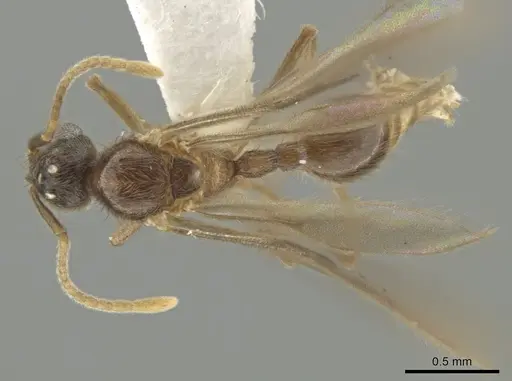
CASENT0610805
View on AntWeb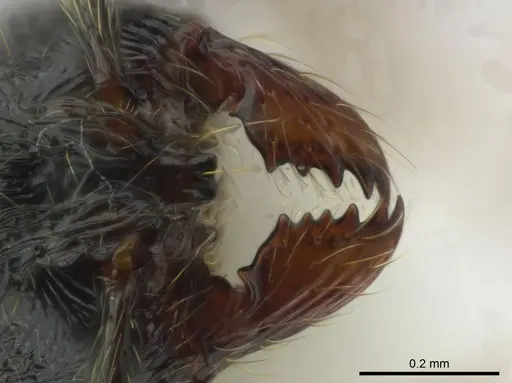
CASENT0615554
View on AntWeb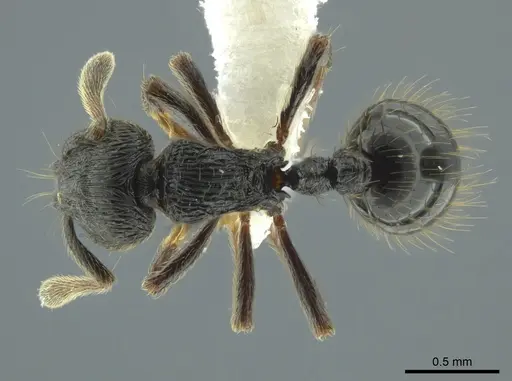
CASENT0619940
View on AntWeb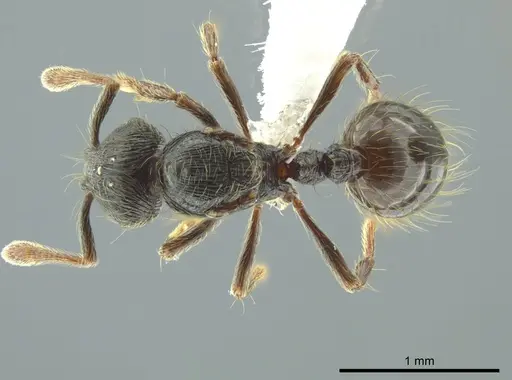
CASENT0631964
View on AntWeb
Literature
Loading distribution map...Loading products...