
Acropyga silvestrii
- Sci. Name
- Acropyga silvestrii
- Tribe
- Plagiolepidini
- Subfamily
- Formicinae
- Author
- Emery, 1915
- Distribution
- Found in 3 countries
Introduction
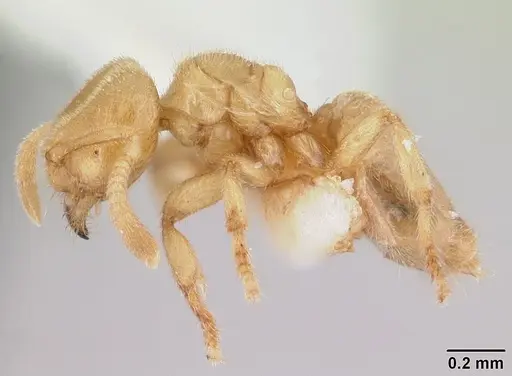
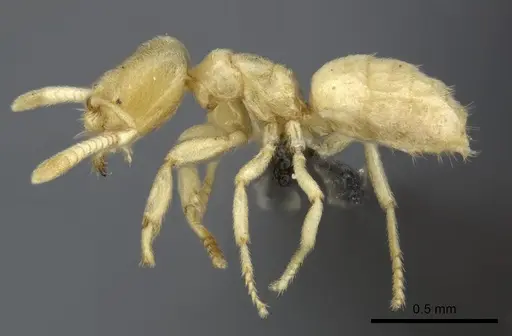
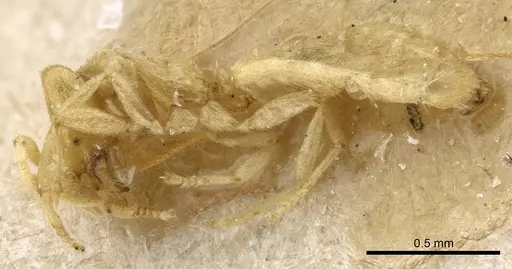
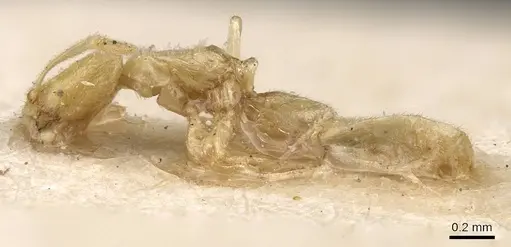
Acropyga silvestrii are tiny yellow ants native to the Afrotropical region, ranging from Eritrea and Ethiopia west to Ghana and south to Tanzania . Workers measure 1.16-2.15mm in total length, making them among the smallest ants in Africa . Unlike most ants kept by enthusiasts, these are obligate mealybug-tenders - they maintain colonies of scale insects (specifically Eumyrmococcus and Rhizoecus species) inside their nests and feed entirely on honeydew produced by these partners . Only worker ants have ever been documented - no queens or males are known to science . They inhabit diverse habitats from tropical rainforests to savannas and cacao plantations, recorded at elevations up to 1600 meters . This is the only Acropyga species known from African rainforests, a notable exception given that other rainforest regions typically support higher Acropyga diversity .
Quick Summary
- Difficulty: Expert, Not Recommended
- Origin & Habitat: Afrotropical region including Eritrea, Ethiopia, Ghana, Kenya, Rwanda, Togo, Uganda, and Tanzania [1][2]. Found in tropical savannas, rainforests, and cacao plantations up to 1600m elevation [1].
- Colony Type: Unknown, only the worker caste has ever been documented [1].
- Size & Growth:
- Queen: Unknown, queens have never been observed [1].
- Worker: 1.16-2.15mm total length [1].
- Colony: Unknown, no colony size data available.
- Growth: Unknown, development timeline unconfirmed.
- Development: Unknown, founding behavior has never been documented. (No queens are known for this species, making development timelines impossible to estimate.)
- Antkeeping:
- Temperature: Likely 24-26°C based on tropical savanna and rainforest habitats, but unconfirmed. Start at 25°C and observe activity levels [1].
- Humidity: Moderate to high humidity inferred from rainforest and savanna habitats. Keep nest substrate damp but not waterlogged [1].
- Diapause: No, tropical species from equatorial Africa do not require hibernation [1].
- Nesting: Unknown, likely nests in soil or leaf litter given habitat preferences. Naturalistic setups with substrate might be appropriate [1].
- Behavior: Obligate mealybug tenders, they maintain live colonies of Rhizoecus and Eumyrmococcus scale insects and feed on honeydew [2]. Workers are tiny and cryptic. Because of their extremely small size (under 2.5mm), escape prevention must be exceptional, they can fit through the tiniest gaps [3][1].
- Common Issues: workers are extremely small (under 2.5mm) and will escape through the smallest gaps in standard formicariums., colonies cannot survive without specific mealybug species (Rhizoecus and Eumyrmococcus), they are obligate symbionts and will starve without them [2]., founding behavior is completely unknown, no queens have ever been documented, so starting a colony is impossible with current knowledge [1]., wild-caught workers cannot establish new colonies without a queen and their associated mealybugs.
The Mealybug Symbiosis
Acropyga silvestrii maintains an obligate relationship with mealybugs, specifically species in the genera Eumyrmococcus and Rhizoecus [2]. These ants cannot survive without their mealybug 'livestock', the ants house the scale insects in their nests, protect them, and feed exclusively on the honeydew they produce. This makes them nearly impossible to keep in standard ant farms. In the wild, Acropyga queens typically carry a mealybug in their mandibles during mating flights to seed new colonies, though this has not been directly observed in A. silvestrii specifically [1]. Without establishing cultures of their specific mealybug partners, any attempt to keep these ants will result in starvation.
Why Captive Keeping Is Currently Impossible
You cannot currently keep Acropyga silvestrii in captivity using standard ant-keeping methods. First, only workers have ever been documented, no queens or males are known to science, so there is no way to establish a founding colony [1]. Second, their obligate dependence on specific mealybug species (Rhizoecus and Eumyrmococcus) means they cannot accept the sugars and proteins standard ant colonies thrive on [2]. Finally, their tiny size (workers under 2.5mm) means they require specialized containment that most keepers cannot provide [3]. These factors combine to make this species unsuitable for captive keeping until their biology is better understood and their symbiotic mealybugs can be cultured.
Natural History and Habitat
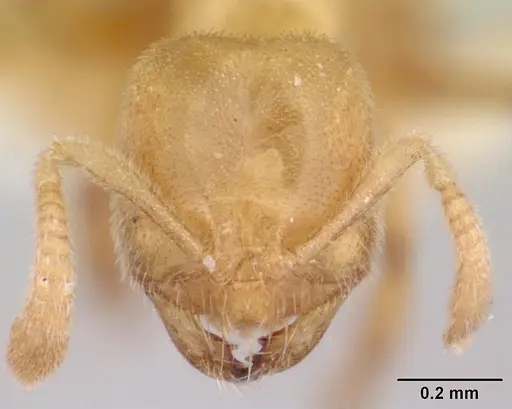
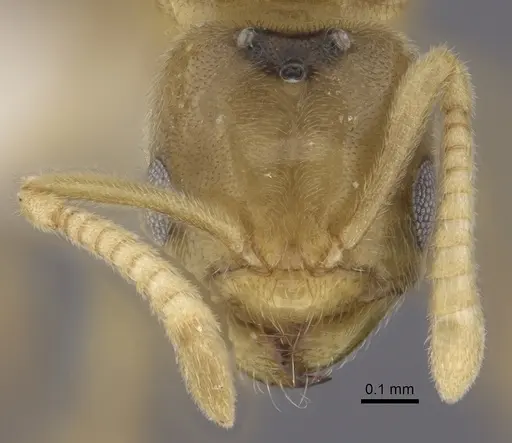
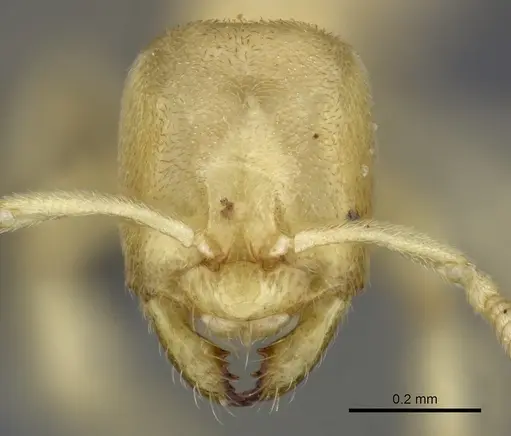
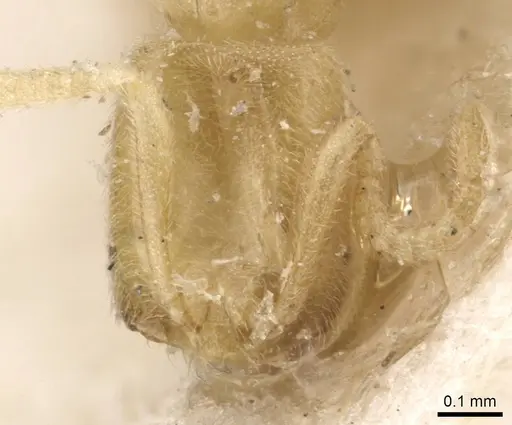
These ants inhabit a surprisingly wide range of habitats across Africa, from the rainforests of Kenya and Tanzania to the savannas of Ghana and Eritrea [1]. They have been found in cacao plantations and at elevations up to 1600 meters [1]. This flexibility suggests they can tolerate varying humidity levels, though they likely prefer warm, stable temperatures year-round given their tropical distribution. Workers possess 4 to 7 mandibular teeth and have 11-segmented antennae [3][4]. Their yellow coloration and extremely small size distinguish them from other African ants.
Identification and Size Concerns
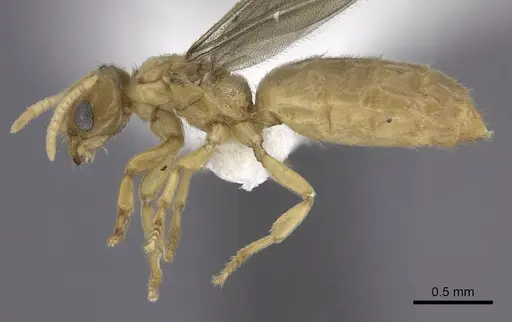
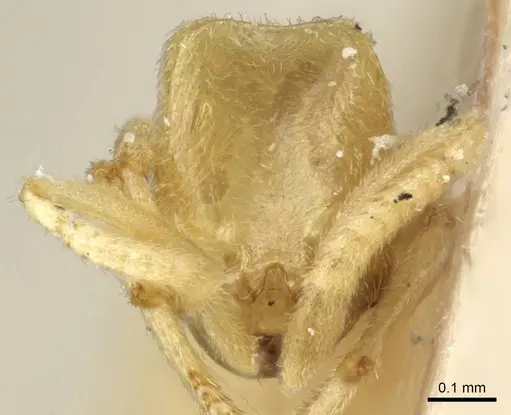
Acropyga silvestrii workers are unmistakably tiny, their total body length ranges from 1.16 to 2.15mm [1]. They are yellow to slightly brownish-yellow in color with dense hair covering their bodies [1]. Their mandibles have between 4 and 7 teeth [3]. If you somehow acquire these ants, understand that they can escape through gaps that would stop much larger species like Tetramorium or even Solenopsis. Standard mesh barriers will not work, you would need extremely fine barriers or complete containment within sealed containers.
Frequently Asked Questions
Can I keep Acropyga silvestrii in a test tube?
No, this is not recommended. Founding behavior is completely unknown because no queens have ever been documented for this species [1]. Even if you had workers, they require specific mealybug species to survive, which cannot be maintained in a standard test tube setup [2].
What do Acropyga silvestrii eat?
They feed exclusively on honeydew produced by mealybugs. They maintain obligate symbiotic relationships with scale insects in the genera Rhizoecus and Eumyrmococcus [2]. They cannot survive on sugar water, honey, or standard insect prey offered to other ant species.
How long until Acropyga silvestrii first workers?
This is unknown. No queens have ever been observed for this species, so development timelines from egg to worker have never been documented [1].
Can I keep multiple Acropyga silvestrii queens together?
This question cannot be answered, queens of this species have never been documented [1]. Only workers are known to science.
Are Acropyga silvestrii good for beginners?
No. These are among the most challenging ants to keep due to their obligate dependence on mealybugs and the fact that their founding biology is completely unknown. They are not recommended for any keeper until their life cycle is better understood [2][1].
Do Acropyga silvestrii need hibernation?
No. They are native to tropical Africa and do not require a winter rest period or diapause [1]. Keep them at stable room temperature or slightly warmed year-round.
How big do Acropyga silvestrii colonies get?
Colony size is unknown. No nest excavations or colony population studies have been published for this species [1].
Why are my Acropyga silvestrii workers dying?
If you have these ants in captivity, they are likely starving. They cannot eat standard ant foods, they require living mealybugs (Rhizoecus or Eumyrmococcus species) to feed on their honeydew [2]. Without these specific symbionts, the ants will die.
Report an Issue
The current care sheet is based fully on literature. See inconsistencies, or something that's incorrect? Please , it will be resolved after review from an admin. Contributing to the blogs tab also helps providing information, to make us be able to further improve the caresheets. Thank you for your support!
References

This caresheet is licensed under CC BY-SA 4.0 .
Community Blogs
CASENT0178254
View on AntWeb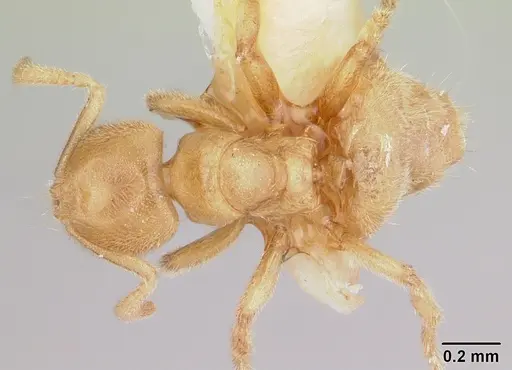
CASENT0235250
View on AntWeb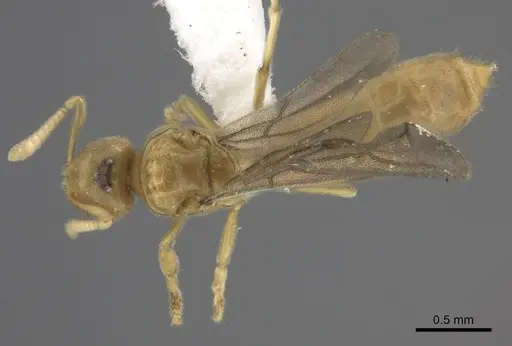
CASENT0235344
View on AntWeb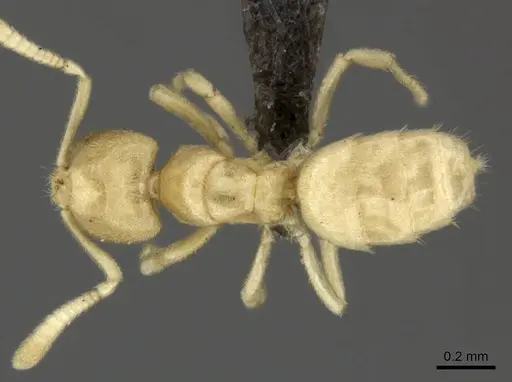
CASENT0905164
View on AntWeb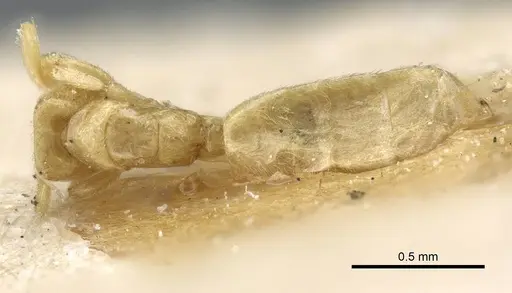
CASENT0909910
View on AntWeb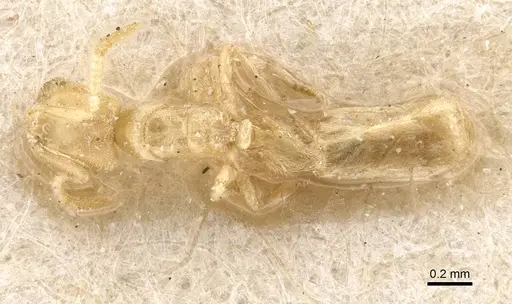
Literature
Loading distribution map...Loading products...