
Acropyga fuhrmanni
- Sci. Name
- Acropyga fuhrmanni
- Tribe
- Plagiolepidini
- Subfamily
- Formicinae
- Author
- Forel, 1914
- Distribution
- Found in 8 countries
Introduction
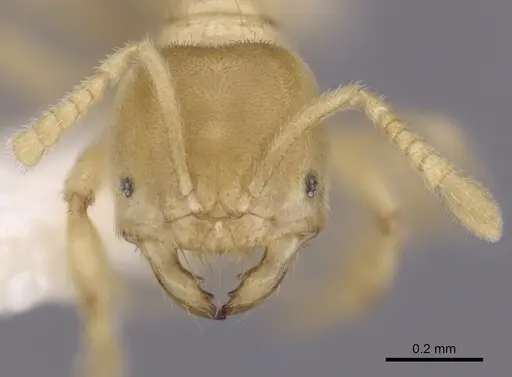
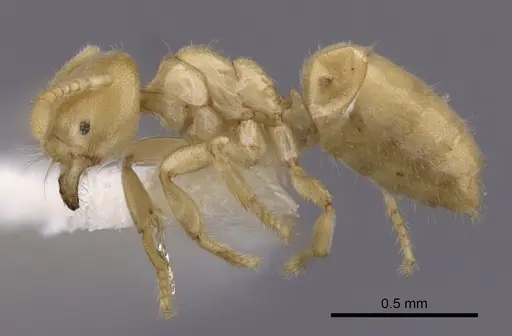
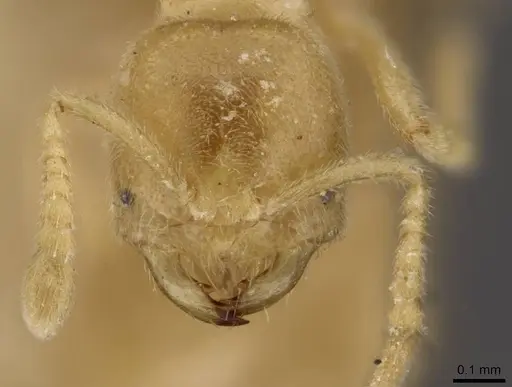
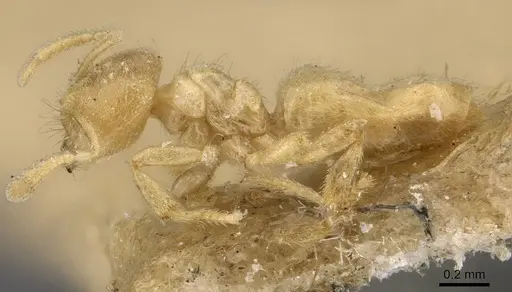
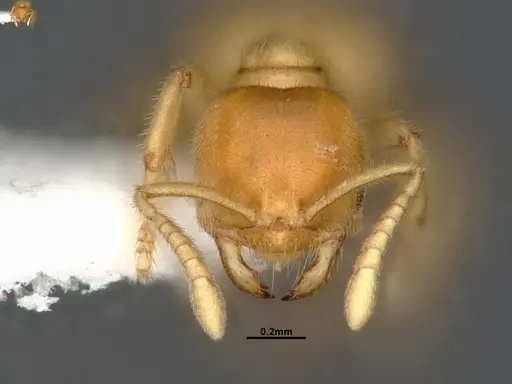
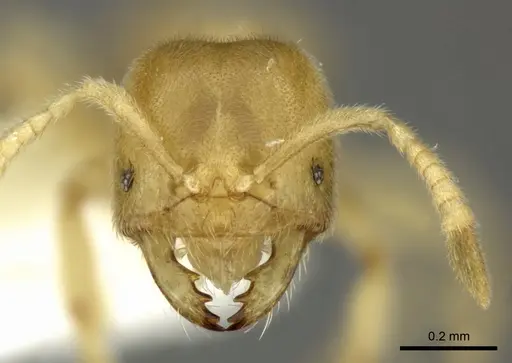
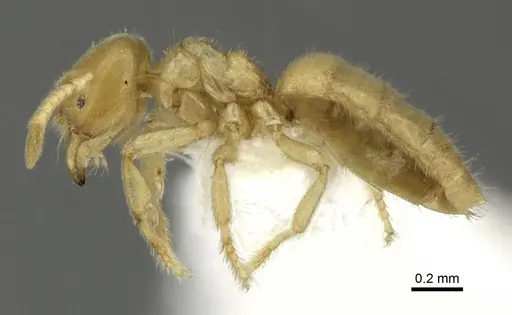
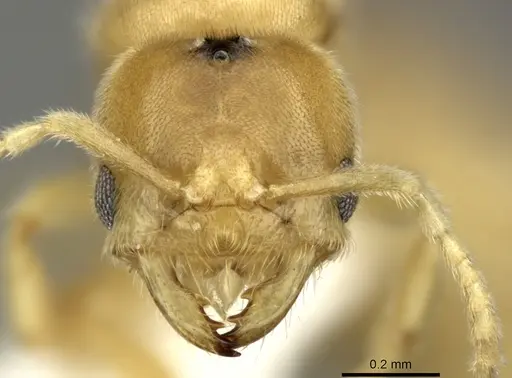
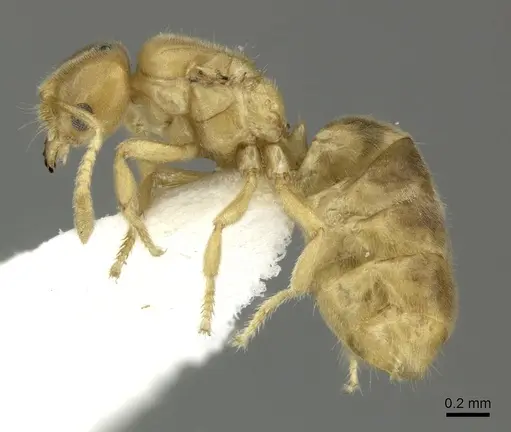
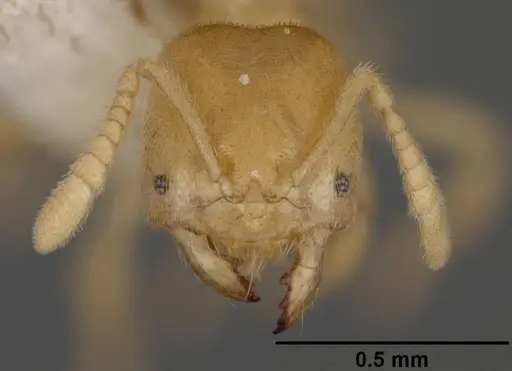
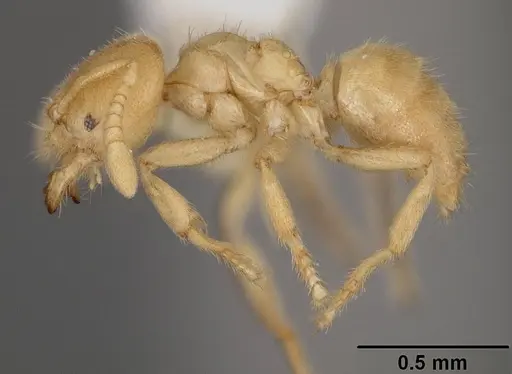
Acropyga fuhrmanni is a tiny, yellow to brownish-yellow ant native to Central and South America. Workers measure 1.4-2.6mm in total length, making them among the smaller ant species. They have distinctive 8-segmented antennae and relatively large eyes set close to the front of their head . These ants live almost entirely underground, nesting in galleries along shallow roots of trees and shrubs. What makes them unique is their obligate mutualism with mealybugs of the genus Neochavesia - queens actually carry these scale insects during nuptial flights to establish new colonies underground . This species is commonly found in shaded cocoa plantations where it's known as the 'hormiga de Amagá' in Colombia .
Quick Summary
- Difficulty: Expert
- Origin & Habitat: Tropical Central and South America, from Costa Rica south through Brazil, Colombia, Ecuador, Peru, and into Bolivia. Found in wet forest habitats including rainforests, grassy open areas, and shaded cocoa plantations at elevations up to 950m [1][2].
- Colony Type: Single-queen colonies (monogyne). Queens are trophophoretic, carrying mealybugs during nuptial flights to establish new symbiotic relationships underground [2].
- Size & Growth:
- Queen: 2.55-2.88mm total length [1]
- Worker: 1.39-2.56mm total length [1]
- Colony: Unknown, no specific data on maximum colony size. Their cryptic underground lifestyle makes observation difficult.
- Growth: Unknown, no direct studies on development rate
- Development: Unknown, no specific studies on development time exist for this species (Development is likely tied to mealybug colony health, the ants cannot thrive without their symbiotic partners)
- Antkeeping:
- Temperature: Keep warm, around 24-28°C. As a tropical species, they need consistently warm conditions similar to their native rainforest floor environment.
- Humidity: High humidity required. These ants live underground in root systems and leaf litter, keep substrate consistently moist but not waterlogged. They show seasonal variation in layer preference, moving between leaf-litter in dry season and soil during rainy periods [4].
- Diapause: No, as a tropical species, they do not require hibernation. Maintain warm conditions year-round.
- Nesting: These ants require a naturalistic setup that mimics their subterranean lifestyle. A Y-tong or plaster nest with access to shallow substrate works well. They need to tend mealybugs, so include areas where root mealybugs can be maintained. They prefer some light access to nest chambers.
- Behavior: Extremely docile and non-aggressive. They are not defensive and rarely sting, their small size makes stinging ineffective anyway. Workers are slow-moving and spend most of their time tending their mealybug partners underground. They show seasonal shifts in layer preference: predominant in leaf-litter during dry season, and in soil during rainy season [4]. Escape risk is low due to their tiny size, but they can squeeze through very small gaps, use fine mesh barriers. They are cryptic and rarely seen on the surface.
- Common Issues: Mealybug colony failure, without their Neochavesia partners, the ants will struggle. You must establish and maintain a mealybug culture alongside the ant colony [2]., Drying out, being subterranean, they need consistent moisture. Dry conditions will kill both ants and mealybugs., Overheating, tropical species are sensitive to temperatures above 30°C., Tiny size makes them vulnerable to predation and escape through standard test tube setups., Limited foraging, they rarely come to the surface, making feeding observation difficult.
The Mealybug Relationship
This is the most critical aspect of keeping Acropyga fuhrmanni. They have an obligate mutualistic relationship with mealybugs of the genus Neochavesia, this is not optional. In the wild, queens carry mated mealybug females during their nuptial flights to start new underground colonies [2]. The mealybugs feed on plant roots and the ants protect them while feeding on the honeydew they produce. Without mealybugs, your colony will not survive long-term. You will need to culture Neochavesia mealybugs (or a suitable substitute) alongside the ants. This makes them an expert-level species, you are essentially keeping two species at once.
Housing and Nest Setup
These ants require a naturalistic setup that allows for underground nesting. A Y-tong nest with a connected foraging area works well, or you could use a plaster nest with a soil chamber. The key is providing access to shallow roots where mealybugs can be maintained. Include a layer of damp soil or coconut fiber in part of the setup. They don't do well in simple test tube setups because they need to tend mealybugs in a more complex environment. Provide a humidity gradient so the ants can choose their preferred moisture level. They show seasonal preference shifts, more active in leaf-litter during dry season and soil during rainy season [4]. Use fine mesh on all openings, these tiny ants can escape through gaps you'd never notice.
Feeding and Diet
Like most Formicinae, they will accept sugar sources (honey, sugar water) and protein (small insects). However, their primary food comes from the honeydew produced by their mealybug partners. The mealybugs feed on plant roots and the ants harvest the honeydew. In captivity, you should provide small amounts of sugar water and tiny protein sources like fruit flies, but the mealybug colony is their main food source. Do not overfeed, excess food can lead to mold in the underground nest chambers. [2]
Finding and Collecting
In the wild, these ants are most often found by sifting leaf litter (Winkler samples) or looking under stones in wet forest areas. They are cryptic and rarely visible on the surface. In Central America, they occur up to about 950m elevation in wet habitats. If you're in their range, look in shaded areas with lots of leaf litter, particularly near cocoa plantations or other areas with shallow root systems. They are particularly common in shaded cocoa plantations in Colombia, where they're known as 'hormiga de Amagá' [3]. Queens are trophophoretic, meaning they carry mealybugs during nuptial flights, look for dealate queens carrying small white mealybugs underneath them.
Seasonal Care
As a tropical species, Acropyga fuhrmanni does not require hibernation or diapause. Maintain warm (24-28°C), humid conditions year-round. They show seasonal variation in activity, occurrence doubles from dry to rainy season in their native range [4]. They are more active during the wet season and shift their preferred layer from leaf-litter in dry season to soil during rainy season [4]. However, avoid any cooling or drying periods. The mealybug partners are also tropical and need consistent conditions.
Frequently Asked Questions
Can I keep Acropyga fuhrmanni in a test tube?
Not recommended. These ants require a more complex setup because they need to maintain mealybug colonies. A naturalistic setup with soil or a Y-tong with multiple chambers is much better. Test tubes don't provide the space or conditions needed for the mealybug symbiosis to function.
How long until first workers in Acropyga fuhrmanni?
Unknown, no specific studies exist on their development time. Establishing the mealybug colony is the real challenge with this species.
What do Acropyga fuhrmanni eat?
They primarily feed on honeydew from their mealybug partners. In captivity, offer small amounts of sugar water or honey, plus tiny protein sources like fruit flies or small mealworms. The mealybugs are essential, without them, the ants have no reliable food source.
Are Acropyga fuhrmanni good for beginners?
No, this is an expert-level species. The biggest challenge is maintaining a live mealybug culture (Neochavesia or similar) alongside the ants. This is a two-species setup that requires specialized knowledge. They are also tiny, require high humidity, and are rarely seen. Start with easier species like Lasius or Camponotus before attempting Acropyga.
Can I keep multiple queens together?
Not recommended. This species is monogyne, colonies have a single queen. Combining unrelated foundresses has not been documented and would likely result in fighting. If you find a dealate queen, house her alone in a proper setup with mealybugs.
Where can I find Acropyga fuhrmanni in the wild?
They live in wet tropical forests from Costa Rica south through South America. Look in leaf litter, under stones, or in shaded areas near tree roots. They are particularly common in shaded cocoa plantations. The most reliable way to find them is sifting leaf litter through Winkler extractors.
Why do queens carry mealybugs?
This is called trophophoresis, the queen carries a mated mealybug female during her nuptial flight. When she establishes a new nest underground, the mealybug starts a new colony on the roots, and the ants and mealybugs form their mutualistic partnership. This is an obligate symbiosis, neither species can establish without the other.
Do Acropyga fuhrmanni need hibernation?
No. As a tropical species from Central and South America, they do not require any cooling period. Keep them warm (24-28°C) and humid year-round. Any cold exposure could be fatal.
How big do Acropyga fuhrmanni colonies get?
Unknown, no specific data exists on maximum colony size. Their subterranean lifestyle and dependence on mealybug colonies makes observation difficult. They are cryptic ants that spend most of their time underground tending their partners.
Report an Issue
The current care sheet is based fully on literature. See inconsistencies, or something that's incorrect? Please , it will be resolved after review from an admin. Contributing to the blogs tab also helps providing information, to make us be able to further improve the caresheets. Thank you for your support!
References

This caresheet is licensed under CC BY-SA 4.0 .
Community Blogs
CASENT0249919
View on AntWeb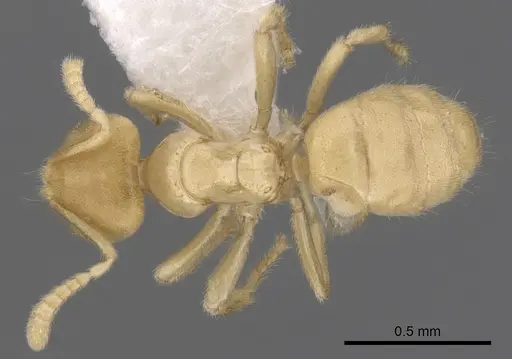
CASENT0909901
View on AntWeb
CASENT4031890
View on AntWeb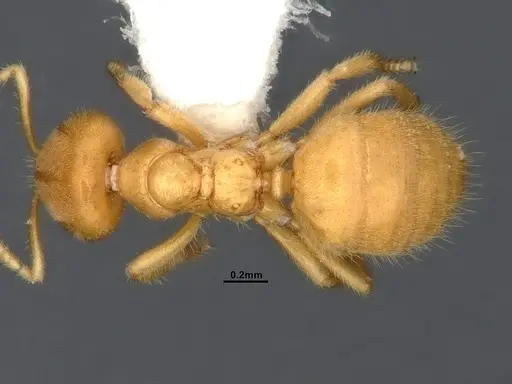
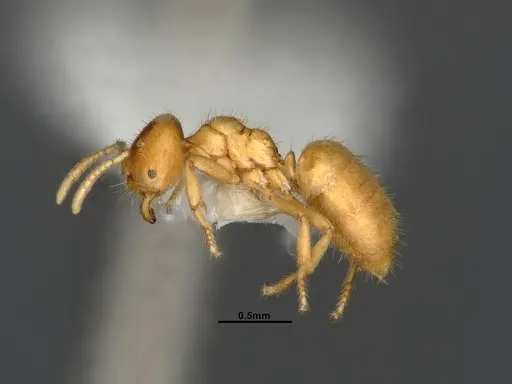
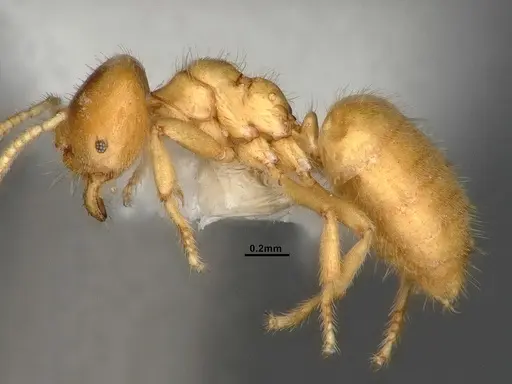
CBUMAGENT41825
View on AntWeb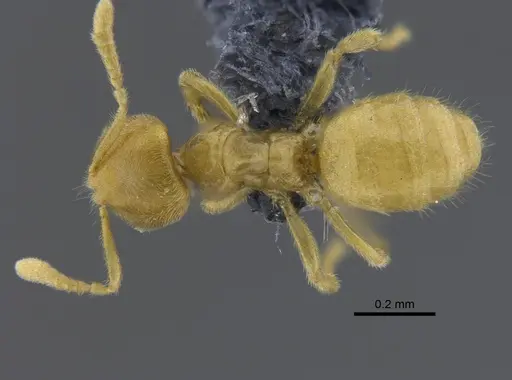
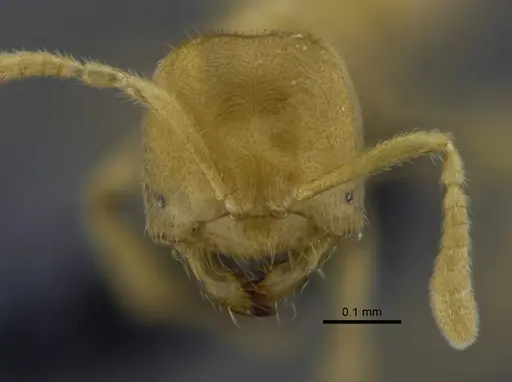
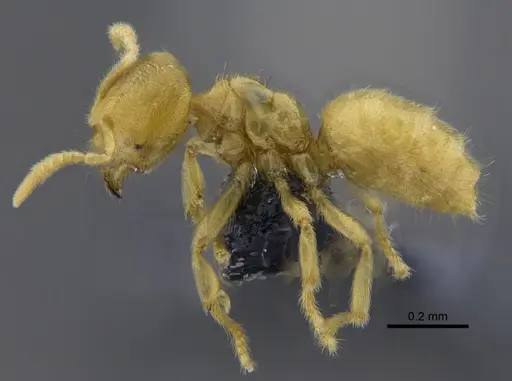
ECOFOG-MI15-0512-04
View on AntWeb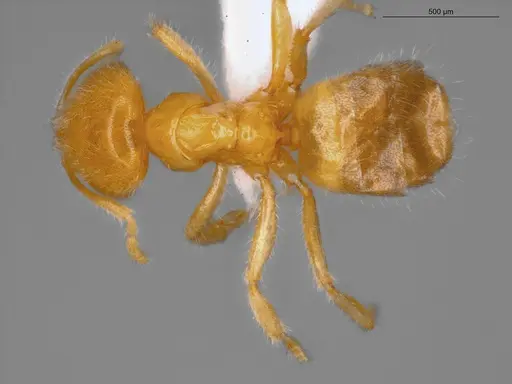
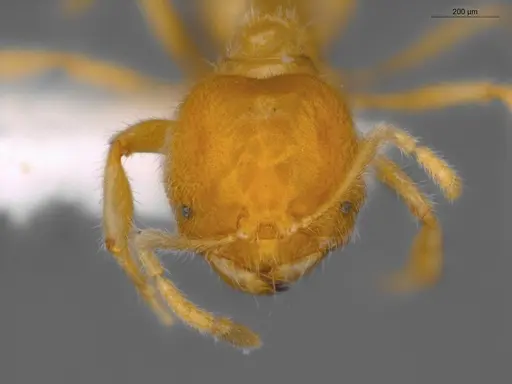
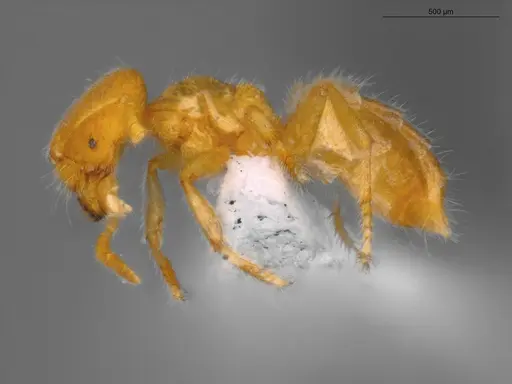
INBIOCRI002728388
View on AntWeb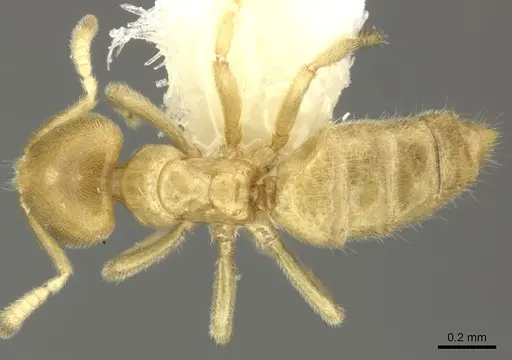
INBIOCRI002728389
View on AntWeb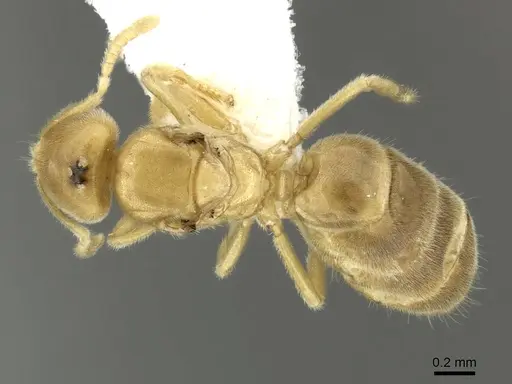
USNMENT00441067
View on AntWeb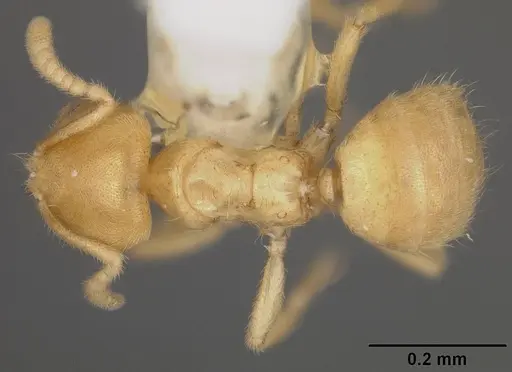
Literature
Loading distribution map...Loading products...