
Acropyga exsanguis
- Sci. Name
- Acropyga exsanguis
- Tribe
- Plagiolepidini
- Subfamily
- Formicinae
- Author
- Wheeler, 1909
- Distribution
- Found in 7 countries
Introduction
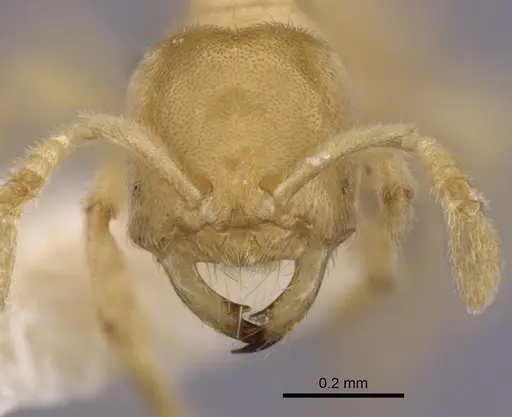
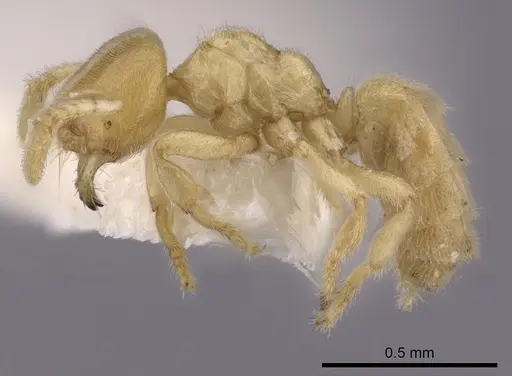
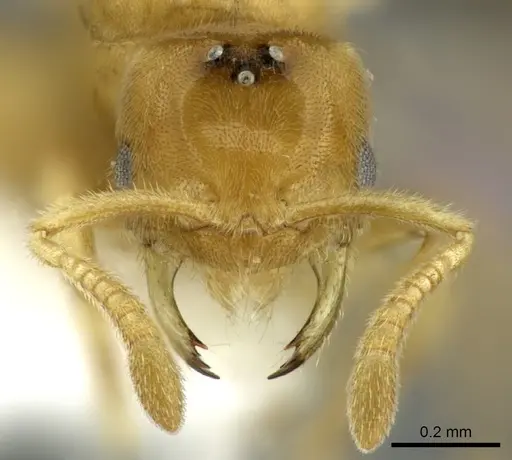
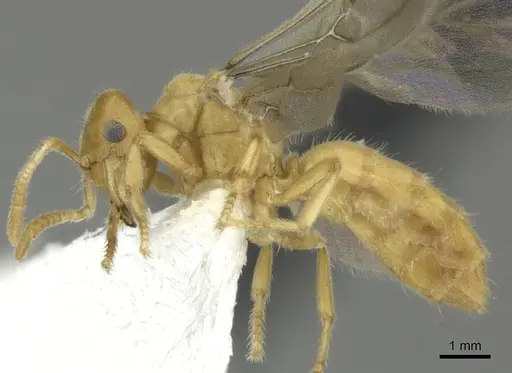
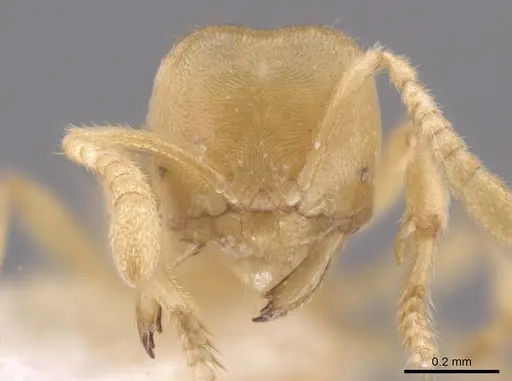
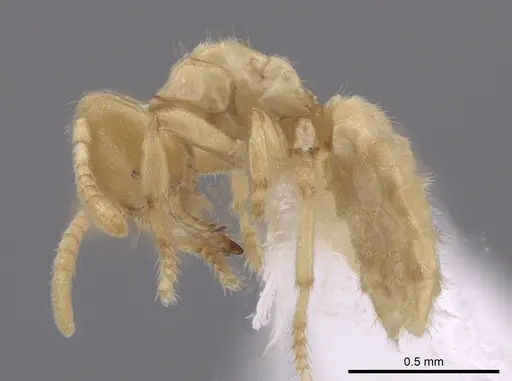
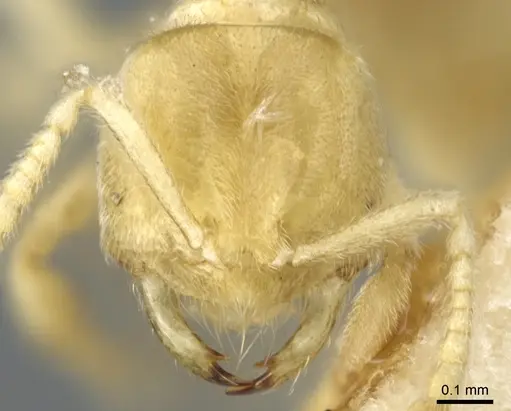
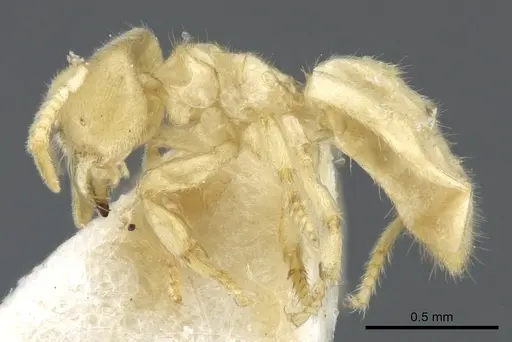
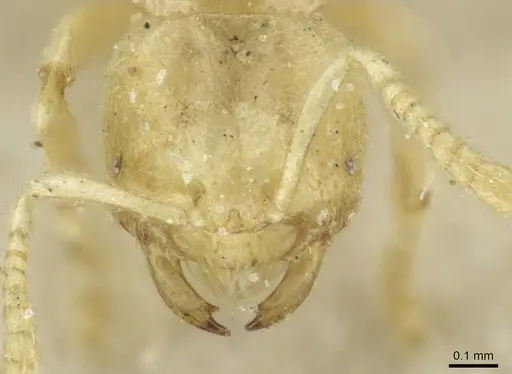
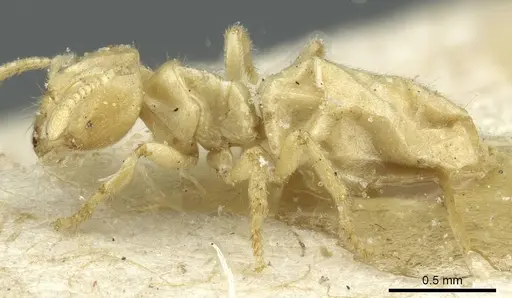
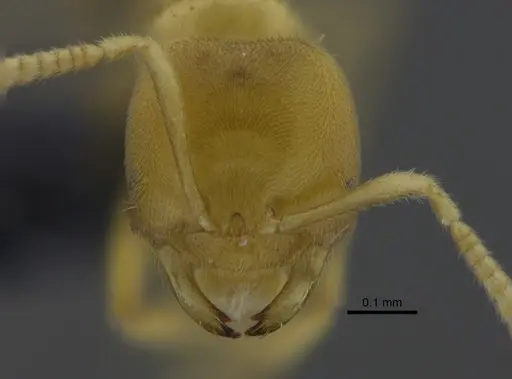
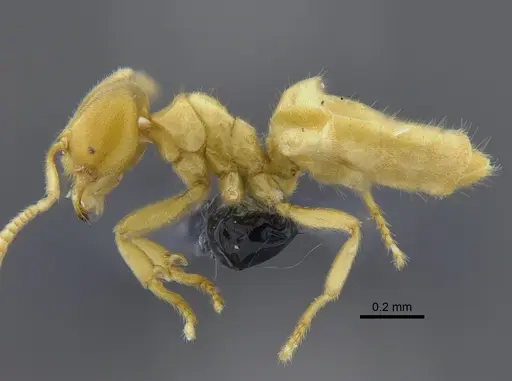
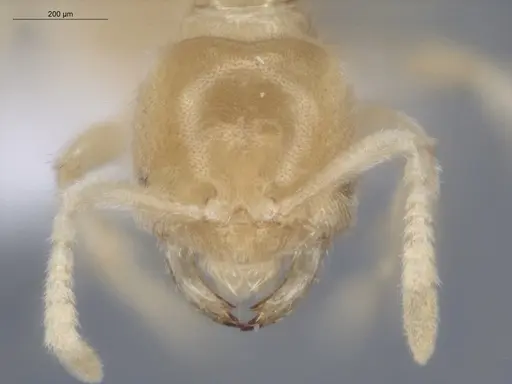
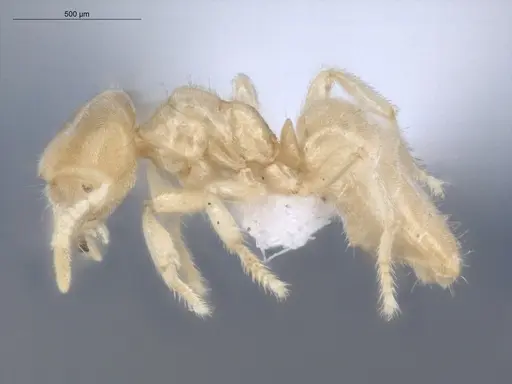
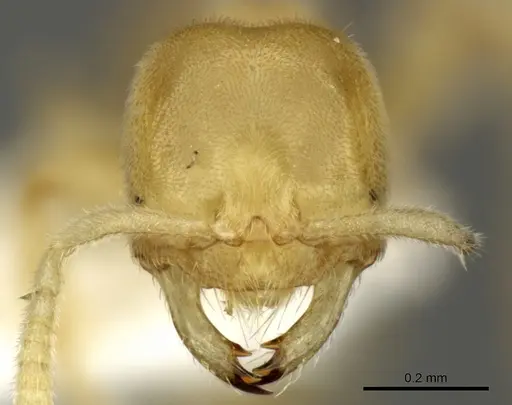
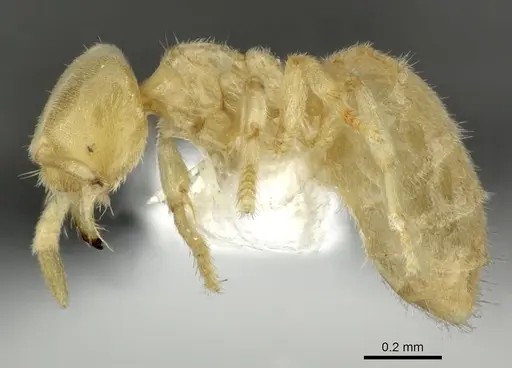
Acropyga exsanguis is a small, pale yellow ant native to the Neotropics, ranging from central Mexico to northern Argentina . Workers measure 1.7–2.4 mm, with 8–9 segmented antennae and reduced eyes that suit their completely subterranean lifestyle . Colonies are highly polygynous (multiple queens), and founding queens carry mealybugs during their nuptial flight to start a new colony . These ants build large, diffuse nests in the soil and move deeper when the surface dries out .
Quick Summary
- Difficulty: Hard
- Origin & Habitat: Neotropical region from central Mexico to northern Argentina (Argentina, Belize, Colombia, Costa Rica, Guatemala, Guyana, Honduras, Mexico, Panama, Suriname) [1]. Found in lowland rainforest, seasonal dry forest, and montane wet forest, most common under stones in moist areas or in leaf litter [3][1].
- Colony Type: Highly polygynous – multiple queens work together in the same colony. Both pleometrosis (multiple queens founding together) and adoption of young queens by established colonies have been documented [1].
- Size & Growth:
- Queen: 2.17–3.48 mm [1]
- Worker: 1.72–2.38 mm [1]
- Colony: Unknown – large, diffuse nests in soil [1]
- Growth: Unknown
- Development: Unknown – no direct development data available (Development has not been documented in scientific literature. Related Acropyga species suggest several months, but this is an estimate.)
- Antkeeping:
- Temperature: Keep around 24–28 °C – they inhabit tropical forests with warm, stable conditions [1]. A heating cable on part of the nest can help maintain warmth.
- Humidity: High humidity required. Keep the nest substrate consistently damp, but not waterlogged. These ants move vertically in the soil to find moisture, so provide a deep substrate layer [1].
- Diapause: No – tropical species, no hibernation needed. Keep them warm year-round [1].
- Nesting: Deep soil-based setup is essential. A naturalistic setup with moist soil 5–10 cm deep works well. They can also be kept in test tubes with extended cotton reservoirs, but need space to forage and tend mealybugs [3][1].
- Behavior: Completely subterranean – you will rarely see workers above ground [3][1]. They are gentle, non-aggressive, and have no sting. Their reduced eyes reflect an underground lifestyle. Escape risk is moderate due to their tiny size – standard barrier precautions are wise. The most notable behavior is their obligate mutualism with mealybugs, which must be kept with the colony [3].
- Common Issues: mealybug supply is critical – without their symbiotic scale insects, colonies will fail. You must establish and maintain a mealybug culture [3][1]., subterranean lifestyle means you won't see much activity – this can be disappointing for keepers wanting visible ants., high humidity needs can lead to mold if ventilation is poor., colonies are slow to establish due to their small size and specialized needs., finding the correct mealybug species (Rhizoecus coffeae or Pseudorhizoecus sp.) can be difficult [1].
The Mealybug Mutualism
This is the most critical aspect of keeping Acropyga exsanguis. These ants have an obligate mutualistic relationship with mealybugs (scale insects in the family Pseudococcidae), specifically Rhizoecus coffeae and Pseudorhizoecus species [3][1]. The relationship is so tight that queens carry mealybugs during their nuptial flight to start new colonies – this is called trophophoretic behavior [3][1]. The mealybugs feed on plant roots, and the ants protect them and feed on their honeydew. Without mealybugs, the ants cannot survive. You will need to establish a culture of root mealybugs (Rhizoecus species) and introduce them to the colony. The mealybugs should be kept in the same moist soil substrate as the ants.
Housing and Nest Setup
Because A. exsanguis is entirely subterranean, you need a setup that mimics soil conditions. A naturalistic setup with a deep soil layer (at least 5–10 cm) in a formicarium works best. The substrate should be kept consistently moist but never waterlogged – think damp forest floor soil. You can use a mixture of soil and sand for good moisture retention. Test tubes with extended water reservoirs can work for founding colonies, but established colonies need more space to develop their diffuse nest structure. Provide darkness or red film since these ants avoid light. Place the nest in a warm area (24–28 °C) with minimal disturbance [3][1].
Feeding
In the wild, A. exsanguis gets most of its nutrition from the honeydew produced by their mealybug partners [3][1]. The ants tend the mealybugs and feed on the sugary secretions. In captivity, you should maintain a healthy mealybug culture in the nest substrate. You can occasionally offer sugar water or honey as a supplement, but the mealybugs should be the primary food source. Some keepers report success with tiny prey items, but this is not their natural feeding strategy. The key is keeping the mealybugs healthy and well-fed on plant roots.
Temperature and Humidity
Being a tropical species, A. exsanguis needs warm, humid conditions. Keep temperatures in the range of 24–28 °C year-round. In the wild, they make vertical movements in the soil to escape dry conditions at the surface [1]. In captivity, maintain high humidity by keeping the substrate consistently moist. A layer of damp cotton or sphagnum moss in part of the setup helps maintain humidity. Avoid letting the substrate dry out completely. Good ventilation is important to prevent mold, but avoid excessive airflow that dries the nest.
Colony Structure and Behavior
A. exsanguis is highly polygynous – colonies contain multiple queens working together [1]. Both pleometrosis (multiple queens founding a colony together) and adoption of new queens by established colonies have been documented [1]. This means your colony may start with multiple queens, which is normal for this species. Workers are tiny (1.7–2.4 mm) and you'll rarely see them outside the nest because they live entirely underground [3][1]. Males form massive mating swarms above shrubs during the wet season at dusk [1]. The colony will grow slowly, and you should be patient with development.
Frequently Asked Questions
Can I keep Acropyga exsanguis in a test tube?
Test tubes can work for founding colonies, but established colonies need more space. These ants create large, diffuse nests in soil, so a naturalistic setup with deep, moist substrate is better long-term [1].
What do Acropyga exsanguis eat?
They primarily feed on honeydew from their symbiotic mealybugs [3][1]. Maintain a culture of root mealybugs (Rhizoecus species) in the nest substrate. You can offer sugar water occasionally as a supplement.
Why are my Acropyga exsanguis dying?
The most likely cause is lack of mealybugs. This species has an obligate mutualism with mealybugs – without them, the colony cannot survive [3][1]. You must establish a mealybug culture in the substrate.
How long does it take for first workers to appear?
The development timeline has not been documented in scientific literature. Based on related species, expect several months, but this is an estimate. Growth is likely slow due to their small size and specialized biology.
Are Acropyga exsanguis good for beginners?
No, this is an advanced species. The obligate requirement for mealybugs, high humidity needs, and subterranean lifestyle make them challenging. They are rewarding for experienced keepers interested in specialized mutualisms.
Do I need to hibernate Acropyga exsanguis?
No, they are tropical ants and do not require hibernation. Keep them warm (24–28 °C) year-round [1].
How big do Acropyga exsanguis colonies get?
Colony size is not well documented, but they form large, diffuse nests in soil in the wild [1]. Expect slow growth but potentially large colonies over time.
Can I keep multiple queens together?
Yes, this is normal for the species. A. exsanguis is highly polygynous – multiple queens naturally coexist in established colonies [1]. Your colony may start with several queens.
Why can't I see my ants?
This is normal. They are a completely subterranean species and live their entire lives underground in the soil, rarely coming to the surface [3][1].
Report an Issue
The current care sheet is based fully on literature. See inconsistencies, or something that's incorrect? Please , it will be resolved after review from an admin. Contributing to the blogs tab also helps providing information, to make us be able to further improve the caresheets. Thank you for your support!
References

This caresheet is licensed under CC BY-SA 4.0 .
Community Blogs
CASENT0249918
View on AntWeb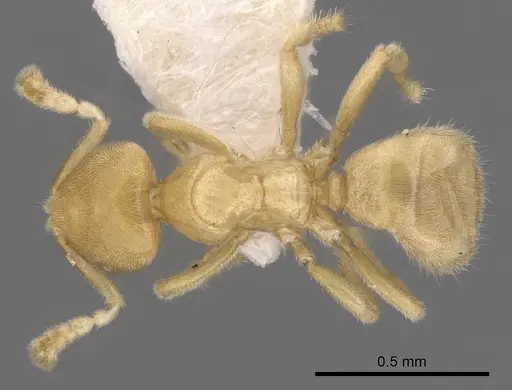
CASENT0609912
View on AntWeb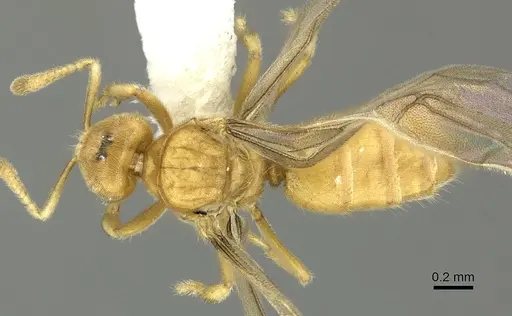
CASENT0646732
View on AntWeb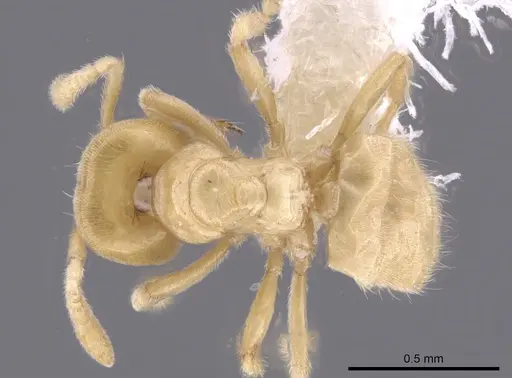
CASENT0903182
View on AntWeb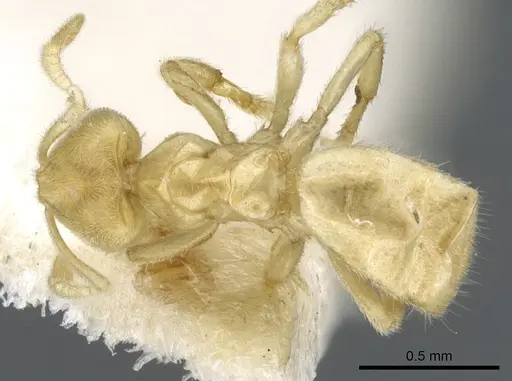
CASENT0912354
View on AntWeb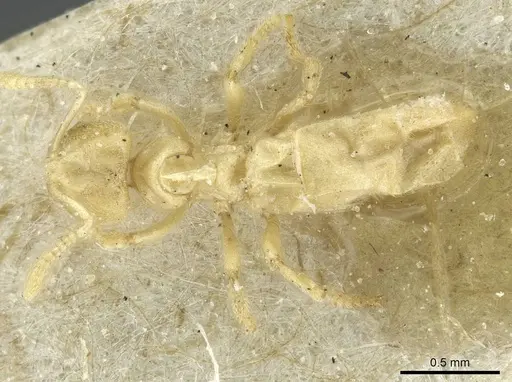
CBUMAGENT41827
View on AntWeb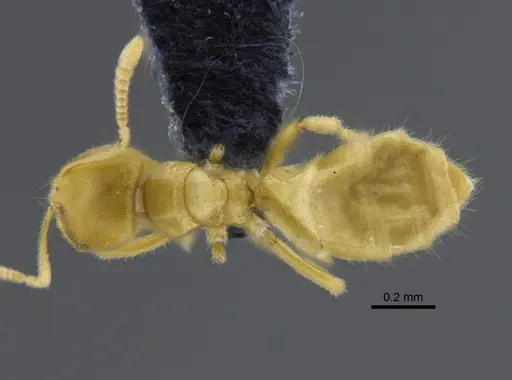
ECOFOG-MI15-0253-19
View on AntWeb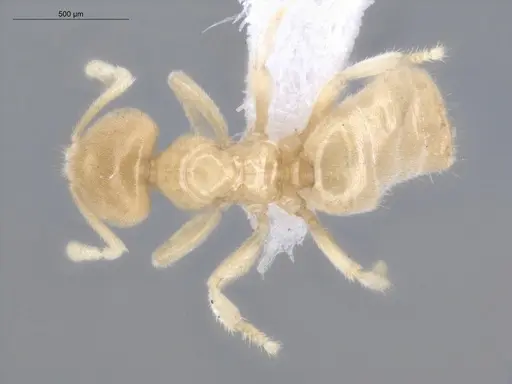
INBIOCRI001253903
View on AntWeb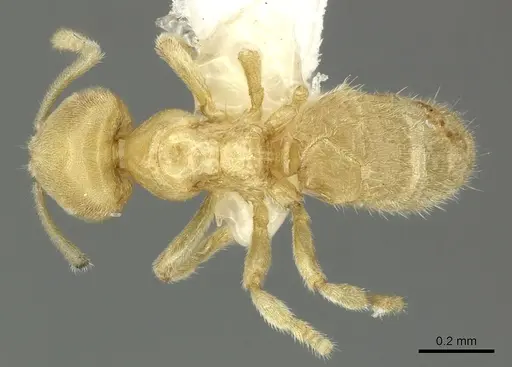
Literature
Loading distribution map...Loading products...