
Acropyga acutiventris
- Sci. Name
- Acropyga acutiventris
- Tribe
- Plagiolepidini
- Subfamily
- Formicinae
- Author
- Roger, 1862
- Distribution
- Found in 10 countries
Introduction
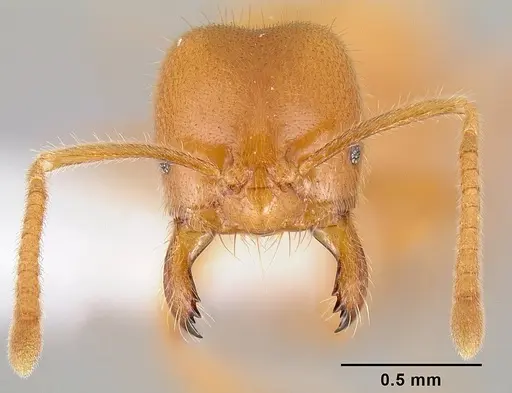
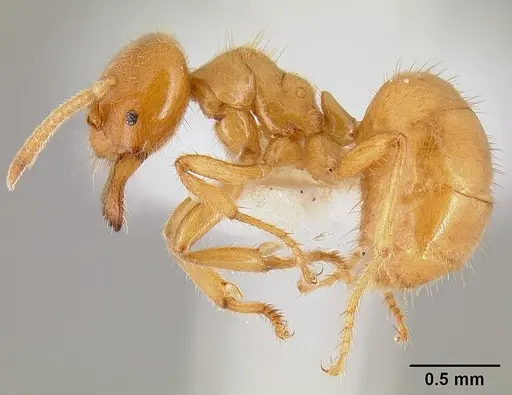
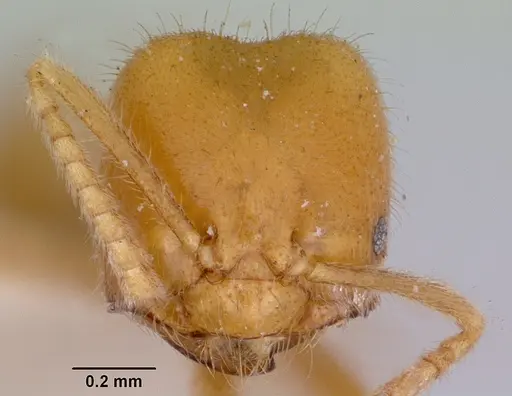
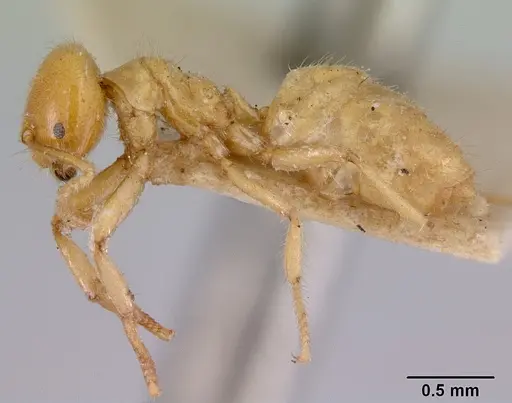
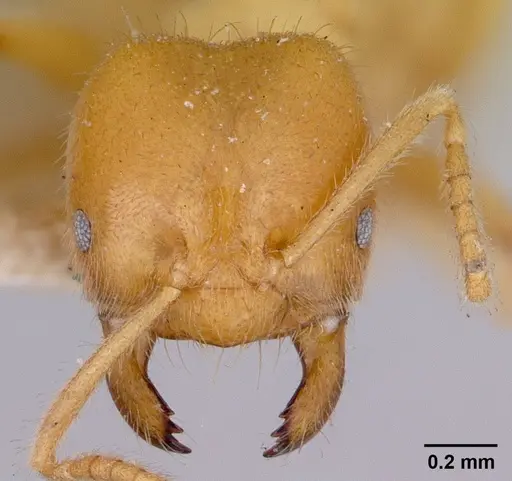
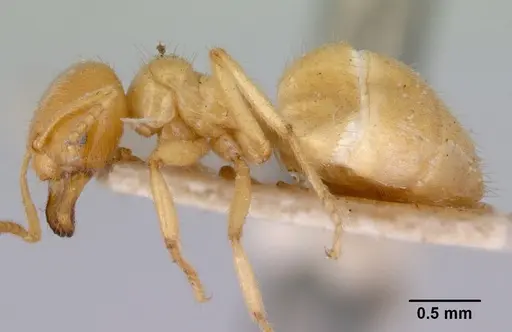
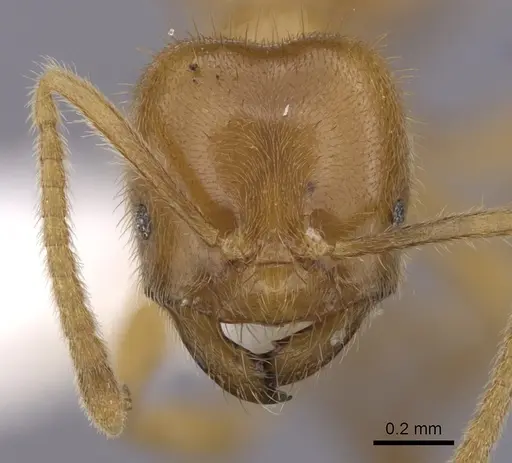
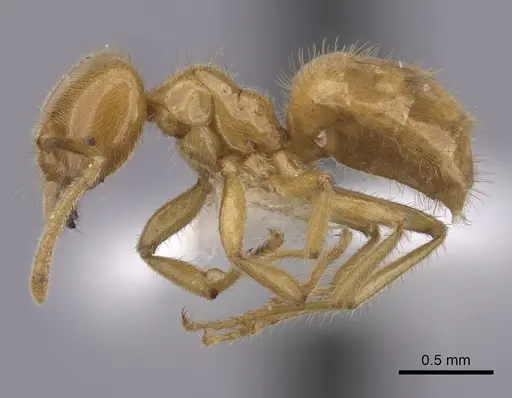
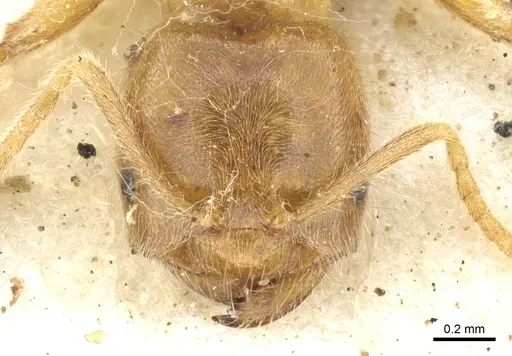
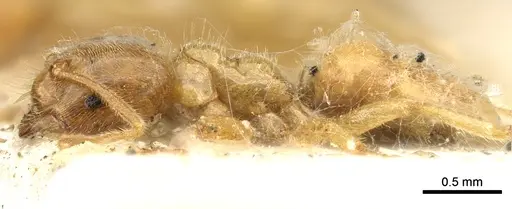
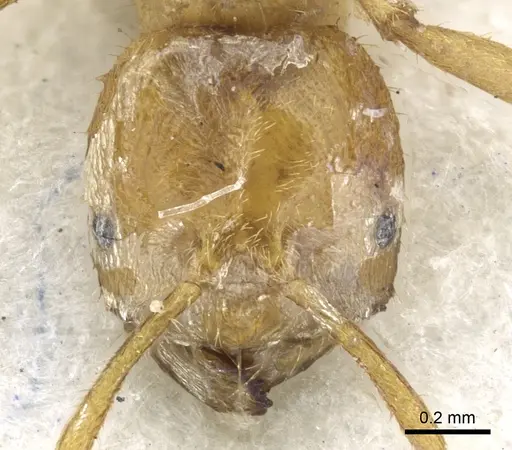
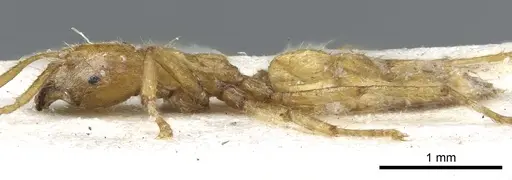
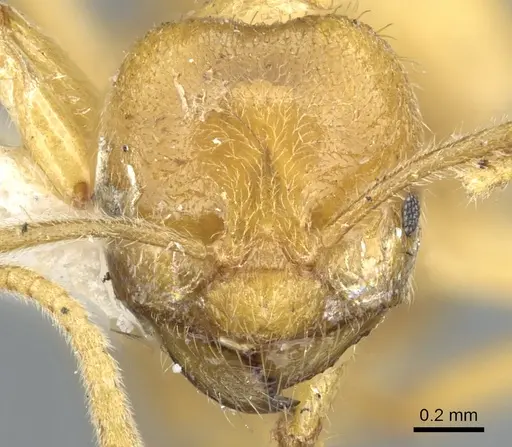
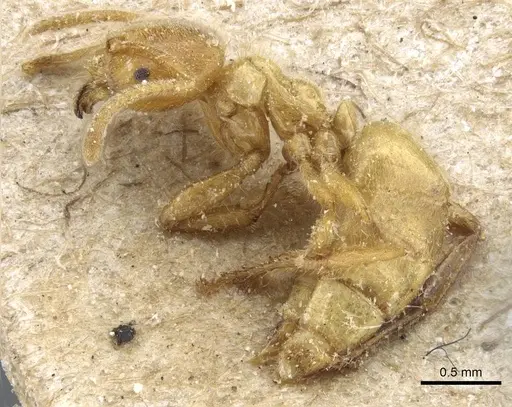
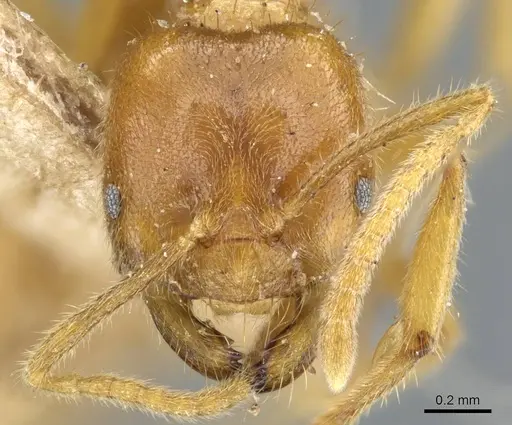
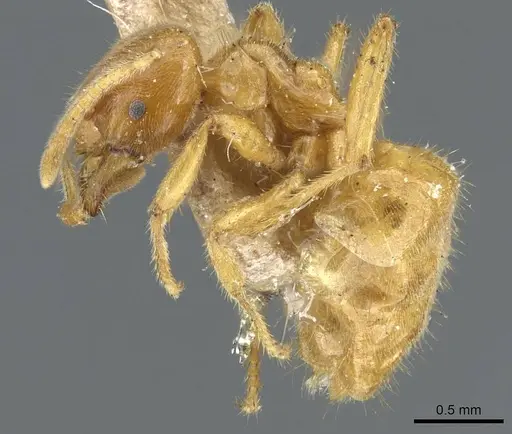
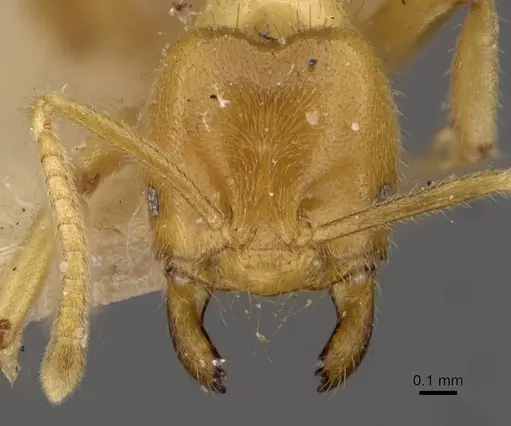
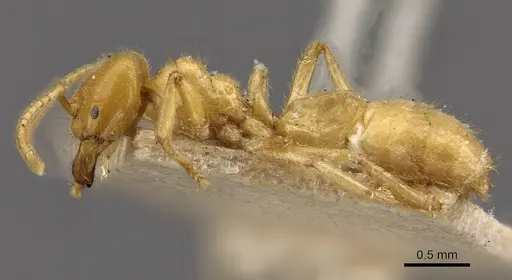
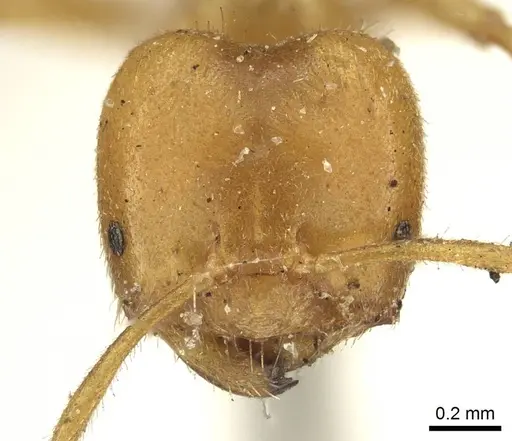
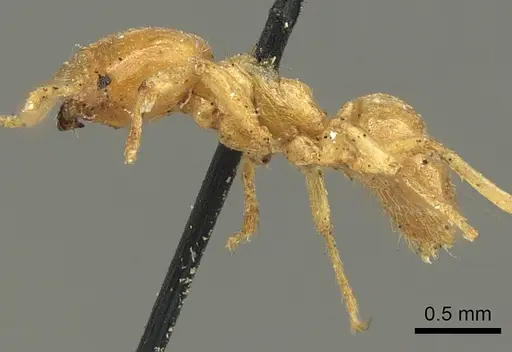
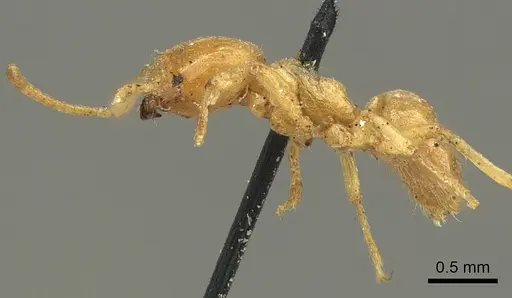
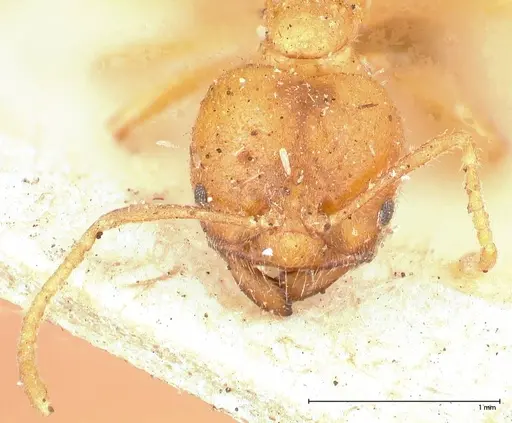
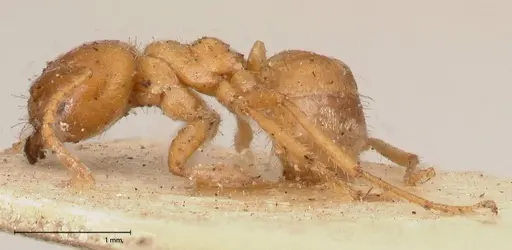
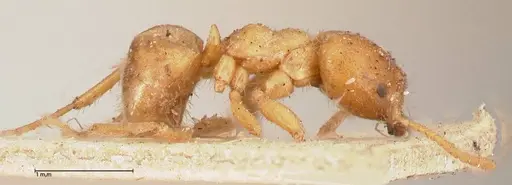
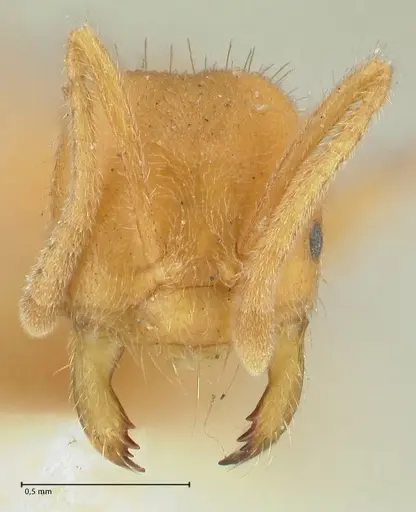
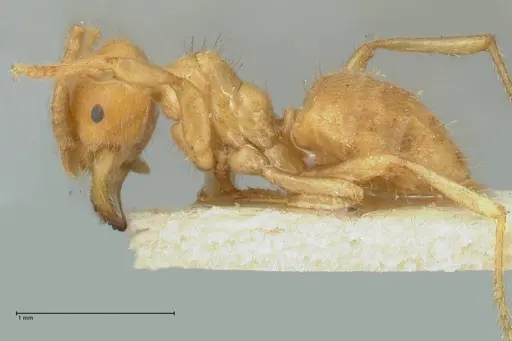
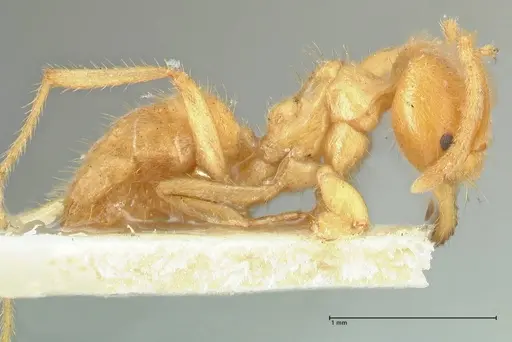
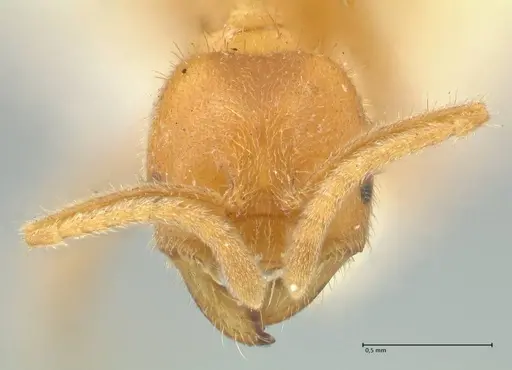
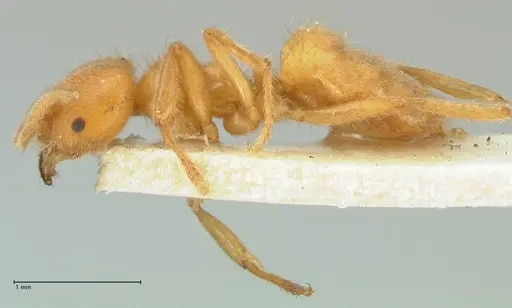
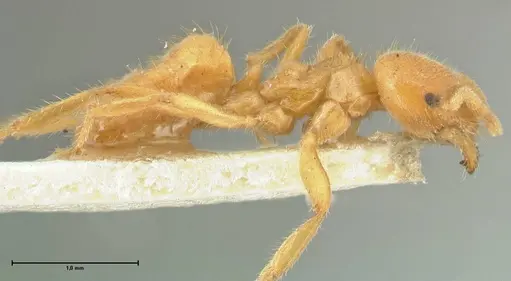
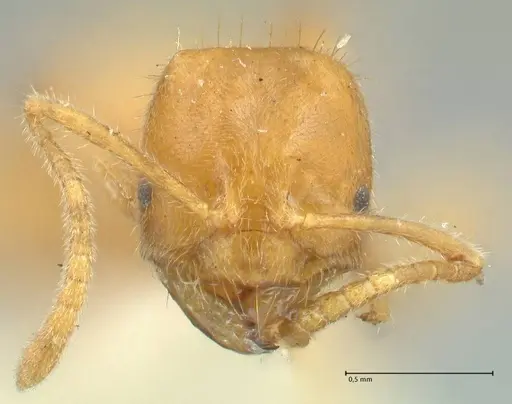
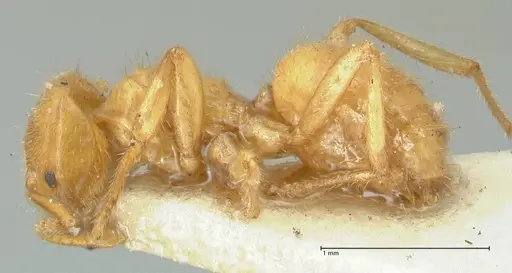
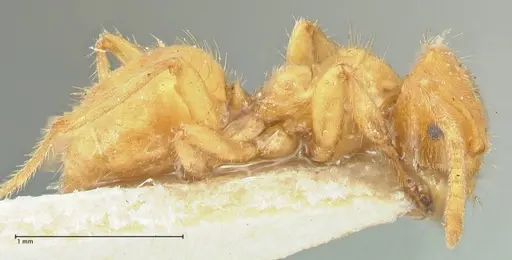
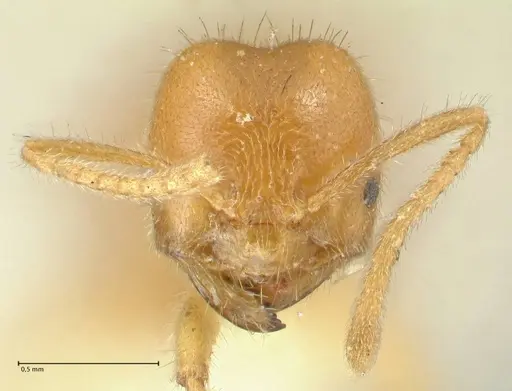
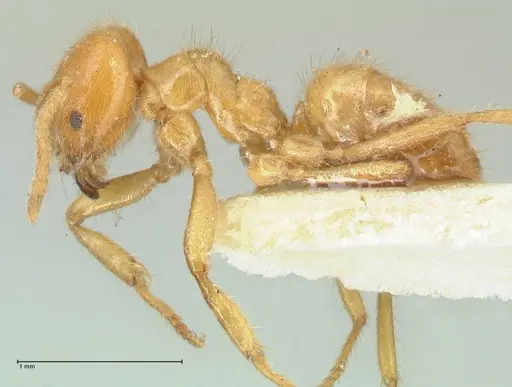
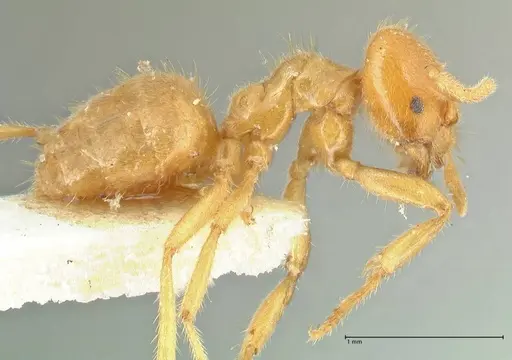
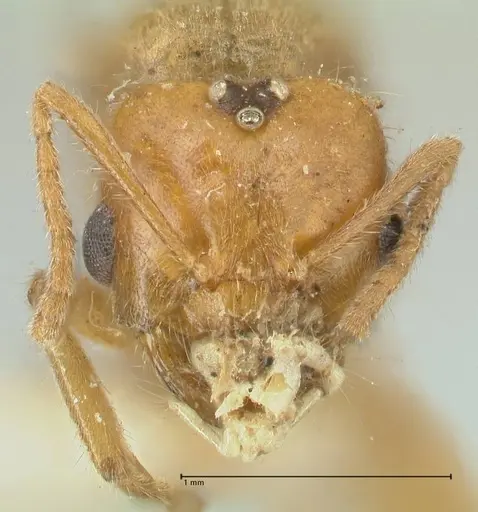
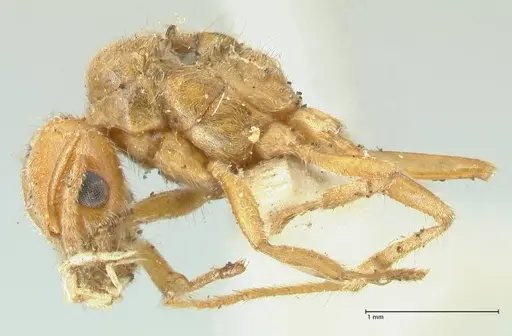
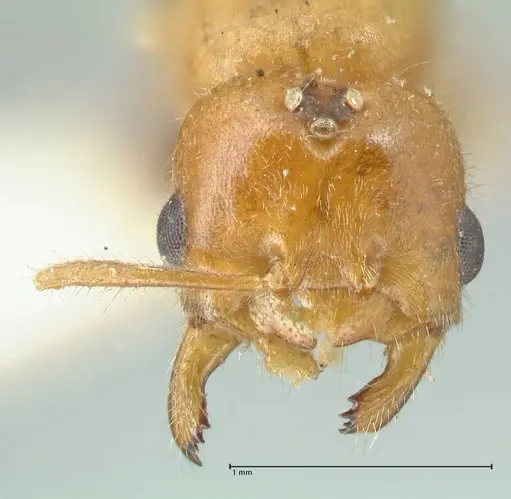
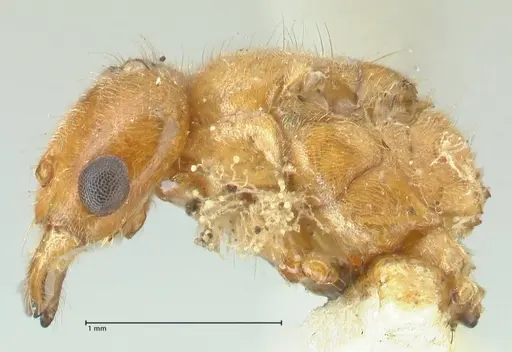
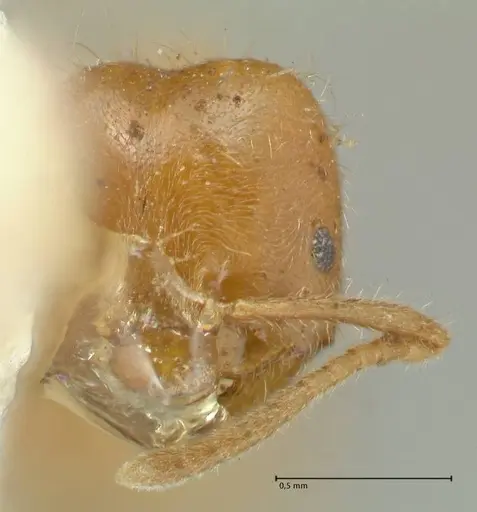
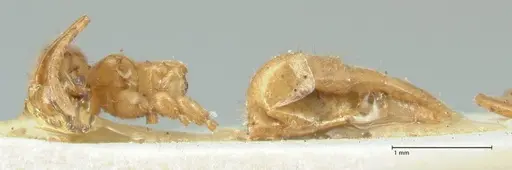
Acropyga acutiventris are tiny yellow ants with workers measuring 2.67-3.53 mm total length and queens reaching 4.56-5.09 mm total length . They have a spiky appearance due to numerous erect hairs, large eyes, and five-toothed mandibles . This species has a wide range from India and Sri Lanka through Southeast Asia to northern Australia and the Solomon Islands, living in leaf litter, rotting wood, and soil under stones in rainforests and secondary forests . These ants are obligate trophophores, meaning queens carry live mealybugs (Xenococcus species) in their mandibles during nuptial flights to establish new colonies . The mealybugs provide honeydew, making this relationship essential for survival .
Quick Summary
- Difficulty: Expert
- Origin & Habitat: Tropical rainforests, secondary forests, and savanna woodlands across the Oriental, Indo-Australian, and Australasian regions from India to northern Australia [1][2]
- Colony Type: Based on Acropyga patterns, likely monogyne (single queen), but not explicitly confirmed in literature
- Size & Growth:
- Antkeeping:
- Temperature: Warm conditions approximately 24-28°C, estimated based on tropical rainforest distribution [1][2]
- Humidity: High humidity required, keep nest substrate consistently moist but not waterlogged, mimicking leaf litter conditions [1]
- Diapause: No, tropical species active year-round [1]
- Nesting: Naturalistic setups with rotting wood, leaf litter, and soil, prefer tight, dark chambers [1][5]
- Behavior: Shy and light-avoiding, workers forage slowly in leaf litter and are not aggressive, high escape risk due to tiny size (under 4 mm) [6]
- Common Issues: colonies will starve without their obligate mealybug symbionts (Xenococcus acropygae or X. annandalei), these are essential for survival., tiny size allows escape through small gaps, requires excellent barriers and fine mesh., shy behavior means they suffer from disturbance and bright light, colonies may fail if handled frequently., founding is nearly impossible without wild queens already carrying mealybugs in their mandibles.
The Mealybug Symbiosis
Acropyga acutiventris has an obligate relationship with root-feeding mealybugs, specifically Xenococcus acropygae and Xenococcus annandalei [1][2][3]. These mealybugs live in soil and root zones, producing honeydew that the ants consume. Queens carry live mealybugs in their mandibles during nuptial flights to seed new colonies [1][2]. Without mealybugs, queens cannot feed their first brood, making captivity extremely challenging. In Java, this species has become a pest in coffee plantations by nurturing root-feeding mealybugs [7].
Nest Preferences
In nature, Acropyga acutiventris nests in leaf litter, rotting wood, under stones, and in soil between tree roots, often near termite colonies [1][5]. They prefer humid, shaded microhabitats in both pristine and disturbed forests [8]. In captivity, use naturalistic setups with layers of leaf litter, rotting wood, and moist soil or plaster. Provide tight, dark chambers as these ants are shy of light [6]. Avoid bright lights and open acrylic nests.
Feeding and Diet
The primary food source is honeydew from mealybug partners. Ants may accept sugar water or honey, but they cannot survive without mealybugs [1][4]. Protein needs are unclear, they might take tiny live prey, but mealybugs likely provide sufficient nutrition. Do not keep these ants unless you can provide living Xenococcus mealybugs or obtain a queen already carrying them.
Temperature and Care
As a tropical species, Acropyga acutiventris requires warm temperatures around 24-28°C with high humidity. No diapause is needed. Use a heating cable for a gentle gradient, but keep substrate moist to mimic rainforest conditions. Ensure adequate ventilation to prevent mold without drying the nest. [1][2]
Behavior and Temperament
These ants are shy, light-avoiding, and non-aggressive. Colonies retreat into nests when exposed to light [6]. They forage slowly on the ground in leaf litter. Their tiny size (under 4 mm) means escape prevention is critical, use fine mesh under 1 mm and barriers like Fluon on all surfaces.
Colony Founding
Founding in captivity is difficult and typically requires capturing a wild queen already carrying mealybugs. Queens are claustral, sealing themselves in a chamber and relying on honeydew from carried mealybugs to feed their first workers [1][2]. Without mealybugs, queens will starve. Wild colonies are found in soil, rotting wood, or under stones [5].
Frequently Asked Questions
Can I keep Acropyga acutiventris without mealybugs?
No. These ants have an obligate symbiosis with Xenococcus mealybugs and will starve without them. Queens carry mealybugs in their mandibles during nuptial flights to establish new colonies [1][2].
How do I found an Acropyga acutiventris colony?
Founding is extremely difficult and generally requires capturing a wild queen already carrying mealybugs. Queens do not forage during founding and rely entirely on honeydew from these mealybugs [1][2].
What do Acropyga acutiventris eat?
They feed primarily on honeydew from mealybugs (Xenococcus acropygae and X. annandalei). They may accept sugar water, but cannot survive without mealybugs [3][4].
Are Acropyga acutiventris good for beginners?
No. Due to the obligate mealybug requirement, tiny size needing expert escape prevention, and shy nature, these are expert-level ants only [6].
What temperature do Acropyga acutiventris need?
Keep them warm at approximately 24-28°C year-round. They are tropical ants and do not tolerate cold or require hibernation [1][2].
Do Acropyga acutiventris need hibernation?
No. As a tropical species, they remain active year-round and should not be cooled for diapause [1].
How big do Acropyga acutiventris colonies get?
Colony size is not well documented, but they likely remain small to moderate based on leaf litter nesting habits [1].
How do I prevent Acropyga acutiventris from escaping?
Use extreme escape prevention. At under 4 mm, workers can fit through tiny gaps. Use fine mesh under 1 mm, tight-fitting lids, and barriers like Fluon on all outworld surfaces [6].
Where are Acropyga acutiventris found in the wild?
They range from India and Sri Lanka through Southeast Asia to Papua New Guinea, the Solomon Islands, and northern Australia [1][2].
Are Acropyga acutiventris aggressive?
No. They are shy, light-avoiding ants that prefer to retreat into their nests when disturbed [6].
Report an Issue
The current care sheet is based fully on literature. See inconsistencies, or something that's incorrect? Please , it will be resolved after review from an admin. Contributing to the blogs tab also helps providing information, to make us be able to further improve the caresheets. Thank you for your support!
References

This caresheet is licensed under CC BY-SA 4.0 .
Community Blogs
CASENT0106009
View on AntWeb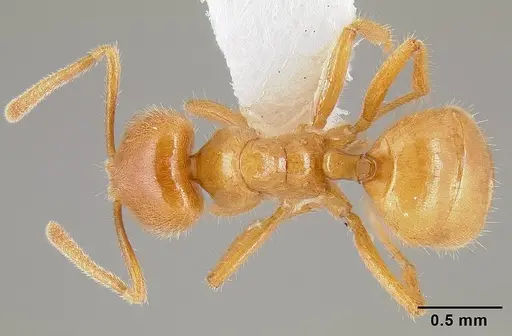
CASENT0172013
View on AntWeb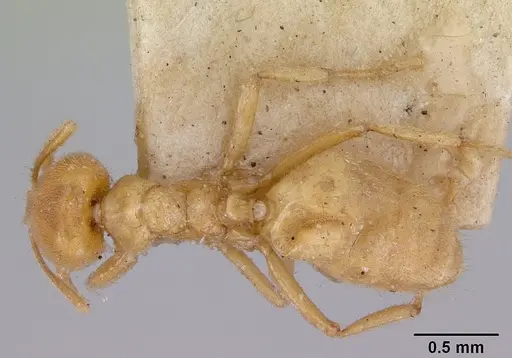
CASENT0172014
View on AntWeb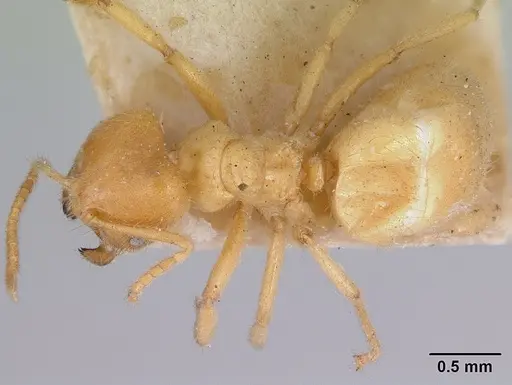
CASENT0249911
View on AntWeb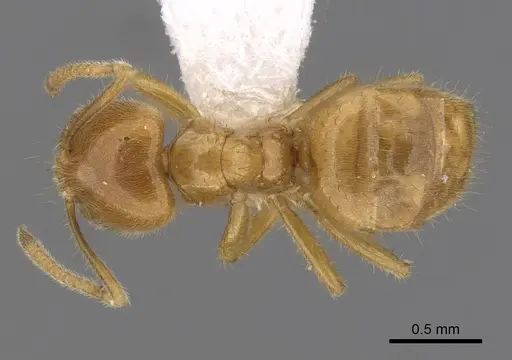
CASENT0903172
View on AntWeb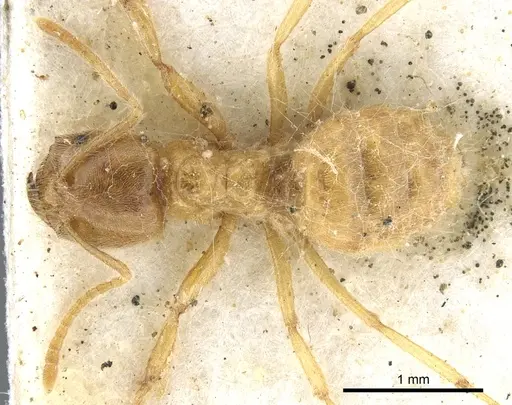
CASENT0903173
View on AntWeb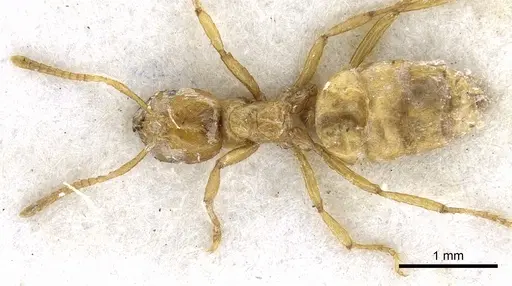
CASENT0903174
View on AntWeb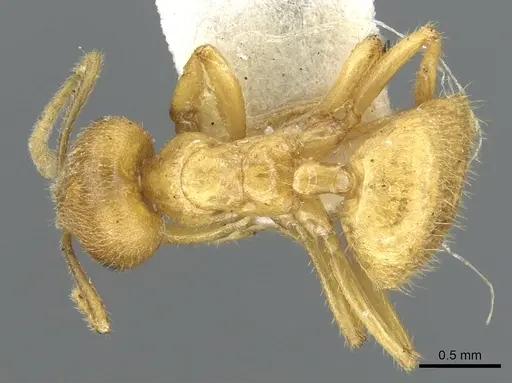
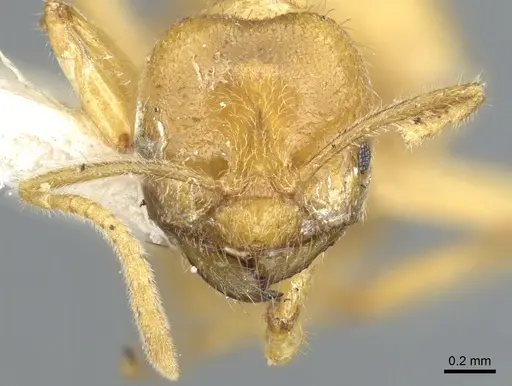
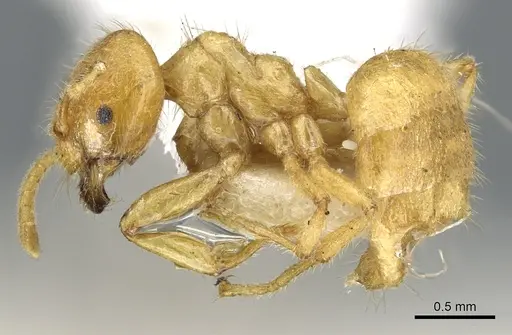
CASENT0905159
View on AntWeb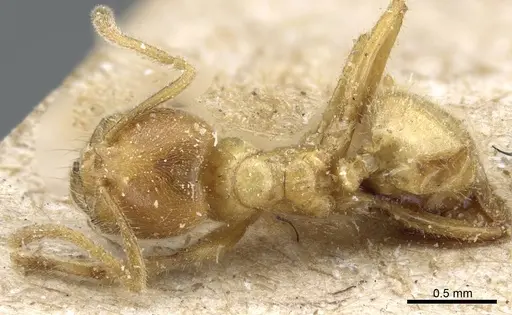
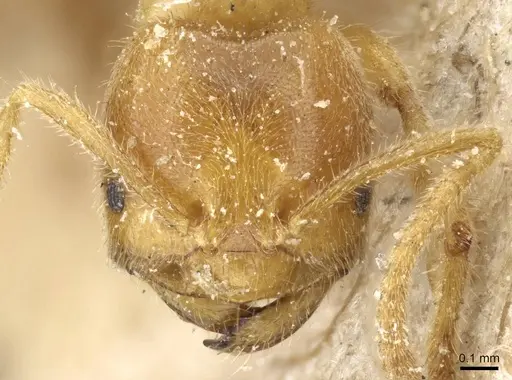
CASENT0905160
View on AntWeb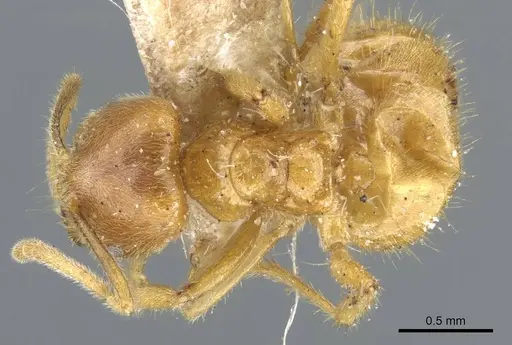
CASENT0909899
View on AntWeb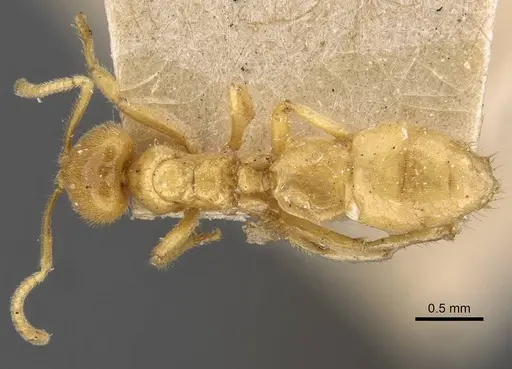
CASENT0915710
View on AntWeb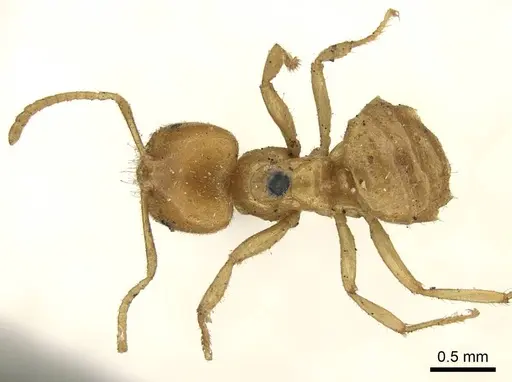
CASENT0916765
View on AntWeb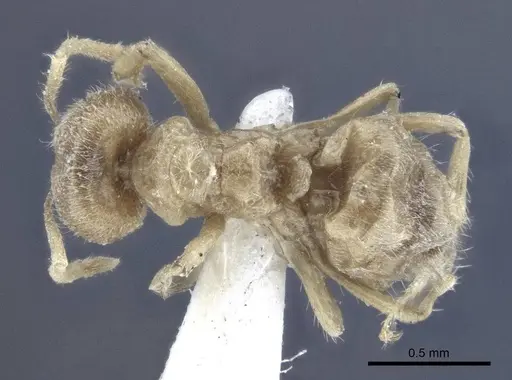
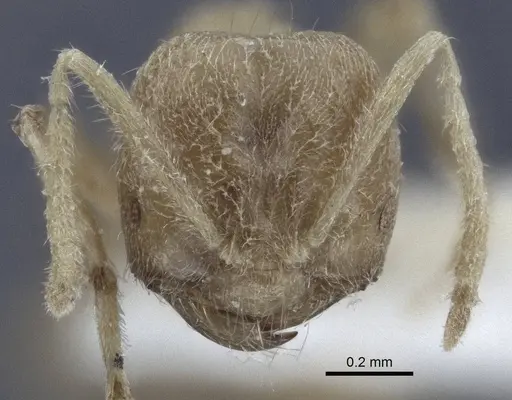
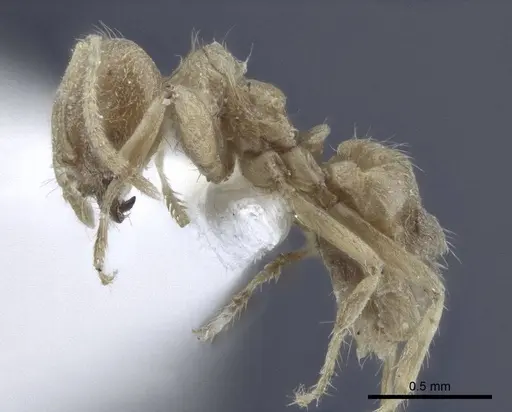
CASENT0917296
View on AntWeb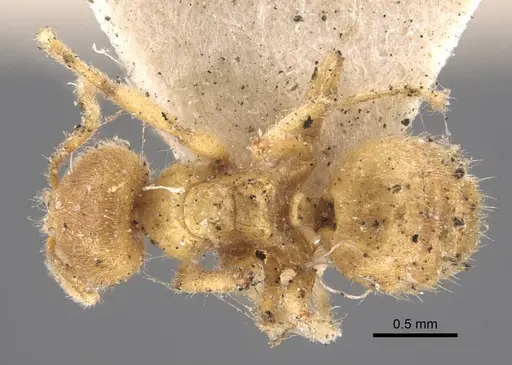
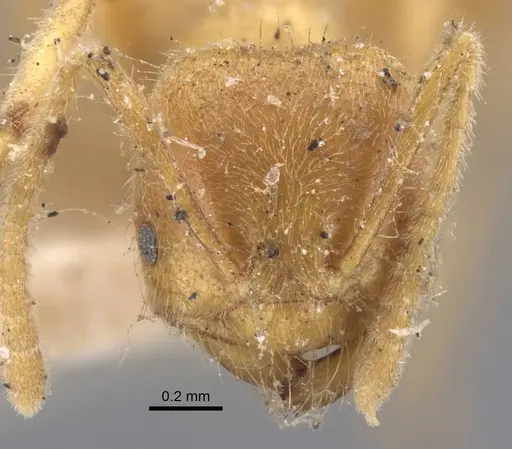
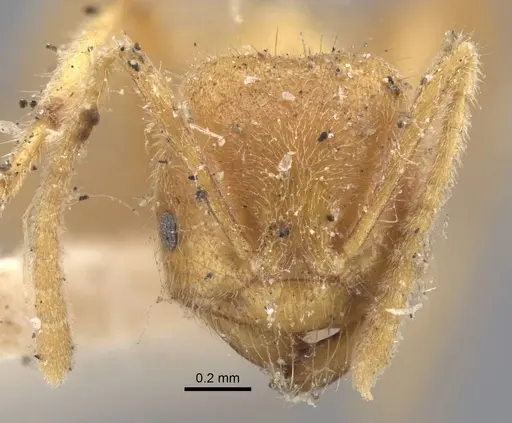
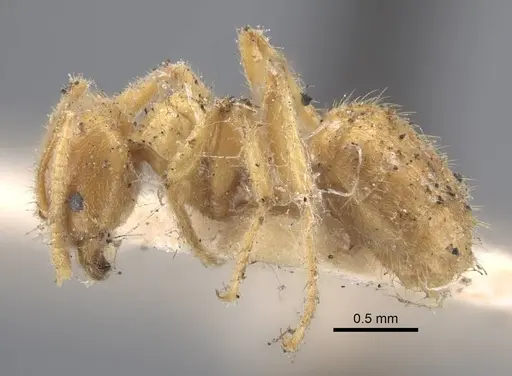
CASENT0919865
View on AntWeb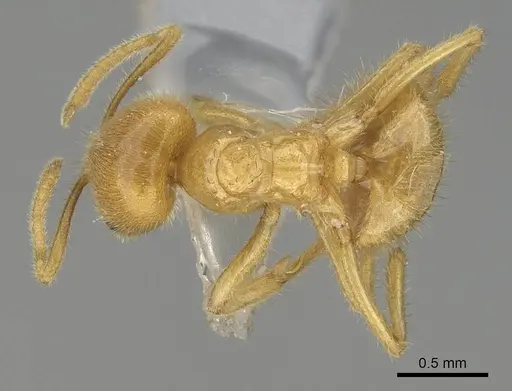
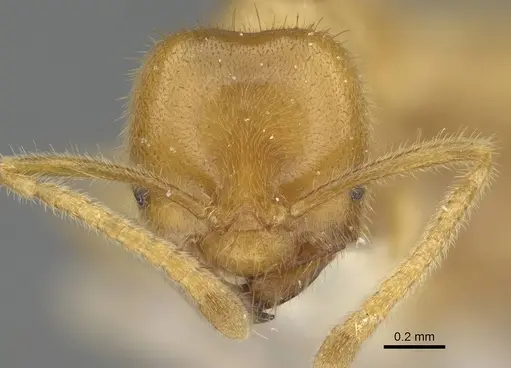
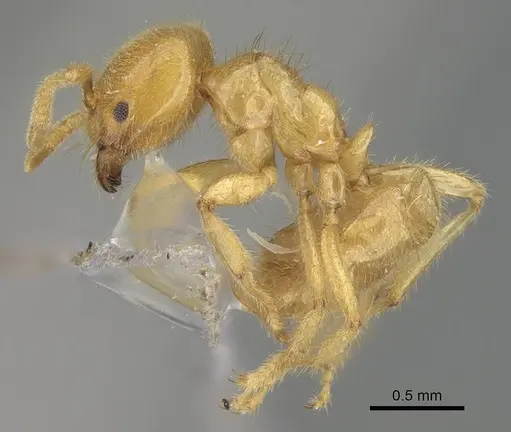
CASTYPE06984
View on AntWeb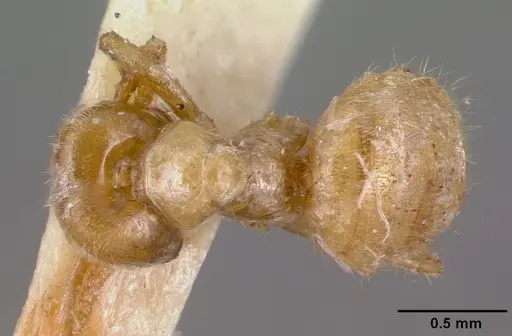
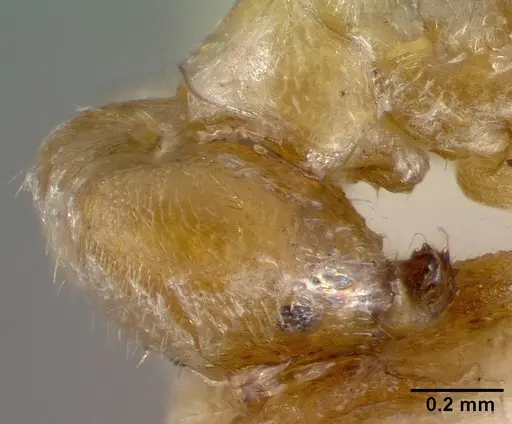
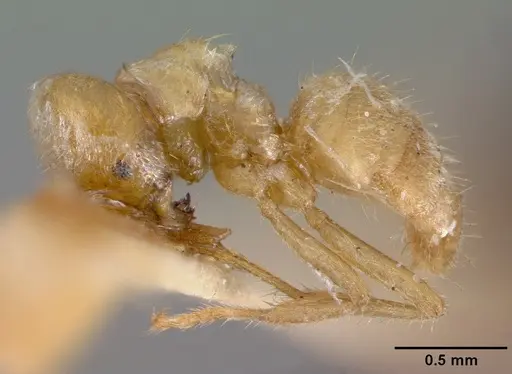
FOCOL0548
View on AntWeb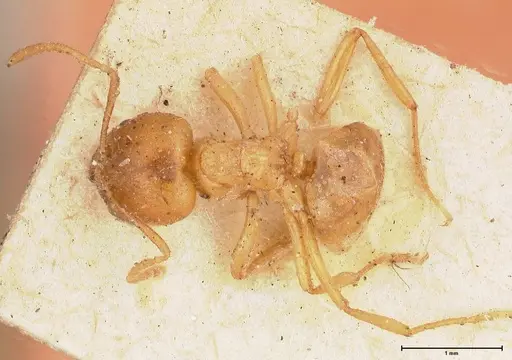
FOCOL2234
View on AntWeb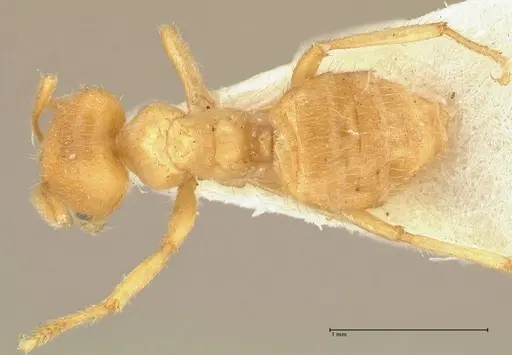
FOCOL2235
View on AntWeb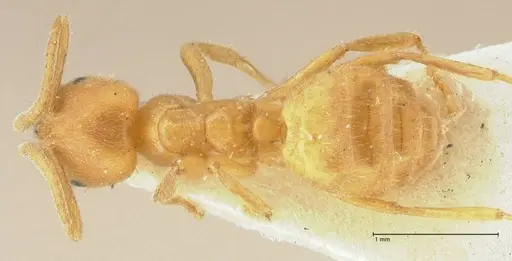
FOCOL2236
View on AntWeb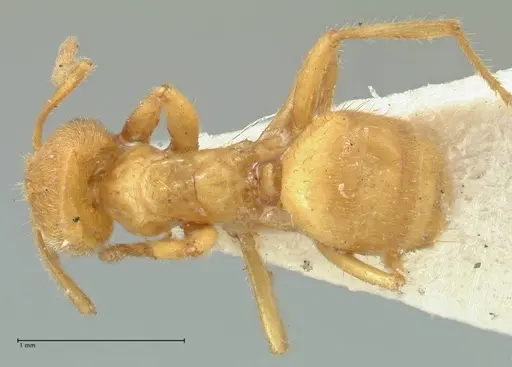
FOCOL2237
View on AntWeb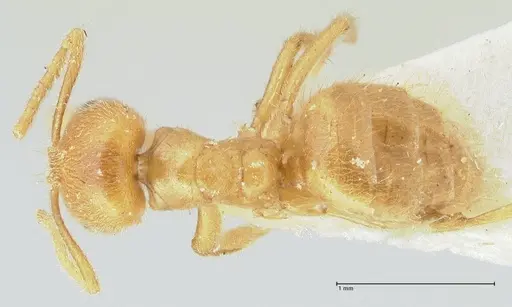
FOCOL2238
View on AntWeb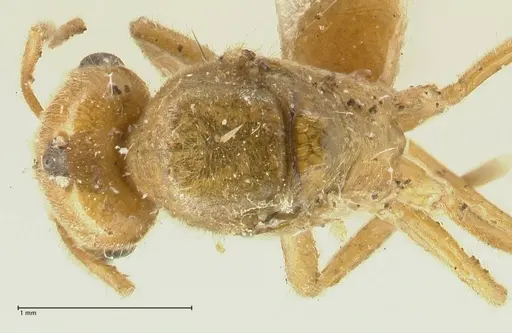
FOCOL2239
View on AntWeb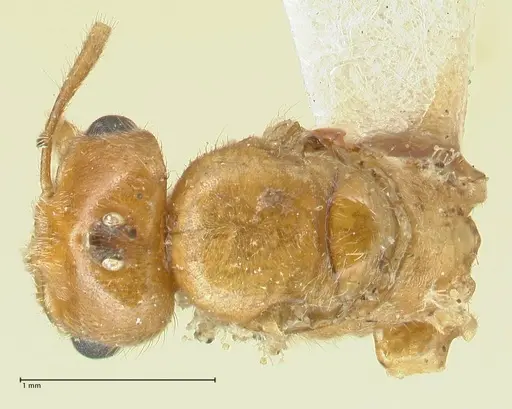
FOCOL2240
View on AntWeb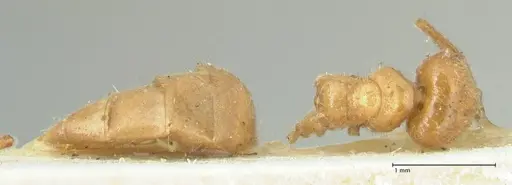
Literature
Loading distribution map...Loading products...