
Acromyrmex subterraneus
- Sci. Name
- Acromyrmex subterraneus
- Tribe
- Attini
- Subfamily
- Myrmicinae
- Author
- Forel, 1893
- Distribution
- Found in 6 countries
Introduction
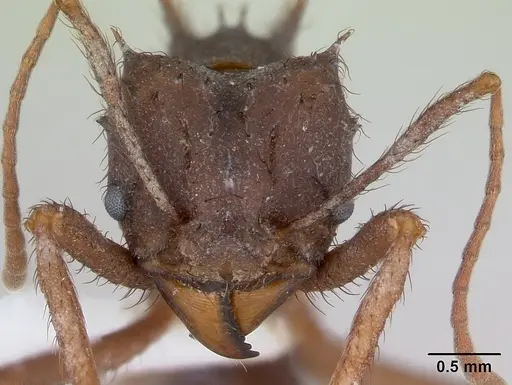
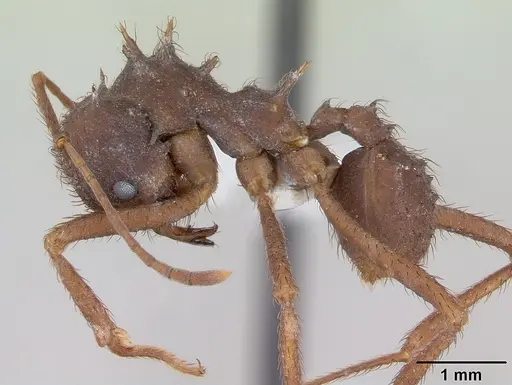
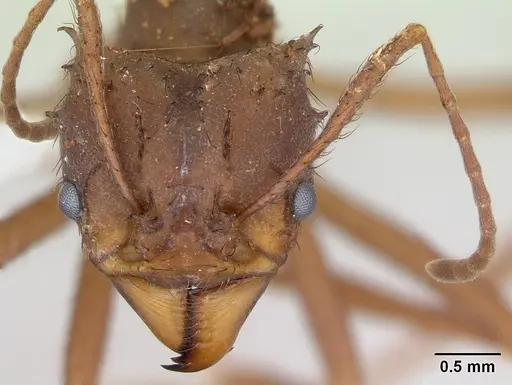
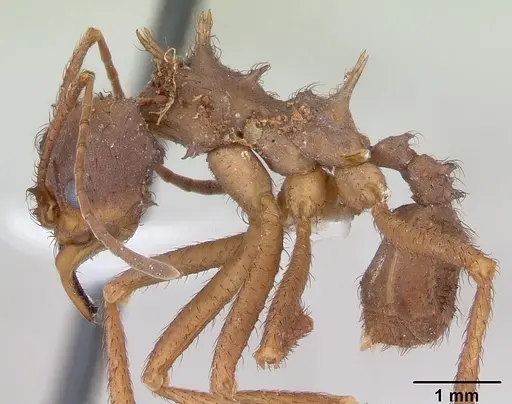
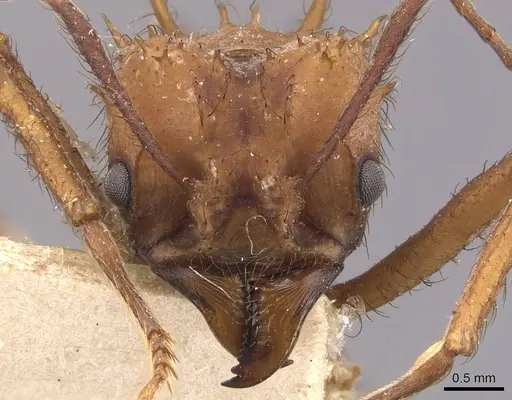
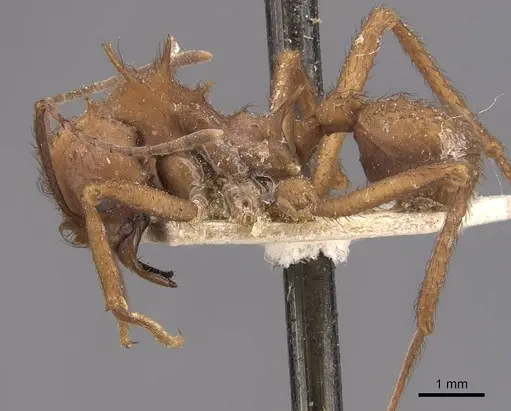
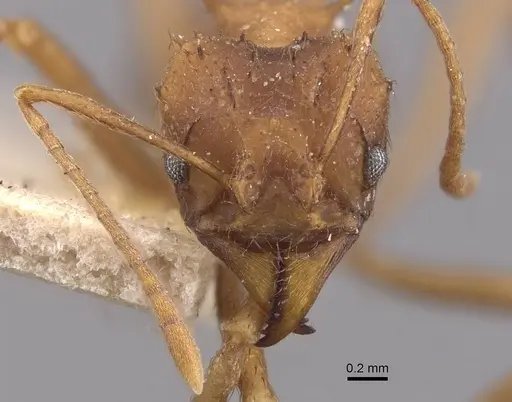
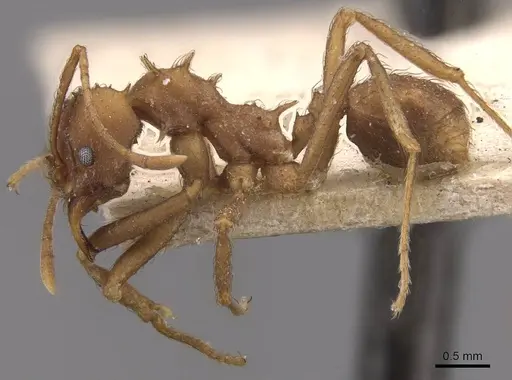
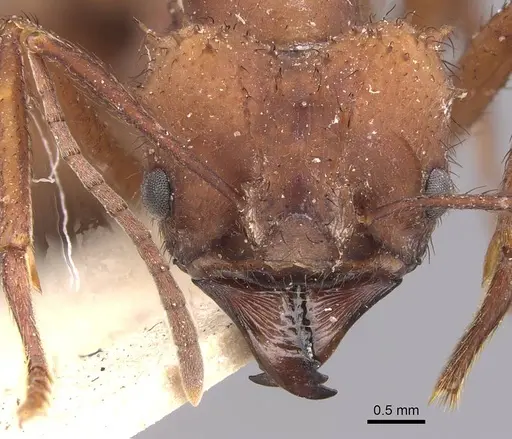
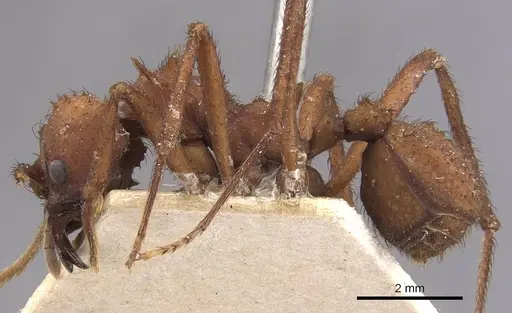
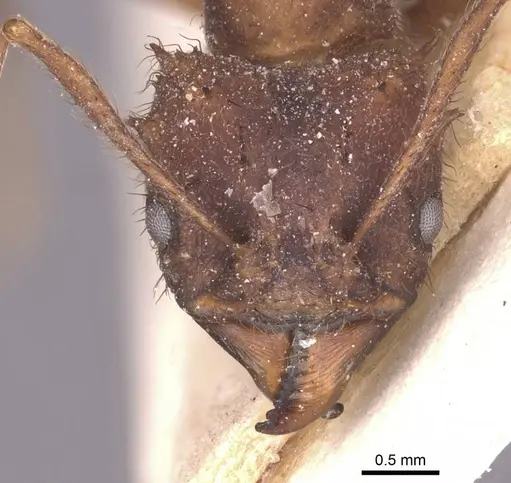
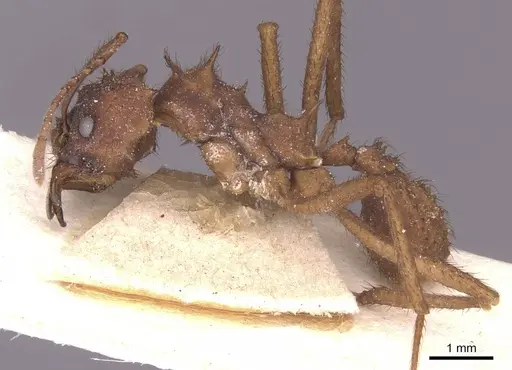
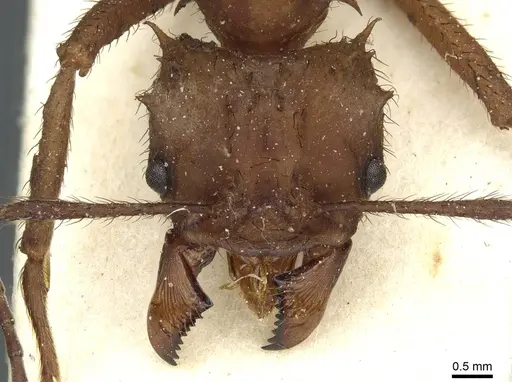
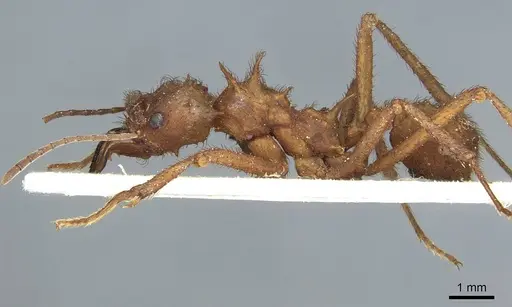
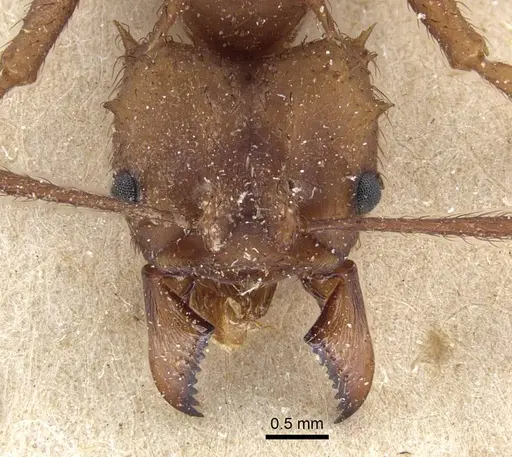
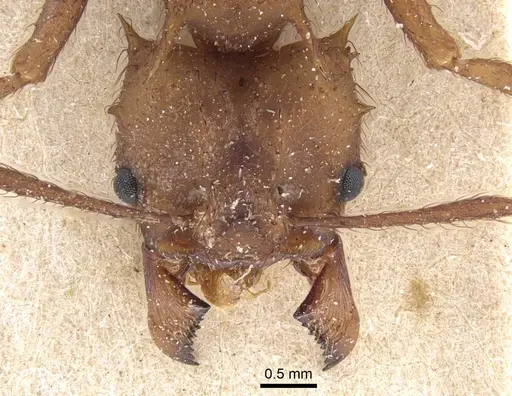
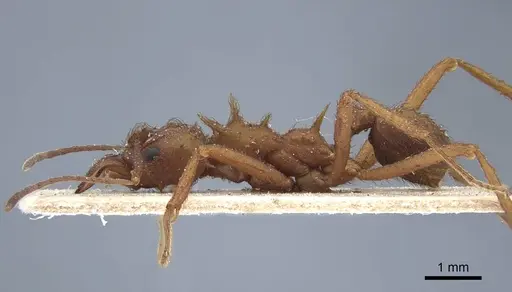
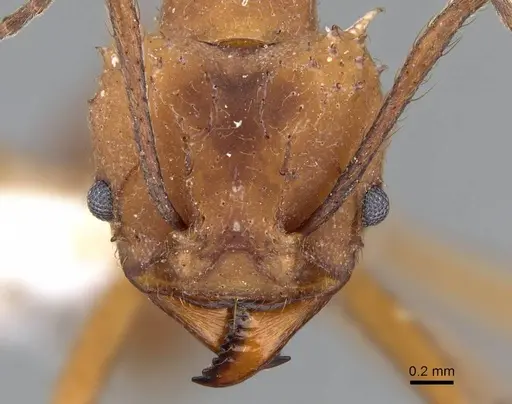
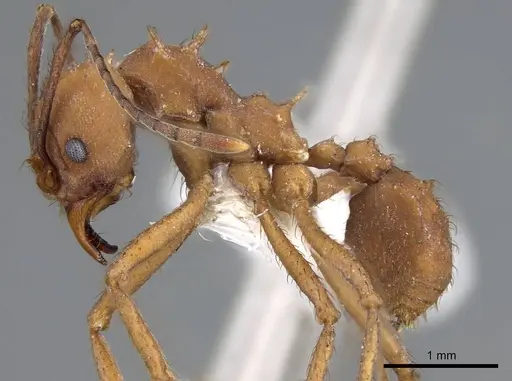
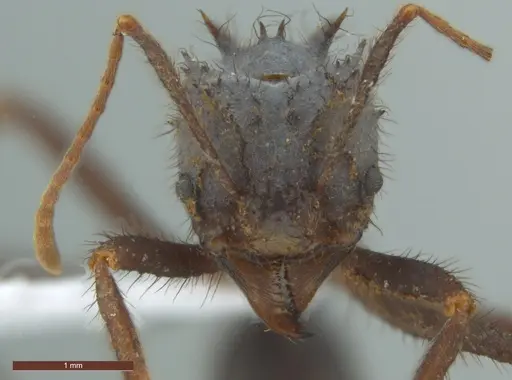
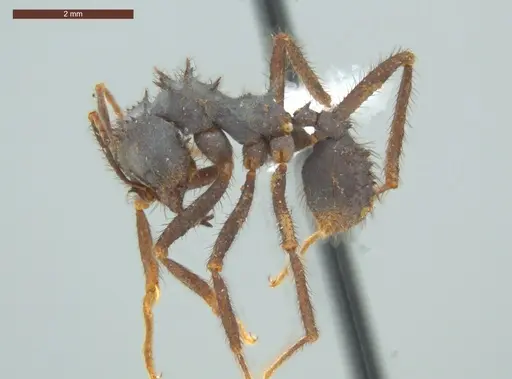
Acromyrmex subterraneus is a leafcutter ant native to the Neotropical region, found in Argentina, Bolivia, Brazil, Paraguay, and Peru . These ants cultivate the symbiotic fungus Leucoagaricus gongylophorus as their primary food source, cutting leaves and other plant material to feed it . Queens and major workers reach approximately 10 mm in body length, while males are smaller at around 8 mm . Workers display pronounced polymorphism with head capsule widths ranging from 0.7 mm to 2.0 mm across four size classes . This species is a major pest in Brazilian forestry, attacking eucalyptus and pine plantations . Colonies are facultatively polygynous, meaning they can contain either a single queen or multiple queens (up to 14 documented), with approximately 15-20% of urban colonies being polygynous . Foraging occurs primarily at night, peaking between 8pm and 2am, and workers exhibit sophisticated task partitioning where larger ants cut leaves while smaller ones transport them, often passing fragments in relay chains on longer trails . Note that this species was taxonomically revised in 2022,with former subspecies like brunneus now recognized as separate species .
Quick Summary
- Difficulty: Expert
- Origin & Habitat: Native to the Neotropical region: Argentina, Bolivia, Brazil, Paraguay, and Peru. Found in Atlantic Forest, Cerrado savanna, and eucalyptus plantations [1][2].
- Colony Type: Facultatively polygynous, colonies may have one queen or multiple queens (up to 14 observed). Workers accept additional queens through transport into the nest [9][10][13].
- Size & Growth:
- Queen: ~10 mm body length [4]
- Worker: Major workers up to 10 mm, head capsule widths range 0.98-2.47 mm [4][6]
- Colony: Up to 6,782 workers documented [14]
- Growth: Moderate
- Development: Approximately 9 weeks (63 days) for first workers to emerge [15] (Eggs appear in week 1,larvae in week 3,pupae in weeks 6-7. First generation averages 2 workers, colonies reach 24 workers by week 13 [15].)
- Antkeeping:
- Temperature: Maintain 25±2°C. Activity ceases below 10°C [9][8].
- Humidity: Maintain 70-80% relative humidity. The fungus garden requires consistent moisture, provide water via test tube and ensure substrate remains damp but not waterlogged [9].
- Diapause: No diapause required, being a tropical species, they remain active year-round if kept warm.
- Nesting: Use a formicarium with a dedicated fungus chamber. Young colonies nest superficially (11-20 cm deep) with single fungus chambers of 0.5-1.5 liters [16]. Y-tong or plaster nests work well. Provide a foraging area for daily plant material.
- Behavior: Primarily nocturnal with foraging peaks between 8pm and 2am [6]. Workers show clear division of labor: minor workers (0.7-0.8 mm head capsule) tend fungus and brood, while larger workers handle foraging and cutting [17]. They use trail pheromones (methyl 4-methylpyrrole-2-carboxylate) and rely on individual memory over social cues when information conflicts [18][19]. They possess a functional sting but primarily defend via biting and chemical secretions including myrmicacin from the metapleural gland [20].
- Common Issues: Fungus garden collapse from improper humidity or contaminated plant material, ensure pesticide-free leaves and consistent moisture., High queen mortality during founding, approximately 45% die in the first 2 weeks, and only ~30% survive to produce first workers [15]., Parasitoid wasp Szelenyiopria talitae can parasitize larvae, look for dark coloration through the cuticle. Infected colonies typically collapse within 2-3 months [26]., Pathogenic fungus Escovopsis can infect gardens, maintain hygiene and remove waste promptly [23]., Temperatures below 10°C stop all foraging and can stress the colony [8]., Imidacloprid and other neonicotinoids inhibit grooming defenses and should never be used near colonies [27].
Housing and Setup
Acromyrmex subterraneus requires a setup that accommodates their fungus-farming lifestyle. The nest needs a dedicated fungus chamber that stays consistently moist, Y-tong or plaster nests work well. Connect this to a spacious foraging arena where you can provide fresh plant material daily. Use a water test tube for drinking water. Because they are nocturnal and sensitive to light, keep the setup in a dim area or provide hiding spots. Apply Fluon or similar barrier to the rim of the foraging arena to prevent escapes. Young colonies nest superficially compared to other leafcutters, with fungus chambers only 11-20 cm deep and 0.5-1.5 liters in volume [16].
Feeding and the Fungus Garden
These ants are obligate fungus farmers, they cannot survive without their symbiotic fungus Leucoagaricus gongylophorus. Provide fresh leaf material daily from pesticide-free plants. They prefer dicotyledonous plants including rose petals, ligustrum, acalypha, and most broadleaf garden plants [21]. Workers will also collect flowers (18% of forage) and fruits (10%) [6]. Remove uneaten material after 24-48 hours to prevent mold. The workers macerate fungal staphylae and feed them to larvae, adults consume liquids from the fungus [22]. Never feed sugar water or protein, they obtain all nutrition from the fungus garden.
Temperature and Seasonal Care
Maintain temperatures around 25°C for optimal colony health [9][23]. These are tropical ants and will become inactive below 10°C [8]. Avoid placing nests near air conditioning vents or cold windows. Higher temperatures within safe limits increase activity and foraging. Humidity should be maintained at 70-80%, the fungus garden is sensitive to drying out [9]. Mist the nest area occasionally and ensure the water tube is always filled. Unlike temperate species, they do not require hibernation or winter cooling.
Colony Growth and Development
Understanding the life cycle helps with expectations. After nuptial flights in November-December, queens dig founding chambers and deposit a pellet of symbiotic fungus from their infrabuccal cavity [24][15]. About 45% of queens die in the first two weeks, often because they fail to establish the fungus. Queens that successfully regurgitate fungus have approximately 30% survival to first workers [15]. Eggs appear in week 1,larvae in week 3,pupae in weeks 6-7,and first workers around week 9. The first generation typically has only 2 workers. Growth is slow initially, a colony may take 6-12 months to reach 100 workers. Colonies can eventually grow to several thousand workers over several years [14].
Behavior and Division of Labor
A. subterraneus shows remarkable task partitioning based on worker size. Minor workers (0.7-0.8 mm head capsule) perform brood and fungus care, while media and major workers (1.2-2.0 mm) handle foraging and cutting [17]. This division is flexible, workers can switch tasks as needed. Foraging is primarily nocturnal, peaking between 8pm-2am [6]. On longer trails (over 10 m), cutters frequently transfer fragments to carriers in relay fashion, while on short trails (1 m), cutters carry directly to the nest [11]. Workers also show delayed rejection, they may initially accept unsuitable plant material but later discard it once the fungus proves incompatible [25].
Common Problems
The biggest threat is fungus garden failure. This can happen from improper humidity (too dry or too wet), contaminated plant material (pesticides, mold), or pathogen introduction. Signs of trouble include workers discarding fungus, reduced foraging, or fungus turning dark. The parasitoid wasp Szelenyiopria talitae can attack larvae, look for dark spots inside larvae indicating developing wasps. Infected colonies usually collapse within 2-3 months [26]. Queen founding has very high mortality, this is normal but frustrating. Also watch for escape attempts and ensure barriers are applied. Avoid using imidacloprid or other neonicotinoids near the colony as these chemicals inhibit their grooming defenses and increase susceptibility to entomopathogenic fungi [27][23].
Frequently Asked Questions
How long does it take for first workers to appear in Acromyrmex subterraneus?
First workers typically emerge around 9 weeks (63 days) after the nuptial flight at optimal temperature (25°C). Eggs appear in week 1,larvae in week 3,and pupae between weeks 6-7. The first generation usually produces only 2 workers [15].
What do Acromyrmex subterraneus ants eat?
They are fungus farmers, they do not eat leaves directly but cut them to cultivate their symbiotic fungus Leucoagaricus gongylophorus. The ants eat the fungal gongylidia and feed these to larvae. Provide fresh, pesticide-free leaves daily. They prefer dicotyledonous plants like rose, ligustrum, and acalypha [6][21].
Can I keep multiple queens together in one colony?
Yes, this species is facultatively polygynous, they can have either single or multiple queens. About 15-20% of colonies in urban areas have multiple queens, and up to 14 queens have been documented in a single colony. Workers will accept additional queens if introduced carefully, and adopted queens can lay eggs alongside the original queen. However, for starting a colony, begin with one queen [9][10][13].
What temperature do they need?
Keep them at 25±2°C. They are tropical ants and will stop foraging below 10°C. Room temperature is usually suitable, but avoid cold drafts. Higher temperatures within safe limits can increase activity [9][8].
Why is my fungus garden dying?
Fungus garden collapse usually has three causes: (1) improper humidity, too dry or waterlogged, (2) contaminated plant material with pesticides or mold, or (3) parasitic fungus Escovopsis. Check your humidity levels, ensure plant material is clean, and remove uneaten material promptly. If the fungus turns dark or workers actively discard it, the colony is in trouble [23][28].
Are these ants good for beginners?
No. These are expert-level ants due to their specific fungus-farming requirements. The biggest challenge is maintaining a healthy fungus garden, which requires daily fresh plant material, precise humidity control, and protection from pathogens. They are easier than Atta species (giant leafcutters) because their colonies stay smaller initially, but they remain demanding [1].
When do they need to move to a formicarium?
Start with a simple setup, a test tube setup for the founding queen works for the initial weeks. Once the colony reaches 50+ workers and you see an established fungus garden, transfer to a proper formicarium with a dedicated fungus chamber. They need daily fresh plant material, so ensure the foraging area is accessible [9].
Do they need hibernation?
No, they are tropical ants and do not require hibernation. Keep them at warm temperatures year-round. They may show slightly reduced activity during cooler months, but this is not a true diapause [8].
How big do colonies get?
Colonies can grow to several thousand workers over several years. Laboratory colonies with 6,782 workers have been documented. Growth is slow initially, expect 6-12 months to reach 100 workers, with faster growth thereafter [14].
Report an Issue
The current care sheet is based fully on literature. See inconsistencies, or something that's incorrect? Please , it will be resolved after review from an admin. Contributing to the blogs tab also helps providing information, to make us be able to further improve the caresheets. Thank you for your support!
References

This caresheet is licensed under CC BY-SA 4.0 .
Community Blogs
CASENT0173804
View on AntWeb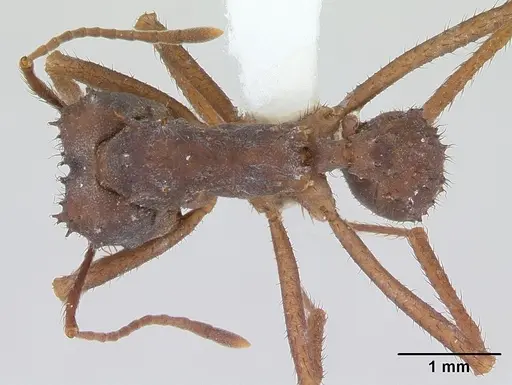
CASENT0173805
View on AntWeb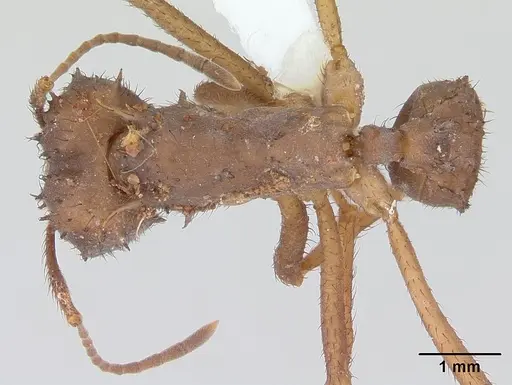
CASENT0909425
View on AntWeb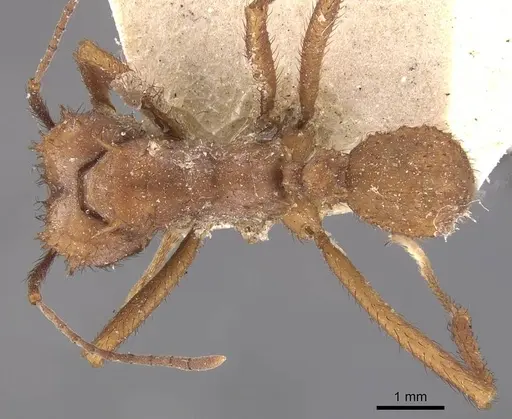
CASENT0909426
View on AntWeb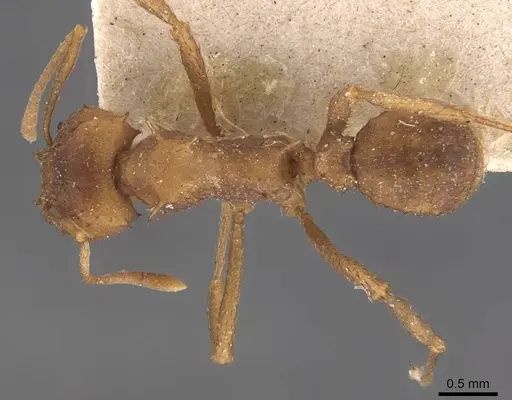
CASENT0909428
View on AntWeb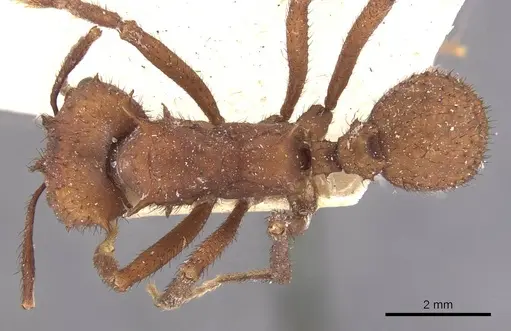
CASENT0912472
View on AntWeb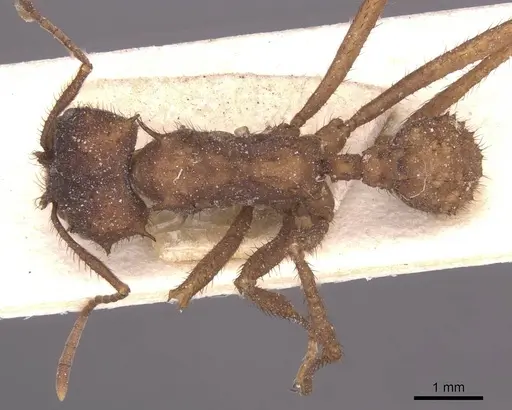
CASENT0912476
View on AntWeb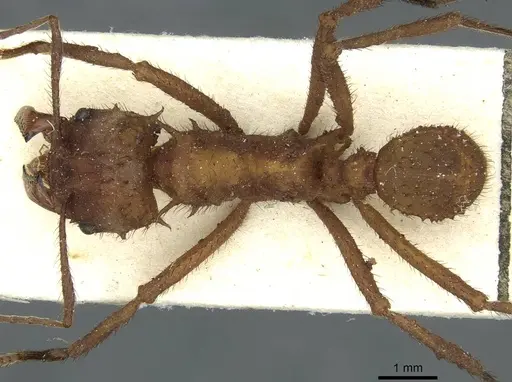
CASENT0917091
View on AntWeb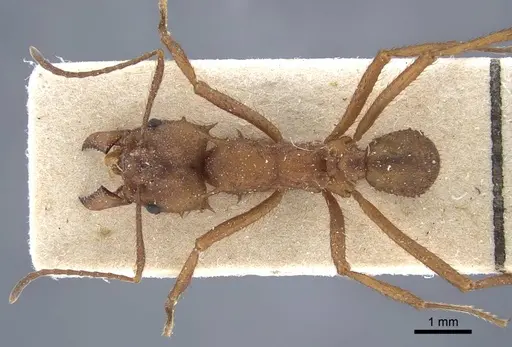
CASENT0922031
View on AntWeb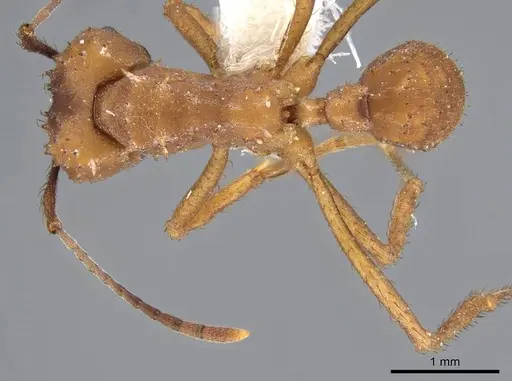
ECOFOG-IT14-0958-18
View on AntWeb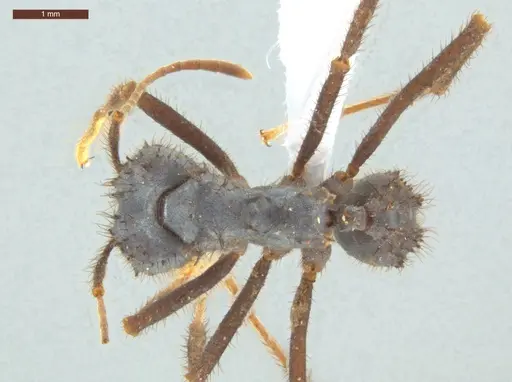
Literature
Loading distribution map...Loading products...