
Acromyrmex rugosus
- Sci. Name
- Acromyrmex rugosus
- Tribe
- Attini
- Subfamily
- Myrmicinae
- Author
- Smith, 1858
- Distribution
- Found in 6 countries
Introduction
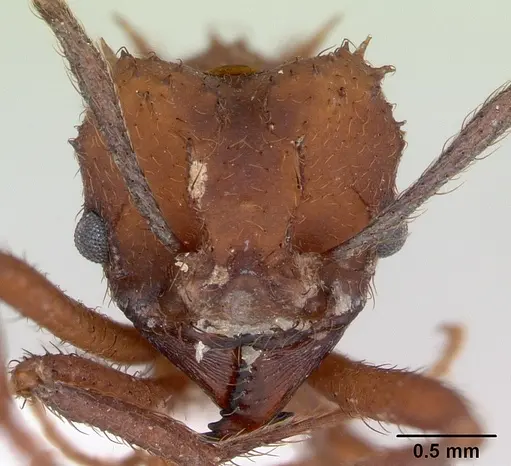
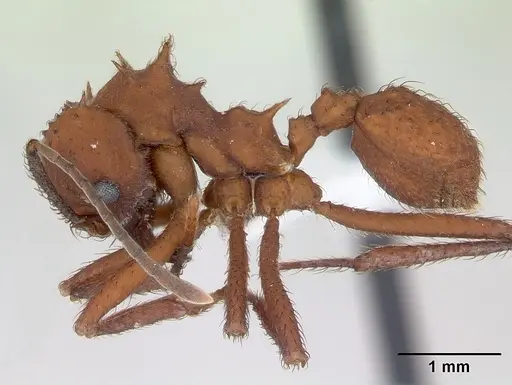
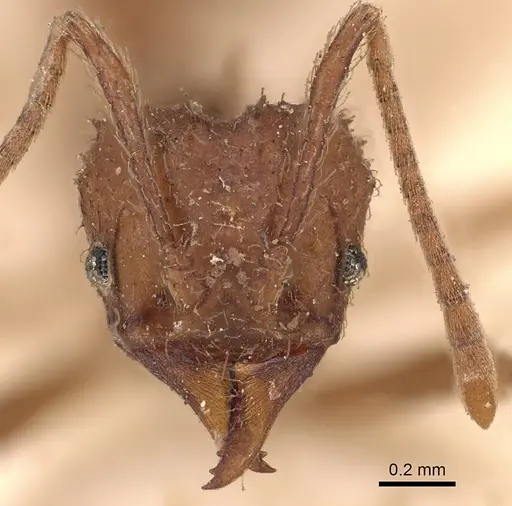
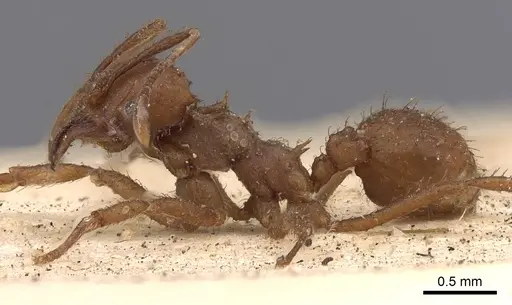
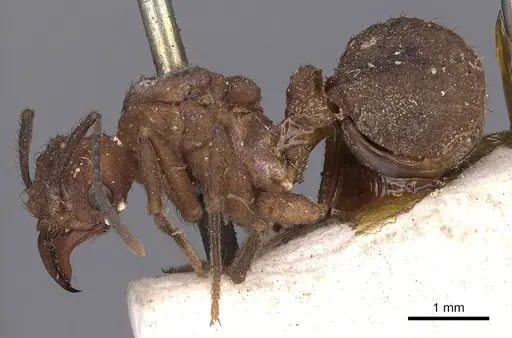
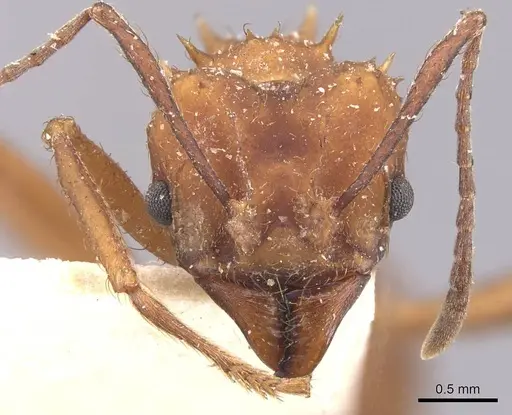
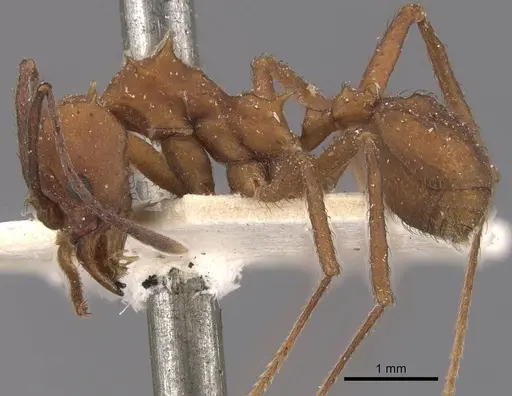
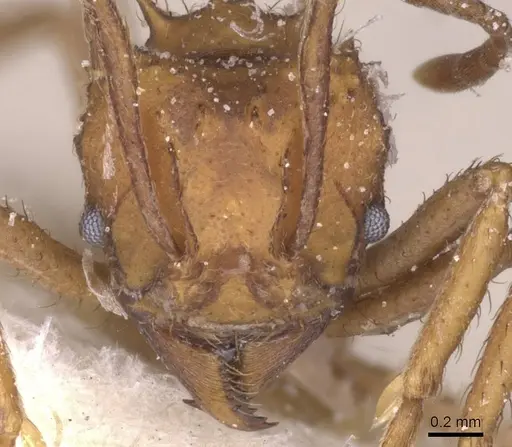
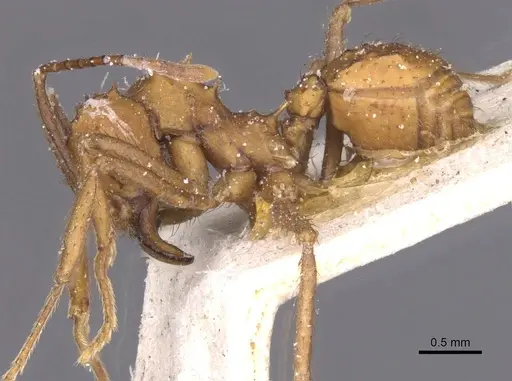
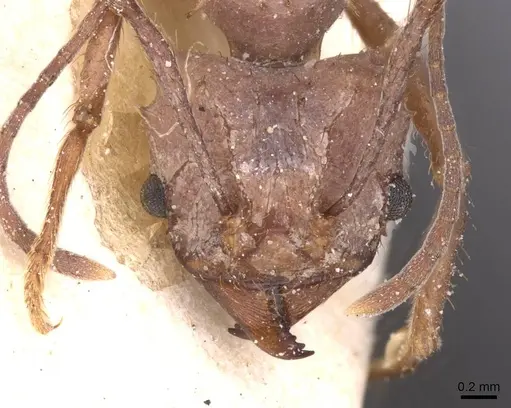
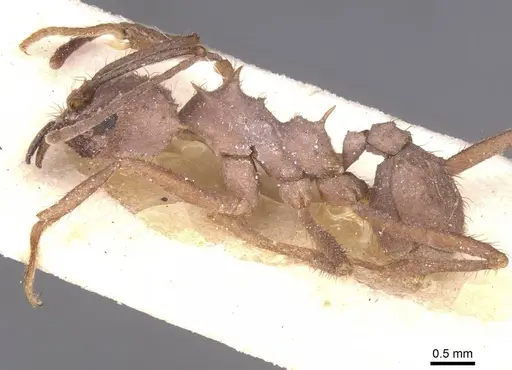
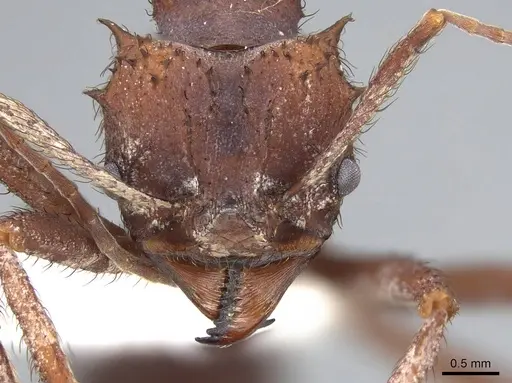
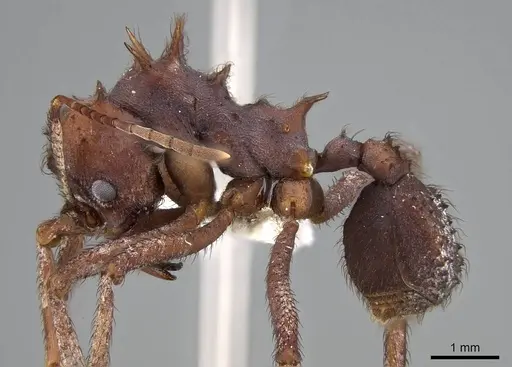
Acromyrmex rugosus is a leaf-cutting ant found across South America from Argentina to Colombia, living in habitats ranging from dry cerrado to Amazon rainforest . Workers are medium-sized at 6-8 mm with the spiny, armored look typical of the genus . Colonies are moderate in size, usually housing a few hundred workers rather than the millions seen in some leaf-cutter species . What makes this species unusual among leaf-cutters is their waste management: while most dump exhausted fungal substrate outside the nest, Acromyrmex rugosus stores waste in special underground chambers . They are also a frequent host for social parasites like Acromyrmex fowleri in some populations . In captivity, they require the same specialized fungus-garden care as other higher attines, making them suitable only for experienced keepers ready to maintain live fungal cultures.
Quick Summary
- Difficulty: Expert
- Origin & Habitat: South America (Argentina, Bolivia, Brazil, Colombia, French Guiana, Paraguay, Peru, Uruguay) in cerrado, caatinga, restinga, and Amazon rainforest [1][4]
- Colony Type: Monogynous, single queen per colony with no documented polygyny [1][5]
- Size & Growth:
- Queen: Approximately 10-12 mm, inferred from genus patterns
- Worker: 6-8 mm [2]
- Colony: Up to 2,029 workers, averaging around 519 workers at maturity [1][6]
- Growth: Moderate
- Development: Approximately 9 weeks (62.9 days) at tropical temperatures [7] (Egg stage lasts ~18 days, larvae ~27 days, pupae ~20 days. Development requires warm stable temperatures year-round [7].)
- Antkeeping:
- Temperature: Warm tropical conditions, ideally 24-28°C year-round. They cannot tolerate cold and do not hibernate [1]
- Humidity: Moderate to high humidity (60-80%). Nest chambers should feel damp but not waterlogged, with good ventilation to prevent mold [3][6]
- Diapause: No, tropical species active year-round [1]
- Nesting: Underground fungus gardens with multiple chambers. In captivity, use a deep substrate setup or specialized fungus-growing formicarium with humidity control and space for waste chambers [1][6]
- Behavior: Active leaf-foragers that travel in trails. They cut fresh plant material and process it into fungal substrate. Workers can sting and bite when threatened. They show aggressive defense against army ant raids [8]. Because they forage above ground, excellent escape prevention is essential [1]
- Common Issues: fungus garden failure from contaminated substrate or incorrect plant material, this will kill the colony within days, escape attempts through small gaps, workers are persistent climbers and will find any weakness in ventilation mesh, mites and mold infestations in the fungus garden from poor ventilation or overly wet conditions, queen death during founding if fungus pellet is damaged or desiccates, offering dried or toxic plants that poison the symbiotic fungus, only fresh, pesticide-free vegetation is safe
Nest Preferences and Architecture
In nature, Acromyrmex rugosus builds underground nests with 1 to 26 chambers connected by tunnels, reaching depths of 25-185 cm [1][6]. The fungus chambers are typically ovoid, measuring 6-21 cm high and 5-30 cm wide, often supported by plant roots [6]. Unlike most leaf-cutting ants that dump waste outside, this species creates underground waste chambers to store exhausted fungal substrate and other refuse [1][3]. These waste chambers can be located 20-70 cm deep and are sometimes blocked off with soil once full [3].
In captivity, you must provide a setup that accommodates their fungus garden. A deep container with 15-20 cm of substrate works well, or specialized fungus-growing formicariums with multiple connected chambers. The nest needs to maintain humidity without becoming waterlogged, think damp forest soil, not swamp. Provide a separate area or chamber where they can deposit old fungus, mimicking their natural waste chamber behavior [1].
Feeding and Fungus Garden Care
These ants cultivate the fungus Leucoagaricus gongylophorus as their primary food source [9]. They feed the fungus fresh plant material, preferring dicotyledonous plants over grasses [10]. In the wild they cut leaves from cassava, cotton, beans, corn, citrus, and eucalyptus, among others [5].
In captivity, offer fresh, pesticide-free leaves and flower petals daily. Good options include bramble, rose, oak, and fruit tree leaves. Avoid plants with high defensive compounds like aromatic herbs or toxic species. The ants will cut the leaves into pieces, chew them into a pulp, and use this to grow their fungus. Remove any uneaten plant material after 24 hours to prevent mold. They do not need protein supplements like other ants, the fungus provides all their nutrition. Never let the fungus dry out or become contaminated with human food or chemicals [11].
Temperature and Environmental Control
Acromyrmex rugosus thrives in warm tropical conditions. Keep the nest area between 24-28°C year-round. They do not enter diapause and will remain active throughout winter if kept warm [1].
Use a heating cable or mat on one side of the nest to create a thermal gradient, allowing the ants to choose their preferred temperature. Monitor the fungus garden closely, if it starts to overheat or dry out, the colony will fail. Humidity should stay moderate to high, around 60-80%, but with adequate ventilation to prevent stagnant air and mold growth. The substrate should feel damp to the touch but not soggy [3].
Colony Founding and Development
New colonies are founded by single queens (monogynous) after mating flights that occur from December to March during the warm, rainy austral summer [1][12]. The queen carries a fungal pellet from her parent colony and seals herself in a chamber to raise the first generation of workers alone.
Development from egg to worker takes approximately 9 weeks (62.9 days) under tropical conditions: eggs hatch in about 18 days, larvae develop for 27 days, and pupae take 20 days to emerge [7]. Queens can lay 5 to over 100 eggs per day depending on colony size and conditions [7]. Workers live 3-7 months on average [7]. Growth is steady but not explosive, colonies typically reach a few hundred workers rather than the massive sizes of Atta leaf-cutters [1].
Waste Management Behavior
One of the most distinctive traits of Acromyrmex rugosus is how they handle waste. While most leaf-cutting ants carry exhausted fungal substrate and dead ants outside to refuse piles, this species deposits waste in underground chambers within the nest [1][3]. These chambers may be sealed off once full, creating a kind of underground landfill [3].
In captivity, you may notice them piling old fungus in specific corners or chambers. Do not clean this out completely unless it becomes moldy, they manage it themselves. However, ensure the waste area does not contaminate the main fungus garden. Good ventilation helps prevent the waste chambers from becoming sources of harmful bacteria or mold [3].
Frequently Asked Questions
Can I keep Acromyrmex rugosus in a test tube?
No. Unlike many beginner ant species, leaf-cutting ants require a fungus garden to survive. A test tube setup cannot maintain the humidity, space, and substrate needed for fungal cultivation. You need a specialized fungus-growing setup with multiple chambers and proper ventilation.
What do Acromyrmex rugosus eat?
They eat fungus, not the leaves they collect. The ants cut fresh plant material (preferably dicot leaves like bramble, rose, or oak) and use it to grow their symbiotic fungus Leucoagaricus gongylophorus. The fungus produces nutritious structures called gongylidia that the ants consume [9][10].
How long until first workers for Acromyrmex rugosus?
Approximately 9 weeks (62-63 days) from egg laying at tropical temperatures around 25-28°C. The egg stage lasts about 18 days, larvae develop for 27 days, and pupae take 20 days before emerging as workers [7].
Do Acromyrmex rugosus need hibernation?
No. They are a tropical species from South America and remain active year-round. They do not enter diapause and should be kept warm (24-28°C) throughout winter [1].
Can I keep multiple Acromyrmex rugosus queens together?
No. This species is strictly monogynous, colonies have only one queen. If you attempt to combine multiple queens, they will fight until only one survives or all die [1][5].
Are Acromyrmex rugosus dangerous?
They can bite and sting, though they are not aggressive like fire ants. Their mandibles are sharp for cutting leaves and can break skin. The main danger is to plants, they can defoliate garden plants if allowed to forage freely. Handle the nest carefully to avoid crushing the fungus garden, which would kill the colony.
Why is my Acromyrmex rugosus fungus dying?
Fungus death is the most common cause of colony failure. Causes include: using pesticide-treated plants, substrate that is too dry or too wet, poor ventilation leading to mold, contaminated food, or temperature extremes. Only feed fresh, organic leaves and flowers, maintain consistent humidity, and ensure good air flow.
How big do Acromyrmex rugosus colonies get?
They are moderate-sized leaf-cutters, reaching up to 2,000 workers with an average around 500 workers at maturity [1][6]. They do not reach the massive sizes of Atta species but still require significant space for their fungus gardens.
When do Acromyrmex rugosus have nuptial flights?
In their native South America, mating flights occur from December to March during the warm, rainy austral summer months [1][12].
Report an Issue
The current care sheet is based fully on literature. See inconsistencies, or something that's incorrect? Please , it will be resolved after review from an admin. Contributing to the blogs tab also helps providing information, to make us be able to further improve the caresheets. Thank you for your support!
References

This caresheet is licensed under CC BY-SA 4.0 .
Community Blogs
CASENT0173802
View on AntWeb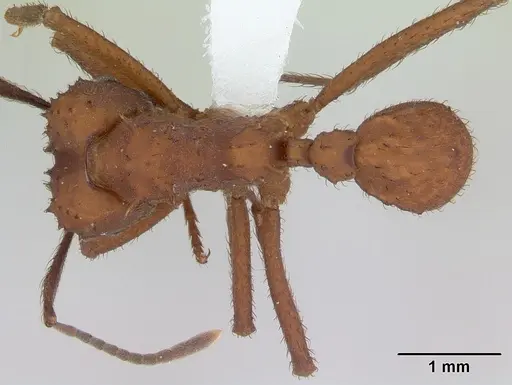
CASENT0900494
View on AntWeb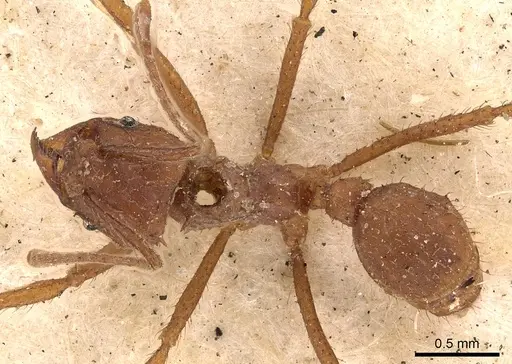
CASENT0900495
View on AntWeb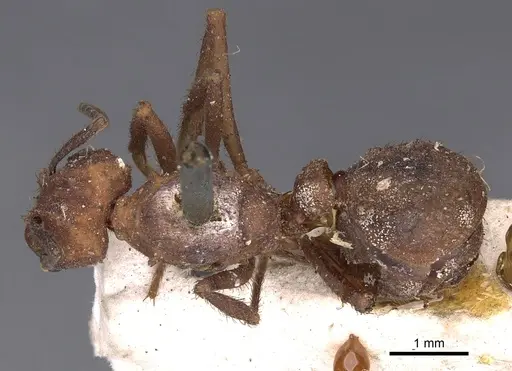
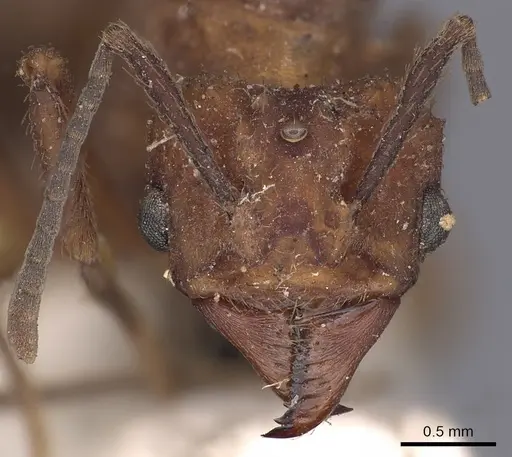
CASENT0909423
View on AntWeb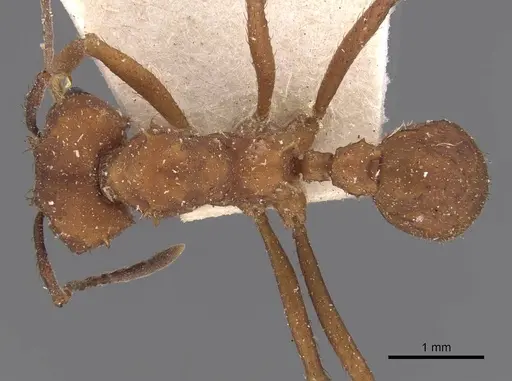
CASENT0912470
View on AntWeb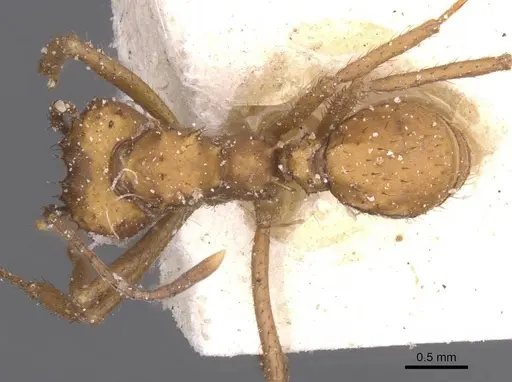
CASENT0912471
View on AntWeb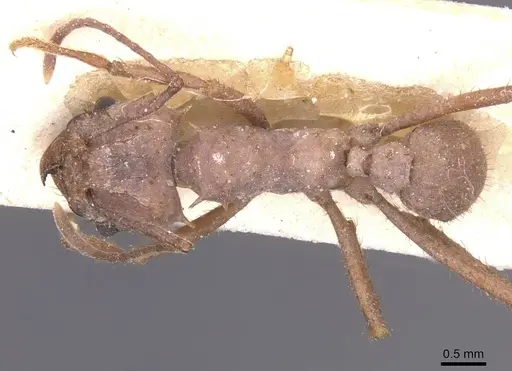
CASENT0922029
View on AntWeb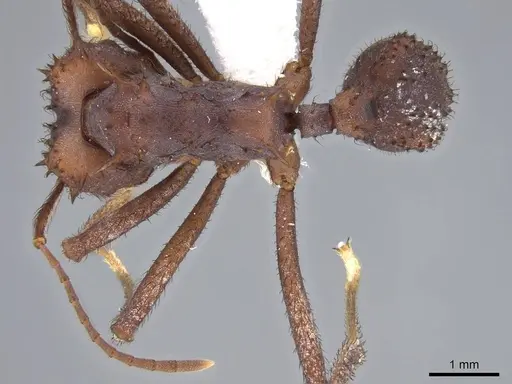
Literature
Loading distribution map...Loading products...