Acromyrmex octospinosus shows a April to July activity window. Peak activity occurs in June, with queen sightings distributed across 4 months.
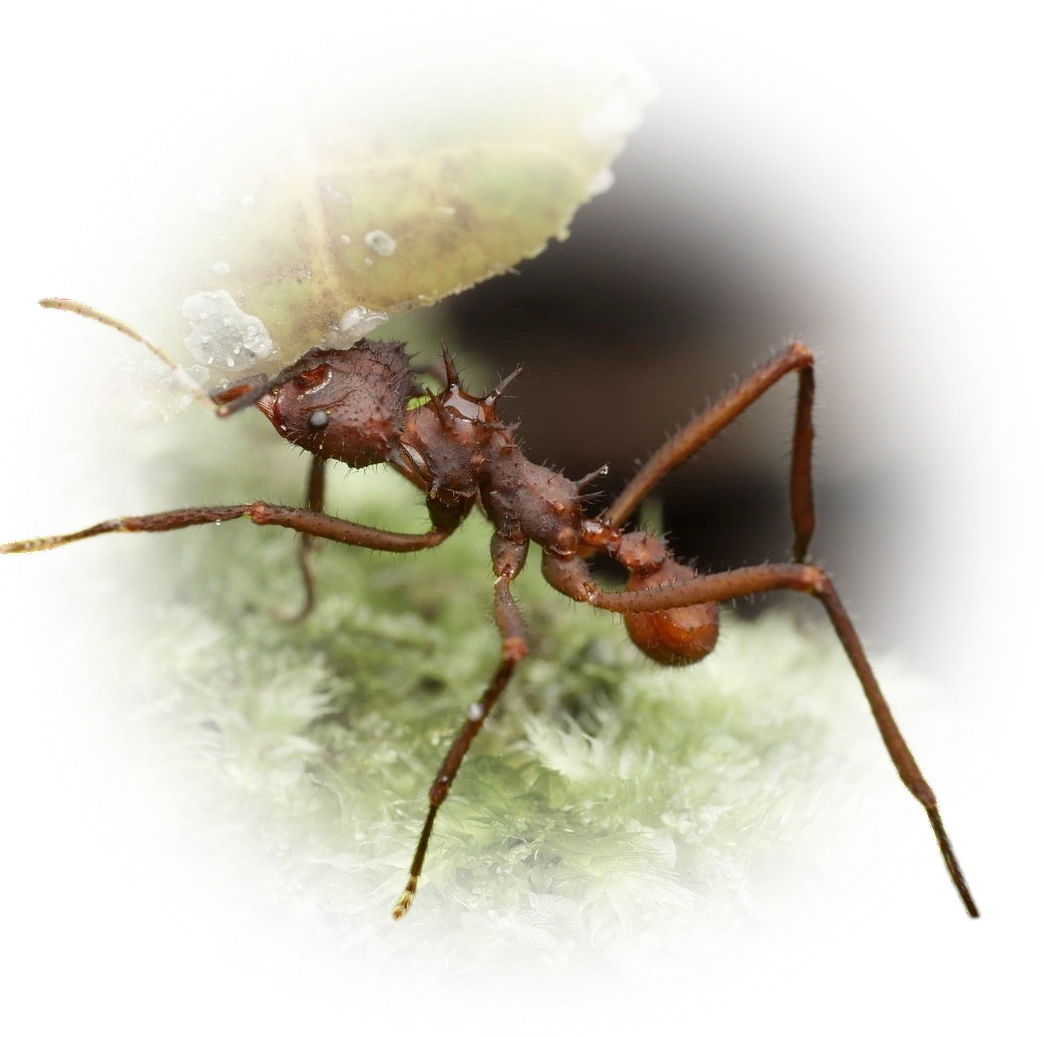
Acromyrmex octospinosus
- Sci. Name
- Acromyrmex octospinosus
- Tribe
- Attini
- Subfamily
- Myrmicinae
- Author
- Reich, 1793
- Distribution
- Found in 9 countries
- Queen Activity
- From April to July
- Peak Time
- 05:00
AI Identifiable
try →
Introduction
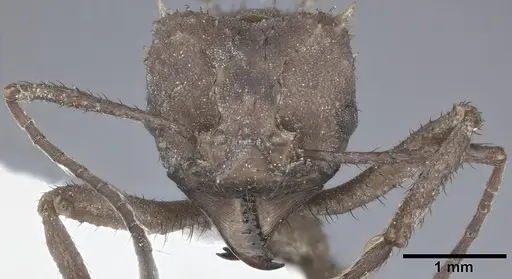
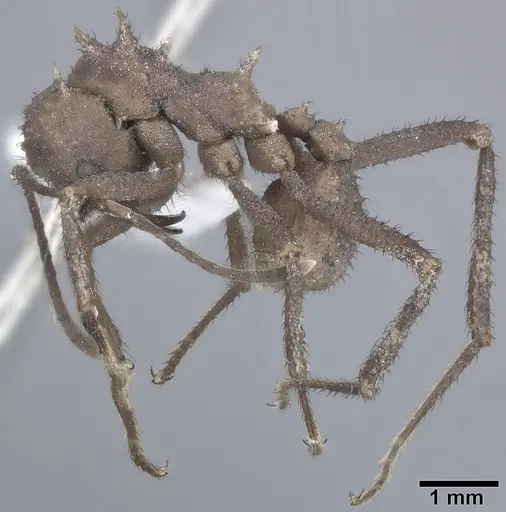
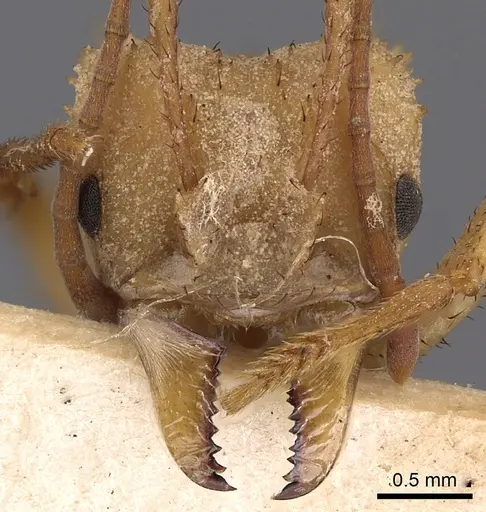
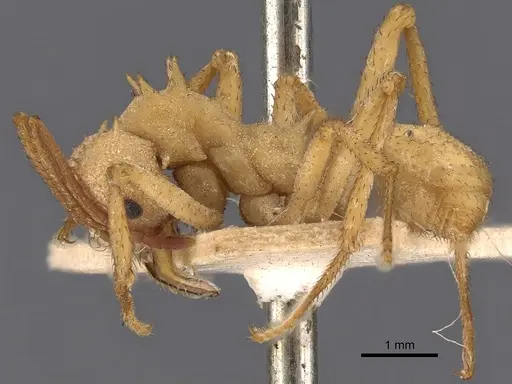
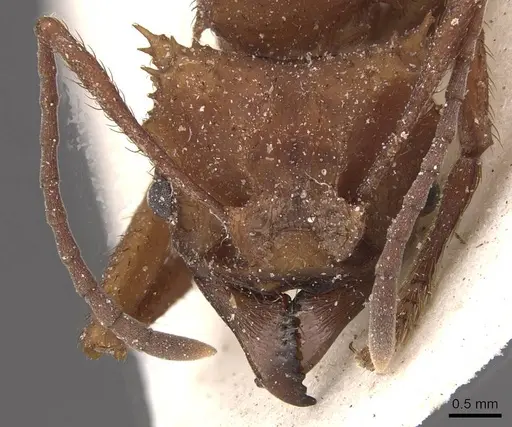
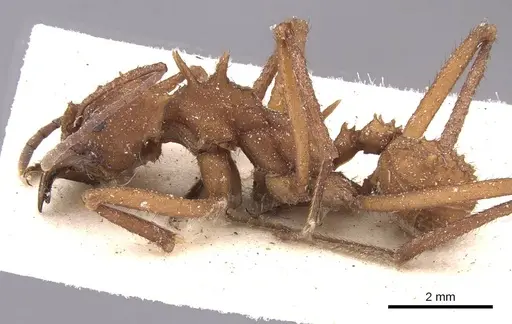
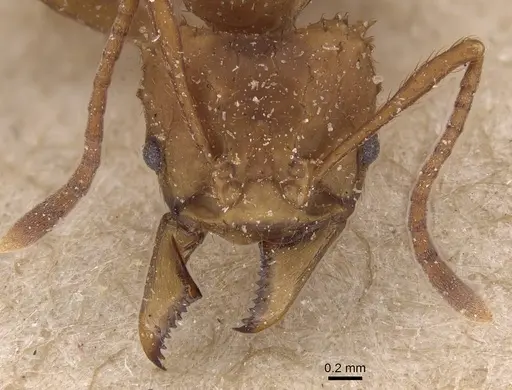
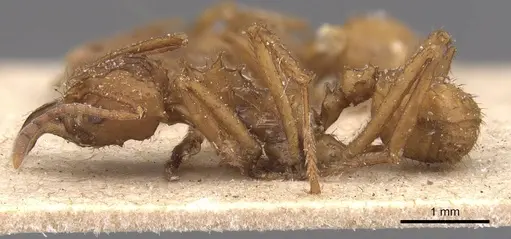
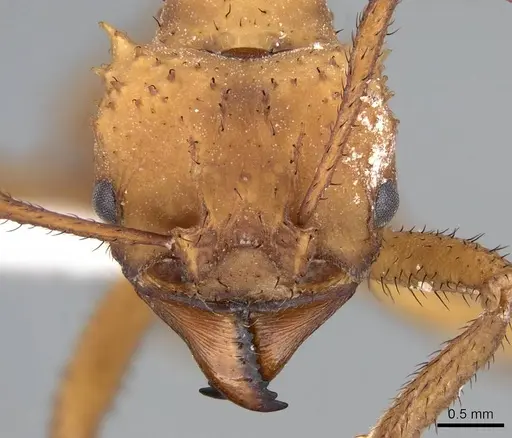
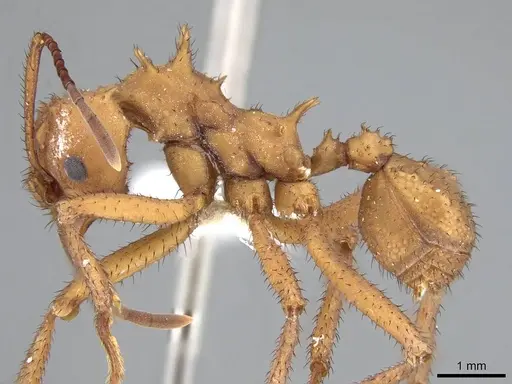
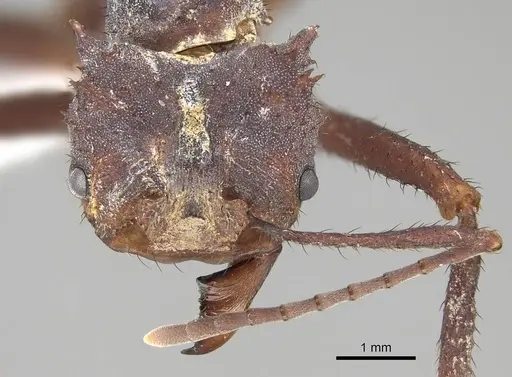
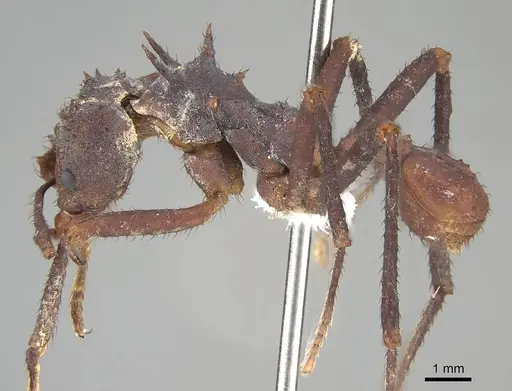
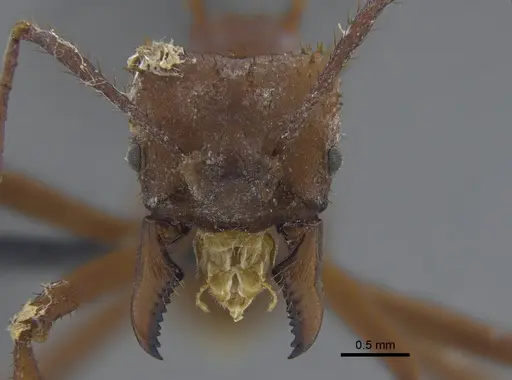
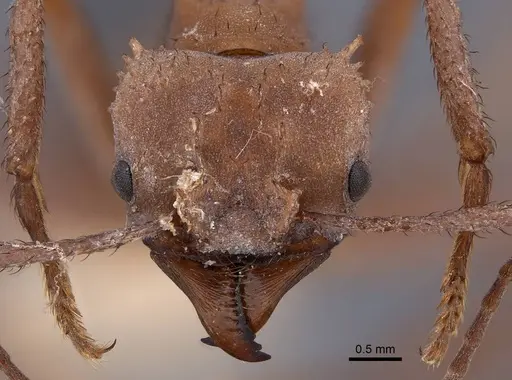
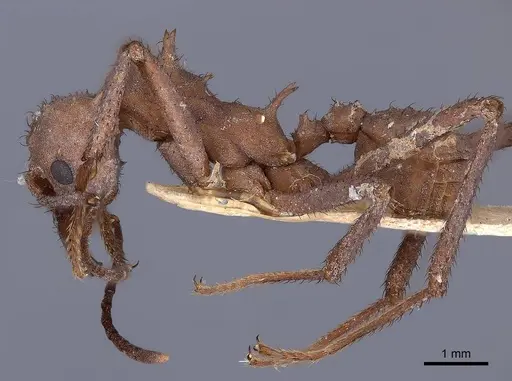
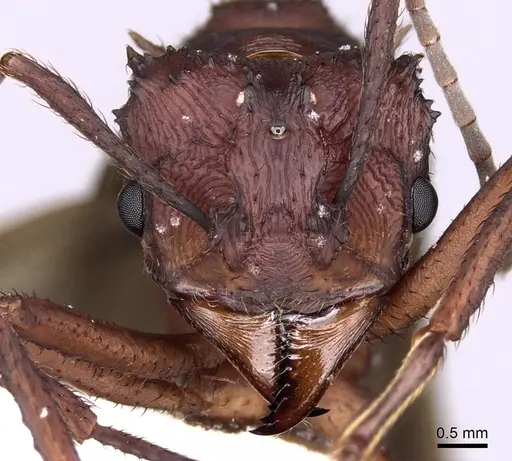
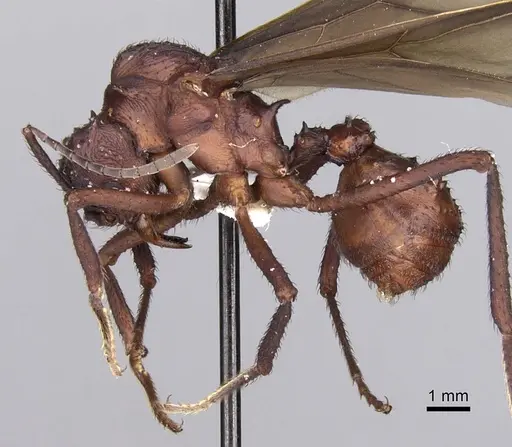
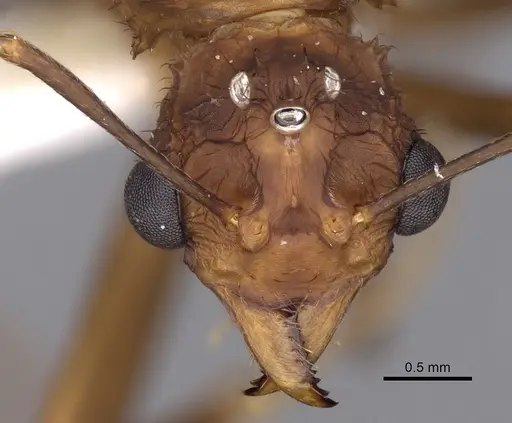
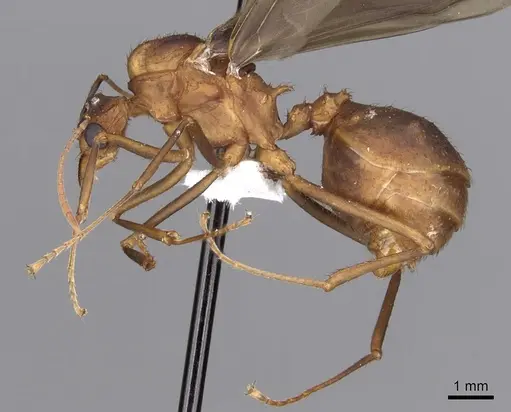
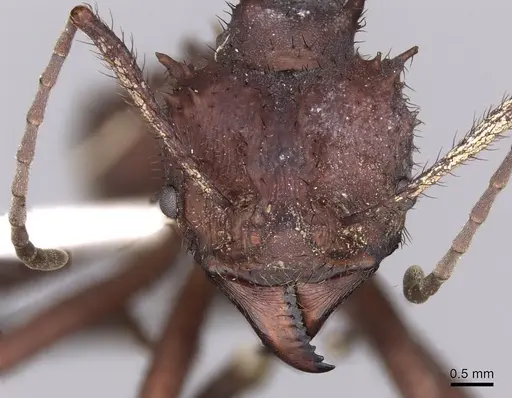
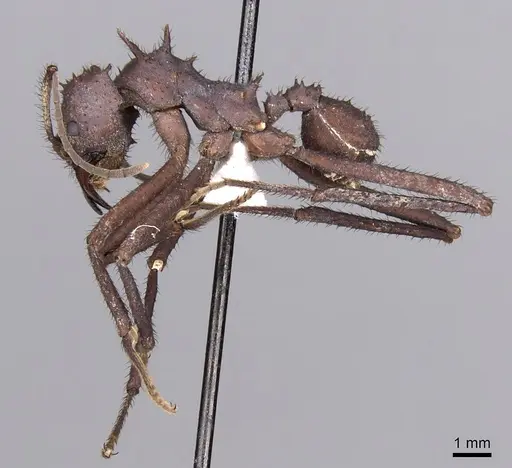
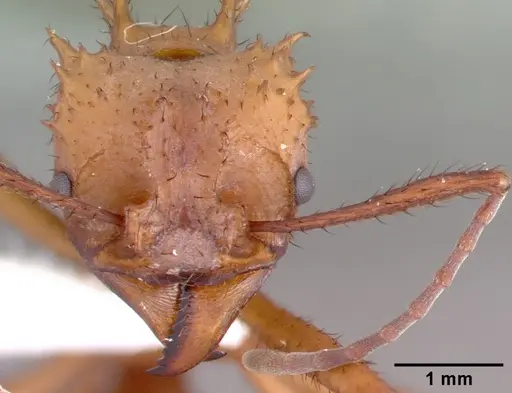
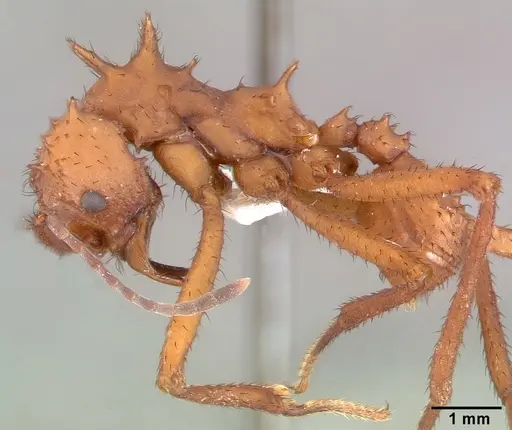
Acromyrmex octospinosus is a leaf-cutting ant native to the Neotropical region from Mexico to Brazil, including the Caribbean islands . Workers are highly polymorphic, ranging from tiny 2mm minors to large 10mm majors, with a distinctive reddish-brown to dark brown body and eight prominent spines on the thorax . Queens are substantially larger than workers, reaching approximately 8-9mm in body length . These ants are famous fungus farmers, cutting leaves and flowers to cultivate gardens of Leucoagaricus gongylophorus fungus that provides the primary food source for larvae and adult workers alike . They form complex superorganisms with multiple symbiotic partners, including Pseudonocardia bacteria on their cuticle that produce antibiotics to protect the fungus garden from the parasitic mold Escovopsis . This species is invasive in the Caribbean (particularly Guadeloupe), where it causes severe agricultural damage to cassava, citrus, and vegetable crops, with estimated costs reaching millions of dollars annually .
Quick Summary
- Difficulty: Expert
- Origin & Habitat: Neotropical region from Mexico to Brazil, including Cuba, Trinidad, and the Caribbean islands, found in tropical forests, pastures, agricultural areas, and disturbed sites [1][2][10]
- Colony Type: Facultatively polygynous, most colonies have a single queen, but some populations contain multiple queens, queens are highly polyandrous, mating with 4-10 males [2][11][12]
- Size & Growth:
- Queen: Approximately 8-9mm total length [4]
- Worker: Highly polymorphic: minors 2-4mm, media 4-7mm, majors 7-10mm [3]
- Colony: Up to 40,000 workers in mature colonies [3][13]
- Growth: Slow, colonies take years to reach maximum size
- Development: Approximately 60 days (8-9 weeks) at 25°C [3] (Development time depends on temperature, majors take longer to develop than minors. Foundresses produce 3-7 workers in approximately 3 months [14])
- Antkeeping:
- Temperature: Keep at 25-28°C year-round, use heating cables to maintain tropical conditions [5][15]
- Humidity: High humidity 70-80% with good ventilation to prevent mold, nest substrate should remain moist but not waterlogged [5][15]
- Diapause: No, tropical species active year-round, do not hibernate [1]
- Nesting: Large formicarium required with dedicated fungus garden chamber, naturalistic soil or plaster nests work best, they use roots as platforms to suspend fungus gardens in the wild [14][6]
- Behavior: Active foragers that cut leaves and flowers, polymorphic workers with division of labor where minors tend the fungus garden and majors forage and defend, can be aggressive when disturbed, require large foraging areas [3][16]
- Common Issues: fungus garden failure from incorrect humidity, temperature, or contaminated plant material is the primary cause of colony death, mold outbreaks in the nest from poor ventilation or excessive moisture, insufficient food supply, require constant fresh leaves, colony will decline rapidly without fresh vegetation, escapes, large workers can chew through soft materials and climb smooth surfaces, slow initial growth, first workers take approximately 3 months to emerge and colony builds slowly, invasive species, not legal to keep in some regions where it is established
Queen Ant Activity Analysis 88 observations
Queen Activity by Hour 88 observations
Acromyrmex octospinosus queen activity peaks around 05:00 during the morning. Activity is spread across a 16-hour window (05:00–20:00). Times may be influenced by human observation patterns.
Fungus Garden Maintenance
The fungus garden is the heart of the colony and requires precise conditions to survive. You must provide a constant supply of fresh plant material, typically leaves from bramble, privet, oak, or fruit tree leaves work well in captivity [5][15]. The ants chew the leaves into pulp and mix them with fecal fluid containing fungal enzymes to create the garden substrate [17]. Maintain high humidity around 70-80% but ensure adequate ventilation to prevent mold growth [5]. The garden should be kept in a dark chamber as light stresses the fungus. Remove any moldy or contaminated garden material immediately, as the parasitic fungus Escovopsis can destroy the garden and kill the colony [7]. Never use pesticides on plants fed to the colony, as residues will kill the symbiotic fungus. The fungal symbiont produces specialized gongylidia (swollen hyphal tips) that are the primary food for the ants [5].
Nest Preferences and Setup
In nature, Acromyrmex octospinosus nests underground in soil cavities, often using tree roots as platforms to suspend the fungus garden above the chamber floor [14]. They may also nest in rotting wood or occasionally in arboreal situations in some regions [6]. For captive colonies, provide a large formicarium with at least two distinct chambers: one for the fungus garden and one for waste disposal. The fungus chamber should be dark, humid, and spacious enough to accommodate a growing garden [1]. Use plaster, gypsum, or naturalistic soil mixes that retain moisture without becoming soggy. Include a foraging area or outworld where workers can process leaves before bringing them to the garden. Foundresses in the wild attach their gardens to living rootlets, suspending them above the earthen chamber floor [14].
Feeding and Diet
These ants do not eat the leaves directly, they feed the leaves to their fungus garden and consume the fungal growth (gongylidia) [5]. Offer fresh leaves 3-4 times per week, removing old dried material before it molds. They accept a wide variety of plant material including bramble, privet, rose petals, oak leaves, and small amounts of fruit [15][5]. They also collect flowers and fallen plant material in the wild [6]. Do not offer protein sources like insects, the fungus provides all necessary nutrition. Provide water via test tubes or moist cotton in the outworld, but never let water directly contact the fungus garden as this causes drowning and rot. Workers also ingest plant sap directly while cutting leaves [18].
Temperature and Seasonal Care
As a tropical species, Acromyrmex octospinosus requires warm temperatures year-round with no diapause [1]. Maintain the nest at 25-28°C using heating cables or mats placed on one side of the nest to create a gradient [5][15]. Temperatures below 20°C will slow fungus growth and brood development significantly. Humidity should remain high at 70-80%, but stagnant air promotes mold, so ensure gentle ventilation [5]. Monitor the fungus garden surface, if it dries out, increase humidity, if condensation forms heavily, increase ventilation. In the wild, they often inhabit relatively disturbed, drier sites [19].
Colony Founding and Growth
Queens are semi-claustral, meaning they must leave the nest to forage for plant material during the founding stage [14][20]. In nature, foundresses use tree roots as platforms for their initial fungus garden and produce 3-7 workers in approximately 3 months [14]. Captive founding is extremely difficult and rarely successful, most keepers start with established colonies. Growth is slow initially but accelerates once the colony reaches several hundred workers. Full colonies may contain 10,000-40,000 workers after several years [3][13]. Queens mate with multiple males (polyandrous), creating genetically diverse worker offspring [16]. Colony foundation is primarily haplometrotic with 99% of nests founded by a single queen, though pleometrosis (multiple founding queens) occurs in about 1-3.5% of cases [14].
Defense and Symbiotic Partners
These ants possess multiple defense systems. Workers have metapleural glands that secrete antibiotic compounds including indoleacetic acid to prevent pathogen growth [21]. They also host Pseudonocardia bacteria on their cuticle that produce antifungal compounds like nystatin to protect against Escovopsis garden parasites [7]. Mature workers develop a unique biomineral armor of high-magnesium calcite that hardens their cuticle and improves survival in combat with other ants [22]. Major workers (7-10mm) defend the nest and forage, while smaller workers tend the garden and brood [3]. The bacterial symbionts are vertically transmitted on the cuticle of gynes during mating flights [23]. Workers also practice waste management, disposing of old garden material and debris in separate chambers to prevent disease spread [24].
Frequently Asked Questions
Can I keep Acromyrmex octospinosus in a test tube setup?
No. These ants require a fungus garden to survive and cannot be kept in test tubes. They need a large formicarium with dedicated chambers for the fungus garden, waste disposal, and foraging areas.
What do Acromyrmex octospinosus ants eat?
They do not eat leaves directly. They cut leaves and flowers to grow a symbiotic fungus (Leucoagaricus gongylophorus), which they then consume. You must provide fresh plant material like bramble, privet, or oak leaves 3-4 times per week to feed the fungus garden.
How long does Acromyrmex octospinosus take from egg to worker?
Approximately 60 days (8-9 weeks) at 25°C. The founding stage takes about 3 months before the first workers emerge.
Do Acromyrmex octospinosus colonies need hibernation?
No. They are tropical ants and remain active year-round. Do not cool them below 20°C.
Can I keep multiple Acromyrmex octospinosus queens together?
This species is facultatively polygynous, meaning some colonies naturally have multiple queens. However, combining unrelated queens is risky and often results in fighting. It is best to start with a single queen or an established colony.
Are Acromyrmex octospinosus dangerous?
They can deliver painful bites with their strong mandibles and are major agricultural pests that destroy crops. However, they lack stingers and are not medically dangerous to humans unless you have specific allergies.
Why is my Acromyrmex octospinosus fungus garden dying?
Fungus garden failure usually results from incorrect humidity (too dry or too wet), contaminated plant material (pesticides or mold), or insufficient fresh food. Ensure 70-80% humidity, good ventilation, and a constant supply of fresh, pesticide-free leaves.
How big do Acromyrmex octospinosus colonies get?
Colonies can reach 10,000 to 40,000 workers, though they grow slowly at first. They require large enclosures as they mature.
What temperature do Acromyrmex octospinosus need?
Keep them at 25-28°C (77-82°F) year-round. They are tropical ants and require consistent warmth.
When do Acromyrmex octospinosus queens forage?
Queen activity of Acromyrmex octospinosus typically occurs From April to July. Times may be influenced by human observation patterns.
What time of day are Acromyrmex octospinosus queens most active?
Queen activity of Acromyrmex octospinosus peaks around 05:00 during the morning, with most activity between 05:00 and 20:00. Times may be influenced by human observation patterns.
Report an Issue
The current care sheet is based fully on literature. See inconsistencies, or something that's incorrect? Please , it will be resolved after review from an admin. Contributing to the blogs tab also helps providing information, to make us be able to further improve the caresheets. Thank you for your support!
References

This caresheet is licensed under CC BY-SA 4.0 .
Community Blogs
CASENT0217814
View on AntWeb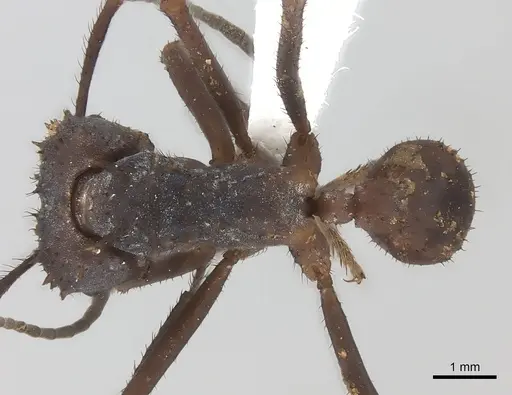
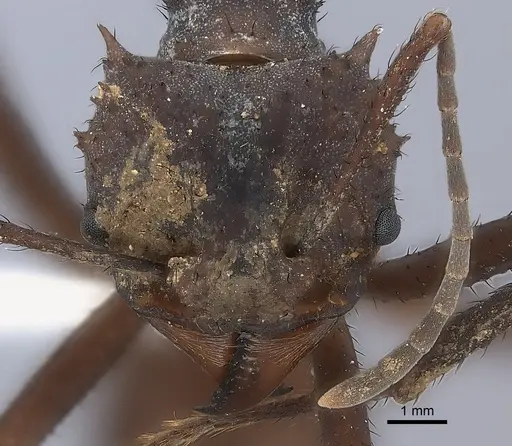
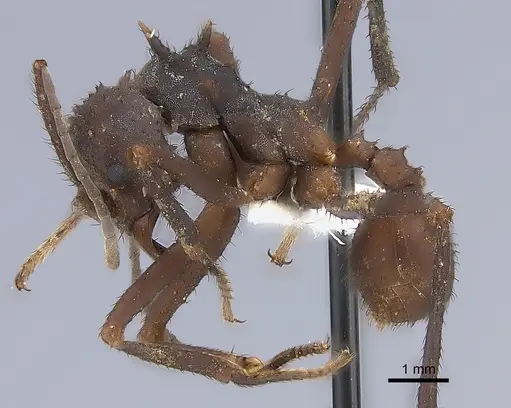
CASENT0246632
View on AntWeb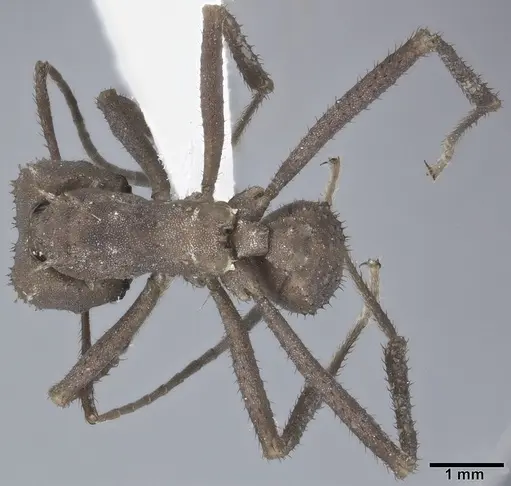
CASENT0900490
View on AntWeb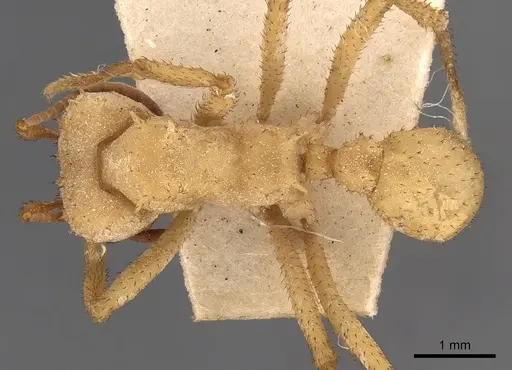
CASENT0909421
View on AntWeb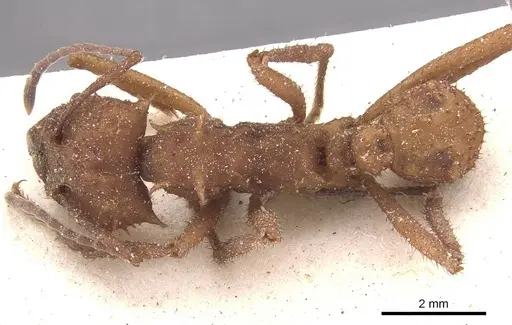
CASENT0909422
View on AntWeb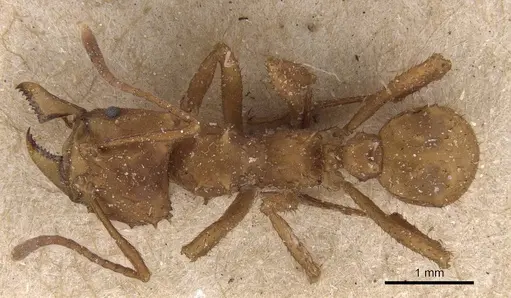
CASENT0922028
View on AntWeb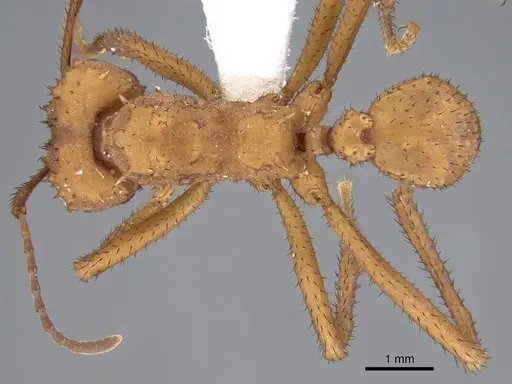
CASENT0922033
View on AntWeb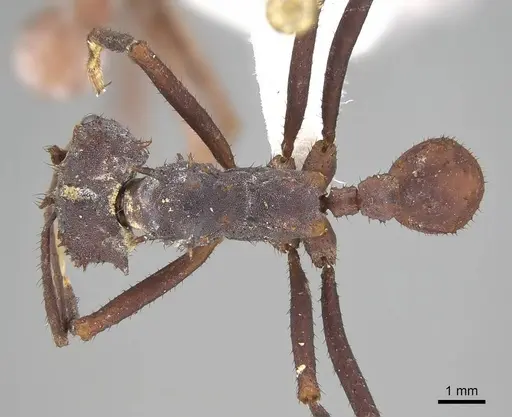
CBUMAGENT41716
View on AntWeb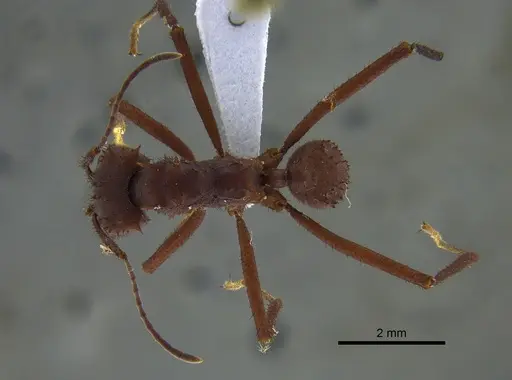
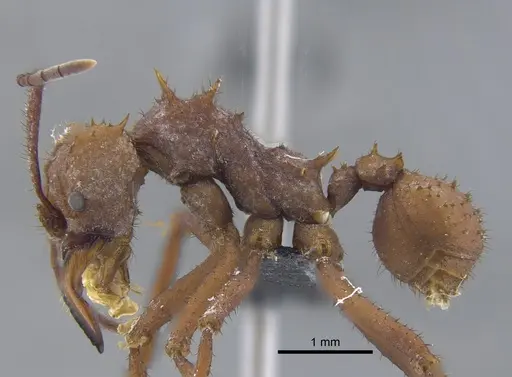
ECOFOG-BUG-0133-03
View on AntWeb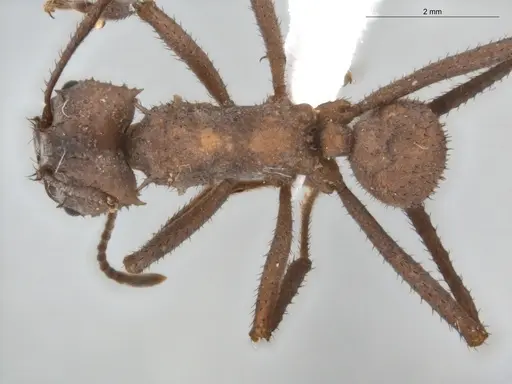
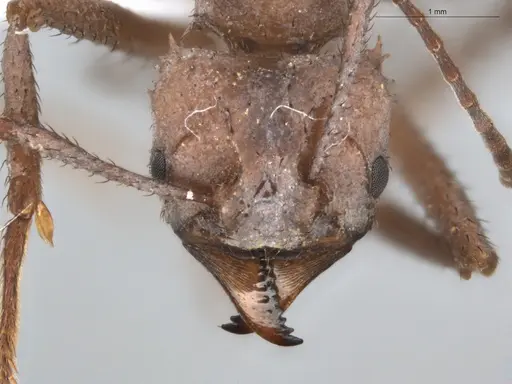
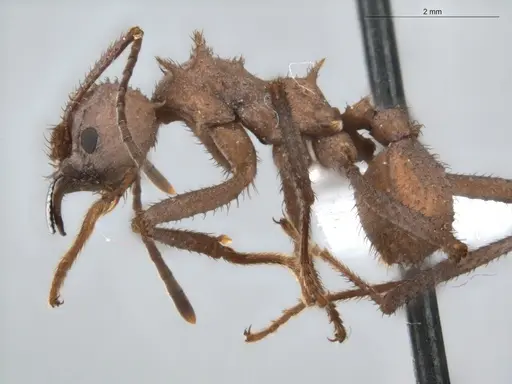
FMNHINS0000046890
View on AntWeb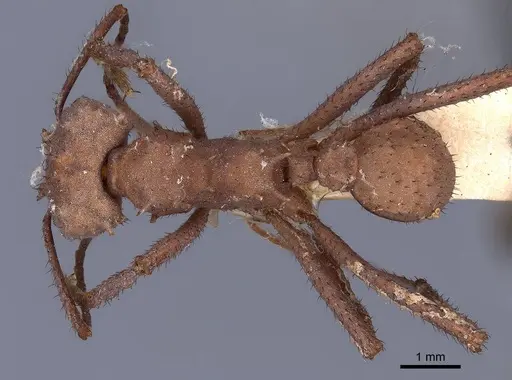
INBIOCRI001283113
View on AntWeb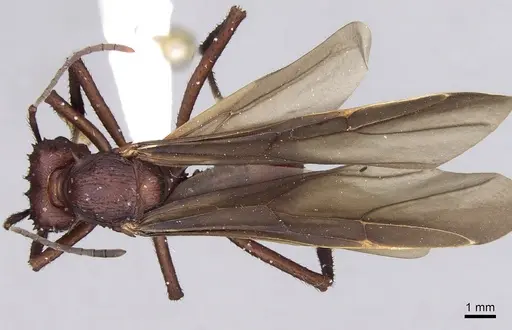
INBIOCRI001283114
View on AntWeb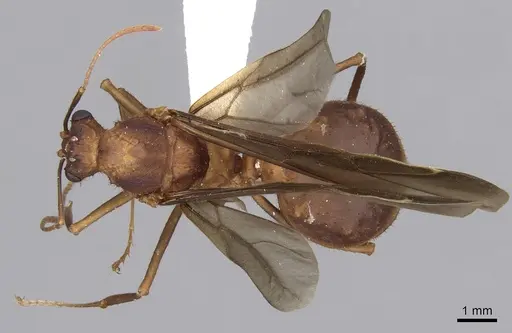
INBIOCRI001284242
View on AntWeb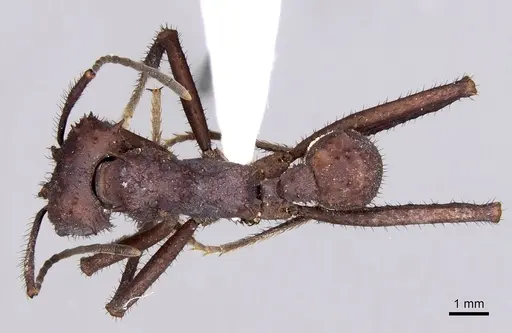
PSW7796-21
View on AntWeb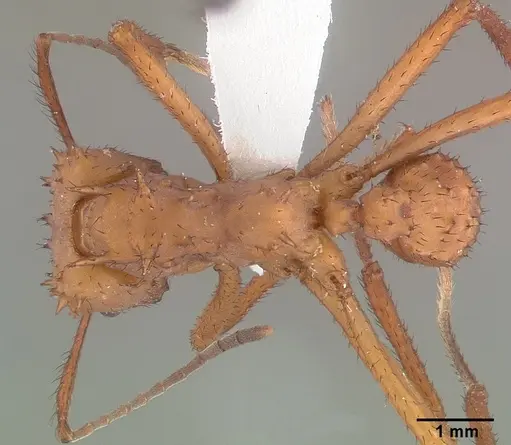
Literature
Loading distribution map...Loading products...