
Acromyrmex landolti
- Sci. Name
- Acromyrmex landolti
- Tribe
- Attini
- Subfamily
- Myrmicinae
- Author
- Forel, 1885
- Distribution
- Found in 4 countries
Introduction
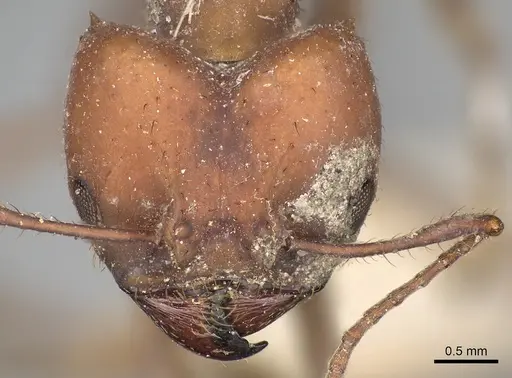
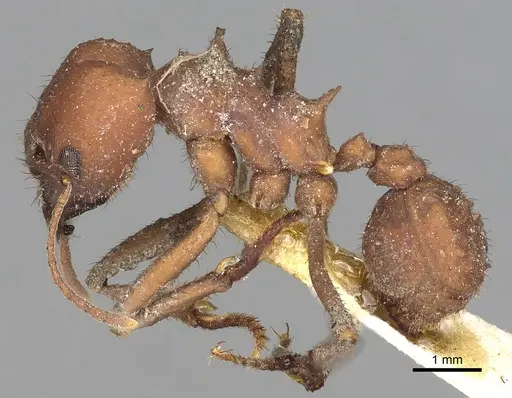
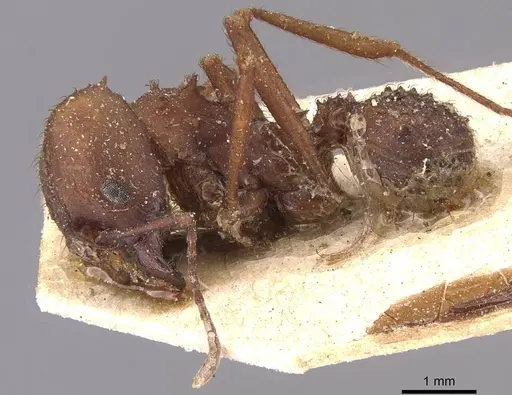
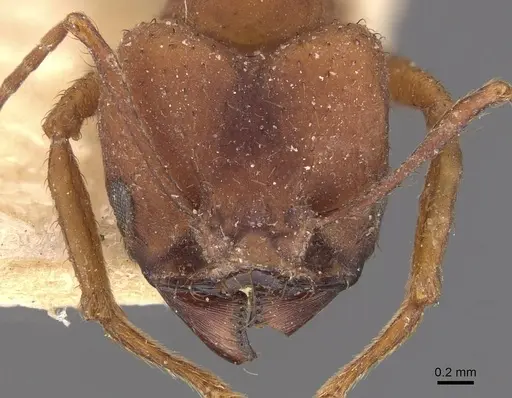
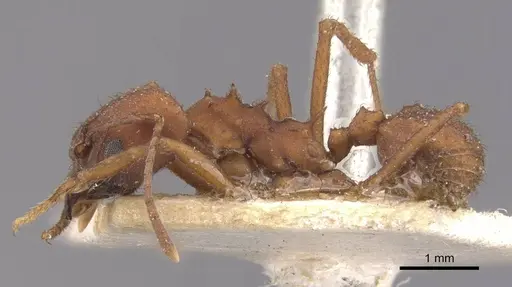
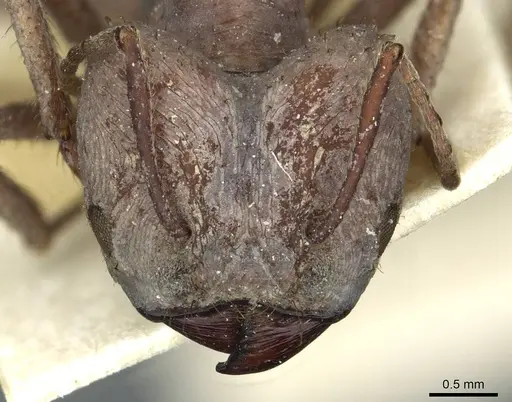
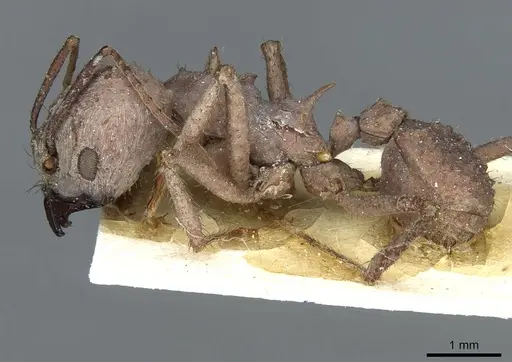
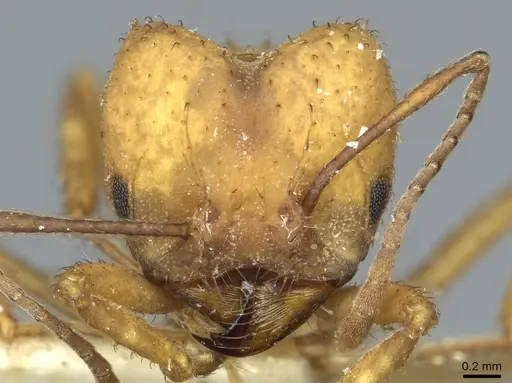
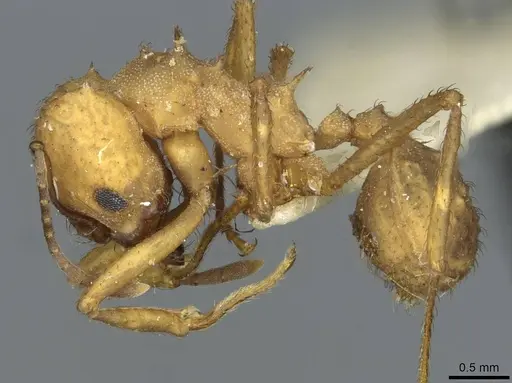
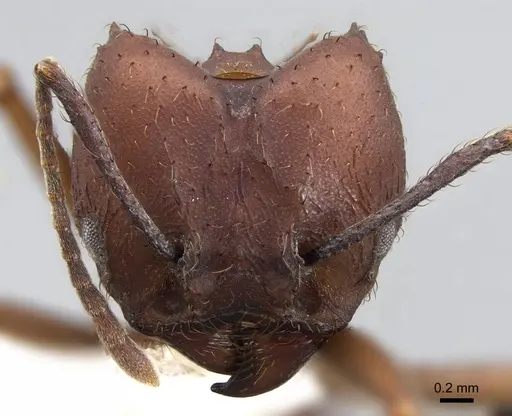
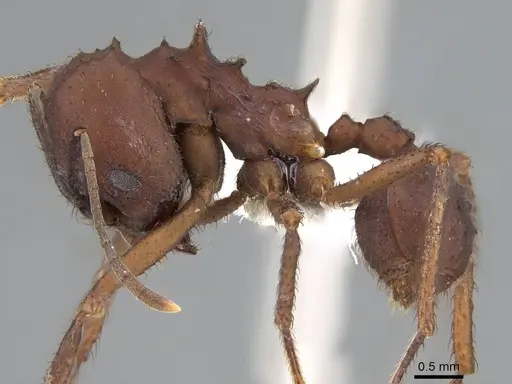
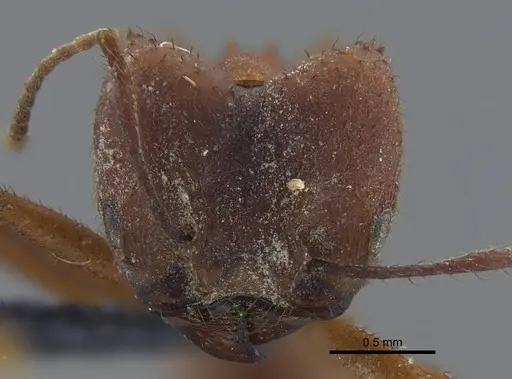
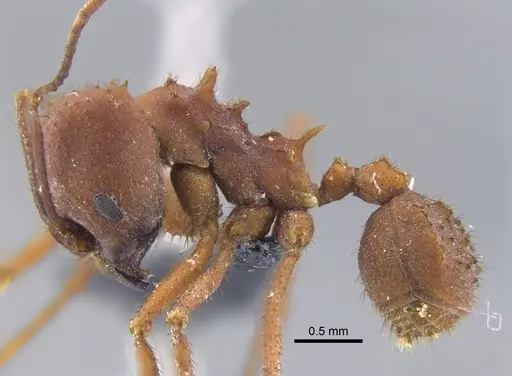
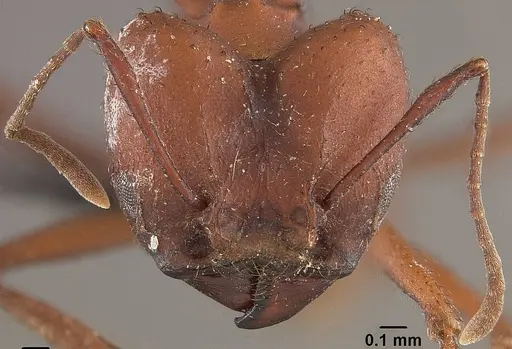
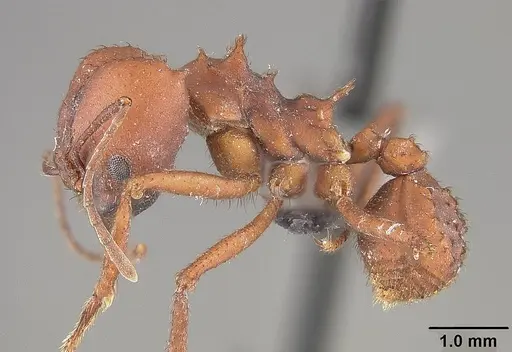
Acromyrmex landolti is a medium-sized leaf-cutting ant with majors reaching about 7mm in total length . They display the typical spiny appearance of the genus, with reddish-brown coloration and distinctive large heads on major workers that are twice as wide as their thorax . These ants inhabit semiarid regions of South America, particularly the Caatinga biome of Brazil, as well as grasslands and open pastures across Colombia, Argentina, Paraguay, Venezuela, Bolivia, Guyana, and Peru [AntWiki]. What sets this species apart is its specialization as a grass-cutter. Unlike many leaf-cutters that prefer tree leaves, Acromyrmex landolti focuses almost exclusively on monocot grasses . They construct elaborate straw turrets at their nest entrances using intermeshed grass fragments and soil, creating structures 2-20 cm high that resist water infiltration and protect the nest from flooding . Colonies are monogynous (single queen) but the queens mate with multiple males, and they can reach substantial sizes with thousands of workers .
Quick Summary
- Difficulty: Expert
- Origin & Habitat: South America (Brazil, Colombia, Argentina, Paraguay, Venezuela, Bolivia, Guyana, Peru), native to semiarid Caatinga, grasslands, and open pastures [2][3][4]
- Colony Type: Monogynous (single queen) with multiple mating, colonies may reach several thousand workers [6][7][8]
- Size & Growth:
- Queen: size data unavailable, inferred from genus to be approximately 8-12mm
- Worker: majors approximately 7mm total length [1]
- Colony: Up to 100,000 workers in mature colonies [9], excavated nests contained 4-17 underground chambers [3]
- Growth: Moderate to Fast
- Development: Estimated 6-10 weeks at 25°C, timing inferred from related Attini species (Not directly measured for this species, development is temperature dependent)
- Antkeeping:
- Temperature: Warm tropical conditions, approximately 24-28°C, provide heating if room temperature drops below 22°C
- Humidity: Moderate humidity 50-70%, nest chambers in nature are deep and protected by water-resistant straw turrets [3][5]
- Diapause: No
- Nesting: Large formicarium with multiple chambers for fungus gardens, requires external waste area and space for grass storage, Y-tong or plaster nests with deep chambers work best [3]
- Behavior: Specialized grass-cutter, forages radially up to 2.5 meters from nest with peak activity in afternoon, aggressive nestmate recognition using chemical cues, constructs distinctive straw turrets, possesses a functional stinger [10][11][5]
- Common Issues: fungus garden crashes from incorrect plant material, must use fresh grasses, not dicot leaves or store-bought vegetables., Escovopsis or other mold infections spreading through fungus garden require immediate removal of affected fungus., waste accumulation causes contamination if not removed regularly., inadequate ventilation leads to stagnant air and fungal problems., small workers can escape through gaps if mesh barriers are too large.
Nest Preferences and Construction
In nature, Acromyrmex landolti builds nests in open, sunny areas with a loose circular earthen mound covering 0.20 to 1.20 square meters [3]. The entrance features one or more bifurcated grass tubes forming a distinctive straw tower 2-20 cm high and about 1 cm in diameter [3][12]. These turrets resist water infiltration for 15-90 minutes, protecting the internal chambers from rain in their semiarid habitat [5].
Underground, nests contain 4-17 irregular chambers connected by vertical galleries, ranging from 9 cm below the surface to 1.7 meters deep, often limited by the water table [3]. Fungus gardens are typically located in upper chambers within 40 cm of the surface [3]. Unlike some leaf-cutters, they deposit all waste externally in small mounds about 10 cm from the entrance [3][13].
In captivity, you must provide a large formicarium with multiple chambers to accommodate the fungus garden. Use Y-tong (aerated concrete) or plaster nests with deep chambers. Include an external foraging area with a separate waste disposal section. Provide building materials like dried grass and soil so workers can construct their characteristic turrets.
Feeding and Diet
This is a specialized grass-cutting ant (monocot specialist) among the Attini [4][3]. In nature, they cut grasses including Cynodon nlemfuensis, Brachiaria brizantha, Cenchrus ciliaris, and other pasture grasses, causing significant damage to livestock pastures [14][4][15]. They cut grass very close to the ground and transport fragments back to the nest [10]. They do not typically cut dicot leaves unless forced by starvation [12].
Feed your colony fresh grasses daily. Suitable options include Bermuda grass, wheat grass, oat grass, and other cereal grasses. Avoid leaves from trees, vegetables, or fruits as these may not support their specific fungus cultivar. Cut the grass into small pieces or provide whole blades for them to process. Remove old, dried grass before it molds. The colony harvests 0.42-2.2 kg of plant material per year per nest [16].
Fungus Garden Management
The colony cultivates Leucoagaricus gongylophorus fungus on processed grass substrate [17]. This fungus is transmitted vertically by the queen via her infrabuccal pocket when she founds a new colony [18]. The fungus gardens appear uniform and white to grayish, cultivated exclusively on monocot leaves in nature [3].
The fungus is vulnerable to parasites. Escovopsis mold can infect gardens [19], and Fusarium oxysporum has been isolated from their gardens [20]. Monitor the fungus daily. Healthy fungus appears white and cottony. Remove any discolored (brown, black, or green) sections immediately using sterile tweezers. Maintain humidity by lightly misting the foraging area, but avoid direct moisture on the fungus. Ensure good ventilation to prevent stagnant air that promotes mold growth.
Temperature and Humidity
Native to the semiarid Caatinga and tropical grasslands, these ants prefer warm conditions [3][4]. Keep the nest area between 24-28°C. If your room temperature drops below 22°C, use a heating cable on one side of the nest to create a gradient.
Humidity should be moderate. In nature, nest chambers are deep (up to 1.7m) and protected from rain by water-resistant straw turrets [3][5]. The substrate should feel damp but not waterlogged. In captivity, avoid waterlogging the fungus garden while maintaining ambient humidity through occasional light misting of the setup. The deep chambers in nature provide stable humidity and temperature buffering [3].
Behavior and Foraging
Workers forage radially around the nest in a central foraging strategy, traveling 60 cm to 2.5 meters to find suitable grasses [10]. Peak foraging occurs between 14:00-15:00 hours in the afternoon [10][21]. Larger workers (majors) handle foraging and cutting, while smaller workers construct and maintain the entrance turrets [10].
They use chemical trails to recruit nestmates to food sources. Workers recognize nestmates through mandibular gland secretions, particularly 3-octanone which also serves as an alarm pheromone [22][11]. They show aggressive behavior toward non-nestmates, threatening and biting alien individuals [11]. The species is associated with myrmecophiles including Attaphila cockroaches [23] and predatory spiders like Corinna vertebrata that live in nest tumuli [24]. This species possesses a functional stinger used to inject venom, though it is less medically significant to humans than fire ants.
Reproduction and Colony Foundation
Colonies are monogynous (single queen) but the queen mates with multiple males (polyandrous), which increases genetic diversity within the colony [6][7][25]. The investment sex ratio is approximately 31-39% male [18][26]. Queen density in Paraguay reaches 4,500 per hectare with colony densities of 2,400 per hectare [8].
The species has three physical worker castes [27]. New colonies are founded when a queen carries fungus fragments in her infrabuccal pocket and establishes a small garden, this vertical transmission of the fungal cultivar is documented in higher-attine ants including Acromyrmex [18]. Development from egg to worker likely takes 6-10 weeks at optimal temperatures, though specific timing is not documented for this species.
Frequently Asked Questions
Can I keep Acromyrmex landolti in a test tube?
No. Test tubes are completely unsuitable for leaf-cutting ants. They need immediate access to foraging space to bring plant material for their fungus garden, and the queen must have space to establish the initial fungus culture.
What do Acromyrmex landolti eat?
Fresh grasses and monocot plants. They are specialized grass-cutters and prefer pasture grasses like Bermuda grass, wheat grass, and oat grass over tree leaves or vegetables [4][3].
How long until Acromyrmex landolti gets their first workers?
Estimated 6-10 weeks from egg to worker at 25°C, based on related leaf-cutting ant species. The timeline depends heavily on temperature and fungus garden health.
Do Acromyrmex landolti need hibernation?
No. They are tropical ants from warm regions like the Caatinga and grasslands, and do not require diapause or hibernation [3][4].
Are Acromyrmex landolti good for beginners?
No. They are expert-level ants requiring specialized fungus garden maintenance, specific diet of fresh grasses, large space, and careful humidity management to prevent mold.
Why is my Acromyrmex landolti fungus garden turning green or black?
This indicates mold infection, possibly Escovopsis or Fusarium. Remove the contaminated fungus immediately with sterile tools and improve ventilation. Ensure you are using only fresh grasses, not decaying vegetation [19][20].
Can I keep multiple Acromyrmex landolti queens together?
No. This species is monogynous (single queen). Multiple queens will fight until only one remains or all die [6][7].
How big do Acromyrmex landolti colonies get?
Mature colonies can reach up to 100,000 workers, though excavated nests typically contained 4-17 chambers housing smaller populations [9][3].
How do I prevent escapes with Acromyrmex landolti?
Use a fine mesh barrier (less than 1mm) and apply Fluon or talcum powder barriers on the upper walls of the outworld. Workers are small and persistent escape artists.
Report an Issue
The current care sheet is based fully on literature. See inconsistencies, or something that's incorrect? Please , it will be resolved after review from an admin. Contributing to the blogs tab also helps providing information, to make us be able to further improve the caresheets. Thank you for your support!
References

This caresheet is licensed under CC BY-SA 4.0 .
Community Blogs
CASENT0281785
View on AntWeb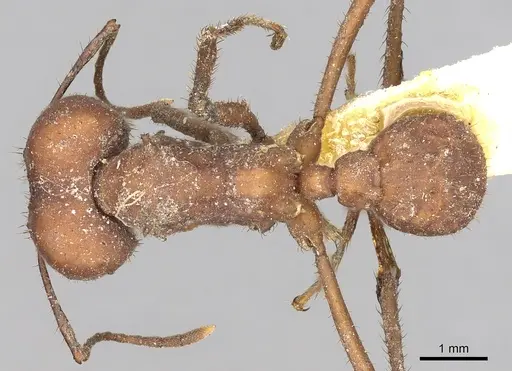
CASENT0909434
View on AntWeb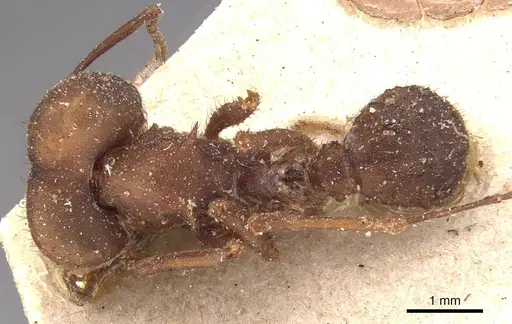

CASENT0909435
View on AntWeb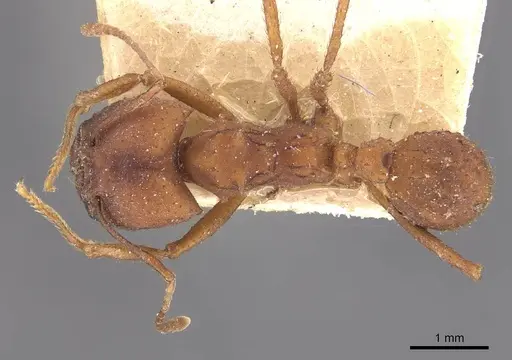
CASENT0912480
View on AntWeb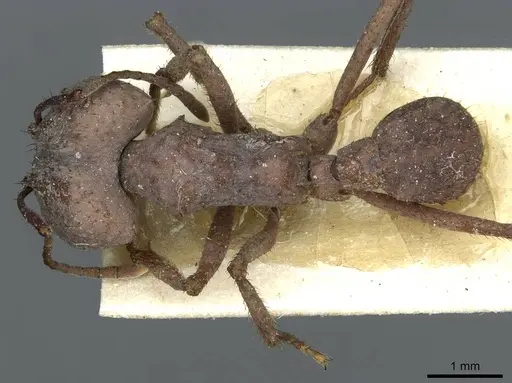
CASENT0912481
View on AntWeb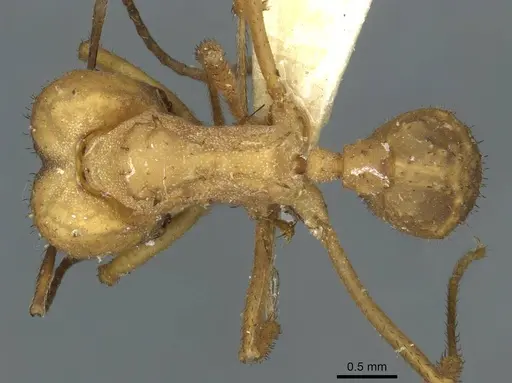
CASENT0922025
View on AntWeb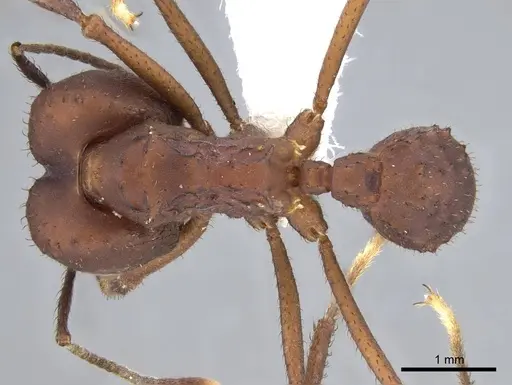
CBUMAGENT41714
View on AntWeb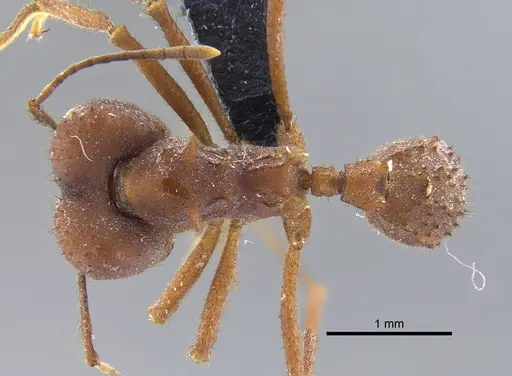
USNMENT01124201
View on AntWeb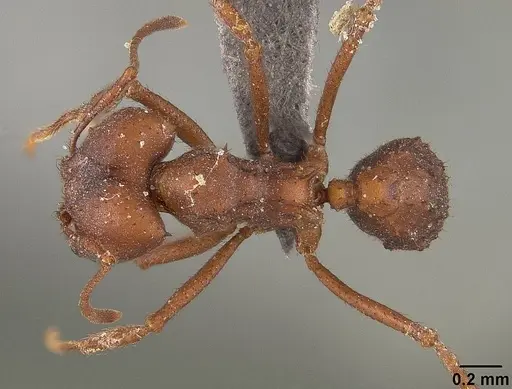
Literature
Loading distribution map...Loading products...