Acromyrmex coronatus shows a February to November activity window. Peak activity occurs in June, with queen sightings distributed across 7 months. This extended season suggests multiple flight events or varying conditions across its range.
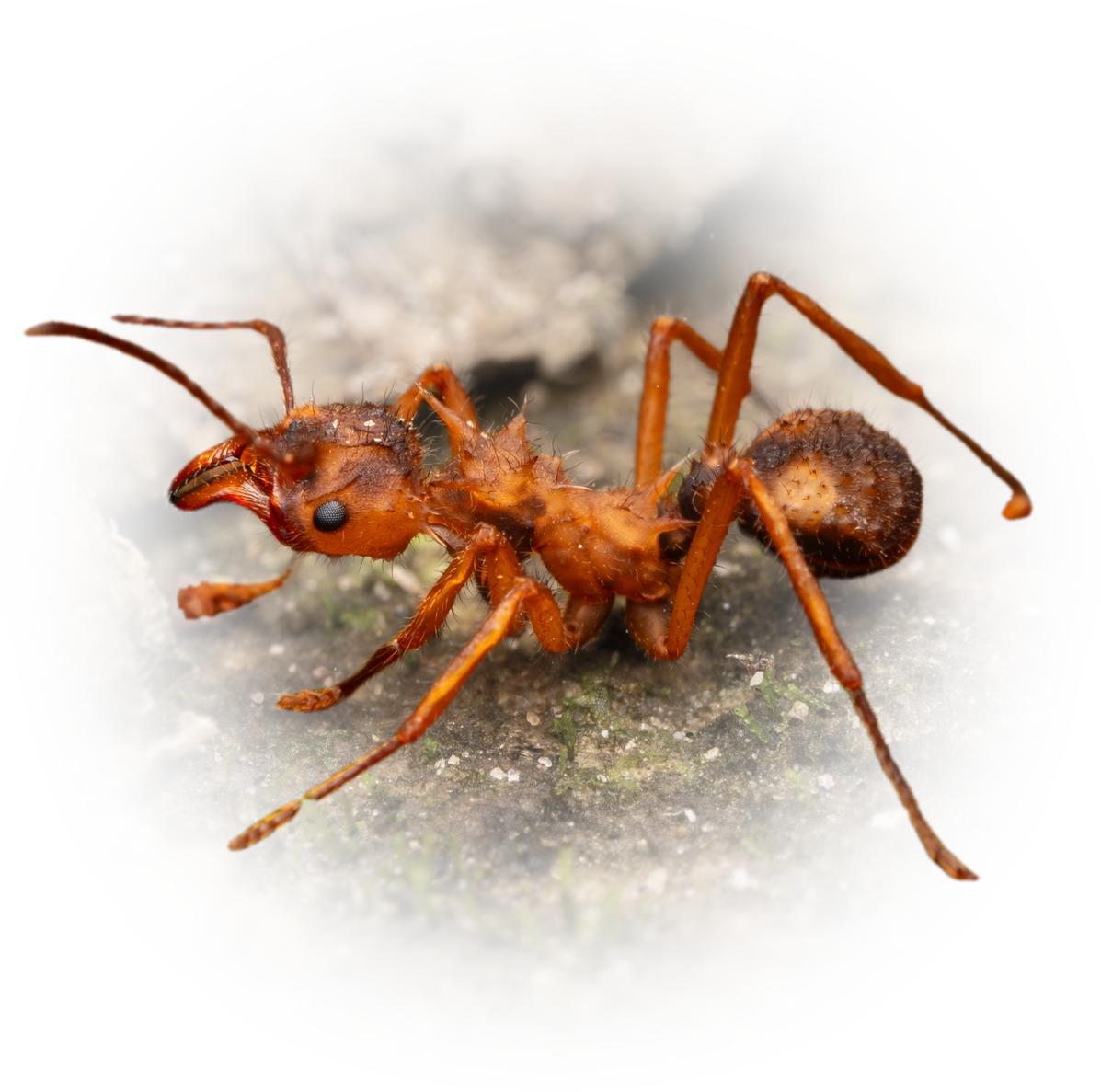
Acromyrmex coronatus
- Sci. Name
- Acromyrmex coronatus
- Tribe
- Attini
- Subfamily
- Myrmicinae
- Author
- Fabricius, 1804
- Distribution
- Found in 7 countries
- Queen Activity
- From February to November
- Peak Time
- 09:00
Introduction
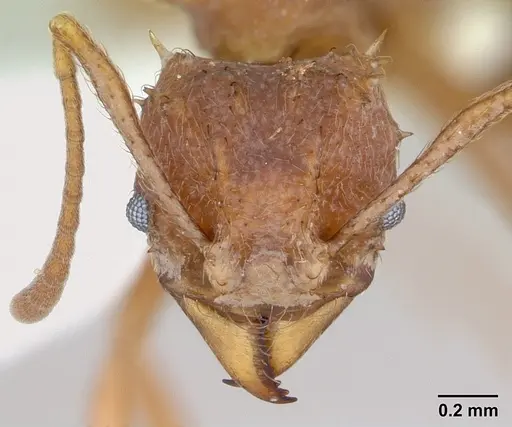
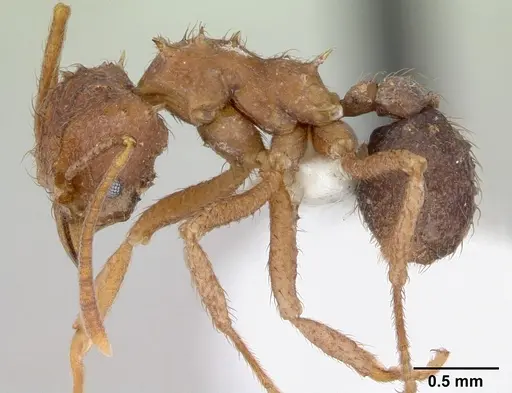
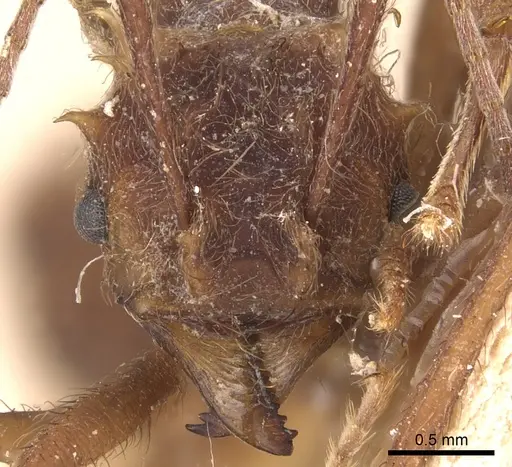
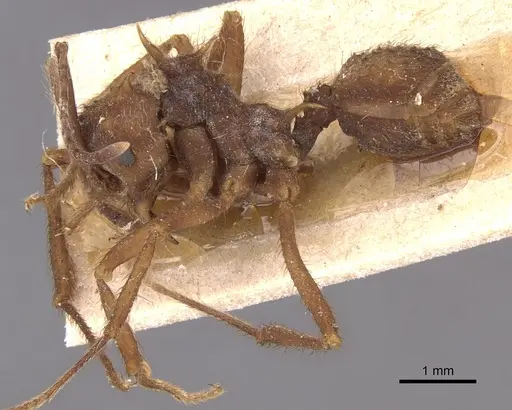
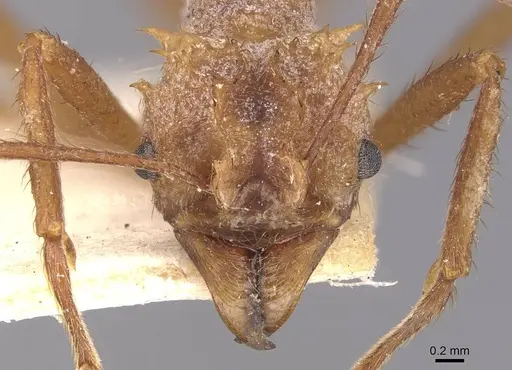
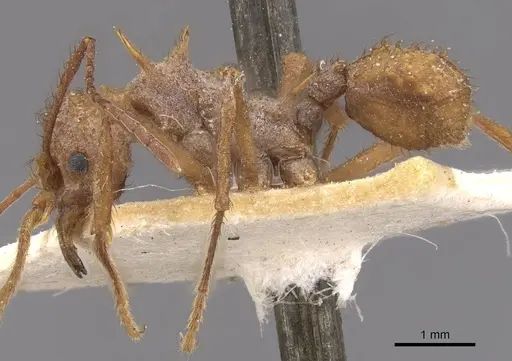
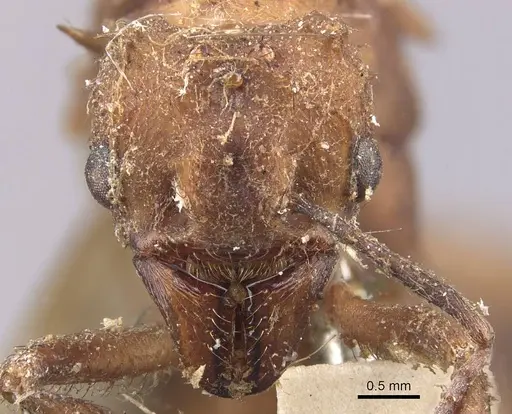
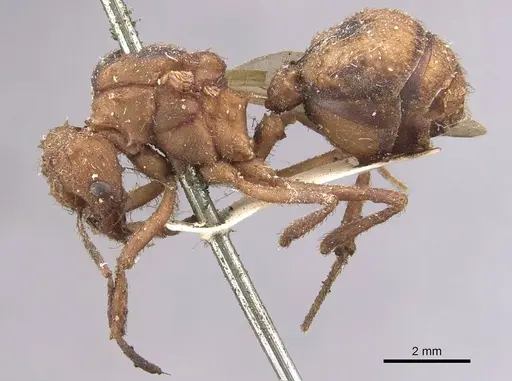
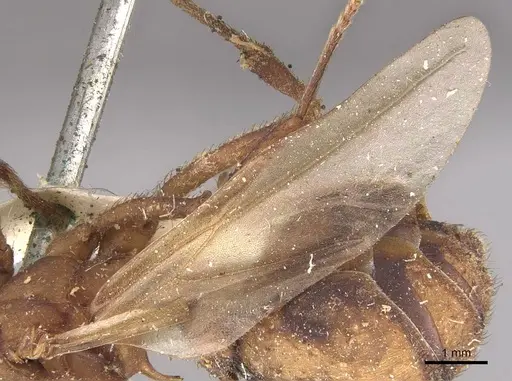
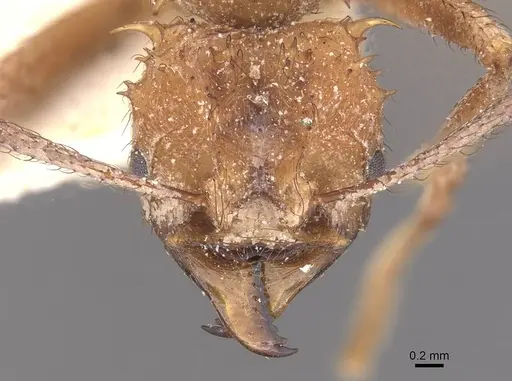
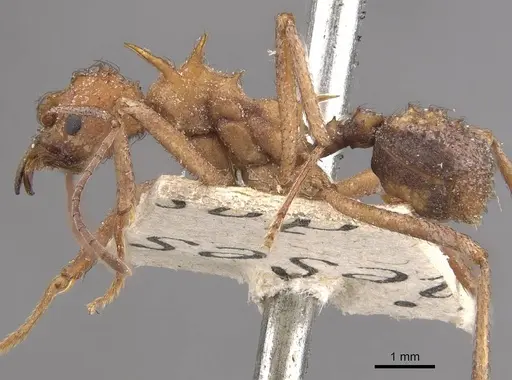
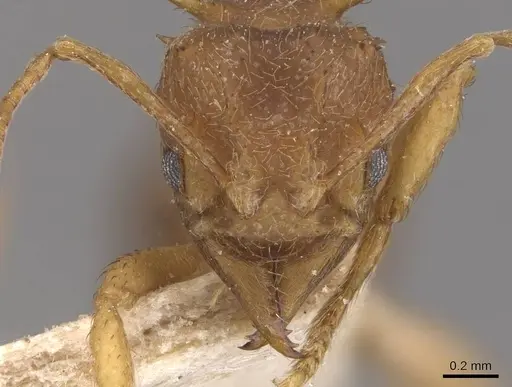
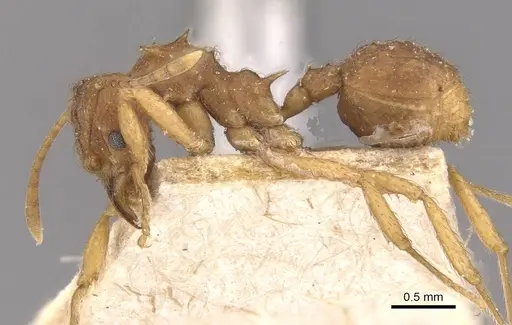
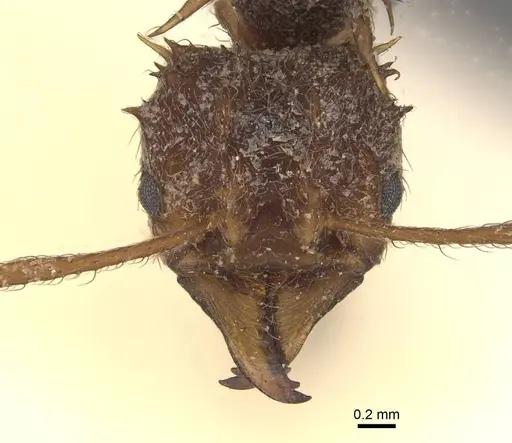
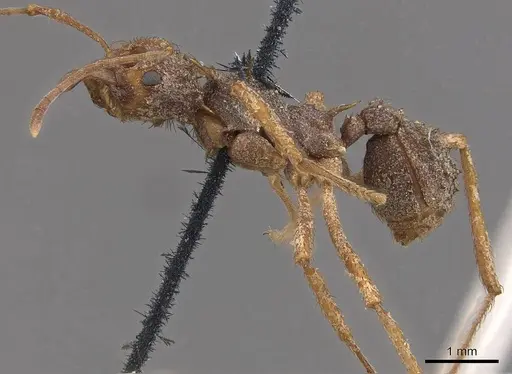
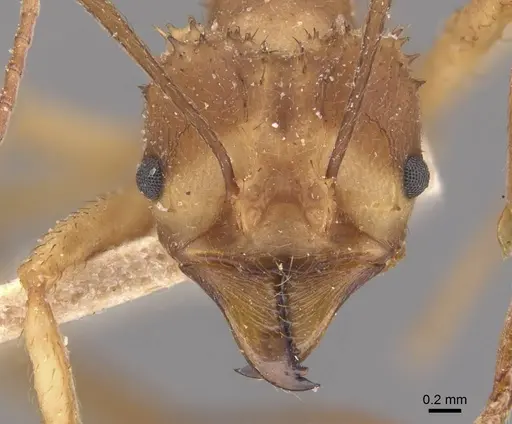
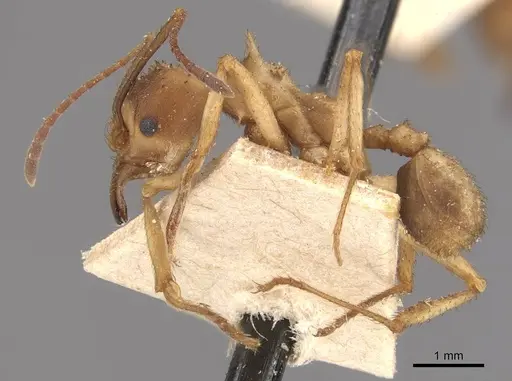
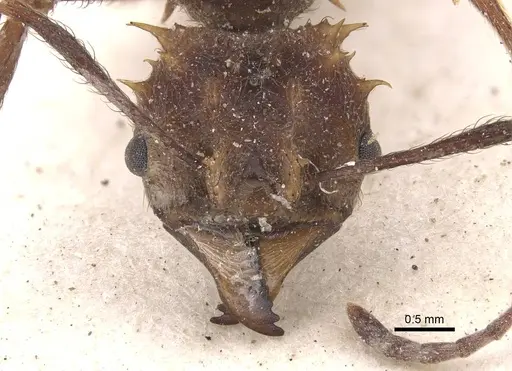
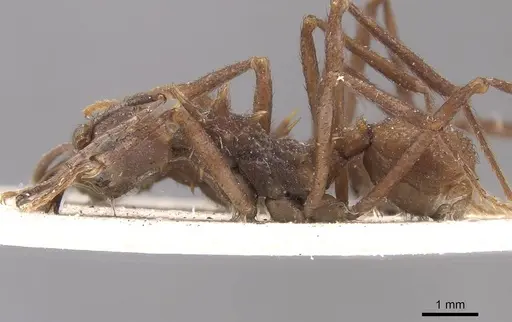
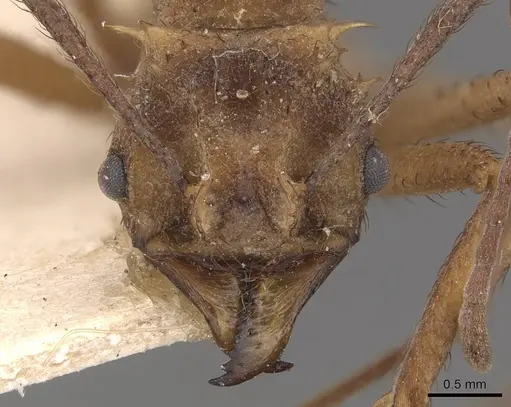
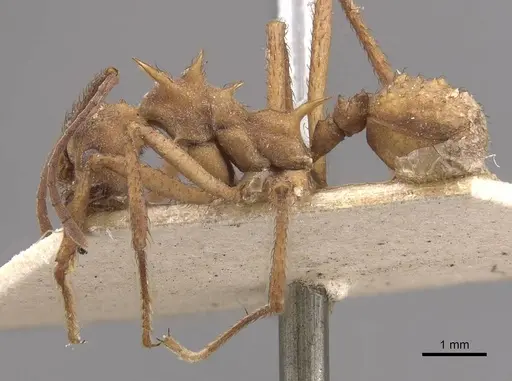
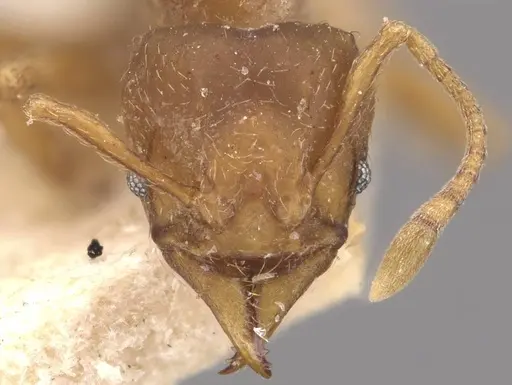
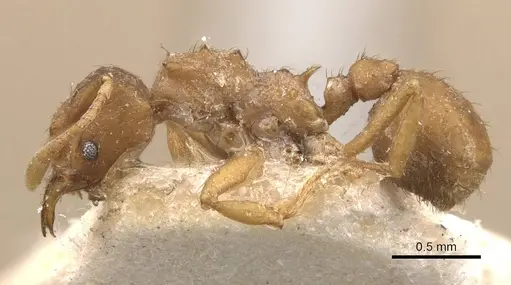
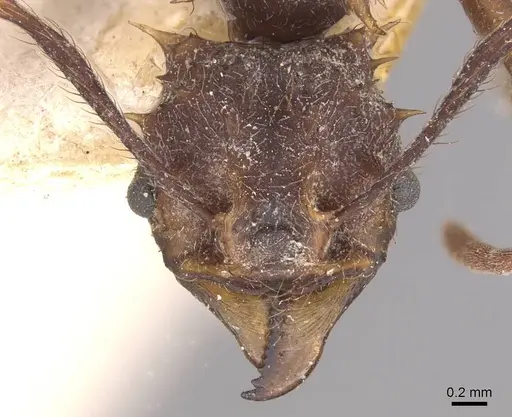
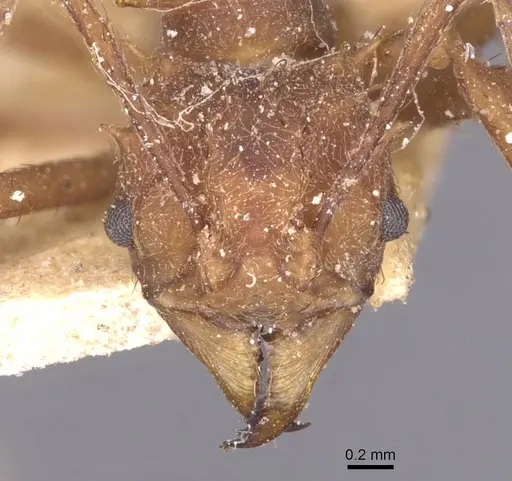
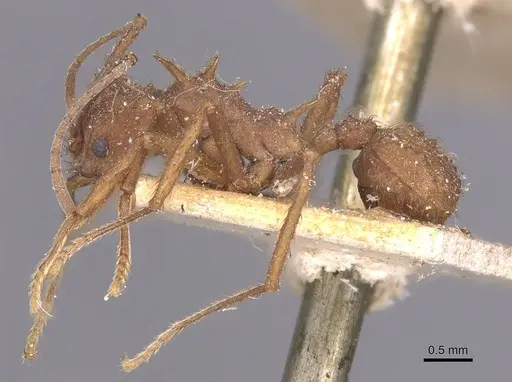
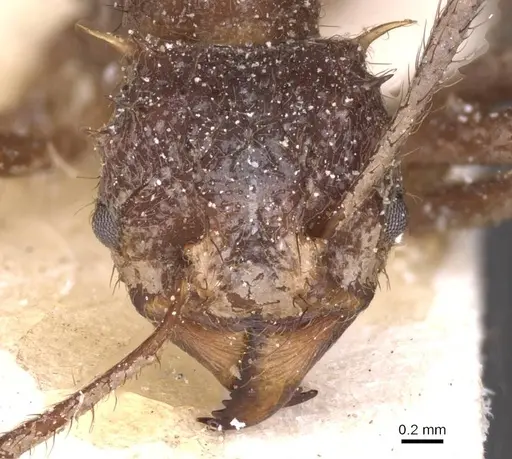
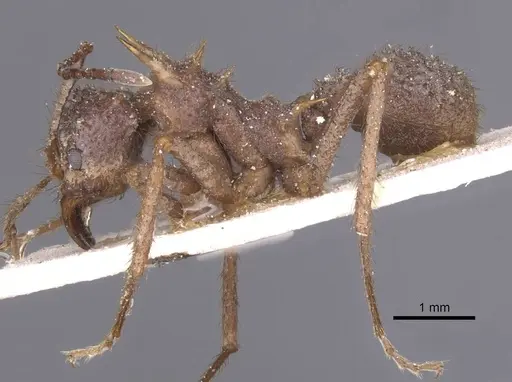
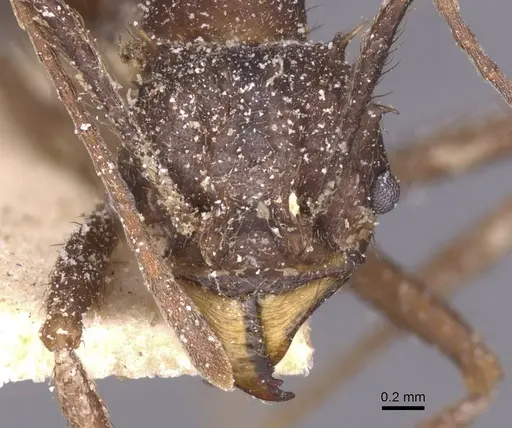
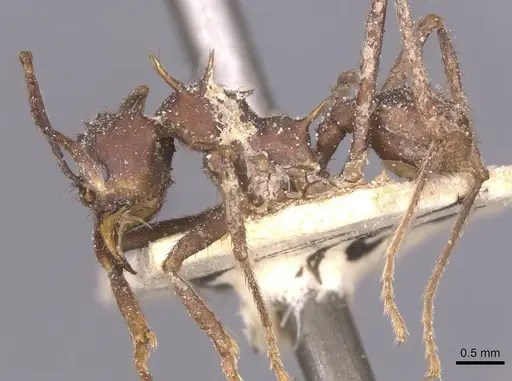
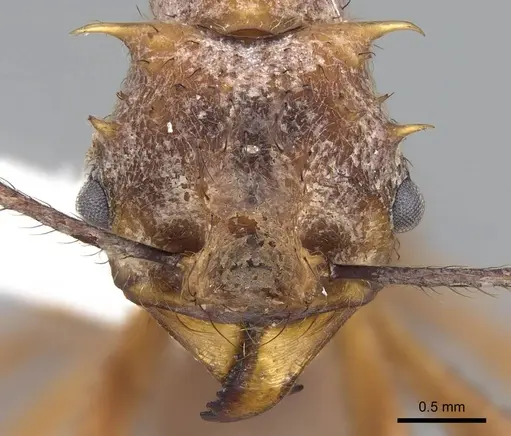
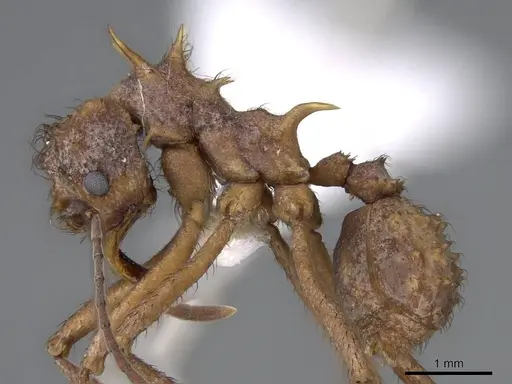
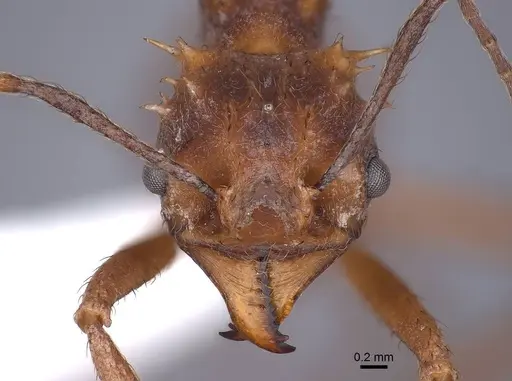
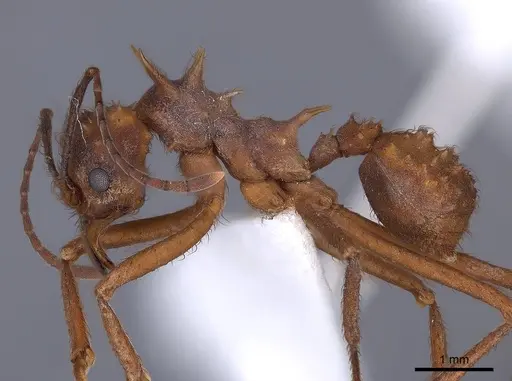
Acromyrmex coronatus, commonly called the tree quenquém, is a medium-sized leaf-cutting ant native to the cloud forests and mountainous regions of Central and South America. Workers measure 6-8 mm and display dark brown coloration with distinctive lighter stripes on the head and gaster, along with characteristically curved occipital spines . Unlike lowland leaf-cutter ants, this species thrives in cool, wet conditions at elevations between 800 and 2000 meters, ranging from Costa Rica through Brazil and Argentina . This species is notable for its semi-claustral founding strategy and flexible nesting habits. While most leaf-cutters seal themselves in for founding, Acromyrmex coronatus queens must leave their nests to forage for leaves to establish their first fungus gardens . They show remarkable architectural plasticity, building arboreal nests in tree forks and epiphyte mats as well as terrestrial nests under dead wood, always maintaining their fungus gardens in carefully constructed chambers .
Quick Summary
- Difficulty: Expert
- Origin & Habitat: Montane cloud forests and secondary forests of Central and South America (Costa Rica to Argentina), typically found at 800-2000m elevation in cool, wet conditions [3][7][8].
- Colony Type: Single-queen colonies (monogyne) with independent colony foundation. Queens forage during the founding phase rather than sealing themselves in [5].
- Size & Growth:
- Queen: size data unavailable, inferred from Acromyrmex genus (~10-12 mm)
- Worker: 6-8 mm [2][1].
- Colony: Smaller than Atta species [9].
- Growth: Moderate to slow (montane species with cooler temperature requirements).
- Development: estimated 8-12 weeks at 24°C based on Acromyrmex genus patterns. (Development likely slower at cooler montane temperatures. First workers (nanitics) may emerge smaller than typical workers.)
- Antkeeping:
- Temperature: Keep at 20-24°C. This is a montane cloud forest species that tolerates cooler conditions than lowland tropical ants. Avoid temperatures above 28°C [3].
- Humidity: High humidity required (70-85%). The fungus garden must remain moist but not waterlogged. Provide a humidity gradient with moist nest substrate and slightly drier outworld areas [3].
- Diapause: No true diapause required, though colony activity may naturally decrease during the dry season. Maintain stable conditions year-round [3].
- Nesting: Requires a fungus garden setup with a secure chamber for the fungal substrate. Can be housed in naturalistic setups with branches for arboreal nesting or in standard formicaria with deep chambers. Must include a separate waste area as they deposit refuse outside the nest [6][10].
- Behavior: Nocturnal foragers that become diurnally active only after rainfall. Build extensive trunk trails up to 100 meters long. Highly polymorphic workers with distinct size castes (minors, media, majors) performing different tasks. Generally defensive but not overly aggressive, workers carry leaf pieces on their heads [3][11][12].
- Common Issues: fungus garden collapse from incorrect humidity or temperature, the symbiotic fungus is sensitive to drying out or overheating., Escovopsis infection (a parasitic fungus) can destroy the garden, maintain sterile conditions and remove contaminated substrate immediately [20][21]., founding queen starvation, unlike claustral species, queens need access to fresh leaves and fungus substrate during founding [3][5]., waste accumulation, they pile refuse outside the nest which can grow mold if not cleaned regularly [14][15]., desiccation risk, montane species require consistent humidity, dry conditions kill the fungus garden rapidly.
Queen Ant Activity Analysis 86 observations
Queen Activity by Hour 86 observations
Acromyrmex coronatus queen activity peaks around 09:00 during the morning. Activity is spread across a 12-hour window (06:00–17:00). Times may be influenced by human observation patterns.
Nest Preferences and Architecture
Acromyrmex coronatus shows remarkable flexibility in nest site selection. In nature, they frequently build arboreal nests in tree forks and among epiphyte mats, constructing a superstructure of loose dead leaf fragments and twigs around their fungus chambers [3][13]. However, they also nest terrestrially under pieces of dead wood or in soil, creating excavations that can reach over a meter deep with chambers the size of a human head connected by tubes [12].
For captive care, you must provide a secure fungus garden chamber that can maintain high humidity while allowing gas exchange. The garden itself has a spongy, fragile appearance with smaller pores than some related species, forming a compact mass [6]. Importantly, these ants practice external waste deposition, they throw their refuse (spent fungus substrate and dead ants) out of the nest entrance [10][14]. You must design their setup with a removable waste tray or plan to clean refuse regularly to prevent mold outbreaks.
Feeding and Foraging Behavior
As obligate fungus-growers, Acromyrmex coronatus does not eat the leaves they collect. Instead, they process dicotyledonous plant material (dicots), particularly from the families Myrtaceae, Asteraceae, Rosaceae, and Fabaceae, to cultivate their symbiotic fungus, which they actually consume [6][15][16]. They show a strong preference for soft herbaceous plants and flowers over tough grasses.
Their foraging schedule follows rainfall patterns. In the wild, they forage continuously at night, but only forage during the day immediately following rain [3]. During dry spells, diurnal activity ceases entirely. They build permanent trunk trails leading to food sources that can extend over 100 meters, with different worker sizes performing different tasks, majors cut and carry, media process leaves, and minors tend the garden [12][11]. In captivity, provide fresh dicot leaves (rose, bramble, oak, or fruit tree leaves) daily, along with a carbohydrate source like diluted honey water for the workers themselves.
Colony Founding (Semi-Claustral)
Unlike most leaf-cutting ants that seal themselves in during founding (claustral), Acromyrmex coronatus queens practice non-claustral independent colony foundation [5]. This means the queen does not survive on stored body fat alone, she must leave her incipient nest to forage for leaves to start her first fungus garden.
In the wild, dealate queens have been observed cutting leaves alongside workers, and founding aggregations occur under epiphyte mats in recent treefalls [3]. For captive founding, you cannot simply place the queen in a test tube and wait. You must provide a small founding chamber with initial fungus substrate (or a starter culture from an established colony) and give the queen regular access to fresh leaves. She will need to forage and process these leaves herself to feed her first brood. This makes founding significantly more challenging than claustral species, as the queen is vulnerable to stress and starvation if not provided with proper conditions and food.
Fungus Garden Maintenance and Health
The fungus garden is the heart of the colony and requires meticulous care. Acromyrmex coronatus cultivates Leucoagaricus gongylophorus (a basidiomycete fungus), and may cultivate both Clade-A and Clade-B fungal strains [17][12]. The garden appears as a grayish, spongy mass with high amylase activity for breaking down starches in the leaf substrate [6].
The ants maintain the garden using antibiotic secretions from their metapleural glands and symbiotic actinomycete bacteria (Pseudonocardia) that grow on their cuticle, which help suppress pathogenic fungi [18][19]. However, they remain vulnerable to Escovopsis, a parasitic fungus that can destroy the garden [20][21]. If you see gray or green mold spreading rapidly through the garden, or the ants removing and piling garden material in the outworld, remove contaminated sections immediately. Maintain high humidity but ensure good air circulation to prevent stagnant conditions that favor pathogens. The garden produces visible fruiting bodies (basidiomes) during hot, rainy seasons, these look like small mushrooms emerging from the nest [22].
Temperature and Seasonal Care
As a montane cloud forest species, Acromyrmex coronatus prefers cooler conditions than lowland leaf-cutters. Keep the nest area at 20-24°C with a gentle gradient [3]. They can tolerate brief drops to 15°C but should not be exposed to sustained heat above 28°C, which can stress the fungus garden.
Seasonal changes in the wild trigger different behaviors. During the dry season, diurnal foraging stops completely, and the colony may reduce overall activity [3]. In captivity, maintain stable conditions year-round rather than attempting to simulate a dry season, as the fungus garden requires consistent humidity. However, you may notice reduced foraging activity during winter months if your ambient temperatures drop.
Defense and Interactions
Acromyrmex coronatus faces predation from army ants, particularly Eciton species. When attacked, workers exhibit defensive behaviors including immobilization and crouching, which can repel the attackers [23]. They possess stings and will bite when threatened, though they are generally less aggressive than Atta species.
The species hosts various symbionts and parasites. Attaphila cockroaches (myrmecophiles) live in their fungus gardens [24], while the ants themselves serve as prey for army ants [25]. Their metapleural glands produce a complex secretion containing compounds like 2-nonanone and skatole that function as antibiotics to protect the fungus garden [26]. In captivity, watch for phorid flies and mites that may attack the colony or infest the waste piles.
Frequently Asked Questions
Can I keep Acromyrmex coronatus in a test tube?
No. Unlike claustral founding ants, Acromyrmex coronatus queens need space to forage and process leaves to establish their fungus garden. They require a founding setup with access to a small fungus chamber and fresh leaf material from day one [5][3].
How long until first workers for Acromyrmex coronatus?
Exact timelines are not documented for this species, but based on Acromyrmex genus patterns, expect approximately 8-12 weeks from egg to first worker at 24°C. Development may be slower at the cooler temperatures (20-22°C) preferred by this montane species.
Do Acromyrmex coronatus need a fungus garden?
Yes, absolutely. Like all Attini leaf-cutters, they are obligate fungus-growers. The colony cannot survive without a healthy fungus garden cultivated on fresh leaf material. The ants eat specialized structures called gongylidia produced by the fungus, not the leaves themselves [12][16].
What leaves do Acromyrmex coronatus eat?
They prefer dicotyledonous plants (dicots) including rose, bramble, oak, and fruit tree leaves. In the wild they favor Myrtaceae, Asteraceae, Rosaceae, and Fabaceae families [6][15]. Avoid grasses and conifer needles. Always provide fresh, pesticide-free leaves.
Are Acromyrmex coronatus good for beginners?
No. This is an expert-level species due to the semi-claustral founding strategy (queen needs to forage), strict humidity and temperature requirements for the fungus garden, constant need for fresh leaves, and risk of garden collapse from pathogens like Escovopsis [20].
How big do Acromyrmex coronatus colonies get?
They form smaller colonies than Atta leaf-cutters, likely reaching several thousand workers maximum rather than tens or hundreds of thousands [9].
Why is my Acromyrmex coronatus queen dying during founding?
Unlike most ants, Acromyrmex coronatus queens cannot survive on stored fat reserves alone. They are semi-claustral and must forage for leaves to establish their fungus garden. If kept in a standard test tube without food or fungus substrate, they will starve [3][5].
How do I prevent Escovopsis in Acromyrmex coronatus?
Maintain high humidity but ensure good ventilation to prevent stagnant air. Remove waste promptly as they deposit it outside the nest. If you see gray mold spreading through the garden, remove contaminated sections immediately. The ants' metapleural gland secretions and symbiotic bacteria usually control pathogens, but captive conditions can favor Escovopsis outbreaks [20][21].
Do Acromyrmex coronatus need diapause?
No, they do not require a winter diapause. As a tropical montane species, they remain active year-round, though you may notice reduced foraging during cooler months. Maintain stable temperatures between 20-24°C year-round [3].
When do Acromyrmex coronatus queens forage?
Queen activity of Acromyrmex coronatus typically occurs From February to November. Times may be influenced by human observation patterns.
What time of day are Acromyrmex coronatus queens most active?
Queen activity of Acromyrmex coronatus peaks around 09:00 during the morning, with most activity between 06:00 and 17:00. Times may be influenced by human observation patterns.
Report an Issue
The current care sheet is based fully on literature. See inconsistencies, or something that's incorrect? Please , it will be resolved after review from an admin. Contributing to the blogs tab also helps providing information, to make us be able to further improve the caresheets. Thank you for your support!
References

This caresheet is licensed under CC BY-SA 4.0 .
Community Blogs
CASENT0173791
View on AntWeb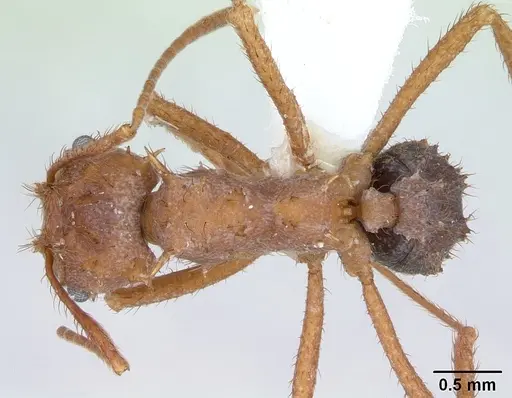
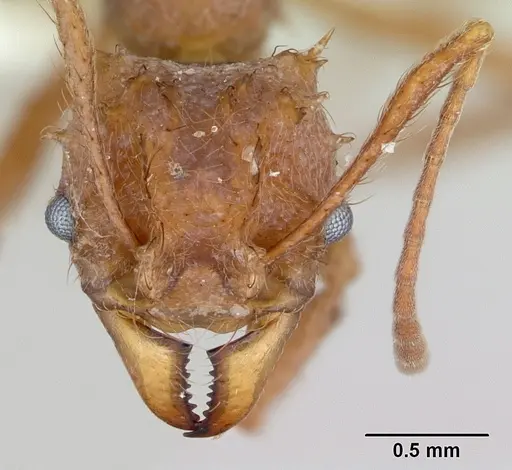
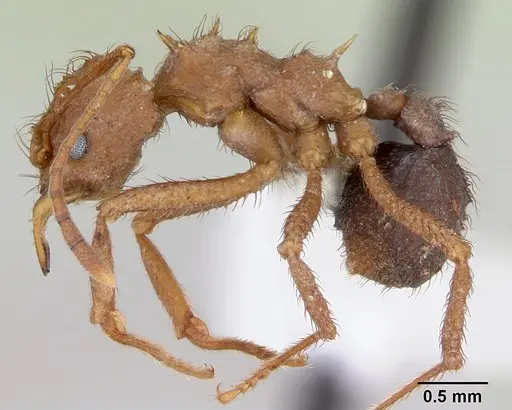
CASENT0173792
View on AntWeb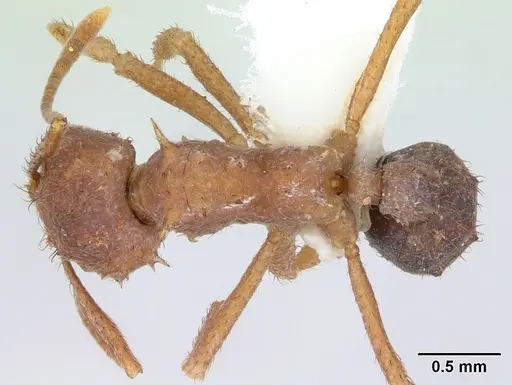
CASENT0904993
View on AntWeb
CASENT0909401
View on AntWeb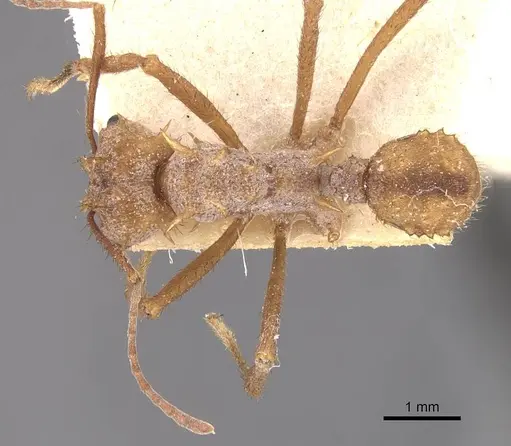
CASENT0909402
View on AntWeb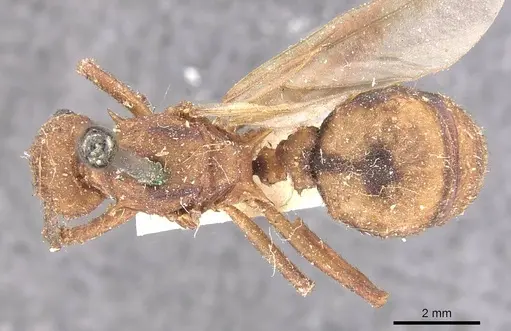
CASENT0909403
View on AntWeb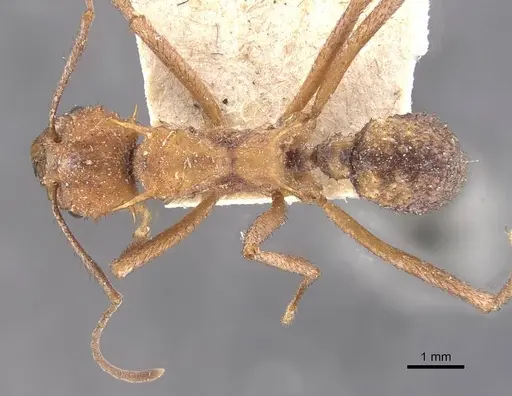
CASENT0909404
View on AntWeb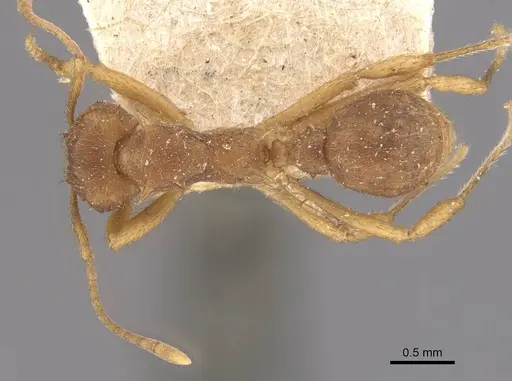
CASENT0909405
View on AntWeb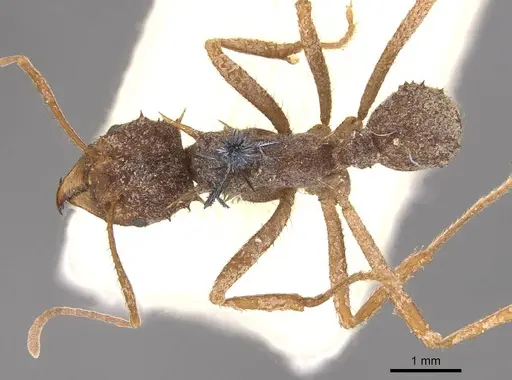
CASENT0909406
View on AntWeb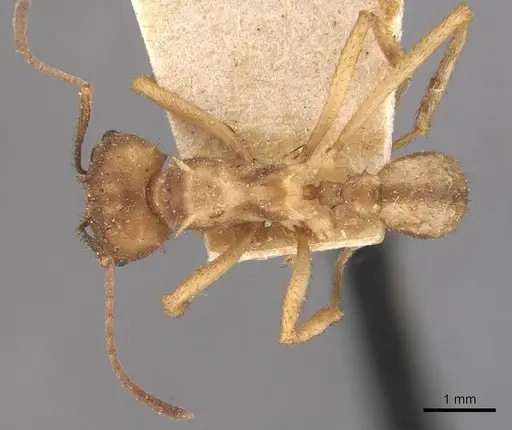
CASENT0909407
View on AntWeb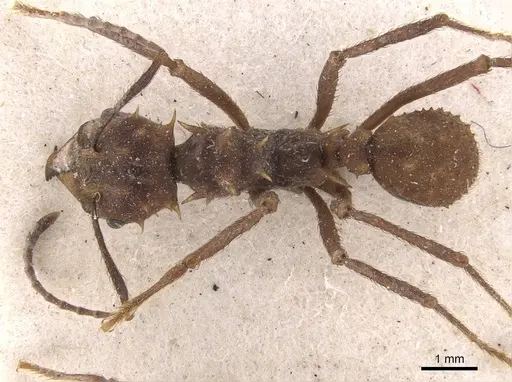
CASENT0909408
View on AntWeb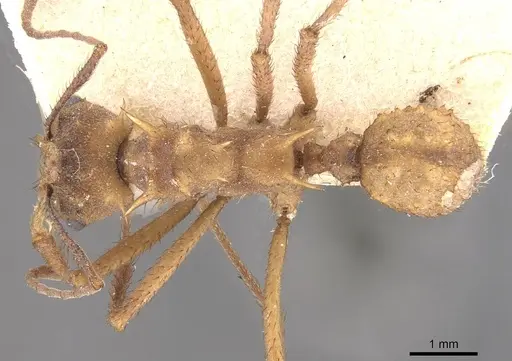
CASENT0909409
View on AntWeb
CASENT0909410
View on AntWeb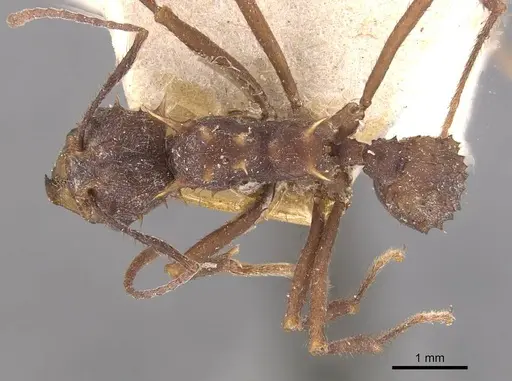
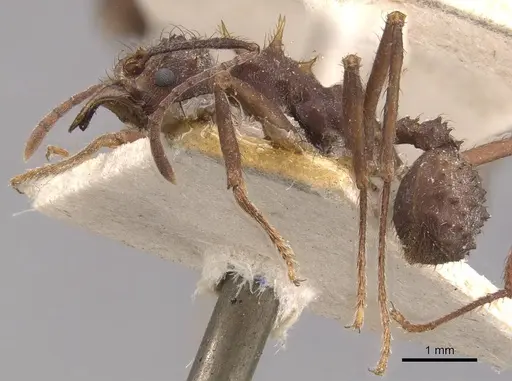
CASENT0912442
View on AntWeb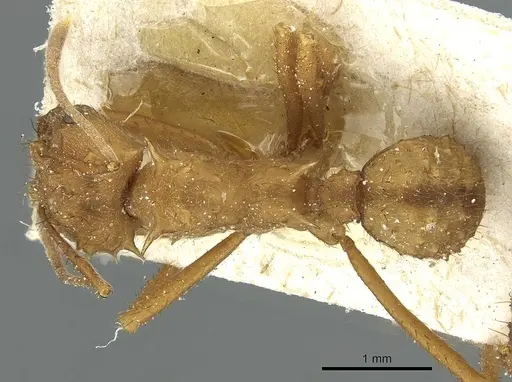
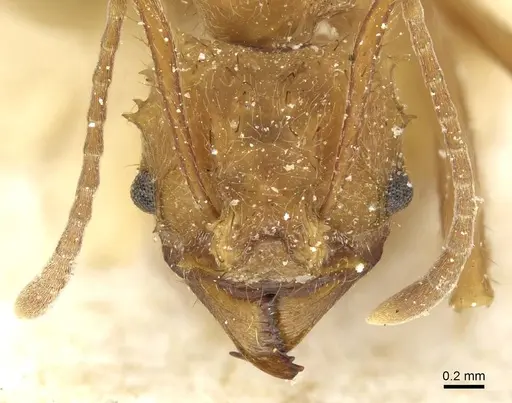
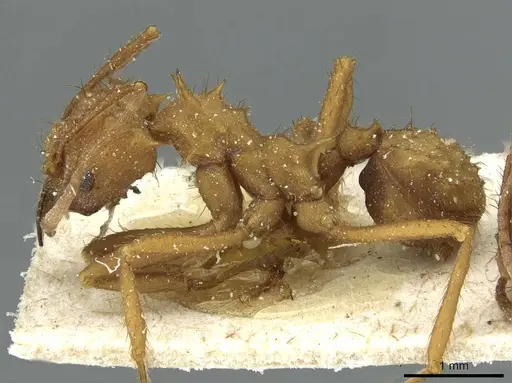
CASENT0912443
View on AntWeb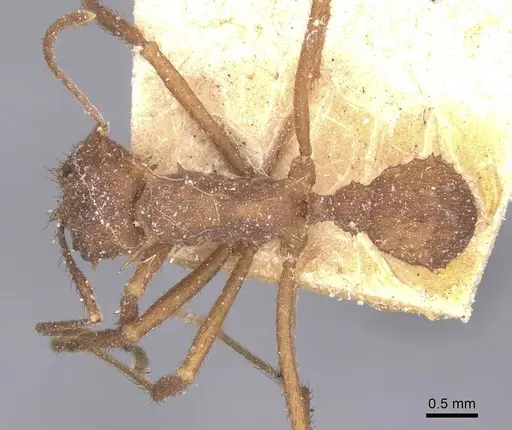
CASENT0912444
View on AntWeb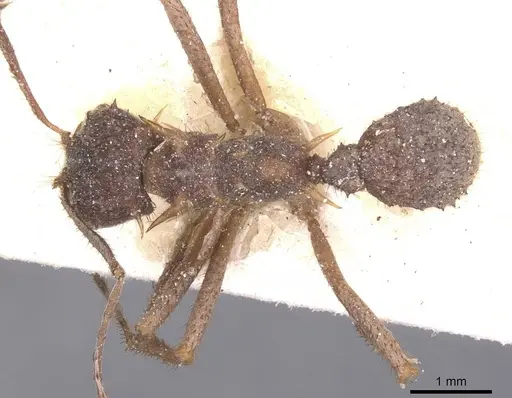
CASENT0912445
View on AntWeb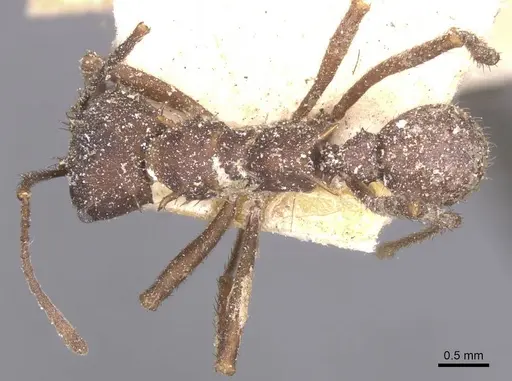
CASENT0922021
View on AntWeb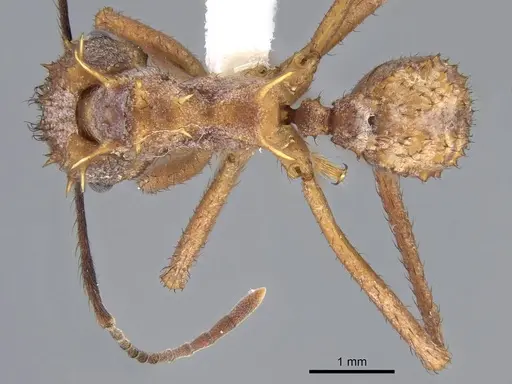
CASENT0923570
View on AntWeb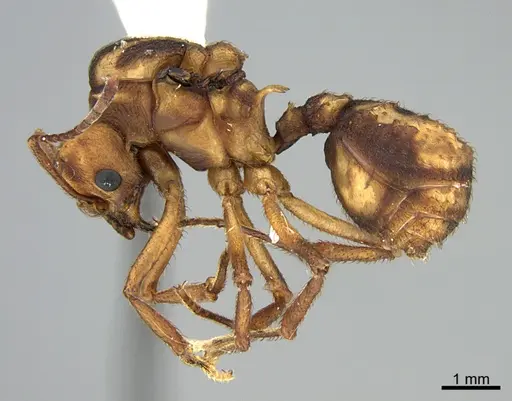
FMNHINS0000046880
View on AntWeb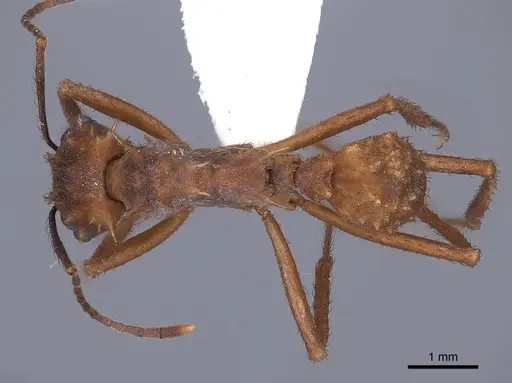
Literature
Loading distribution map...Loading products...