
Acanthostichus brevicornis
- Sci. Name
- Acanthostichus brevicornis
- Subfamily
- Dorylinae
- Author
- Emery, 1894
- Distribution
- Found in 4 countries
Introduction
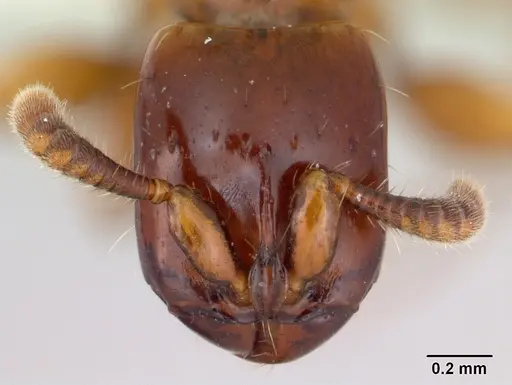
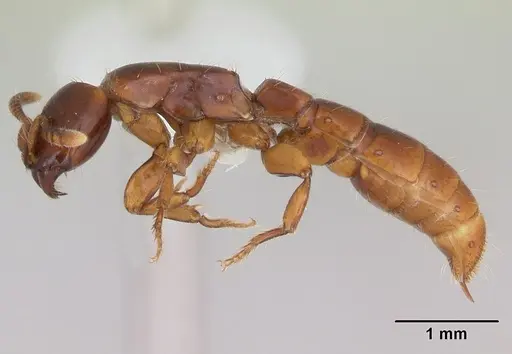
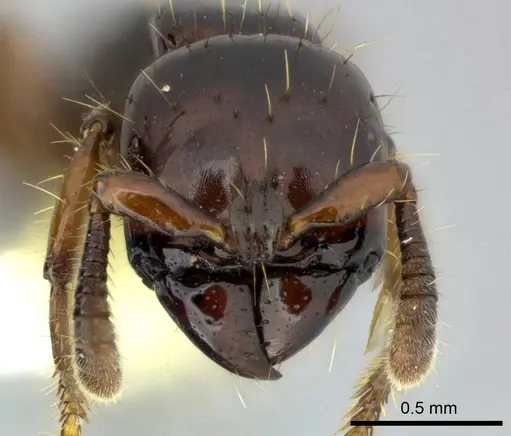
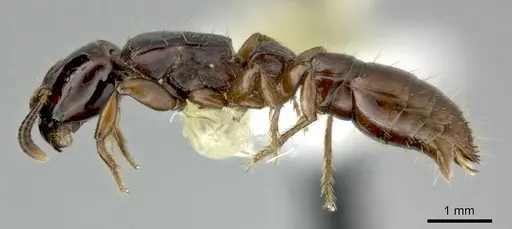
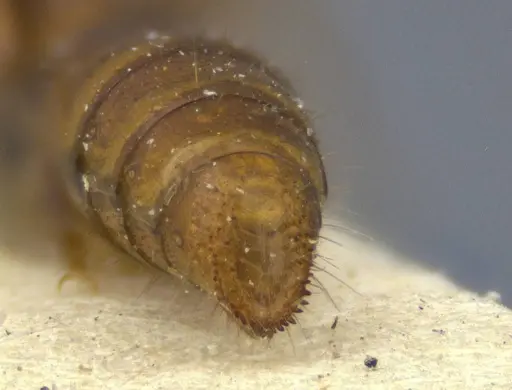
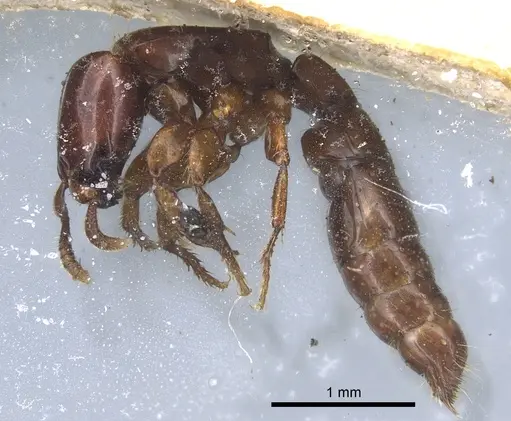
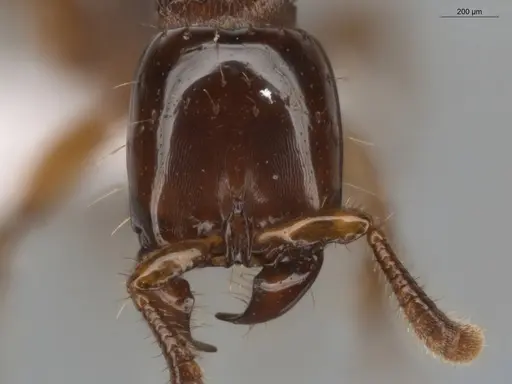
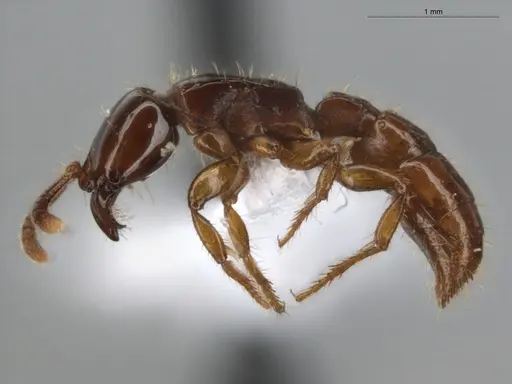
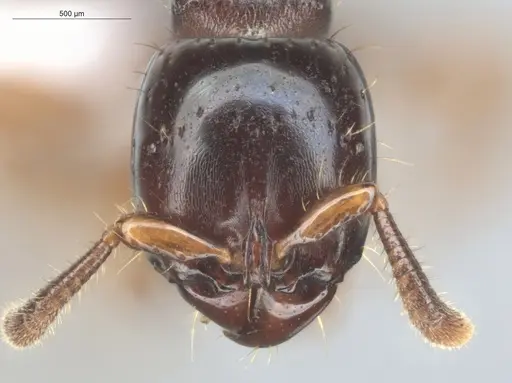
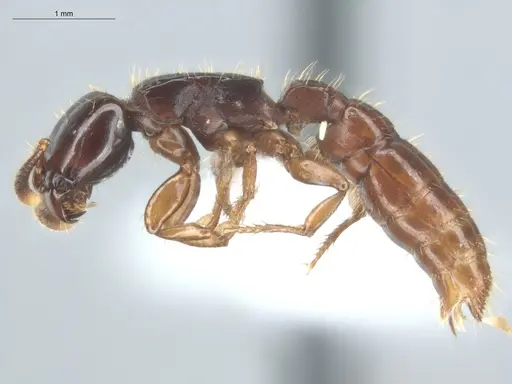
Acanthostichus brevicornis is a small, glossy ant from the Neotropical region. Workers have smooth, shiny bodies with distinctive broad hind femora and a square-shaped petiole that has a concave front face. Queens are slightly larger with a rectangular thorax and large eyes . They live in disturbed soils across Argentina, Brazil, French Guiana, Paraguay, Suriname, and Guyana, particularly in grazed fields, lawns, and red clay areas where they hide under stones or inside termite mounds . This species is a specialized termite predator, originally discovered living under cow manure together with their termite prey . Unlike ants that eat general foods, they hunt termites almost exclusively, with colonies frequently found inside termite mound cavities or foraging in the underground base of mounds . They are classified as a cryptic species, meaning they stay hidden in soil and darkness, making them difficult to spot even when they are common in an area .
Quick Summary
- Difficulty: Expert
- Origin & Habitat: Neotropical region including Argentina, Brazil, French Guiana, Guyana, Paraguay, and Suriname. Found in disturbed habitats such as grazed fields, lawns, and agricultural areas with red clay soil, often nesting under deeply embedded stones or within termite mounds [1][2][3][4].
- Colony Type: Unconfirmed, single or multiple queen systems have not been documented in research
- Size & Growth:
- Queen: Size data unavailable, queen described with head length 1.02mm and width 1.01mm [1]
- Worker: Size data unavailable, workers range from 0.71-1.07mm head length [1]
- Colony: Small colonies, exact worker counts unknown [1]
- Growth: Unknown
- Development: Unknown, development time not documented (No research available on development speed.)
- Antkeeping:
- Temperature: Keep warm and stable, roughly low-to-mid 20s°C. Use a heating cable on one side of the nest to create a gradient [1]
- Humidity: Moderate to high humidity with damp soil substrate. Keep nest soil moist but not waterlogged, similar to the red clay soils in their native range [1][5]
- Diapause: No, tropical species active year-round [1]
- Nesting: Subterranean soil nests or naturalistic setups with clay soil and flat stones. Being a cryptic species, they require darkness, narrow spaces, and soil to excavate [1][6][4]
- Behavior: Cryptic and subterranean. Specialized termite predator that hunts in soil and rotting wood. Small size requires excellent escape prevention with fine mesh barriers [1][6]
- Common Issues: requires live termites to survive, cannot substitute with standard ant foods like honey or crickets., extremely cryptic behavior keeps them hidden in soil, making observation difficult., small size allows escape through gaps that larger ants cannot fit through., wild colonies collected from termite mounds may carry parasites or mites., soil-based nests require careful moisture management to prevent mold.
Termite Predation and Feeding
Acanthostichus brevicornis is a specialized termite hunter, making them one of the most challenging ants to keep in captivity. They were first discovered living under cow manure together with termites, and subsequent research confirmed they prey exclusively on termites [1]. In Brazil, researchers found queens and immatures inside the cavities of Cornitermes cumulans termite mounds, particularly in the underground portions, suggesting they either found colonies there or maintain permanent nests within termite colonies [5].
In captivity, you cannot substitute termites with honey, sugar water, or standard insect prey like mealworms or crickets. They require live termites to survive. This means you must maintain a separate termite colony as food stock, or have reliable access to fresh termite colonies regularly. Attempting to feed them anything other than termites will result in colony death.
Housing and Substrate
As a cryptic species that lives in soil, Acanthostichus brevicornis needs a naturalistic setup rather than a standard acrylic nest. In the wild, they are found under deeply embedded stones, in red clay soils, and within termite mounds in disturbed areas like grazed fields and lawns [1]. Researchers capture them using subterranean baits placed in soil, confirming they spend most of their time underground [4].
For captive housing, use a naturalistic setup with a mix of clay soil and sand, or a plaster nest with soil overlay. Provide flat stones or bark pieces under which they can hide. They need darkness and will stay buried, so a clear viewing area is less important than proper soil conditions. Keep the soil damp but not muddy, similar to the moisture levels found under cow manure or in termite mound soil [1][5].
Finding Queens and Colony Founding
Queens are found in specific microhabitats associated with their termite prey. Look under deeply embedded stones in grazed fields, in the soil of disturbed lawns, or inside termite mounds themselves [1][5]. The Paraguay collection that described the queen came from soil in grazed second-growth vegetation, suggesting open, disturbed habitats are best for collection [1].
Founding behavior is unconfirmed. While queens have been found inside termite mound cavities with immatures, suggesting they may found colonies there, the exact mechanism is unknown [5]. It is unclear whether queens can found colonies alone in a test tube (claustral), forage during founding (semi-claustral), or require termite workers to survive (parasitic). Given their specialized diet, founding in captivity is likely impossible without providing live termites immediately.
Temperature and Environment
Coming from tropical regions across South America, these ants need warm, stable temperatures year-round. They do not require hibernation (diapause) and should remain active throughout the year.
Because they nest in soil, temperature and humidity are linked. A heating cable placed on top of one side of the nest will create a warm zone without drying out the substrate from below. Monitor soil moisture carefully, the substrate should feel damp to the touch but not wet enough to flood chambers. Ventilation must be adequate to prevent mold in the damp soil conditions they prefer. [1]
Frequently Asked Questions
Can I keep Acanthostichus brevicornis without termites?
No. They are specialized termite predators and require live termites to survive. They cannot substitute with honey, crickets, or other standard ant foods.
How do I find Acanthostichus brevicornis queens in the wild?
Look under deeply embedded stones in grazed fields, lawns, or disturbed areas with red clay soil. They are also found inside termite mounds, particularly in the underground portions. Use subterranean baits placed in soil to attract them.
What do Acanthostichus brevicornis eat?
Live termites. They are obligate termite predators and were originally discovered living under cow manure together with termite prey.
Are Acanthostichus brevicornis good for beginners?
No. They are an expert-level species due to their requirement for live termites, cryptic behavior, and small size which makes escape prevention difficult.
Do Acanthostichus brevicornis need hibernation?
No. They are a tropical species from the Neotropical region and remain active year-round without a winter rest period.
How big do Acanthostichus brevicornis colonies get?
They remain small. Exact colony sizes are unknown, but field observations describe them as small colonies when found under stones.
Can I keep multiple Acanthostichus brevicornis queens together?
Unknown. Whether this species accepts multiple queens has not been documented. Combining unrelated queens is not recommended.
What is the egg to worker timeline for Acanthostichus brevicornis?
Unknown. Development time from egg to worker has not been documented in research.
Report an Issue
The current care sheet is based fully on literature. See inconsistencies, or something that's incorrect? Please , it will be resolved after review from an admin. Contributing to the blogs tab also helps providing information, to make us be able to further improve the caresheets. Thank you for your support!
References

This caresheet is licensed under CC BY-SA 4.0 .
Community Blogs
CASENT0173500
View on AntWeb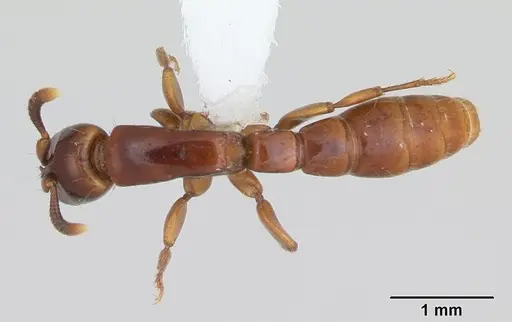
CASENT0246290
View on AntWeb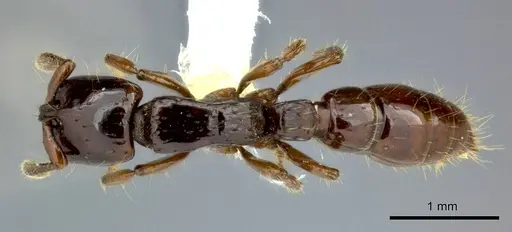
CASENT0752158
View on AntWeb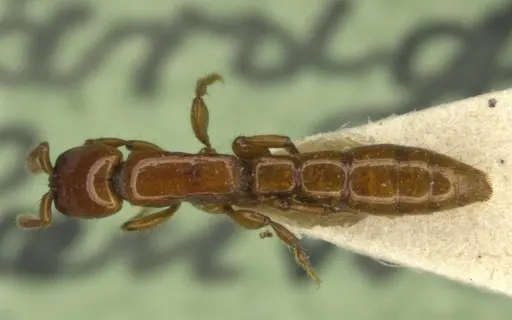
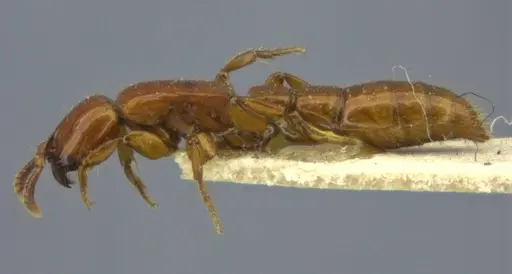
CASENT0903784
View on AntWeb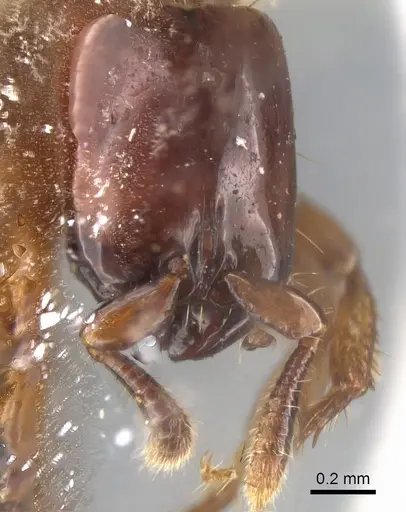
ECOFOG-CRL20-0009-05
View on AntWeb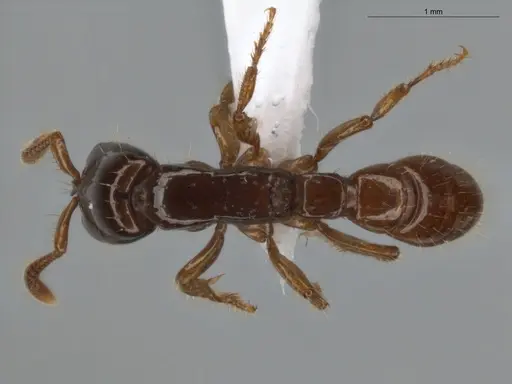
ECOFOG-KOT23-0090-07
View on AntWeb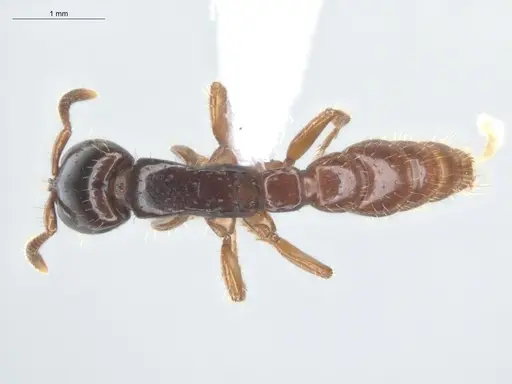
Literature
Loading distribution map...Loading products...