
Acanthognathus brevicornis
- Sci. Name
- Acanthognathus brevicornis
- Tribe
- Attini
- Subfamily
- Myrmicinae
- Author
- Smith, 1944
- Distribution
- Found in 7 countries
Introduction
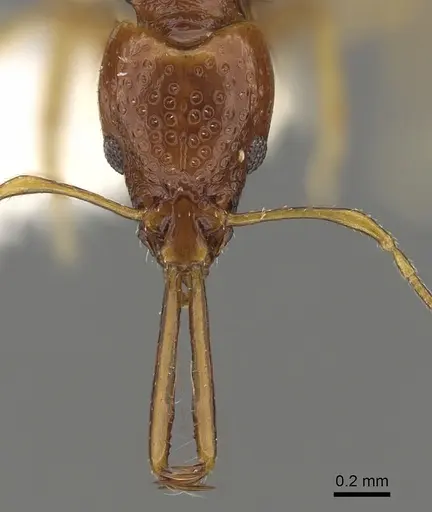
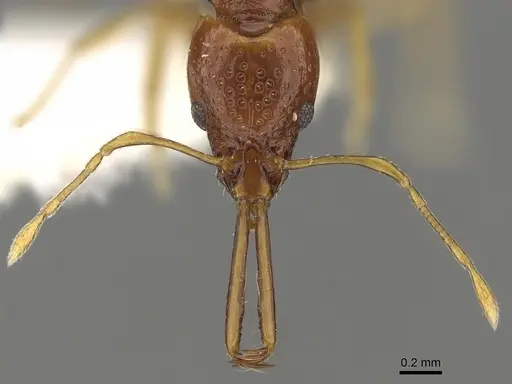
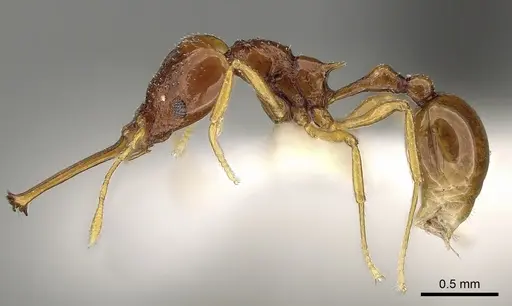
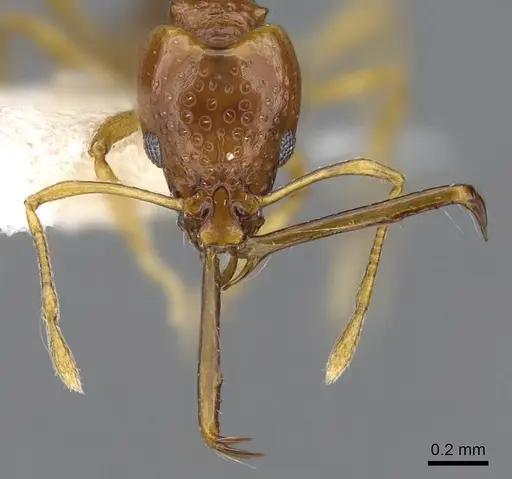
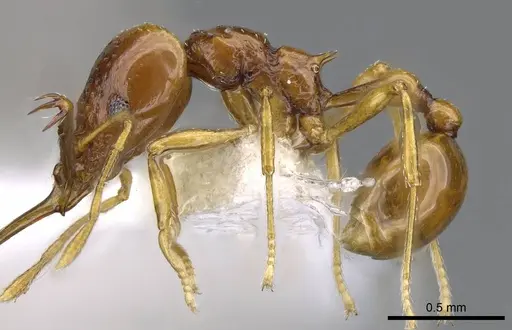
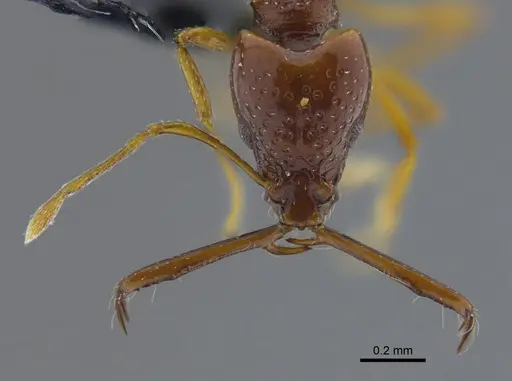
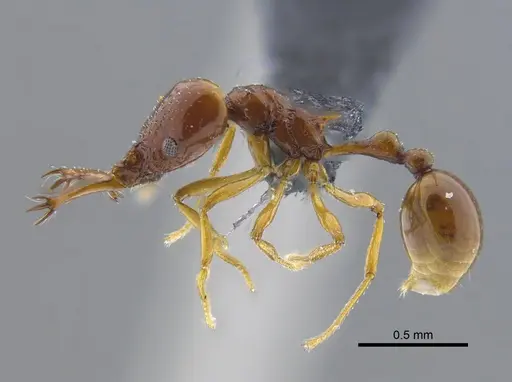
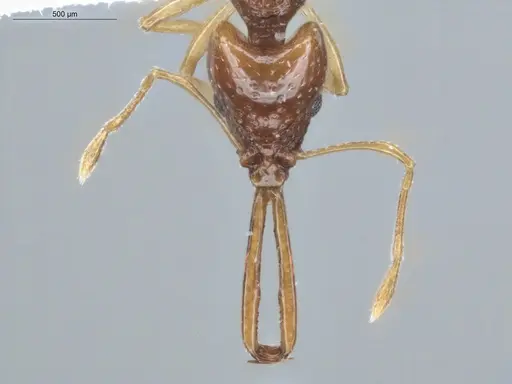
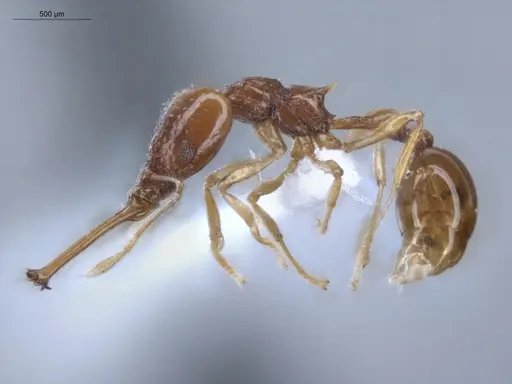
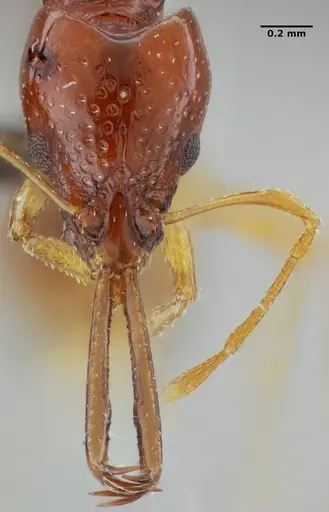
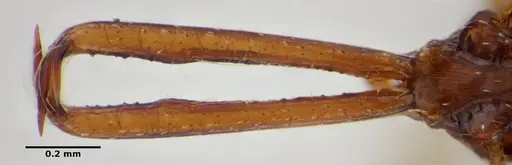
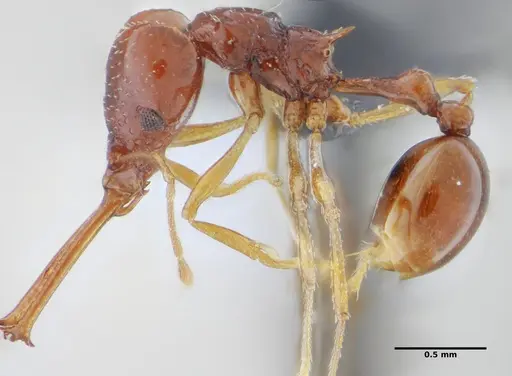
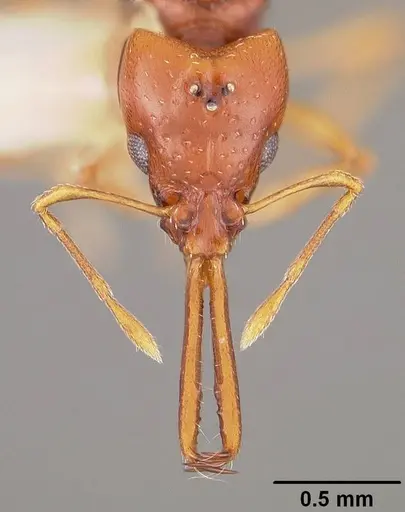
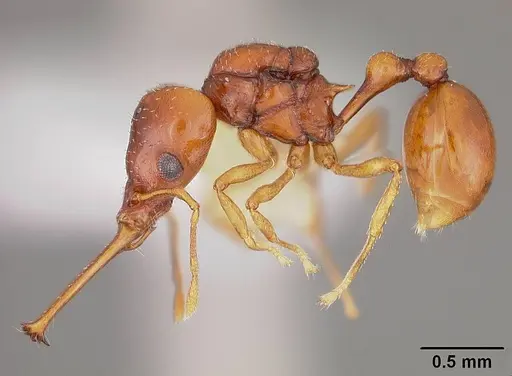
Acanthognathus brevicornis are tiny trap-jaw ants from the Neotropical rainforests of Central and South America. Workers measure 3–4.5 mm in length , with long, slender mandibles built for snapping shut on prey . They live in small colonies in the leaf litter and rotting wood of humid forests from Panama to Brazil . Unlike most ants, this species produces two types of queens: normal winged queens and special wingless "ergatoid" queens that can take over egg-laying if the primary queen dies . Almost nothing is known about their biology in the wild, and no one has successfully kept them in captivity. Their specialized trap-jaw morphology and solitary hunting behavior make their care a mystery .
Quick Summary
- Difficulty: Expert
- Origin & Habitat: Neotropical region (Panama, Colombia, Brazil, Guyana, Peru, French Guiana) in leaf litter, soil, and rotting wood [1][4][5][7][6].
- Colony Type: Single-queen colonies (monogyne) that can produce wingless backup queens called ergatoid queens if the primary queen dies [2].
- Size & Growth:
- Antkeeping:
- Temperature: Tropical warmth around 24–28°C (inferred from Neotropical distribution). Start at 25°C and adjust based on activity.
- Humidity: High humidity with damp substrate – forest floor conditions, not dry room air [1][6].
- Diapause: No – tropical species with no winter rest period required.
- Nesting: In nature they nest in soil and rotting wood [1]. In captivity, a naturalistic setup with leaf litter and decaying wood, or a small plaster nest with very tight chambers, may work, though this is untested.
- Behavior: Solitary hunters with specialized trap-jaw mandibles for catching prey [6][3]. They are cryptic leaf litter dwellers, not aggressive toward humans. Because workers are only 3–4.5 mm long, escape prevention must be perfect [1][2].
- Common Issues: tiny size means they can escape through the smallest gaps in mesh or lids., specialized trap-jaw predation means they may refuse standard ant foods like honey or dead insects., founding behavior is completely unknown – queens may fail without specific conditions we have not identified., so poorly studied that basic care parameters like temperature and humidity preferences are guesses based on habitat alone., likely require live micro-prey such as springtails or mites, which are difficult to maintain., no known successful captive colonies exist – all care advice is speculative.
Nest Preferences
In the wild, Acanthognathus brevicornis lives in soil or rotting wood within the leaf litter [1][6]. They are collected using Winkler traps in forest areas [8]. For captive keeping, replicate these conditions: a mix of soil, leaf litter, and small pieces of decaying wood in a small, humid enclosure. A plaster nest with tight chambers might work, but this is untested. The key is keeping the substrate damp without waterlogging, as they come from humid forest floors [1].
Feeding and Diet
These ants are specialized trap-jaw predators [3]. Their long, slender mandibles with hook-like teeth snap shut on prey. In the wild they hunt alone in leaf litter [6], so they likely need live micro-prey like springtails or tiny insects. They probably cannot process large food items or liquids. Offer tiny live prey, acceptance of honey water or dead insects is unknown.
Temperature and Care
Acanthognathus brevicornis comes from tropical regions (Panama to Brazil) [1][4][7], so it needs stable warmth year-round with no hibernation. Aim for 24–28°C, start at 25°C, and observe colony activity. High humidity is critical – keep the nest substrate damp (like a wrung-out sponge). Good ventilation prevents mold but avoid drafts that could dry the nest.
Behavior and Temperament
These cryptic ants hunt alone in leaf litter [6]. They are equipped with trap-jaw mandibles [3] and have a functional stinger (typical of myrmicines), but both are too small to harm humans. They may pinch if handled, but are not aggressive. Due to their minute size (3–4.5 mm), escape prevention is paramount: use fine mesh under 0.5 mm and perfect barrier seals [1][2].
Colony Structure and Ergatoid Queens
This species has an unusual reproductive system. While colonies typically have one queen (monogyne), they can produce two types of queens: normal winged queens and wingless "ergatoid" queens [2]. Ergatoid queens look similar to workers but have a single median ocellus on the head and functional reproductive organs [2]. These serve as backup queens – if the primary queen dies, an ergatoid can take over egg-laying. Do not attempt to combine multiple unrelated queens, as this species has not been documented as polygynous.
The Challenge of Keeping Acanthognathus brevicornis
This is one of the most difficult species to keep in the hobby. Their biology is almost unknown: we do not know if founding is claustral, what temperature triggers brood development, or exactly what they eat [1]. They are extremely small, requiring perfect escape prevention and tiny prey items. They are also habitat specialists of old-growth forests, missing from disturbed or regenerating areas [9], suggesting they need very specific conditions. This species is recommended only for expert keepers willing to experiment with unknown parameters, and even then, success is uncertain.
Frequently Asked Questions
Can I keep Acanthognathus brevicornis in a test tube?
You can try, but it is risky due to their tiny size (3–4.5 mm). They can squeeze through tiny gaps in cotton or around the tube edges. If you attempt it, use very tight cotton and check for escapes daily. A small plaster nest or naturalistic setup may be safer once the colony grows.
What do Acanthognathus brevicornis eat?
They are specialized trap-jaw predators that likely need tiny live prey such as springtails, mites, or very small insects [3][6]. They may not accept honey water or dead insects due to their specialized mandible structure. Be prepared to culture micro-prey.
How long until first workers for Acanthognathus brevicornis?
The egg-to-worker timeline is unknown. Based on similar small tropical Myrmicinae, estimate 8–12 weeks at 25°C, but this is purely a guess. Watch the queen and brood closely for signs of development.
Do Acanthognathus brevicornis need hibernation?
No. They are a tropical species from Panama and Brazil and do not require a winter rest period [1][7]. Keep them warm year-round.
Are Acanthognathus brevicornis good for beginners?
No. This is an expert-only species. Their biology is almost completely unknown, they are extremely small and prone to escaping, and their specialized diet makes them very difficult to keep alive [1][3].
Can I keep multiple Acanthognathus brevicornis queens together?
Not recommended. This species is monogyne (single-queen) in the wild. While they produce backup ergatoid queens naturally, combining unrelated founding queens has not been documented and would likely result in fighting.
How big do Acanthognathus brevicornis colonies get?
They remain small. Wild colonies are described as small, likely under 50 workers [1]. Do not expect large colonies like Lasius or Formica.
Why are my Acanthognathus brevicornis dying?
This species is extremely difficult to keep and most attempts likely fail. Common causes include: inability to accept standard ant foods (they need specialized live prey), incorrect humidity (they need damp leaf-litter conditions), or escape-related stress. Unfortunately, their care requirements are largely unknown.
Report an Issue
The current care sheet is based fully on literature. See inconsistencies, or something that's incorrect? Please , it will be resolved after review from an admin. Contributing to the blogs tab also helps providing information, to make us be able to further improve the caresheets. Thank you for your support!
References

This caresheet is licensed under CC BY-SA 4.0 .
Community Blogs
CASENT0280684
View on AntWeb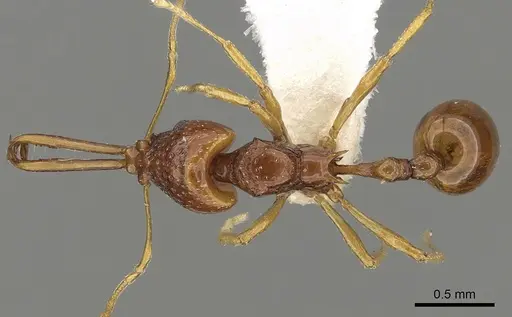
CASENT0914659
View on AntWeb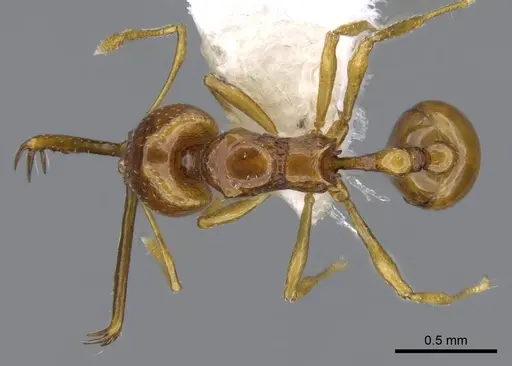
CBUMAGENT41717
View on AntWeb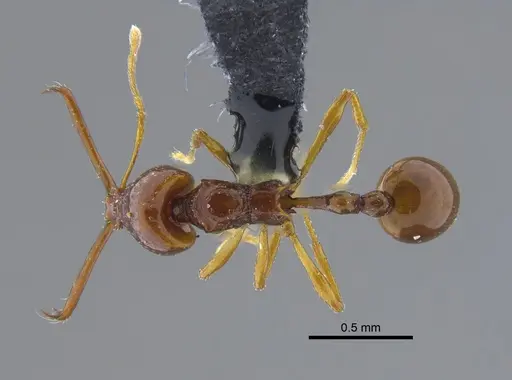
ECOFOG-IT14-0116-45
View on AntWeb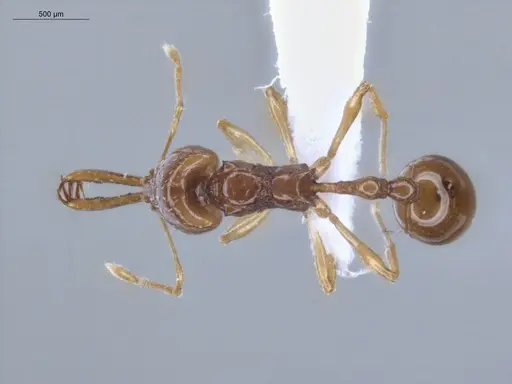
UFV-LABECOL-009219
View on AntWeb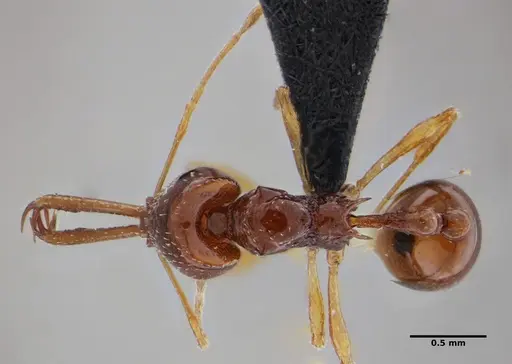
USNMENT00442040
View on AntWeb
Literature
Loading distribution map...Loading products...