
Tetramorium adelphon
- Wiss. Name
- Tetramorium adelphon
- Tribus
- Crematogastrini
- Unterfamilie
- Myrmicinae
- Autor
- Bolton, 1979
- Verbreitung
- In 0 Ländern gefunden
Einleitung
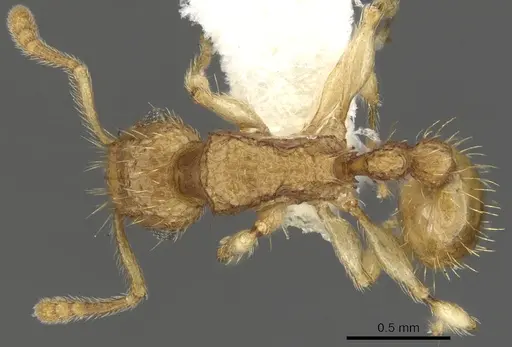
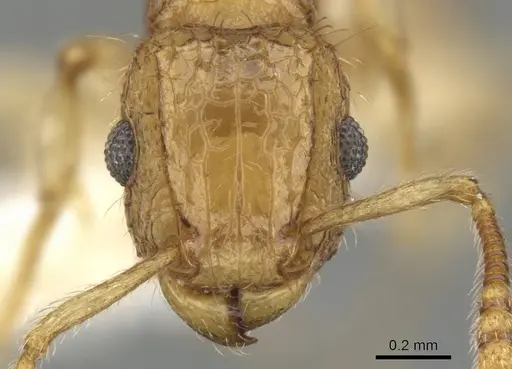
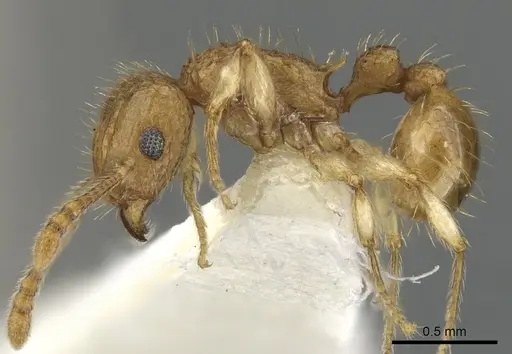
Tetramorium adelphon is a small, dark ant species endemic to Borneo and surrounding regions in Southeast Asia . Only the worker caste has been scientifically described . Workers are estimated at 3-4mm based on typical Tetramorium patterns, with the characteristic two-segmented waist and propodeal spines. This species was described by Bolton in 1979 and is known from lowland dipterocarp forests in Brunei, Indonesia, and Malaysia . Collection records show it was taken from tree trunks using bark spray methods, suggesting it is semi-arboreal or frequently forages on vertical surfaces . The species remains poorly studied in captivity, with no published data on queens, males, or complete colony structure.
Quick Summary
- Difficulty: Medium
- Origin & Habitat: Borneo and surrounding Indomalaya region, specifically lowland dipterocarp forests in Brunei, Indonesia, and Malaysia [2][1]. Collected from tree trunks in Brunei using bark spray methods [1].
- Colony Type: Unconfirmed colony structure. Most Tetramorium species are monogyne (single queen), but this has not been directly documented for T. adelphon.
- Size & Growth:
- Queen: Queen size is unknown as only the worker caste has been described [2]. Based on typical Tetramorium queens, estimated at 5-6mm.
- Worker: Worker size not directly measured, based on typical Tetramorium workers, estimated at 3-4mm.
- Colony: Unknown, not documented for this species. Typical Tetramorium colonies reach several hundred workers.
- Growth: Moderate, inferred from genus patterns.
- Development: Unknown for this species, estimated 6-8 weeks at tropical temperatures (24-28°C) based on typical Tetramorium development. (Development timeline is estimated from genus-level data since species-specific research is unavailable.)
- Antkeeping:
- Temperature: Keep at 24-28°C. As a tropical Borneo species from lowland dipterocarp forests, they require warm, stable temperatures [1]. Avoid temperatures below 22°C for extended periods.
- Humidity: High humidity, keep the nest substrate consistently moist but not waterlogged. Provide good ventilation to prevent mold. This species comes from humid tropical forests [1]. A water tube can serve as a drinking source.
- Diapause: No, as a tropical species from near the equator, they do not require hibernation or diapause. Maintain year-round warm conditions [1].
- Nesting: Based on collection from tree trunks [1], they are likely semi-arboreal. Provide vertical surfaces like cork bark or twigs. Y-tong (AAC) nests or naturalistic setups with rotting wood pieces work well. They may nest under bark or in wood cavities.
- Behavior: This species is moderately active and forages on vertical surfaces. Workers are not particularly aggressive but will defend their nest using a modified stinger that smears venom onto enemies (common defense in the tribe Crematogastrini). Based on genus patterns, they are generalist feeders accepting both protein and sugar sources. Escape risk is moderate, their small size means they can squeeze through small gaps, so use proper barriers.
- Common Issues: tropical species may struggle in air-conditioned rooms or cool climates without heating, small size requires good escape prevention despite not being extreme escape artists, humidity needs are high, dry conditions can cause colony decline, limited species-specific information means keepers must adapt care from genus knowledge, wild-caught colonies may carry parasites or not adapt well to captive conditions
Natural History and Distribution
Tetramorium adelphon is endemic to Borneo and the surrounding Indomalaya region, including Brunei Darussalam, Indonesia, and Malaysia [2]. The species was described by Bolton in 1979 from Borneo specimens [2]. Only the worker caste has been described, queens and males remain unknown [2]. Heterick and Kitching (2022) collected this species in a lowland dipterocarp forest in Brunei using bark spray methods, which involves spraying insecticide on tree trunks to knock off foraging ants [1]. This collection method suggests the species is semi-arboreal or frequently forages on vertical tree surfaces rather than just on the ground. The lowland dipterocarp forest habitat is characterized by high humidity, warm temperatures year-round, and dense vegetation [1].
Housing and Nest Preferences
Based on the collection data showing this species on tree trunks, they appear to be semi-arboreal or at least frequently climb on vertical surfaces [1]. For captive care, a Y-tong (AAC) nest works well for established colonies, providing dark, humid chambers that mimic tree hollows. Alternatively, a naturalistic setup with pieces of rotting wood or bark allows them to create their own galleries. Since they come from humid tropical forests, the nest material should retain moisture well without becoming waterlogged [1]. A test tube setup can work for founding colonies, but monitor humidity carefully, these ants need consistent moisture. Avoid completely dry setups. The outworld should include vertical structures like twigs or cork bark to accommodate their apparent preference for climbing on surfaces.
Feeding and Diet
Like most Tetramorium species, T. adelphon is likely a generalist feeder. In captivity, offer a varied diet including protein sources like small insects (fruit flies, small mealworms, crickets) and sugar sources such as honey water or sugar water. Since they were collected from tree trunks in forest habitats, they likely forage for honeydew from aphids or scale insects in the wild, plus small arthropods. Feed protein 2-3 times per week and keep sugar water available at all times. Remove uneaten prey after 24 hours to prevent mold. Fresh water should always be accessible.
Temperature and Seasonal Care
As a tropical species from Borneo near the equator, Tetramorium adelphon requires warm conditions year-round [1]. Maintain temperatures between 24-28°C for optimal colony health and brood development. This species does not require hibernation or diapause, maintaining consistent tropical conditions is key. Avoid placing the colony near air conditioning vents or in cool rooms. A small heating cable on one side of the nest can help maintain warmth if room temperature is insufficient. Temperature drops below 22°C for extended periods may stress the colony and slow or stop brood development. Monitor colony activity, active foraging indicates good conditions, while lethargy may indicate temperatures are too low.
Colony Establishment
Since only workers have been described and colony structure is unconfirmed [2], founding a colony may require obtaining a wild-caught queen or colony. If obtaining a queen, likely claustral founding based on typical Tetramorium behavior, the queen seals herself in a chamber and raises the first workers alone on stored fat reserves. Provide a small test tube setup with moist cotton and keep it dark and undisturbed. First workers (nanitics) will be smaller than mature workers. Do not feed during the founding stage, the queen survives on her stored reserves. Once workers emerge, they will begin foraging and can be offered small food items. Growth rate is likely moderate, expect several months to see significant colony growth under optimal conditions.
Frequently Asked Questions
How long does it take for Tetramorium adelphon to develop from egg to worker?
Exact development time is unknown for this species. Based on typical Tetramorium genus patterns at tropical temperatures (24-28°C), estimate approximately 6-8 weeks from egg to first worker. Factors like temperature, humidity, and nutrition can affect development speed.
What temperature do Tetramorium adelphon ants need?
Keep them at 24-28°C. This tropical Borneo species requires warm, stable temperatures year-round [1]. Avoid temperatures below 22°C for extended periods.
Do Tetramorium adelphon ants need hibernation?
No. As a tropical species from near the equator, they do not require hibernation or diapause [1]. Maintain warm conditions throughout the year.
Are Tetramorium adelphon good for beginners?
This species is rated as medium difficulty. While not the hardest species, the limited specific information available means keepers may need to adapt care based on genus knowledge. Beginners may prefer more documented species, but those with some antkeeping experience should be able to maintain this species successfully.
What do Tetramorium adelphon eat?
They are likely generalist feeders. Offer small insects (fruit flies, small mealworms) as protein 2-3 times per week, and keep sugar water or honey water available at all times. They likely forage for honeydew and small arthropods in the wild.
How big do Tetramorium adelphon colonies get?
Colony size is not documented for this species. Based on typical Tetramorium patterns, colonies likely reach several hundred workers. Growth rate is moderate.
Can I keep multiple Tetramorium adelphon queens together?
Colony structure is unconfirmed for this species. Most Tetramorium are monogyne (single queen), but polygyny has been documented in some genus members. Without specific data for T. adelphon, it is not recommended to combine unrelated queens.
Do Tetramorium adelphon ants sting?
Tetramorium adelphon belongs to a group of ants with a modified stinger used to smear venom on enemies rather than sting deeply. They may apply venom defensively if disturbed, but are not particularly aggressive. The sting is mild. Handle gently and minimize disturbance.
What type of nest is best for Tetramorium adelphon?
Based on their collection from tree trunks [1], they appear semi-arboreal. Y-tong (AAC) nests work well, or naturalistic setups with rotting wood. They prefer humid, dark chambers. A test tube works for founding colonies.
Why is my Tetramorium adelphon colony declining?
Common causes include: temperatures too low (below 22°C), humidity too dry, poor nutrition, or stress from disturbance. Ensure warm, humid conditions and offer varied diet. Wild-caught colonies may also carry parasites.
Report an Issue
The current care sheet is based fully on literature. See inconsistencies, or something that's incorrect? Please , it will be resolved after review from an admin. Contributing to the blogs tab also helps providing information, to make us be able to further improve the caresheets. Thank you for your support!
References

Dieses Caresheet ist lizenziert unter CC BY-SA 4.0 .
Community-Blogs
CASENT0901074
Auf AntWeb ansehen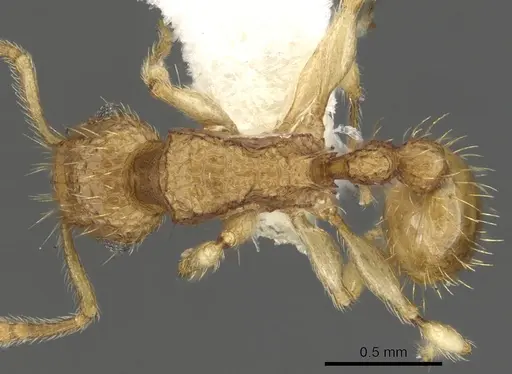
Literatur
Verbreitungskarte wird geladen...Produkte werden geladen...