
Temnothorax shelkovnikovi
- Wiss. Name
- Temnothorax shelkovnikovi
- Tribus
- Crematogastrini
- Unterfamilie
- Myrmicinae
- Autor
- Karavaiev, 1926
- Verbreitung
- In 0 Ländern gefunden
Einleitung
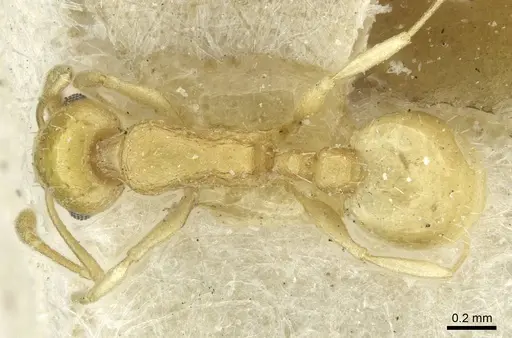
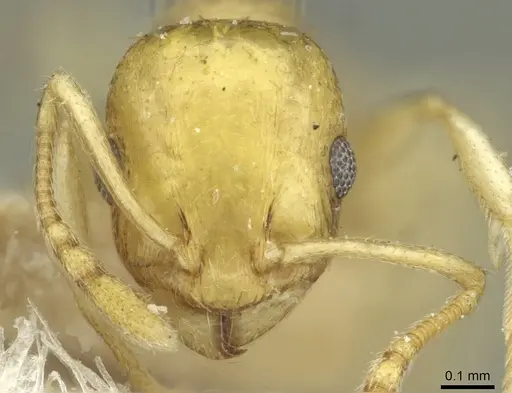
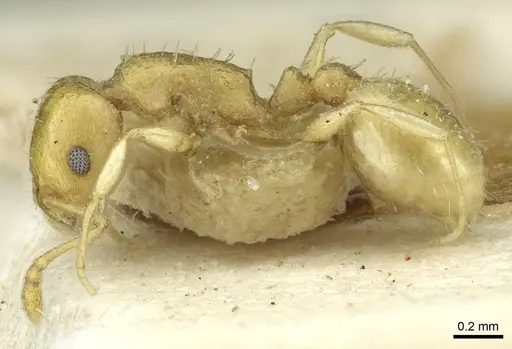
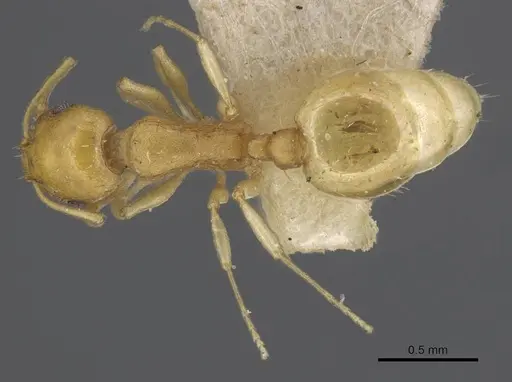
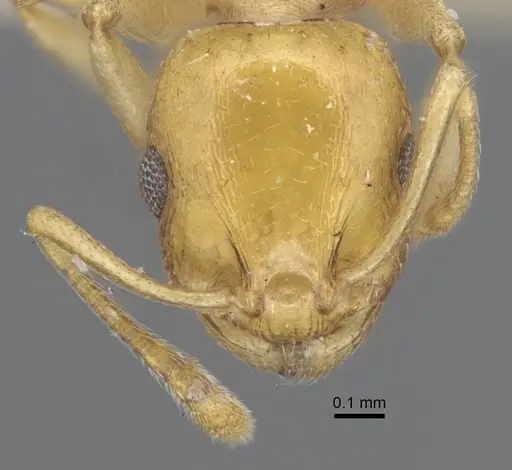
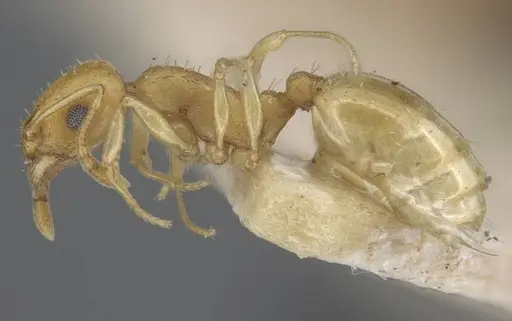
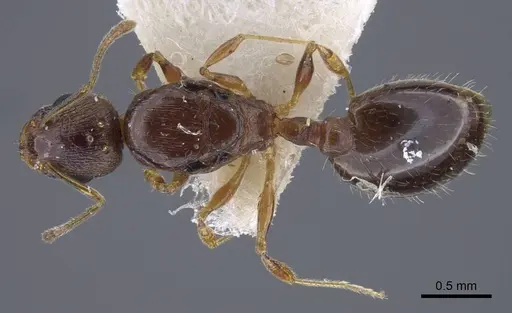
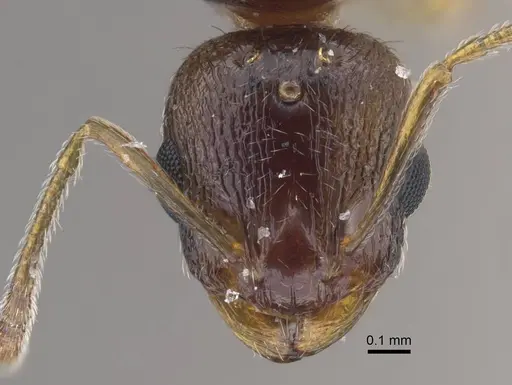
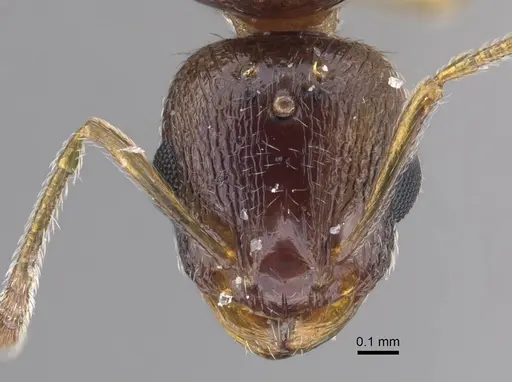
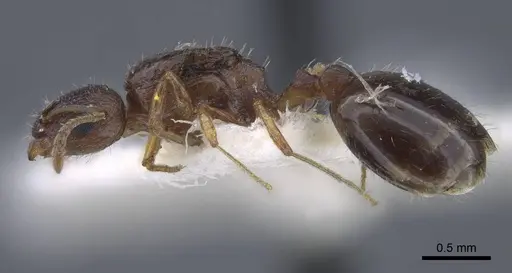
Temnothorax shelkovnikovi is a small Myrmicinae ant from the Caucasus region, found in Azerbaijan, Georgia, Turkey, and the Russian Caucasus . Workers are small (around 3-4mm) with reddish-brown coloring, typical of the genus. The queen was first described by Radchenko in 1995 . This species is more or less restricted to the Caucasus area . It was originally described from Armenia by Karavaiev in 1926 . As a mountain species, T. shelkovnikovi probably lives in cooler, shaded spots - under stones or in rotting wood. They're part of the Temnothorax genus (revised from Leptothorax by Bolton in 2003 ). Not much is known about their specific habits in the wild, but they seem to be a specialized Caucasus endemic.
Quick Summary
- Difficulty: Medium
- Origin & Habitat: Caucasus region, Azerbaijan, Georgia, Turkey, Russian Caucasus. Found in mountainous areas with moderate elevation, likely in shaded, cooler microhabitats [1][2].
- Colony Type: Likely monogyne (single queen) based on typical Temnothorax patterns. No reports of polygyny in available literature.
- Size & Growth:
- Queen: Size data unavailable, queens were described by Radchenko (1995) but measurements are not recorded in the available sources. Based on genus patterns, queens are slightly larger than workers.
- Worker: Size data unavailable, typical Temnothorax workers are ~3-4mm, but specific measurements for this species are not published.
- Colony: Up to 500 workers (estimated from genus patterns)
- Growth: Moderate, typical for temperate small Myrmicinae
- Development: Estimated 6-10 weeks at optimal temperature based on related species (Development time inferred from genus-level data, specific timeline unconfirmed for this species)
- Antkeeping:
- Temperature: Keep at 18-22°C. As a Caucasus mountain species, they prefer cooler temperatures than tropical ants. Room temperature is often suitable. Avoid overheating.
- Humidity: Provide a moisture gradient. Keep the nest substrate relatively dry, with a small water tube or damp area. Do not let the nest become waterlogged.
- Diapause: Likely required. As a temperate species, reduce temperature to 5-10°C for 2-3 months in winter. Reduce feeding during this time.
- Nesting: Small nest chambers work well. Y-tong (AAC) nests with narrow passages or small test tube setups are appropriate for their tiny size. They prefer tight, enclosed spaces.
- Behavior: Generally peaceful and non-aggressive, typical of most Temnothorax. Workers are small but active foragers. They tend to flee rather than engage in major confrontations. Escape prevention is critical due to their tiny size, use fine mesh or fluon barriers. They accept standard ant foods including sugar water and small insects. Defense: as a member of the tribe Crematogastrini, they use a smearing defense, applying venom topically rather than stinging.
- Common Issues: small size makes escape prevention critical, they can slip through standard barrier gaps, winter dormancy is essential but beginners often forget diapause requirements, limited captive breeding history may mean wild-caught colonies have parasites, cold-dependent species may struggle in warm rooms without temperature control
Temperature and Seasonal Care
Temnothorax shelkovnikovi is a temperate species from the Caucasus mountains, which means it has specific temperature requirements. Keep the nest area at 18-22°C, this is cooler than many common ant pets prefer. Room temperature often works well, but avoid placing their setup near heating sources or in direct sunlight that could cause overheating.
Winter dormancy is likely essential. During winter (roughly November through February in the Northern Hemisphere), reduce temperatures to 5-10°C and reduce feeding. This simulates the natural cold period they experience in their native Caucasus habitat. Skipping this diapause period may harm colony health and queen fertility. Simply moving them to an unheated garage or basement during winter months usually provides adequate cooling.
Housing and Nest Preferences
These are tiny ants that need appropriately scaled housing. A Y-tong (AAC) nest with narrow chambers or a small test tube setup works well. The chambers should be tight-fitting, these ants feel secure in enclosed spaces and may be stressed in overly large, open formicaria.
For the outworld, keep it simple. Use a small container with good escape prevention, their tiny size means they can slip through gaps that larger ants cannot. Apply fluon or use fine mesh barriers. A small piece of cotton with sugar water and occasional small prey items is sufficient for the foraging area.
Nesting material should be relatively dry, avoid the damp setups needed for tropical species. A small water tube for humidity is sufficient, but the substrate should not be wet.
Feeding and Diet
Like most Temnothorax, T. shelkovnikovi likely accepts a standard ant diet. Offer sugar water or honey water regularly as a constant food source. For protein, offer small prey items like fruit flies, small mealworms, or other tiny insects. These ants are small, so prey items should be appropriately sized.
Feed small amounts every 2-3 days, removing uneaten prey to prevent mold. The colony will likely consist of only a few dozen workers initially, so overfeeding is a common mistake. A small drop of sugar water and one or two tiny prey items per feeding is adequate for a developing colony.
Colony Development
Colony growth will be gradual, this is not a fast-growing species. After the queen lays her first eggs, expect 6-10 weeks until the first workers (nanitics) emerge, based on typical Temnothorax development patterns. The first workers will be smaller than mature workers.
Colony size likely maxes out at a few hundred workers, Temnothorax colonies are typically smaller than many Myrmicinae. A mature colony might reach up to 500 workers. Growth is slow but steady with proper care and winter diapause. Patience is key with this species.
Behavior and Temperament
Temnothorax shelkovnikovi is a peaceful species. Workers are small and likely avoid confrontation, retreating rather than attacking. They are active foragers but not aggressive hunters.
The main behavioral concern is escape risk. Their tiny size means they can squeeze through remarkably small gaps. Always use excellent escape prevention, apply fluon to barrier edges and use fine mesh. Check for gaps regularly.
For defense, this species uses a smearing mechanism, they wipe or smear venom onto enemies rather than piercing flesh. This is typical of the tribe Crematogastrini. They are not significant stingers, and any bite is harmless to humans.
Frequently Asked Questions
How long does it take for Temnothorax shelkovnikovi to have first workers?
Expect 6-10 weeks from egg to first worker at optimal temperature (around 20°C). This is based on typical Temnothorax development patterns since species-specific data is not available. The first workers (nanitics) will be smaller than mature workers.
Do Temnothorax shelkovnikovi ants need hibernation?
Yes. As a Caucasus mountain species, they require a winter dormancy period of 2-3 months at 5-10°C. Reduce feeding and move them to a cooler location during winter. Skipping diapause can harm the queen's fertility and colony health.
What temperature is best for Temnothorax shelkovnikovi?
Keep them at 18-22°C. This is cooler than many ant species prefer. Room temperature is often suitable. Avoid overheating, they are adapted to the cooler mountain climate of the Caucasus region.
How big do Temnothorax shelkovnikovi colonies get?
Colonies likely reach up to 500 workers at maturity. This is typical for Temnothorax, they are not large colony formers. Growth is slow and gradual over several years.
Can I keep multiple Temnothorax shelkovnikovi queens together?
This species is likely monogyne (single queen). Unlike some flexible Temnothorax, they do not form multi-queen colonies. Only keep one queen per colony setup.
What do Temnothorax shelkovnikovi eat?
Offer sugar water or honey water as a constant food source. For protein, provide small insects like fruit flies, tiny mealworms, or other small prey. Feed small amounts every 2-3 days, removing uneaten food.
Are Temnothorax shelkovnikovi ants good for beginners?
They are moderate difficulty. Their small size and escape risk require attention, but their peaceful nature and simple care requirements make them manageable. The main challenge is providing proper winter dormancy.
Do Temnothorax shelkovnikovi ants sting?
They are not significant stingers. As Myrmicinae in the tribe Crematogastrini, they use a smearing defense, applying venom topically rather than stinging. They may bite if severely threatened, but this is not a concern for keepers.
What size nest do I need for Temnothorax shelkovnikovi?
Use a small nest, Y-tong with narrow chambers or a small test tube setup works well. These tiny ants prefer tight, enclosed spaces. The foraging area should also be small to prevent escape and allow easy feeding.
Where is Temnothorax shelkovnikovi found in the wild?
This species is restricted to the Caucasus region, specifically Azerbaijan, Georgia, Turkey, and the Russian Caucasus mountains [1][2]. It was originally described from Armenia by Karavaiev in 1926 [3].
Report an Issue
The current care sheet is based fully on literature. See inconsistencies, or something that's incorrect? Please , it will be resolved after review from an admin. Contributing to the blogs tab also helps providing information, to make us be able to further improve the caresheets. Thank you for your support!
References

Dieses Caresheet ist lizenziert unter CC BY-SA 4.0 .
Community-Blogs
Literatur
Verbreitungskarte wird geladen...Produkte werden geladen...