
Temnothorax arpini
- Wiss. Name
- Temnothorax arpini
- Tribus
- Crematogastrini
- Unterfamilie
- Myrmicinae
- Autor
- Tarbinsky, 1976
- Verbreitung
- In 0 Ländern gefunden
Einleitung
Temnothorax arpini is a small ant species known only from Kyrgyzstan in Central Asia. It was originally described as Leptothorax arpini in 1976 and moved to the genus Temnothorax in 2003 . Specific biological data for this species is extremely limited. No measurements, nesting preferences, or behavioral observations have been published. Based on the genus, it is likely a temperate-adapted ant, but this remains unconfirmed .
Quick Summary
- Difficulty: Medium
- Origin & Habitat: Kyrgyzstan, Palaearctic Region. No specific habitat data available, likely mountainous with a continental climate [2][1].
- Colony Type: Unknown. No published data on queen number or social structure for this species.
- Size & Growth:
- Queen: Estimated 3.5-5 mm, inferred from typical Temnothorax queen sizes (no specific measurements published).
- Worker: Estimated 2-4 mm, inferred from typical Temnothorax worker sizes (no specific measurements published).
- Colony: Unknown. No published colony size estimates.
- Growth: Unknown. Based on the genus, likely slow to moderate.
- Development: Unknown for this species. Based on genus patterns, a rough estimate of 6-10 weeks at room temperature is plausible but unconfirmed. (All development data is inferred from related species, no specific data exists for T. arpini.)
- Antkeeping:
- Temperature: Unknown. Based on temperate origin, keep at cool room temperature (around 18-22 °C) and avoid temperatures above 25 °C. A mild winter cooling period is likely beneficial.
- Humidity: Unknown. Based on genus, provide moderate humidity with a moisture gradient in the nest. Keep the substrate slightly moist but not waterlogged.
- Diapause: Yes, inferred from temperate climate origin. Provide a winter rest period of approximately 3 months at 5-10 °C, but exact requirements are unconfirmed.
- Nesting: Unknown. Based on genus, they likely prefer small, dark cavities. Test tube setups, plaster nests, or Y-tong nests with small chambers are recommended. Avoid large, open spaces.
- Behavior: No documented behavior for this species. Based on the genus, they are likely peaceful and non-aggressive. Given their potentially small size, assume they can escape through very small gaps, use fine mesh and seal all connections.
- Common Issues: escape prevention is critical due to potentially small size, use fine mesh and seal all gaps., lack of published care data means keepers may need to experiment carefully and adjust conditions gradually., winter diapause is recommended but exact duration and temperature are unknown, a 3-month cool period around 5-10 °C is a safe starting point., colony growth is likely slow, which may frustrate those expecting rapid expansion., parasites from wild colonies are unknown, quarantine any new colonies and monitor for health.
Housing and Nest Setup
Because specific nesting data for Temnothorax arpini is lacking, general guidance for the genus applies. A test tube setup works well for small founding colonies, and Y-tong (aerated autoclaved concrete) or plaster nests with narrow chambers are ideal for larger groups. These ants prefer confined, dark spaces. Avoid tall or open formicaria. A small outworld connected by tubing allows for feeding without disturbing the nest. Always use fine mesh on ventilation and seal all joints carefully, as these ants can squeeze through very tiny gaps.
Feeding and Diet
No specific dietary data exists for T. arpini. Based on the genus, offer a balanced diet of sugar water or honey water as a constant carbohydrate source, and small protein items like fruit flies, pinhead crickets, or small mealworms every few days. Remove uneaten prey within 24 hours to prevent mold. A varied diet helps support colony health.
Temperature and Seasonal Care
Optimal temperatures for T. arpini are unknown. Given its Kyrgyzstan origin, a cool room temperature (18-22 °C) is a reasonable starting point. Avoid direct sunlight and heating mats. During winter, reduce temperature to 5-10 °C for about 3 months to mimic the native cold season. This diapause is likely important for long-term colony health, but specific requirements are unconfirmed.
Behavior and Colony Dynamics
Published behavioral observations for T. arpini are absent. Like other Temnothorax, it is expected to be docile and non‑aggressive. Workers likely forage individually for honeydew and small insects. The colony may have a single queen (monogyne typical for the genus), but this is not confirmed. The main challenge for keepers is escape prevention due to the ants' small size. They belong to the tribe Crematogastrini and use a smearing defense, they wipe venom onto enemies rather than stinging, and are harmless to humans.
Frequently Asked Questions
How long does it take for Temnothorax arpini to produce first workers?
Specific data is unavailable. Based on related Temnothorax species, first workers (nanitics) may appear around 6-10 weeks at 20 °C, but this is only an estimate.
Do Temnothorax arpini ants sting?
They do not sting in the traditional sense. As members of Crematogastrini, they smear venom onto threats using a modified stinger. This venom is harmless to humans.
Can I keep multiple queens together?
Not recommended. The social structure of T. arpini is unknown. Most Temnothorax species are monogyne (single-queen), so keeping a single queen is safer.
What temperature do Temnothorax arpini need?
Optimal temperature is unknown. Based on its temperate origin, keep the colony around 18-22 °C and avoid prolonged temperatures above 25 °C.
Do they need hibernation?
Yes, a winter rest period is recommended. Provide 2-3 months at 5-10 °C to simulate the Kyrgyzstan winter. This is inferred from the climate, not from direct studies.
How big do Temnothorax arpini colonies get?
Colony size is unknown. There are no published estimates for this species. Based on the genus, they likely stay below a few hundred workers, but this is speculation.
What do I feed Temnothorax arpini?
Offer a constant source of sugar water or honey water, and supplement with small protein insects (fruit flies, tiny crickets) every few days.
Are Temnothorax arpini good for beginners?
They are not well‑studied, so difficulty is uncertain. If you are comfortable with uncertainty and can adapt care, they are manageable. Their small size and peaceful temperament (inferred) are pluses.
When should I move them to a formicarium?
Because founding details are unknown, wait until the queen has at least 20-30 workers before moving to a larger nest. Test tubes can support them for the first year.
Why are my ants escaping?
Due to their potentially tiny size, they can slip through very small gaps. Use fine mesh (less than 0.5 mm openings) on all vents, check tubing connections, and seal lid edges tightly.
Report an Issue
The current care sheet is based fully on literature. See inconsistencies, or something that's incorrect? Please , it will be resolved after review from an admin. Contributing to the blogs tab also helps providing information, to make us be able to further improve the caresheets. Thank you for your support!
References

Dieses Caresheet ist lizenziert unter CC BY-SA 4.0 .
Community-Blogs
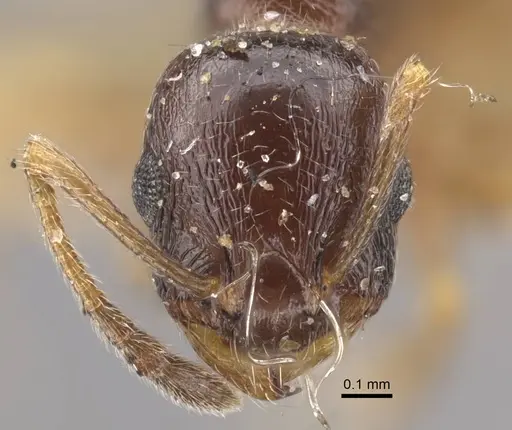
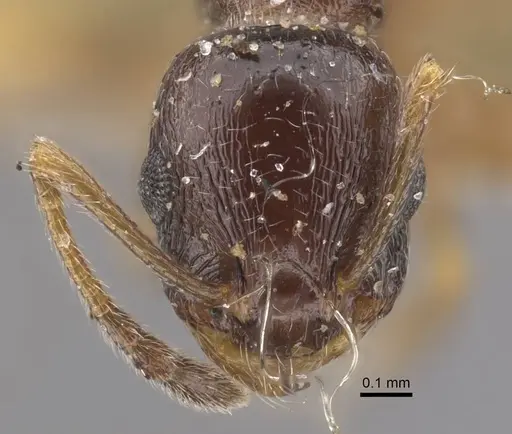
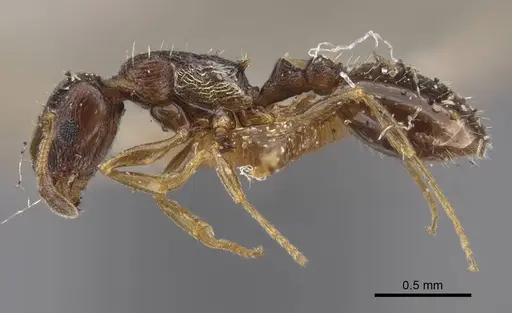
CASENT0917449
Auf AntWeb ansehen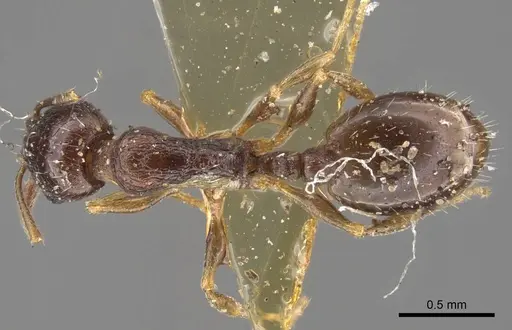
Literatur
Verbreitungskarte wird geladen...Produkte werden geladen...